
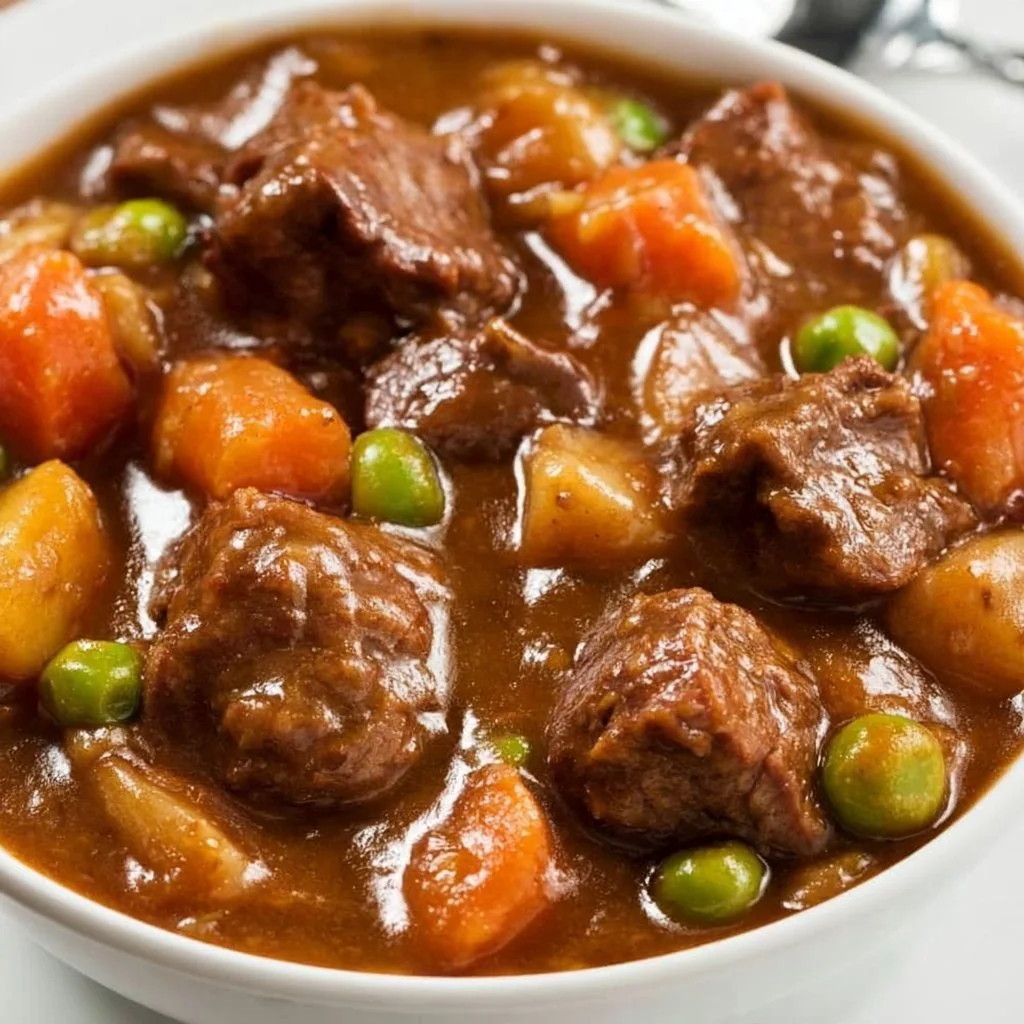
Slow Cooker Beef Stew
When it comes to comforting meals, few dishes can rival the satisfying warmth and flavor of a slow-cooked beef stew. This classic dish features tender chunks of protein and an array of hearty vegetables submerged in a richly seasoned broth, creating a meal that’s as nourishing as it is delicious. The magic of this flavorful stew lies in the slow cooking process, which allows all of the ingredients to meld together, enhancing the overall taste and texture.
As the stew simmers away in the slow cooker, the enticing aroma wafts through the kitchen, inviting everyone to gather around the dinner table. The vibrant colors of the carrots, potatoes, and succulent meat create a visually appealing dish that is sure to impress any guest. The combination of these ingredients results in a thick, hearty stew that you can savor on its own or alongside crusty bread, making it the perfect solution for cozy dinners at home.
Slow cooker recipes, especially this one, are ideal for busy families or anyone looking to simplify meal preparation. You can effortlessly prepare this dish ahead of time and let it cook while you go about your day. Its versatility makes it suitable year-round, whether it’s a chilly winter night or a relaxed weekend gathering, providing comfort in every season.
What Makes This Recipe Special
This beef stew stands out for its exceptional depth of flavor, resulting from the careful layering of ingredients and the slow cooking process. The harmony of the tender meat with root vegetables creates a satisfying mouthfeel, while the expertly blended herbs infuse the stew with freshness. Importantly, each ingredient plays a vital role in contributing to the overall dish, making it a symphony of taste and texture.
Unlike some other stews which can be overly heavy or greasy, this recipe yields a well-balanced and hearty stew. The absence of flour or thickeners allows the natural juices from the meat and vegetables to create a robust and flavorful broth that is still light. Additionally, the use of fresh herbs such as thyme and rosemary adds a fragrant quality, elevating the dish to new heights while complementing the earthiness of the vegetables and richness of the protein.
The recipe also embraces the flexibility of slow cooking. You can easily adapt it to your preferences by introducing different vegetables or herbs, tailoring it to suit your family’s tastes. Such combinations allow for exciting variations each time you prepare it while retaining the fundamental essence of a traditional stew.
Ingredient Overview and Helpful Notes
A successful beef stew relies heavily on the quality and selection of its main ingredients. The heart of the stew is the stew meat, which is typically a tougher cut; however, slow cooking transforms it into tender morsels. Cuts like chuck or round are often used due to their rich flavor and marbling of fat, which contributes to the stew’s flavor profile during the cooking process. When selecting stew meat, look for pieces that have a good amount of marbling, as this fat will render as it cooks, enriching the stew.
The vegetables in this dish, particularly the carrots and potatoes, not only add texture but also sweetness, balancing the richness of the other ingredients. Choose firm, fresh produce for the best results. Carrots should snap easily without bending, and potatoes should feel firm and smooth. When peeling and chopping your vegetables, aim for uniform sizes; this ensures even cooking and that they’re all perfectly tender by the end of the cooking time.
Quality beef broth is essential, as it will serve as the base of the stew and should offer a deep, hearty flavor. If you can, opt for low-sodium broth so you can control the salt level yourself. Homemade broth will enhance the stew even more, but store-bought is a convenient and effective shortcut, particularly for busy weeknights.
When measuring your seasonings, such as thyme, rosemary, salt, and pepper, be sure to taste as you go. Gradually add these spices to enhance flavors while ensuring you don’t overpower the primary ingredients. Just as with all recipes, the key is balancing flavors in a way that lets each ingredient shine through, while complementing the overall dish.
Nutrition & Recipe Details
Nutritional values may vary depending on ingredients used, brands, portion sizes, and preparation methods.
| Item | Value |
|---|---|
| Prep time | 15 minutes |
| Cook time | 6-8 hours |
| Store time | 3-4 days |
| Calories | Approximately 350 kcal per serving |
| Protein | Approximately 25g |
| Carbohydrates | Approximately 30g |
| Fat | Approximately 10g |
How to Make Slow Cooker Beef Stew
Creating this delightful stew is straightforward, making it accessible even for beginner cooks. Start by gathering your ingredients and equipment. You will require a slow cooker, a large skillet for browning the meat, and a cutting board for preparing your vegetables. Before touching the ingredients, it’s a good habit to wash your hands and ensure all cooking equipment is clean.
-
Assemble your ingredients. This can make the cooking process smoother and more organized, allowing you to enjoy the experience instead of fumbling for items as you cook.
-
Prepare your stew meat by cutting it into uniform chunks, typically about 1-2 inches, ensuring even cooking across all pieces.
-
Once the meat is ready, you’ll want to brown it in a skillet before adding it to the slow cooker. This step enhances the flavor through caramelization, creating a rich base for your stew.
Ingredients
| Ingredient | Quantity |
|---|---|
| Stew meat | 2 pounds |
| Carrots, sliced | 4 |
| Potatoes, diced | 4 |
| Onion, chopped | 1 |
| Beef broth | 4 cups |
| Tomato paste | 2 tablespoons |
| Garlic, minced | 2 cloves |
| Thyme | 1 teaspoon |
| Rosemary | 1 teaspoon |
| Salt and pepper | To taste |
| Olive oil | 2 tablespoons |
Before you start cooking, chop the onions, carrots, and potatoes. A good practice is to cut them into similar sizes to ensure an even cooking time. Place the chopped vegetables in separate bowls to keep them organized until you’re ready to incorporate them into the slow cooker.
Step-by-Step Instructions
-
Brown the Meat: In a large skillet, heat the olive oil over medium-high heat. Once the oil shimmers, add the stew meat and brown it on all sides. This should take about 5-7 minutes. The goal is to develop a crust on the meat, which adds flavor to both the meat and the stew.
-
Combine Ingredients: Transfer the browned meat to the slow cooker. Add the sliced carrots, diced potatoes, chopped onion, minced garlic, thyme, rosemary, and tomato paste.
-
Add Broth: Pour in the beef broth, ensuring that all ingredients are covered. This will allow the flavors to meld together beautifully as it cooks.
-
Season: Season with salt and pepper according to your preference. It’s always better to add a little and adjust later if needed. Stir to combine all ingredients thoroughly.
-
Cooking Time: Cover and cook on low for 6-8 hours or until the meat and vegetables are tender. During this time, the stew will thicken slightly, and the flavors will deepen.
-
Serve Hot: Once cooked, stir the stew gently before serving to combine any settled ingredients. Ladle into bowls, making sure each serving includes a mix of meat and vegetables.
Understanding the Flavor and Texture
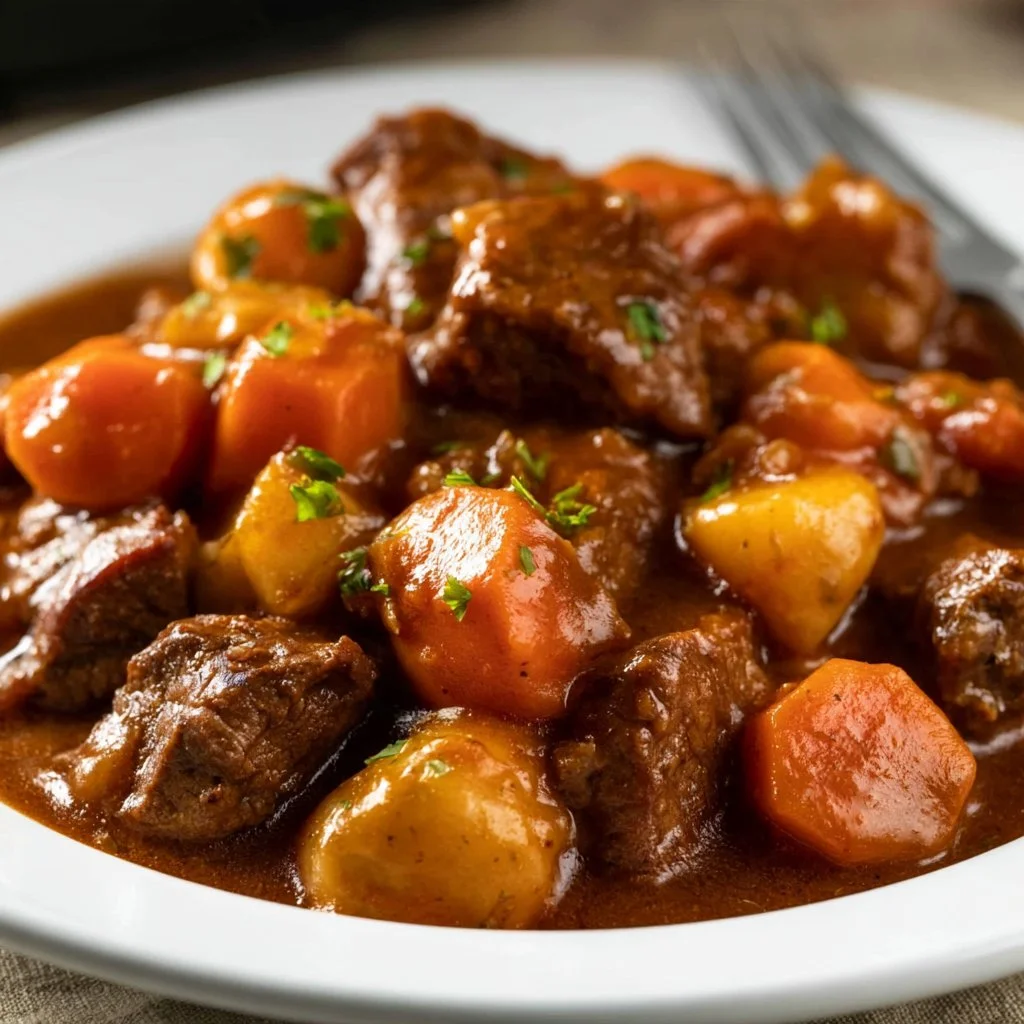
Upon completion, this slow cooker stew should present a richly textured dish, with tender bits of meat that practically fall apart, alongside perfectly cooked vegetables that still maintain their shape. The aroma is fragrant and hearty, providing hints of rosemary and thyme which further enhances the overall experience. The broth, imbued with deep flavors from long, slow cooking, will have a thickness that coats the back of a spoon, inviting you in for another taste.
The interaction of ingredients throughout the cooking process creates a delightful juxtaposition between the tender meat, which should be moist and flavorful, and the vegetables, which add both sweetness and earthiness to each bite. Recognizing a successful stew comes down to observing the consistency and flavors: it should neither be overly watery nor too thick, with a harmonious balance of warmth from spices and freshness from herbs.
The slow cooker’s low and steady heat allows the dish to not only cook through but also to develop layers of flavor that only get better over time. A well-made beef stew will taste rich without being overwhelming or muddy, creating distinct, enjoyable bites.
Pro Tips
A few small techniques can significantly enhance your slow cooker stew, ensuring an amazing result each time you make it.
| Tip | Description |
|---|---|
| Use Fresh Ingredients | Opt for fresh produce and quality cuts of meat. Fresh vegetables contribute better flavors, and quality meat ensures a tender texture. |
| Brown the Meat | Take the time to brown the meat in a skillet before adding it to the slow cooker. This step will deepen the flavor and add a caramelized richness to the stew. |
| Taste as You Go | Adjust the seasoning throughout the cooking process. Add a pinch of salt here and there for a well-balanced flavor, rather than over-seasoning at once. |
| Don’t Overcrowd the Slow Cooker | Leave enough space for the ingredients to cook properly. Overcrowding can lead to uneven cooking and affect the flavors. |
Beyond these essential tips, it can be beneficial to let the stew cool down before refrigerating. This allows you to store it safely and retain the best flavors when reheated. Consider preparing the ingredients the night before to streamline the busy cooking process for the day ahead.
Why You’ll Love This Recipe
There are numerous reasons to appreciate this beef stew recipe. First and foremost, its flavor is both satisfying and comforting, making it ideal for a chilly evening or a family gathering. The layering of ingredients and cooking method provides not just a meal, but an experience that warms you from the inside out.
The flexibility in preparation allows you to experiment with various ingredients, which keeps it exciting without straying from classic comforts. Whether served over rice, with crusty bread, or as is, its adaptability makes it suitable for various dining preferences.
Additionally, it can easily be scaled for larger gatherings or kept simple for a small family dinner. The cleanup is relatively easy since using a slow cooker minimizes the number of pots and pans needed. You can set it and forget it, eliminating the constant need for attention during the cooking process.
How to Serve Slow Cooker Beef Stew
Serving this flavorful stew can be as straightforward or elegant as desired. For a casual family dinner, ladle the stew into bowls and accompany it with crusty bread or dinner rolls for dipping. The warm, comforting stew paired with hot bread makes for a perfect winter night meal.
If you’re entertaining guests, consider plating it in deep, stylish bowls, garnished with fresh herbs like parsley or a drizzle of olive oil. This adds a touch of sophistication while highlighting the dish’s homemade appeal. You can also serve it with a vibrant salad, offering a fresh counterpoint to the rich stew.
For sides, consider mashed potatoes, rice, or buttered noodles, which all work beautifully with the stew’s sauce. Personal preferences can dictate the accompaniments, but maintaining a balance between hearty and light items ensures a delightful dining experience.
If you’re looking to pair a drink with your meal, a non-alcoholic sparkling cider, herbal tea, or even warm apple cider can complement the warm spices of the stew nicely.
How to Store Slow Cooker Beef Stew
Proper storage of your leftovers can help maintain the stew’s flavor and texture. First, allow the stew to cool down to room temperature before transferring it into airtight containers. This prevents condensation, which can compromise the quality of the dish.
In the refrigerator, the stew can typically be stored for about three to four days. Ensure that you place it in the coldest part of the fridge to keep its freshness longer. For extended storage, you can freeze portions in freezer-safe bags or containers, marking the date for reference.
When stored properly, the stew can last in the freezer for up to three months. Be aware that some ingredients may change texture slightly upon thawing, but the flavors will still remain rich and savory. When reheating, check for proper consistency; you may need to add a bit of broth or water to thicken or loosen the stew according to your desired texture.
Tips to Make Slow Cooker Beef Stew
Attention to detail during preparation can vastly improve the outcome of your stew. Start by selecting equally sized meat chunks; this ensures consistent cooking. If pieces are too large or small, some may end up undercooked or overdone.
Enhancing the flavor from the beginning is beneficial. When browning the meat, don’t rush this step; it’s crucial for developing flavor. As mentioned, a good sear on all sides before transferring it to the slow cooker makes a notable difference in taste.
Equally, seasoning at multiple stages rather than all at once allows for more control over the finished flavor. Start with a little and add more as it cooks, especially towards the end if it seems to need more seasoning.
Finally, when it comes to choosing herbs and spices, fresh is always preferred if available. Fresh herbs provide a vibrant flavor and fragrance that dried herbs may not replicate. If you need to use dried herbs, though, do so judiciously; generally, one teaspoon of dried herbs equates to three of fresh.
Variations and Substitutions
Explore creativity with this beef stew recipe through various variations and substitutions. If you’re looking for a vegetarian option, consider swapping the meat for hearty mushrooms, lentils, or chickpeas, alongside the standard vegetables. These substitutions keep rich textures and offer satisfying protein sources without compromising flavor.
For a spicier kick, consider adding red pepper flakes or diced jalapeños to the mix. This adds a layer of heat that can elevate your stew into something exciting and unique.
Should you want to make a gluten-free version, ensuring that your broth is certified gluten-free (since many stock options can contain gluten) could be critical. Additionally, thicken your stew naturally with more vegetables or perhaps a cornstarch slurry.
In terms of roots and vegetables, the original recipe is quite flexible. You can add parsnips or sweet potatoes for a hint of sweetness. Each variation allows you to customize the stew according to personal preferences or seasonal produce availability.
Storage and Reheating
To ensure that your slow cooker beef stew maintains its delightful flavor, divide any leftovers into individual portions. Use airtight containers for each serving to avoid freezer burn or spoilage. Storing in smaller portions allows you to easily reheat only what you need.
When it comes time to reheat, consider using the microwave for convenience or heating on the stove for a more even warmth. If using the microwave, place the stew in a microwave-safe bowl and cover it with a damp paper towel to prevent splatters and retain moisture.
If reheating on the stove, transfer to a pot, add a splash of broth or water if needed, and heat over medium, stirring occasionally. This helps prevent sticking and ensures that the dish reheats evenly.
Always keep an eye out for texture. If your stew seems too thick during reheating, simply add a bit of broth, but wait until the last few minutes of reheating to do so. This ensures that you won’t over-thin out the flavors.
Customization Ideas
Tailoring your beef stew to suit your personal tastes is easy. Start with spices and herbs; consider adding some smoked paprika for a deeper flavor profile or a splash of soy sauce for umami depth. Fresh herbs added just before serving can enliven the dish and provide a pop of color.
Don’t shy away from the vegetables you include either. Substitute in seasonal varieties or those you enjoy most, such as zucchini or peas. This conserves the essence of what makes the stew nutritious while catering it to your unique palate.
For those who enjoy a creamy touch, consider stirring in some crème fraîche or sour cream right before serving. This not only adds a velvety texture but can also lighten the richness of the stew.
Lastly, consider the presentation. Serving in rustic bowls adorned with fresh herbs or even a dollop of homemade pesto could transform the simple stew into an eye-catching centerpiece for your dining table.
Common Mistakes to Avoid
Avoiding common pitfalls can make a world of difference in your beef stew. Here are five frequent mistakes and how to sidestep them:
-
Not Browning the Meat: Skipping the browning step can result in muted flavors. Always take the time to sear the meat for a few minutes for richer taste.
-
Overcrowding the Slow Cooker: A full slow cooker can lead to uneven cooking. Make sure to leave some space, ensuring heat circulates effectively.
-
Not Tasting as You Go: Many home cooks wait until the end to taste and adjust seasoning. Make it a habit to taste periodically for better flavor adjustment.
-
Using Poor-Quality Broth: A mediocre broth can significantly affect the entire dish. Invest in a good quality stock or make your own for best results.
-
Improper Storage: Leaving the stew at room temperature for too long can compromise safety. Always chill promptly and store within safe timeframes to maintain freshness.
Serving Occasions
Slow cooker beef stew is an incredibly versatile dish that fits seamlessly into various occasions. Its hearty nature makes it particularly appealing on cold winter nights or during family gatherings. You can serve it as a cozy dinner, accompanied by warm bread or a light salad for balance.
This dish is also a crowd-pleaser at potlucks or holiday celebrations, where its comforting flavors are sure to win over guests. For casual brunches, it can be a surprising yet welcome addition when served alongside breakfast items.
The presentation can be adapted based on the event. For more formal gatherings, consider serving it in a decorative casserole dish. For casual occasions, a simple serving bowl may suffice, helping maintain the laid-back atmosphere while still offering guests a taste of warmth.
Why Make This Recipe?
Choosing this slow cooker beef stew enables you to explore a dish that’s not only packed with nutrients and flavor but also enriches your cooking repertoire. Its melding of comforting ingredients leads to a dynamic that’s perfect for sharing with friends and family.
This dish is perfect for meal prepping; making larger batches allows you to save time during busy weeks. After setting it to cook in the slow cooker, you can pursue other tasks, saving both effort and energy while creating a memorable meal.
Additionally, the adaptations and variations lend generosity to the recipe, inviting you to personalize it according to what you have on hand or your family’s preferences. With its rich flavors and simple technique, this recipe is one that warrants a frequent spot on your weekly meal rotation.
Make-Ahead Preparation
Preparation can be simplified by completing certain steps ahead of time, particularly suitable for busy weekdays. Vegetables can be washed, peeled, and chopped in advance. Store them in airtight containers or resealable bags in the refrigerator; they will retain freshness and save you time on the day of cooking.
If you’re planning to use homemade broth, you can prepare that ahead of time as well. Making and freezing broth from previous meals not only gives you a flavorful base but also helps reduce waste.
However, remember that the meat should ideally be cubed and browned right before cooking to maintain the best texture and flavor. If you’re incredibly pressed for time, you could cube the meat beforehand, but avoid browning until the day you’re actually cooking.
Allowing the stew to mellow overnight before serving can often intensify its flavors as well. This means you could prep it one day and then have it waiting for the next meal, making it an efficient yet appealing choice for various occasions.
Equipment and Kitchen Preparation
To achieve a successful beef stew, having the right equipment is essential. A reliable slow cooker or crockpot forms the heart of the cooking method—choose one that fits your family size. Models with programmable features can be particularly helpful for busy schedules.
A heavy-bottomed skillet is ideal for browning meat, allowing for even heat distribution and better caramelization. It’s also helpful to have a good set of knives for chopping vegetables efficiently. A kitchen scale can assist with meat measurements if you prefer precision.
Proper kitchen organization also plays a role. Set up designated areas on the countertop for the cutting board, preparing ingredients, and cooking. Keeping things organized ensures a smoother cooking process and reduces the chance of overlooking any essential element.
FAQs
1. Can I use other types of meat for this stew?
Yes, while the recipe specifies beef, alternatives like chicken or a combination of different proteins could work well. Just remember cooking times may vary.
2. Can I make this stew in advance and freeze it?
Absolutely! This stew freezes well. Just allow it to cool completely before transferring it to airtight containers for freezing. It’s good for about three months.
3. How do I reheat the stew without losing flavor?
Reheating can be done in a microwave or on the stove. If you notice it thickened, add a splash of water or broth during reheating to restore its consistency.
4. How do I know when the meat is done?
The meat should be fork-tender and easy to break apart when cooked properly in the slow cooker. Taste it at the smaller end of the cooking time to ensure it’s to your liking.
5. What can I serve with beef stew?
This dish pairs well with crusty bread, rice, or mashed potatoes. A side salad can also balance the richness, offering a refreshing contrast.
6. Can I use frozen vegetables?
Yes, while fresh vegetables provide the best texture and taste, frozen options are convenient and can work in a pinch. Just avoid adding them at the very beginning to prevent mushiness.
7. Can this recipe be doubled?
Yes! You can double the recipe as long as your slow cooker can accommodate the extra volume. Just ensure to adjust cooking times accordingly.
8. How should I store leftovers?
Leftovers should be stored in airtight containers and can last in the fridge for 3-4 days. Be sure to let it cool down before sealing and refrigerating.
Disclaimer
Nutritional information is approximate and may vary based on ingredient brands, substitutions, portion sizes, and preparation methods.
Print
Slow Cooker Beef Stew
- Total Time: 375 minutes
- Yield: 6 servings 1x
- Diet: None
Description
A comforting and flavorful slow-cooked beef stew loaded with tender chunks of beef and hearty vegetables.
Ingredients
- 2 pounds stew meat
- 4 carrots, sliced
- 4 potatoes, diced
- 1 onion, chopped
- 4 cups beef broth
- 2 tablespoons tomato paste
- 2 cloves garlic, minced
- 1 teaspoon thyme
- 1 teaspoon rosemary
- Salt and pepper, to taste
- 2 tablespoons olive oil
Instructions
- Brown the Meat: In a large skillet, heat the olive oil over medium-high heat. Add the stew meat and brown it on all sides for about 5-7 minutes.
- Combine Ingredients: Transfer the browned meat to the slow cooker. Add the sliced carrots, diced potatoes, chopped onion, minced garlic, thyme, rosemary, and tomato paste.
- Add Broth: Pour in the beef broth, ensuring that all ingredients are covered.
- Season: Season with salt and pepper according to your preference. Stir to combine all ingredients thoroughly.
- Cook: Cover and cook on low for 360-480 minutes, or until the meat and vegetables are tender.
- Serve Hot: Stir the stew gently before serving, and ladle into bowls.
Notes
Fresh ingredients yield the best flavors. Browning the meat enhances the overall taste.
- Prep Time: 15 minutes
- Cook Time: 360 minutes
- Category: Main Course
- Method: Slow Cooking
- Cuisine: American
Nutrition
- Serving Size: 1 serving
- Calories: 350
- Sugar: 5g
- Sodium: 400mg
- Fat: 10g
- Saturated Fat: 3g
- Unsaturated Fat: 5g
- Trans Fat: 0g
- Carbohydrates: 30g
- Fiber: 4g
- Protein: 25g
- Cholesterol: 80mg