
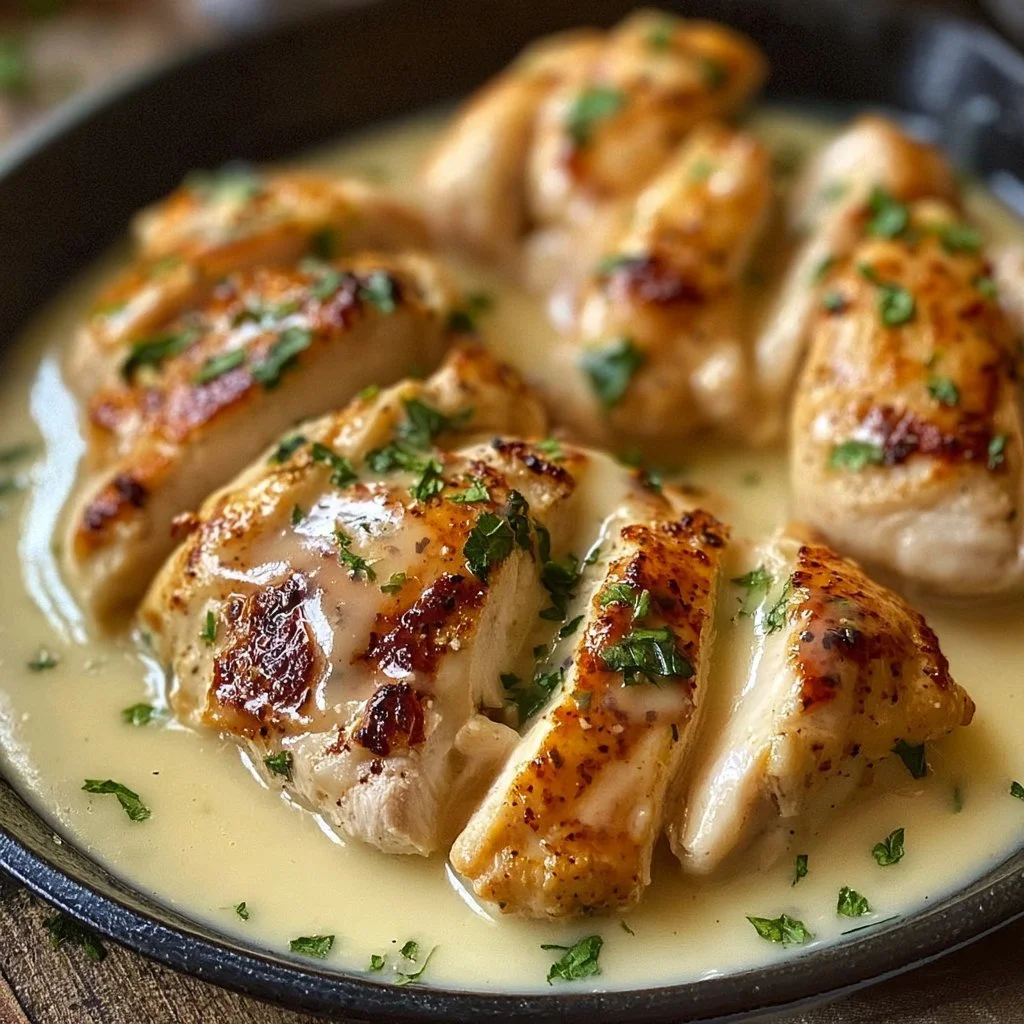
Delicious Chicken in White Wine Sauce Recipe You Must Try!
If you’re in search of a dish that is as elegant as it is easy to prepare, look no further than chicken in white wine sauce. This recipe combines tender chicken breasts with a flavorful sauce made from aromatic herbs and just the right amount of acidity, creating a dish that is delightful to the palate. The ingredients work together harmoniously, resulting in a sumptuous meal that feels both special and comforting. Perfect for impressing guests at a dinner party or for a cozy family meal, this dish will surely become a staple in your culinary repertoire.
The chicken, when sautéed to a golden brown, delivers a satisfying texture that contrasts beautifully with the luscious sauce. The addition of garlic, thyme, and rosemary enhances the dish’s aroma, filling your kitchen with inviting scents that beckon everyone to join you at the table. Accompanying this dish, you’ll find the bright flavor of fresh parsley, which adds a pop of color and freshness, elevating the overall presentation. Without any elaborate steps or hard-to-find ingredients, this chicken dish promises a delightful experience from start to finish.
This versatile creation can be served for various occasions, whether it’s a weekday dinner or a festive gathering. The simplicity of the recipe means you won’t have to struggle in the kitchen, so you can focus on enjoying the company of your loved ones. Pair it with a light salad, some roasted potatoes, or a bed of rice to soak up the delicious sauce, and you have a complete meal that’s satisfying and easy to prepare.
Whether you are an experienced cook or a novice in the kitchen, this recipe provides a foolproof method to create a deliciously memorable meal. Once you try it, you’ll understand why this chicken in white wine sauce dish is one you’ve got to keep making again and again.
What Makes This Recipe Special
What sets this chicken in white wine sauce apart from similar meals is its rich combination of flavors and textures. The primary ingredients, including chicken breasts, herbs, and a well-seasoned sauce, work together to create a mouthwatering experience. Cooking the chicken to a golden brown before simmering it in the sauce not only seals in the juices but also develops complexity in flavor through the Maillard reaction, resulting in delightful taste.
Another notable factor is the balance of acidity provided by the wine. The tangy notes cut through the richness of the chicken and create a depth of flavor that elevates the dish. By using fresh herbs like thyme and rosemary, you introduce aromatic elements that complement the overall experience. In many ways, this recipe embodies the heart of home cooking: simple, fresh ingredients coming together to make something truly special.
The overall ease and speed of preparing this dish make it an appealing choice for busy individuals or families. Unlike some gourmet meals that require lengthy prep times or complex techniques, this recipe is straightforward with minimal steps. This makes it ideal not only for seasoned cooks looking to whip up something quick but also for beginners wishing to impress family and friends.
When contrasted with similar chicken dishes, such as a baked chicken breast or a heavy cream-based sauce, this recipe provides a lighter alternative without sacrificing flavor. The resulting dish is succulent, aromatic, and visually stunning, turning an ordinary meal into a celebration of taste and enjoyment.
Ingredient Overview and Helpful Notes
The ingredients in this chicken in white wine sauce recipe are not just valuable for their individual flavors; they work in concert to deliver a well-rounded dish. The chicken breasts are the star of the show, providing a lean protein source that absorbs the flavors of the sauce beautifully. When selecting chicken, look for high-quality, fresh, boneless, skinless breasts. They should be plump and pale in color with minimal bruising.
Olive oil is the next critical ingredient. This healthy fat enhances the browning process of the chicken while providing richness to the dish. Opt for extra virgin olive oil for the best flavor profile, as it adds a subtle fruity note that complements the other ingredients. The oil should be heated adequately before adding the chicken, ensuring a quick sear that locks in moisture and results in a satisfying texture.
Garlic adds a robust aroma and depth of flavor, while thyme and rosemary bring earthiness and freshness. These herbs are integral to the dish, and using fresh varieties when possible can deepen the taste. Dried herbs can work in a pinch but will not yield quite the same aromatic punch. When chopping herbs, it’s essential to do so delicately to avoid bruising them excessively, which can release bitterness.
Salt and pepper are fundamental seasoning agents that enhance the natural flavors of the dish. Adding salt to both the chicken before cooking and to the sauce can create a well-seasoned meal in the final presentation. Fresh parsley, while used as a garnish, should not be neglected; it brightens the overall dish and adds a fresh contrast to the richer elements.
In this recipe, every ingredient plays a role, and altering any of the key components could lead to a different outcome. For instance, substituting chicken thighs for breasts changes the cooking time and texture, while omitting herbs would leave the dish wanting in flavor. Following the ingredient list closely will result in the best version of this chicken in white wine sauce.
Nutrition & Recipe Details
Nutritional values may vary depending on the chosen ingredients and portion sizes. Always consider these factors when estimating the final nutritional information of your dish.
| Item | Value |
|---|---|
| Prep time | 15 minutes |
| Cook time | 30 minutes |
| Store time | 3-4 days (refrigerator) |
| Calories | 350 calories per serving |
| Protein | 35g |
| Carbohydrates | 8g |
| Fat | 18g |
How to Make Chicken in White Wine Sauce
Preparing chicken in white wine sauce requires simple organization but can yield impressive results. It’s best to gather all your ingredients beforehand to streamline the cooking process. You’ll need a large skillet, a sharp knife, and a cutting board to manage chopping and cooking efficiently. Having everything at your fingertips ensures that you can follow the recipe smoothly, allowing you to focus on the cooking.
Before getting started, prepare your chicken by patting it dry with a paper towel, which helps the seasonings adhere better. Slice or chop your garlic and herbs to ensure they are ready to be added when called for. Measure out the olive oil, salt, and pepper in separate small bowls for swift action during cooking.
Ingredients
| Ingredient | Quantity |
|---|---|
| Boneless, skinless chicken breasts | 2 |
| White wine | 1 cup |
| Garlic, minced | 3 cloves |
| Olive oil | 2 tablespoons |
| Dried thyme | 1 teaspoon |
| Dried rosemary | 1 teaspoon |
| Salt and pepper | to taste |
| Fresh parsley, chopped | for garnish |
Once your ingredients are prepared, it’s time to begin cooking. Take a moment to assess your workspace and clear any obstacles. Having a clean and organized kitchen can significantly enhance your cooking experience and make the entire process feel smoother.
Step-by-Step Instructions
-
Heat olive oil: Begin by placing a large skillet over medium heat, adding two tablespoons of olive oil. Once the oil shimmers, it’s ready to use. This initial step is crucial as it creates a searing surface for your chicken.
-
Season the chicken: While the oil heats up, season your two chicken breasts with salt and pepper on both sides. This fundamental step not only flavors the chicken but also enriches the dish overall.
-
Cook the chicken: When the oil is hot, gently add the seasoned chicken breasts to the skillet. Allow them to cook for about 5-7 minutes on one side without moving them, allowing a golden crust to form. Turning them over, cook the other side for an additional 5-7 minutes or until fully cooked (an internal temperature of 165°F).
-
Remove the chicken: Once cooked through, use tongs to carefully remove the chicken from the skillet and set it aside on a plate. This break allows the meat to rest while you create your sauce, which in turn helps retain juices.
-
Sauté garlic: In the same skillet with the remaining oil, add the minced garlic, sautéing it for one minute. Be vigilant not to let it brown too much, as burnt garlic can impart a bitter taste to your sauce.
-
Add the wine: Pour in one cup of white wine, scraping the bottom of the pan with a wooden spoon to mix in any flavorful brown bits stuck from the chicken. Bring the wine to a simmer, allowing it to reduce for about 2-3 minutes.
-
Add herbs: Now stir in a teaspoon each of dried thyme and rosemary. These herbs boost the aromatic profile of your sauce. Allow everything to mingle for a minute or two.
-
Simmer the chicken: Return the chicken to the skillet, nestling it in the sauce. Let it simmer for approximately 10 minutes, allowing the flavors to meld beautifully together. The chicken will absorb the delightful aromas, enhancing its flavor profile.
-
Garnish and serve: Once finished, remove the skillet from heat and garnish the dish with freshly chopped parsley. This final touch adds brightness and color. Serve hot with your choice of side dishes.
Understanding the Flavor and Texture
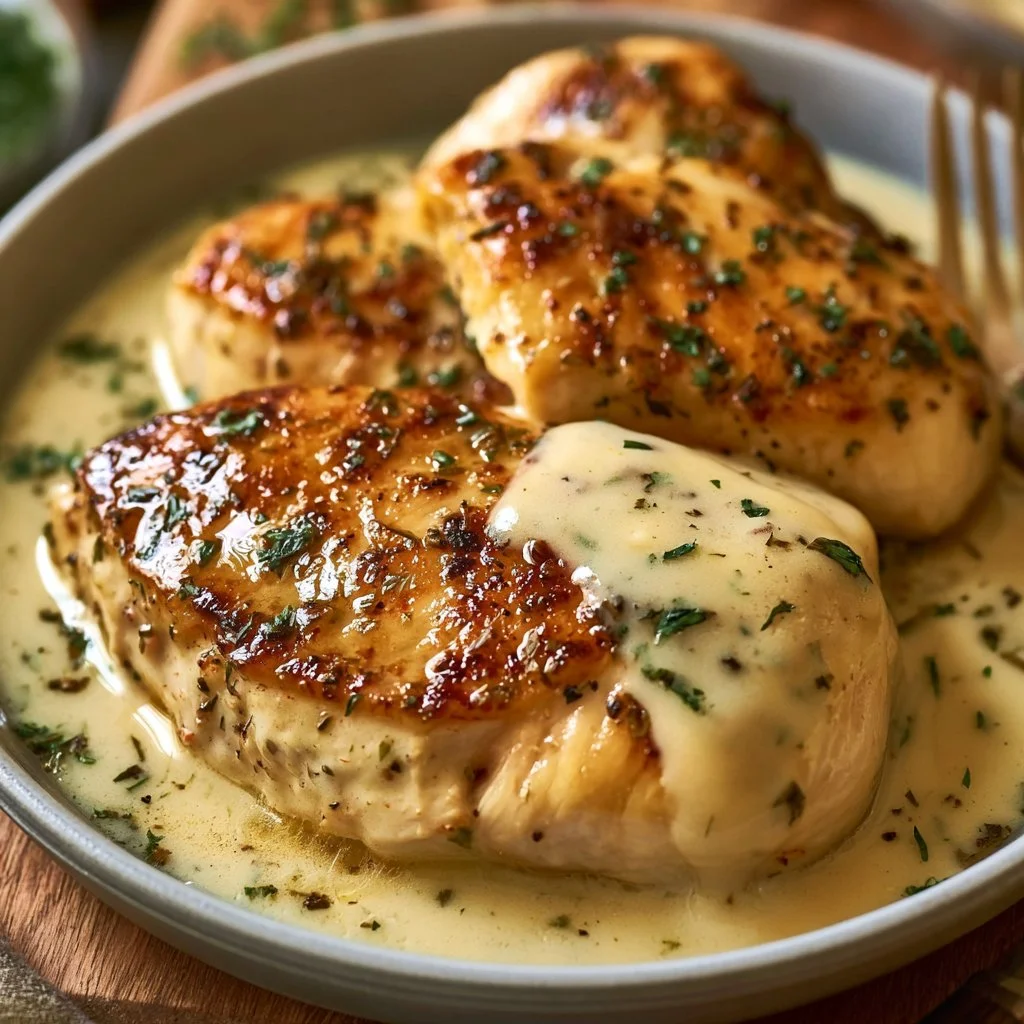
The finished dish boasts a symphony of flavors, where the protagonist—tender chicken—meets the harmonious ensemble of fragrant herbs and a gently nuanced sauce. Upon taking your first bite, you’ll instantly recognize the rich, savory notes drawn from the sautéed garlic and the deep undertones of the herbs.
The texture offers an enticing contrast; while the chicken remains succulent and tender, it is beautifully enhanced by the light sauce that clings to each piece. The golden glaze on the chicken signals a successful sear, imparting an appealing crust that entices diners to take a bite. Additionally, the semi-thick sauce created during cooking coats the chicken perfectly, ensuring that each mouthful is packed with flavor.
The dish’s appearance is enhanced by the vibrant garnishing of fresh parsley, which not only adds color but also invites the diner to appreciate the care put into preparation. The combination of browning and simmering leads to a rich color scheme that is visually inviting and emphasizes the dish’s sophistication.
When prepared correctly, the sauce should envelop the chicken without feeling overly heavy, allowing the dish to maintain a delightful lightness. All these elements combined provide a fulfilling taste and texture experience, making for a memorable dining affair.
Pro Tips
Small techniques can significantly enhance the quality of the dish, turning this simple recipe into something you might find in a restaurant. Here are some tips to ensure you achieve the best results:
| Tip | Description |
|---|---|
| Pat chicken dry | Before seasoning, pat the chicken dry with a paper towel. This helps achieve that coveted golden crust when searing, leading to better flavor and texture. |
| Let wine reduce | Allowing the wine to simmer and reduce for a few minutes concentrates the flavors, creating a deeper, richer sauce. Don’t rush through this step! |
| Taste as you go | Always taste your sauce as it simmers. Adjust the seasoning as needed with salt and pepper, ensuring a perfectly balanced dish. |
| Rest chicken | Letting the chicken rest after cooking allows juices to redistribute, ensuring each bite remains tender and juicy. |
In addition to these essential tips, consider your cooking environment. A non-stick skillet can be beneficial for easier cleanup, especially if you are worried about any potential sticking during the searing process. Additionally, always ensure your pan is hot before adding any ingredients to keep food from steaming instead of searing, which is crucial for developing flavor.
Appropriate plate presentation can also elevate the dining experience. Consider serving the chicken on a bed of rice or alongside a seasonal vegetable medley to provide contrast both in color and texture.
Why You’ll Love This Recipe
One of the most appealing aspects of this chicken in white wine sauce is the straightforward preparation method. With a few simple ingredients and only one pan required, the cooking process is efficient and manageable even for those with busy lifestyles. The ease of preparation allows you to whip up a comforting weekday dinner without feeling overwhelmed.
Moreover, this recipe impressively pairs well with various side dishes, making it flexible for any occasion. Whether served alongside a crisp salad, hearty bread, or seasonal vegetables, this dish finds harmony with a range of flavors and textures. For entertaining guests, adding this dish to your table feels sophisticated without demanding elaborate effort.
Additionally, its make-ahead possibilities are enticing; you can prepare the chicken in advance and simply reheat it in the sauce before serving, making it perfect for gatherings or busy nights. This adaptability for preparation lends itself to spontaneous dinner parties, creating an enjoyable cooking experience for everyone involved.
Finally, the delightful taste that emerges from this seemingly simple recipe is a highlight. The combination of flavors from the chicken, herbs, and sauce results in a dish that awaits exploration and appreciation. It beautifully embodies what home-cooked meals are all about—warmth, taste, and a feeling of community.
How to Serve Chicken in White Wine Sauce
When it comes to serving chicken in white wine sauce, presentation matters. To serve this dish elegantly, consider arranging the chicken on a platter or individual plates, making sure to ladle some of the delicious sauce over the top. The glistening sauce, coupled with the sprinkle of fresh parsley, instantly draws the eye and sets the stage for a wonderful dining experience.
As for accompaniments, a light salad works beautifully to balance the flavors of the rich sauce. A simple mixed greens salad dressed with a vinaigrette can add brightness to the meal. Together with roasted vegetables, seasonal greens, or herbed rice, you have a well-rounded plate that satisfies both the heart and the palate.
For a touch of refinement, pair this dish with fresh crusty bread. The bread can be used to soak up the remaining sauce, making for a delicious conclusion to your meal. Consider serving a prominent dessert afterward, such as a light fruit tart, that complements the entire dining experience.
As far as drinks go, consider a light-bodied sparkling or still beverage to complement the dish. A refreshing herbal tea can be a delightful non-alcoholic alternative. Always strive for a drink that balances the flavors rather than overpowering them.
Remember to keep portions in mind when serving. Ensure that each serving is generous enough for enjoyment while leaving some room for take-two servings. A well-served dish brings everyone together for a memorable meal.
How to Store Chicken in White Wine Sauce
To preserve the delightful flavors of chicken in white wine sauce, cooling and storing leftovers properly is key. After the dish has cooled to room temperature, transfer any leftovers into an airtight container. This will help maintain the flavors and moisture without exposing them to air that may lead to dryness.
When refrigerating, the chicken can usually stay fresh for about 3-4 days. If you have made a larger batch, consider portioning it out into smaller containers for individual meals. This practice not only promotes easy access but also makes reheating a breeze.
For longer-term storage, you can freeze the chicken in white wine sauce. Make sure to let it cool completely before freezing, as putting hot food into the freezer can affect the overall temperature of your freezer and lead to potential spoilage of other items. The dish can be frozen for up to three months. For best results, store in freezer-safe containers.
While reheating, be aware that the texture may change slightly; sauces can become thicker or clump together upon reheating. If you prefer to combat this, simply add a few tablespoons of water or broth before reheating. This will keep the sauce from becoming too thick or pasty, ensuring that your meal remains as comforting as the first time you served it.
Tips to Make Chicken in White Wine Sauce
Making chicken in white wine sauce can be straightforward, but refining it can enhance your dining experience further. Start by focusing on your cooking techniques. To achieve even cooking, ensure that the skillet is hot enough when adding the chicken—this helps in achieving that ideal golden crust without overcooking the meat.
Pay attention to the chopping of the garlic and herbs; finely minced garlic releases its flavors better and integrates into the sauce more fully. Similarly, chopping herbs properly can lead to a more vibrant flavor. Avoid rough chopping, as larger pieces may not blend well.
When seasoning your chicken, remember that both salt and pepper are crucial during the cooking process. A lightly seasoned chicken breast before cooking means a more flavorful dish overall. Also, don’t hesitate to taste the sauce before adding the chicken back in. With a few adjustments, you can make sure the dish strikes the right chord with flavors.
It can also be helpful to let the chicken rest after cooking, as this step allows the juices to redistribute throughout the meat. This simple technique ensures that each slice you serve carries the tenderness and flavor that is quintessential to this dish.
Variations and Substitutions
This chicken in white wine sauce can easily adapt to various dietary needs and preferences. For a lighter version, you can replace chicken breasts with skinless chicken thighs. Thighs tend to stay juicier and can provide a different texture without compromising flavor.
If you’re looking for a non-dairy alternative, this dish can be made with vegetable broth instead of wine, enhancing the flavor with additional vegetables. For an aromatic variation, consider adding mushrooms or bell peppers to the sauce, enriching both the flavor and texture of the dish.
For a spicier twist, add a pinch of red pepper flakes to the garlic when sautéing. This provides a nice heat that balances well with the savory elements of the dish, appealing to those who enjoy a bit of zest in their meal.
If you are accommodating gluten-free eaters, make sure to check for gluten-free options in any broth or packaged components used in your kitchen. Although this recipe already fits a gluten-free dietary requirement with fresh, whole ingredients, double-checking can ensure it fits all guests’ needs.
Storage and Reheating
When it comes to carefully reclaiming leftover chicken in white wine sauce, make sure to divide any extra into manageable portions. Place each portion into airtight containers, ensuring a proper seal that prevents freezer burn during storage.
For optimal reheating, consider using a microwave if you’re short on time. Place the portion in a microwave-safe bowl, add a splash of broth or water, and cover it with a damp paper towel to retain moisture. This prevents the chicken from drying out while heating.
Alternatively, for those who prefer a pan method, reheat in a non-stick skillet over low heat. Be sure to cover the skillet, allowing the dish to heat evenly while preserving tenderness. Stir occasionally to ensure you get a uniform result without any hot or cold spots.
No matter the method, be attentive to heating times, ensuring the chicken reaches a safe internal temperature while still aspiring for an enjoyable eating experience. The goal is to preserve the integrity of the sauce while recreating the dish’s initial excitement and charm.
Customization Ideas
Customization is part of the fun when preparing this chicken dish. You might consider experimenting with different fresh herbs, such as oregano or basil, which can change the character of the dish altogether while offering unique flavor profiles that appeal to your palate.
For a different twist on the sauce, consider adding a splash of lemon juice or a sprinkle of zest. This will add brightness while harmonizing with the existing flavors, creating a refreshed outcome for those seeking a sharp, vibrant touch.
If you enjoy a creamier sauce, you can add a bit of heavy cream or even a dairy-free alternative like cashew cream at the end of cooking. This modification lends a luxurious feel to the dish, enhancing the richness while complementing the chicken.
Additionally, play with the sides you serve with the dish. Instead of plain rice, consider preparing a flavored pilaf or herb-infused couscous that can soak up the sauce beautifully. This can transform the meal into something unexpectedly delightful, catering to your guests’ tastes and preferences.
Common Mistakes to Avoid
When preparing chicken in white wine sauce, there are common pitfalls to be aware of:
-
Under seasoning the chicken: This can lead to a bland final dish. Always ensure to season both sides of the chicken before cooking, enhancing the flavors from the outset.
-
Cooking chicken too quickly: Rushing the searing process can result in uneven cooking and a less flavorful crust. Take your time to let the chicken develop a proper color before flipping.
-
Overcooking the sauce: Allowing the sauce to boil too long can result in a loss of delicate flavors. Monitor closely, especially when reducing the wine and turning down the heat as needed.
-
Skipping the resting period: Failing to rest the chicken after cooking can result in dry meat. Allowing it to sit enables the juices to settle, resulting in a more succulent portion.
-
Neglecting to taste: A common error is to skip tasting the sauce. Adjusting seasoning to your liking during the cooking process will create a more balanced dish.
By keeping these mistakes in mind, you can enhance your chances of delivering a savory, satisfying chicken in white wine sauce that showcases your cooking skills the best.
Serving Occasions
Chicken in white wine sauce is remarkably versatile, making it suitable for various occasions. It’s a fantastic choice for busy weeknights when you want something comforting without excessive stress. The ease of preparation provides a fast route to dinner, allowing you to spend more time with your family.
For family gatherings and casual lunches, this dish can hold its own wonderfully on the table. Its inviting aroma and comforting presentation can bring a sense of warmth and nostalgia to the dining experience. Guests will appreciate the effort that goes into serving such a delightful meal without requiring endless hours in the kitchen.
During celebratory dinners, this dish can shine as a showstopper. When hosting an event, pair chicken in white wine sauce with appropriate sides and beverages; it can easily transition into an elegant meal the guests will rave about long after leaving the table.
This recipe also lends itself nicely to meal prepping, making it an excellent option for those embarking on a week of healthy eating. Given its reheatable nature, it encourages efficiency without compromising on flavor, making this dish perfect for your weekly meal rotation.
Why Make This Recipe?
Investing time to create chicken in white wine sauce is a decision you won’t regret. Its alluring flavors, coupled with a straightforward preparation, make it a standout dish suitable for any time of year. Each ingredient adds its charm, bringing variety and vibrancy to your dining experience.
The recipe’s flexibility allows for adaptation, enticing both adventurous cooks and those seeking simplicity. You can tailor it to suit different tastes or accommodate leftovers creatively, all while maintaining the essence of the dish.
Additionally, this recipe fosters moments of connection and enjoyment. Whether you’re sharing it with family or serving friends during an intimate gathering, its heartwarming elements create memorable moments around the dinner table.
Keeping this recipe in your cooking arsenal guarantees that you have a delicious, approachable, and elegant meal at your fingertips, ready to impress anyone fortunate enough to partake in it.
Make-Ahead Preparation
Chicken in white wine sauce is an excellent candidate for make-ahead preparation. A few components can be prepped in advance, allowing you to streamline your cooking process when the time comes to serve. You can marinate the chicken with salt, pepper, herbs, and olive oil a few hours prior or even the night before. This will enhance the flavors and efficacy of the dish when cooking.
The sauce can also be prepared ahead of time, with steps completed up until adding the chicken. The individual components can be prepped and stored in separate containers; just heat them together, ensuring everything melds beautifully when you’re ready to cook.
When making ahead, individual components should be packed separately so that they maintain their respective freshness and textures. However, avoid assembling everything until you’re nearly ready to serve, as this guarantees that the dish retains its quality.
Make a conscious choice to reserve herbs for garnishing until just before serving, as fresh herbs will maintain their vibrant color and aromatic qualities better when added later.
Equipment and Kitchen Preparation
Setting yourself up for success begins with choosing the right equipment. A large skillet is essential for this dish, as it provides ample space for browning the chicken and accommodating the sauce without crowding. Non-stick pans are excellent for beginners, as they help prevent sticking and ensure an easier cleanup.
A good set of knives is pivotal for efficiently chopping garlic and herbs. Make sure to have a separate cutting board for proteins to avoid cross-contamination. Having measuring cups for the wine and spoons for seasonings will further streamline your cooking experience.
As you prepare your kitchen, take a moment to clean and organize your workspace. Clear away clutter that may distract you while cooking. This not only helps you move freely but also reduces the risk of accidents in the kitchen.
By establishing a clean, well-equipped environment for cooking this chicken dish, you can focus on the skillful preparations without unnecessary distractions.
FAQs
-
Can I use frozen chicken?
Yes, you can use frozen chicken, but ensure it’s completely thawed before cooking. This allows for even cooking and prevents rubbery textures. -
Can I substitute with other types of meat?
Certainly! While chicken is the focus here, other poultry like turkey or even firm fish can be used for a twist on the dish. Just adjust cooking times accordingly. -
How can I make it gluten-free?
This recipe is already gluten-free as written. Just ensure that any broth or packaged items you add are labeled gluten-free, particularly if you decide to change up the recipe. -
What can I use instead of wine?
If you prefer not to use wine, substitute with extra chicken broth plus a splash of lemon juice or vinegar for acidity and flavor. -
How can I tell if the chicken is cooked through?
The best way to make sure chicken is done is to use a meat thermometer—cooked chicken should reach an internal temperature of 165°F. -
Can I prepare this dish ahead of time?
Yes! You can prepare components beforehand and assemble on the day to serve, enhancing flavor while maintaining freshness. -
Can I freeze leftovers?
Absolutely! Just ensure you package them tightly in airtight containers, and they can stay frozen for up to three months. -
How long does this dish last in the fridge?
In an airtight container, the chicken in white wine sauce will last for 3–4 days in the refrigerator.
Disclaimer
The nutritional information provided is approximate and may vary based on ingredient brands, substitutions, portion sizes, and preparation methods.
Print
Chicken in White Wine Sauce
- Total Time: 45 minutes
- Yield: 4 servings 1x
- Diet: None
Description
A delightful chicken dish cooked in a flavorful white wine sauce, enhanced with aromatic herbs, perfect for any occasion.
Ingredients
- 2 Boneless, skinless chicken breasts
- 1 cup White wine
- 3 cloves Garlic, minced
- 2 tablespoons Olive oil
- 1 teaspoon Dried thyme
- 1 teaspoon Dried rosemary
- Salt and pepper to taste
- Fresh parsley, chopped for garnish
Instructions
- Heat olive oil in a large skillet over medium heat.
- Season chicken breasts with salt and pepper on both sides.
- Cook the chicken for 5-7 minutes on one side until golden brown, then flip and cook for an additional 5-7 minutes until fully cooked.
- Remove the chicken from the skillet and set aside.
- Sauté minced garlic in the same skillet for 1 minute, being careful not to let it brown.
- Pour in the white wine and deglaze the pan, scraping up any browned bits from the bottom.
- Add dried thyme and rosemary to the wine sauce and simmer for 1-2 minutes.
- Simmer the chicken in the sauce for about 10 minutes to meld flavors.
- Garnish with chopped fresh parsley before serving.
Notes
Store leftovers in an airtight container for up to 3-4 days in the refrigerator. Reheat gently to maintain texture.
- Prep Time: 15 minutes
- Cook Time: 30 minutes
- Category: Main Course
- Method: Sautéing
- Cuisine: American
Nutrition
- Serving Size: 1 serving
- Calories: 350
- Sugar: 2g
- Sodium: 500mg
- Fat: 18g
- Saturated Fat: 3g
- Unsaturated Fat: 15g
- Trans Fat: 0g
- Carbohydrates: 8g
- Fiber: 0g
- Protein: 35g
- Cholesterol: 75mg