
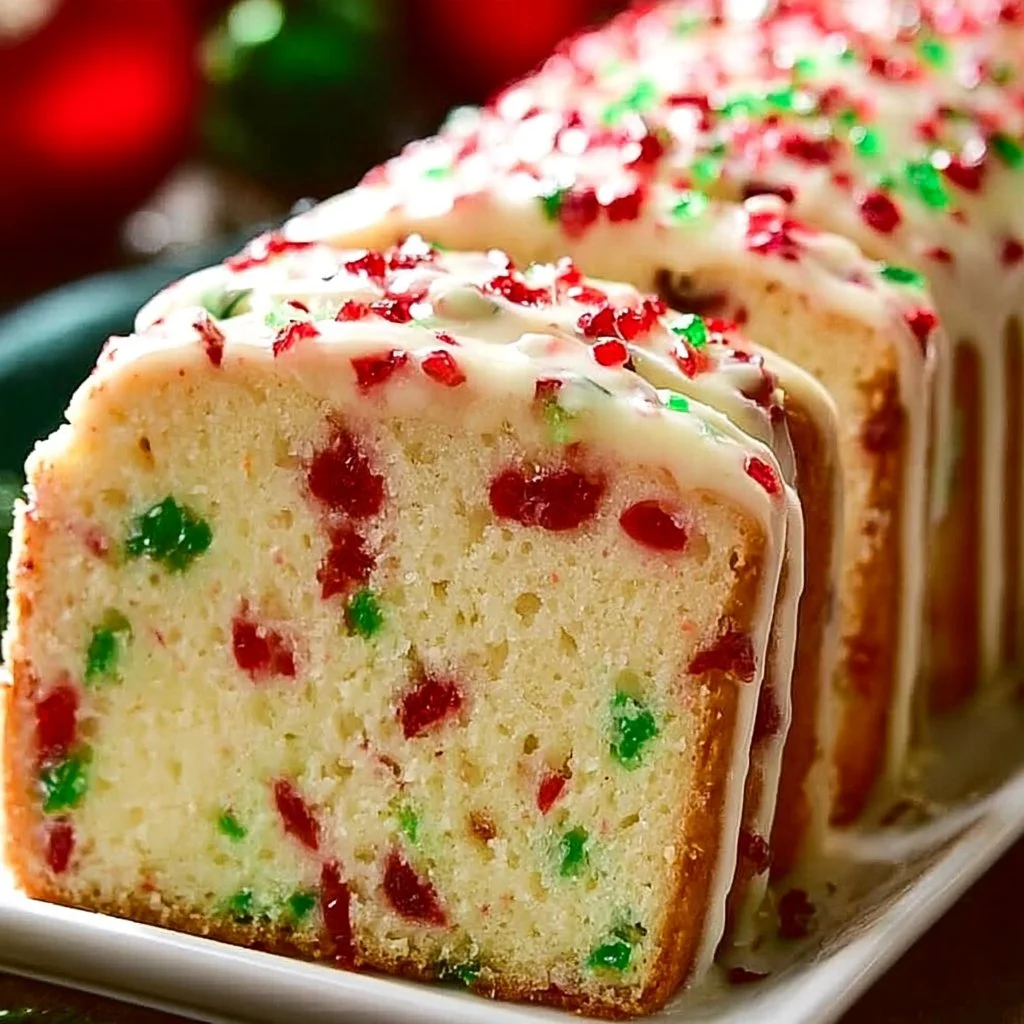
Festive Confetti Christmas Bread
The holiday season is the perfect time for baking, bringing warmth and a sense of community to our homes. Among the myriad of delightful treats that grace the table during this time is Festive Confetti Christmas Bread. This vibrant loaf is not just a feast for the taste buds; it’s also a visual delight, adorned with a joyful assortment of colorful sprinkles and dried fruits. The rich, buttery dough comes together beautifully to provide a tender crumb, while the pops of color and sweet flavors make it an irresistible choice for holiday gatherings.
As you knead this dough and watch it rise, the aroma of freshly baked bread fills the kitchen, creating a welcoming atmosphere. When cut, each slice reveals a medley of colorful confetti that resembles tiny holiday decorations. This cheerful bread pairs perfectly with a variety of spreads, from creamy butter to fruity jams, and can be enjoyed as part of breakfast, a snack, or even as a festive centerpiece for your holiday meals.
What makes this bread particularly appealing is its versatility. You can serve it warm right out of the oven or allow it to cool for later enjoyment. Whether you’re hosting a grand Christmas dinner, sending a slice to school with the kids, or simply looking for a delightful dessert to share with the family, this bread easily fits the bill. Best of all, it brings smiles to the table, making it a beloved addition to holiday traditions.
What Makes This Recipe Special
The Festive Confetti Christmas Bread stands out through its delightful combination of flavor and texture. The rich dough, infused with sweet notes of vanilla and warm spices, creates a beautiful backdrop for the bright and colorful additions, such as dried fruits and sprinkles. This mixture not only adds visual appeal but also a burst of flavor that enhances each bite. The happiness this bread brings makes it a must-have during the festive season, with its cheerful appearance echoing the joy of celebration.
Moreover, this recipe is straightforward enough for even beginner bakers to tackle successfully. The dough doesn’t require complicated techniques or skills, allowing novice cooks to feel accomplished. Additionally, the use of readily available ingredients means that you won’t have to scour specialty stores to find necessary items. This practicality is one of the recipe’s many charms, as it invites anyone to try their hand at creating a holiday classic that can be cherished for years.
Furthermore, the texture of the bread is something truly special. The interior remains soft and pillowy, while the crust develops a slight golden crispness when baked to perfection. This lovely combination makes each slice satisfying to eat, whether enjoyed on its own or dressed with toppings. Bread lovers will appreciate the balance of sweet and rich flavors that linger on the palate, making it an instant favorite for the season.
Ingredient Overview and Helpful Notes
The key to creating a perfect Festive Confetti Christmas Bread lies in the choice of ingredients and understanding their roles within the recipe. The main components include flour, sugar, yeast, butter, eggs, milk, and the colorful confetti additions such as dried cranberries, sprinkles, and other fruits. Each of these ingredients plays a vital part in ensuring the bread rises beautifully, has a tender crumb, and is packed with delightful flavors that embody the holiday spirit.
Flour is the foundation of bread, providing the necessary structure through its gluten content. It’s essential to use all-purpose flour to achieve the right balance between softness and strength. A higher protein content in bread flour could yield a denser result, while cake flour may not have sufficient structure for bread.
Sugar not only sweetens the dough but also aids in browning the exterior, giving the bread a lovely color. Use granulated sugar for a neutral sweetness, but feel free to experiment with brown sugar for a touch of molasses flavor, which can complement the spices nicely.
Yeast is paramount to achieve the rise in the dough. Active dry yeast or instant yeast can be used interchangeably, but it’s essential to ensure that it is fresh for optimal results. You activate the yeast by dissolving it in warm water or milk, which activates the fermentation process.
Butter provides richness and flavor, making the bread tender and moist. Always use unsalted butter, as it allows better control over the overall salt content of the recipe.
Eggs enrich the dough and contribute to its structure and moisture content. When baking bread, using room-temperature eggs helps them to incorporate more easily into the dough.
Finally, the confetti elements, such as sprinkles and dried fruits, contribute not only to the aesthetic appeal but also to the flavor profile. Dried cranberries, apricots, or even chocolate chips can add bursts of sweetness amidst the bread’s soft texture. When selecting these items, look for high-quality ingredients that are fresh and vibrant to ensure maximum flavor and visual appeal.
Nutrition & Recipe Details
Nutritional values can vary based on ingredient selection, brands, and portion sizes. Below is a general overview to provide a baseline estimate for a serving of Festive Confetti Christmas Bread.
| Item | Value |
|---|---|
| Prep time | 30 minutes |
| Cook time | 30 minutes |
| Store time | Up to 3 days (or frozen for up to 3 months) |
| Calories | 200 per slice (approx.) |
| Protein | 4g |
| Carbohydrates | 30g |
| Fat | 8g |
How to Make Festive Confetti Christmas Bread
Baking Festive Confetti Christmas Bread is an enjoyable process that results in a delicious treat perfect for sharing. To start, gather all your ingredients and any baking equipment, such as mixing bowls, measuring cups, a wooden spoon, and a baking pan. Preparing your workspace will ensure a smooth experience and help you keep track of what you need to do at each stage.
It’s helpful to measure out your ingredients beforehand, so they are easy to add as you progress through the recipe. Be sure to soften your butter and allow your milk to come to room temperature before starting. This will ensure they mix into the dough seamlessly and help with the activation of the yeast.
With your ingredients at the ready, you’re set to embark on this baking adventure that fills your kitchen with enticing aromas and makes for delightful feasts ahead.
Ingredients
| Ingredient | Quantity |
|---|---|
| All-purpose flour | 4 cups |
| Granulated sugar | 1 cup |
| Active dry yeast | 2 tablespoons |
| Salt | 1 teaspoon |
| Butter (softened) | 1/2 cup |
| Milk (warm) | 1 cup |
| Eggs | 2 large |
| Vanilla extract | 1 teaspoon |
| Dried cranberries | 1/2 cup |
| Dried apricots (chopped) | 1/2 cup |
| Colorful sprinkles | 1/4 cup |
Before starting, make sure to prepare the dried fruit by chopping them into smaller pieces for even distribution within the bread. This will make each slice more visually appealing and allow flavors to meld seamlessly. You can soak the dried cranberries in warm water for about 10 minutes if you wish to plump them up a bit before mixing them into the dough. This isn’t necessary but can give an added chewiness that complements the loaf nicely.
Step-by-Step Instructions
-
Activate the Yeast:
- In a small bowl, combine warm milk (around 110°F) with the active dry yeast and a teaspoon of sugar from the 1 cup you measured.
- Stir gently and allow it to sit for approximately 5-10 minutes until it becomes frothy. This indicates that the yeast is active and ready to work with the dough.
-
Mix Dry Ingredients:
- In a large mixing bowl, whisk together the all-purpose flour, remaining sugar, and salt. Make a well in the center of the flour mixture.
-
Combine Wet Ingredients:
- Add the activated yeast mixture, softened butter, eggs, and vanilla extract into the well created in the dry ingredients.
- Using a wooden spoon, combine everything until a shaggy dough forms.
-
Kneading the Dough:
- Transfer the dough onto a lightly floured surface, and knead it for about 8-10 minutes.
- The dough should become smooth and elastic. If it’s too sticky, sprinkle a little flour as needed, but avoid adding too much to maintain the softness.
-
Incorporate the Fruits and Sprinkles:
- Once kneaded, flatten the dough slightly and sprinkle the dried cranberries, chopped apricots, and colorful sprinkles over it.
- Fold the dough over itself and gently knead again, ensuring the fruit is distributed evenly throughout.
-
First Rise:
- Place the dough in a greased bowl, cover it with a damp cloth or plastic wrap, and let it rise in a warm area for about 1-2 hours or until it has doubled in size.
-
Preparing the Pan:
- Grease loaf pans or line them with parchment paper to prevent sticking. This will make removing the bread simple after baking.
-
Shaping the Dough:
- Once risen, punch down the dough to release excess air. Transfer it to a floured surface and shape it gently into a loaf by tucking the ends underneath to form a tight shape.
-
Second Rise:
- Place the shaped loaf into the prepared pan. Cover it once again and let it rise for an additional 30-45 minutes, or until it has puffed up slightly.
-
Baking:
- Preheat your oven to 350°F (175°C). Bake the bread for approximately 25-30 minutes or until it turns golden brown.
- You can tap the bottom of the loaf; it should sound hollow when done.
-
Cooling:
- Remove the bread from the oven and let it cool in the pan for around 10 minutes before transferring it to a wire rack.
- It’s best enjoyed warm but can also be served at room temperature after cooling completely.
Understanding the Flavor and Texture
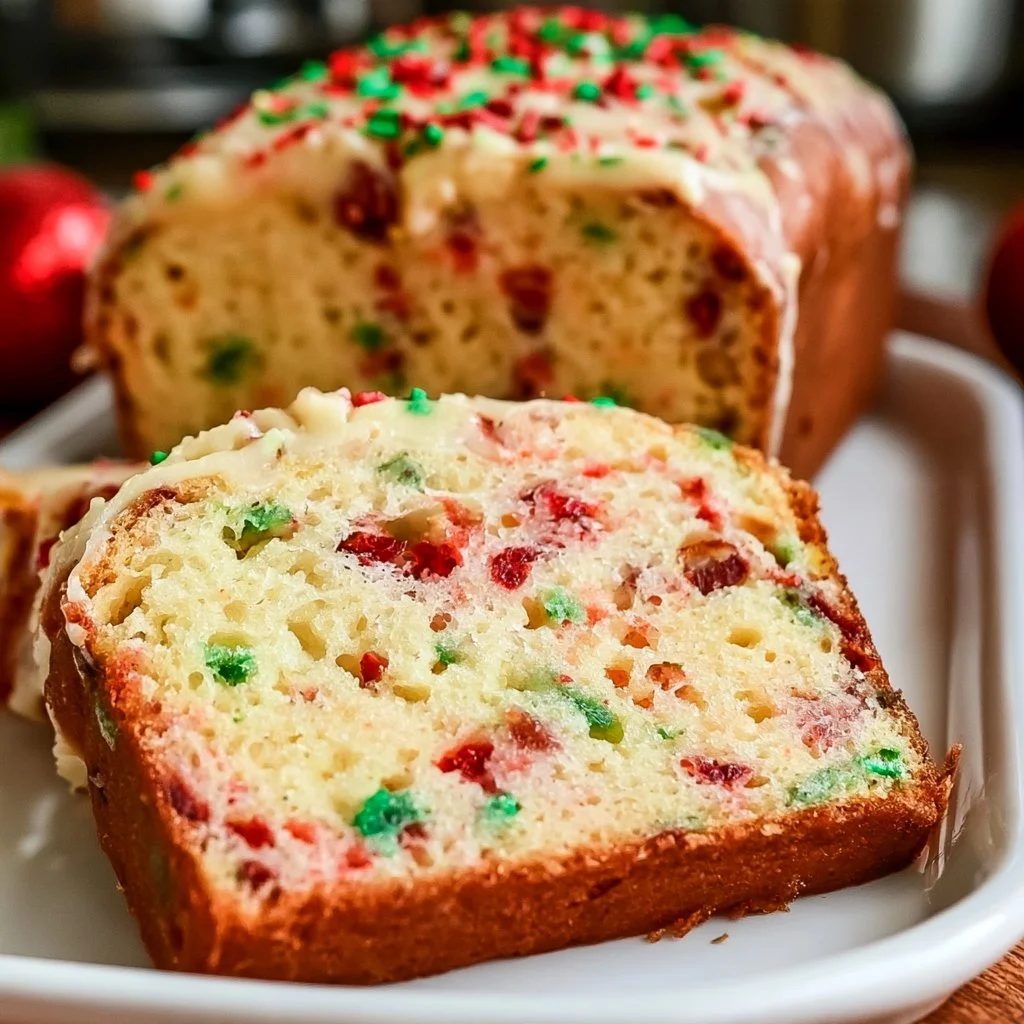
The Festive Confetti Christmas Bread offers a delightful combination of flavors. The sweetness from the sugar and the natural fruits creates a balanced sweetness that is not overwhelming. The butter lends a rich mouthfeel, while the hints of vanilla evoke the warmth of the holiday season. Each bite is soft and fluffy, contrasting the slightly firmer crust that forms on the outside during baking.
As it bakes, the sugar caramelizes slightly, creating a golden-brown exterior that hints at the sweetness within. The visual appeal of the brightly colored sprinkles and dried fruits adds excitement to each slice, making it an ideal centerpiece for any holiday gathering. The texture of the bread remains light and airy, with pockets of moisture contributed by the fruits, allowing it to feel indulgent without being heavy.
To distinguish a well-baked loaf, look for an even rise and a firm crust that surrounds a soft, fluffy interior. The aroma that fills your kitchen while it bakes is an indication of the wonderful flavor that awaits. A successful Festive Confetti Christmas Bread will showcase a delightful interplay of textures, making every piece enjoyable and memorable at the table.
Pro Tips
Baking is as much about technique as it is about ingredients, and a few small tips can significantly improve your Festive Confetti Christmas Bread:
| Tip | Description |
|---|---|
| Check Yeast Freshness | Always ensure your yeast is fresh by checking the expiration date. Active yeast is vital for proper rising, ensuring a fluffy texture. |
| Use Room Temperature Ingredients | Bring milk and eggs to room temperature before mixing to improve the dough’s texture and ensure an even bake. |
| Knead Gently | While kneading, be gentle to avoid overworking the dough, which can lead to a tough loaf. Knead until just smooth. |
| Monitor Rising Times | Keep an eye on the dough during the rising phases. Warmer conditions speed up rising, while cooler areas may require longer times. |
To further enhance your baking journey, ensure that you maintain a warm environment for rising, as yeast thrives best in warmer conditions. Use a damp cloth to cover the dough, creating a cozy atmosphere that helps it rise beautifully. Avoid overmixing during the incorporation of fruits or sprinkles, as this maintains the dough’s light structure and keeps the bits evenly distributed throughout.
As you gain experience, you’ll find that small adjustments to timing and technique can lead to wonderful variations in flavor and texture. Enjoy the process and embrace each loaf that comes from your oven!
Why You’ll Love This Recipe
This Festive Confetti Christmas Bread will quickly become a favorite for numerous reasons. First and foremost, it embodies the spirit of the season. The cheerful colors of the confetti combined with the rich, buttery flavor create an enticing invitation to indulge, making it a perfect treat for gatherings or celebrations.
Preparation is straightforward, making it accessible to beginner bakers who may be intimidated by more complex recipes. The simple mixing and rising steps allow you to engage in other holiday preparations while the dough works its magic. Once you master this delightful loaf, you can enjoy the satisfaction of sharing something homemade and special with family and friends.
Another appealing aspect is its versatility. You can enjoy a warm slice to accompany your morning coffee or place it on the dessert table alongside other holiday treats. It can be easily packed and sent in lunchboxes or enjoyed as an after-school snack. The adaptability to different occasions complements the ease of preparation, solidifying it as a go-to recipe for any festive gathering.
How to Serve Festive Confetti Christmas Bread
When it comes to serving Festive Confetti Christmas Bread, the presentation can be just as delightful as the flavor. For an inviting display, consider slicing the loaf into generous pieces and arranging them elegantly on a festive platter. Adding a few colorful fruits, such as strawberries or orange slices, can enhance the look and freshness of your offering.
This bread pairs beautifully with various spreads. Serve it with a selection of cream cheese, butter, or flavored jams. A light strawberry or apricot jam can complement the sweetness of the bread, while a spiced cream cheese spread can add a rich and flavorful touch. Consider placing the toppings in small bowls near the bread to let guests customize their slices.
For an extra festive touch, sprinkle some extra colorful sprinkles on top of the butter or cream cheese before serving. It creates a playful, celebratory atmosphere, making your bread a true centerpiece of the holiday table. When serving it for breakfast or brunch, think about complementing it with warm beverages such as coffee, hot cocoa, or spiced cider, which enhance the festive mood.
If you’re catering to larger gatherings, consider serving the bread alongside a fresh fruit salad or a light salad with a citrus vinaigrette. The contrast of flavors adds depth to the meal and offers various options for your guests, ensuring everyone finds something to enjoy.
How to Store Festive Confetti Christmas Bread
Proper storage of your Festive Confetti Christmas Bread is crucial for maintaining its taste and texture. Once baked, allow the bread to cool completely on a wire rack—this is important to avoid condensation, which can lead to sogginess. Once cooled, wrap the loaf tightly in plastic wrap or foil to keep it fresh.
Store the wrapped bread in an airtight container at room temperature for up to three days. If you find that you unable to consume the bread within that timeframe, consider freezing it. To do this, cut the bread into slices and wrap each slice individually. This makes it easy to grab just what you need later on. Place the wrapped slices in a freezer-safe bag, ensuring as much air as possible is removed before sealing.
When ready to enjoy, thaw the slices at room temperature or toast them lightly in the toaster for a quick treat. Note that freezing may change the texture slightly, but the flavor should remain intact, and toasting can help restore some of that desired crispness.
Tips to Make Festive Confetti Christmas Bread
Creating the perfect Festive Confetti Christmas Bread involves a few key tips that can help ensure consistency and flavor every time you bake it.
Start by measuring your ingredients accurately. Baking is a science, and precise measurements can significantly affect the outcome of your bread. Use kitchen scales when necessary to ensure your flour and sugar are just right. Keeping your workspace organized and having your ingredients prepared ahead of time can make the mixing and kneading more efficient.
Additionally, pay attention to water and yeast temperatures. Yeast works best in the warm range of 100-110°F (37-43°C). If the liquid is too hot, it can kill the yeast, whereas too cold may prevent it from activating, leading to dense bread. If unsure, always err on the side of caution and use a thermometer to test the milk or water before using it.
Lastly, keep an eye on the baking time. Ovens can vary, so while the recipe may call for a specific time, make sure to check your bread a few minutes earlier. The bread is done when a toothpick inserted in the center comes out clean, and the crust is golden-brown. Allowing the bread to bake just long enough to reach this color is key to achieving that delightful crunchy exterior that contrasts perfectly with the soft inside.
Variations and Substitutions
One of the delightful aspects of baking is the ability to experiment with different flavors and ingredients. For the Festive Confetti Christmas Bread, several variations can be made to suit your personal taste or dietary preferences.
For a healthier twist, consider substituting half of the all-purpose flour with whole wheat flour. This will give your bread a nuttier flavor and add some extra fiber to each slice. You can also reduce the sugar slightly and replace it with honey or maple syrup, giving the bread a distinct flavor while reducing refined sugar intake.
If you’re looking to create a different flavor profile, you can incorporate spices such as cinnamon or nutmeg into the dough. A teaspoon of cinnamon can add warmth and complement the fruit flavors significantly, making it even more reminiscent of the holiday season.
For a gluten-free version, replacing the all-purpose flour with a gluten-free flour blend would work, ensuring you also add a binding agent such as xanthan gum if your blend doesn’t already contain it. Additionally, be cautious about the baking time as gluten-free flour may require slight adjustments.
If fruity flavors aren’t your preference, you can create a chocolate version of this bread by mixing in cocoa powder into the dough along with chocolate chips instead of dried fruits. This will yield a decadent bread that stands out, especially for chocolate lovers. These variations ensure that your Festive Confetti Christmas Bread can be enjoyed by everyone, regardless of preference.
Storage and Reheating
Storing and reheating your Festive Confetti Christmas Bread is straightforward and ensures that it remains delicious for days after baking. Once fully cooled, be sure to slice the bread if you plan to consume it over several days. This allows for quick access to individual slices while minimizing the risk of drying out.
Wrap the sliced bread in plastic wrap or foil and store it in an airtight container at room temperature for up to three days. If you wish to store it for longer, then freezing is an excellent option. As mentioned previously, individually wrapped slices can be frozen to allow for quick thawing whenever you’re in the mood for a slice of festive bread.
When it’s time to enjoy the leftover bread, reheating can be done in a couple of ways. If you prefer a soft texture, simply let the slice come to room temperature and then microwave it for a few seconds. However, if you’re aiming for a warm and slightly crispy result, pop the slices in a toaster or toaster oven until heated through and the edges begin to crisp.
If reheating an entire loaf, place it in a preheated oven at 350°F (175°C) for about 10-15 minutes, wrapped in foil to retain moisture while warming up. Keep an eye on it to ensure it doesn’t dry out but warms through evenly. Proper reheating will preserve flavor, ensuring each bite remains enjoyable.
Customization Ideas
Customization adds a personal touch to the Festive Confetti Christmas Bread. One way to do this is by adjusting the mix-ins according to your seasonal preferences. For instance, consider using different dried fruits such as apricots or cherries, which can shift the flavor profile while still maintaining that festive feel. This allows the bread to capture the essence of your favorite seasonal flavors.
Furthermore, altering the ** toppings and spreads** is another straightforward way to enhance the eating experience. You can create a festive glaze by combining powdered sugar with water and drizzling it over the cooled loaf. This adds both sweetness and a beautiful finish while complementing the bread’s festive look.
If you’re looking to amplify the holiday flavor, consider adding extracts beyond vanilla. A splash of almond extract or even a hint of orange zest into the dough can elevate the flavor and make it uniquely yours.
Finally, don’t hesitate to experiment with additional spices. As mentioned earlier, incorporating spices like cardamom or ginger can enhance the warm notes of the bread, offering a cozy aroma that’s comforting and delightful. Play around with the flavor combinations until you find the perfect balance that resonates with your tastes and holiday spirit.
Common Mistakes to Avoid
Baking can be tricky, especially when attempting a new recipe. Here are five common mistakes to avoid while making your Festive Confetti Christmas Bread:
-
Not Activating Yeast: Forgetting to activate the yeast properly can lead to a dense loaf. Always dissolve it in warm liquid and ensure it becomes frothy before mixing it with the rest of your ingredients.
-
Overmixing the Dough: This can result in a tough texture. Knead the dough just until it is combined and smooth to ensure the right balance of tenderness.
-
Incorrect Oven Temperature: Ovens can vary, leading to uneven baking. Always preheat your oven and consider using an oven thermometer to confirm the correct temperature.
-
Skipping the Rising Times: Allowing the dough to rise properly is essential. If you rush this step, your bread may not rise as needed, impacting the fluffiness and texture.
-
Not Letting It Cool: Slicing bread while it is still warm can lead to gummy results. Always let it cool completely for the best texture before slicing.
By being mindful of these potential pitfalls, you can increase your chances of creating a successful and delicious loaf of Festive Confetti Christmas Bread.
Serving Occasions
Festive Confetti Christmas Bread is a delightful treat that can be enjoyed during various occasions throughout the holiday season. It is perfect for family gatherings, holiday breakfasts, or as an eye-catching centerpiece on a potluck table. The vibrant colors and seasonal flavors make it ideal for festive brunches or as a unique addition to a holiday dessert spread.
The adaptability of this bread means that it works well for both casual get-togethers and more formal settings. Serve it at cozy family dinners, where the comforting aroma warms hearts and invites conversation. It can also bring a little joy to midweek meals, especially during busy holiday weeks when time is limited.
This bread also shines during gift-giving occasions; consider baking a loaf for a neighbor or friend as a warm gesture of goodwill. The colorful nature of the Festive Confetti Christmas Bread makes it an appealing choice for teachers, coworkers, or anyone needing a little holiday cheer in their lives.
Why Make This Recipe?
Creating Festive Confetti Christmas Bread isn’t just about the final product; it’s about the experience of baking. This recipe presents an opportunity to infuse joy into your kitchen during the holiday season, making it a perfect choice for creating memories with family and friends. The delightful combination of rich flavors, colorful ingredients, and accessible preparation processes mean it will appeal to bakers of all skill levels.
Unlike other recipes that may involve lengthy processes or specialized equipment, this bread allows for creativity and personalization, ensuring every batch can be unique. Moreover, the bread’s delightful flavors and appealing presentation make it perfect not only as a treat but also as a conversation starter.
Ultimately, choosing to bake this bread can bring a sense of gratitude and celebration to your baking routine, adding to your existing holiday traditions or even helping to create new ones. It’s the kind of recipe that you’ll want to return to repeatedly, whether it’s as an annual tradition or a spontaneous bake.
Make-Ahead Preparation
For those who like to be organized during the busy holiday season, there are multiple ways to prepare for making Festive Confetti Christmas Bread ahead of time. One effective strategy is to prepare the dough in advance and allow it to rise in the refrigerator. This slow rise can deepen the flavors of the bread and improve its overall texture. Simply knead the dough as instructed, let it rise for the specified time, then punch it down and shape it. Wrap it tightly in plastic wrap and refrigerate it overnight. The next day, remove it from the fridge to complete the second rise before baking.
You can also mix the dry ingredients—flour, sugar, and salt—previously. Store these in an airtight container to keep them fresh until you are ready to combine them with the wet ingredients. This not only saves time but also allows for a smoother baking experience. You could even prepare the dried fruit by chopping them up and storing them in the refrigerator ahead of time.
However, it is important to bake the bread as close to serving time as possible to fully enjoy its soft texture and flavorful aroma. Whenever you prepare ahead, always ensure to allow adequate time for rising to prevent a shortened flavor development. The more thoughtfulness you bring to each step, the better the results you’ll achieve with your final product.
Equipment and Kitchen Preparation
Baking Festive Confetti Christmas Bread requires a few basic kitchen tools and equipment to ensure success. The most essential items include a mixing bowl, measuring cups and spoons, and a wooden spoon or spatula. A large mixing bowl allows enough space for the dough to expand during rising times, while measuring cups and spoons are necessary to keep those ingredient ratios just right.
A baking pan is vital for shaping your loaf. You can use a standard loaf pan, ensuring it’s greased or lined with parchment paper to prevent sticking. A good quality non-stick pan is also an excellent choice for ease in releasing the baked bread.
Consider having a dough scraper on hand for transferring and cutting dough; it’s handy for cleaning up your surface and effortless shaping. Lastly, a wire rack for cooling the bread is important, as it allows proper air circulation around the loaf, preventing sogginess.
Before you start baking, take a few minutes to prepare your workspace. Clear any clutter and gather all your ingredients and tools, so they’re within easy reach. By organizing your kitchen ahead of time, you’ll find that baking is a more enjoyable and fluid process.
FAQs
1. Can I use whole wheat flour instead of all-purpose flour?
Yes, you can substitute half of the all-purpose flour with whole wheat flour. This will give your bread a nuttier flavor and a slightly denser texture.
2. What can I use instead of dried cranberries?
You can use raisins, dried cherries, or chopped dried apricots as a substitution for dried cranberries. Just ensure that the flavors complement each other.
3. Can I make this recipe ahead of time?
Absolutely! You can prepare the dough, let it rise, and then refrigerate it overnight. Allow it to come to room temperature before baking for the best results.
4. How should I store leftovers?
Store the bread wrapped in plastic wrap or an airtight container at room temperature for up to three days. For longer storage, freeze individual slices wrapped tightly.
5. Can I substitute the sugar for a sugar alternative?
Yes, you can use sugar alternatives like honey or maple syrup, but keep in mind that these may alter the texture and sweetness level of the bread.
6. How do I know when my bread is done baking?
To check for doneness, knock on the bottom of the loaf; if it sounds hollow, it’s done. You can also use a toothpick—insert it into the center, and it should come out clean.
7. Can I add nuts or chocolate chips to the recipe?
Absolutely! You can customize your bread by adding nuts, such as chopped pecans or walnuts, or by incorporating chocolate chips for a more decadent version.
8. What can I serve with this bread?
Festive Confetti Christmas Bread pairs wonderfully with spreads like cream cheese, butter, or fruit jams, and is delicious alongside a steaming mug of tea or coffee.
Disclaimer
Nutritional information is approximate and may vary based on ingredient brands, substitutions, portion sizes, and preparation methods.