
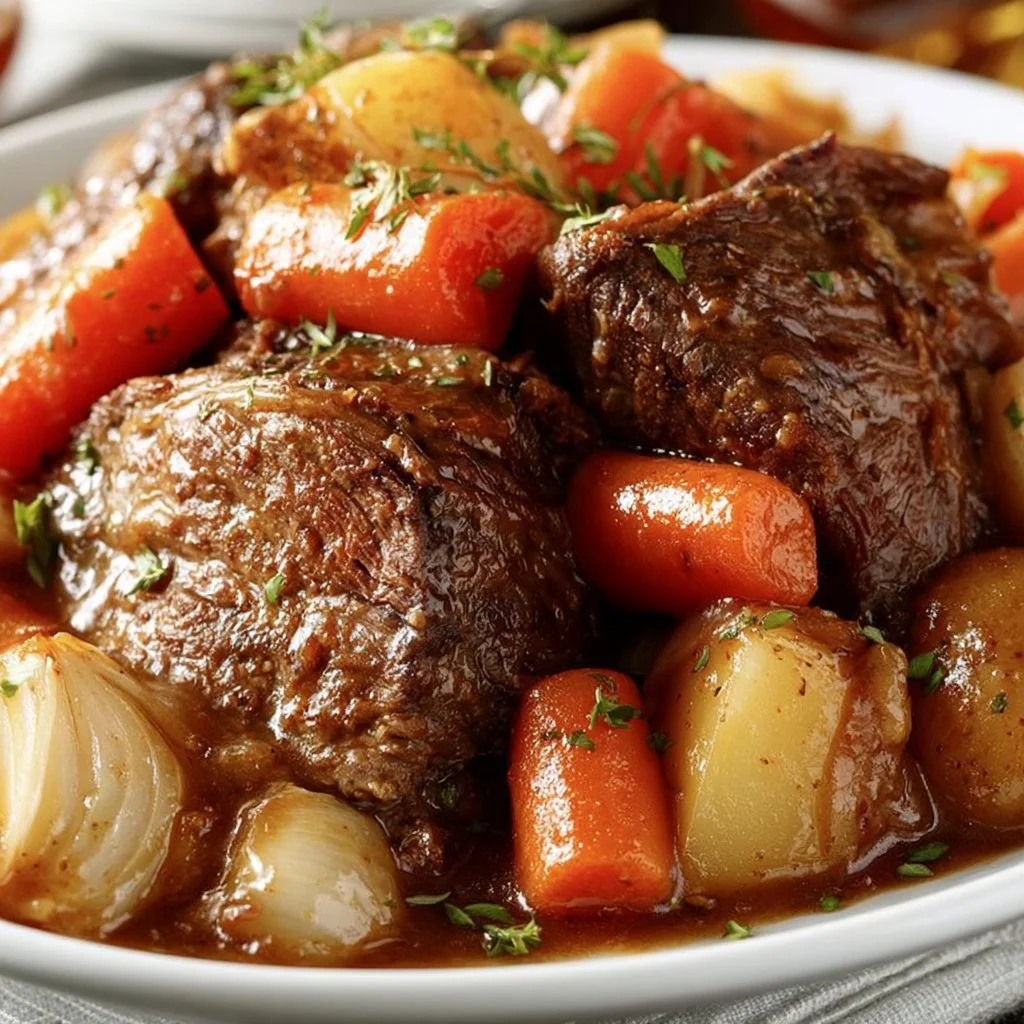
Crockpot Pot Roast for Family Meals
There’s something undeniably comforting about a pot roast, especially when it has been slow-cooked to perfection in a crockpot. This method transforms the tougher cuts of meat into tender, succulent bites infused with rich flavors. The combination of seasoned meat, hearty vegetables, and savory broth melds beautifully during the slow cooking process, leaving an aroma in your home that draws everyone to the dinner table. Imagine the satisfaction of coming home after a long day to find a warm, glowing crockpot waiting for you, filled with a hearty meal that requires minimal hands-on attention.
What sets this recipe apart is not only its flavor but the convenience that comes with using a crockpot. While other cooking methods may require constant attention and supervision, a crockpot allows you to set it and forget it. This makes it an excellent choice for busy families or individuals who want a home-cooked meal without a lot of fuss. With a handful of ingredients and just a few preparation steps, this dish can serve as the perfect centerpiece for your family dinners, holiday meals, or casual gatherings.
Visually, a crockpot pot roast is a feast for the eyes. The glistening meat, surrounded by vibrant vegetables like carrots and potatoes, creates a colorful presentation that’s appealing to both the eye and the palate. Each serving boasts an inviting aroma, and the taste is a harmonious blend of savory and slightly sweet notes from the vegetables, punctuated by the depth of flavor from the spices and broth. This dish is particularly well suited for those cozy family evenings, special occasions, or even meal prep days, as it can easily feed a crowd and provide ample leftovers for tomorrow.
The magic of this recipe lies in its simplicity—each ingredient plays a vital role in creating a meal that feels both homey and substantial. It’s a timeless dish that bridges generations, often evoking family memories and traditions around the dining table. Whether you’ve made pot roast dozens of times or are preparing it for the first time, you can trust that this dish will deliver satisfaction and comfort in every bite.
What Makes This Recipe Special
This pot roast recipe shines for various reasons, starting with its straightforward appeal. The combination of a chuck roast, hearty root vegetables, and robust seasonings creates a symphony of flavors that only improves with time. The slow cooking method allows the tough fibers of the meat to break down slowly, making for a mouthwatering meal with a melt-in-your-mouth texture. Additionally, using a crockpot ensures that every ingredient retains its essence, allowing the natural flavors to meld perfectly while developing an aromatic broth.
One of the standout features of this recipe is its versatility. Unlike traditional baking or stove-top methods that may require extensive monitoring, a crockpot allows for effortless slow cooking. This makes it an ideal dish for hectic weeknights or busy weekends when you want to spend more time with loved ones rather than in the kitchen. Plus, after the initial prep, you can be free to enjoy the day without worrying about timing your meal. Simply set it on low, and let it work its magic.
Moreover, the recipe marries well with various side dishes, making it an adaptable centerpiece for any occasion. Whether served with crusty bread, creamy mashed potatoes, or a crisp salad, the pot roast can be the star of your dinner table. Its comforting flavors are suitable for holiday feasts, family gatherings, or even as a simple Sunday dinner to replenish after a long week. The recipe’s innate social nature brings people together, fostering connection over a hearty family meal.
Lastly, its uncomplicated ingredient list is another reason to adore this crockpot pot roast. With a few staple items—meat, vegetables, broth—you can create a meal that feels rich and satisfying without spending a fortune. The simplicity of the ingredients encourages home cooks to put their own spin on it, whether that means adjusting spices or trying different types of vegetables. This flexibility in preparation ensures that the pot roast becomes a beloved recipe, adapted to taste over time.
Ingredient Overview and Helpful Notes
Understanding the role of each ingredient is essential to mastering a pot roast. The star of our recipe is the chuck roast, known for its marbling and rich flavor. The fat running through the meat melts during cooking, creating a tender texture while adding moisture to the pot. When selecting a roast, look for one with even marbling and a bright red color, ensuring it’s fresh and full of flavor.
Root vegetables are paramount in this dish, with carrots and potatoes being traditional choices. Carrots add natural sweetness and a lovely texture, while potatoes provide heartiness, soaking up the delicious juices from the meat. When prepping vegetables, it’s important to chop them into evenly sized pieces to ensure even cooking. Aim for potato and carrot pieces that are fairly uniform to avoid having some undercooked and others overcooked.
Garlic and onion are essential aromatics that build a flavorful base for the broth. Make sure to mince the garlic finely and chop the onion into small pieces to release their flavors effectively. The addition of dried thyme and rosemary complements the dish beautifully, bringing an earthy note that enhances the savory profile of the meal. When working with dried herbs, remember that they are more concentrated than fresh; thus, a little goes a long way.
When preparing the broth, be mindful of its salt content, as some brands can be quite salty. Opt for low-sodium varieties if you’re cautious about sodium intake. The Worcestershire sauce provides an umami kick and depth of flavor, so ensure it’s well measured to avoid overpowering the dish. A careful balance of salt and pepper will enhance all the natural flavors, allowing the rich broth to shine through without overshadowing the meat and vegetables.
Lastly, preparation can significantly affect the outcome of the dish. When slicing vegetables, take the time to ensure they are in uniform sizes to promote even cooking. Properly searing the roast before putting it in the slow cooker also helps create a base layer of flavor, but be careful not to overdo it; the goal is to achieve a caramelized crust, not cook it through completely. By paying attention to these ingredient details, you’ll ensure a delightful pot roast experience that your family will love.
Nutrition & Recipe Details
Keep in mind that the nutritional values can vary based on the specific ingredients used, portion sizes, and preparation methods. Here, we provide an overview of key recipe details to give you a better understanding of what’s included in your pot roast.
| Item | Value |
|---|---|
| Prep time | 15 minutes |
| Cook time | 8 hours (low) or 4 hours (high) |
| Store time | 3-4 days in the refrigerator |
| Calories | Approximately 350 per serving |
| Protein | Approx 30g per serving |
| Carbohydrates | Approx 35g per serving |
| Fat | Approx 15g per serving |
How to Make Crockpot Pot Roast for Family Meals
Creating a mouthwatering pot roast in a crockpot is straightforward, allowing you to focus on gathering the ingredients rather than complicated techniques. Start by preparing all your ingredients in advance—this means measuring out your spices, chopping your vegetables, and searing the meat as needed. This organization will help keep your cooking process smooth and stress-free.
You’ll need a reliable slow cooker that can accommodate a large roast and vegetables. A 6-quart model is typically a good size for this kind of meal. As you gather your ingredients, remember to check if you have enough broth and seasoning on hand; having everything organized at the start makes assembly a breeze.
Ensure that your vegetables are prepped by washing them thoroughly and cutting them into uniform pieces to promote even cooking. For the roast, pat it dry with paper towels before searing. This step helps to develop that desirable crust and enhances flavor. After everything is prepped, you’re ready to assemble and enjoy a delicious family meal.
Ingredients
| Ingredient | Quantity |
|---|---|
| Chuck roast | 3-4 lbs |
| Carrots, chopped | 4 |
| Potatoes, chopped | 4 |
| Onion, chopped | 1 |
| Garlic, minced | 3 cloves |
| Beef broth | 2 cups |
| Worcestershire sauce | 1 tablespoon |
| Salt and pepper | to taste |
| Dried thyme | 1 teaspoon |
| Rosemary | 1 teaspoon |
Once you’ve measured and prepared all your ingredients, it’s time to start cooking. The first step is to heat a skillet over medium-high heat and sear the chuck roast on all sides until it’s nicely browned. This step not only enhances the roast’s flavor but also helps create a delectable crust. Remember to keep an eye on it to prevent burning while ensuring even browning.
Next, layer your chopped carrots, potatoes, and onions at the bottom of the slow cooker. This ensures that they absorb all the rich flavors as they cook. Place the seared roast on top, adding minced garlic before pouring in beef broth, Worcestershire sauce, salt, pepper, thyme, and rosemary. This step layers the flavors beautifully, giving you a comforting and hearty meal. Cover your slow cooker and set it to cook on low for eight hours or high for four hours, until the roast is fork-tender and the vegetables are perfectly cooked.
Once cooked, temper the roast gently with forks to shred it into chunks, integrating it back with the vegetables before serving. This final step adds an inviting texture to the dish, making it perfect for family meals. Enjoy the fulfillment of a homemade pot roast that’s been nurtured to perfection in your crockpot.
Step-by-Step Instructions
-
Sear the Roast: Begin by searing the chuck roast in a skillet over medium-high heat for about 4-5 minutes on each side, or until it is nicely browned. This caramelization adds depth and enhances the flavor of the meat, creating a beautiful, rich exterior.
-
Prepare the Vegetables: While the roast is searing, prepare your chopped vegetables. Layer the chopped carrots, potatoes, and onion at the bottom of your slow cooker, creating a bed for the meat. This layering allows the vegetables to absorb the juices and flavors released from the roast.
-
Combine Ingredients: Carefully place the seared beef on top of the layered vegetables in the crockpot. Sprinkle minced garlic over the roast, distributing it evenly to ensure maximum flavor infusion.
-
Add Broth and Seasoning: Pour the beef broth into the slow cooker, followed by Worcestershire sauce, and season generously with salt and pepper. Sprinkle the dried thyme and rosemary evenly over the ingredients, letting their aroma fill the air.
-
Cooking Time: Cover the slow cooker and set it to cook on low for 8 hours or high for 4 hours. The goal is for the meat to become incredibly tender and easy to shred; it should be fork-tender when finished.
-
Finishing Touches: Once the cooking time is complete, use forks to shred the beef into large chunks and blend it back with the vegetables in the pot. This mixing ensures flavorful bites in every serving. Serve immediately, delighting in the comforting aromas and flavors of your homemade pot roast.
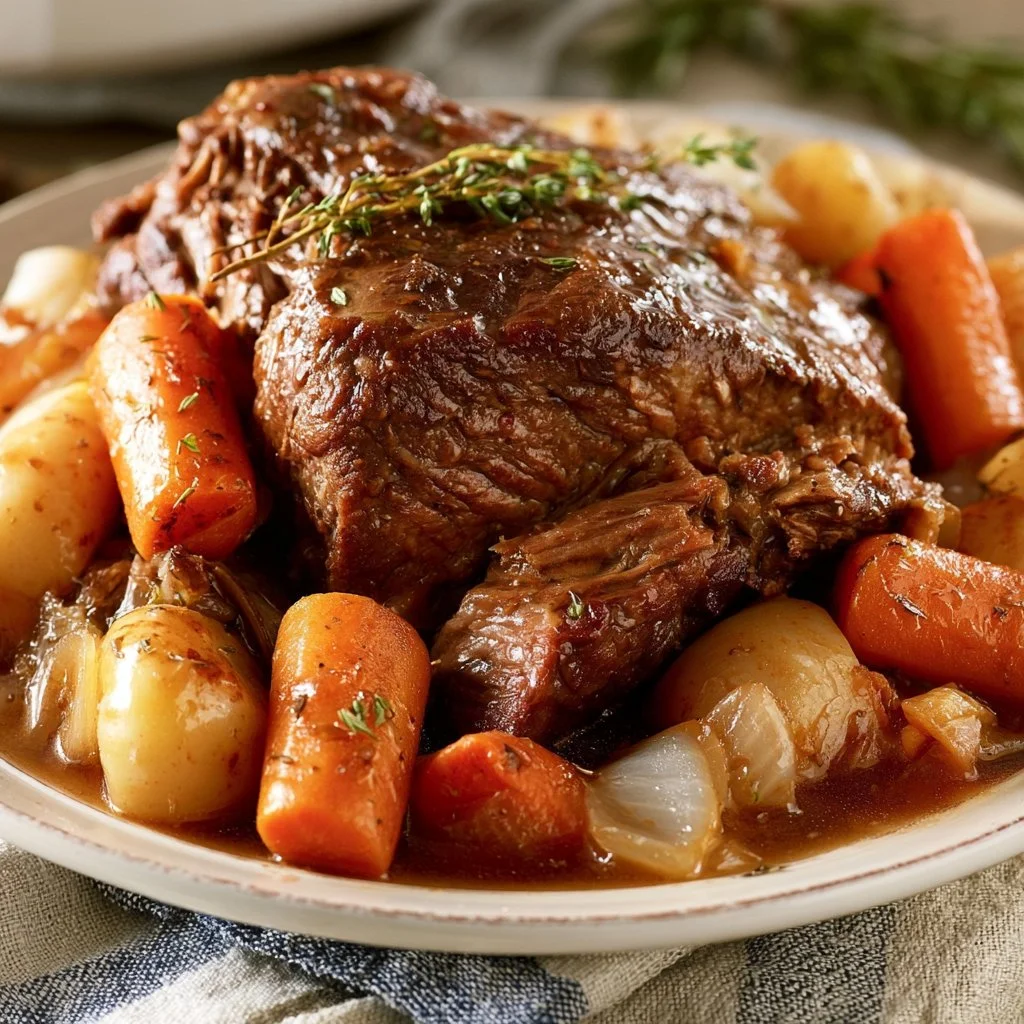
Understanding the Flavor and Texture
When you serve a pot roast, you’re not just presenting a meal; you’re offering a sensory experience. The aroma wafting from the slow cooker is a blend of savory spices and herbs mingling with the rich, hearty scent of the meat. Visually, the dish is a feast with its glossy chunks of tender meat interspersed with vibrant vegetables, all steeped in a beautifully reduced broth that glistens when ladled onto a plate.
Taste-wise, the pot roast delivers a multi-layered experience. The first bite offers the savory flavor of the roast, followed by the sweetness of the carrots and the earthiness of the potatoes. Each element harmonizes beautifully, with the broth tying everything together, providing moisture and richness. This meal’s textures are equally appealing—tender chunks of meat contrast with the softness of the vegetable medley, creating a comforting mouthfeel with every bite.
Cooking methods play a crucial role in achieving these results. The slow cooking process allows for delicious flavors to develop, with the meat absorbing the essence of the broth and seasonings while the vegetables become infused with the meat’s juices. The extended low-temperature cooking transforms tough cuts into succulent pieces of meat while maintaining the integrity of the vegetables, preventing them from becoming mushy or overcooked.
Overall, a successful pot roast should not only taste good but also possess a satisfying texture that keeps your family coming back for more. The richness of the broth, the contrasting ingredients, and the inviting aroma culminate in a dinner experience that feels both premium and approachable.
Pro Tips
Utilizing a few small techniques can greatly enhance the flavor and presentation of your pot roast. Here are some useful tips to ensure the best results:
| Tip | Description |
|---|---|
| Brown for Flavor | Searing the roast before adding it to the slow cooker enhances flavor through the Maillard reaction, giving depth and creating a delicious crust that adds complexity to the dish. |
| Use a Meat Thermometer | For a perfectly cooked roast, invest in a meat thermometer. The internal temperature should reach around 190°F to ensure the meat is tender yet juicy. |
| Add Higher Quality Broth | Opt for high-quality broth or stock, as it significantly impacts the flavor of the dish. Homemade broth or low-sodium store-bought varieties often yield the best results. |
| Layer Ingredients Strategically | Always layer starchy vegetables on the bottom of the slow cooker to prevent burning and ensure even cooking. This way, everything cooks through without risk of overcooking. |
Adhering to these tips can provide a noticeable difference in flavor perception. Taking one extra step during preparation creates depth and character, leading to a significantly better cooking experience. Searing, in particular, should not be skipped, as it adds a rich flavor that can’t be replicated later in the cooking process.
When choosing your broth, don’t hesitate to consider making it yourself. Homemade broth allows for a degree of control over flavor, sodium levels, and quality, elevating your pot roast to a gourmet level right in your kitchen.
Lastly, the method of layering can affect cooking times. Always place hardy vegetables lower in the crockpot. This not only allows them to cook thoroughly but also reduces the chance of tailing away or burning. These subtle techniques ensure that your pot roast turns out not just good, but great.
Why You’ll Love This Recipe
This pot roast recipe is not just a meal; it’s an occasion for family and friends to gather around the dinner table. The ease of preparation allows for quality time spent with loved ones rather than slaving away in the kitchen, making it ideal for busy weeknights or social gatherings. The comfort food factor of the dish promotes a warm and inviting atmosphere, providing a sense of nostalgia that many will appreciate.
Beyond its convenience, the flavors are absolutely divine. The combination of savory ingredients creates a mouthwatering aroma that fills the home long before the first bite. Each serving is a balance of rich, hearty flavors that satisfy the senses and warm the heart. It’s difficult to find a meal that strikes a chord with both children and adults, but this pot roast hits the mark perfectly, making it a family favorite.
The flexibility of this recipe adds another layer of appeal. You can easily adjust the ingredients based on preference, whether it’s varying the vegetables or tweaking the spices. The result is a custom dish tailored to your family’s taste, encouraging creativity and explorations of flavors. Moreover, those leftovers—the bonus of this recipe—make for delicious next-day meals, saving time while continuing to provide wholesome sustenance.
In essence, this pot roast recipe earns its spot in weekly rotations by combining ease, flavor, and nourishing qualities in one simple dish. The joy it spreads at the dinner table makes it all the more meaningful, perfect for creating cherished memories over shared meals.
How to Serve Crockpot Pot Roast for Family Meals
Presenting your pot roast can be just as important as cooking it. From casual dinners to more formal gatherings, there are numerous ways to serve this dish to make it visually appealing and inviting. Start by gently ladling the meat and vegetables onto large serving platters, allowing family members to serve themselves. You can also serve in individual bowls for a cozy, personal touch—perfect for family meals.
Pair the pot roast with side dishes that complement its flavors. Creamy mashed potatoes or buttery mashed cauliflower work beautifully, providing a luscious texture that matches the rich broth. If you’re looking for something lighter, consider a fresh garden salad tossed with a zesty vinaigrette to contrast the warmth of the roast. Additionally, crusty bread or dinner rolls are fantastic for sopping up the savory juices.
When it comes to plate presentation, don’t hesitate to experiment with garnishes. Fresh herbs like parsley or thyme sprigs add a pop of color and freshness that enlivens the dish. A sprinkle of freshly ground black pepper not only enhances flavor but also adds visual interest. For a more rustic approach, consider serving in casserole dishes that allow the pot roast to shine as the centerpiece of the table.
Ideal beverage pairings can include hearty red wines, non-alcoholic sparkling juices, or sparkling water infused with citrus for a refreshing touch. The choices depend largely on the occasion; for family dinners, a casual refreshment often fits well, while more formal settings might call for something sophisticated.
In summary, make your crockpot pot roast visually appealing through strategic serving methods and attractive side dishes. This not only adds to the dining experience but also highlights the flavors while making for an inviting atmosphere that encourages family and friends to gather around the table.
How to Store Crockpot Pot Roast for Family Meals
Storing your leftover pot roast is crucial for keeping it fresh and tasty for future meals. Start by allowing the dish to cool slightly after serving. It’s important to transfer leftover meat and vegetables to airtight containers to minimize exposure to air, which can lead to spoilage. If you have an abundance of leftovers, consider dividing portions into smaller containers for easy reheating later.
For refrigerator storage, ensure that the pot roast is kept in a cool environment. It is typically safe to enjoy leftovers within 3-4 days when properly stored. Keep an eye out for any off-putting smells or changes in texture that may indicate spoilage. To reheat, whether on the stove or in the microwave, add a splash of broth to retain moisture and prevent the meat from drying out.
If you plan on freezing the pot roast, consider doing so in individually portioned amounts and labeling each container with the date. Frozen pot roast can maintain its quality for 2-3 months. When ready to reheat, allow it to thaw overnight in the refrigerator for the best results. Alternatively, you can thaw directly in the microwave, but this may affect the texture.
When reheating any meat dishes, take care to do so slowly and evenly to avoid loss of moisture. Keeping an eye on the heat while cooking can reduce instances of dryness or tough textures. If you find the meat needs extra moisture, adding a little broth or water can help revitalize the dish without compromising flavor.
Tips to Make Crockpot Pot Roast for Family Meals
Several cooking techniques can drastically improve the success of your pot roast. Here are some essential tips for creating a consistently satisfying dish. Pay extra attention to the following areas:
First, when selecting your chuck roast, consider marbling. Look for a roast with good marbling, as this fat content breaks down during the cooking process and contributes to the dish’s tenderness and rich flavor. Lean cuts might result in a drier roast that lacks flavor.
Second, timing is crucial. Cooking on low for eight hours tends to yield even more tender results than the high setting for four hours. The low and slow method allows time for collagen in the meat to break down, while high cooking can lead to a quicker result but might miss that ideal mouthfeel.
Next, adjusting the seasoning during the cooking process is important. While it’s best to season before cooking begins, tasting the broth before serving can determine whether it needs a bit more salt, pepper, or herbs. Just a dash more seasoning at the end can elevate the entire flavor profile.
Lastly, don’t forget about the importance of letting your pot roast rest before shredding it. Allowing it to sit for about 10-15 minutes after cooking gives the juices time to redistribute, ensuring that every bite is flavorful and moist. This resting period will enhance the overall experience and result in a more appealing texture.
Variations and Substitutions
When you’re comfortable with the classic version of this pot roast, you might want to experiment with grains, legumes, and even alternate cooking methods to switch things up. For a vegetarian twist, you can substitute the chuck roast with a hearty cut of seitan or mushrooms, providing a rich, meaty flavor without animal proteins.
Maybe you’re aiming for a gluten-free version: Make sure your Worcestershire sauce is gluten-free, or consider using coconut aminos as a substitute for a different, but equally delightful flavor profile. You might also add lentils or chickpeas to the slow cooker for extra fiber and protein, transforming your dish into a wholesome vegetarian delight.
If you’re craving a spice boost, consider adding fresh or dried chili peppers for heat. A simple sprinkle of smoked paprika can enhance smokiness without overpowering other flavors. Alternatively, you can infuse your broth with spices like cumin or coriander for a unique twist on the traditional recipe.
For a different vegetable medley, consider using turnips, parsnips, or sweet potatoes. Each of these veggies brings its unique flavor and texture, allowing for a customized culinary experience. Just remember to adjust cooking times as each vegetable may cook differently in a slow cooker.
In essence, switching up the ingredients can lead to a refreshing take on the classic crockpot pot roast, catering to dietary preferences or simply increasing variety in your weekly meals. Ultimately, the flexibility of flavors allows for personal interpretation without straying far from this beloved recipe.
Storage and Reheating
Proper storage and reheating techniques are vital to maintaining the quality of your crockpot pot roast. When storing leftovers, ensure they cool at room temperature for no more than two hours before transferring to an airtight container. Smaller portions work best, as they’ll cool faster and can be reheated individually.
When freezing, always label containers with dates to keep track of freshness. For optimal quality, aim to consume frozen pot roast within 3 months. Thawing can be done overnight in the fridge or using a microwave’s defrost feature, but it’s important to use the thawed meat promptly.
When reheating, you have several options: gently reheating on the stove allows for better control, while a microwave provides a quicker solution. In either case, add a splash of broth or water to prevent overheating and drying out the meat. You can also cover the dish to trap moisture.
Be attentive to the reheating process, adjusting to medium-low heat on the stovetop or using the low power setting on the microwave, ensuring even heating throughout. A gentle stir halfway through reheating will help eliminate any cold spots, promoting consistency throughout your dish.
Customization Ideas
Personalizing your crockpot pot roast can make it feel like a new recipe every time. Adjust the flavor profile by adding fresh herbs like thyme, rosemary, or even sage during the last hour of cooking for a fresher taste. Infusing the broth with a splash of lemon juice or zest can add a vibrant twist that balances the richness of the meat and veggies.
Are you feeling adventurous? Consider adding other ingredients based on preferences or seasonal offerings. A splash of soy sauce or a dash of hot sauce can elevate the umami taste of the dish, introducing a newfound depth of flavor. This opportunity for experimentation gives way to exciting, customized meals while keeping the comfort aspect intact.
You might also add different textures. If you love a bit of crunch, consider topping the finished dish with toasted nuts or seeds, which provide a contrast to the softness of the meat and vegetables. Greener herbs as a garnish can elevate the entire dish, both visually and taste-wise.
The beauty of cooking lies in your ability to adapt. This adaptability encourages home cooks to engage with their personal tastes and modify recipes according to what’s on hand or preferred flavors. So, don’t hesitate to let your creativity flow as you serve up your own signature twist on the classic pot roast experience.
Common Mistakes to Avoid
While making pot roast is straightforward, there are common pitfalls to keep in mind to ensure a successful meal. Here are five mistakes along with tips to avoid them:
-
Skipping the Sear: Not browning the meat beforehand can result in a less flavorful roast. Taking just a few extra minutes to sear the meat develops a rich, caramelized flavor that enhances the entire dish.
-
Using Too Much Liquid: Overloading the pot with liquid can dilute the flavors. Follow the recipe guidelines and add only the specified amount of broth—towards the end, if necessary, you can add a bit more if needed for moisture.
-
Inconsistent Vegetable Cuts: If your vegetables are not cut evenly, some will cook faster than others, resulting in a mushy texture while others remain undercooked. Take the time to chop components into uniform pieces for better results.
-
Not Tasting Before Serving: This is a common mistake that can lead to under-seasoned dishes. Always taste the broth just before serving and adjust the seasoning accordingly for optimal flavor.
-
Storing Improperly: Leaving leftovers at room temperature for too long can lead to spoilage. Always cool leftovers before refrigerating and ensure they remain in airtight containers to preserve freshness.
By being aware of these common mistakes, you can navigate the process of making pot roast with confidence and achieve delicious results that everyone will love.
Serving Occasions
Crockpot pot roast is a versatile dish that suits various occasions throughout the year. Its warmth and heartiness make it particularly inviting for family dinners, especially during the cooler months. When you serve pot roast on a chilly evening, it creates a cozy atmosphere that invites everyone to gather around the table, enjoying hearty comfort food.
This dish is also a fantastic choice for holiday meals or family gatherings, as it effortlessly serves a crowd. Its simplicity means it can be prepared ahead of time, allowing the host to enjoy the company of guests instead of slaving away in the kitchen during crucial moments. It can serve as a centerpiece during special occasions while still being approachable and satisfying for everyday meals.
Another great time for this recipe is on busy weeknights. The beauty of a crockpot lies in its ability to cook while you attend to other activities—whether that’s work, running errands, or spending time with family. Simply set it up in the morning, and come home to a delightful meal ready to serve, making it a staple in your meal planning rotation.
The dish would also shine at potlucks or casual brunches, allowing attendees to share what they love about this comforting meal. Its versatility further extends to family meal prep, providing leftovers that can be easily reheated for quick lunches or dinners in the days following.
Why Make This Recipe?
Preparing crockpot pot roast is genuinely worthwhile for many reasons. First, the flavor profile it brings is unparalleled, as the combination of quality ingredients transforms into a dish that is rich, satisfying, and thoroughly enjoyable for all. Choosing this recipe means treating your family to a meal that feels indulgent yet is simple to create.
Moreover, time efficiency is a major factor. The set-it-and-forget-it nature of crockpot cooking enables home chefs to focus on other tasks while still providing a delicious home-cooked meal. Whether you’re navigating a busy week or hosting friends, the convenience makes this pot roast a preferred choice.
It also fosters a sense of nostalgia, bringing people together for a shared experience around the dinner table. Recipes that span generations often hold a special place in family traditions, and this pot roast can create lasting memories as you gather together, reflecting on the rich flavors and connecting over food.
Lastly, this pot roast is adaptable. As you and your family become familiar with its flavors, you’ll find yourselves experimenting with different ingredients and spices, allowing for continuous and exciting culinary adventures all centered around this beloved dish.
Make-Ahead Preparation
If you’re planning to make this dish for a busy week ahead, there are several excellent options for advance preparation. Prepare your ingredients—chop vegetables, measure spices, and even marinate the roast overnight. This level of preparation allows for a seamless cooking experience on the day you choose to serve the pot roast.
Another useful tip is to portion the ingredients. You can pre-pack vegetables into bags or containers for quick access. It also allows you to eliminate the prep time on busy days like holidays or celebrations. You can even sear the meat the night before and store it in the fridge to save time.
When it comes to the slow cooking process, assembling everything in the crockpot can be done the night before. Simply place the cut vegetables on the bottom, followed by the seared roast and seasonings, and store it in the fridge until you are ready to start cooking. In the morning, just add the broth right before you turn on the cooker.
Remember that freshness is key. While some ingredients can be cut ahead of time, delicate flavors like herbs should be added as fresh as possible. Timing the addition of these ensures that you retain potent flavors in your dish. By applying these tips, making your delicious pot roast can seamlessly fit into your schedule without compromising its flavor or quality.
Equipment and Kitchen Preparation
Setting yourself up for success starts with the right kitchen tools for making this crockpot pot roast. Firstly, you will need a reliable slow cooker capable of holding the size of the roast and vegetables you’ll prepare. A 6-quart slow cooker is a great fit for this recipe, as it provides ample space for the ingredients to cook evenly without cramming.
In addition to the slow cooker, a dependable cutting board and sharp knife will be critical for chopping your vegetables evenly. A good set of mixing bowls for measuring and holding prepped ingredients can keep you organized and streamline the cooking process.
Sizzling the roast on the stovetop requires a heavy skillet, ideally one with a thick bottom to distribute heat evenly. Be sure to use tongs for easy handling of the roast during the searing process. A meat thermometer can also be an invaluable tool when it comes to checking the doneness of the roast without cutting into it prematurely.
Lastly, as you set up your workspace, make sure to clear enough space on your counter for prepping ingredients. Keeping your workspace organized—having everything within reach—enhances the cooking experience and minimizes interruptions as you move through the preparation process. Following these equipment tips can lead to a smoother cooking adventure and a successful pot roast.
FAQs
1. Can I use any cut of meat for this recipe?
While the chuck roast is ideal for pot roast due to its fat marbling, cuts like brisket or round can also be used. They are leaner and may result in a slightly different texture but can still be delicious if cooked properly.
2. What should I do if I run out of beef broth?
If you’re out of beef broth, you can substitute it with vegetable broth for a lighter flavor, or use water with seasoning added to still provide a rich base for the pot roast.
3. Can I add wine to the recipe?
Certainly! A splash of red wine can enhance the flavor. However, ensure to keep it balanced, as too much can overwhelm the dish. Be mindful that this will change the dish’s profile, making it less suitable for those avoiding alcohol.
4. Is there a way to make this recipe gluten-free?
Definitely! Just ensure you use a gluten-free Worcestershire sauce and check that your broth is also gluten-free. This will make the entire recipe suitable for those avoiding gluten.
5. Can I cook this recipe overnight?
Cooking your pot roast overnight is feasible; however, using a timer on your slow cooker might be a safer option. Set it on low for 8 hours, but be aware that meat may continue to cook if left for more than the intended time.
6. Can I add other vegetables to the pot roast?
Yes! Feel free to add seasonal veggies such as mushrooms, turnips, or parsnips. Each addition will impart its flavor, lending a unique twist to your classic pot roast.
7. Can I freeze leftover pot roast?
Yes, freezing leftover pot roast is and reheating it later is a great option. Make sure it’s stored in airtight containers and labeled with dates. For best quality, consume it within 2-3 months.
8. What is the best way to reheat the leftovers?
The best method is to reheat in the oven at a low temperature or on the stovetop over low heat to prevent drying out. Adding a splash of broth during reheating will help keep the meat juicy and flavorful.
Disclaimer
Nutritional information is approximate and may vary based on ingredient brands, substitutions, portion sizes, and preparation methods.
Print
Crockpot Pot Roast for Family Meals
- Total Time: 495 minutes
- Yield: 8 servings 1x
- Diet: None
Description
A comforting and convenient crockpot pot roast that transforms tougher cuts of meat into tender bites with rich flavors, perfect for family dinners.
Ingredients
- 3–4 lbs Chuck roast
- 4 Carrots, chopped
- 4 Potatoes, chopped
- 1 Onion, chopped
- 3 cloves Garlic, minced
- 2 cups Beef broth
- 1 tablespoon Worcestershire sauce
- Salt and pepper to taste
- 1 teaspoon Dried thyme
- 1 teaspoon Rosemary
Instructions
- Sear the chuck roast in a skillet over medium-high heat for about 4-5 minutes on each side until browned.
- Prepare the chopped vegetables by layering the carrots, potatoes, and onion at the bottom of the slow cooker.
- Combine the seared beef on top of the vegetables, sprinkle with minced garlic.
- Add the beef broth, Worcestershire sauce, and season with salt, pepper, thyme, and rosemary.
- Cook on low for 8 hours or high for 4 hours until the roast is fork-tender.
- Finishing by shredding the beef into chunks and mixing it with the vegetables before serving.
Notes
Sear the roast for added flavor and make sure to cut vegetables into uniform pieces for even cooking.
- Prep Time: 15 minutes
- Cook Time: 480 minutes
- Category: Main Course
- Method: Slow Cooking
- Cuisine: American
Nutrition
- Serving Size: 1 serving
- Calories: 350
- Sugar: 5g
- Sodium: 400mg
- Fat: 15g
- Saturated Fat: 5g
- Unsaturated Fat: 9g
- Trans Fat: 0g
- Carbohydrates: 35g
- Fiber: 4g
- Protein: 30g
- Cholesterol: 75mg