
Healthy Sautéed Vegetables – Quick, Flavorful & Nutritious Side
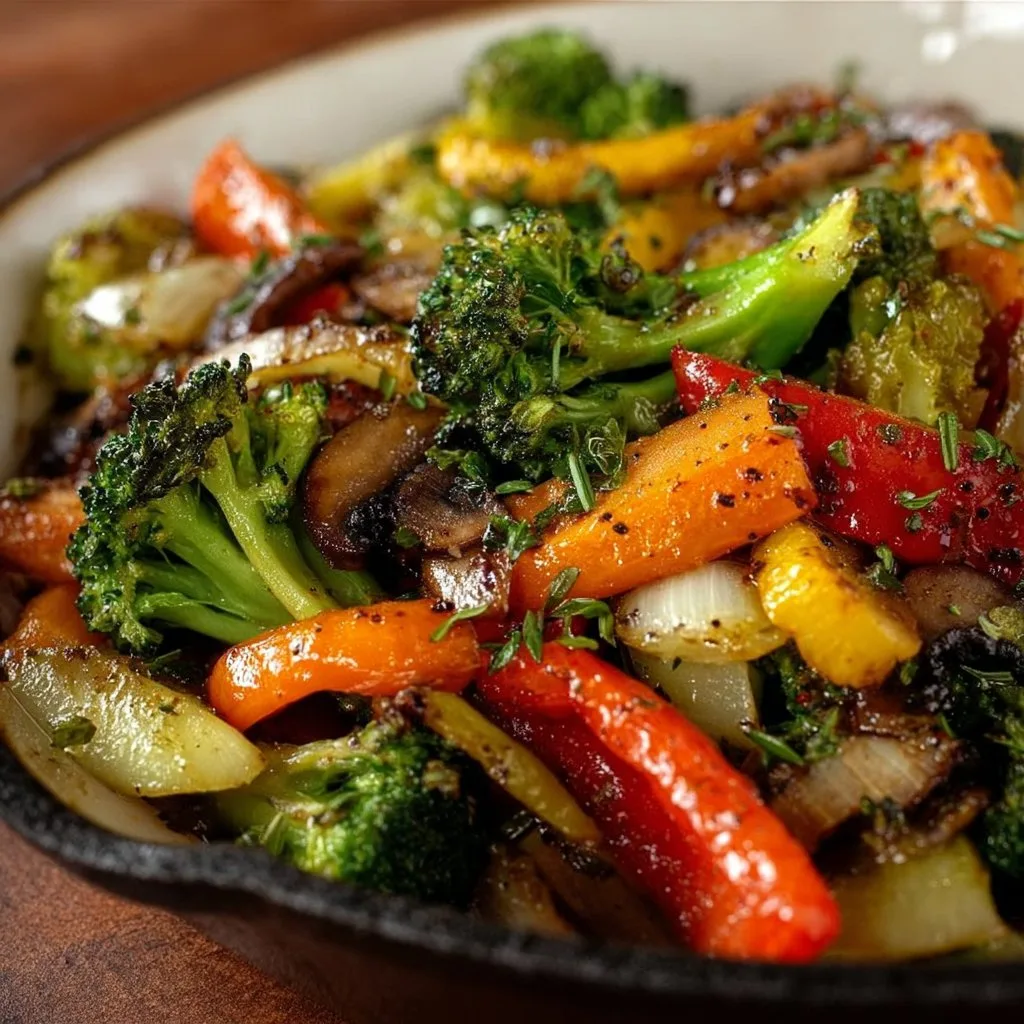
There’s something delightful about a colorful plate of sautéed vegetables. This dish not only looks appealing with its vibrant hues but also packs a punch in flavor and nutrition. Imagine the crisp texture of fresh bell peppers mingling with the softness of zucchini, all enhanced by the perfumed aroma of garlic. Whether it’s a cozy family dinner or a festive gathering, healthy sautéed vegetables can be the perfect side dish that elevates any meal. They’re versatile enough to complement everything from grilled chicken to quinoa bowls, making them a go-to in your kitchen.
What truly makes this dish special is its simplicity. You can whip it up in under 30 minutes, which is perfect for busy weekdays or last-minute dinner parties. Plus, the variations are endless! You can play around with different vegetable combinations or add herbs and spices to suit your taste. This side is not only quick and easy but bursting with flavors that will satisfy everyone at the table.
Prep Time: 10 min | Cook Time: 25 min | Total Time: 35 min
How to Make Healthy Sautéed Vegetables
Ingredients
- 2 tbsp olive oil (or avocado oil/butter)
- 2 cloves garlic, minced
- 1 small onion, thinly sliced
- 1 bell pepper, sliced
- 1 zucchini, sliced into half-moons
- 1 cup broccoli florets
- 1 medium carrot, julienned or sliced thin
- ½ cup snap peas
- ½ cup mushrooms, sliced
- Salt and black pepper, to taste
- 1 tsp lemon juice (optional)
- 1 tsp balsamic vinegar or soy sauce (optional)
- Optional toppings: toasted nuts, seeds, fresh herbs, grated Parmesan
Step-by-Step Instructions
- Prep Vegetables: Begin by washing all your vegetables thoroughly. Depending on your preference, peel the carrots and slice everything into uniform pieces to ensure even cooking.
- Heat Pan: Preheat your skillet over medium-high heat and add your choice of oil. Olive oil gives a nice flavor but avocado oil is also a great healthy alternative.
- Cook Aromatics: Once the oil is hot, toss in the minced garlic and sliced onions. Sauté for 1–2 minutes until they’re fragrant and the onions become translucent.
- Add Harder Vegetables: Start with denser vegetables. Add the julienned carrots and broccoli florets, cooking them for about 3–4 minutes while stirring frequently. This ensures they get nice and tender without losing their crunch.
- Add Softer Vegetables: Now, add the bell peppers, zucchini, mushrooms, and snap peas. Sauté for another 4–5 minutes until all the vegetables are cooked but still crisp-tender.
- Season: Finally, season your sauté with salt, pepper, and if desired, drizzle a bit of lemon juice for brightness or balsamic vinegar/soy sauce for depth. Toss everything well to combine and ensure the seasoning is evenly distributed.
- Finish & Serve: Transfer to a serving dish and garnish with fresh herbs, nuts, or seeds for an added crunch. Serve immediately to enjoy the best texture!
Pro Tips
- Uniform Size: Cutting vegetables into uniform sizes ensures even cooking. Smaller pieces may cook faster, while larger ones take longer, which can lead to a mix of textures in the final dish.
- Don’t Overcrowd the Pan: Cooking in batches, if necessary, keeps vegetables from steaming and allows them to sauté properly, preserving their vibrant colors and crispness.
- Experiment with Oils: While olive oil is a classic choice, oils like avocado or sesame can add unique flavors. Also, butter can impart a rich taste—just be mindful of the cooking temperature!
- Multitasking: If you’re pressed for time, wash and prep your veggies in advance or use pre-cut produce from the store. This can be a real time-saver on busy nights.
- Watch the Heat: Ensure your skillet is hot enough before adding the garlic and onions. This prevents them from becoming soggy instead of beautifully browned.
Why You’ll Love This Recipe
This sautéed vegetable dish is not only delicious but also incredibly simple. With just a handful of ingredients, you can create a side that bursts with fresh flavors. The combination of crispy and tender vegetables creates a delightful texture that enhances any meal. Whether you’re following a particular diet, like vegan or gluten-free, this recipe is adaptable to meet various dietary preferences.
Moreover, these healthy sautéed vegetables are a fantastic way to increase your daily intake of vitamins and minerals. Rich in fiber, they can help keep you feeling fuller longer, complementing main dishes wonderfully. It’s an easy way to make your meals colorful and nutritious without much effort!
How to Serve Healthy Sautéed Vegetables
When presenting sautéed vegetables, consider using a shallow bowl or a large platter to showcase the vibrant colors. Drizzling a bit of extra virgin olive oil or lemon juice just before serving can enhance their appearance and flavor. Pair them with grilled meats, over rice or quinoa, or as part of a brunch spread alongside eggs or pastries.
For drinks, a light white wine or sparkling water with lemon pairs beautifully with the freshness of the veggies. If you’re serving at a party, consider creating a colorful vegetable platter with a dip to echo the sautéed side dish for a cohesive presentation.
How to Store Healthy Sautéed Vegetables
Leftover sautéed vegetables can be stored in an airtight container in the refrigerator for about 3 to 4 days. Make sure they’ve cooled down before sealing to avoid moisture buildup, which can lead to sogginess.
For longer storage, you can freeze them for up to 3 months. Simply let them cool, then place in freezer bags, squeezing out excess air. When ready to eat, thaw in the refrigerator overnight or heat directly from frozen.
Tips to Make Healthy Sautéed Vegetables
- Seasoning Wisely: Try adding fresh herbs like basil or parsley at the end of cooking for a burst of flavor. A sprinkle of red pepper flakes can also add a nice kick.
- Timing is Key: Softer vegetables should always go in after the denser ones. This helps avoid mushy textures and ensures everything cooks just right.
- Play with Acidity: For an elevated taste, consider adding a splash of vinegar or some citrus juice at the end. It brightens up the dish wonderfully!
- Leftover Ideas: Use any leftover sautéed veggies by mixing them into omelets, pasta dishes, or grain bowls for an easy dish the next day.
Variations
- Vegan: The recipe is naturally vegan but you can enhance it with tofu or tempeh for extra protein.
- Spicy: Add sliced jalapeños or a spoonful of chili flakes to turn up the heat.
- Low-Carb: Swap out starchy vegetables like carrots for more leafy greens such as kale or spinach to keep it low-carb.
- Gluten-Free: This recipe is gluten-free as is, but ensure the soy sauce is gluten-free if using.
Nutrition Information
(Serving Size | Calories | Protein | Carbs | Fat | Fiber | Sugar)
Each serving of these sautéed vegetables is packed with nutrients. They are generally low in calories while being high in fiber and vitamins, making them an excellent choice for weight management and healthy eating. The variety of colors also ensures you’re getting a range of antioxidants which contribute to overall health.
Storage and Reheating
To reheat leftovers, you can use several methods:
- Microwave: Place the vegetables in a microwave-safe dish, cover, and heat for 1–2 minutes until warm.
- Oven: Preheat your oven to 350°F (175°C) and spread the vegetables on a baking tray. Heat for about 10 minutes or until warmed through.
- Skillet: Just a quick toss in a skillet on medium heat for 5 minutes will bring back their original crispiness.
Customization Ideas
Feel free to adjust flavors and ingredients based on your preferences. For example, you could add citrus zest for brightness or experiment with different herbs like dill or cilantro. For a more filling dish, toss in some cooked grains like quinoa, or even add nuts for crunch.
Common Mistakes to Avoid
- Overcrowding: Cooking too many vegetables at once can trap steam, making them soggy instead of crisp.
- Not Prepping: Failing to prep ingredients beforehand can lead to uneven cooking times and a disorganized cooking experience.
- Forgetting to Season: Don’t skip on seasoning! A most seasoned vegetable mix can taste bland no matter how fresh the vegetables are.
- Incorrect Cooking Time: Overcooking can lead to mushy vegetables. Keep an eye on the clock—just enough time for them to be tender yet still crisp.
Serving Occasions
Healthy sautéed vegetables fit beautifully into numerous occasions. They can be a charming side for family dinners, enhance holiday meals, or provide a quick and nutritious option for lunch. Whether it’s a casual weeknight or a special celebration, they bring color, flavor, and health to your table.
Why Make This Recipe
This recipe stands out because it beautifully combines flavor, nutrition, and ease. Unlike many other vegetable dishes that require long cooking times or complicated techniques, this one can be prepared in a heartbeat. The versatility of flavors and the ability to customize the vegetables based on seasons or personal preferences make it a timeless recipe.
FAQs
-
Can I use frozen vegetables?
Yes! Frozen vegetables work well, but briefly thawing them first can help maintain some crispness. -
Can I substitute the oil?
Absolutely! You can use butter, avocado oil, or even coconut oil depending on your health preferences and flavor desires. -
Can I include protein in this dish?
Yes, adding tofu, shrimp, or chicken can turn this side dish into a complete meal. -
What if I don’t like some of the vegetables?
Feel free to substitute with your favorites or whatever you have on hand. Carrots, asparagus, or spinach could be great alternatives. -
How can I enhance the flavor?
Adding a splash of soy sauce or balsamic vinegar during cooking can deepen flavors, while fresh herbs can brighten things up!
Disclaimer: Nutrition information is approximate and can vary based on specific ingredients used and preparation methods. Always adjust based on personal preferences!
Print
Healthy Sautéed Vegetables
- Total Time: 35 minutes
- Yield: 4 servings 1x
- Diet: Vegan
Description
A quick and flavorful side dish of sautéed vegetables that is both nutritious and easy to prepare.
Ingredients
- 2 tbsp olive oil (or avocado oil/butter)
- 2 cloves garlic, minced
- 1 small onion, thinly sliced
- 1 bell pepper, sliced
- 1 zucchini, sliced into half-moons
- 1 cup broccoli florets
- 1 medium carrot, julienned or sliced thin
- ½ cup snap peas
- ½ cup mushrooms, sliced
- Salt and black pepper, to taste
- 1 tsp lemon juice (optional)
- 1 tsp balsamic vinegar or soy sauce (optional)
- Optional toppings: toasted nuts, seeds, fresh herbs, grated Parmesan
Instructions
- Begin by washing all your vegetables thoroughly. Peel the carrots if desired and slice everything into uniform pieces.
- Preheat your skillet over medium-high heat and add your choice of oil.
- Once the oil is hot, toss in the minced garlic and sliced onions. Sauté for 1–2 minutes until fragrant and onions are translucent.
- Add the julienned carrots and broccoli florets, cooking for about 3–4 minutes while stirring frequently.
- Now, add the bell peppers, zucchini, mushrooms, and snap peas. Sauté for another 4–5 minutes until all vegetables are cooked but still crisp-tender.
- Season with salt, pepper, and if desired, drizzle lemon juice or balsamic vinegar for added flavor. Toss well to combine.
- Transfer to a serving dish, garnish with fresh herbs, nuts, or seeds, and serve immediately.
Notes
Cut vegetables into uniform sizes to ensure even cooking. Don’t overcrowd the pan for the best texture.
- Prep Time: 10 minutes
- Cook Time: 25 minutes
- Category: Side Dish
- Method: Sautéing
- Cuisine: Global
Nutrition
- Serving Size: 1 serving
- Calories: 150
- Sugar: 5g
- Sodium: 200mg
- Fat: 7g
- Saturated Fat: 1g
- Unsaturated Fat: 5g
- Trans Fat: 0g
- Carbohydrates: 20g
- Fiber: 4g
- Protein: 5g
- Cholesterol: 0mg