
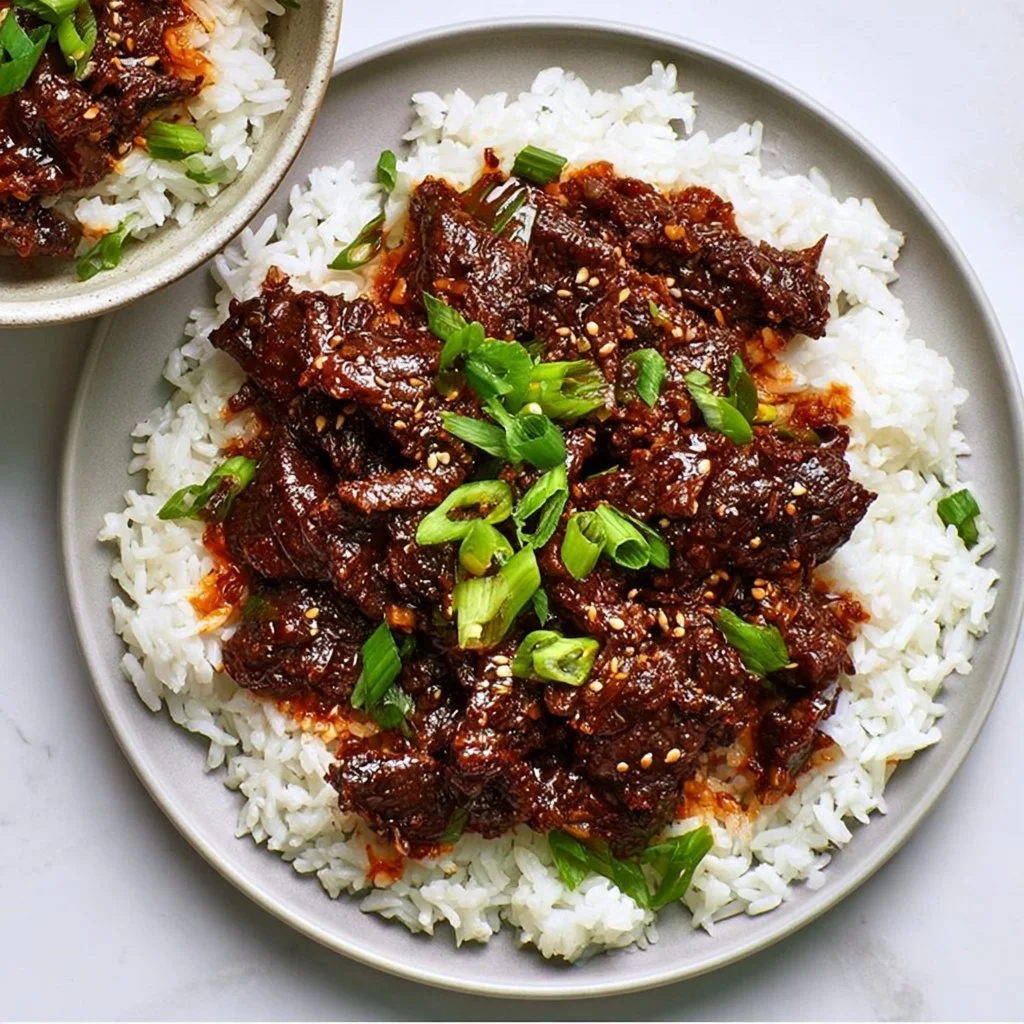
Korean Beef Slow Cooker Recipe for Family Meals
The Korean Beef Slow Cooker recipe is a heartwarming dish that captures the essence of both traditional Korean flavors and the convenience of modern cooking. Using a slow cooker allows flavors to meld beautifully over time, resulting in tender and juicy meat glazed with a sweet and savory sauce. The dish features a harmonious blend of soy sauce, brown sugar, garlic, and ginger, creating a deliciously rich aroma that will fill your kitchen as it cooks. Paired with fluffy rice or crunchy taco shells, this comforting meal is perfect for any family gathering.
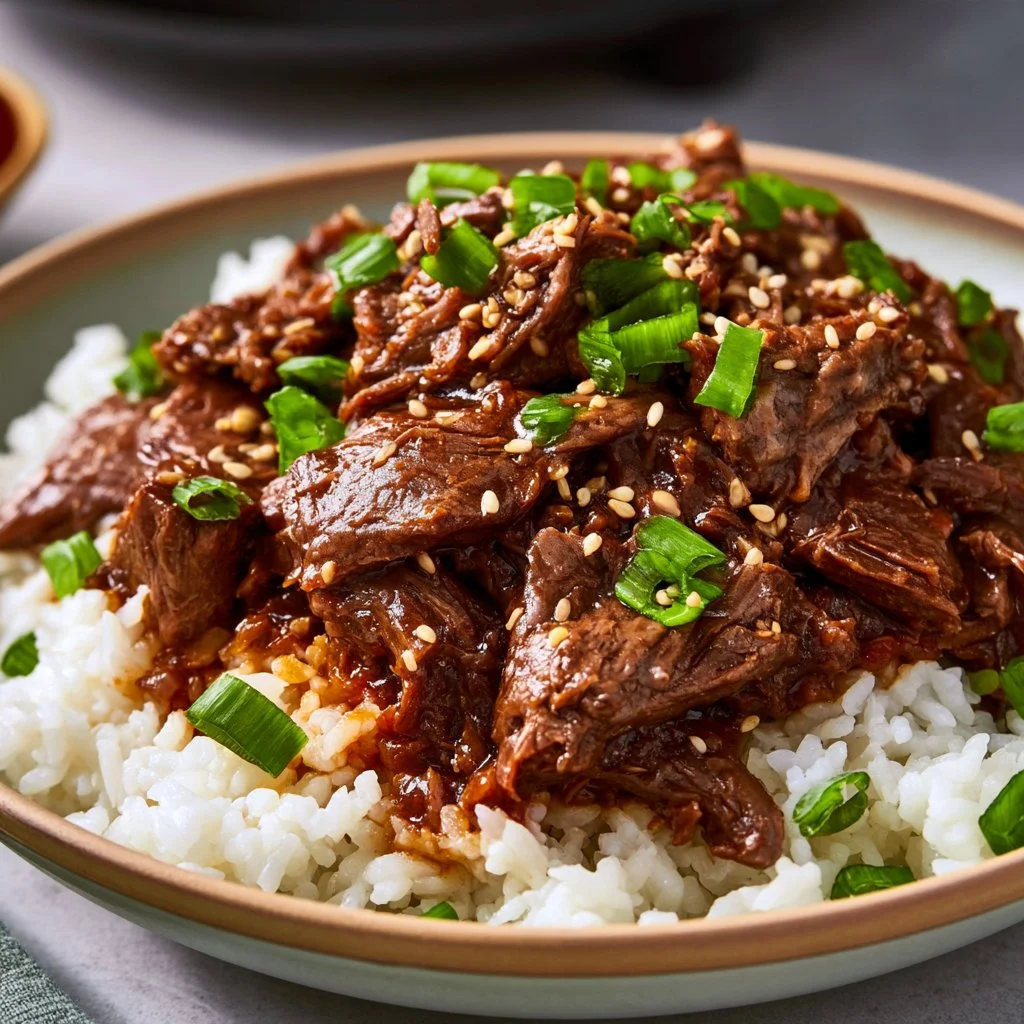
When you plate the finished dish, you’ll be greeted by the sight of shredded meat coated in a glossy brown sauce, topped with fresh green onions or sesame seeds for added color and flavor. Each bite delivers a delightful balance of sweetness, umami, and slight heat, creating an experience that is both satisfying and unforgettable. The slow cooking method ensures that the meat is so tender it practically falls apart. This dish can be served casually on a weeknight or as a star attraction at a family meal, making it versatile for various occasions.
Perfect for busy evenings or meal prepping, this recipe allows you to set it and forget it while you attend to other tasks, ensuring that dinner is both hassle-free and delicious. Whether you’re feeding a large family or hosting friends, this hearty recipe is sure to please everyone at the table, providing comfort and nourishment without demanding your constant attention in the kitchen.
What Makes This Recipe Special
What sets this Korean beef dish apart is its unique combination of flavors and textures. Unlike many quick meals that rely on the heat of the stove, the slow cooker offers a depth of flavor that can only be achieved through time and patience. The result is not just a dish to satisfy hunger, but an experience that combines the sweetness of brown sugar and the distinctive saltiness of soy sauce. The inclusion of garlic and ginger elevates this meal further, each bringing their aromatic qualities to the forefront and ensuring every bite is packed with flavor.
In comparison to similar recipes, what makes this one exceptional is its user-friendly preparation. Many Korean recipes can feel overwhelming due to multiple steps or components, but this slow cooker method simplifies the process significantly. Additionally, the adaptability of this recipe allows it to shine in various culinary settings—be it served over rice, nestled in taco shells, or even turned into a savory casserole. This flexibility not only aids in weekly meal planning but also presents a delightful twist on familiar flavors.
People enjoy this Korean beef dish for its practical approach to dinner-time dilemmas. By allowing the slow cooker to do the hard work, you can attend to your day while still presenting a dish that feels restaurant-worthy. The overall satisfaction of serving a home-cooked meal that tastes as good as it smells is a joy many cherish, making this recipe a standout option for both seasoned home cooks and beginners alike.
Ingredient Overview and Helpful Notes
One of the highlights of this recipe is how the carefully selected ingredients work in perfect harmony to create a beautiful dish. The star of the meal is the beef chuck roast, chosen for its marbling and richness. When slow cooked, this cut releases flavorful juices that contribute to the overall taste and tenderness of the meat. Choosing quality meat is paramount; look for a cut with good marbling, as it will melt into the sauce, enriching the dish.
The next key player is soy sauce, which serves as the foundation of the dish’s flavor profile. Opting for low-sodium versions can help balance out the sweetness of the brown sugar. Brown sugar not only adds sweetness but also lends depth to the sauce, creating a rich glaze that clings beautifully to the meat. Rice vinegar is another crucial component, as it introduces a slight tanginess that balances the richness of the other ingredients. When selecting rice vinegar, look for one without artificial additives to ensure a cleaner flavor.
Garlic and ginger are flavor powerhouses that elevate the dish considerably. Freshly minced garlic should be used for maximum flavor impact, while grating the ginger brings out its essential oils, infusing the sauce with its distinctive spiciness. Sesame oil adds a fragrant, nutty quality that is characteristic of many Asian dishes. For those who enjoy a bit of heat, the optional red pepper flakes can add just the right kick to the overall flavor.
When preparing, make sure to wash and pat dry the meat thoroughly before cooking. Measurements should be precise to maintain the intended flavors, especially with ingredients like soy sauce and brown sugar, which can easily dominate the dish. Lastly, ensure that any optional ingredients are noted; they can transform the dish while still allowing the primary flavors to shine.
Nutrition & Recipe Details
Nutritional values may vary depending on specific brands, portion sizes, and preparation methods used. The following table provides an estimate based on typical ingredient usage for this recipe.
| Item | Value |
|---|---|
| Prep time | 15 minutes |
| Cook time | 8 hours (low) or 4 hours (high) |
| Store time | 3-4 days in the fridge; 3 months in the freezer |
| Calories | Approximately 400 per serving |
| Protein | Approximately 30g |
| Carbohydrates | Approximately 50g |
| Fat | Approximately 15g |
How to Make Korean Beef
Creating this delightful dish can be incredibly straightforward. The slow cooker does most of the work for you. Before you begin, it’s a good idea to have all your ingredients organized and ready to go. This means washing and preparing the vegetables, measuring out sauces and seasoning, and ensuring your slow cooker is clean and available for use. Having everything in its rightful place will make the entire cooking process seamless and enjoyable.
Ingredients
| Ingredient | Quantity |
|---|---|
| Beef chuck roast | 2 pounds |
| Soy sauce | 1/2 cup |
| Brown sugar | 1/4 cup |
| Rice vinegar | 1/4 cup |
| Garlic, minced | 3 cloves |
| Ginger, grated | 1 tablespoon |
| Sesame oil | 1 teaspoon |
| Red pepper flakes (optional) | 1 teaspoon |
| Salt and pepper to taste | |
| Cooked rice or taco shells for serving |
Prior to throwing the ingredients into the slow cooker, make sure the beef is trimmed of excess fat and cut into large chunks if necessary. This will help ensure even cooking and tenderness. Measuring out the sauces will prevent any last-minute scrambling and help maintain the ratios during the cooking process.
Step-by-Step Instructions
-
Combine the Base Ingredients: Begin by placing all the base ingredients into the slow cooker—this includes soy sauce, brown sugar, rice vinegar, minced garlic, grated ginger, sesame oil, and optional red pepper flakes. Stir gently until the sugar is mostly dissolved and the ingredients are well combined. The aroma will start to meld, creating an inviting scent that foreshadows the delicious meal ahead.
-
Add the Meat: Next, carefully add the meat to the sauce mixture. Season the roast generously with salt and pepper, ensuring all sides are coated. This seasoning is critical as it enhances the natural flavor of the meat, ensuring that it doesn’t taste bland after hours of slow cooking.
-
Cook on Low or High: Cover the slow cooker with its lid and set it to cook. Depending on your available time, you can choose to cook on low for eight hours for maximum tenderness or on high for about two to four hours. Whichever method you opt for, check that the meat reaches the desired tenderness. When fully cooked, the meat should shred easily with a fork.
-
Shred the Meat: Once the cooking time has elapsed, carefully remove the beef from the slow cooker and place it on a cutting board. Using two forks, shred the meat into bite-sized pieces. Then, return the shredded meat back to the slow cooker and stir it into the sauce, allowing the pieces to soak up the flavors.
-
Serve: Finally, it’s time to serve your Korean beef! This dish can be plated over a bed of fluffy rice for a comforting meal or served in taco shells for a fun twist. Top with green onions or sesame seeds for added flavor and texture. Enjoy the satisfaction of serving a delicious home-cooked meal that everyone will love.
Understanding the Flavor and Texture
The finished dish showcases a complex interplay of flavors and textures. The meat, being slow-cooked, becomes incredibly tender and can be easily shredded, allowing it to absorb the flavorful sauce. The glaze is sticky and glossy, adhering beautifully to each morsel and providing a sweet and savory punch. Your first bite will reveal the umami notes from the soy sauce, complemented by the sweetness of the brown sugar that balances out the richness of the meat.
As you continue to savor each bite, the garlic and ginger will emerge, adding aromatic intent that enhances the overall eating experience. The optional red pepper flakes introduce a gentle warmth without overtaking the dish; this balances the sweetness harmoniously. The result is a dish that invites lingering enjoyment, as your palette recognizes the layers of flavor all working seamlessly together.
The dish is not just about flavor; it’s also about comfort. The luxurious texture of the slow-cooked meat paired with fluffy rice or the crunchy taco shells offers a satisfying mouthfeel. Each component contributes to a hearty dish that feels nourishing and fulfilling. If cooked properly, you’ll enjoy a dish that’s not only flavorful but one where the textures contrast and complement beautifully, leaving no doubt that you’ve created something truly special.
Pro Tips
When preparing a dish that highlights slow cooking, a few techniques can significantly elevate the final outcome. Small details in the preparation can lead to profound changes in flavor and presentation.
| Tip | Description |
|---|---|
| Use Fresh Ingredients | Whenever possible, choose fresh garlic and ginger, as they are more aromatic and flavorful than their dried counterparts. This will enhance the overall taste of the dish. |
| Adjust Sweetness | Depending on your taste preference and dietary needs, you can adjust the amount of brown sugar. This flexibility allows you to tailor the sweetness according to your family’s tastes. |
| Serve It Right | Presenting the beef over white or brown rice adds visual appeal, while taco shells offer a fun twist for kids and guests. Consider garnishing with sesame seeds or green onions for added color. |
| Enhance with Accompaniments | Pairing the dish with a simple cucumber salad or pickled vegetables can provide a refreshing contrast to the rich flavors, enhancing the meal’s overall enjoyment. |
Deepening your understanding of the ingredients and cooking methods can also empower your home cooking. Remember, using high-quality ingredients always pays off!
Beyond these tips, patience is key with slow-cooked meals, and allowing the flavors to develop over time is truly worth the wait. This recipe shines with just a little attention and care, ensuring a satisfying and wonderful dish every time!
Why You’ll Love This Recipe
There are numerous reasons this slow cooker recipe is a favorite in many households. First and foremost is the flavor, with its sweet and savory profile complemented by tender meat that absorbs the aromatic sauce. The comforting flavors are versatile, appealing to a wide range of palates, from kids to adults. It’s an ideal dish to introduce children to bold flavors, making the mealtime experience both educational and enjoyable.
Another appealing aspect of this recipe is its simplicity. With just a few steps, you can prepare a delicious and satisfying meal that does not demand hours of your time in the kitchen. The slow cooker does the heavy lifting, allowing you to attend to your family or other errands while dinner cooks itself. Additionally, because it utilizes pantry staples alongside the main ingredients, you won’t have to scour multiple stores to gather what you need.
This meal is perfect for a variety of occasions. Whether it’s a busy weeknight dinner or a festive family gathering, this dish adapts effortlessly. Its cozy nature makes it a compelling choice for winter months or holidays where plenty of comfort food is desired. Plus, the potential for leftovers means you won’t just be feeding the family once but having delicious options for lunches throughout the week, reducing waste and enhancing meal variety.
How to Serve Korean Beef
Serving Korean beef can be an experience in itself, from plating to choosing accompanying dishes that enhance the meal. The tender, shredded meat can go atop a generous scoop of fluffy white or brown rice, allowing the sauce to soak in and provide much-needed moisture to the grains. Alternatively, for a fun twist on the traditional presentation, serve the beef in taco shells. This not only adds a crunchy texture but also invites creativity in assembly as everyone can customize their toppings.
When considering sides, think about incorporating dishes that provide a contrast in flavor and texture. A light, refreshing salad made from crisp cucumbers, carrots, and a tangy dressing can be a perfect accompaniment. Alternatively, pickled vegetables such as kimchi can add a layer of unexpected flavor that pairs beautifully with the Korean influence of the dish. The slight acidity compliments the richness of the beef splendidly.
For a visually appealing presentation, consider garnishing with sliced green onions or toasted sesame seeds just before serving. These small touches can elevate the dish, transforming it from simple to picturesque. Pour out any remaining sauce from the slow cooker into a serving bowl, allowing everyone to add more sauce to their liking, enhancing the overall experience.
Lastly, don’t forget beverages! A light, sparkling drink or even traditional Korean beverages like sujeonggwa (a cinnamon and ginger punch) can be delightful pairings, complementing the flavors of the meal and providing a refreshing experience for everyone at the table.
How to Store Korean Beef
Storing leftovers of your Korean beef meal properly is crucial to maintaining its quality for future enjoyment. After the meal, allow any leftover beef to cool in the slow cooker for a bit before transferring it to an airtight container. It’s best to store the meat separate from the rice or taco shells to keep their textures intact. This method helps in preventing sogginess in the rice or taco shells when reheating.
In the refrigerator, this dish can last for about 3-4 days, making it an excellent option for meal prep or leftover lunches. For longer storage, you can freeze portions of the dish. Make sure to use freezer-safe containers, and label them clearly with the date and contents. Properly stored, it can last in the freezer for up to three months.
It’s worth noting that freezing may slightly alter the texture of the shredded meat, but the flavor will remain intact, and the convenience of having a meal ready to go is always a bonus. Upon reheating, you’ll find that the beef tends to retain its rich and savory essence, making for a delicious second round of dining.
Tips to Make Korean Beef
Ensuring you achieve success with this dish comes down to attention to detail during preparation and cooking. Here are a few practical tips that can help enhance your results:
-
Correctly Season the Meat: Before slow cooking, ensure that you season the meat thoroughly with salt and pepper on all sides. This will infuse flavor directly into the meat, elevating its overall taste. Avoid underseasoning; well-seasoned meat makes a world of difference.
-
Monitor Cooking Times: If this is your first time using the slow cooker, be mindful of the cooking times. If using the high setting, check the meat at intervals to see if it’s becoming tender enough, and adjust based on your specific slow cooker’s capabilities, as they can vary widely.
-
Avoid Overcrowding the Slow Cooker: If scaling the recipe to feed more people, be cautious of packing too much into the slow cooker. It is better to cook in batches than to overcrowd, which can impede even cooking and hinder the flavors from developing properly.
-
Rest Before Shredding: Once cooked, let the meat rest for about 10-15 minutes before shredding. This short resting time allows the juices to redistribute, resulting in even more flavorful meat.
By implementing these tips, you can ensure your Korean beef turns out delightful and delicious every time you prepare it!
Variations and Substitutions
This recipe boasts several opportunities for personal touches and adaptations, allowing it to cater to different dietary needs or preferences. Here are a few suggestions for variations:
-
Vegetarian Option: Consider using jackfruit as a base instead of meat. Young green jackfruit can be shredded and cooked within the sauce, absorbing its wonderful flavors. Ensure you adjust the seasoning accordingly, as jackfruit may require a bit more salt due to its milder flavor.
-
Low-Carb Variation: For those following a lower carbohydrate lifestyle, substitute the rice with cauliflower rice. Simply chop the cauliflower into florets, then pulse it in a food processor until it resembles rice. Sauté lightly before serving under your Korean beef for an excellent alternative that still provides the texture and satisfaction of rice without the carbs.
-
Spicy Kick: For heat enthusiasts, consider adding fresh chopped chilies or increasing the amount of red pepper flakes. You could also top the finished dish with sliced jalapeños for a fresh, spicy garnish that adds a pop of color.
-
Gluten-Free: To adapt this recipe for gluten-free diets, simply use a gluten-free soy sauce alternative, such as tamari. This substitution maintains the integrity of the sauce without the gluten, ensuring everyone can enjoy this wonderful meal.
Each of these variations provides a twist on the traditional recipe while ensuring all those delightful flavors are preserved. With some experimentation, the Korean beef can be tailored to fit any dietary need or personal taste.
Storage and Reheating
Proper storage and reheating techniques are essential to enjoying the leftovers of your Korean beef without sacrificing flavor or texture. After cooling, divide the portions into smaller, airtight containers for easy reheating.
For refrigerator storage, leftover Korean beef can last up to four days. If you wish to store it for longer, freeze portions in freezer-safe containers or bags. When you’re ready to enjoy your leftovers, it’s best to thaw them in the fridge overnight for optimal texture.
When it comes to reheating, you have a few methods available. For even heating, the best option is the stovetop; simply place the beef in a skillet over medium heat, adding a few tablespoons of water or broth to prevent it from drying out. This also helps maintain moisture while bringing it back to temperature. Alternatively, you can reheat it in the microwave; use a microwave-safe dish, cover it with a damp paper towel to retain moisture, and heat in 30-second intervals until hot.
Avoid overheating the beef, as this can lead to dryness and toughness. The goal is to gently warm it through to preserve its tender texture and juicy flavor.
Customization Ideas
Customization can truly take any dish to the next level. Here are a few practical ideas for adjusting flavors and textures to suit your palate:
-
Herbal Freshness: Adding fresh herbs just before serving can lighten the dish and provide a refreshing twist. Consider incorporating cilantro or even mint as a garnish for an aromatic finish that contrasts the richness.
-
Add Vegetables: Introduce vegetables directly into the slow cooker for added nutrition and flavor. Happy additions might include sliced bell peppers, snow peas, or even zucchini, contributing both color and variety to the dish.
-
Creaminess with Coconut Milk: For a creamier sauce, you can incorporate coconut milk into the sauce during cooking, particularly if you enjoy a slightly different flavor profile. This will add richness while also making the dish more fluid and interesting.
-
Diverse Toppings: Elevate the serving experience by offering a variety of toppings such as avocado slices, chopped scallions, or even a dollop of sour cream on the side. This allows each person to personalize their dish while encouraging creativity at the table.
Overall, the customization options for this dish are broad, ensuring that everyone can tweak it to fit their personal preferences and tastes, making each meal uniquely their own.
Common Mistakes to Avoid
When preparing a recipe as delicious as this, certain mistakes can lead to less-than-perfect results. Here are five pitfalls to avoid:
-
Overcooking the Meat: While the slow cooker works its magic, leaving the meat in too long can lead to dryness. Always check for doneness and remove the meat once it becomes tender.
-
Ignoring Ingredient Quality: The quality of the meat and ingredients affects the finished product greatly. Skimping on quality can result in a bland dish—opt for the best ingredients you can afford.
-
Not Allowing Rest Time: After cooking, it’s essential to let the meat rest before shredding. Skipping this step can result in juice loss, leading to dryer meat.
-
Underseasoning: While it might seem cautious to hold back on salt, under seasoning can lead to a flat final dish. Ensure adequate seasoning to balance the flavors.
-
Confusing Measurements: When making substitutions, be sure to adjust ratios accurately. Incorrect measurements can easily alter the dish’s intended flavor, leading to disappointment.
Avoiding these common mistakes will enhance not only your confidence in the kitchen but also the end result of the dish. Remember, cooking is a journey, and learning from small missteps can lead to fantastic culinary experiences!
Serving Occasions
This slow cooker Korean beef recipe is suitable for a variety of occasions, making it incredibly versatile. It shines on busy weeknights when you’ve got a full schedule but still want to prepare a delicious home-cooked meal. Simply set it in the morning and return in the evening to a tantalizing aroma and a meal ready to enjoy, providing an efficient solution to family dinners.
Equally at home during family gatherings, this dish’s enticing aroma and rich flavor make it an instant crowd-pleaser. Imagine serving it as part of a casual family reunion or fun potluck; it’s engaging for guests to assemble their bowls or tacos, encouraging interaction and shared enjoyment among guests.
Additionally, it can serve as a comforting centerpiece during colder months or holidays. The heartiness of the dish makes it particularly fitting for special occasions or celebrations, inviting guests to savor each bite. Its flexibility in serving styles—from rice bowls to taco shells—means it can adapt easily depending on the gathering’s mood and formality.
Wherever you choose to serve it, this Korean beef dish guarantees a delicious and satisfying meal that resonates with everyone, ensuring it remains a sought-after menu choice.
Why Make This Recipe?
This easy Korean beef recipe stands out due to its unique combination of flavors, simple preparation, and overall practicality. Unlike many dishes that are labor-intensive, this slow cooker method allows for a rich and well-developed flavor profile with minimal effort and active cooking time. It’s an ideal choice for those who want to enjoy a homemade meal without sacrificing flavor or quality.
The tenderness of the beef achieved through slow cooking is unmatched. The infusion of sweet and savory flavors allows each bite to be a delightful experience, capturing one of the beloved elements of Korean cuisine. The dish’s balance between umami and sweetness is something that resonates well with many palates, ensuring the potential for repeat requests from family members and guests alike.
Moreover, the recipe is highly adaptable, accommodating various dietary preferences and ingredient substitutions. This flexibility is a boon for cooks looking to maintain variety in their meal rotations while ensuring flavor and satisfaction.
Ultimately, this Korean beef recipe deserves a spot in your regular cooking repertoire. Its blend of convenience, flavor, and warmth makes it a dish that’s not just about feeding the family but about nurturing connections and creating memorable meals together.
Make-Ahead Preparation
A significant advantage of this slow cooker Korean beef recipe is its suitability for make-ahead preparation. You can enhance your meal planning by preparing several elements in advance. For instance, you could chop the garlic and ginger and store them in an airtight container in the fridge, ready to be added during the cooking process. Even measuring out soy sauce and other liquids beforehand can save time on busy nights.
Another preparation step to consider is seasoning the meat ahead of time. Some cooks find that marinating the meat with soy sauce and brown sugar for several hours (or even overnight) can enhance the overall flavor. However, ensure it is well-wrapped and stored properly in the refrigerator to avoid spoilage.
While the slow cooker itself is designed to develop these flavors over time, prepping in advance can streamline dinner hour and allow for a stress-free cooking experience when it’s time to set up. Just remember to keep the meat and sauces stored separately until you’re ready to cook to maintain freshness and safety.
Equipment and Kitchen Preparation
Successfully preparing your Korean beef recipe will require some basic cooking equipment. At the forefront is the slow cooker, of course. This essential tool should be of sufficient capacity to hold a 2-pound roast comfortably; generally, a 6-quart slow cooker works well for this recipe.
You will also need a sturdy cutting board and a sharp knife for preparing the meat and vegetables. A measuring cup and tablespoons are necessary for portioning out the sauces and seasonings accurately. For shredding the beef post-cooking, having sturdy forks or even a meat shredding tool on hand will simplify the process.
Organizing your workspace before beginning to cook will enhance your efficiency. Gather all your ingredients and equipment in one place, ensuring everything you need is within arm’s reach. This levels up your cooking experience, reducing the chance of forgetting essential ingredients or equipment during the cooking process.
Finally, don’t overlook the importance of prep bowls. Having small bowls to measure out ingredients not only keeps your workspace tidy but ensures you have everything ready to assemble in the slow cooker without fuss during the key moments of cooking.
FAQs
-
Can I use a different cut of meat?
While beef chuck roast works best for its flavor and tenderness, you can substitute it with brisket or round roast if desired. However, these cuts may yield different textures and flavors. -
What if I don’t have a slow cooker?
If you don’t own a slow cooker, there’s an alternative method; you can prepare it in a Dutch oven or heavy pot on the stovetop, cooking on low heat for about 2-3 hours until the meat is tender. -
Can I add vegetables to the slow cooker?
Yes, feel free to add vegetables like bell peppers, carrots, or broccoli to the slow cooker. They will cook down and absorb the fantastic sauce, enhancing the meal with added nutrition. -
Can I freeze the leftovers?
Absolutely! Leftover Korean beef freezes very well. Just ensure it’s in a proper airtight container and used within three months for best quality. -
What is the best way to reheat the beef?
To preserve the meat’s tenderness, reheat it gently on the stovetop, adding a splash of broth or water to keep it moist. Avoid high heat as it can dry out the meat. -
What should I serve with this dish?
This Korean beef pairs wonderfully with rice, lettuce cups, or taco shells. Fresh salads or pickled veggies can also complement the rich flavors beautifully. -
How do I know when the meat is done cooking?
The meat is done when it’s tender enough to be shredded easily with a fork. If you find it still tough, let it cook for a bit longer. -
Can I skip the brown sugar?
While brown sugar contributes to the sweetness and depth of flavor, you can reduce the amount or substitute it with honey or maple syrup if needed.
Disclaimer
Nutritional information is approximate and may vary based on ingredient brands, substitutions, portion sizes, and preparation methods.
Print
Korean Beef Slow Cooker
- Total Time: 495 minutes
- Yield: 6 servings
- Diet: Gluten-Free, Dairy-Free
Description
A heartwarming slow cooker recipe that features tender beef chuck roast glazed with a sweet and savory Korean sauce, perfect for family meals.
Ingredients
- Beef chuck roast, 2 pounds
- Soy sauce, 1/2 cup
- Brown sugar, 1/4 cup
- Rice vinegar, 1/4 cup
- Garlic, minced, 3 cloves
- Ginger, grated, 1 tablespoon
- Sesame oil, 1 teaspoon
- Red pepper flakes (optional), 1 teaspoon
- Salt and pepper to taste
- Cooked rice or taco shells for serving
Instructions
- Combine the base ingredients in the slow cooker: soy sauce, brown sugar, rice vinegar, garlic, ginger, sesame oil, and optional red pepper flakes.
- Add the meat, seasoning it generously with salt and pepper.
- Cook on low for 8 hours or high for 4 hours until tender.
- Shred the meat with two forks and return it to the sauce.
- Serve over rice or in taco shells, topped with green onions or sesame seeds.
Notes
Use fresh ingredients for the best flavor. The slow cooker method allows the meat to become incredibly tender, and you can customize the dish with additional vegetables or toppings.
- Prep Time: 15 minutes
- Cook Time: 480 minutes
- Category: Main Course
- Method: Slow Cooking
- Cuisine: Korean
Nutrition
- Serving Size: 1 serving
- Calories: 400
- Sugar: 10g
- Sodium: 900mg
- Fat: 15g
- Saturated Fat: 5g
- Unsaturated Fat: 8g
- Trans Fat: 0g
- Carbohydrates: 50g
- Fiber: 2g
- Protein: 30g
- Cholesterol: 80mg