
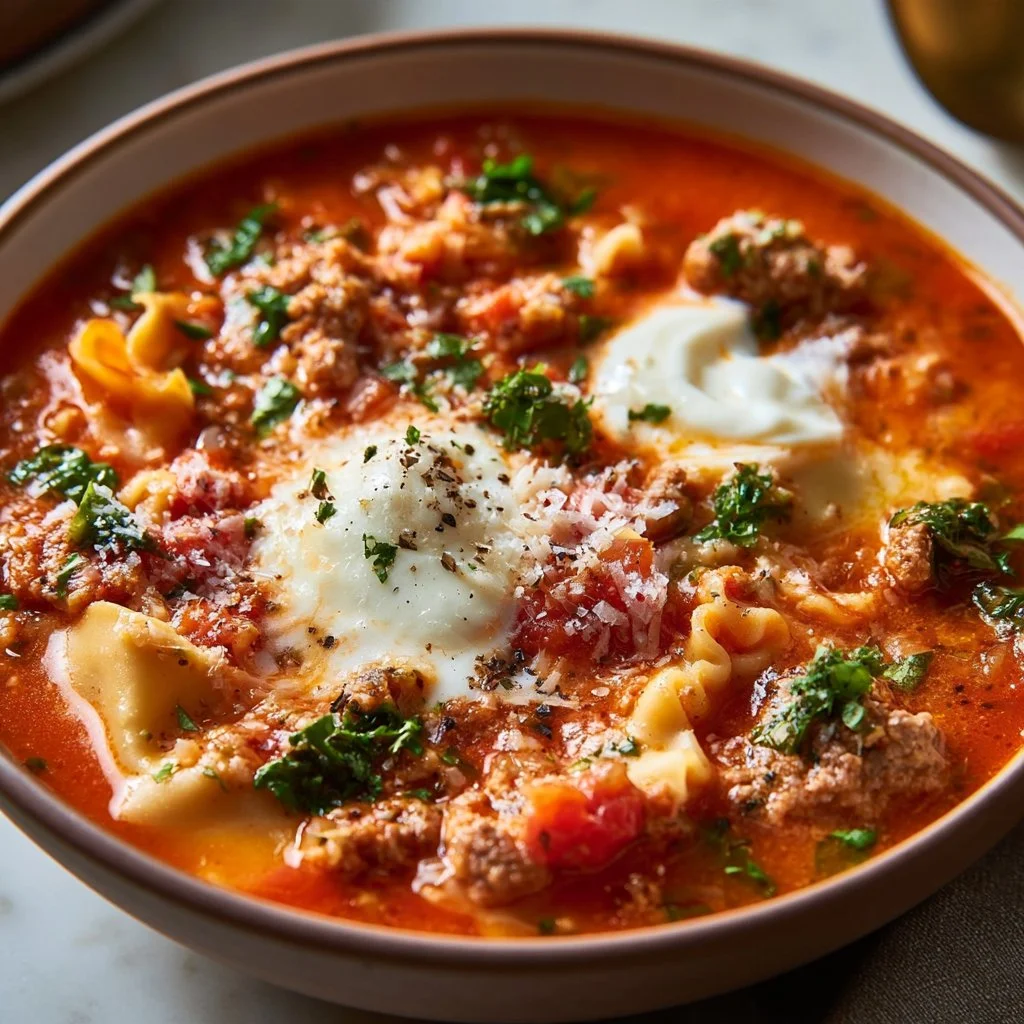
Lasagna Soup Recipe for a Cozy Dinner
In the realm of comforting home-cooked meals, few dishes evoke warmth and contentment quite like a hearty bowl of lasagna soup. This delightful twist on the classic Italian lasagna combines the rich flavors and textures of traditional lasagna with the inviting heartiness of a soup, making it an ideal choice for a cozy dinner. Imagine scooping up a bowl full of tender pasta nestled in a savory tomato broth, punctuated by the creamy richness of ricotta and melty mozzarella. Each spoonful offers a delightful blend of flavors that dance together in harmony, ensuring that every bite leaves you feeling satisfied and comforted.
The beauty of lasagna soup lies in its simplicity and versatility. With just a handful of ingredients, including Italian sausage, crushed tomatoes, and a medley of cheeses, this dish transforms into a soul-warming feast. As it simmers on your stovetop, the inviting aroma of toasted garlic mingles with the scent of simmering tomatoes, creating an enticing atmosphere that beckons all to the table. This dish not only nourishes the body but also feeds the soul, making it perfect for family dinners, gatherings with friends, or even a quiet evening at home.
Serving lasagna soup is a delightful experience; it can be garnished with fresh basil and accompanied by a side of crusty bread for soaking up every last bit of the flavorful broth. Whether you’re hosting a gathering or simply whiling away a weekend afternoon, this dish caters to both casual and festive occasions alike. Its balance of comfort and elegance makes it a true standout, promising to warm both hearts and bellies with its rich, satisfying flavors.
What Makes This Recipe Special
What sets lasagna soup apart from other cozy dishes is its delightful combination of flavors and textures, successfully capturing the essence of the beloved lasagna while offering a new experience through its soup format. The medley of ingredients creates a rich and hearty soup that feels like a meal on its own. The contrast of al dente pasta, creamy ricotta, and flavorful sausage creates an experience that is both indulgent and deeply satisfying. Moreover, the addition of spices and herbs elevates each spoonful, making it a sensory delight that is sure to please.
Compared to traditional lasagna, this dish allows for greater flexibility in preparation and serving. The soup format eliminates the need for assembling layers, making it a quicker option for busy weekday dinners. Furthermore, this recipe can easily be adapted to suit different dietary preferences; for instance, you can swap out the sausage for a plant-based alternative, or experiment with gluten-free pasta options, providing a delicious meal for everyone at your table. This ease of customization is a significant factor in why it has become a favorite among home cooks.
Additionally, the presentation of lasagna soup is charmingly casual yet inviting. Served in large bowls, it creates an atmosphere of warmth and hospitality. The vibrant red of the tomato broth paired with green basil offers a visual appeal that invites diners in. It’s a dish that encourages sharing and conversation, perfect for family gatherings or intimate dinners where companionship is as essential as the food itself.
Ingredient Overview and Helpful Notes
The main ingredients of lasagna soup contribute significantly to its overall flavor and texture. Each component plays a crucial role in creating the satisfying experience that this dish is known for. The Italian sausage is the backbone of the flavor profile, bringing a spicy, savory element to the soup. Choosing a high-quality sausage with aromatic spices can make all the difference, while a mild alternative can cater to those who prefer less heat. If you wish for a lighter option or to reduce fat, substitute the sausage with ground turkey or chicken; however, this will result in a different flavor profile.
Next, the onion and garlic provide a solid base of flavor. Sautéing the onion until translucent adds sweetness and depth, while freshly minced garlic will infuse the soup with a fragrant aroma that complements the tomatoes beautifully. If you’re short on time, pre-chopped onions and garlic are available, but the freshness is essential for achieving the best culinary results.
The crushed tomatoes serve not only as the soup’s base but also contribute the essential acidity that balances the richness of the cheese. Opting for high-quality canned tomatoes can elevate the dish, as they often have a fuller flavor compared to lesser brands. If you prefer a fresher taste, using diced Roma tomatoes or homemade tomato sauce can substitute effectively. Additionally, the broth—either chicken or vegetable—adds an essential liquid element that ties everything together, contributing moisture and flavor. Choose low-sodium broth if you want to have more control over the saltiness of your final dish.
The pasta is another critical ingredient. Traditional lasagna noodles can be broken into pieces, but you may also use other pasta shapes like shells or rotini. Cook the pasta just until al dente, as it will continue to soften in the broth. The ricotta and mozzarella cheeses bring rich creaminess and a melt-in-your-mouth experience that makes this soup feel indulgent. It’s worth spending a bit extra on higher quality cheeses, as they can significantly enhance the taste and texture of the final dish. Lastly, don’t overlook the fresh basil; it adds a burst of freshness that complements the overall richness beautifully.
Nutrition & Recipe Details
Nutritional values may vary depending on ingredients, brands, portion sizes, and preparation methods. Here is an overview of the general nutritional information for this comforting dish.
| Item | Value |
|---|---|
| Prep time | 15 minutes |
| Cook time | 30 minutes |
| Store time | 3-5 days |
| Calories | 400 per serving (approx.) |
| Protein | 20g |
| Carbohydrates | 40g |
| Fat | 15g |
How to Make Lasagna Soup
Creating lasagna soup is a straightforward process that yields delicious results with minimal effort. Before diving into the cooking, gather your ingredients and equipment: a large pot or Dutch oven will be essential for cooking the soup, while a wooden spoon is perfect for stirring. We recommend measuring out your ingredients in advance to streamline the cooking process. Having everything ready allows for a more enjoyable experience without distractions.
Start by placing your pot on the stovetop, ready to brown the sausage. This step not only adds flavor but also creates a base for the entire soup. You’ll want to have your onions and garlic nearby so they can be added promptly after the sausage is browned. As each ingredient warms and melds, the flavors will deepen, creating a comforting aroma that fills your kitchen and beckons everyone to gather around for dinner.
Ingredients
| Ingredient | Quantity |
|---|---|
| Italian sausage | 1 lb |
| Onion, chopped | 1 |
| Garlic, minced | 3 cloves |
| Crushed tomatoes | 1 can (28 oz) |
| Chicken or vegetable broth | 4 cups |
| Pasta (lasagna noodles, broken into pieces) | 8 oz |
| Ricotta cheese | 1 cup |
| Shredded mozzarella cheese | 1 cup |
| Italian seasoning | 1 tsp |
| Salt and pepper | to taste |
| Fresh basil | for garnish |
Once you have your ingredients ready, chop the onion and mince the garlic. This preparation allows for a seamless cooking experience. If you’re using large lasagna noodles, they should be broken into manageable pieces before cooking to ensure that they meld well with the soup. You can also prep your cheeses ahead of time by measuring out the ricotta and shredding the mozzarella—this little step will make serving easier once your dish is ready.
Step-by-Step Instructions
To start making your lasagna soup, begin by browning the Italian sausage in a large pot over medium heat. Use a wooden spoon to break up the sausage as it cooks, ensuring it browns evenly. Cook until it’s no longer pink, which usually takes about 5-7 minutes. Pay attention to the liquids that render out of the sausage; this is packed with flavor and will enhance your soup. Once browned, drain any excess fat if necessary, leaving just enough to infuse flavor into the onions and garlic that will follow.
Next, add the chopped onion and minced garlic to the pot, stirring frequently. Sauté these aromatics for about 3-5 minutes or until the onion becomes translucent. The garlic should be fragrant, but be careful to avoid burning it, as this can impart a bitter taste to your dish. The combination of the browned sausage, onions, and garlic will create a fragrant base that makes the rest of your soup sing.
Now, stir in the crushed tomatoes and broth. Bring the mixture to a gentle boil, allowing the flavors to meld. At this point, add the Italian seasoning alongside some salt and pepper to taste. The simmering broth should be bright and aromatic, enticing everyone around the kitchen to come and take a peek at what’s cooking; this aroma is simply irresistible! Once boiling, reduce the heat slightly and let it simmer for about 10 minutes. This will help to deepen the flavors of your soup.
After simmering, it’s time to add the broken pasta pieces to the pot. Stir them in carefully, ensuring they’re all submerged in the broth. Allow the soup to continue to simmer for another 10-12 minutes, or until the pasta is cooked to al dente. Remember that the pasta will absorb some of the broth as it cooks, so if it seems too thick, feel free to add a splash more broth or water to achieve your desired consistency.
When the pasta is done, remove the pot from the heat. Here’s where the creamy richness comes in: gently stir in the ricotta cheese until it’s well incorporated. This about adds a creamy texture and delicious contrast against the savory broth. Your soup is now ready to serve! Ladle it into bowls and finish with a generous handful of shredded mozzarella on top and a sprinkle of fresh basil for a pop of color and fresh flavor.
In a large pot, brown the Italian sausage over medium heat. Add the chopped onion and minced garlic, sauté until the onion is translucent. Stir in the crushed tomatoes, broth, and Italian seasoning, bringing the mixture to a boil. Add the broken pasta and simmer until the pasta is tender, about 10-12 minutes. Remove from heat and stir in the ricotta cheese. Serve hot, topped with shredded mozzarella cheese and fresh basil.
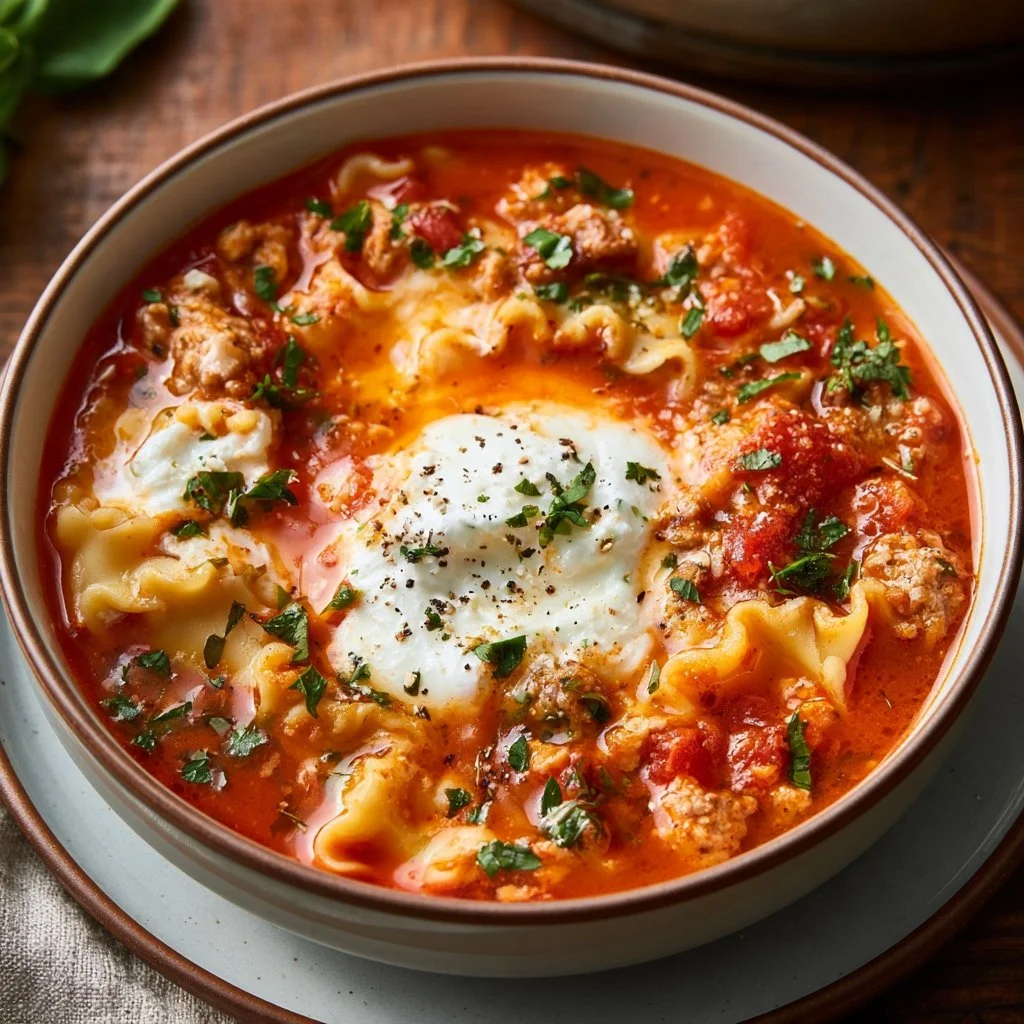
Understanding the Flavor and Texture
The expected flavor profile of lasagna soup is delightful and multifaceted. The robust taste of the Italian sausage anchors the dish, providing depth and a hint of spice, which is mellowed out by the smooth creaminess of the ricotta. The crushed tomatoes contribute a tangy sweetness that balances the richness of the sausage and cheeses, while the herbs elevate the dish, infusing it with the bright, aromatic notes typically associated with Italian cooking.
The texture is key to the overall enjoyment of this soup. Each spoonful offers a satisfying combination of tender pasta, hearty sausage, and creamy ricotta, resulting in a comforting mouthfeel that feels both indulgent and nourishing. The melted mozzarella on top adds an appealing stretch and glorious gooeyness, making every bite a delightful experience. Additionally, the inclusion of fresh basil not only enhances flavor but also adds a touch of brightness and freshness that balances the heaviness of the soup.
Visually, the final dish is inviting, with the vibrant red of the broth punctuated by the green of the basil and the creamy white of the cheeses, creating an appealing contrast. Upon serving, the dish should appear abundantly rich, displaying the luscious textures of melted cheese and tender pasta, radiating warmth that is visually comforting before ever tasting a bite.
Pro Tips
This lasagna soup is straightforward but incorporating a few tips can enhance the overall result to make it even more delicious.
| Tip | Description |
|---|---|
| Browning the sausage properly | Browning the sausage until it’s golden adds depth of flavor to the entire dish. Take your time with this step, as it sets the foundation for the soup’s rich taste. |
| Tasting as you go | Always taste your soup at various stages of cooking to adjust seasoning as desired. This ensures the flavors are balanced and tailored to your preference. |
| Please avoid overcooking the pasta | Al dente pasta is key; it will continue to absorb liquid even after cooking. Timing this perfectly prevents it from turning mushy in the soup. |
| Fresh ingredients matter | Use fresh garlic and herbs for a more vibrant flavor. Fresh basil adds a burst of aroma and taste, making your dish genuinely stand out. |
In addition to these tips, consider playing with the cheese combinations. For instance, a sprinkle of Parmesan cheese on top before serving can enhance the umami flavor. If you desire more richness, adding a splash of cream when incorporating the ricotta can elevate the soup’s decadence. Be careful to adjust seasonings accordingly, especially salt, as different cheeses can add their own inherent saltiness.
Finally, if you have leftovers, remember to store them in an airtight container in the refrigerator. When reheating, you may want to add a little extra broth or water to retain the soup’s ideal texture and creaminess. This prevents the pasta from absorbing all the liquid and ensures a comforting experience upon your next serving.
Why You’ll Love This Recipe
This lasagna soup is a labor of love that rewards with flavor, comfort, and practicality. Its ability to combine the beloved flavors of traditional lasagna with the convenience of a one-pot meal makes it a fantastic choice for any night of the week. The ingredients are accessible, requiring little effort to prepare but offering a deeply satisfying experience that appeals to both families and busy professionals alike.
The soup is incredibly versatile, allowing for varying degrees of customization based on your dietary needs and preferences. Whether you want a meatier dish or a vegetarian option, this recipe adapts well while still providing that comforting, familiar taste. Furthermore, anyone can prepare it—beginner cooks will find it simple to follow, while seasoned chefs can experiment with additional flavors and spices.
One of the best parts about this recipe is the potential for leftovers. It reheats beautifully, ideal for lunch the next day or as a quick meal solution for busy evenings. The ability to make a large batch means you can serve it at family gatherings or potlucks, ensuring that everyone gets a taste of this hearty delight. With minimal cleanup involved, the ease of preparation makes it a favored choice for many home cooks.
How to Serve Lasagna Soup
Presenting your lasagna soup attractively can enhance its appeal even further. Serving it in large, rustic bowls provides a cozy, homey feel, perfect for family gatherings or a casual dinner. For an added touch, you might consider garnishing each bowl with a sprinkle of fresh basil or a dash of red pepper flakes, offering a hint of color and an extra level of flavor that encourages diners to dive right in. A drizzle of extra virgin olive oil or balsamic glaze can also elevate the visual aesthetics and taste profile of the dish.
Accompany your lasagna soup with crusty bread slices or garlic bread, perfect for dipping into the rich broth. A side salad featuring mixed greens with a tangy vinaigrette pairs beautifully and helps cut through the richness of the soup. The freshness of the salad balances the meal, making it even more satisfying. For a more filling side, consider serving a cheesy garlic bread or a classic Italian bruschetta which complements the tomato base.
When it comes to drinks, a refreshing iced tea or lemonade could work wonderfully to cleanse the palate, while a light red wine may also pair nicely with the smoky flavors of the sausage. For non-alcoholic options, a sparkling water with a twist of lemon adds a sophisticated touch without overwhelming the meal’s flavors. Each of these options enhances the delicious experience of enjoying your homemade lasagna soup.
How to Store Lasagna Soup
Storing lasagna soup correctly ensures you can enjoy it again without compromising its flavor or texture. First, let the soup cool to room temperature before transferring it into airtight containers. It’s important to avoid adding hot soup directly into containers, as this can create steam and moisture that may spoil the dish more quickly.
When stored in the refrigerator, lasagna soup can last for 3-5 days. If anticipating that you won’t consume it within this time, consider freezing portions for later use. Divide the soup into smaller containers, allowing you to pull out a single serving at a time—this prevents waste and allows for quick meals on busy days. For safe freezing, it’s best to leave some space at the top of the containers, as liquids expand when frozen.
When reheating, you may find that the pasta absorbs some of the broth, leading to a thicker texture. To remedy this, add a splash of broth or water during reheating to achieve your preferred consistency.
While reheating, opt for either the stovetop over low heat for even warming or the microwave in smaller portions to avoid hotspots that can cause uneven cooking. Always stir a few times to monitor the consistency and retain moisture. By following these steps, you can ensure this comforting soup remains delicious for future meals.
Tips to Make Lasagna Soup
Achieving the perfect lasagna soup hinges on careful preparation and attention to detail throughout the cooking process. One key aspect is to pay attention to the texture of the pasta—ensuring it’s cooked just right is crucial. When adding the pasta to the soup, keep an eye on the cooking time, as the pasta will continue to absorb liquid even after the heat is turned off. An overcooked pasta can lead to mushiness that detracts from the overall enjoyment.
Another important factor is the balance of flavors. Since the dish leans towards a rich taste profile, it may benefit from a hint of acidity. A squeeze of lemon or a splash of vinegar can brighten the flavors and enhance the soup’s appeal. Adjust seasonings gradually and taste as you go, allowing you to hone in on the optimal combination that suits your palate.
For consistency, ensure to chop your vegetables uniformly, promoting an even cooking process. This avoids any chewy or crunchy bites amid the tenderness of the sausage and soft pasta. Lastly, if using dried herbs instead of fresh, remember their potency varies, so adjust your measurements accordingly to maintain the perfect flavor profile.
Variations and Substitutions
Creativity knows no bounds when it comes to lasagna soup, as there are numerous ways to customize the recipe based on personal preferences. For those looking for a vegetarian twist, replacing the sausage with a medley of beans, lentils, or even mushrooms can provide a hearty base without the meat. This substitution maintains the dish’s warmth while accommodating lighter eating preferences.
If you’re in the mood for a spicier version, consider adding red pepper flakes or crushed chili peppers during the initial stages of cooking. Jalapeños, either diced or sliced, can also infuse heat while maintaining the integrity of the dish. For a more robust taste profile, incorporating spinach or kale in the final few minutes of cooking further enhances the nutritional aspect while complementing the other flavors seamlessly.
Another alternative includes bumping up the cheese factor. Instead of ricotta, swapping in mascarpone could yield a creamier texture that adds richness to the soup. Experimenting with different cheeses, such as provolone or goat cheese, for topping provides a unique flavor twist that keeps the dish fresh and interesting during multiple servings.
For those seeking gluten-free options, using gluten-free pasta brands that are widely available can work well. Just be cautious with cooking times, as gluten-free pasta tends to cook differently than traditional wheat pasta. The texture may be different, but it certainly won’t compromise the comforting essence of the lasagna soup.
Storage and Reheating
To maximize the enjoyment of your delicious lasagna soup without waste, proper storage methods enhance longevity. Once cooled to room temperature, transfer the soup into airtight containers, separating portions if necessary. This allows you to take out exactly what you need without thawing the entire batch, ensuring freshness at every serving. Store it in the refrigerator for up to 3-5 days, while a frozen version can last several months when properly sealed.
When reheating, the key techniques are crucial to preventing dryness and maintaining the comforting creaminess of the soup. For stovetop reheating, use a low burner to gently warm the soup, stirring frequently to promote even heating. On the other hand, if using a microwave, break it into smaller portions, ensuring uniform heat distribution for better results. Adding a small amount of broth or water before reheating retains moisture without overcooking the pasta components.
Another suggestion is to consider adding fresh herbs, a dash of cream, or even a sprinkle of additional cheese just before serving. These additions can elevate your reheated lasagna soup, making it taste as freshly prepared as the first time around. Enjoying the depth and richness of the dish even days later is a testament to your culinary skills and meal prep capabilities.
Customization Ideas
Customizing lasagna soup allows you to express your personal culinary style and make this comforting dish your own. Experimenting with the spice levels can involve adjusting the Italian seasoning or introducing new herbs. Thyme, oregano, or even some dill could unlock new flavor dimensions that complement the existing base nicely. A pinch of sugar can also balance out acidity if it feels too sharp for your taste.
In terms of toppings, have fun with your choices! Crushed croutons or tortilla strips can introduce a delightful crunch. If you’re feeling adventurous, try topping it with fried onions or crispy bacon alternatives. Add these just before serving to maintain their texture, creating an all-around interesting experience for each spoonful.
You might also consider adding additional vegetables to the soup, like zucchini, bell peppers, or even chopped celery. These additions can boost nutrition and flavor while providing variety with each serving. Make sure they are cut smaller so they simmer evenly with the other ingredients, enhancing the overall heartiness of the dish without altering the main components.
Lastly, modifying the cheese or cream ratios may allow you to discover your preferred level of richness. Some enjoy a thicker, creamier consistency, while others prefer a thinner broth. Don’t shy away from making those adjustments, as each plate can be tailored to individual preferences, ensuring enjoyment for all party members.
Common Mistakes to Avoid
When preparing lasagna soup, it’s important to be aware of common mistakes that can lead to less-than-ideal outcomes. Below are mistakes to watch out for, along with practical solutions to improve your dish:
-
Overcrowding the Pot: Failing to properly brown the sausage by overcrowding the pot can lead to steaming instead of browning. Use a larger pot or brown the meat in batches to develop better flavor. Ensuring the pieces are spaced apart promotes even cooking and that irresistible golden-brown crust.
-
Skipping the Tasting Process: Many home cooks may overlook tasting their soup at different stages. This step is vital for adjusting seasonings and ensuring a well-balanced flavor. Remember, the saltiness of ingredients like broth or cheese varies, so tasting as you go allows for customization according to your preferences.
-
Not Monitoring Pasta Cooking Time: Overcooking the pasta is a common pitfall that results in a mushy texture. Always check for doneness a minute or two before the package instructions indicate. Undercooked pasta can finish cooking perfectly in the soup, while overcooked pasta cannot be salvaged.
-
Neglecting Fresh Ingredients: Using stale spices or subpar quality vegetables can negatively affect the final flavor of your soup. Opt for the freshest ingredients available and check expiration dates on dried herbs. Fresh garlic, herbs, and proper storage ensure robust flavors and a delightful dish.
-
Improper Storage: Not allowing the soup to cool before sealing it can lead to condensation ruining the texture on refrigeration. Always let it cool to room temperature before storage, and label containers with dates to track freshness. This way, you can avoid expired leftovers and effectively manage your meal prep.
Serving Occasions
Lasagna soup is a versatile dish suitable for various occasions, making it a favorite for many home cooks. Its heartwarming nature makes it ideal for casual family dinners, especially on chilly evenings when warmth and comfort are needed. The inviting aroma wafting throughout the home adds to the charm, creating a sense of homey togetherness. This recipe is also a hit for potlucks or gatherings, where it can feed a crowd without requiring extensive preparation.
In addition to regular weeknight meals, consider serving lasagna soup during themed dinner nights or Italian-inspired gatherings. It pairs wonderfully with a classic Caesar salad and can be elevated further by providing guests with fun topping options, keeping the atmosphere lively and engaging. The casual dining experience that this dish entails encourages shared moments, laughter, and enjoyment.
For holidays and celebrations, lasagna soup can serve as a unique starter, inviting everyone to gather around the table. The soup’s warmth and flavor can set the tone for a festive evening filled with joy, conversation, and delicious food. Whether it’s a cozy winter gathering or a summer picnic, this dish accommodates various settings, making it adaptable for various spring and summer occasions.
Why Make This Recipe?
Choosing to make lasagna soup is anchored in its uniqueness and flexibility. This recipe offers the beloved flavors of classic lasagna in a new, inviting format, promising comfort without the time-consuming assembly required for the traditional layered dish. The cozy and homely aspect of serving soup encourages sharing and connection, making mealtime feel special, even on the busiest of days.
Given the accessibility of ingredients, achieving this satisfying dish is approachable for all home cooks, even those with varying levels of experience. Allowing adjustments to cater to dietary needs or preferences further emphasizes its practicality, enabling you to serve family and friends dishes they will love without complications. For anyone looking to experiment in the kitchen or need a comforting classic reimagined, lasagna soup is an excellent addition to your weekly meal rotation.
Lastly, the ease of preparation and cleanup makes it a fantastic choice for anyone short on time but still desiring a rewarding cooking experience. The one-pot nature of the recipe means less fuss and hassle in terms of clean up, leading to a quicker transition from cooking to enjoying the meal with loved ones. This perfect balance of flavor, comfort, and simplicity makes lasagna soup a worthy contender for your regular dinner lineup.
Make-Ahead Preparation
When planning to make lasagna soup ahead of time, a few steps can be taken to streamline the process effectively. One effective strategy is to prepare the sausage and onion mixture in advance. Simply sauté the sausage with the onions and garlic ahead of time, allowing it to cool before storing it in an airtight container in the refrigerator. This mixture can be stored for up to two days, ensuring that the main base of flavor is already ready when you decide to make the soup.
Additionally, prepping the cheeses is a straightforward yet beneficial step. Measure out the ricotta and shredded mozzarella beforehand, allowing for quick assembly when you’re ready to cook. If using fresh vegetables, such as bell peppers or spinach, dice or wash and store those so they are ready to be added when needed. These small preparation steps reduce the time needed on your actual cooking day, making assembly seamless and efficient.
It’s also worth noting that frozen lasagna soup can be made in advance. Prepare the soup up until the point of adding the pasta, then cool and freeze it. When ready to enjoy it, you can thaw it overnight in the refrigerator and just bring it to a simmer before adding the pasta. This method retains the flavors and textures while still providing the comforting essence of a freshly made dish.
Make sure that any prepped vegetables or ingredients are kept separate until you’re ready to cook to preserve freshness. This approach will help maintain quality and flavor, allowing your lasagna soup to taste just as delicious as intended when you finally enjoy it.
Equipment and Kitchen Preparation
To create a wonderful lasagna soup, certain kitchen tools and equipment make the process smoother and more enjoyable. A large pot or Dutch oven is essential, as it allows ample room to brown the sausage while also making it easy to simmer the entire batch. Opting for a pot with a thick bottom ensures even heat distribution, which is critical for preventing browned bits from sticking and burning while developing flavors.
Special care should also be taken to have a wooden spoon or spatula handy for stirring; these utensils don’t scratch non-stick coatings, which may be beneficial if you use specialized pots. Additionally, a sharp knife and a cutting board will be vital for chopping your vegetables accurately, while a measuring cup and spoons will assist in the precision of your ingredients.
For preparation, make sure your workspace is organized—having all your ingredients laid out can streamline the process and reduce stress while cooking. You might find it helpful to measure everything before starting to cook, giving a clear overview and preventing any scrambling in the midst of preparing the dish. Cleaning as you go makes serving and enjoying your lasagna soup much more straightforward, allowing you to focus solely on the cooking and enjoyment of your meal.
FAQs
1. Can I make lasagna soup vegetarian?
Yes! To create a vegetarian version, swap the Italian sausage with your choice of beans, lentils, or mushrooms. Each option will maintain the hearty nature of the soup while adding its own flavor profiles. These swaps will still yield a fulfilling meal without meat.
2. How long can I store lasagna soup in the fridge?
Lasagna soup can be stored in the fridge for about 3-5 days. Make sure it’s kept in an airtight container, and always check for freshness before consuming. If any off smells are detected, it’s best to discard the dish.
3. How do I freeze lasagna soup?
To freeze lasagna soup, let it cool completely and transfer it into airtight containers or freezer bags. Leaving some headspace in containers is recommended, as the liquid will expand when frozen. Properly stored, it can last up to 3 months in the freezer.
4. Can I use different types of pasta?
Absolutely! While lasagna noodles are traditional, you can substitute with any small pasta shape like shells, rotini, or gluten-free options. Just keep in mind that cooking times will vary depending on the type of pasta used.
5. How can I store leftover ricotta?
If you have leftover ricotta cheese after making lasagna soup, store it in an airtight container in the refrigerator. It should last about 5-7 days. You can also freeze ricotta for longer storage, though this may alter its texture slightly.
6. Does lasagna soup reheat well?
Yes, lasagna soup reheats well. When reheating, consider adding a splash of broth or water to maintain the desired soup consistency and prevent it from becoming too thick as the pasta absorbs liquid over time.
7. Can I add more vegetables to the soup?
Certainly! Feel free to add vegetables like spinach, zucchini, or peppers to enrich the soup and introduce more nutritional variety. Just add them in the last few minutes of cooking to avoid overcooking them.
8. What can I serve with lasagna soup?
Lasagna soup pairs wonderfully with crusty bread or garlic bread, as well as a refreshing side salad. A crisp Caesar salad or roasted vegetables complement the rich flavors of the soup, adding a balancing freshness to the meal.
Disclaimer
Nutritional information is approximate and may vary based on ingredient brands, substitutions, portion sizes, and preparation methods.
Print
Lasagna Soup
- Total Time: 45 minutes
- Yield: 4 servings 1x
- Diet: Meat
Description
A comforting bowl of lasagna soup that combines the rich flavors of traditional lasagna with a hearty soup format, perfect for cozy dinners.
Ingredients
- 1 lb Italian sausage
- 1 Onion, chopped
- 3 cloves Garlic, minced
- 1 can (28 oz) Crushed tomatoes
- 4 cups Chicken or vegetable broth
- 8 oz Pasta (lasagna noodles, broken into pieces)
- 1 cup Ricotta cheese
- 1 cup Shredded mozzarella cheese
- 1 tsp Italian seasoning
- Salt and pepper, to taste
- Fresh basil, for garnish
Instructions
- Brown the Italian sausage in a large pot over medium heat until no longer pink, about 5-7 minutes.
- Add the chopped onion and minced garlic, and sauté until the onion is translucent.
- Stir in the crushed tomatoes and broth, then bring to a gentle boil.
- Add Italian seasoning, salt, and pepper; let simmer for 10 minutes.
- Add the broken pasta and simmer for 10-12 minutes until al dente.
- Remove from heat and gently stir in ricotta cheese until well incorporated.
- Serve hot, topped with shredded mozzarella and fresh basil.
Notes
Garnish with fresh basil and serve with crusty bread for a complete meal.
- Prep Time: 15 minutes
- Cook Time: 30 minutes
- Category: Main Course
- Method: Stovetop
- Cuisine: Italian
Nutrition
- Serving Size: 1 serving
- Calories: 400
- Sugar: 6g
- Sodium: 600mg
- Fat: 18g
- Saturated Fat: 7g
- Unsaturated Fat: 8g
- Trans Fat: 0g
- Carbohydrates: 40g
- Fiber: 3g
- Protein: 20g
- Cholesterol: 60mg