
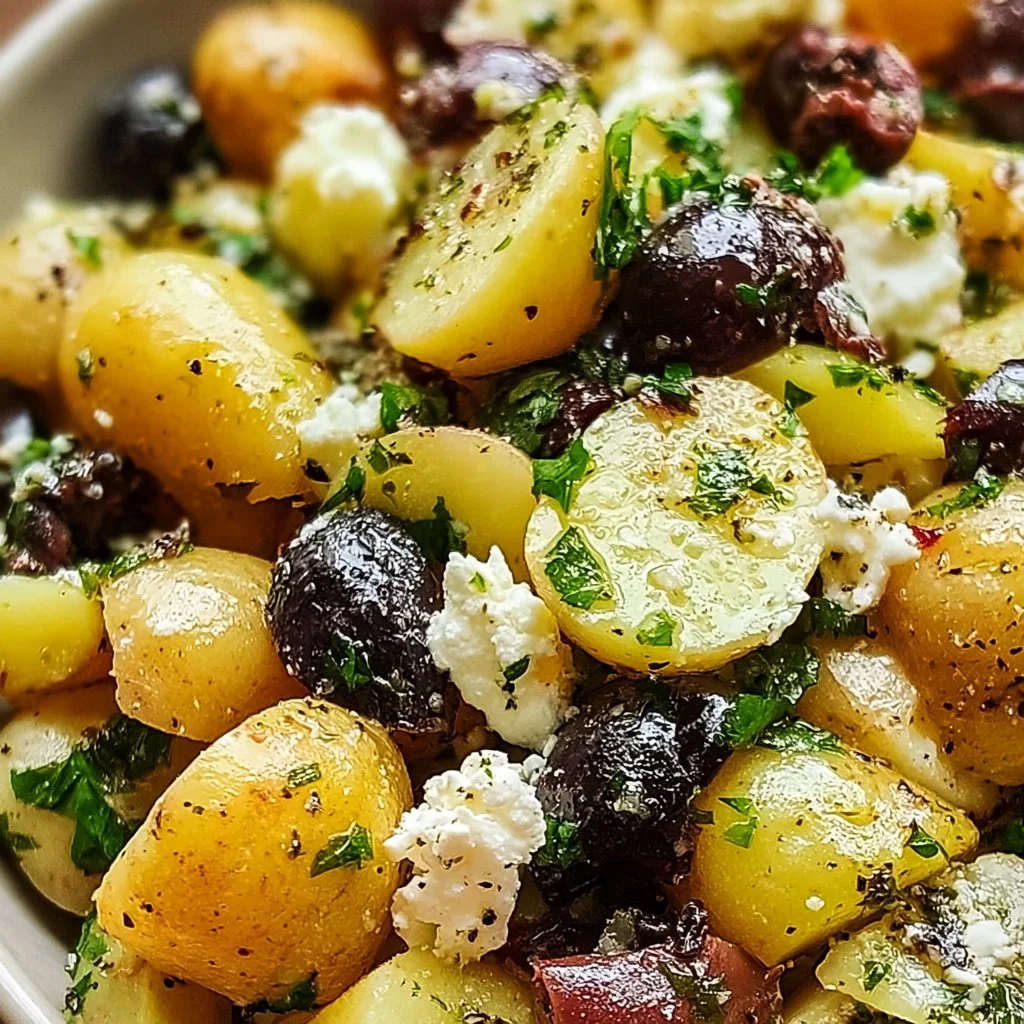
Discover Two Irresistible Flavors of Mediterranean Potato Salad
Mediterranean cuisine is celebrated for its vibrant flavors, fresh ingredients, and health benefits. Among its many delicious offerings, Mediterranean Potato Salad stands out as a refreshing and satisfying dish. This versatile salad features tender potatoes that are enhanced by a medley of sun-ripened vegetables and a zesty dressing, making it a perfect addition to any meal. The combination of flavors not only enhances the taste but also creates a delightful textural contrast that is both enjoyable and appealing to the eye. The colorful cherry tomatoes, crispy cucumber, and rich feta cheese create an inviting visual, while the Kalamata olives add a touch of briny depth.
What makes this potato salad even more appealing is its versatility. It can be served as a side dish for family dinners or as a light lunch. You can enjoy it on a sunny picnic, at a festive gathering, or even as a wholesome snack. As an accompaniment to grilled meats or served as part of a mezze platter, it complements a variety of cuisines, making it a staple for many occasions. The dish is also highly customizable, allowing you to adapt it based on seasonal ingredients or personal preferences, which is an added bonus in any cook’s toolkit.
The expected outcome of making Mediterranean Potato Salad is a dish that is not only flavorful but also robust in texture, thanks to the balance of soft potatoes and crunchy vegetables. Combined with a delectable dressing that brings the flavors together, this potato salad promises to become a favorite in any household. With a refreshing finish and a nutritional profile that leans towards the healthy side, this salad is as good for you as it is delicious. Dive into this wonderful recipe that embodies the spirit of the Mediterranean!
What Makes This Recipe Special
What sets Mediterranean Potato Salad apart from traditional potato salads is its vibrant mixture of textures and flavors. While typical versions might rely heavily on mayonnaise for creaminess, this recipe embraces olive oil and vinegar, allowing the natural tastes of fresh ingredients to shine. The addition of feta cheese introduces a creamy, tangy component that harmonizes beautifully with the crispy vegetables. The Kalamata olives provide a surprising burst of flavor, distinct from ordinary dressings, giving it an authentically Mediterranean twist.
In comparison to standard potato salads, this version is lighter and more refreshing. Instead of being overly creamy, the balance between the oil-based dressing and bite-sized, tender potatoes creates a delightful salad that doesn’t weigh you down. The vegetables used—cherry tomatoes, cucumbers, and red onions—are well chosen for their freshness, and they contribute significantly to the overall flavor and texture of the dish. Each ingredient plays a unique role, and the combination is what makes this salad remarkably special, taking it beyond the mundane offerings.
Additionally, Mediterranean Potato Salad offers the opportunity to explore and celebrate the Mediterranean diet, which emphasizes fresh vegetables, healthy fats, and simple, unprocessed ingredients. This dish showcases these principles beautifully, making it an excellent choice for those who appreciate wholesome food. It’s an invitation to experience the flavors of the Mediterranean region right from your kitchen, fostering a sense of connection to the rich culinary traditions associated with this vibrant part of the world.
Ingredient Overview and Helpful Notes
At the heart of any great potato salad are the main ingredients, each contributing its unique flavor, texture, and nutritional value. In this Mediterranean Potato Salad, the primary component is, of course, the potatoes. Choosing the right variety of potatoes is key; starchy potatoes like Russets or all-purpose potatoes like Yukon Gold work best as they absorb the dressing well and result in a creamy texture. It’s essential to cook them until just tender — overcooking can lead to mushiness, which we want to avoid for this vibrant salad. Also, leaving the skins on provides additional flavor and nutrients, so be sure to wash them thoroughly before boiling.
Next up is the colorful combination of cherry tomatoes and cucumbers. Look for ripe cherry tomatoes that have a sweet flavor and a firm bite. When halved, they create a burst of juice that complements the dressing beautifully. For cucumbers, any variety would work, but Persian or English cucumbers are preferred for their crispness and lack of seeds. Make sure to dice them into uniform pieces for even distribution throughout the salad. The red onion adds a crunchy texture along with its sharp bite, which can be toned down by soaking in cold water if desired.
Kalamata olives bring depth and a slightly briny profile to the dish, while feta cheese provides a creamy and tangy contrast. When selecting olives, opt for high-quality Kalamata olives that are either pitted or easy to pit, as their distinctive taste is a hallmark of the Mediterranean. Similarly, fresh feta will elevate the salad, adding a richness that balances well with the other components. Finally, for the dressing, using good quality extra virgin olive oil is crucial, as it ties the salad together with its fruity notes and smoothness. Red wine vinegar, fresh lemon juice, and dried oregano enhance the flavors, making the dressing aromatic and tangy.
Preparation tips are also essential for ensuring a smoothly made salad. Start by ensuring your ingredients are clean and prepped before cooking, as this will streamline your cooking process. Gather all vegetables, wash them thoroughly, and chop them into the appropriate sizes. Measure out your olive oil, vinegar, and herbs in advance so that you can mix your dressing without delay once the salad base is assembled. Lastly, allow your potatoes to cool completely after boiling, as they should be brought down to room temperature before being mixed with other ingredients to avoid wilting the fresh vegetables.
Nutrition & Recipe Details
Nutritional values for any recipe can vary depending on the specific ingredients used, portion sizes, and preparation methods. Therefore, the values presented below should be viewed as estimates to inform you about the dish’s potential benefits.
| Item | Value |
|---|---|
| Prep time | 20 minutes |
| Cook time | 20 minutes |
| Store time | 3-5 days in the refrigerator |
| Calories | 280 per serving |
| Protein | 6g |
| Carbohydrates | 35g |
| Fat | 14g |
How to Make Mediterranean Potato Salad
Preparing Mediterranean Potato Salad requires a bit of organization but yields an impressive result that can be enjoyed by many. Start by gathering your ingredients and any necessary cooking equipment. A large pot for boiling the potatoes, bowls for mixing, and measuring cups for your dressing will make the process more efficient. It’s also beneficial to have a cutting board and a sharp knife for chopping vegetables.
The preparation process begins with boiling the potatoes and allowing them to cool while you are preparing the other ingredients. Properly cut the potatoes into uniform sizes for even cooking, about 1 to 1.5 inches cubed is a suitable size. Then, as the potatoes cook, prepare the vegetables and the dressing, ensuring everything is ready to combine once the potatoes are cool.
Ingredients
| Ingredient | Quantity |
|---|---|
| Potatoes | 2 pounds |
| Cherry tomatoes, halved | 1 cup |
| Cucumber, diced | 1 |
| Red onion, finely chopped | 1/4 cup |
| Kalamata olives, pitted and sliced | 1/2 cup |
| Feta cheese, crumbled | 1/2 cup |
| Olive oil | 1/4 cup |
| Red wine vinegar | 2 tablespoons |
| Fresh lemon juice | 1 tablespoon |
| Dried oregano | 1 teaspoon |
| Salt and pepper | to taste |
Preparation before cooking is a breeze if you handle a few tasks first. Start by washing the potatoes thoroughly to remove any dirt. Cut them into cubes according to the size you desire, but keep them consistent to ensure even cooking. Place them in a pot of salted water and bring it to a boil. While waiting for the potatoes to cook, you can prepare your vegetables. Cube the cucumber and slice the cherry tomatoes, placing them into a large mixing bowl as you go. Similarly, finely chop the red onion and add it to the bowl alongside the Kalamata olives and feta cheese. This way, you will be ready to combine everything efficiently once the potatoes have cooled.
Step-by-Step Instructions
Your journey to creating the perfect Mediterranean Potato Salad begins with boiling the potatoes. Place the 2 pounds of potatoes into a large pot filled with salted water, ensuring there’s enough water to cover them completely. Bring the pot to a gentle boil on medium-high heat. Allow the potatoes to cook for about 15 to 20 minutes or until they become tender when pierced with a fork. This step is essential as it forms the base of the salad, so keep an eye on them to avoid overcooking.
Once the potatoes are fully cooked, carefully drain them into a colander and let them cool. The cooling process is vital as it prepares them for mixing with fresh ingredients without wilting them. While they cool, take the opportunity to prepare the other components of your salad. In a large bowl, combine the halved cherry tomatoes, diced cucumber, finely chopped red onion, Kalamata olives, and crumbled feta cheese. The balance of flavors and textures from these ingredients will create a delightful experience in each bite.
In a separate small bowl, whisk together the olive oil, red wine vinegar, fresh lemon juice, dried oregano, and a pinch of salt and pepper. This dressing will bring all the ingredients to life, enhancing their natural flavors. Make sure to taste the dressing to suit your preferred level of acidity and seasoning — this step is particularly important, as each ingredient may require slight adjustments based on taste.
Once the potatoes have completely cooled, cut them into bite-sized pieces. Add them to the vegetable mixture in the large bowl. Pour the freshly prepared dressing over everything and gently toss to ensure that all the ingredients are well coated without mashing the potatoes. This gentle mixing is key to maintaining the integrity of the potatoes while allowing the flavors to meld beautifully. Finally, cover the bowl and allow the salad to chill in the refrigerator for at least 30 minutes before serving, which lets the flavors develop further and improves the overall experience.
- Boil the potatoes in salted water until tender, about 15-20 minutes. Drain and let cool.
- In a large bowl, combine the halved cherry tomatoes, diced cucumber, red onion, Kalamata olives, and feta cheese.
- In a small bowl, whisk together the olive oil, red wine vinegar, lemon juice, dried oregano, salt, and pepper.
- Once the potatoes are cool, cut them into bite-sized pieces and add them to the vegetable mixture.
- Pour the dressing over the salad and gently toss to combine.
- Chill for at least 30 minutes before serving to allow the flavors to meld.
Understanding the Flavor and Texture
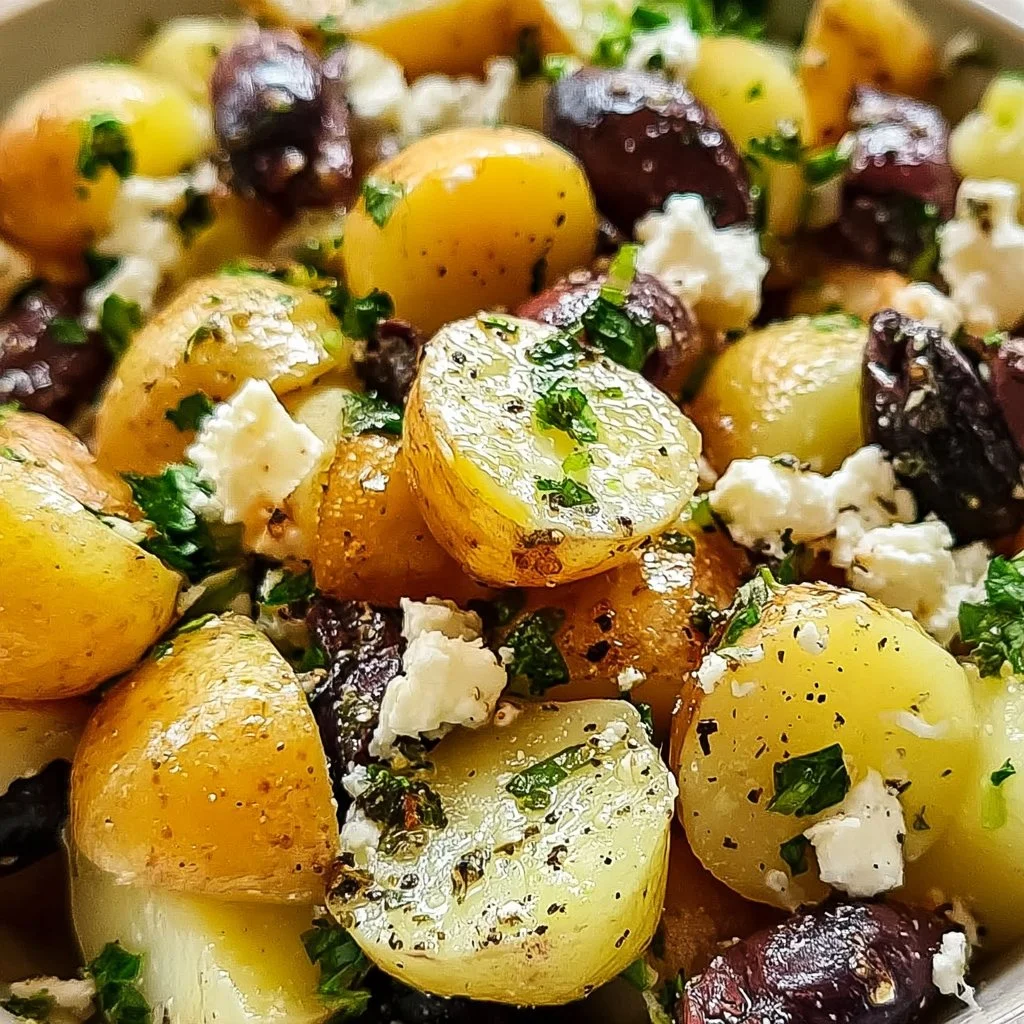
Once prepared, Mediterranean Potato Salad is a feast for the senses. Visually, it’s a colorful arrangement of greens, reds, and whites. The vibrant hue of the tomatoes contrasts beautifully with the green cucumber and the soft, crumbled feta. The deep purples of the olives complement the overall aesthetic, creating an inviting look that’s appealing to guests and family alike. The use of fresh herbs and lemon juice adds a hint of brightness, enhancing the salad’s visual allure.
The flavor profile of this salad is also exceptionally delightful. The creamy texture of the potatoes is nicely balanced by the crispness of the cucumber and the tangy burst of the cherry tomatoes. Each component plays harmoniously together; the feta cheese introduces a creamy saltiness that ties all the ingredients together. The briny taste of Kalamata olives adds a unique dimension, making each bite a delightful surprise. The dressing, made with olive oil and vinegar, is zesty yet light, wrapping the potatoes and vegetables in an aromatic coating that enhances their inherent flavors.
When prepared correctly, the Mediterranean Potato Salad should have a pleasing mouthfeel that combines softness with crunch. Tender potatoes give a comforting, hearty base, while the fresh vegetables provide a refreshing crunch. The all-important waiting period in the fridge allows flavors to meld together, ensuring that the greens remain crisp and bright. Ensuring none of the ingredients are over-mixed helps maintain their individuality, creating a well-rounded, texturally rich dish that will impress both in taste and presentation.
Pro Tips
Small techniques can significantly elevate the final result of your Mediterranean Potato Salad. Below are some specific tips to enhance your cooking experience, giving you that perfect blend of flavors and textures:
| Tip | Description |
|---|---|
| Choose the Right Potatoes | Opt for Yukon Gold or all-purpose potatoes as they hold their shape best after cooking. Avoid overly starchy potatoes that can turn mushy. |
| Cooling is Key | Let the boiled potatoes cool completely before mixing them with the fresh ingredients. This prevents wilting of the salad and ensures a pleasant eating experience. |
| Season as You Go | Taste each component of the salad before combining. Adjust seasoning to your preference, especially for the dressing, to achieve the best flavor. |
| Gentle Tossing | When mixing all ingredients together, use a gentle folding technique instead of vigorous stirring. This keeps the potatoes intact and enhances the dish’s texture. |
Additionally, pay attention to the quality of your ingredients. Using fresh, ripe vegetables and high-quality olive oil can make a noticeable difference in the final taste of your salad. Elevate your Mediterranean Potato Salad by selecting seasonal produce whenever possible, thereby ensuring the most vibrant flavors in every bite.
Why You’ll Love This Recipe
This Mediterranean Potato Salad offers numerous benefits that make it an attractive dish for anyone. Firstly, its harmony of flavors is a testament to the beauty of simple ingredients elevated by expert preparation. Combining tender potatoes with an array of fresh vegetables and a perfectly balanced dressing guarantees a dish that is both hearty and refreshing. It’s a fantastic option for those seeking a light meal or a side dish that doesn’t compromise on flavor.
Another appealing aspect is its versatility. Whether you’re preparing a hearty meal for a family gathering or looking for something light on a hot summer day, this salad fits perfectly. It can be served warm or cold, making it suitable for any season. This adaptability is what encourages bringing Mediterranean Potato Salad into regular rotation in your meal planning. Plus, it’s simple enough for beginners yet sophisticated enough to impress seasoned cooks.
Moreover, the dish is rich in nutrients, pairing healthful ingredients with fantastic taste. Fresh vegetables offer vitamins and minerals, while olive oil provides those heart-healthy fats associated with the Mediterranean diet. The entire dish embodies healthy eating without sacrificing taste, making it a commendable choice for health-conscious individuals. Overall, the combination of ease, flavor, and health benefits makes this recipe one that you will likely return to time and again.
How to Serve Mediterranean Potato Salad
Presentation can greatly enhance your culinary experience and, fortunately, Mediterranean Potato Salad is as visually appealing as it is delicious. Serve it in a large, shallow bowl or platter, allowing the colorful ingredients to be fully visible and inviting. A sprinkle of additional feta cheese or a few whole Kalamata olives can be added on top as a garnish, elevating the visual presentation further.
Pairing the salad with suitable accompaniments will enhance its context, making it the perfect side dish. Grilled chicken or fish complements the Mediterranean theme beautifully. For a vegetarian option, consider serving it alongside grilled vegetables or a light vegetable stew. A warm slice of Mediterranean bread or pita can also provide a delightful crunch that balances the softness of the salad.
When it comes to drinks, consider serving this salad with chilled beverages such as iced tea or sparkling lemon water, which can refresh on warm days. Alternatively, a light, citrusy soda might provide an extra zing matching the salad’s flavors. For those keen on wine pairings, a crisp white wine or a light rosé could add sophistication to the meal, aligning perfectly with Mediterranean traditions.
Lastly, contemplate portion control—consider using small bowls for individual servings, making it perfect for social gatherings. This presentation style not only looks beautiful but also allows guests to help themselves, enhancing the communal aspect of sharing food.
How to Store Mediterranean Potato Salad
Storing leftovers properly ensures that your Mediterranean Potato Salad remains fresh and delicious. Start by allowing the salad to cool down completely if you’ve just prepared it. After cooling, transfer it into an airtight container. This helps maintain its texture and prevents it from drying out or absorbing odors from other foods in the refrigerator.
The salad can be stored in the refrigerator for about 3 to 5 days. During this time, the flavors will continue to meld together, often enhancing the dish as it sits. It’s advisable to keep the salad covered to minimize bacterial growth and maintain freshness. After storing, give the salad a gentle stir before serving, as the dressing may settle at the bottom.
Freezing the salad is not recommended, as the texture of the vegetables may suffer once thawed, resulting in a soggy outcome. However, if you know you won’t finish the salad, you can store the components separately—keep the potatoes in one container and the vegetables and dressing in another. This way, they can be mixed fresh for later enjoyment. Always avoid leaving perishable items at room temperature for extended periods, especially if the temperature exceeds 40°F (4°C), to prevent spoilage.
Tips to Make Mediterranean Potato Salad
Achieving the perfect Mediterranean Potato Salad doesn’t just rely on following the recipe; practical cooking advice plays a crucial role in perfecting the dish. One key ingredient to focus on is the potatoes. Be mindful of cooking them just right – they should be tender but not falling apart. If you encounter an undercooked potato, allow it to simmer a bit longer, but be vigilant as overcooked potatoes can quickly turn mushy.
Also, appropriate seasoning is significant. Start with a little less salt, particularly since feta cheese and olives are inherently salty. You can always adjust the seasoning later; just remember that it’s easier to add than subtract flavors. When mixing your vegetables, chop them uniformly to ensure even distribution and a balanced bite with every forkful. This way, every element contributes to the taste without any ingredient feeling neglected.
Controlling the temperatures can also affect the final product. Vegetables should be fresh and crisp when mixed in; if the potatoes are too hot when combining, it can result in wilting, where the fresh ingredients lose their appealing texture. Allowing potatoes to cool completely before adding to the salad will keep everything fresh. Lastly, interactive cooking can enhance the experience—feel free to invite family or friends to join in the assembly process, making a potentially tedious task into an enjoyable group activity.
Variations and Substitutions
One of the great features of Mediterranean Potato Salad is its versatility, allowing for creative variations based on seasonal availability or dietary preferences. For a dairy-free version, consider omitting the feta cheese or substituting it with a vegan feta made from tofu or cashews, ensuring the creamy tang remains a part of your salad. This adjustment maintains the character of the dish while accommodating those who are lactose intolerant.
For an extra bit of warmth, try adding roasted vegetables like bell peppers, zucchinis, or even asparagus. Roast them with a drizzle of olive oil and seasoning of your choosing before mixing them in. The addition of these flavors will provide a depth that contrasts beautifully with fresh vegetables, especially during the colder months.
If you’re looking for a lighter version, you could swap out potatoes for cooked quinoa or couscous. These grains offer a similar texture while enhancing the dish’s protein content. Adding a mix of herbs such as parsley or mint could bring a fresh touch, lifting the flavor profile. Additionally, adding spices like smoked paprika or cumin can layer on an interesting twist that complements the traditional flavors.
Another possible variation is to introduce a different dressing. Consider a yogurt-based dressing for a creamier finish or even a tahini sauce for added nuttiness. This can slightly change the perception of the dish while providing health benefits associated with these alternatives—creating a Mediterranean flavor profile, all the while making it your own.
Storage and Reheating
When it comes to storing leftovers of your Mediterranean Potato Salad, follow proper techniques to keep them fresh and enjoyable. Begin by dividing the salad into portions, as this makes it easier to store what you need without contaminating the entire batch. Use airtight containers to safeguard against absorption of odors or excessive moisture, especially in a refrigerator. When stored correctly, leftovers should retain their best qualities for three to five days.
If you find yourself in need of reheating, consider the method you choose carefully. A microwave can be useful for a quick turnaround—just be sure to cover the dish to keep moisture in and prevent it from drying out. Alternatively, for a more structured reheating, consider using a skillet on low heat for more uniform warmth, which helps keep ingredients crisp.
Avoid reheating the entire salad multiple times, as repeated heating can affect the texture and flavor of the ingredients. If you only require a small portion, always take out what you need before reheating. This approach minimizes the risk of spoilage and preserves the salad’s freshness. Additionally, if you sense certain ingredients have lost their freshness, consider revamping the salad into a new creation, such as a grain bowl or a topping for pita bread as another meal option.
Customization Ideas
One of the joys of Mediterranean Potato Salad is its adaptability; you can easily customize it to fit your tastes or what you have on hand. The base ingredients lend themselves well to various modifications. For example, try adding fresh herbs like basil or cilantro for a unique flavor twist. These herbs can provide an aromatic element that enhances the freshness associated with Mediterranean dishes.
For added protein, consider incorporating chickpeas or white beans. This addition will not only enhance the heartiness of the salad but also improve its nutritional value. You might also swap in different types of cheese if feta isn’t your preference. Goat cheese or a sharp cheddar can offer alternative flavor notes while still providing a creamy texture.
Another simple way to personalize the salad is by adjusting the dressing. Add crushed garlic for a twist, or experiment by replacing the red wine vinegar with balsamic or apple cider vinegar for different tanginess levels. If you enjoy a kick of heat, consider tossing in a finely chopped jalapeño or a dash of red pepper flakes, offering a brilliant contrast to the creamy elements of the dish.
Finally, for a unique twist on the texture, consider tossing in some nuts, like toasted pine nuts or walnuts, which provide healthy fats and a satisfying crunch. Such additions help elevate the salad while ensuring it remains exciting with every bite, allowing you to express your creativity in the kitchen.
Common Mistakes to Avoid
As with any recipe, certain pitfalls can compromise the final dish. Here are some common mistakes to watch out for when making Mediterranean Potato Salad:
- Overcooking the Potatoes: A common issue that results in mushy potatoes. To prevent this, constantly check for doneness with a fork; the potatoes should be tender but not fall apart. Aim for tender potatoes for the right texture and taste.
- Using Low-Quality Ingredients: Using inferior vegetables or oils can lead to a dull-flavored salad. Invest in fresh, ripe ingredients to amplify your dish’s overall flavor. Always prioritize quality over quantity; it truly makes a difference in the final result.
- Not Cooling Before Mixing: If you mix hot potatoes with fresh vegetables, the heat can wilt greens or make the salad soggy. Let the boiled potatoes cool completely before combining them with other ingredients to maintain a pleasant texture and presentation.
- Neglecting Seasoning: A bland salad lacks the vibrancy of Mediterranean dishes. Adjust seasoning in each component to ensure an enjoyable taste. Taste as you go to achieve that delightful balance before final assembly.
- Forgetting to Chill: Skipping the chilling phase means the flavors will not have time to meld. Refrigerating the final salad for at least 30 minutes enhances the overall experience by allowing the dish to develop a depth of flavor that significantly improves taste.
By keeping these common pitfalls in mind, you can confidently navigate the process of creating this vibrant dish while achieving the best results.
Serving Occasions
Mediterranean Potato Salad is suitable for a wide range of occasions, making it an exceptionally versatile dish. Whether you’re hosting a casual get-together, a spirited family barbecue, or a picnic in the park, this salad fits seamlessly into various dining scenarios. Its refreshing nature contrasts beautifully with grilled meats and is light enough to be enjoyed during the warm summer months.
Additionally, Mediterranean Potato Salad is fantastic for potlucks and gatherings. It’s unobtrusive yet flavorful enough to please diverse palates. You can prepare it ahead of time, freeing you to enjoy the event without being tied to the kitchen. It can even take center stage on a buffet table alongside various mezze, showcasing both taste and visual appeal.
For holiday celebrations or special occasions such as birthdays and anniversaries, serving this salad can make a statement. The colorful ingredients reflect the festive nature of these events, enhancing the overall table presentation. It provides a delightful twist on traditional fare, inviting guests to experience food that is not only beautiful but also delicious. Whatever the occasion, this Mediterranean Potato Salad will always find a place at the table.
Why Make This Recipe?
Choosing to prepare Mediterranean Potato Salad instead of a conventional alternative gives you a chance to explore the diverse flavors associated with Mediterranean cuisine. While many potato salads are laden with heavy mayonnaise, this recipe offers a fresher, lighter, and healthier alternative that’s both satisfying and nourishing. The inclusion of various colorful vegetables contributes to an eye-catching presentation while enhancing the dish’s nutritional value.
By preparing this salad, you’re not just feeding yourself or your guests; you bring an experience rooted in vibrant culinary heritage. This dish’s simplicity makes it manageable for cooks of any skill level, allowing beginner cooks to feel a sense of accomplishment while producing a wonderful dish. It’s the perfect gateway to exploring more Mediterranean flavors, encouraging culinary exploration.
Moreover, this recipe allows for personalization and adaptation based on your preferences. From ingredient substitutions to variations, you can easily adjust it to fit any dietary needs or seasonal availability. Making it a frequent fixture in your meal rotation can markedly enhance your culinary repertoire, ensuring you always have a delightful, healthful side option at your fingertips.
Ultimately, preparing Mediterranean Potato Salad allows you to bring restaurant-quality flavors into your home, all while providing flexibility, health benefits, and an opportunity for creativity. It’s worth including in your regular meal planning for all these reasons and more.
Make-Ahead Preparation
When your schedule requires a bit of foresight, making Mediterranean Potato Salad in advance can be incredibly advantageous. Many of its components can be prepped ahead of time. For instance, you can boil the potatoes and store them in the refrigerator after they cool completely. This allows you to have one essential item ready, cutting down on the total time needed to get the salad together.
Vegetables can also be chopped ahead of time. Dice your cucumbers, halve the cherry tomatoes, and chop the red onions the day before you need the salad. Store them in airtight containers to preserve freshness and moisture. This preparation saves you precious time on the actual day of serving, allowing for a smoother cooking process.
However, mix the salad and dressing right before serving to prevent sogginess. Since the potatoes might absorb excessive moisture if combined too early, the salad’s texture may suffer. Waiting until the last minute guarantees that everything remains fresh, vibrant, and enjoyable. With just a little planning, you can maintain the quality of your Mediterranean Potato Salad while ensuring that you enjoy every bite.
Equipment and Kitchen Preparation
Organizing your kitchen and equipment can significantly streamline your cooking experience when making Mediterranean Potato Salad. A large pot is essential for boiling the potatoes, with enough capacity to allow them to move freely while cooking. It’s worth sacrificing the tiniest bit of energy for the most tender results, so ensure your pot is big enough for a comfortable cook.
You’ll need a sturdy cutting board for chopping the vegetables to keep your workspace organized. A sharp knife is crucial to ensure that you can cut through fresh produce with ease, facilitating a smoother prep process. Consider using a mixing bowl large enough to accommodate all the ingredients once they are combined—this will prevent overcrowding and allow for easy tossing of the ingredients as you mix them together.
Additionally, having measuring cups and spoons handy ensures that the dressing is accurately prepared and balanced for optimum flavor. If you decide to whisk the dressing by hand, a small whisk or fork can also be useful. Alternatively, consider using a jar for combining ingredients—simply shake the jar for an easy pea-fresh dressing. Overall, ensuring your equipment is ready and your ingredients are organized will help you create this delightful dish without unnecessary stress.
FAQs
1. Can I use different types of potatoes for this salad?
Yes, you can certainly use different kinds; however, it’s best to choose starchy or all-purpose potatoes like Yukon Gold or Russets, as they hold up well and provide a creamy texture. Avoid waxy potatoes, as they may not absorb the dressing as effectively.
2. Can I make this salad ahead of time?
Yes! You can prepare it a day in advance. Boil the potatoes, chop the vegetables, and mix the dressing a day ahead. However, do not combine the ingredients until you’re ready to serve to maintain freshness and texture.
3. How should I store leftovers of the Mediterranean Potato Salad?
Store any leftovers in an airtight container in the refrigerator for up to 3-5 days. Be sure to keep it covered to maintain freshness and avoid absorbing odors from other foods.
4. Can I substitute feta cheese for another cheese in this recipe?
Absolutely! If you’re not a fan of feta, try goat cheese, ricotta, or even a vegan cheese if you prefer a dairy-free option. Each will provide a different taste and texture, but they all work well with the other ingredients.
5. Is there a way to make this potato salad spicy?
Certainly! Add some finely chopped jalapeños, red pepper flakes, or a touch of harissa in the dressing to give it a spicy kick. Tailor the heat level to your preference for the freshest taste.
6. What kind of vinegar can I use in place of red wine vinegar?
If you don’t have red wine vinegar, you can substitute it with apple cider vinegar or balsamic vinegar. Each will impart a slightly different flavor profile to the salad, but they will still enhance the overall dish.
7. Can I freeze the Mediterranean Potato Salad?
Freezing is not recommended for this salad since potatoes and fresh vegetables may lose their texture and flavor after thawing. However, you can store the components separately if needed, allowing you to retain quality.
8. Can I add protein to this salad?
Definitely! You can add cooked chickpeas, grilled chicken, or even shrimp for a hearty twist. Just be mindful of balancing the flavors with the added protein to ensure they harmonize well with the salad.
Disclaimer
Nutritional information is approximate and may vary based on ingredient brands, substitutions, portion sizes, and preparation methods.
Print
Mediterranean Potato Salad
- Total Time: 40 minutes
- Yield: 4 servings 1x
- Diet: Vegetarian
Description
A vibrant and refreshing potato salad featuring tender potatoes, sun-ripened vegetables, and a zesty dressing, perfect for any occasion.
Ingredients
- 2 pounds potatoes
- 1 cup cherry tomatoes, halved
- 1 cucumber, diced
- 1/4 cup red onion, finely chopped
- 1/2 cup Kalamata olives, pitted and sliced
- 1/2 cup feta cheese, crumbled
- 1/4 cup olive oil
- 2 tablespoons red wine vinegar
- 1 tablespoon fresh lemon juice
- 1 teaspoon dried oregano
- Salt and pepper to taste
Instructions
- Boil the potatoes in salted water until tender, about 15-20 minutes. Drain and let cool.
- Combine the halved cherry tomatoes, diced cucumber, red onion, Kalamata olives, and feta cheese in a large bowl.
- Whisk together the olive oil, red wine vinegar, fresh lemon juice, dried oregano, salt, and pepper in a small bowl.
- Add the cooled, bite-sized potatoes to the vegetable mixture.
- Pour the dressing over the salad and gently toss to combine.
- Chill for at least 30 minutes before serving to allow the flavors to meld.
Notes
Customize with seasonal ingredients or personal preferences. Great as a light lunch or side dish.
- Prep Time: 20 minutes
- Cook Time: 20 minutes
- Category: Salad
- Method: Mixing
- Cuisine: Mediterranean
Nutrition
- Serving Size: 1 serving
- Calories: 350
- Sugar: 4g
- Sodium: 300mg
- Fat: 18g
- Saturated Fat: 5g
- Unsaturated Fat: 10g
- Trans Fat: 0g
- Carbohydrates: 45g
- Fiber: 5g
- Protein: 10g
- Cholesterol: 40mg