
Spicy Korean Gochujang Beef Noodles
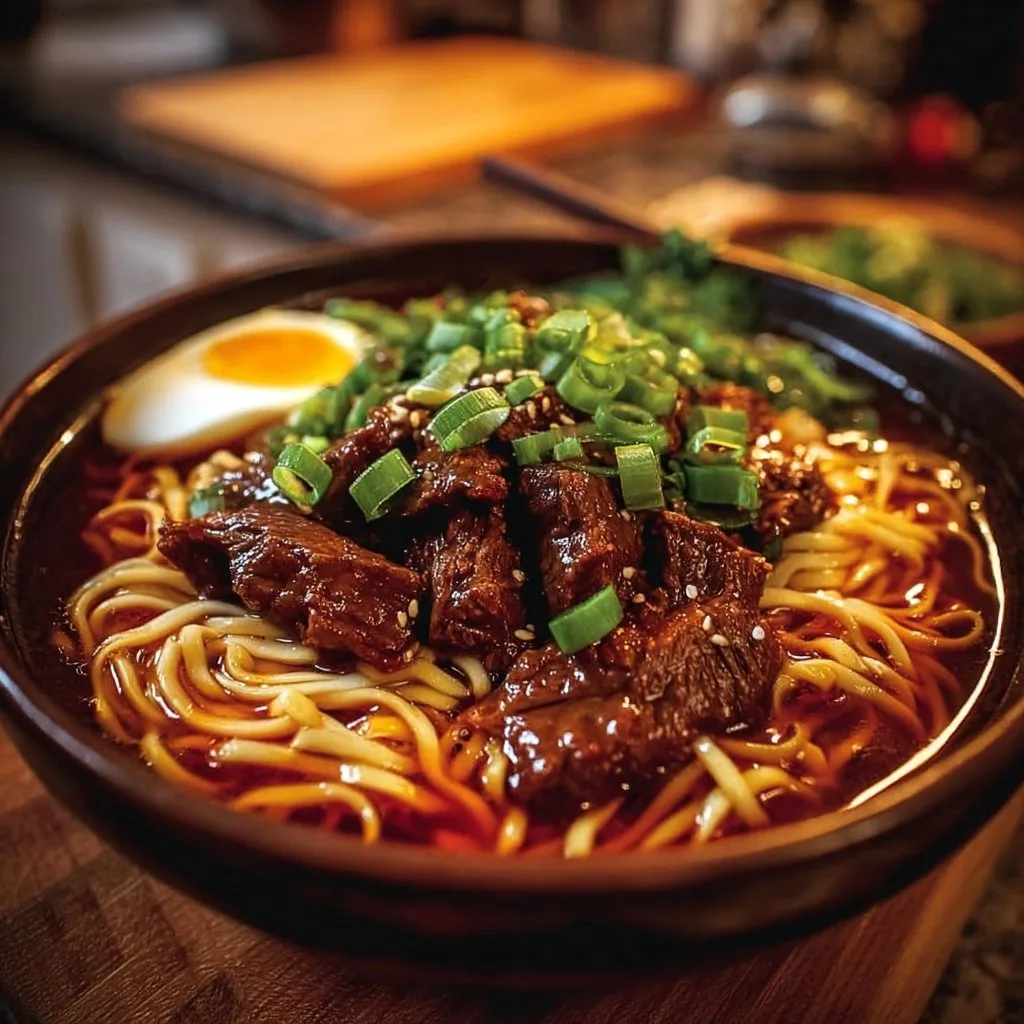
If you’re on the hunt for a recipe that’s bursting with flavor and excitement, look no further than Spicy Korean Gochujang Beef Noodles. This dish offers a delightful combination of tender beef, vibrant vegetables, and perfectly cooked noodles, all enveloped in a spicy and slightly sweet sauce. The Gochujang, a staple in Korean cuisine, adds a unique depth of flavor that elevates this recipe, making it a must-try.
These noodles make for a perfect dinner option, a comforting dish after a long day, or an impressive meal for gatherings with friends and family. In just about 35 minutes, you can whip up something that is not only delicious but also visually appealing, making it suitable for any occasion.
Prep Time: 10 min | Cook Time: 25 min | Total Time: 35 min
How to Make Spicy Korean Gochujang Beef Noodles
Ingredients
- 1 pound beef sirloin, thinly sliced
- 1 tablespoon vegetable oil
- 3 cloves garlic, minced
- 1 onion, sliced
- 1 red bell pepper, sliced
- 1/4 cup soy sauce
- 2 tablespoons brown sugar
- 2 tablespoons Gochujang (Korean chili paste)
- 1 tablespoon sesame oil
- 1 tablespoon rice vinegar
- 8 ounces cooked noodles
- Sesame seeds, for garnish
- Sliced green onions, for garnish
Step-by-Step Instructions
-
Prep all ingredients: Begin by thinly slicing the beef sirloin, mincing the garlic, and slicing the onion and red bell pepper. Cook the noodles according to the package instructions, as this will save time later when everything comes together.
-
Cook the beef: In a large skillet or wok, heat the vegetable oil over medium-high heat. Once hot, add the sliced beef sirloin and cook until browned, which should take about 3-5 minutes. After it’s done, remove the beef from the skillet and set it aside.
-
Sauté the vegetables: In the same skillet, add the minced garlic and sliced onion. Sauté until fragrant and softened, taking care not to burn the garlic. Next, add the sliced red bell pepper and cook for another 2-3 minutes until it’s slightly tender.
-
Mix the sauce: In a small bowl, combine the soy sauce, brown sugar, Gochujang, sesame oil, and rice vinegar. This mixture is what brings everything together and adds that signature flavor.
-
Combine everything: Pour the sauce mixture into the skillet with the sautéed vegetables and stir to combine. Add the cooked beef back into the skillet, tossing everything to coat in the sauce. Then, add the cooked noodles to the skillet and toss well to ensure the noodles are coated in that spicy, flavorful sauce.
-
Heat through: Cook everything together for an additional 2-3 minutes until everything is heated through. Once done, remove from heat and garnish your dish with sesame seeds and sliced green onions. Serve hot and enjoy your Spicy Korean Gochujang Beef Noodles!
Pro Tips
-
Beef selection matters: For this recipe, choose cuts of beef that are tender and can be sliced thinly, like sirloin or flank steak. These cuts absorb the sauce well and remain juicy.
-
Don’t overcrowd the skillet: When cooking the beef, avoid overcrowding the pan. If there’s too much in the skillet at once, the meat will steam rather than sear, which can lead to a less desirable texture.
-
Adjust the spice level: If you’re sensitive to heat, start with less Gochujang and add more gradually to find your perfect spice level. Conversely, if you love heat, feel free to go all-in.
-
Use fresh noodles for best results: If possible, opt for fresh noodles instead of dried ones. They give a better texture and absorb the sauce more effectively.
-
Garnishes count: Don’t skip the garnishes! The sesame seeds and green onions add not just flavor but also a lovely touch of color and texture, enhancing the dish visually.
Why You’ll Love This Recipe
Spicy Korean Gochujang Beef Noodles deliver an explosion of flavor in every bite. The careful balance of savory, sweet, and spicy elements creates a harmonious taste that’s difficult to resist. Plus, the texture is satisfying; the tender beef paired with noodles and crunchy vegetables makes for a delightful meal.
This recipe is also incredibly versatile. It checks off the boxes for those on a busy weeknight schedule or anyone looking to impress at dinner parties. Making it simple yet impressive fits easily into various dietary lifestyles and is sure to please a crowd.
How to Serve Spicy Korean Gochujang Beef Noodles
Presentation can elevate your dining experience! Serve the noodles in a large bowl, allowing the vibrant colors of the dish to be the focal point. Drizzling a little extra sesame oil on top, or adding a few more sliced green onions, makes the dish even more enticing.
For side dishes, consider serving these noodles with kimchi for a traditional twist. A refreshing salad with cucumber and lettuce can also make a perfect balance to the spiciness of the noodles. Pair it with a light drink; perhaps some iced tea or a crisp white wine would work wonders.
How to Store Spicy Korean Gochujang Beef Noodles
To keep your leftovers fresh, store them in an airtight container in the fridge. They will typically last for up to 3 days. If you want to enjoy it for longer, you can freeze it for about 1-2 months. Just ensure the dish has cooled before putting it in the freezer to prevent ice crystals from forming.
While reheating, make sure to keep the dish moist. Adding a splash of water can help revive that saucy texture.
Tips to Make Spicy Korean Gochujang Beef Noodles
-
Timing: Don’t rush the cooking process; allow the vegetables to properly sauté, which brings out their natural flavors.
-
Tasting as you go: Always taste your sauce before mixing it into the other ingredients. A little tweak can go a long way!
-
Marinate the beef: For even more flavor, you can marinate the beef in the sauce for about 30 minutes before cooking.
-
Adjust the noodle type: Experimenting with different noodles like udon or rice noodles can give a new twist each time you make this dish, adding variety while still enjoying the same rich flavors.
Variations
- Vegan: Substitute the beef with tofu or tempeh, and use vegetable broth instead of soy sauce to keep it plant-based.
- Spicy version: If you’re looking for more heat, add chopped chili peppers or an extra tablespoon of Gochujang.
- Low-carb: Opt for zucchini noodles or rice noodles to make it lower in carbs and still delicious.
- Gluten-free: Use gluten-free soy sauce and rice noodles, ensuring everyone can enjoy this dish.
Nutrition Information
- Serving Size: 1 bowl
- Calories: 450
- Protein: 30g
- Carbs: 40g
- Fat: 20g
- Fiber: 3g
- Sugar: 5g
This dish offers a great balance of protein and carbohydrates, making it a satisfying meal. However, if you’re watching your sugar intake, you can adjust the brown sugar amount to lower it.
Storage and Reheating
-
Microwave: Transfer a serving to a microwave-safe dish, cover it, and heat for 1-2 minutes, stirring halfway through to ensure even heating.
-
Oven: Preheat the oven to 350°F (175°C). Place the noodles in an oven-safe dish, cover with foil, and heat for about 15-20 minutes.
-
Skillet: Heat a little oil in a skillet over medium heat, add the noodles, and stir until heated through—about 5 minutes.
Customization Ideas
- Flavor adjustments: Add lime juice for a citrusy twist or peanut butter for a creamy texture.
- Texture variety: Add nuts or seeds for a crunch element to enhance the dish’s texture.
- Different proteins: Swap out beef for chicken, shrimp, or even a mix of vegetables to suit your preferences.
Common Mistakes to Avoid
-
Overcooking the beef: Keep a close eye on the beef to avoid ending up with tough meat.
-
Too much sauce: Start with less sauce; you can always add more if needed, but it’s hard to tone it down if it gets too salty.
-
Neglecting the vegetables: Ensure the vegetables are sautéed just right; they should be tender but still retain some crunch.
-
Ignoring garnishes: Remember, garnishes like sesame seeds and green onions not only add visual appeal but also enhance the flavor.
Serving Occasions
These Spicy Korean Gochujang Beef Noodles are perfect for various occasions. They can be the star of a cozy family dinner, a quick and satisfying lunch, or an impressive dish for larger gatherings and celebrations. Whenever you’re in the mood for something comforting and full of flavor, this dish has got you covered.
Why Make This Recipe
What sets Spicy Korean Gochujang Beef Noodles apart from other noodle dishes is its unique blend of spiciness and savory goodness bundled in a quick, easy-to-make meal. It brings people together, creating a shared experience over vibrant flavors. Compared to other Asian noodle dishes that may be more basic, it carries that extra kick and depth that keeps you coming back for more.
FAQs
-
Can I make this recipe ahead of time?
Yes! While it’s best enjoyed fresh, you can prep the ingredients and cook the noodles in advance. Just combine and heat when ready to serve. -
Is Gochujang easy to find?
Yes, Gochujang is becoming more common in grocery stores, especially in the international aisle or Asian markets, but you can also find it online. -
Can I use frozen beef for this recipe?
Yes, frozen beef can work, but make sure to thoroughly thaw it beforehand to ensure even cooking. -
What can I substitute for Gochujang?
If you don’t have Gochujang, a mix of miso paste with chili powder or Sriracha can be a decent substitute, though the flavor will differ slightly. -
Is this dish gluten-free?
It can be made gluten-free by using gluten-free soy sauce and adjusting the noodles accordingly.
Disclaimer: Nutrition information is approximate and will vary based on specific brands used and portion sizes. Always check ingredient labels to suit dietary needs.
Print
Spicy Korean Gochujang Beef Noodles
- Total Time: 35
- Yield: 4 servings 1x
- Diet: Non-Vegetarian
Description
A flavorful and exciting dish combining tender beef, vibrant vegetables, and noodles in a spicy Gochujang sauce.
Ingredients
- 1 pound beef sirloin, thinly sliced
- 1 tablespoon vegetable oil
- 3 cloves garlic, minced
- 1 onion, sliced
- 1 red bell pepper, sliced
- 1/4 cup soy sauce
- 2 tablespoons brown sugar
- 2 tablespoons Gochujang (Korean chili paste)
- 1 tablespoon sesame oil
- 1 tablespoon rice vinegar
- 8 ounces cooked noodles
- Sesame seeds, for garnish
- Sliced green onions, for garnish
Instructions
- Prep all ingredients: Thinly slice the beef sirloin, mince the garlic, and slice the onion and red bell pepper. Cook the noodles according to package instructions.
- In a large skillet or wok, heat vegetable oil over medium-high heat. Add the sliced beef and cook until browned, about 3-5 minutes. Remove the beef and set aside.
- In the same skillet, add minced garlic and sliced onion. Sauté until fragrant and softened. Add sliced red bell pepper and cook for another 2-3 minutes.
- In a small bowl, combine soy sauce, brown sugar, Gochujang, sesame oil, and rice vinegar.
- Pour the sauce into the skillet with the vegetables, add beef back in, and toss everything to coat in the sauce. Add cooked noodles and toss well.
- Cook for an additional 2-3 minutes until heated through. Garnish with sesame seeds and sliced green onions. Serve hot.
Notes
Adjust the amount of Gochujang for desired spice level. Fresh noodles yield the best texture.
- Prep Time: 10
- Cook Time: 25
- Category: Main Course
- Method: Stir-Frying
- Cuisine: Korean
Nutrition
- Serving Size: 1 serving
- Calories: 450
- Sugar: 5g
- Sodium: 800mg
- Fat: 20g
- Saturated Fat: 4g
- Unsaturated Fat: 10g
- Trans Fat: 0g
- Carbohydrates: 40g
- Fiber: 3g
- Protein: 30g
- Cholesterol: 80mg