
A Fresh Take on Pasta
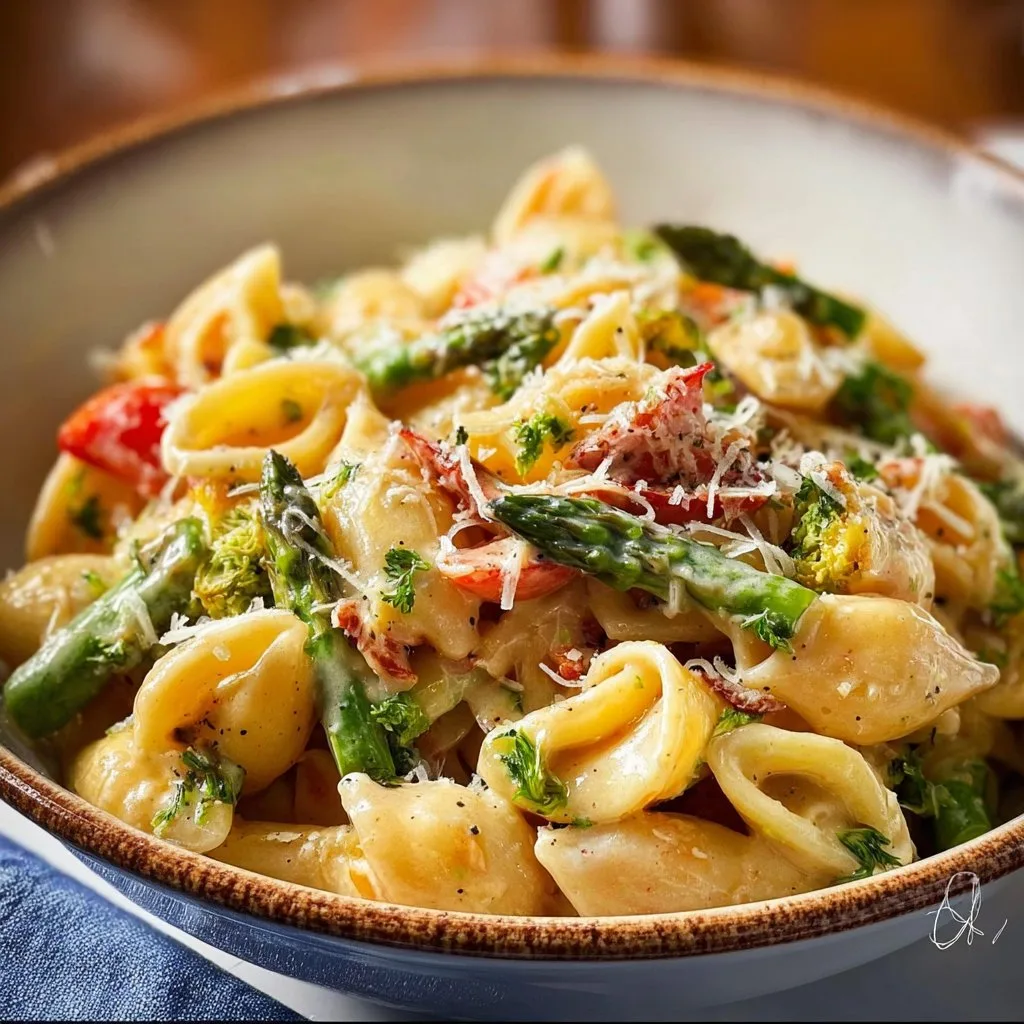
Spring Pasta is a delightful dish that celebrates the vibrant flavors and colors of fresh vegetables. This Italian-inspired meal combines al dente pasta with a creamy sauce, fresh herbs, and an array of garden vegetables, making it a perfect choice as the weather warms up. With its light yet satisfying profile, this pasta dish is perfect for a cozy dinner at home, a festive gathering, or even a weekend brunch.
What sets Spring Pasta apart is its versatility. You can easily customize the veggies based on what’s in season or your personal preferences. Plus, the rich, creamy sauce paired with the crunch of sautéed vegetables creates a wonderful texture contrast. It’s best served warm, allowing the flavors to meld together beautifully.
Prep Time, Cook Time, Total Time:
Prep Time: 10 min | Cook Time: 25 min | Total Time: 35 min
How to Make Spring Pasta
Ingredients
- 8 oz pasta (such as penne or farfalle)
- 2 cups mixed vegetables (e.g., bell peppers, zucchini, carrots, broccoli)
- 2 tablespoons olive oil
- 2 cloves garlic, minced
- 1 cup heavy cream
- 1/2 cup grated Parmesan cheese
- Salt and pepper to taste
- Fresh basil for garnish (optional)
Step-by-Step Instructions
- Cook the pasta according to package instructions until al dente. Drain and set aside.
- In a large skillet, heat olive oil over medium heat. Add garlic and sauté for about 30 seconds until fragrant.
- Add mixed vegetables to the skillet and sauté until tender, about 5-7 minutes.
- Pour in the heavy cream and bring to a simmer. Stir in the Parmesan cheese until melted and combined.
- Add the cooked pasta to the skillet and toss until well coated with the sauce.
- Season with salt and pepper to taste.
- Garnish with fresh basil if desired and serve hot.
Pro Tips
- Cooking Pasta: Always cook the pasta in heavily salted water for better flavor. It should taste like the sea! This enhances every bite of your dish.
- Vegetable Choices: Feel free to mix and match with seasonal vegetables. Asparagus, peas, and even spinach are great additions in the spring months.
- Creamy Sauce: For a lighter sauce, you can substitute half of the heavy cream with vegetable broth. This keeps the dish creamy but reduces the calorie count.
- Cheese Alternatives: If you’re looking for a non-dairy version, nutritional yeast can give a cheesy flavor without the dairy.
- Herbs: Experiment with fresh herbs like parsley or thyme to switch up the taste. Adding lemon zest also brightens the dish wonderfully.
Why You’ll Love This Recipe
Spring Pasta offers a beautiful balance between richness and freshness. The creamy sauce envelops every piece of pasta and the vibrant vegetables not only enhance the overall taste but also provide a visual feast. It’s an easy-to-prepare dish that’s both filling and light, making it suitable for various dietary preferences.
This recipe is also a great way to use up leftover vegetables you might have in your fridge. Plus, it can be a perfect meal for families, as most kids enjoy pasta!
How to Serve Spring Pasta
Presentation can elevate your dining experience. For an eye-catching display, serve the pasta on a large platter, garnished with freshly torn basil leaves and a sprinkle of extra parmesan on top. You might pair this dish with a simple side salad featuring mixed greens, cherry tomatoes, and a light vinaigrette to balance the creaminess of the pasta.
As for drinks, a crisp white wine, like a Sauvignon Blanc, complements the flavors superbly, while sparkling water with a slice of lemon can keep it refreshing if you prefer non-alcoholic beverages.
How to Store Spring Pasta
After enjoying your fresh Spring Pasta, you may want to store the leftovers. In the fridge, the pasta will last about 3-4 days when kept in an airtight container. For longer storage, you can freeze it for up to 2 months. Just make sure to let it cool completely before freezing to avoid ice crystals.
To reheat, you can simply place it in the microwave for a few minutes. If you prefer to maintain its texture, warming it up in a skillet with a splash of cream or oil will help revive its creamy nature.
Tips to Make Spring Pasta
- Timing: Ensure your skillet is hot enough before adding the garlic to prevent burning. This is what gives your dish that aromatic base.
- Sauce Thickness: If the sauce is too thick, add a little pasta water to loosen it. It’s starchy and will help the sauce cling to the pasta better.
- Season Gradually: Start with a little salt and pepper, then taste and adjust. Over-salting early can make it difficult to fix later!
Variation
There are countless ways to customize Spring Pasta! For a vegan option, simply replace the cream with coconut milk or cashew cream, and use nutritional yeast for the cheesy flavor. If you’re looking for a spicy kick, add red pepper flakes while sautéing the garlic. For a gluten-free version, substitute regular pasta with your favorite gluten-free pasta brand.
Nutrition Information
( Serving Size: 1 cup | Calories: 450 | Protein: 15g | Carbs: 45g | Fat: 25g | Fiber: 3g | Sugar: 4g )
This dish is relatively high in calories due to the cream and cheese, making it a hearty option. It provides a good amount of protein thanks to the cheese, but you might want to balance it with a side of vegetables or a salad for added fiber and nutrients.
Storage and Reheating
To reheat your leftovers, you have a few options:
- Microwave: Place in a microwave-safe container, cover, and heat in short bursts (1-2 minutes), stirring in between.
- Oven: Preheat the oven to 350°F (175°C), spread the pasta in a baking dish, and cover with foil for about 20 minutes.
- Skillet: This method is preferred to maintain texture — heat in a skillet over medium heat with a splash of cream until warmed through.
Customization Ideas
Don’t be afraid to adjust flavors! Add a splash of lemon juice right before serving for extra brightness or mix in some sautéed shrimp or chicken for added protein. Different herbs and spices can totally change the profile too—consider adding dill for a more aromatic feel!
Common Mistakes to Avoid
- Overcooking Pasta: Always test for doneness a minute before the package’s suggested time to achieve al dente.
- Sautéing Garlic Too Long: Keep an eye on garlic as it can burn and turn bitter quickly, ruining your dish!
- Improper Vegetable Drying: Make sure to pat your vegetables dry after washing so they sauté instead of steaming.
- Undercooking Veggies: Remember that veggies need a good sauté to bring out their sweetness—aim for tender yet crisp!
- Not Tasting Before Serving: Always taste and adjust seasoning before serving. Flavors can change during cooking.
Serving Occasions
Spring Pasta shines at various moments—think family dinners, swift lunches, or even potluck gatherings. Its colorful presentation makes it a delightful addition to any table during spring celebrations or casual get-togethers. It’s also light enough for those warm days but satisfying enough to enjoy any time of the year.
Why Make This Recipe
This recipe stands out because it offers a refreshing twist on traditional pasta dishes. Many pasta recipes can be heavy and overbearing, but Spring Pasta infuses lighter, fresher flavors that scream springtime. With its creamy sauce and crunchy veggies, it’s not just a meal; it’s a celebration of seasonal produce.
Every bite provides a burst of flavors and nutrition, showing that comfort food can also be healthy and vibrant. Plus, the ease of preparation means you can whip it up on a busy weeknight while still feeling like a gourmet chef.
FAQs
-
Can I use other types of pasta?
Absolutely! Any pasta shape works—just adjust cooking time based on the type. -
Is this dish suitable for meal prep?
Yes! Just store in airtight containers, and reheat as needed. -
What can I serve on the side?
A simple salad or garlic bread goes perfectly with this dish! -
Can I make this dish without cream?
Yes, you can use Greek yogurt for a lighter sauce without sacrificing creaminess. -
How do I make this recipe spicier?
Add crushed red pepper or a dash of hot sauce to the sautéed vegetables for a kick!
Disclaimer
Nutrition information is approximate and can vary based on ingredients and portion sizes. Always check the labels for accurate details specific to the products you use. Enjoy your cooking adventure with Spring Pasta!
Print
Spring Pasta
- Total Time: 35 minutes
- Yield: 4 servings 1x
- Diet: Vegetarian
Description
A delightful dish celebrating vibrant flavors and colors of fresh vegetables, perfect for cozy dinners or festive gatherings.
Ingredients
- 8 oz pasta (such as penne or farfalle)
- 2 cups mixed vegetables (e.g., bell peppers, zucchini, carrots, broccoli)
- 2 tablespoons olive oil
- 2 cloves garlic, minced
- 1 cup heavy cream
- 1/2 cup grated Parmesan cheese
- Salt and pepper to taste
- Fresh basil for garnish (optional)
Instructions
- Cook the pasta according to package instructions until al dente. Drain and set aside.
- In a large skillet, heat olive oil over medium heat. Add garlic and sauté for about 30 seconds until fragrant.
- Add mixed vegetables to the skillet and sauté until tender, about 5-7 minutes.
- Pour in the heavy cream and bring to a simmer. Stir in the Parmesan cheese until melted and combined.
- Add the cooked pasta to the skillet and toss until well coated with the sauce.
- Season with salt and pepper to taste.
- Garnish with fresh basil if desired and serve hot.
Notes
For a vegan option, replace the cream with coconut milk and use nutritional yeast for a cheesy flavor. Customize veggies based on seasonality.
- Prep Time: 10 minutes
- Cook Time: 25 minutes
- Category: Main Course
- Method: Sautéing
- Cuisine: Italian
Nutrition
- Serving Size: 1 serving
- Calories: 450
- Sugar: 4g
- Sodium: 400mg
- Fat: 25g
- Saturated Fat: 14g
- Unsaturated Fat: 10g
- Trans Fat: 0g
- Carbohydrates: 45g
- Fiber: 3g
- Protein: 15g
- Cholesterol: 60mg