
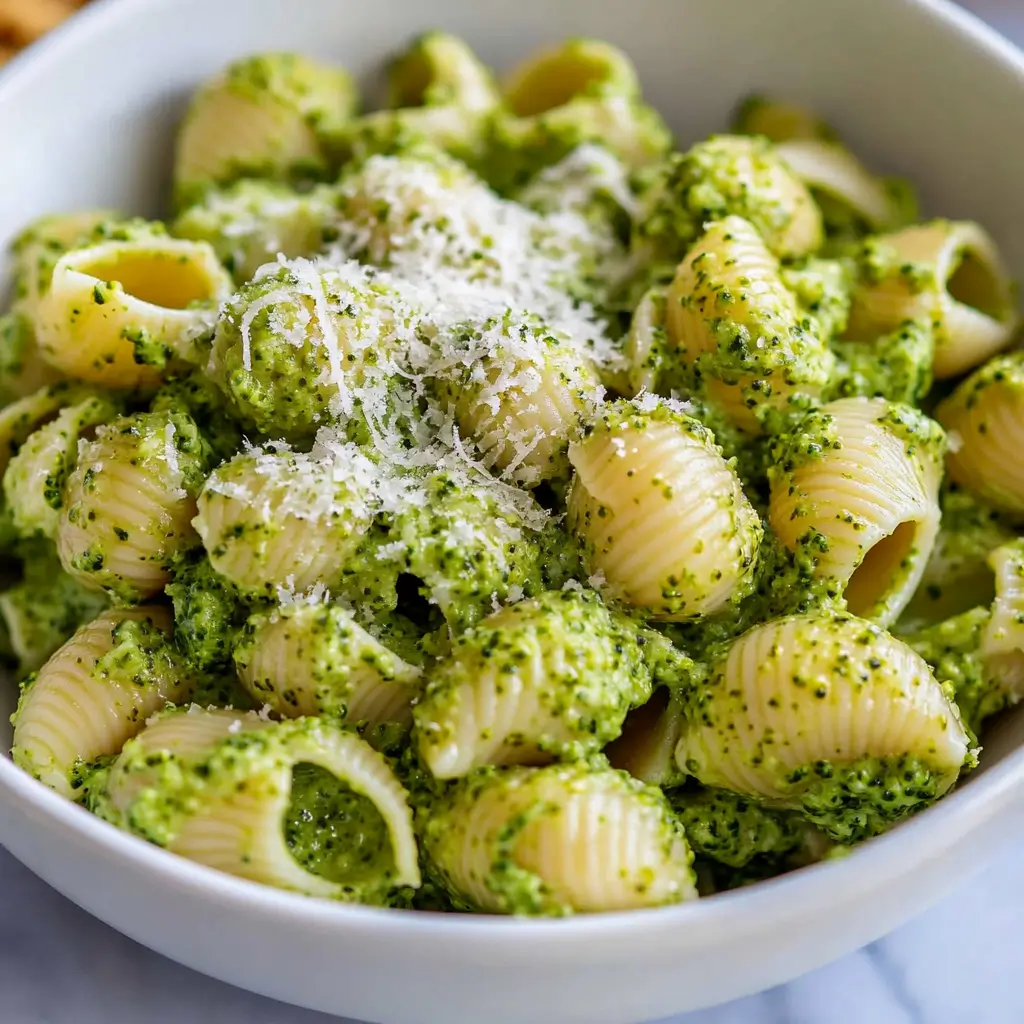
Broccoli pasta has a special place in my kitchen, but my love for cooking began long before I ever stirred together its vibrant greens and tender noodles. I was just seven years old when I got my very first cookbook a small, well-worn treasure filled with simple recipes that seemed like magic spells. That gift opened a door I never wanted to close. Since then, I’ve been creating in the kitchen, guided by curiosity and fueled by the joy of transforming fresh ingredients into dishes that tell a story.
Over the years, I’ve developed a passion for crafting my own recipes, drawing inspiration from cookbooks stacked on my shelves, baskets of seasonal produce, and the flavors I’ve discovered through global cuisines. Broccoli pasta became one of those recipes I kept coming back to not just because it’s healthy and satisfying, but because it’s a perfect canvas for creativity. The sweet crunch of broccoli mingling with warm, tender pasta makes a dish that feels both comforting and fresh.
I still remember the first time I made my own version of broccoli pasta. The broccoli was crisp-tender, the garlic fragrant, and the pasta coated in just the right amount of olive oil and Parmesan. Since then, I’ve tried countless variations adding lemon zest for brightness, a sprinkle of chili flakes for heat, or swapping the cheese for creamy ricotta when I wanted something different.
In this article, I’ll take you through the complete journey of making broccoli pasta from selecting the freshest broccoli to choosing the right pasta shape, perfect cooking techniques, and flavorful add-ins. We’ll explore Italian-inspired versions, lighter health-focused twists, and quick weeknight adaptations. Along the way, I’ll answer common questions about broccoli and pasta so you can make a dish that fits your taste and lifestyle.
Table of Contents
Table of Contents
Broccoli Pasta
- Total Time: 25 mins
- Yield: 4 servings 1x
- Diet: Vegetarian
Description
A fresh, flavorful broccoli pasta recipe that blends tender pasta with crisp broccoli, garlic-infused olive oil, and Parmesan for a wholesome and satisfying meal.
Ingredients
12 oz pasta (penne, fusilli, or spaghetti)
2 cups fresh broccoli florets
3 tbsp extra virgin olive oil
3 garlic cloves, thinly sliced
1/4 tsp crushed red pepper flakes (optional)
1/2 cup freshly grated Parmesan cheese
Salt, to taste
Freshly ground black pepper, to taste
Juice and zest of 1 lemon
Instructions
1. Bring a large pot of water to a boil and season generously with salt.
2. Add pasta and cook according to package instructions until just shy of al dente.
3. During the last 3 minutes of pasta cooking, add broccoli florets to the pot.
4. Reserve 1 cup of pasta cooking water, then drain pasta and broccoli together.
5. In a large skillet, heat olive oil over medium-low heat. Add garlic and cook gently until fragrant but not browned.
6. Stir in red pepper flakes (if using), then add the drained pasta and broccoli.
7. Toss everything together, adding splashes of reserved pasta water as needed to coat the pasta.
8. Season with salt, pepper, lemon zest, and lemon juice to taste.
9. Sprinkle with Parmesan before serving.
Notes
For a vegan option, swap Parmesan for nutritional yeast or vegan cheese.
For a creamier texture, stir in 1/4 cup ricotta or a splash of cream before serving.
Best served fresh, but leftovers can be stored in the refrigerator for up to 3 days.
- Prep Time: 10 mins
- Cook Time: 15 mins
- Category: Dinner
- Method: Stovetop
- Cuisine: Italian
Nutrition
- Serving Size: 1 bowl
- Calories: 420
- Sugar: 4g
- Sodium: 220mg
- Fat: 15g
- Saturated Fat: 4g
- Unsaturated Fat: 10g
- Trans Fat: 0g
- Carbohydrates: 62g
- Fiber: 6g
- Protein: 14g
- Cholesterol: 10mg
Choosing the Right Ingredients for Broccoli Pasta
Fresh Broccoli vs. Frozen: Which Works Best?
When making broccoli pasta, the quality of your broccoli can make or break the dish. Fresh broccoli delivers a vibrant green color, crisp texture, and a slightly sweet, earthy flavor. It holds its shape well during cooking, making every bite pop with freshness. On the other hand, frozen broccoli is a convenient choice for busy nights. It’s pre-cut and blanched, meaning you can toss it straight into boiling water or a hot skillet. However, it can sometimes turn softer and lose its vivid color faster than fresh broccoli. For the best flavor and presentation, fresh broccoli is ideal but frozen works perfectly if speed is your priority.
Best Pasta Shapes for Broccoli Pasta
The pasta you choose has a big impact on how the dish comes together. Short shapes like penne, fusilli, and rigatoni are excellent for catching bits of broccoli and sauce in their ridges. Long noodles like spaghetti or linguine give a more elegant presentation but may let the broccoli slip away with each twirl of the fork. For a rustic Italian broccoli pasta, orecchiette is a favorite its small “ears” cradle the broccoli pieces and hold just the right amount of olive oil or sauce.
| Pasta Shape | Texture & Feel | Works Best For |
|---|---|---|
| Penne | Firm, ridged surface | Chunky broccoli sauces |
| Fusilli | Spiral shape holds sauce | Creamy or pesto broccoli pasta |
| Orecchiette | Small cups cradle broccoli | Garlic & oil-based broccoli pasta |
| Spaghetti | Long and smooth | Light, lemony broccoli pasta |
Choosing Oils, Cheese, and Seasonings
For authenticity, use extra virgin olive oil for its fruity aroma and depth of flavor. Cheese options range from sharp Parmesan for a salty punch to creamy ricotta for a softer touch. Pecorino Romano works beautifully if you like a stronger, slightly tangy cheese. Seasonings should be kept simple garlic, crushed red pepper flakes, lemon zest, and freshly ground black pepper to let the broccoli and pasta shine without overpowering them.
Pro Tip for Maximum Flavor
For a deeper flavor, try lightly toasting garlic in olive oil before adding broccoli. This infuses the oil with a nutty, aromatic base that clings to the pasta, making every forkful irresistible.
For another family friendly dish, try our Mozzarella Stuffed Meatballs a hearty dinner that pairs perfectly with any side.
Preparing Broccoli for Pasta Like a Pro
Cleaning and Cutting for Maximum Freshness
When making broccoli pasta, start with clean, crisp broccoli. Rinse it well under cool water to remove any grit or debris, then dry it thoroughly. Use a sharp knife to remove the tough lower end of the stalk, then cut the florets into smaller, even pieces so they cook at the same pace. The peeled stalk can be sliced into thin strips and included for extra crunch and mild sweetness, adding both texture and zero waste to your dish.
Cooking Methods: Quick Simmer or Gentle Steam?
A common debate in broccoli pasta recipes is whether the broccoli should be cooked before it meets the pasta.
- producing a slightly tender bite while keeping the bright green color.
- Gentle Steam: Steaming the broccoli separately helps it retain more nutrients and a firmer texture. This method is perfect if you want each piece to stand out in the final dish.
In many Italian kitchens, the quick simmer method is a go-to for efficiency and balanced flavor.
Keeping That Gorgeous Green Color
If you want broccoli that looks as good as it tastes, use a brief pre-cook technique. Submerge the florets in salted hot water for no more than two minutes, then cool them instantly in icy water. This “shock” locks in the vivid color and keeps them from turning dull while you finish your pasta.
Infusing Flavor Before Combining
Instead of waiting to season at the end, give the broccoli its flavor boost up front. Warm a little olive oil in a skillet, add aromatics like sliced garlic, lemon zest, or even a touch of red chili, then toss in the broccoli. This early seasoning step ensures every bite of your broccoli pasta carries layers of taste.
Mastering the Pasta for a Perfect Broccoli Pasta
Start with Flavor in the Pot
When preparing broccoli pasta, the flavor begins long before you add any sauce. Generously season the boiling water so it tastes pleasantly briny almost like a light broth. This infuses the pasta from the inside, ensuring it’s tasty even before mixing with the broccoli.
Timing Both Components Together
Cooking the pasta and broccoli in one pot is not just efficient it also helps the flavors mingle naturally. Begin cooking the pasta first, then add broccoli pieces a few minutes before the pasta reaches that ideal tender-but-firm stage. The two will finish together, with the broccoli retaining a gentle crunch and bright green hue.
| Step | Action | Best Timing | Benefit |
|---|---|---|---|
| 1 | Drop pasta into seasoned boiling water | Start of cooking | Adds depth of flavor early |
| 2 | Stir in broccoli florets | 2–3 minutes before pasta is ready | Keeps them vivid and crisp |
| 3 | Drain immediately | When both are perfectly cooked | Maintains ideal texture |
The Power of Reserved Cooking Liquid
Don’t pour all that hot water down the drain keep about a cup before straining. This liquid is rich in natural starches that help sauce cling to both pasta and broccoli. Even a small splash can transform a simple oil-and-garlic coating into a silky, unified dish.
Preserving Texture and Color
For a dish that looks as good as it tastes, avoid overcooking. Pasta should have a slight bite, and broccoli should keep its structure. The moment they’re ready, combine them with your chosen sauce while they’re still steaming hot so the flavors absorb fully.
The Final Pan Toss
Rather than mixing everything cold in a bowl, return pasta and broccoli to a warm skillet with the sauce. A quick toss over gentle heat allows the flavors to meld, gives the pasta a glossy finish, and brings out the aromatic notes of your seasoning.
If you enjoy easy and comforting recipes, make sure to check out our Vegan Banana Bread Recipe for a delicious and wholesome treat.
Sauce Inspirations to Make Broccoli Pasta Shine
Slow-Infused Garlic Oil
A great broccoli pasta doesn’t need a complicated sauce. One of my favorites starts with a slow infusion: olive oil gently warmed with garlic slices until the kitchen smells like heaven. The goal isn’t to brown the garlic but to coax out its sweetness. Once the broccoli and pasta are added, the oil wraps around them like a silky coat. If you’re after a little fire, finish with a dash of crushed chili or cayenne.
Parmesan Cream Comfort
On nights when I want something indulgent, I reach for butter, milk, and a heap of grated Parmesan. The butter melts first, then the milk joins in, thickening slightly before the cheese turns it into a velvety sauce. The hot pasta and broccoli are stirred in straight away, letting the warmth fuse everything together in a creamy, savory hug.
Citrus and Herb Lift
Sometimes broccoli pasta calls for brightness instead of richness. That’s when lemon comes in both zest and juice tossed with a handful of fresh parsley or basil. This combination makes the whole dish taste lively and light, perfect for warm-weather evenings or when you just want something refreshing.
Green-on-Green Broccoli Pesto
If you love the taste of broccoli, why not double it? For this version, cooked broccoli is blended with olive oil, nuts, cheese, and garlic until smooth. The pesto clings to every spiral or strand of pasta, adding depth while keeping the vegetable front and center.
Anchovy-Chili Flavor Punch
When I’m in the mood for bold, I turn to anchovies melted into olive oil with a hint of chili heat. It’s not fishy the anchovies dissolve into pure umami, making the broccoli pasta savory, slightly spicy, and incredibly moreish.
Italian-Inspired Twists on Broccoli Pasta
Rustic Orecchiette with Broccoli and Garlic
In the sun-baked heel of Italy’s boot, orecchiette is the pasta of choice for pairing with tender broccoli and a whisper of garlic. The pasta’s little “ears” scoop up flecks of broccoli, trapping them in every bite. A dusting of aged Pecorino Romano brings a sharp, tangy contrast to the vegetable’s gentle sweetness.
Sicilian Sweet-and-Savory Broccoli Pasta
On the island of Sicily, cooks aren’t shy about combining unexpected flavors. Here, broccoli pasta might mingle with briny anchovies, golden raisins, toasted pine nuts, and a crown of crisp breadcrumbs. Each forkful delivers a mix of salty, sweet, and nutty notes that feel both comforting and intriguing.
Ricotta-Creamed Broccoli Tagliatelle
For a softer, creamier variation, tagliatelle ribbons are tossed with warm broccoli and generous spoonfuls of ricotta.
Fiery Calabrian Broccoli Pasta
Down in Calabria, heat lovers often add their signature chili paste to broccoli pasta. The spice clings to the broccoli florets, turning each bite into a lively balance of warmth and vegetable sweetness a dish with a personality as bold as the region itself.
Genovese-Style Broccoli Pesto Linguine
In Liguria, home of pesto, broccoli is sometimes blended with basil, Parmesan, and toasted nuts for a twist on the classic sauce. The result is a vibrant green pesto that hugs long strands of linguine, offering layers of herbal freshness and subtle nuttiness.
Wholesome and Customizable Broccoli Pasta for Every Diet
A Gluten-Free Bowl with Bite
Gluten-free eaters can still enjoy a satisfying plate of broccoli pasta by using pasta made from chickpeas, red lentils, quinoa, or brown rice. The key is to taste as you go, since each type softens at its own pace.
Vegan Comfort Without Dairy
For a dairy-free twist, create creaminess from plants. Blending soaked cashews with lemon juice, olive oil, and garlic makes a sauce that’s smooth and rich without any cheese. For a sharper edge, sprinkle in nutritional yeast. A handful of toasted walnuts or pumpkin seeds can also bring extra depth and crunch.
Vegetable Noodles for Carb-Light Eating
If you’re aiming to cut carbs, try swapping traditional pasta for spiralized zucchini, strands of spaghetti squash, or translucent shirataki noodles. Briefly sauté these veggie noodles before adding broccoli and sauce so they keep a pleasant texture instead of turning limp.
Protein-Boosted Variations
Broccoli pasta adapts easily to higher-protein needs. Chickpeas, lentils, or grilled tofu cubes all work beautifully in vegan versions, while shredded chicken, turkey, or shrimp fit well for omnivores. These additions make the dish heartier without overpowering the broccoli.
Keeping It Light and Fresh
On days when you want something refreshing, skip creamy sauces altogether. This style keeps the flavors bright, the texture lively, and the meal light enough for any time of day.
Common Mistakes to Avoid When Making Broccoli Pasta
Overcooking the Broccoli
One of the quickest ways to lose flavor, texture, and nutrients is to cook the broccoli too long. In broccoli pasta, the vegetable should stay bright green with a gentle bite. Overcooked broccoli turns dull in color, mushy in texture, and less appealing on the plate.
Forgetting to Season the Pasta Water
If your pasta tastes bland before adding sauce, you’ve skipped an important step. Seasoning the boiling water generously allows the pasta and later, the broccoli to absorb flavor from the start. Think of it as building the dish’s foundation before anything else touches the pot.
Neglecting the Pasta Water for the Sauce
Skipping it means missing out on a natural thickener that helps sauces cling to pasta and broccoli. Even a few tablespoons can transform the texture of the final dish.
Adding Broccoli Too Early or Too Late
Timing is crucial. Add broccoli too early and it turns limp before the pasta is ready; add it too late and it stays too firm. The sweet spot is usually two to three minutes before the pasta finishes cooking, but adjust based on floret size and pasta type.
Using Too Many Competing Flavors
While it’s tempting to throw in every spice and herb you have, broccoli pasta shines when the flavors are focused. A handful of well-chosen ingredients olive oil, garlic, lemon, and a sprinkle of cheese often outshines a cluttered mix of seasonings.
Fore more recipes follow me in facebook and pinterest
Frequently Asked Questions About Broccoli Pasta
Can I put broccoli in pasta?
Absolutely. Broccoli is a fantastic addition to pasta dishes, adding texture, color, and nutrition. In broccoli pasta, the florets soak up flavors from the sauce and provide a pleasant contrast to the pasta’s softness. Whether lightly steamed, boiled with the pasta, or sautéed separately, broccoli works beautifully in almost any pasta recipe.
Should broccoli be boiled before adding to pasta?
It depends on the method you’re using. Many cooks drop broccoli into the pasta pot during the last few minutes of cooking so both finish at the same time. This approach saves time and lets the flavors mingle naturally. If you prefer more control over texture, cook the broccoli separately either by steaming or blanching and toss it in just before serving.
Do Italians put broccoli in pasta?
Yes. Several Italian regions feature broccoli in traditional pasta dishes. For example, in Puglia, orecchiette is often paired with broccoli rabe or tender broccoli florets, garlic, and olive oil. These recipes celebrate seasonal vegetables and simple, high-quality ingredients.
Is broccoli a good side for spaghetti?
Definitely. Broccoli is a versatile side for spaghetti, balancing rich sauces with its mild sweetness and slightly earthy flavor. It can be steamed, roasted, or sautéed and served alongside spaghetti, or mixed directly into the pasta for a more integrated dish.