
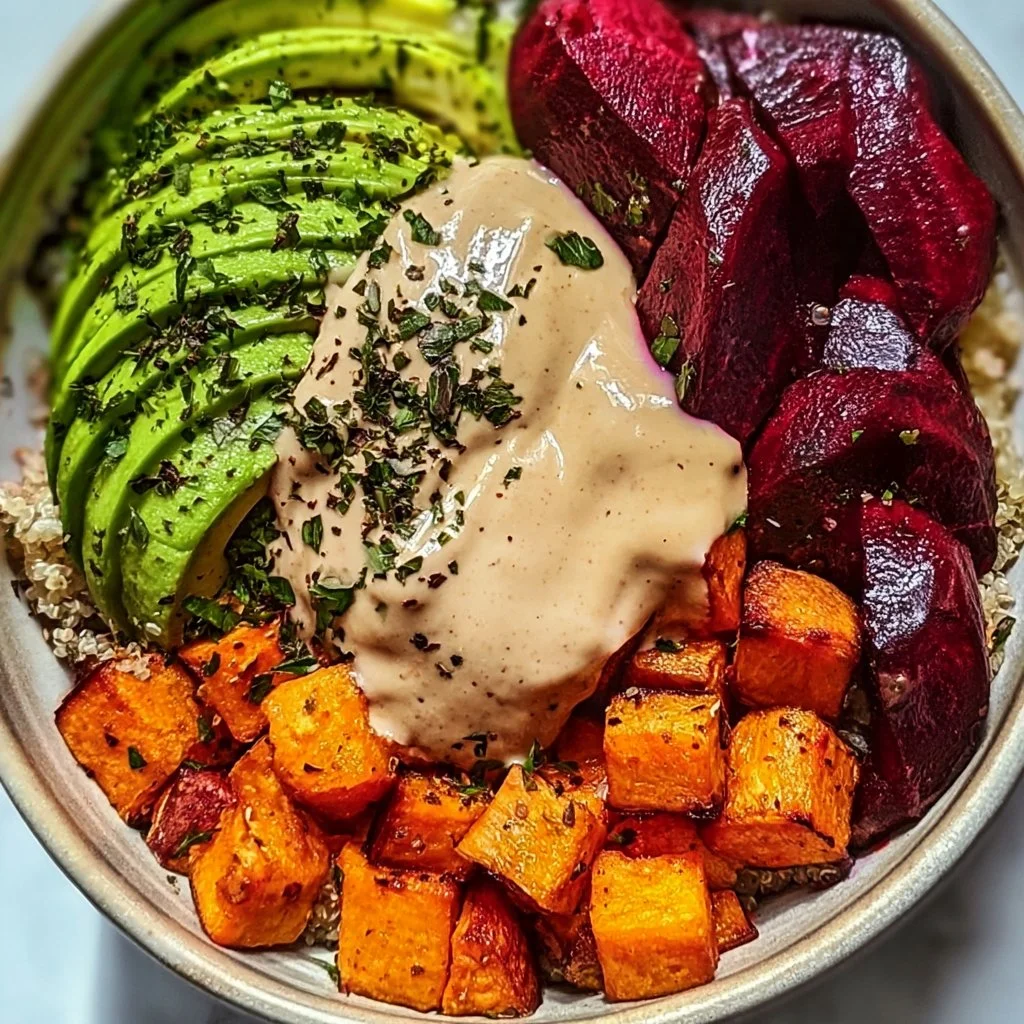
Delicious Vibrant Harvest Buddha Bowl Recipe for a Healthy Meal
In the realm of nutritious and satisfying meals, a Buddha bowl stands out as a colorful, nutrient-dense option. This vibrant dish encapsulates a variety of fresh ingredients, mixed textures, and bold flavors, creating a visual feast that appeals to the eyes as much as the palate. At the heart of this recipe lies a well-rounded foundation of wholesome components, including roasted root vegetables, creamy avocado, and protein-packed grains such as quinoa or brown rice. This amalgamation not only promises a delightful eating experience but also offers essential vitamins and minerals that can enhance overall well-being. The tangy tahini dressing invigorates the bowl, accentuating the flavors of the fresh ingredients admirably.
As you prepare this dish, you may notice the gorgeous array of colors emerging as the ingredients are combined. The warm golden hues of the sweet potatoes and roasted carrots contrast beautifully with the vibrant greens of spinach or kale, alongside the soft and inviting creaminess of avocado. This visual allure can elevate any meal, making it suitable for an inviting family dinner, a casual gathering with friends, or a wholesome lunch that you can meal prep for the week ahead. Each bite delivers a satisfying blend of flavors and textures—crunchy, creamy, savory, and sweet—creating a holistic culinary experience that leaves you feeling reenergized and nourished.
Whether you’re seeking a quick weeknight meal or a stunning centerpiece for a weekend brunch, this Buddha bowl fits the bill perfectly. Its versatility allows you to customize the ingredients based on what’s in season or what you have on hand, making it an ideal choice for the home cook. Plus, it accommodates various dietary preferences, allowing for substitutions and variations to suit vegetarian, vegan, or gluten-free lifestyles. Furthermore, by enjoying this colorful creation, you not only please your taste buds but also nourish your body with ample nutrients.
The balance of flavors, together with the robust nutritional profile, underscores why this recipe deserves a spot in your regular cooking rotation. Rich in plant-based proteins, healthy fats, and an array of vitamins, this dish aligns well with the growing trend towards healthy eating and meal prep. Let’s dive into what makes this recipe special and discover how to create your very own Harvest Buddha Bowl!
What Makes This Recipe Special
This particular Buddha bowl is distinguished by the beautiful use of seasonal ingredients, showcasing the richness of fall’s harvest through the luscious roasted root vegetables. These key components not only bring warmth and comfort to the dish but also amplify its depth of flavor. Roasting brings out the natural sweetness and caramelization of the vegetables, creating a delightful contrast with fresh ingredients such as the creamy avocado and vibrant leafy greens. This harmony of flavors is accentuated by the tahini dressing, which adds creaminess and a nutty profile that binds the entire bowl together.
Another aspect that sets this dish apart is its incredible versatility. You can easily adapt the ingredients to reflect your personal preferences or dietary restrictions. For instance, if quinoa or brown rice isn’t available, you might substitute it with farro, barley, or even a burst of lentils for added protein. Additionally, the optional toppings like pumpkin seeds or fresh herbs provide an extra layer of crunch and freshness, allowing home cooks to make each bowl their own unique creation. This adaptability makes it appealing to both novice and seasoned cooks, as they can take creative liberties without compromising the overall success of the dish.
The preparation is simple and approachable, inviting even the most inexperienced cooks to create a scrumptious meal. Whether you choose to prepare this dish for a family dinner or as part of your meal prep routine for the week, it promises satisfaction at every level. The assembly creates a visually stunning presentation that makes it perfect for sharing at gatherings or intimate dinners, enticing everyone to enjoy the bounty of home-cooked goodness. All in all, the combination of flavor, nutrition, and ease of preparation makes this Harvest Buddha Bowl a standout option in the world of healthy cooking.
Ingredient Overview and Helpful Notes
The success of any recipe lies in the quality and synergy of its ingredients. This Buddha bowl features a robust base of essential components that ensure a delicious and nutritious dish. Here’s a closer look at the key ingredients and their roles in achieving the intended flavor, texture, and nutritional benefits.
Roasted Root Vegetables
The first star of the show is the roasted root vegetables, which can include sweet potatoes, beets, and carrots. These vegetables not only bring a natural sweetness but also an array of colors and nutrients to the dish. Sweet potatoes are high in vitamin A and fiber, while beets are rich in antioxidants. When roasting, it’s essential to cut them into uniform pieces to ensure even cooking. Toss them with olive oil, salt, and pepper to achieve that golden, caramelized finish that enhances their natural sweetness.
Avocado
Next is the ripe avocado, which lends creaminess and healthy fats to the bowl. Avocados are packed with monounsaturated fats, fiber, and a variety of vitamins, including E, C, and B6. Their smooth texture contrasts beautifully with the crunchy vegetables and grains. When selecting an avocado, look for one that yields slightly when pressed and has a uniform color. Slice it just before serving to maintain its freshness and vibrant green hue.
Grains
Cooked quinoa or brown rice serves as the hearty base of this Buddha bowl. Both options are rich in protein and fiber, making them excellent choices to keep you full longer. Quinoa is a complete protein, meaning it contains all nine essential amino acids, while brown rice offers complex carbohydrates that provide sustainable energy. If using couscous or farro instead, adjust the cooking times and liquid ratios accordingly. Whichever grain you choose, it is advisable to rinse them under cold water before cooking to remove excess starch, which helps enhance their fluffiness.
Leafy Greens
Leafy greens such as spinach or kale supply a fresh crunch and vital nutrients. Spinach is known for its high iron content, while kale offers an exceptional dose of vitamin K and calcium. Aim to use washed and dried greens to remove any grit, ensuring a cleaner taste in your dish. For added texture, consider lightly massaging the greens with a sprinkle of lemon juice or olive oil to enhance their flavor and tenderness before assembling the bowl.
Tahini Dressing
Finally, the tahini dressing ties all the elements together with its creamy, nutty flavor. Made from ground sesame seeds, tahini is rich in healthy fats, protein, and minerals like calcium. Combine it with fresh lemon juice and optional maple syrup for a touch of sweetness. It’s essential to whisk the dressing well to ensure an even consistency. If it feels too thick, simply add a bit of water until the desired creaminess is achieved. This dressing can also serve as a versatile dip or spread for other meals.
Each of these ingredients comes together harmoniously to create a nourishing and satisfying Buddha bowl. When assembling, pay attention to the visual appeal of the dish—layers of vibrant colors and textures not only enhance the experience but also make it more enjoyable to eat. Selecting high-quality ingredients is key for the best possible outcome; freshness will always yield better flavor profiles.
Nutrition & Recipe Details
While precise nutritional values may vary based on the specific ingredients chosen and portion sizes, this Harvest Buddha Bowl recipe aims to provide a wholesome balance of macronutrients that align with healthy eating habits. Below is an overview of estimated nutrition details that will guide your meal planning.
| Item | Value |
|---|---|
| Prep time | 20 minutes |
| Cook time | 30 minutes |
| Store time | 3–4 days in the refrigerator |
| Calories | Approximately 500 per serving |
| Protein | About 12 grams |
| Carbohydrates | Approximately 65 grams |
| Fat | About 20 grams |
These estimates reflect the nutritional benefits of this dish, highlighting its potential as a balanced meal option. Remember that these values are approximations and can vary based on the specific ingredients you choose or any additional toppings you may include. It is always encouraged to be mindful of serving sizes and personal dietary needs when planning meals.
How to Make Delicious Vibrant Harvest Buddha Bowl
Preparation for a Buddha bowl can be broken down into simple steps that ensure a seamless cooking experience. The harmony of flavors and textures is more achievable when the ingredients are prepared mindfully and organized beforehand.
Step 1: Preheat the Oven and Prepare the Vegetables
Begin by preheating your oven to 400°F (200°C). Meanwhile, wash, peel, and chop the root vegetables — such as sweet potatoes, beets, and carrots — into uniform-sized cubes. This ensures that they roast evenly, promoting a tender and caramelized result. Toss the prepared vegetables in a mixing bowl with olive oil, salt, and pepper. Lay them out on a baking sheet in a single layer for optimal roasting.
Step 2: Roast the Vegetables
Place the baking sheet in the oven and roast the vegetables for about 25-30 minutes, or until they are tender and golden brown. Keep an eye on them to avoid burning, tossing them halfway through if necessary to promote even browning. The aroma alone will be enticing as the vegetables caramelize and develop a deep flavor profile.
Step 3: Make the Tahini Dressing
While the vegetables are roasting, prepare the tahini dressing. In a medium-sized bowl, whisk together the tahini, fresh lemon juice, and optional maple syrup for sweetness. If the mixture appears too thick, add a small amount of water until you reach a drizzling consistency. Taste and adjust the seasonings, if needed, with just a pinch of salt or additional lemon juice.
Step 4: Assemble the Bowl
Once the root vegetables are roasted to your liking, it’s time to assemble the bowl. Begin with a base of cooked quinoa or brown rice in your serving dish, followed by a generous handful of leafy greens. Next, add the roasted vegetables and top with sliced avocado for a creamy finish. Drizzle the tahini dressing over the bowl, allowing it to highlight the vibrant ingredients as it blends across the surface. For added texture, sprinkle with optional toppings such as pumpkin seeds, sesame seeds, or fresh herbs.
Step 5: Serve and Enjoy
Serve the assembled bowl immediately to preserve the fresh textures and flavors. Encourage everyone to mix their bowls, ensuring a delightful combination of ingredients in each bite. Sit back, enjoy the harvest of flavors, and relish the satisfaction of a meal that beautifully aligns with healthy eating principles. The vibrant appearance, fresh tastes, and wholesome ingredients make this dish an instant favorite among family and friends. Each bite will be a celebration of color and flavor!
Understanding the Flavor and Texture
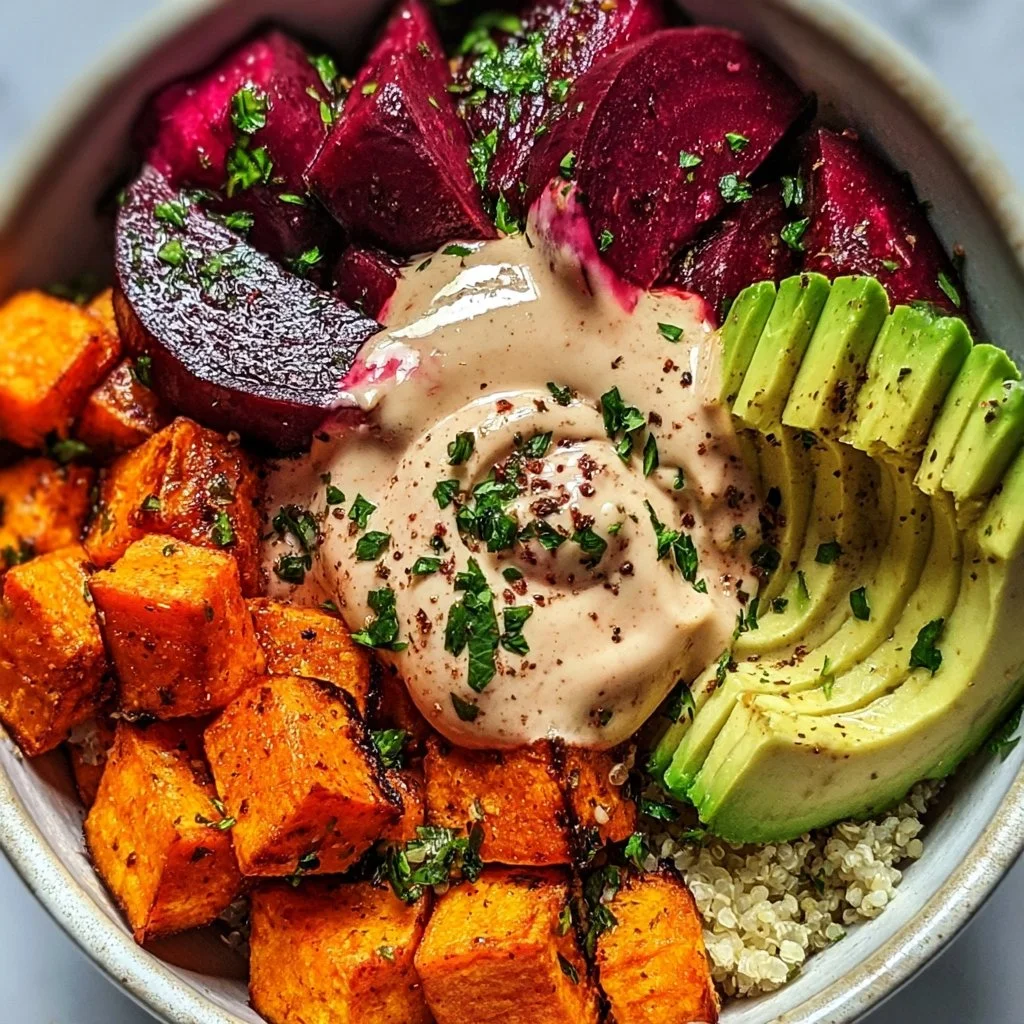
As you take your first spoonful of this Harvest Buddha Bowl, you’ll be greeted with a delightful complexity of flavors and textures. The roasted root vegetables offer a warm, slightly sweet foundation, enriched with caramelization that adds depth. Each vegetable, from sweet potatoes to beets, introduces its own unique nuance to the dish, resulting in a multi-layered palate adventure. The addition of creamy avocado introduces a smooth, rich texture that contrasts wonderfully with the roasted ingredients and leafy greens.
The tahini dressing acts as an essential component of the dish, enhancing the overall flavor profile. Its nutty notes marry beautifully with the sweetness of the roasted vegetables while brightening the dish through the acidity of lemon juice. The whipped texture of the dressing glides over each ingredient, adding moisture and creating a more cohesive dining experience.
Visually, the bowl is an explosion of color—rich oranges, deep reds, vibrant greens, and the soft creaminess of avocado create a feast for the eyes. The crunch of leafy greens with the warm, tender vegetables creates an enjoyable mouthfeel that invites you to savor each bite. Identifying when the dish is at its peak involves observing glossy greens, a velvety avocado, and well-caramelized vegetables. Each layer of flavor contributes to an overall balance of satisfaction that makes this meal a winner at any table.
Pro Tips
A few small techniques can significantly elevate your Harvest Buddha Bowl experience. Here are essential tips that can help improve your dish’s flavor, texture, and presentation:
| Tip | Description |
|---|---|
| Use Seasonal Ingredients | Choosing seasonal vegetables enhances freshness and flavor, leading to a more vibrant dish. Take advantage of local harvests to discover new favorites for your Buddha bowl! |
| Mise en Place | Organizing your ingredients before cooking can streamline the process. Having everything prepped and ready to go minimizes stress and can result in a more enjoyable cooking experience. |
| Don’t Rush the Roasting | Allow the root vegetables ample time to caramelize in the oven. Keep them spread apart on the baking sheet to promote browning, which brings out their natural sweetness. |
| Customize Your Grain Base | Experiment with different grains to change the dish’s texture and flavor profile. Quinoa, brown rice, farro, or even freekeh could offer delicious alternatives that suit your tastes. |
In addition to these practical tips, here are a couple more considerations to enhance your Buddha bowl experience. First, consider layering ingredients in the bowl in a pleasing way to create visual appeal. A well-presented dish not only looks gorgeous but also makes it more appetizing. Finally, don’t hesitate to explore various toppings such as nuts, seeds, or fresh herbs; these can impart a burst of flavor and texture, taking your bowl to the next level of delight.
Why You’ll Love This Recipe
One of the most significant aspects of this Harvest Buddha Bowl is its ability to combine health, flavor, and simplicity in a single dish. For anyone looking to eat healthier without sacrificing taste, this recipe checks all the boxes. You’ll find that not only are the ingredients nutrient-dense, but they also encourage mindful eating. The vibrant colors of the vegetables and the variety of textures play a role in enhancing the overall eating experience.
The ease of preparation will likely resonate with both beginners and experienced cooks alike. Unlike other complex dishes, this recipe allows you to enjoy a satisfying meal that doesn’t require extensive culinary skills. Everything can be made in one batch, which is especially appealing for meal prep or weeknight dinners, saving time and dishes. Plus, the adaptability of this Buddha bowl means you can always switch up ingredients based on what’s in your pantry or what’s in season, ensuring you never get bored.
Lastly, this dish embodies the ideals of modern healthy eating—seasonal, colorful, and packed with nutrients. The bounty of fresh produce often leads to increased vegetable consumption, making it an excellent choice for anyone wanting to embrace healthier eating habits. With its delicious flavors, ease of adaptation, and straightforward preparation, this Harvest Buddha Bowl is bound to become a favorite in your culinary repertoire, making healthy eating a delightful experience.
How to Serve Delicious Vibrant Harvest Buddha Bowl
Serving your Harvest Buddha Bowl can be just as enjoyable as preparing it! To create an impressive presentation, select large, shallow bowls or plates that showcase the colorful layers you’ve crafted. Begin with a base of grains in the center, followed by a generous mound of leafy greens. Arrange the roasted vegetables artfully around the bowl, followed by slices of creamy avocado on top. Finally, drizzle the tahini dressing elegantly over the contents to create a beautiful sheen, highlighting each element.
Accompanying the bowl, consider serving it alongside side dishes that complement its flavor profile. A refreshing cucumber and tomato salad, dressed with olive oil and lemon juice, or a simple pickled cabbage can add extra zing and freshness to your dining experience. For a light and fruity touch, a side of roasted or grilled seasonal vegetables could enhance the meal while maintaining its wholesome ethos.
When dining with family or friends, encourage your guests to personalize their bowls with optional toppings such as pumpkin seeds, sesame seeds, or sliced fresh herbs. Not only does this create a shared experience but also celebrates the vibrancy of flavors and textures available. Additionally, consider serving herbal teas or refreshing flavored water, which can perfectly balance the wholesome flavors of the Buddha bowl and provide a satisfying dining experience.
Finally, if you make enough to share, you can present it beautifully on a large serving platter. This communal approach encourages guests to build their plates and can forge an inviting atmosphere around any table. Everyone can customize their serving based on personal preferences, making the meal interactive and engaging.
How to Store Delicious Vibrant Harvest Buddha Bowl
When it comes to leftovers, proper storage is essential to maintain freshness and flavor. To store your Harvest Buddha Bowl, follow these simple steps. First, allow the composed bowl to cool completely at room temperature but do not leave it out longer than two hours to ensure food safety. Transfer the leftovers into an airtight container, separating components if necessary. This way, you’ll minimize moisture from mixing, which can compromise texture.
When refrigerated, all components of the Buddha bowl can last about 3 to 4 days. Keep the tahini dressing in a separate container to avoid sogginess in the vegetables. The mixture should be stored as a whole rather than layered to preserve freshness and texture. For longer storage, you can freeze the roasted vegetables in an airtight freezer bag or container for up to three months. Reheating frozen leftovers is simple, but be mindful to avoid overcooking, which can lead to rubbery textures.
Always remember that when reheating any meals, particularly with ingredients like avocado or greens, applying gentle heat helps maintain the textures and flavors. Give leftover grains and vegetables a quick, even heat in a skillet with just a drizzle of olive oil or water to revive their original consistency. However, be cautious not to overheat greens as they can become wilted and lose their freshness. Keeping things separate during storage helps retain the integrity of each component, creating a delightful meal experience with every serving.
Tips to Make Delicious Vibrant Harvest Buddha Bowl
To ensure consistent results when preparing your Harvest Buddha Bowl, consider these practical cooking tips that focus on consistency, seasoning, and optimized cooking techniques. Understanding each stage of preparation allows for an approachable and successful dish every time.
-
Season Each Component: Each part of the Buddha bowl should be seasoned individually. For instance, before roasting vegetables, ensure they are well-coated in olive oil, salt, and pepper. This attention to seasoning guarantees that every bite bursts with flavor rather than relying solely on the tahini dressing for taste.
-
Manage Cooking Times: Roasting time can vary depending on the size of the vegetable pieces. Aim for uniformity in size so they cook evenly. If you notice some vegetables are browning faster than others, remove them as they reach the desired level of caramelization to avoid burning. A little watching can prevent the disappointment of unevenly cooked ingredients.
-
Cook Extra Grains: When cooking quinoa or brown rice, it’s useful to prepare a larger batch than needed. This allows for easy assembly of additional Buddha bowls throughout the week, ensuring you have wholesome meals on hand without starting from scratch each time. They can also be used as a base for other meals, adding versatility to your meal prep.
-
Taste as You Go: Always taste your tahini dressing before serving. This ensures that you’re satisfied with the balance of flavors and can make necessary adjustments. If you feel it needs brightness, add more lemon juice; if it’s not creamy enough, consider stirring in a little more tahini or water while mixing.
By honing in on these aspects, you can achieve a delicious and visually stunning Harvest Buddha Bowl each time. Importantly, the joy of cooking comes from learning what works best for you, so take your time experimenting with these tips to find out how to make this dish your own.
Variations and Substitutions
This Harvest Buddha Bowl is a canvas for myriad delicious variations that align with personal tastes and dietary needs. Here are a few options to explore that highlight its flexibility while maintaining the spirit of the dish:
-
Grain-Free Version: For those following a low-carb lifestyle, consider substituting the grains with cauliflower rice. Simply pulse fresh cauliflower florets in a food processor until they resemble rice grains and lightly sauté them with a dash of olive oil and salt for a delightful alternative that reduces carbs without sacrificing volume.
-
Extra Protein: If you’re looking to increase the protein content further, add a serving of chickpeas or black beans on top of your grains. Both legumes are rich in fiber and will create a balanced meal. Simply toss them with olive oil, salt, and your favorite spices, then roast until crispy for added texture.
-
Change the Greens: While spinach and kale are delicious options, you can go for a different fresh base. Arugula offers a peppery kick, while collard greens can provide a heartier texture. Mix and match greens based on your preference or what’s available at the market.
-
Spice it Up: For those who enjoy a touch of heat, consider incorporating diced jalapeños or a drizzle of Sriracha into the tahini dressing. A sprinkle of chili flakes or a dash of cayenne pepper can elevate the flavor profile and add an exciting spicy dimension.
-
More Seasonal Additions: Depending on the season, you can incorporate roasted Brussels sprouts in the fall, seasonal squash in the winter, or grilled asparagus in the spring. Substituting in different vegetables based on the harvest not only enhances the dish but also encourages variety in your diet.
These variations encourage exploration while making this dish your own in exciting ways. Feel free to adjust based on available flavors and ingredients, allowing you to enjoy a dynamic meal that never feels repetitive.
Storage and Reheating
Storing and reheating your Harvest Buddha Bowl properly is essential for maintaining its flavor and texture. Follow these guidelines to ensure each meal retains its quality after being stored.
-
Portion-Controlled Storage: Begin by portioning the Buddha bowl into smaller containers suitable for single servings. This makes it easier to reheat only what you need while preventing the disassembly of a larger portion each time. This method is especially advantageous if you enjoy meal prepping for the week ahead.
-
Refrigerate Promptly: After preparing the bowl, allow it to cool slightly at room temperature, but not for more than two hours to avoid safety issues. Transfer the individual portions into airtight containers, separating the tahini dressing if desired. Properly refrigerating your leftovers allows them to stay fresh for up to four days.
-
Reheating Techniques: When you’re ready to enjoy the leftovers, opt for reheating the grain base and vegetables separately if possible. Use a microwave-safe container for grains and veggies, applying gentle heat to prevent drying out. For the best results, if reheating in a skillet, add a splash of water or broth to steam the components lightly and retain moisture.
-
Refreshing Greens: For leafy greens or avocado, it’s best to add them fresh rather than reheating. Consider enjoying the bowl cold or bringing it to room temperature before serving. If you wish to warm the dish, reassemble after reheating the base ingredients and then add fresh greens and avocado as toppings to preserve their freshness.
By adhering to these guidelines, you not only extend the life of your Harvest Buddha Bowl but also ensure that flavors and textures remain intact, leading to enjoyable meals even after the initial preparation.
Customization Ideas
One of the best things about a Harvest Buddha Bowl is its adaptability—there are endless opportunities for customization tailored to suit personal preferences and seasonal availability. Here are some simple ideas to adjust flavors, toppings, and textures for an exciting twist on the classic recipe:
-
Flavor Profiles: Don’t hesitate to explore various seasonings and herbs when preparing your ingredients. Experimenting with herbs such as fresh cilantro, dill, or mint can introduce a refreshing element to the bowl. Additionally, spices like smoked paprika, curry powder, or cumin can infuse exciting flavors into the roasted vegetables or grains.
-
Toppings Galore: Optional toppings can transform the overall experience. Consider adding diced dill pickles or olives for a briny crunch, or top with a dollop of Greek yogurt for creaminess. Crunchy nuts such as walnuts or almonds can offer a satisfying bite, while fresh sprouts provide a nutritious boost and aesthetic appeal.
-
Healthy Fats: To elevate the creaminess factor, consider alternative spreads or dips. Hummus is an excellent option, as its smooth, nutty flavor complements the other ingredients beautifully. You can also make a spicy version with roasted red peppers to add an extra zing.
-
Texture Play: Texture is crucial in any meal, and a combination of mouthfeel adds an enticing dimension. If you enjoy a crunch, consider topping the dish with homemade croutons or crispy chickpeas. Toward the end, sprinkle some toasted sesame seeds or sunflower seeds—these additions can create delightful contrast to the roasted, soft vegetables.
Each of these customization ideas allows for varied flavors and textures within your Harvest Buddha Bowl. Encouraging creativity fosters an enjoyable cooking experience, providing endless possibilities for mixing and matching to cater to your palate while maintaining the essence of this nutritious dish.
Common Mistakes to Avoid
Even the most experienced home cooks can face hurdles when preparing a Harvest Buddha Bowl. Here are five common mistakes to watch out for, along with practical tips to enhance your cooking success:
-
Cutting Vegetables Unevenly: When preparing vegetables, inconsistently sized pieces can lead to uneven cooking. For example, if you’re roasting sweet potatoes, make sure to chop them into uniform cubes. This ensures they roast at the same rate, achieving that perfect caramelization.
-
Overcrowding the Baking Sheet: When roasting, avoid placing too many vegetables on the baking sheet. Overcrowding leads to steaming rather than roasting, which prevents the desired crispiness. Allow space between each piece to ensure even air circulation and enhance browning.
-
Ignoring Seasoning: Underseasoning can lead to bland results. Make sure to season each component, especially the roasted vegetables and grains, to ensure flavorful bites throughout the dish. Don’t forget to taste your tahini dressing before drizzling; it should have a balance of creaminess and acidity!
-
Neglecting Ingredient Preparation: Taking shortcuts in ingredient prep can lead to undesirable textures. For example, adding sliced avocado at the beginning can cause it to brown quickly. Save it for the end to maintain its fresh flavor and appearance.
-
Not Storing Properly: Improper storage can diminish the quality of your leftovers. Ensure cooked ingredients are cooled, stored in airtight containers, and components are separated if necessary. This practice helps maintain freshness and prevents unwanted sogginess.
By keeping these common pitfalls in mind and implementing these practical strategies to avoid them, you can achieve a top-notch Buddha bowl that’s both visually stunning and delicious with each preparation.
Serving Occasions
The Harvest Buddha Bowl is incredibly versatile and works wonderfully across a variety of occasions. Due to its bright colors and abundant nutrition, it is especially suited for gatherings, potlucks, and family dinners. Serving a large sharing platter can create a sense of community and interaction, as guests can assemble their bowls according to personal preferences.
This dish is equally ideal for meal prepping during busy weeknights, as it can be made in larger batches and stored for quick and nutritious lunches throughout the week. On lazy weekends, consider enjoying the Buddha bowl as a wholesome brunch option that offers a light yet satisfying meal for family and friends. Furthermore, the customizable nature of this dish means it can cater to various dietary needs, making it a fantastic choice when hosting gatherings with diverse preferences.
For casual lunches or evenings with loved ones, serving the bowl alongside refreshing drinks, such as herbal iced tea or infused water, enhances the meal experience. The striking presentation of the Buddha bowl is not only appealing to the taste buds but also to the eyes, creating an inviting atmosphere for any meal setting.
Why Make This Recipe?
Choosing to prepare this Harvest Buddha Bowl presents both culinary and practical benefits that distinguish it from other meals. First and foremost, the use of seasonal ingredients aligns with the principles of eating sustainably. You create a dish rich in fresh, vibrant produce that’s full of flavor and nutrition. The versatility of the recipe allows you to adapt it based on what’s available or in season, ensuring you can enjoy it year-round.
This recipe also emphasizes that nourishing meals can be straightforward and accessible. With uncomplicated prep steps and minimal cooking apparatus, this dish welcomes even novice cooks into the kitchen. It opens the door for creativity, presenting opportunities to explore a variety of ingredients, flavors, and textures. Making it a reliable go-to dish for any occasion ensures it will not become tiresome while promoting healthy eating habits.
Lastly, this butter bowl stands as a testament to how a simple collection of wholesome ingredients can transform into a vibrant meal that sustains both body and mind. The warm, comforting components paired with flecks of freshness bring out the joys of cooking and sharing a meal, making it a recipe worth keeping within your regular rotation.
Make-Ahead Preparation
If you enjoy meal prepping, this Harvest Buddha Bowl is an excellent choice for making ahead of time. Understanding which ingredients can be prepared in advance and how far in advance they remain fresh is beneficial for streamlining your cooking routine without sacrificing flavor.
-
Prepping Ingredients: Consider washing, peeling, and chopping your root vegetables one or two days before you plan to prepare the bowl. Store them in an airtight container in the refrigerator. This speeds up the time needed when you’re ready to roast them, making the whole process more manageable on busy weeknights.
-
Cooking Grains in Advance: Preparing the grains in large batches saves time and ensures they are readily available. Cooked quinoa or brown rice stays fresh for several days in the fridge; simply portion it out for each bowl as needed. Keep in mind that grains can often lose their fluffiness when stored for longer periods, so it’s advisable to only store as much as you need for immediate meals.
-
Taho Dressing Storage: The tahini dressing can be made ahead and kept in the refrigerator for up to a week. Store it in an airtight container, and remember to give it a good shake or stir before using, as the tahini can settle over time.
While some elements, like leafy greens or avocado, are best added closer to serving time, having components ready in advance allows for quick assembly. By preparing ahead, you gain convenience without the sacrifice of freshness or flavor, making this recipe more adaptable to your specific schedule.
Equipment and Kitchen Preparation
Setting up your kitchen effectively can enhance the process of making the Harvest Buddha Bowl. Here are essential tools and equipment that will help streamline your cooking experience:
-
Cutting Board and Knives: A good quality cutting board and sharp knives are essential for preparing your vegetables. Investing in a sturdy, non-slip cutting board makes chopping safer and more efficient. Ensure your knives are properly sharpened to make cuts smooth and precise, which contributes to even cooking.
-
Baking Sheet: A rimmed baking sheet is great for roasting vegetables, allowing for airflow around each piece, which promotes even browning. Using parchment paper or a silicone mat can help prevent sticking and ease the cleanup process afterward.
-
Mixing Bowls: Having a set of mixing bowls cold make it easy to combine ingredients for each component of the dish. These are essential for tossing root vegetables in oil or mixing the tahini dressing, making ingredient preparation a breeze.
-
Measuring Utensils: While a casual approach can work well, especially for seasoned cooks, having measuring cups and spoons on hand ensures consistency—especially when preparing the tahini dressing or grains. Accurate measurements contribute to achieving the intended flavor balance in the dish.
-
Containers for Storage: Airtight storage containers are fundamental for keeping leftovers fresh. Choose containers in various sizes for portioning out single servings or larger amounts for meal prep. Clear containers will let you see what’s inside, reminding you of what’s available for quick meals.
By having the right equipment and preparing your workspace effectively, you’ll minimize clutter and confusion in the kitchen while cooking. This makes the whole process smoother, allowing you to focus on creativity and enjoying the cooking experience.
FAQs
1. Can I make this dish vegan?
Yes, the Harvest Buddha Bowl is naturally vegan as it features plant-based ingredients. The tahini dressing is also vegan, making it a delicious choice for those following a vegan lifestyle.
2. What other grains can I use instead of quinoa or brown rice?
Feel free to substitute with farro, barley, or even lentils. These options not only provide a different flavor profile but also ensure the dish remains hearty and filling.
3. How should I store leftovers?
For the best results, store leftovers in airtight containers in the refrigerator. Keep the tahini dressing separate to preserve the freshness of the vegetables and greens. Consumed within 3–4 days for optimal quality.
4. Can I freeze this dish?
Yes, you can freeze the roasted vegetables separately for up to three months. However, avoid freezing the avocado or leafy greens, as they may not hold up well once thawed.
5. How do I prevent the avocado from browning?
To prevent avocado from browning, slice it fresh just before serving. Alternatively, you can coat the avocado slices lightly with lemon juice to prolong their vivid green appearance.
6. Can I add protein to this bowl?
Absolutely! Consider adding chickpeas, black beans, or even grilled tofu for additional protein. These options can make the dish heartier while retaining its nutritious essence.
7. How can I customize the tahini dressing?
You can customize the tahini dressing by adding spices like garlic powder, smoked paprika, or even a splash of soy sauce for a different flavor profile. Taste testing and adjusting the seasoning to your liking will create a unique dressing every time.
8. Is this a gluten-free recipe?
When using quinoa or brown rice as the base, the Harvest Buddha Bowl is gluten-free. However, always double-check any additional ingredients or toppings to ensure they adhere to a gluten-free diet.
Disclaimer
Nutritional information is approximate and may vary based on ingredient brands, substitutions, portion sizes, and preparation methods. Please use this information as a general guide when preparing your Harvest Buddha Bowl recipe.
Print
Delicious Vibrant Harvest Buddha Bowl
- Total Time: 50 minutes
- Yield: 4 servings 1x
- Diet: Vegan
Description
A colorful, nutrient-dense Buddha bowl featuring roasted root vegetables, creamy avocado, and protein-packed grains topped with tangy tahini dressing.
Ingredients
- 2 cups roasted root vegetables (sweet potatoes, beets, carrots)
- 1 ripe avocado, sliced
- 1 cup cooked quinoa or brown rice
- 2 cups leafy greens (spinach or kale)
- 3 tablespoons tahini
- 2 tablespoons fresh lemon juice
- 1 tablespoon maple syrup (optional)
- Salt and pepper, to taste
- Olive oil, for roasting
Instructions
- Preheat the oven to 400°F (200°C).
- Wash, peel, and chop root vegetables into uniform cubes.
- Toss the vegetables with olive oil, salt, and pepper, and spread on a baking sheet.
- Roast for about 25-30 minutes until tender and golden brown.
- While the vegetables are roasting, make the tahini dressing by whisking together tahini, lemon juice, and maple syrup.
- Assemble the bowl with a base of quinoa or brown rice, topped with leafy greens, roasted vegetables, avocado slices, and tahini dressing.
- Serve immediately and enjoy!
Notes
Customize your bowl with seasonal vegetables and favorite toppings like pumpkin seeds or fresh herbs.
- Prep Time: 20 minutes
- Cook Time: 30 minutes
- Category: Main Course
- Method: Roasting
- Cuisine: Vegetarian
Nutrition
- Serving Size: 1 serving
- Calories: 450
- Sugar: 5g
- Sodium: 300mg
- Fat: 20g
- Saturated Fat: 3g
- Unsaturated Fat: 12g
- Trans Fat: 0g
- Carbohydrates: 55g
- Fiber: 10g
- Protein: 12g
- Cholesterol: 0mg