
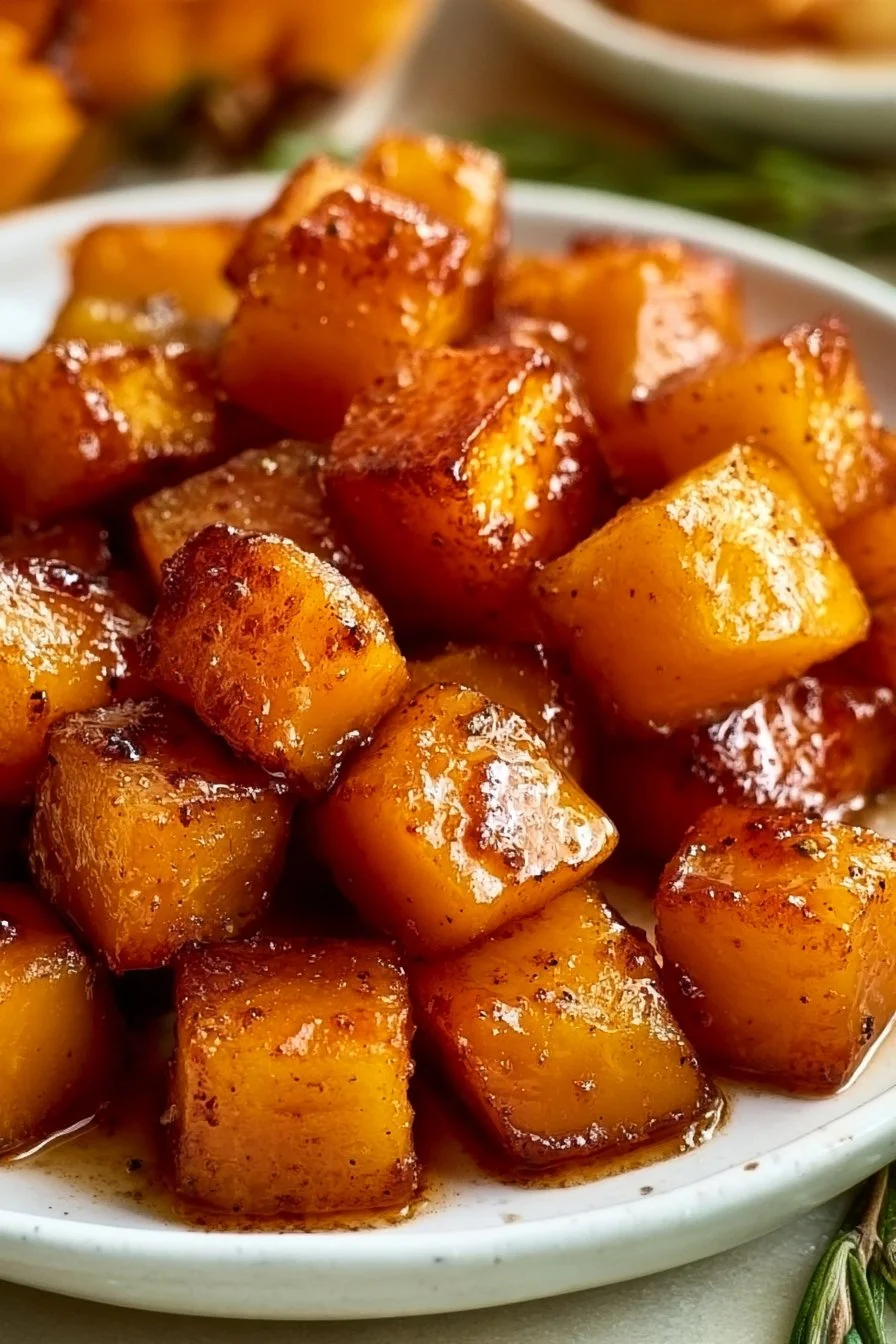
Caramelized Butternut Squash with Brown Sugar Recipe
Caramelized butternut squash with brown sugar is a delightful dish that perfectly balances sweetness and a rich, velvety texture. This recipe elevates the humble butternut squash into a mouthwatering side dish that can be enjoyed by everyone at the table. When roasted, the squash becomes tender, and the natural sugars caramelize, giving it a beautiful golden-brown color and enhancing its flavor. The addition of brown sugar and optional spices creates a wonderful aroma that fills your kitchen and makes your taste buds dance with anticipation.
The dish is remarkably versatile. It can be served as a warming side during the colder months, offering a heartening boost to your Thanksgiving turkey or Christmas ham. That said, it’s also well-suited for an everyday meal when you want to impress with minimal effort. Pair it with a savory main course or even enjoy it on its own as a nutritious snack. The vibrant hues of the caramelized squash provide an attractive presentation, making it a standout option whether you’re hosting a festive gathering or just enjoying a cozy dinner at home.
The beauty of caramelized butternut squash lies not only in its flavor but also in its ease of preparation. With just a few simple ingredients and straightforward steps, you can transform this seasonal favorite into a delicious dish that delights both young and old. As you explore the subsequent details and instructions, you will find that cooking this dish can be both fun and rewarding. Prepare to showcase your culinary skills with a dish that is not only tasty but also visually stunning on your dining table.
Let’s dive into what makes this caramelized butternut squash recipe so special, guiding you through each ingredient and the approach to achieve the best results. Integrating this recipe into your cooking repertoire will surely elevate your meals to a new level, and your guests will be asking for seconds!
What Makes This Recipe Special
This caramelized butternut squash recipe is distinctive for several reasons. First and foremost, it marries the sweet, nutty flavor of the butternut squash with the deep sweetness of brown sugar. The result is a delectable interplay of flavors that brings out the best in the squash. When cooked, the squash’s sugars naturally amplify, creating a beautiful caramel crust that contrasts delightfully with its tender insides. This balance of textures—crunchy on the outside and creamy within—offers a satisfying eating experience that is hard to resist.
The preparation method enhances its appeal as well. Roasting the squash allows it to retain its moisture while the exterior caramelizes. This technique is ideal for bringing out the natural flavors of the vegetable, as opposed to boiling or steaming, which can dampen its taste and texture. In this recipe, the olive oil acts as an important component; it helps in roasting the squash evenly and assists in browning the sugar, leading to mouthwatering flavors blooming throughout the dish.
When compared to other vegetable sides, this recipe stands out because of its straightforward approach. While many roasted vegetable dishes involve savory herbs and spices, this recipe capitalizes on sweetness, making it a unique addition to your table. Oftentimes, roasted vegetable recipes may not appeal to those with a sweet tooth, but in this case, the harmonious combination of flavors welcomes everyone to enjoy. It makes a beautiful side dish that can complement hearty meats or stand alone as a light meal.
Taste and texture are not the only reasons to love this recipe; the ingredients are also accessible and uncomplicated. With its minimal ingredient list—just butternut squash, brown sugar, olive oil, salt, black pepper, and optional cinnamon—this recipe avoids unnecessary complexities, making it perfect for cooks of all skill levels. Whether you are preparing a weeknight dinner or a holiday feast, this easy-to-follow recipe will shine.
Ingredient Overview and Helpful Notes
Understanding the primary ingredients in this recipe is key to achieving optimal results. The main component, butternut squash, offers a luscious, creamy texture and sweet, nutty flavor. When selecting butternut squash, look for ones that feel heavy for their size and have a smooth, blemish-free skin. If you happen upon a squash that has a dull skin, that’s often a sign of age; selecting fresh, firm produce will result in a sweeter dish.
Brown sugar is crucial here, as it adds caramel notes essential for the dish. It dissolves during roasting, helping create the lovely caramelization on the squash’s surface. If you only have granulated sugar, you can achieve a similar flavor by combining it with a little molasses, although this will alter the final color somewhat. Olive oil acts as both a cooking medium and flavor enhancer; its fats contribute to the browning of sugar and help achieve a perfectly roasted squishy texture. Ensure that you use high-quality extra virgin olive oil for the best results.
Salt and black pepper are necessary for balancing flavors, helping to enhance the overall experience of the dish. Do not skip on these as they bring out the sweetness of the squash and cut through the richness. The cinnamon is optional and can introduce a comforting warmth to the flavor profile, making it a suitable addition during the autumn months or winter holidays, giving a cozy feel to the entire meal. Experiment with the cinnamon if you wish, or leave it out—both versions are delightful.
Before you get started with the preparation, it is helpful to wash and dry the squash thoroughly. When peeling and cubing, use a sharp knife to avoid exerting too much pressure, which can cause the squash to slip and potentially lead to accidents. Properly measuring your ingredients will also play a big part in the flavor balance, so consider gathering everything beforehand to ensure that you won’t need to rush during cooking.
Nutrition & Recipe Details
Nutritional values may vary based on ingredients, brands, portion sizes, and preparation methods. Here’s a summary of the estimated nutritional details for caramelized butternut squash with brown sugar:
| Item | Value |
|---|---|
| Prep time | 15 minutes |
| Cook time | 30 minutes |
| Store time | 3-5 days in the fridge |
| Calories | 120 per serving |
| Protein | 1.5 g |
| Carbohydrates | 30 g |
| Fat | 2 g |
How to Make Caramelized Butternut Squash with Brown Sugar
Preparing caramelized butternut squash is a straightforward process that doesn’t require any advanced cooking skills, but a little organization can go a long way. To start, gather your ingredients, including butternut squash, brown sugar, olive oil, salt, black pepper, and cinnamon if chosen. You might also want to have a large mixing bowl, a sharp knife, a cutting board, and a baking sheet at your disposal. Preheating your oven to 425°F (220°C) ahead of time is crucial, as this will ensure that the squash begins roasting as soon as it hits the baking sheet.
Ingredients
| Ingredient | Quantity |
|---|---|
| Butternut squash | 1 medium |
| Brown sugar | 2 tablespoons |
| Olive oil | 2 tablespoons |
| Salt | 1 teaspoon |
| Black pepper | ½ teaspoon |
| Cinnamon (optional) | ½ teaspoon |
Before you start cooking, make sure to wash and dry the butternut squash thoroughly to remove any dirt. Using a sharp knife, carefully peel the tough outer skin; be sure to cut off the ends while doing so. Next, slice the squash vertically, and scoop out the seeds with a spoon. Cut the flesh into uniform cubes to ensure even cooking. In a large mixing bowl, combine the cubed squash with olive oil, brown sugar, salt, black pepper, and cinnamon if using. Mix well to coat all the pieces evenly before transferring them to the prepared baking sheet.
Step-by-Step Instructions
-
Preheat the oven: Start by preheating your oven to 425°F (220°C). This step is crucial as it allows the butternut squash to begin roasting right away, which helps caramelize the sugars present in the squash and brown sugar.
-
Prepare the squash: Peel the butternut squash using a sharp vegetable peeler or knife. It is essential to use caution during this process, as the skin can be tough. Cut off the top and bottom ends, then slice the squash in half lengthwise. Scoop out the seeds and stringy bits from the center using a spoon. Once the insides are cleaned, proceed to cut the squash into manageable cubes, aiming for uniform pieces to ensure even cooking.
-
Toss with seasonings: In a large bowl, add the cubed squash. Drizzle the olive oil over the squash, and then add the brown sugar, salt, black pepper, and cinnamon if you choose to include it. Use a large spoon or your hands to toss the mixture, ensuring that every piece of squash is thoroughly coated As you mix, you’ll notice the sugar beginning to adhere to the squash, creating a lovely glaze that will caramelize beautifully in the oven.
-
Arrange on the baking sheet: Line a baking sheet with parchment paper for easy cleanup, although it’s not necessary. Spread the seasoned squash cubes on the sheet in a single layer. Avoid overcrowding, as this can lead to steaming instead of roasting; the goal is to allow each cube to crisp up and caramelize properly.
-
Roast the squash: Place the baking sheet in the preheated oven and roast the butternut squash for 25-30 minutes. Halfway through the cooking time, use a spatula to turn the squash; this promotes even browning and prevents any pieces from burning. You’ll know the squash is ready when it is fork-tender and has developed a beautiful golden-brown color on the outside.
-
Serve warm: Once roasted to perfection, remove the baking sheet from the oven. Allow the dish to cool for a minute before serving. Caramelized butternut squash can be enjoyed as a standalone dish, paired with a protein, or presented as part of a holiday feast. Either way, it’s sure to be a crowd-pleaser!
Understanding the Flavor and Texture
Upon completion, the flavor of caramelized butternut squash is a delightful combination of sweet and savory notes. The natural sugars in the squash combine harmoniously with the brown sugar to create a deep, almost toffee-like flavor profile that brings out the vegetable’s innate sweetness. If you opted for cinnamon, this spice will add a warm, aromatic quality that elevates the dish, especially in cold weather. The result is a dish that’s as comforting as it is indulgent.
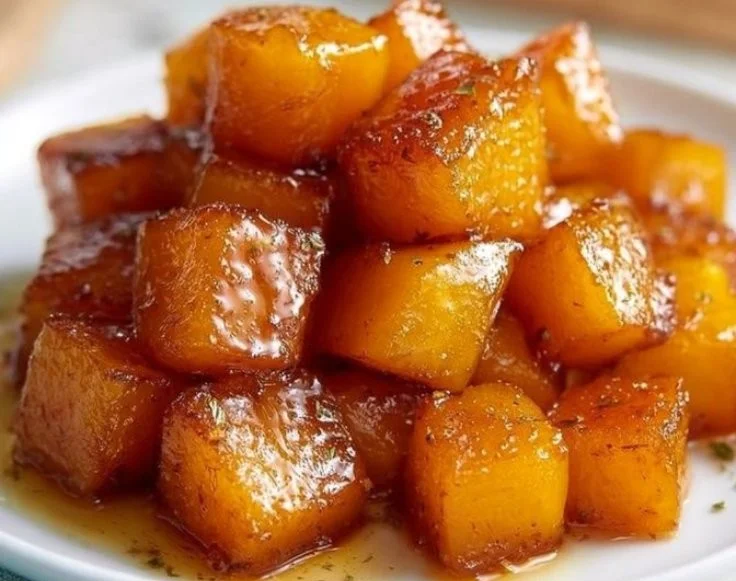
In terms of texture, you can expect a wonderful contrast. The roasting process yields a tender interior that practically melts in your mouth, while the exterior develops a slightly crispy texture, thanks to the caramelization of the sugars and the browning effect of the roasting. The visual appeal is also notable; the caramelized corners of the squash provide a lovely color that contrasts with the rich golden hue of the squash itself.
Recognizing success in this dish comes down to looking for specific visual signals. Tenderness is key—each piece of squash should be easily pierced with a fork. Additionally, the perfect caramelization will yield a lovely golden-brown crust without any burnt bits. Both of these indicators will assure you that your dish is a success and that all the nuances of flavor and texture are well-balanced.
Pro Tips
Even small adjustments in technique can significantly enhance the results of your caramelized butternut squash. Here are some suggestions to avoid common pitfalls and ensure your dish comes out perfectly.
| Tip | Description |
|---|---|
| Choose fresh squash | Opt for a firm, heavy butternut squash free of blemishes. Fresh squash has a sweeter taste, while older ones may be bland and fibrous. |
| Cube uniformly | Cut squash into even cubes to promote even cooking. Uneven sizes may result in some pieces being overcooked while others are underdone. |
| Avoid overcrowding | Space squash cubes out on the baking sheet to ensure they roast rather than steam. This way, each piece can caramelize properly, enhancing flavor. |
| Monitor closely | Keep an eye on the squash as it roasts, especially in the last few minutes; it’s easy to cross the line from perfectly caramelized to burnt if left unattended. |
As an additional tip, consider lightly tossing the squash cubes halfway through the roasting process to achieve more uniform caramelization. This technique will ensure that all surfaces have an equal chance of browning. Moreover, if you find that your squash isn’t as sweet as you’d like, feel free to add an extra sprinkle of brown sugar before roasting to elevate its flavor.
Why You’ll Love This Recipe
There are numerous reasons to fall in love with caramelized butternut squash. First and foremost, it offers a delightful flavor that appeals to those who enjoy sweet dishes. The caramelization process creates a rich sweetness that enhances the natural flavor of butternut squash, making it an instant hit among family and friends alike. Its appealing texture, with tender interiors and crispy edges, guarantees a satisfying mouthfeel in every bite.
Not only is this dish delicious, but it is also incredibly easy to prepare. As it requires only a handful of ingredients and straightforward instructions, making it an excellent choice for novice cooks. There’s minimal kitchen equipment required, so cleanup is a breeze. Whether you’re cooking for yourself or entertaining guests, this dish will contribute to an impressive meal without overwhelming your schedule.
Moreover, caramelized butternut squash is versatile enough for various occasions. It can transition seamlessly from a casual weeknight family dinner to a more formal holiday meal. Its vibrant colors make it a visually stunning addition to the table and allow it to pair beautifully with other dishes. You could serve it alongside roasted chicken, a rich stew, or even as part of a wholesome salad.
Lastly, the ingredient profile is highly accessible. Most grocery stores carry butternut squash year-round, and the other ingredients are staples that you may already have in your pantry. This convenience allows you to whip up this dish on a whim without a special trip to the store. Embrace this easy, delicious recipe and bring joy to your dining experience.
How to Serve Caramelized Butternut Squash
Caramelized butternut squash is not only a delicious dish but also a beautiful one that deserves attention when it’s time to serve. To present it attractively, consider using a serving platter that enhances the warm hues of the squash. A white or rustic wooden plate can create a stunning contrast against the vibrant orange and golden tones of the caramelized squash. Adding fresh herbs like parsley or thyme on top can introduce a touch of color as well as an herbal aroma that elevates its appeal.
When serving, this dish pairs remarkably well with various mains. For a festive occasion, consider serving it alongside roasted turkey or grilled chicken. The sweetness of the squash complements savory proteins beautifully. If you’re looking for vegetarian options, it can be a delightful addition to a grain bowl, paired with quinoa, mixed greens, or other roasted vegetables. Moreover, it shines as a side dish for holiday meals, gathering festive flavors at Thanksgiving or Christmas dinners.
As for portioning, consider serving this dish in generous spoons or using a small ladle to scoop them onto individual plates. This allows guests to take their desired amount and makes serving simpler. If you’re preparing a buffet-style meal, display the squash in a large bowl with a serving spoon, letting diners serve themselves alongside other offerings.
Lastly, consider complementary flavors and tastes in your beverage choices. Light-bodied red wines, sparkling apple cider, or herbal teas would harmonize beautifully with the sweet and savory aspects of caramelized butternut squash. This ensures that every element on the dinner table works in concert for an enjoyable dining experience.
How to Store Caramelized Butternut Squash
Storing your leftover caramelized butternut squash properly is essential to maintain its flavor and texture. The first step is to allow the dish to cool to room temperature before packaging it. This patience avoids condensation in storage containers, which can negatively affect the texture upon reheating. Transfer the leftover squash to an airtight container if you plan to use it within the next three to five days. Labeling the container with the date can help you keep track of freshness.
For longer-term storage, consider freezing individual portions of the squash in freezer-safe bags. Carefully remove excess air before sealing the bags to prevent freezer burn. Properly stored, caramelized butternut squash can last up to three months in the freezer. However, be aware that the texture may change slightly upon reheating from freezing. It’s best used in mixed dishes rather than as a standalone side dish after freezing.
Even after refrigeration or freezing, expect the squash to lose some of its original crispness. While refrigeration will keep it relatively tender, the sweetness will remain; still, it might not have the same caramelized finish when reheated. Reheating in the oven is preferable, as it promotes some caramelization and retains a bit of texture. Avoid microwaving if you want to keep those crispy edges, as they may become chewy.
Ensure that any stored leftovers are consumed promptly, and do not forget to check for any off-odors or signs of spoilage before consuming them after storage. With proper storage techniques, you can enjoy this delightful dish even after its initial preparation.
Tips to Make Caramelized Butternut Squash
When making caramelized butternut squash, the goal should always be to achieve a vibrant flavor and the perfect texture. Here are some useful tips all aimed at perfecting your dish:
First, ensure your butternut squash is fresh. The flavor will be sweeter and more vibrant with the proper ripeness, directly affecting the taste of the final dish. When purchasing, look for squash that feels heavy and firm with a smooth surface, free from blemishes or soft spots.
While cutting the squash, take care to create uniform pieces. This reduces the risk of uneven cooking, where some pieces might become mushy while others remain too firm. Aim for cubes around the same size, approximately 1-1.5 inches, to allow the heat to penetrate and cook them evenly.
Next, pay careful attention to the timing. Keep an eye on the squash as it roasts and begin checking for doneness a few minutes before the minimum cooking time. Each oven is different, and you want to achieve that perfect balance between tenderness and caramelization without crossing into burnt territory.
Lastly, don’t hesitate to customize your seasoning. While the provided recipe is excellent, you can experiment with other spices that you might enjoy. Smoked paprika, fresh herbs, or a hint of nutmeg can provide a delightful twist. Cooking is all about personal touches, and creating a version that speaks to your palate can enhance your relationship with the meal.
Variations and Substitutions
One of the great joys of cooking lies in the ability to customize. This butternut squash recipe has many opportunities for variations and substitutions that can infuse new life into the dish.
For vegetarians, additional ingredients can be easily incorporated to create a more substantial dish. Adding chickpeas or black beans would increase protein content and create a complete meal. Tossing in some diced apples or pears adds sweetness and texture, resulting in a sometimes unexpected but delicious combination.
If you’re looking to reduce sugar, consider using a sugar substitute like Stevia or Erythritol without compromising on taste. While this will change the flavor profile slightly, it allows for less impact on blood sugar levels while still getting the sweet essence that complements squash.
For those on a gluten-free diet, this dish is naturally gluten-free, but you could serve it over quinoa or brown rice for added bulk. While ensuring that added grains remain gluten-free, you keep the focus on wholesome ingredients without sacrificing satisfaction in the meal.
Lastly, spice lovers might want to experiment with adding chili powder, cayenne, or cumin. These spices can contrast beautifully with the sweetness of the squash, creating a delightful layer of flavor. Start small with these spices until you find the perfect balance for your palate.
Storage and Reheating
When it comes to reheating caramelized butternut squash, different methods come into play depending on what you prefer. If you’ve stored the leftovers in the refrigerator, the best way to reheat is in the oven. Preheat your oven to 350°F (175°C), then spread the squash in a single layer on a baking sheet. Choose a shorter time, around 10-15 minutes, checking frequently to avoid overcooking. This method helps maintain the squash’s moisture while also promoting a slightly crispy texture on the exterior.
If time is of the essence and you’re working with a busy schedule, a microwave can be an option. Use a microwave-safe dish and cover it with a lid or microwave-safe wrap. Heat for short intervals of 1-2 minutes, stirring in between. While this method is quicker, it does run the risk of making the squash lose some of its texture and not achieving the same level of caramelization.
Another great reheating technique is using a skillet on the stovetop. Heat a pan over medium heat, then add a small drizzle of olive oil or a splash of water to prevent sticking. Add in the squash and let it heat up, stirring every few minutes until warmed through. This method provides the opportunity to achieve a bit of crispiness, similar to the oven method while reheating.
Whatever reheating method you choose, be mindful to avoid excessive heat that can lead to dryness. If you find that the squash appears too dry, adding a sprinkle of water or olive oil during reheating can help maintain moisture and tender texture, keeping every bite enjoyable.
Customization Ideas
Customization can be a fun part of cooking, especially when you’re preparing a dish like caramelized butternut squash. There are so many ways to adjust flavor profiles and make this dish your own. Here are several ideas to inspire your unique culinary creation.
One option is to introduce toppings or garnishes that enhance both flavor and presentation. Consider a sprinkle of feta cheese or goat cheese crumbles over the top for a creamy contrast to the sweet squash. Adding toasted nuts, like walnuts or pecans, adds a delightful crunch as well as extra nutrition—making it perfect for serving at gatherings or added as a hearty meal component.
Making the dish heartier can include stirring in kale or spinach toward the end of its cooking time. This addition not only boosts the nutrition aspect, filling your plate with vibrant greens, but the leafy texture will contrast nicely with the squash. The flavors meld together beautifully, offering a satisfying dish full of color and nutrition.
If you want to give the dish an international twist, consider infusing Indian or Thai spices. A touch of curry powder or Thai curry paste mixed in with olive oil can transform the flavor while still allowing the sweet notes to shine through. The combination of these flavours can create an exhilarating culinary experience.
Lastly, think about experimenting with different cooking methods. Instead of roasting, try grilling your cubed butternut squash, which creates a delightful smoky flavor and impressive char marks. Alternatively, you might sauté the squash cubes on the stovetop for a quick and equally tasty dish. Each method represents a distinct way to enjoy butternut squash, giving you room to play with flavors and cooking techniques.
Common Mistakes to Avoid
Cooking butternut squash can seem simple, but even seasoned cooks might make a few common mistakes. Being aware of these can help you achieve the best possible results with your caramelized dish.
One frequent error is neglecting proper squash selection. Choosing a squash that’s too soft, old, or blemished can lead to bland and unsatisfactory flavors. Always opt for firm vegetables with smooth skin; inspecting for ripeness is crucial for maintaining sweetness in the final dish.
Another mistake is incorrect cutting of the squash. Not cutting the squash into evenly sized cubes may result in uneven cooking—where some pieces turn mushy while others remain firm. Making an effort to cut uniformly will enhance overall texture and mouthfeel after roasting.
During the roasting process, the temptation to overcrowd the baking sheet can arise. However, when pieces are too close together, they trap steam and cook unevenly instead of caramelizing. Ensure that your squash has enough space on the tray to promote proper roasting and browning, achieving that delicious caramel crust you want.
Lastly, not monitoring the roasting time and temperature can lead to missed opportunities for optimal flavor. Each oven is different, so it’s essential to keep an eye on the squash to avoid crossing the line from nicely caramelized to charred. Checking for tenderness and visual cues will help achieve that perfect golden brown without burning.
Serving Occasions
Given its versatility, caramelized butternut squash is suitable for a variety of occasions. Whether you’re enjoying a quiet weeknight dinner or hosting friends for a weekend brunch, this dish can adapt to many meals. Its flavor profile allows it to slide seamlessly alongside various entrees, making it a fantastic companion on the table.
At holiday gatherings, such as Thanksgiving or Christmas, this dish shines as a festive side. The beautiful colors and the sweetness will complement traditional meats, giving your meal a well-rounded flavor experience. Especially during the autumn and winter months, this dish can serve as a welcome addition to any seasonal menu.
For casual lunches or dinner parties, caramelized butternut squash can elevate simple fare, offering an impressive yet easy-to-make side. Pair it with salads or a buffet-style main course to allow guests to sample different dishes. Its sweet notes will resonate with anyone favoring rich flavors, ensuring they return for seconds.
Finally, it’s also an excellent choice for leisurely meal prep. With its simplicity and ability to last a few days in the fridge, it can be prepared ahead of time, allowing for easy re-heat options when needed. This capability suits busy schedules perfectly, so you can enjoy delicious, home-cooked meals without sacrificing time between work and personal commitments.
Why Make This Recipe?
This caramelized butternut squash recipe is truly a standout because of its harmonious blend of flavors and straightforward preparation. The rich sweetness of the squash combined with the brown sugar creates a delightful balance that is difficult to find in many side dishes. Moreover, when you can achieve such complexity in flavor with just a few ingredients, it becomes an appealing option for any meal.
Another practical reason to add this dish to your cooking rotation is that it is endlessly flexible. Whether you serve it as a side to your favorite protein, incorporate it into a grain bowl, or use it as an element in a mixed vegetable medley, its adaptability allows it to complement other dishes harmoniously. This variety means you can enjoy the dish frequently without getting bored, allowing you to modify it according to any dietary preferences like vegetarian or gluten-free.
Additionally, the cooking skills you cultivate while making this recipe will serve you well as you continue to explore more complex dishes. Understanding the art of caramelizing vegetables, identifying proper roasting techniques, and recognizing flavor pairings all contribute to becoming a well-rounded home cook. This recipe lays an excellent foundation you can build upon as you master culinary techniques, paving the way for future culinary adventures.
Make-Ahead Preparation
For busy weeknights or special occasions, making this dish ahead of time can be a huge advantage. While the butternut squash can be roasted fresh, preparing some components earlier in the day or even days prior can significantly ease the process. One method is to clean and chop the squash in advance. Just be sure to store any cut squash in water or an airtight container to ensure it stays fresh and prevents browning.
If preparing the entire dish ahead of time, roast the squash, allow it to cool completely, and store it in an airtight container in the refrigerator. It will keep well for three to five days without losing its flavors. Just remember that when reheating, some of the crispness may be lost, but you can bring back some texture with proper reheating techniques.
On the day of serving, reheat the squash as described earlier, ensuring that it reaches an appropriate serving temperature without overcooking. This prepares a delicious side without sacrificing quality and allows you to enjoy the sides without feeling rushed when preparing other parts of the meal.
Equipment and Kitchen Preparation
You won’t need an extensive array of equipment to prepare caramelized butternut squash, but having some standard kitchen tools will certainly help streamline the process. A sharp knife is essential for cutting through the tough skin of the squash, so choose a chef’s knife that you’re comfortable with. A sturdy cutting board is also advisable to keep the surface secure as you chop.
Having a large mixing bowl will facilitate tossing the squash with the olive oil and seasonings. This step allows for thorough coating and an even distribution of flavors across the squash pieces. For baking, opt for a sheet pan or a large baking dish; using a parchment-lined pan ensures that your squash won’t stick, leading to easier dish cleanup.
It’s also a good idea to have measuring spoons on hand to ensure accurate seasoning, though again, feel free to adjust seasonings to your taste. Finally, an oven mitt and spatula will be helpful for safely removing the baking sheet from the oven and serving the squash once it’s golden brown and ready.
FAQs
1. Can I use a different type of squash?
Yes, while butternut squash is recommended for its sweet flavor and texture, you can experiment with other varieties like acorn or delicata squash. However, cooking times may vary, so keep an eye on their tenderness.
2. Is there a substitute for brown sugar?
If you don’t have brown sugar, you can use granulated sugar as a substitute, but the flavor will be slightly different. Adding a teaspoon of molasses can help mimic the caramel notes typical of brown sugar.
3. Can I make this recipe vegan?
Yes, this recipe is already vegan since it doesn’t use any animal products. Just ensure that any additional ingredients you choose to add are also vegan-friendly.
4. How can I tell when the squash is done roasting?
The squash will be fork-tender and slightly caramelized when it’s done. Keep an eye out for a golden-brown color and a texture that is soft enough to pierce easily with a fork.
5. Can this dish be served cold?
While it is typically served warm, caramelized butternut squash can also be enjoyed cold in salads or as a snack. The flavors may become milder when cooled down, but it’s still delicious.
6. Is there a way to enhance the sweetness?
If you’d like a sweeter dish, feel free to add a bit more brown sugar just before roasting or drizzle some maple syrup over the final product for a more intense flavor.
7. How should I store leftovers?
Store any leftover roasted squash in an airtight container in the refrigerator for 3-5 days. It may lose some crispness over time, but you can reheat it to restore some texture.
8. Can I freeze caramelized butternut squash?
Yes, you can freeze the squash. Place pieces in a freezer-safe bag, carefully expelling excess air, for up to three months. Just remember that texture may change upon reheating.
Disclaimer
Nutritional information is approximate and may vary based on ingredient brands, substitutions, portion sizes, and preparation methods.