
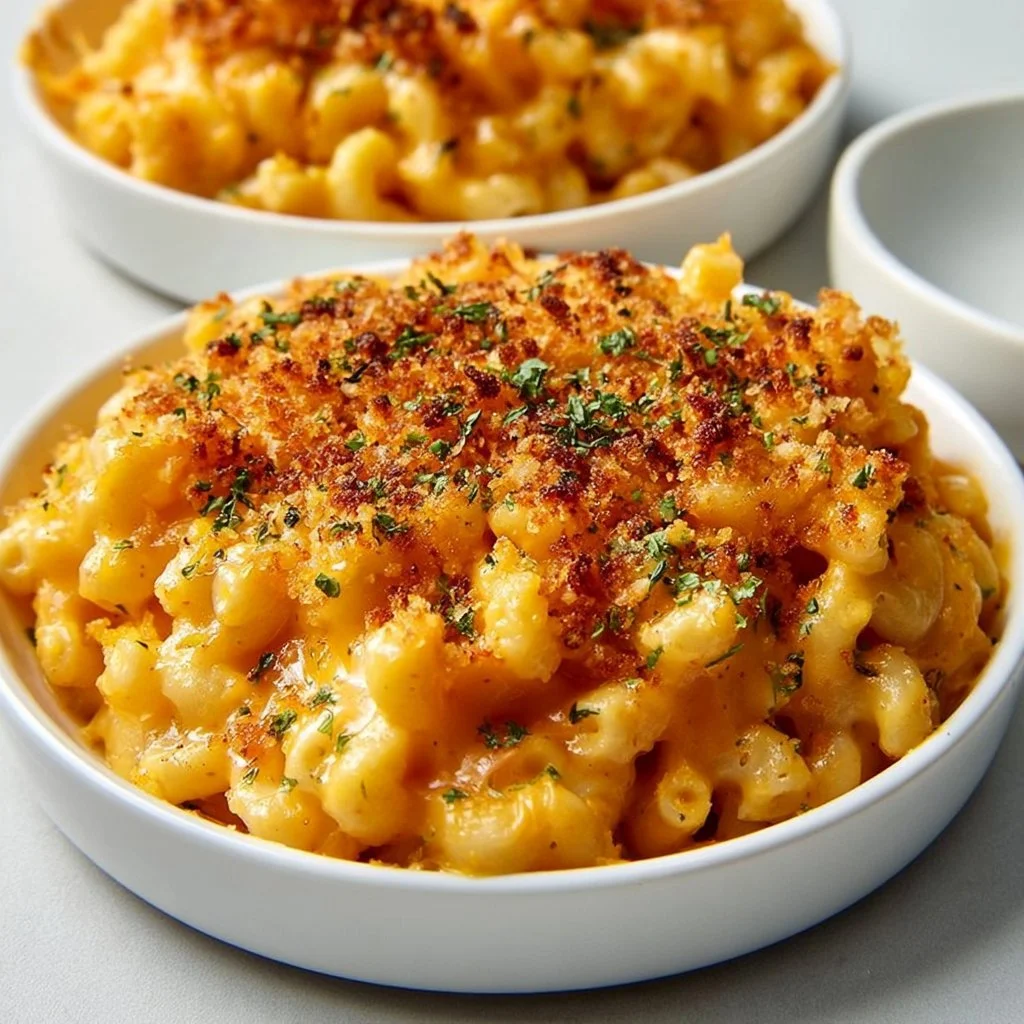
Butternut Squash Mac and Cheese
There’s something undeniably comforting about mac and cheese. It’s a classic dish that has captured the hearts—and stomachs—of many. However, when this beloved comfort food gets a makeover with butternut squash, it rises to a new level. Butternut squash mac and cheese is a vibrant, creamy, and flavorful alternative that not only pleases the palate but also nourishes the body with its healthy ingredients. The natural sweetness of butternut squash blends seamlessly with the sharpness of cheese, creating a delightful contrast that lingers pleasantly on the taste buds.
The dish is characterized by its creamy texture, which comes from a silky butternut squash puree combined with milk and cheese. The squash adds a light sweetness that complements the savory cheese, making each bite enjoyable and satisfying. You can expect a beautiful golden-orange hue in the final dish, thanks to the squash, which adds visual appeal as well. The macaroni is enveloped in a luscious sauce, creating a blend that feels indulgent yet wholesome.
This mac and cheese variation is perfect for both ordinary family dinners and special occasions. It’s an excellent choice for a hearty lunch, a cozy dinner, or even as a side dish for Thanksgiving gatherings. Furthermore, it’s kid-friendly, making it an ideal meal choice for families trying to sneak more vegetables into their children’s diets. With its creamy allure and comforting familiarity, butternut squash mac and cheese is a dish designed to impress and satisfy.
What Makes This Recipe Special
What sets butternut squash mac and cheese apart from a traditional version is its unique combination of ingredients and the delightful flavor profile that results from them. The body of the sauce is created from creamy butternut squash puree which replaces some or all of the heavy cream often found in classic recipes. This not only adds a hint of sweetness but also provides a rich texture that complements the gooey cheese. The squash, when blended smoothly, offers a luxurious mouthfeel without the addition of excessive fats, making this dish a healthier comfort food option.
Moreover, butternut squash mac and cheese is an excellent showcase of how a few simple ingredients can create a dish that’s rich in flavor and nutrition. Unlike standard mac and cheese that relies heavily on cheese alone, this recipe introduces the natural sweetness and earthiness of squash, which works harmoniously with the pasta and cheese. The slight nuttiness of the butternut squash enhances the overall taste, offering depth that traditional versions often lack.
In contrast to other creamy pasta dishes, this butternut squash variation brings an exciting twist that could entice even the pickiest eaters. It bridges the gap between comfort food and nutritious eating, making it an appealing choice for health-conscious diners. Furthermore, this dish stands out in presentation; its bright color and inviting aroma contribute to its uniqueness, creating a memorable experience for any meal.
Ingredient Overview and Helpful Notes
Each ingredient in butternut squash mac and cheese plays a vital role in contributing to the overall flavor, texture, and nutritional profile. The star of the dish is, of course, the butternut squash. When choosing a squash, look for one that feels heavy for its size, with a smooth skin and a firm structure. This indicates freshness and the best flavor. The size of the squash should be medium, as a larger squash may have a slightly grainier texture.
Next, the macaroni noodles traditionally used in this recipe provide the foundational base. Opt for whole wheat pasta for an added nutritional boost, which lends fiber to the dish. The versatility of macaroni means you can experiment with various shapes, but small pasta shapes are ideal for holding the cheese sauce effectively.
Vegetable broth adds dimension to the squash during the cooking process. Using a low-sodium broth helps maintain flavor control by allowing you to adjust the seasoning better. The milk (or non-dairy alternative) contributes creaminess without overwhelming richness and helps balance the dish. Choosing a dairy-free milk, such as almond or oat milk, can cater to dietary preferences while still ensuring a quality texture.
Finally, shredded cheddar cheese is essential for lending its characteristic depth of flavor to the dish. It’s best to use high-quality cheese or even a blend of cheeses to achieve the desired creamy outcome. Lastly, the optional breadcrumbs for topping add a delightful crunch, which contrasts beautifully with the soft macaroni and creamy sauce. When selecting any ingredients, freshness and quality directly impact the final result.
Nutrition & Recipe Details
Nutritional values may vary depending on specific ingredients, brands, portion sizes, and preparation methods used. Here’s a general overview:
| Item | Value |
|---|---|
| Prep time | 15 minutes |
| Cook time | 30 minutes |
| Store time | 3-4 days in refrigerator |
| Calories | 450 (per serving) |
| Protein | 15g |
| Carbohydrates | 60g |
| Fat | 15g |
How to Make Butternut Squash Mac and Cheese
Creating this creamy dish is an enjoyable process that involves simple steps. Start by gathering all your ingredients and equipment. Having everything prepared and at hand will streamline the cooking process, preventing any last-minute scrambling. You’ll need a large pot for boiling the macaroni and another pot for cooking the butternut squash, along with measuring cups, a blender or food processor for making the squash puree, and a mixing bowl for combining everything at the end.
Ingredients
| Ingredient | Quantity |
|---|---|
| Macaroni | 8 ounces |
| Butternut squash | 1 medium |
| Vegetable broth | 2 cups |
| Milk (or non-dairy milk) | 1 cup |
| Shredded cheese (cheddar or dairy-free alternative) | 1 cup |
| Butter or olive oil | 2 tablespoons |
| Garlic, minced | 2 cloves |
| Salt and pepper | to taste |
| Breadcrumbs (optional for topping) | as desired |
Before starting the cooking process, prepare the butternut squash by peeling it carefully, as the skin can be tough. Cut it into cubes after peeling, which will make it easier to cook. You can also measure out the macaroni, cheese, broth, and milk. Mince the garlic, as this will need to be sautéed for flavor enhancement. Properly measuring and preparing your ingredients ensures that everything moves seamlessly from one step to the next, leading to a more enjoyable cooking experience.
Step-by-Step Instructions
-
Cook the macaroni: Begin by filling a large pot with water, adding a pinch of salt, and bringing it to a rolling boil. Once boiling, add the macaroni and cook according to the package instructions, usually around 8-10 minutes. Stir occasionally to prevent sticking. Once cooked to al dente, drain the pasta and set it aside.
-
Prepare the butternut squash: In a separate pot, add the cubed butternut squash along with the vegetable broth. Bring it to a gentle simmer over medium heat. Allow the squash to cook for approximately 15-20 minutes or until it becomes fork-tender. You’ll know it’s ready when you can easily pierce it with a fork.
-
Blend the squash: When the squash is tender, carefully transfer it to a blender or food processor. Add the milk and blend until the mixture is perfectly smooth. The goal is to achieve a creamy consistency that will coat the macaroni. If the puree is too thick, feel free to add a bit more milk to reach your desired texture.
-
Sauté the garlic: In a large saucepan, melt the butter or heat the olive oil over medium heat. Add the minced garlic and sauté for about 1-2 minutes until fragrant, being careful not to let it brown. This step brings out the wonderful aroma and flavor of the garlic, enhancing the overall dish.
-
Combine the squash and cheese: Pour the blended squash mixture into the saucepan with the sautéed garlic, stirring to combine. Add the shredded cheese to the mixture gradually while heating it, allowing the cheese to melt fully and incorporate into the sauce. Keep stirring gently until the sauce is smooth and creamy.
-
Mix with macaroni: Add the drained macaroni to the cheesy butternut squash sauce, mixing until every piece of pasta is well coated. Taste the mixture and season with salt and pepper as desired.
-
Optional topping: If you want a crunchy top, transfer the mac and cheese mixture into a baking dish and sprinkle breadcrumbs over the top.
-
Bake: Preheat your oven to 350°F (175°C). Place the baking dish in the oven for about 15 minutes, or until the top is golden and slightly crispy. This step is optional, but it adds a lovely texture and visual appeal to the dish.
-
Serve: Once it’s done baking, let it cool for a minute before serving. You can serve it warm, garnished with some fresh herbs or additional cheese if desired. Enjoy the creamy butternut squash mac and cheese as a comforting main dish or side.
Understanding the Flavor and Texture
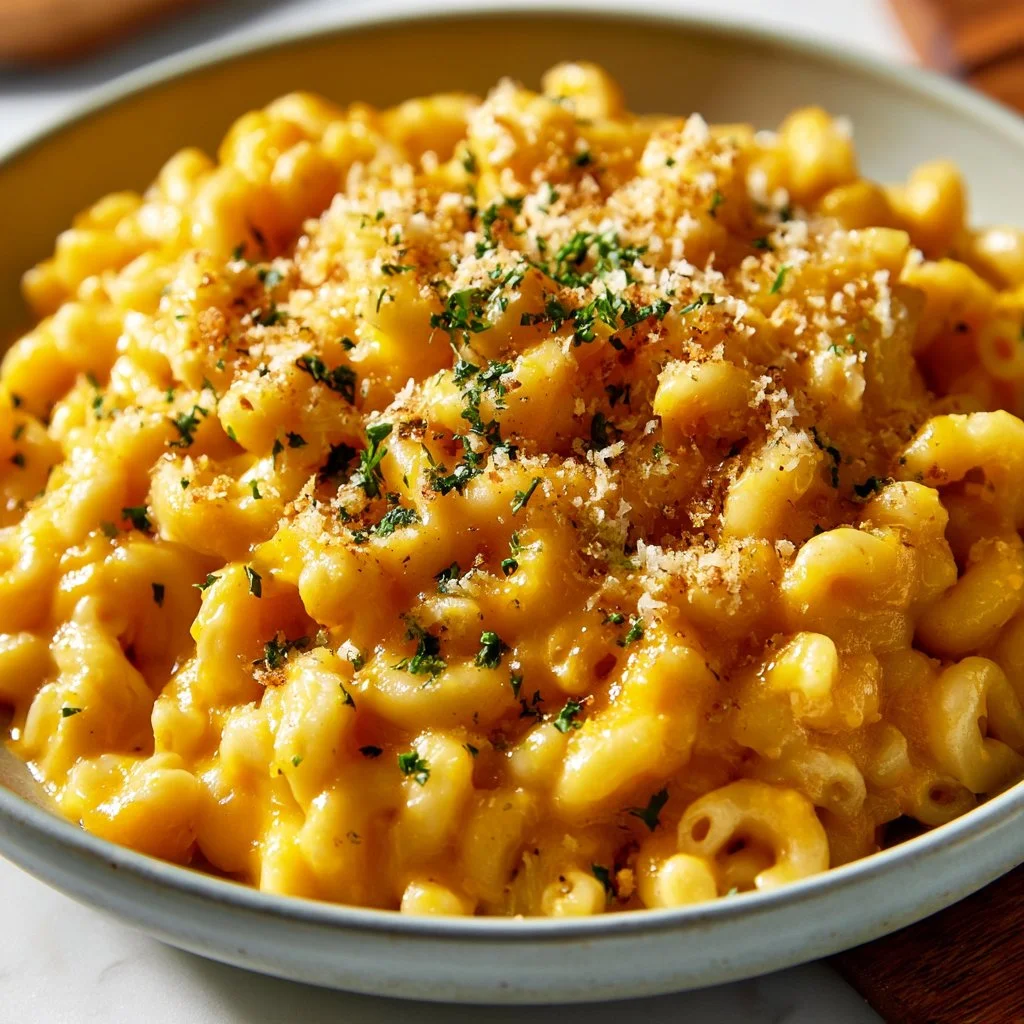
The finished butternut squash mac and cheese presents a delightful balance of flavors and textures that make it exceptionally appealing. The creamy sauce offers a rich, velvety mouthfeel that hugs each piece of macaroni while the inherent sweetness from the squash enhances the dish without making it overly sweet. The sharpness of the cheese enhances the overall flavor, creating a satisfying savory experience.
In terms of appearance, the dish features a vibrant yellow-orange color from the butternut squash, inviting you to indulge. When baked, the optional breadcrumb topping adds a wonderful golden crust that provides a satisfying crunch, contrasting beautifully with the softer elements of the dish.
The combination of melted cheese and the pureed squash ensures that each bite remains creamy and rich without feeling heavy. When it comes to recognizing a successful version of this recipe, look for a smooth sauce that clings nicely to the pasta, no dryness or separation should be evident. The dish should ideally be moist and juicy, without being overly watery or runny, and should maintain an inviting aroma that beckons you to take a bite.
Pro Tips
A few small techniques can significantly elevate your butternut squash mac and cheese, ensuring the final dish is nothing short of perfection.
| Tip | Description |
|---|---|
| Choose the right squash | Select a medium butternut squash that feels heavy and firm. This will ensure the best flavor and texture for your dish, making for a sweeter and creamier sauce. |
| Incorporate various cheeses | Experiment with a blend of cheeses such as sharp cheddar, gouda, or Monterey Jack for added flavor complexity and richness in your sauce. |
| Don’t rush the blending | Make sure to blend the squash until completely smooth. This step is crucial for achieving a velvety sauce that coats the pasta well. |
| Season generously | Make sure to taste your sauce before mixing it with the macaroni. Adding salt and pepper at this stage ensures that the flavors are balanced and enjoyable in each bite. |
In addition to these tips, consider adding fresh herbs like thyme or sage into the cheese mixture for an aromatic, elevated flavor profile. A good splash of nutmeg can also enhance the dish’s overall taste, as the warmth from the spice complements the creamy sauce perfectly. Watch the baking time if you add crunch toppings to ensure it doesn’t overcook; a golden color indicates ideal doneness.
Why You’ll Love This Recipe
This butternut squash mac and cheese offers a heartwarming blend of flavors and textures that appeal to both adults and kids alike. The smooth, creamy sauce envelops the macaroni in pure comfort while introducing the health benefits of butternut squash without compromising the satisfying qualities of traditional mac and cheese. The balance of sweetness and savory elements captivates the palate, ensuring that each bite retains interest.
Furthermore, it’s incredibly versatile and easily adaptable to suit your dietary preferences. Whether you’re looking for a vegetarian option, a gluten-free version by using gluten-free pasta, or even a vegan twist with non-dairy substitutes, this recipe can be modified with minimal effort. This flexibility makes it an ideal choice for any occasion, from family meals to dinner parties.
This recipe is also easy to prepare, making it a great choice for home cooks of all skill levels. With straightforward steps, minimal cleanup, and delightful results, it fits perfectly into a busy weeknight routine or as part of meal prep. It can easily become a staple in your cooking repertoire, providing an accessible way to enjoy an upgraded twist on a classic favorite.
How to Serve Butternut Squash Mac and Cheese
When it comes to serving butternut squash mac and cheese, presentation plays a vital role in enhancing the overall dining experience. To create a pleasing plate, consider using a beautiful ceramic or cast-iron dish that keeps the mac and cheese warm. You can serve it directly from the baking dish, allowing guests to help themselves, or plate individual servings for a touch of elegance.
For a complementary side dish, consider offering a fresh green salad dressed in a light vinaigrette. The acidity from the dressing will balance the richness of the mac and cheese. Grilled or roasted vegetables, like zucchini or asparagus, also make for perfect accompaniments, providing additional nutrients and colors to the plate.
If you prefer to take on a more casual approach, serving it with crusty bread for dipping can be delightful, especially when creating a cozy family dinner atmosphere. For a more festive event, pair with sparkling cider or a fruit-infused lemonade to bring a refreshing brightness alongside the creamy dish.
Decoratively, adding a sprinkle of fresh herbs, such as parsley or thyme, as a garnish on top before serving not only adds visual appeal but also elevates the dish’s flavor profile. This small touch can impress guests while adding layers of taste to every serving.
How to Store Butternut Squash Mac and Cheese
Storing leftovers of butternut squash mac and cheese requires careful handling to maintain flavor and texture. First, allow the dish to cool to room temperature after cooking. This step is crucial to prevent condensation and moisture buildup in the storage container.
For refrigerator storage, transfer any leftovers into an airtight container. This method protects against drying out and helps retain freshness. You can properly store the mac and cheese for about 3-4 days in the refrigerator. Before reheating, check for any signs of spoilage to ensure it’s still safe to consume.
If you intend to keep the dish longer, freezing is an option. Portion the mac and cheese into smaller, freezer-safe containers or freezer bags, leaving some space at the top for expansion. Frozen, the dish can last for about 2-3 months. When it’s time to enjoy it again, it’s best to thaw the mac and cheese in the refrigerator overnight before reheating.
Upon storage, keep in mind that the texture may change slightly after freezing. When reheating, you may notice it’s a bit denser than when freshly made; adding a splash of milk while reheating can help restore creaminess and prevent it from drying out.
Tips to Make Butternut Squash Mac and Cheese
To perfect your butternut squash mac and cheese, there are several cooking tips you can implement during its preparation. First, pay close attention to the cooking of the pasta. It’s essential to cook the macaroni al dente, as it will continue to cook slightly when mixed with the hot sauce. Overcooking at this stage may lead to mushy texture in the final dish.
When prepping the butternut squash, have a sharp knife handy. This will facilitate cutting through the tough skin and flesh. Take your time to cut it into even cubes to ensure even cooking during simmering.
While making the cheese sauce, remember that residual heat from the saucepan will help melt the cheese effectively. Add the cheese gradually while stirring, allowing it to incorporate smoothly without clumping. Should you encounter any clumps, removing the saucepan from heat momentarily may assist with melting.
Also, don’t forget to taste your sauce before combining it with the pasta. This is a vital step to checking for seasoning balance—adjust salt and pepper to taste, and feel free to experiment with spices like smoked paprika or chili flakes for a kick.
Variations and Substitutions
This mac and cheese recipe is wonderfully flexible and can be customized in various ways to suit different dietary needs and preferences. For a gluten-free option, substitute traditional macaroni with gluten-free pasta. Ensure that any additional ingredients, like breadcrumbs, are also gluten-free to maintain consistency.
For those looking to enhance the dish’s nutritional profile, consider adding vegetables to the mac and cheese. Spinach, kale, or even broccoli can be easily incorporated, providing a boost of vitamins and minerals. Simply steam or sauté these veggies and mix them into the cheese sauce along with the macaroni.
If you’re aiming for a lighter dish, you can reduce the amount of cheese used or substitute it with a dairy-free cheese alternative. Many brands now produce cheese substitutes that melt well and provide similar flavors without dairy. Alternatively, nutritional yeast can add a cheesy flavor without calories, wonderful for vegan diets.
For a spicier version, try adding jalapenos or a dash of hot sauce to the cheese sauce for an exciting kick. On the other hand, if you’re in the mood for an Italian twist, consider adding Italian herbs like oregano and basil, paired with sundried tomatoes or olives for a Mediterranean flare.
Storage and Reheating
To store butternut squash mac and cheese efficiently, portion the leftovers into appropriate containers after it has cooled. Ensure that they are airtight to avoid moisture absorption and maintain freshness. Proper refrigeration keeps the dish safe to eat for about 3-4 days, while frozen leftovers can last up to 3 months.
For reheating, you have multiple options. In the microwave, heat individual portions in short intervals, stirring in between to evenly distribute heat. Adding a splash of milk can help restore creaminess as the dish reheats. For oven reheating, set your temperature to 350°F and cover the dish with foil. This method helps retain moisture and prevents the top from overbaking.
Skillet reheating is another effective method; use medium-low heat and stir continuously while adding in a bit of liquid if needed. This approach can help regain the original creamy texture without drying out the pasta. Regardless of the method, always taste the reheated dish and adjust seasoning as necessary.
Customization Ideas
Beyond dietary needs, there are numerous ways to adjust the flavor, toppings, and presentation of butternut squash mac and cheese. If you want to switch up the cheese combination, consider experimenting with gruyere for a nutty flavor, or mozzarella for added stretchiness. Mixing cheeses can lead to unique variations that keep the dish exciting.
For toppings, try crushed nuts like toasted walnuts or almonds for extra crunch along with added nutrition. You might also sprinkle fresh herbs like chives, parsley, or even microgreens for a pop of color and freshness on top of the dish, enhancing both flavor and presentation.
To personalize the dish further, consider playing with spices. A sprinkle of garlic powder, onion powder, or even smoked paprika can alter the dish’s depth significantly. Infusing flavors with caramelized onions or sautéed mushrooms into the sauce can also yield a different take on the dish.
Lastly, for a touch of sophistication, serve butternut squash mac and cheese in individual ramekins or baked in small cast-iron skillets. This will elevate the dining experience while making it more visually appealing, perfect for gatherings with friends and family.
Common Mistakes to Avoid
Cooking can be a wonderfully creative experience, but it can also lead to mishaps if certain mistakes occur. By being mindful of the following potential pitfalls, you can ensure your butternut squash mac and cheese comes out perfectly every time:
-
Overcooking the pasta: If the macaroni is overcooked, it can become mushy and lose its texture. Cook the pasta to al dente, allowing for just enough bite.
-
Insufficient seasoning: A common issue in many dishes is underseasoning. Failing to taste as you go can result in bland flavors. Make sure to adjust the salt and pepper early on in the process.
-
Not blending the squash thoroughly: Leaving bits of unblended squash can lead to an uneven sauce. Ensure the mixture is very smooth for a creamy result.
-
Skipping the topping: Avoid missing out on the crunchy breadcrumb topping, as it adds a satisfying textural contrast that enhances the dish. If you want to include a topping, ensure it’s evenly distributed.
-
Storing improperly: Failure to allow the dish to cool before storing can lead to moisture buildup and spoilage. Make sure it’s cooled to room temperature first, then properly stored in airtight containers.
By keeping these common mistakes at bay, you can create a butternut squash mac and cheese that will impress anyone who tries it.
Serving Occasions
The versatility of butternut squash mac and cheese makes it suitable for a wide range of occasions. It’s an excellent option for busy weeknights when a quick and comforting meal is needed after a long day. This dish can easily become a family favorite, as it appeals to both parents and children with its delightful flavors and creamy texture.
For special gatherings, such as holiday dinners or potlucks, butternut squash mac and cheese stands out as a heartfelt dish that fosters a sense of nostalgia. Its vibrant color and flavor profile make it a fantastic accompaniment to various holiday staples, such as roasted vegetables or turkey.
At casual lunches or brunches with friends, serving smaller portions of the mac and cheese in mini cast-iron skillets adds a creative touch that elevates the dining experience. For dinner parties, it serves as a comforting main dish that pairs well with salads, grilled meats, or sides, offering a homey yet elegant feel to the event.
Whenever you’re looking to provide a warm, satisfying meal, this dish confidently fits the bill, making any occasion feel special.
Why Make This Recipe?
Choosing to prepare butternut squash mac and cheese instead of the standard version offers numerous benefits. This dish introduces creative culinary principles by incorporating healthier ingredients, allowing you to enjoy comfort food without guilt. The unique combination of butternut squash and cheese makes for a delightful twist that surprises even the most devoted traditionalists.
Its flexibility accommodates various dietary restrictions, with simple substitutions available for gluten-free, dairy-free, or vegan lifestyles. Not only does this allow everyone in your household or gathering to enjoy the dish, but it also encourages creative cooking by personalizing flavors and ingredients to suit individual needs.
Moreover, the straightforward preparation process ensures that even novice cooks can produce an impressive dish with little experience. Its visual appeal and indulgent taste can make a significant impact on your dining table without requiring hours of effort. Keeping the recipe in your cooking rotation offers a fresh, health-conscious option that satisfies cravings while elevating everyday dining into something truly special.
Make-Ahead Preparation
When preparing for busy days or gatherings, you can conveniently make ahead portions of this recipe. The butternut squash can be cooked and blended into a puree a day ahead, making the dish easier to assemble when you’re ready to serve. Store the puree in an airtight container in the refrigerator until you’re ready to combine it with the cheese and pasta. This not only streamlines the cooking process but also allows the flavors to deepen overnight.
You can also cook the macaroni ahead of time, mixing it with a small amount of olive oil to prevent sticking. Storing it in the refrigerator until assembly makes the final steps of the recipe incredibly quick and easy. If you’re preparing for a gathering, take an extra few minutes to combine and bake the dish right before serving for a warm, comforting meal everyone can enjoy.
Do keep in mind that while you can make ahead certain components, it’s best to bake the mac and cheese on the same day for optimal freshness and texture. If you do prepare it in advance, ensure it stays properly sealed to maintain its quality. This approach provides an effortless way to enjoy this delightful recipe when time is of the essence.
Equipment and Kitchen Preparation
For the perfect execution of butternut squash mac and cheese, having the right kitchen equipment will aid in your success. Ideally, you’ll need a large pot for boiling the macaroni, one or two pots for cooking the butternut squash, and a blender or food processor to achieve that smooth puree. A spatula is essential for scraping the sides of the blender and mixing the ingredients, while a large spoon or ladle can be helpful in combining the macaroni with the cheese sauce.
Using a good-quality non-stick saucepan is advantageous when making the sauce because it makes the cooking process smoother, minimizing the chances of sticking. It ensures that the garlic doesn’t burn, and the cheese melts evenly without clumping. A baking dish is also necessary if you opt for the toasted breadcrumb top, as this will allow for even browning.
Before starting to cook, ensure your workspace is organized. Gather all ingredients and utensils to reduce the risk of forgetting essential elements throughout the cooking process. Preparing everything in advance makes the process more efficient and enjoyable.
FAQs
-
Can I use frozen butternut squash?
Yes, using frozen butternut squash is convenient and will work well for this recipe. Just ensure to thaw it before blending, and adjust the amount of vegetable broth if necessary since it may release extra moisture while cooking. -
What type of cheese works best with this recipe?
While cheddar is the classic choice, feel free to experiment with different cheeses like gouda, Monterey Jack, or even a blend of several cheeses for a more complex flavor profile. -
Can I make this recipe vegan?
Absolutely! Substitute regular cheese with a high-quality dairy-free alternative and use non-dairy milk such as almond milk or oat milk. Make sure to also check that any other ingredients you use are vegan-friendly. -
How can I reheat leftovers without sacrificing texture?
To reheat leftovers, you can use the microwave, but the oven is preferable for maintaining creaminess. Adding a splash of milk while reheating will help restore moisture. Cover the dish with foil while it heats to retain moisture. -
How do I store leftovers?
After allowing the dish to cool, store it in an airtight container in the refrigerator for up to 3-4 days. You can also freeze it for longer-term storage, lasting up to 3 months. -
Can I add protein to this dish?
Yes! Grilled chicken, turkey, or even chickpeas can be added for a boost of protein. Simply mix them in with the macaroni before serving. -
What can I substitute for macaroni?
You can use other pasta shapes like shells, penne, or fusilli. If you’re looking for a gluten-free option, consider using gluten-free pasta varieties available on the market. -
How do I make healthy modifications?
To make this dish healthier, consider halving the amount of cheese used or using a homemade cheese sauce. You can also substitute some of the pasta with pureed or finely chopped vegetables such as spinach, kale, or cauliflower.
Disclaimer
Nutritional information is approximate and may vary based on ingredient brands, substitutions, portion sizes, and preparation methods.
Print
Butternut Squash Mac and Cheese
- Total Time: 45 minutes
- Yield: 4 servings 1x
- Diet: Vegetarian
Description
A creamy and vibrant twist on classic mac and cheese with butternut squash for added flavor and nutrition.
Ingredients
- 8 ounces macaroni
- 1 medium butternut squash, peeled and cubed
- 2 cups vegetable broth
- 1 cup milk (or non-dairy milk)
- 1 cup shredded cheddar cheese (or dairy-free alternative)
- 2 tablespoons butter or olive oil
- 2 cloves garlic, minced
- Salt and pepper, to taste
- Breadcrumbs (optional for topping)
Instructions
- Cook the macaroni: Boil water in a large pot, add salt, and cook the macaroni according to package instructions (8-10 minutes). Drain and set aside.
- Prepare the butternut squash: Simmer cubed squash in vegetable broth for about 15-20 minutes until tender.
- Blend the squash: Transfer cooked squash to a blender, add milk, and puree until smooth.
- Sauté the garlic: In a saucepan, melt butter or heat olive oil, add garlic, and sauté for 1-2 minutes until fragrant.
- Combine the squash and cheese: Stir the blended squash into the garlic, then gradually add cheese, mixing until melted and smooth.
- Mix with macaroni: Fold in the drained macaroni, seasoning with salt and pepper.
- Optional topping: Transfer to a baking dish, top with breadcrumbs if desired.
- Bake: Preheat oven to 350°F (175°C) and bake for 15 minutes until golden and crispy.
- Serve: Let cool slightly before serving. Enjoy your creamy butternut squash mac and cheese!
Notes
Can substitute any type of cheese and add veggies for extra nutrition. Adjust seasoning per taste.
- Prep Time: 15 minutes
- Cook Time: 30 minutes
- Category: Main Course
- Method: Baking
- Cuisine: American
Nutrition
- Serving Size: 1 serving
- Calories: 450
- Sugar: 8g
- Sodium: 400mg
- Fat: 15g
- Saturated Fat: 7g
- Unsaturated Fat: 5g
- Trans Fat: 0g
- Carbohydrates: 60g
- Fiber: 5g
- Protein: 15g
- Cholesterol: 30mg