
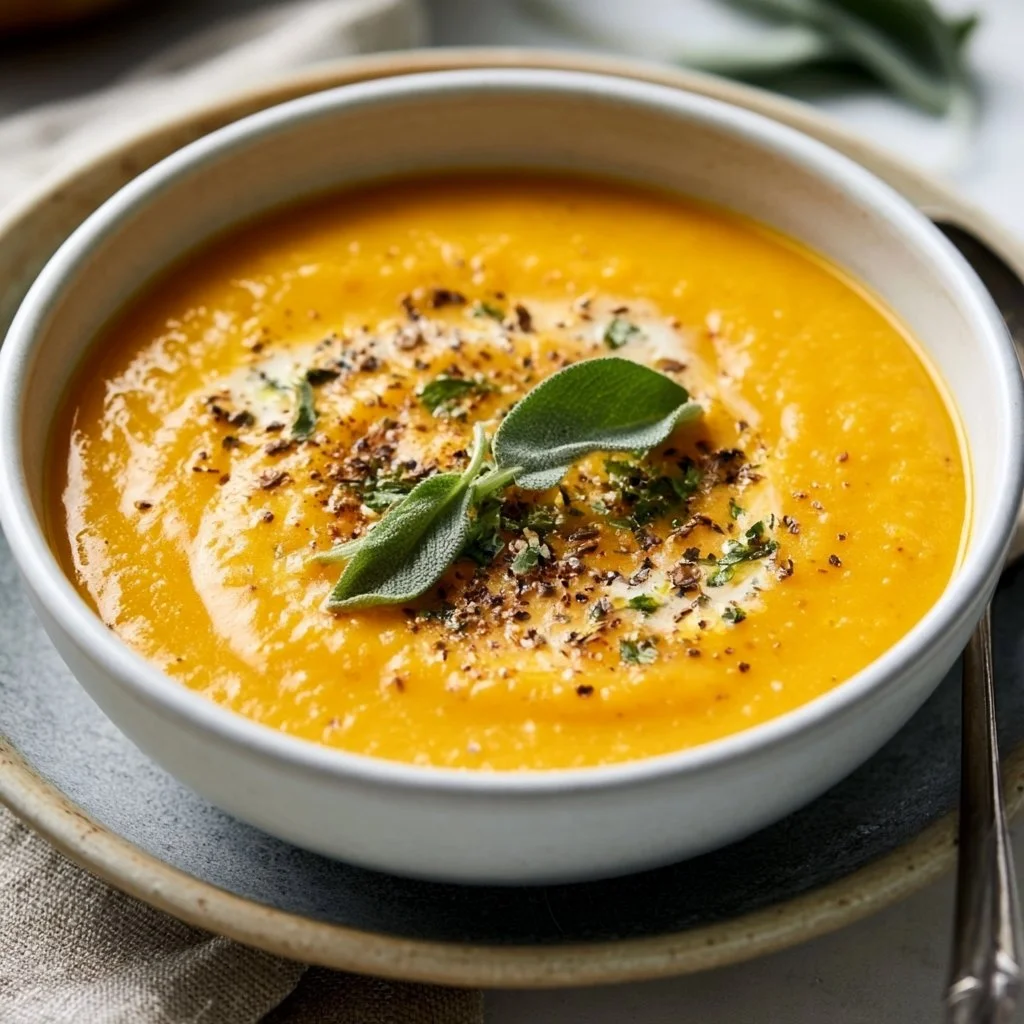
High Protein Butternut Squash Soup with Sage
Butternut squash soup is a beloved classic that combines the sweetness of squash with savory spices for a comforting bowl of warmth. This variation, featuring high protein and fragrant sage, takes the traditional recipe up a notch, making it not only delicious but also incredibly nutritious. The combination of roasted butternut squash with the earthy sage creates a harmonious balance that is rich in flavor while maintaining a creamy texture that is both satisfying and soul-soothing.
This particular recipe is especially appealing because it incorporates protein through the addition of cooked lentils, which not only enhances the soup’s nutritional profile but also adds a delightful texture. When served, the soup presents a vibrant orange hue, inviting and appealing, often topped with fresh herbs that double as a garnish and an aromatic enhancer. The first spoonful is guaranteed to create an experience filled with warmth, fullness, and a hint of herbal complexity that is often associated with fall and winter comfort foods.
High Protein Butternut Squash Soup with Sage can be enjoyed in various contexts. It is perfect for a family dinner, ideal as a starter for a holiday meal, or even as a comforting lunch during a chilly day. It serves well alongside crusty bread or a light salad, making it fit for both casual gatherings and more formal occasions. It’s a versatile dish that makes wholesome eating an effortless joy.
If you are looking to nourish your body while satisfying your taste buds, this soup is an excellent choice. Not only does it provide the essential nutrients your body craves, but it does so without sacrificing flavor. So, let’s dive into what makes this recipe truly special.
What Makes This Recipe Special
What sets this butternut squash soup apart from others is its unique blend of flavors and textures. The inherent sweetness of roasted butternut squash complements the slight smokiness and the warmth derived from ground cumin and ginger, which offers a wonderfully layered taste that is both comforting and complex. Meanwhile, the infusion of sage lends an aromatic quality that rounds out the flavor profile beautifully, making each spoonful an experience in itself.
Additionally, the inclusion of cooked lentils adds a high-protein element that transforms this soup from a simple dish into a hearty and filling meal. For those looking to maintain a nutritious diet, this makes the soup an optimal choice for lunch or dinner, as it provides the necessary protein to keep you feeling energized throughout the day. The lentils also contribute a creamy texture when blended, enhancing the overall mouthfeel of the dish without adding additional fat.
In comparison to other soup options that may leave you feeling only partially satisfied, this recipe addresses the hunger that often accompanies colder weather. Its protein-packed nature and filling qualities enable it to be not just an appetizer or a side dish but a main course that can stand on its own. Whether served in a large bowl with a sprinkle of fresh herbs or as part of a larger meal, the dish is bound to impress and delight.
Overall, the high-protein butternut squash soup with sage presents a nutritious alternative that is still packed with flavor. It encourages you to enjoy traditional comfort food while thinking about healthful choices, making it a go-to recipe in your repertoire.
Ingredient Overview and Helpful Notes
The primary components of this dish—butternut squash, onion, garlic, and lentils—each play a pivotal role in achieving the desired flavor, texture, and nutritional benefits. Butternut squash is known for its natural sweetness and smooth, creamy texture once cooked, while also being packed with vitamins A and C. Selecting a firm and heavy squash is essential; it should have a smooth, unblemished skin, free of soft spots or blemishes to ensure the best taste and nutrition.
Onions and garlic are foundational aromatics that add depth to the soup. They create a rich base of flavor that forms the backbone of many savory dishes, imparting sweetness and umami when sautéed. When selecting onions, look for bulbs that feel firm and heavy in your hand, indicating freshness. Fresh garlic should also be firm, with dry skins and no signs of sprouting, as sprouted garlic can lead to a bitter flavor.
The protein-rich lentils, when cooked beforehand, not only enhance the soup’s heartiness but also deliver dietary fiber, iron, and various B vitamins. If you are using dried lentils, soaking them for a few hours before cooking can reduce their cooking time and improve digestibility. The optional fresh herbs for garnish can be tailored to your preference—common choices like cilantro or parsley can add brightness, while fresh sage reinforces the dish’s signature flavor.
When preparing ingredients, ensure that all vegetables are washed thoroughly. After peeling the butternut squash, cutting it into even cubes ensures that it roasts uniformly, achieving that tender and caramelized effect in the oven. Alongside the physical characteristics of each ingredient, understanding how they interact during cooking will help create an even, flavorful soup. Avoid any substitutions that might alter the fundamental essence of the dish, such as replacing butternut squash with a different squash variety that may not have the same sweetness or texture.
In summary, carefully selecting and preparing your ingredients is essential to creating a balanced and delightful high-protein butternut squash soup with sage. Each component contributes not only to the flavor but also to the nutritional makeup of the dish—ideal for maintaining energy levels while basking in the comforts of home-cooked warmth.
Nutrition & Recipe Details
It’s important to note that nutritional values can vary based on the specific ingredients you choose, brands, portion sizes, and preparation methods. Always consider these factors when calculating the nutritional content of your meals. Below are estimated values for this high-protein butternut squash soup with sage.
| Item | Value |
|---|---|
| Prep time | 15 minutes |
| Cook time | 45 minutes |
| Store time | 5 days in the fridge |
| Calories | 300 calories (estimated per serving) |
| Protein | 15 grams (estimated per serving) |
| Carbohydrates | 45 grams (estimated per serving) |
| Fat | 8 grams (estimated per serving) |
Understanding these aspects makes it easier to appreciate the nourishing qualities of the dish while aligning your meals with your dietary goals. Always consider adjusting portion sizes according to individual needs, especially when serving different guests with varying preferences and nutritional requirements.
How to Make High Protein Butternut Squash Soup with Sage
Creating a satisfying butternut squash soup is a rewarding endeavor that becomes more enjoyable with the right preparation and organization. This dish emphasizes the beauty of simplicity while allowing the natural flavors of the ingredients to shine through. Prior to starting, gather all the necessary ingredients and equipment you’ll need for the cooking process. A large pot or Dutch oven is ideal for cooking the soup, while a baking sheet is required for roasting the squash. You may also want an immersion blender for easy blending or, alternatively, a standard blender if that’s what you have at hand.
To prepare, begin by preheating the oven to 400°F (200°C). This temperature is essential for roasting the squash to achieve tenderness and caramelization. While the oven heats up, you can wash and chop the ingredients, ensuring everything is ready to go when cooking begins. Have your vegetable broth at the ready; it will serve as the liquid base that harmonizes all flavors as they meld together.
Ingredients
| Ingredient | Quantity |
|---|---|
| Butternut squash, peeled and cubed | 1 medium |
| Onion, chopped | 1 |
| Garlic, minced | 2 cloves |
| Vegetable broth | 4 cups |
| Cooked lentils (optional) | 1 cup |
| Ground cumin | 1 teaspoon |
| Ground ginger | 1 teaspoon |
| Salt and pepper to taste | – |
| Olive oil | – |
| Fresh herbs for garnish (optional) | – |
Before you begin cooking, organize your workspace. Having a clean and clutter-free area makes the process much smoother. You’ll want to make sure to place all the utensils and tools you need within easy reach. Prepare the butternut squash by peeling it with a sharp vegetable peeler and cutting it into equal-sized cubes. This ensures even cooking and roasting, and you can set aside the chopped onion and minced garlic for later stages. Make sure your lentils are pre-cooked, whether you are using canned or dried, as the additional cooking time may not be included in the recipe’s overall timing.
Step-by-Step Instructions
-
Preheat the oven to 400°F (200°C). This step is crucial for achieving that roasted depth of flavor in your squash. Make sure the oven has reached this temperature before introducing the squash.
-
Toss the cubed butternut squash with olive oil, salt, and pepper in a mixing bowl. Use enough oil to coat the squash uniformly; this will help achieve a golden, caramelized effect on the outside while keeping it tender inside. Spread the tossed squash evenly on a baking sheet to ensure proper roasting.
-
Roast the squash in the oven for about 25-30 minutes or until tender. You’ll know it’s done when a fork easily pierces the flesh and the edges begin to take on a slight caramelization. Keep an eye on it to prevent burning, and turn the pieces halfway through for even cooking.
-
Heat olive oil in a large pot over medium heat. Once hot, add the chopped onion and sauté until translucent, which usually takes about 5 minutes. Stir frequently to prevent burning. Add the minced garlic and continue to sauté for another minute until fragrant.
-
Add the roasted butternut squash into the pot, along with the vegetable broth, ground cumin, and ground ginger. Bring the mixture to a boil. Once boiling, reduce the heat to low and allow it to simmer for approximately 15 minutes. This allows the spices to infuse into the broth and the flavors to meld together harmoniously.
-
If using lentils, stir them in at this point and simmer for an additional 5 minutes. You want to ensure they are heated through if they were pre-cooked, while also incorporating their protein-rich goodness into the soup.
-
Use an immersion blender to puree the soup until smooth. If you prefer a chunkier texture, feel free to blend only partially. Alternatively, you can transfer the soup in batches to a standard blender, taking care to let it cool slightly before blending to avoid hot splashes.
-
Taste the soup and adjust the seasoning if necessary. You may want to add more salt or pepper, depending on your flavor preference. This is your chance to customize it to your liking.
-
Serve hot, garnished with fresh herbs if desired. Chopped cilantro, parsley, or sage not only add a splash of color but also enhance the aromatic profile of the soup.
Understanding the Flavor and Texture
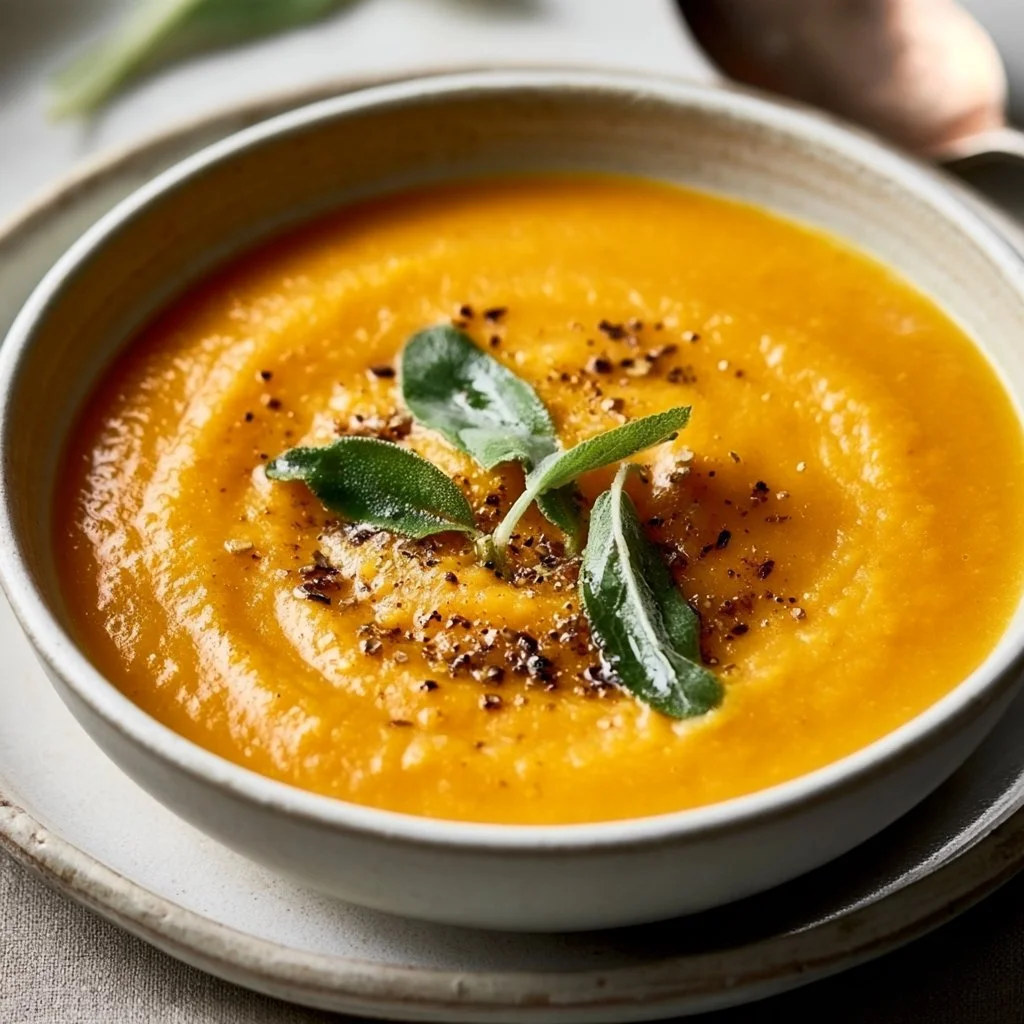
Upon finishing, the butternut squash soup should appear smooth and velvety, often exhibiting a rich orange coloration indicative of the sweet squash. The roasted butternut squash provides a slightly caramelized flavor that is highlighted by the warm spices of cumin and ginger. This leads to an aromatic experience that is herbaceous and round due to the incorporation of sage, adding a sophisticated earthy note without overpowering the natural sweetness of the squash.
When you take the first spoonful, expect a silky mouthfeel complemented by the soft texture of the lentils if included. The balance of creamy richness and lightness in the broth invites a comforting sensation. The spices should not dominate but rather create a harmony with the squash and herbs, making each spoonful a delightfully balanced experience between sweet and savory. The freshly minced herbs, when added, bring additional brightness to the dish, enhancing both the visual appeal and flavor profile.
Successful execution of this soup hinges on achieving that perfect creamy texture without over-thickening or creating a grainy mouthfeel. The careful selection of fresh ingredients and attention to cooking times will help bring out the natural flavors while ensuring the soup is visually inviting. You’ll develop a depth of flavor that feels truly special and satisfying, capturing the essence of seasonal comfort food.
Pro Tips
Utilizing small cooking techniques can improve your soup’s overall result significantly. Below are some helpful tips to enhance your experience in making the high-protein butternut squash soup with sage.
| Tip | Description |
|---|---|
| Roasting for Flavor | Roasting the butternut squash enhances its natural sugars, creating a caramelized flavor that adds depth to the soup. Don’t skip this step! |
| Season Gradually | Add salt and seasoning gradually. This allows you to control the flavor balance better and can prevent the soup from becoming too salty. |
| Use Fresh Herbs | Fresh herbs like sage and parsley significantly upgrade the dish’s final flavor profile. Always opt for fresh over dried where possible. |
| Texture Control | If you prefer a chunkier soup, only blend part of the soup with an immersion blender. Combine both blended and whole pieces for a lovely varied texture. |
Additionally, keeping an eye on cooking temperatures helps ensure evenly cooked vegetables. Sauté over medium heat to avoid burning the garlic, which can lead to bitterness if overcooked. Adjusting the temperature as needed will guarantee that each ingredient shines in the final dish. Lastly, remember that the soup can always be adjusted after blending; feel free to add additional broth to reach your desired consistency!
Why You’ll Love This Recipe
The high-protein butternut squash soup with sage combines healthy eating with straightforward preparation, making it an ideal choice for various skill levels in the kitchen. Even those who may not be proficient in cooking can successfully follow the steps with satisfying results. The soup’s creamy texture and unique flavors will win over even the most hesitant of eaters, making it a family favorite across age groups.
This recipe thrives on simple yet nourishing ingredients, ensuring accessibility for most home cooks. Plus, the addition of lentils creates a well-rounded meal with protein, easily fitting the bill as a complete dish without needing significant sides. Moreover, it can be made in advance, stored, and reheated, making it a perfect candidate for meal prep or busy weeknights. The cleanup is minimal, which keeps things uncomplicated after enjoying a hearty bowl of soup.
In terms of flavor, the mixture of succulent squash and aromatic herbs appeals to both seasoned cooks and those new to the kitchen. The balance between comfort and nutrition is what makes this recipe shine over others, providing an easy solution to wholesome eating. The freshness from the herbs elevates the dish and gives it that café-quality taste you’d expect from a restaurant, all while being made in your own home.
How to Serve High Protein Butternut Squash Soup with Sage
Presentation plays a significant role in any meal, and this soup is no exception. When serving, opt for large, shallow bowls to allow the vibrant orange soup to take center stage. Ladle the soup into the bowls and then top it with a drizzle of high-quality olive oil for added richness and flavor. Additionally, finishing the soup with a sprinkle of fresh herbs—like sage, parsley, or even roasted pumpkin seeds—can add texture and visual beauty.
This dish pairs wonderfully with a crusty piece of artisanal bread, which can be used to scoop up the soup or served on the side for dipping. Light salads with a citrusy vinaigrette or greens can balance the richness of the soup and add a fresh touch to your meal. Consider a side of roasted vegetables, which echoes the roasting method used in the soup, creating a cohesive dining experience.
Should you wish to elevate the dish further, consider serving it with an elegant cheese platter featuring variations of cheeses that complement the soup. Light, crisp wines—or warm herbal teas—for beverage options can also enhance the eating experience, bringing together varied flavors without overshadowing the soup itself. When entertaining, consider serving a small tasting menu that includes the soup as a starter followed by various mains and desserts, thus inviting everyone to savor multiple courses together.
However you serve it, the high-protein butternut squash soup with sage is adaptable enough to fit your dining occasion perfectly, whether it is a casual lunch, a hearty family dinner, or an impressive gathering with friends.
How to Store High Protein Butternut Squash Soup with Sage
Properly storing your butternut squash soup is key to maintaining its freshness and flavor. After allowing the soup to cool to room temperature, portion it into airtight containers or freezer-safe bags for longer-term storage. Make sure to leave some space in each container as the soup will expand when frozen. It’s best to label each container with the date to keep track of its freshness.
In the refrigerator, this soup can be stored for up to five days. Ensure that it is adequately cooled before placing it in the fridge as this helps to avoid condensation that may lead to spoilage. When ready to enjoy your leftovers, simply reheat on the stove over low heat, stirring occasionally to ensure even heating, or in the microwave until warmed through.
For longer storage, frozen soup can last for up to three months. Reheating the soup from frozen can be done by transferring it to the fridge the night before to thaw or by placing the container in a bowl of warm water to accelerate the thawing process. Always ensure that the soup is heated to a safe internal temperature before serving.
When reheating, you may find that the texture changes slightly; if this occurs, a touch of additional broth or water can be added to bring back the creaminess. Flavor may also intensify upon reheating, so sampling the soup again to adjust seasonings may be necessary before serving.
Tips to Make High Protein Butternut Squash Soup with Sage
When preparing your butternut squash soup, consider that small adjustments can create a significant impact on the final dish. One of the primary focuses should be on how your ingredients are prepared. For optimal roasting, cutting the butternut squash into consistent, uniform cubes ensures even cooking and caramelization. This not only leads to tenderness throughout but also enhances the overall appearance of the soup after blending.
For flavor balance, remember to taste as you go. It is essential to assess seasoning levels at various stages of cooking, especially before blending the soup. This practice helps in achieving the right taste without over-salting. When incorporating lentils, select a variety that complements the dish while enhancing the protein content; green or brown lentils work best as they hold their shape without becoming mushy.
Heat management is also critical during cooking. Sautéing the onion and garlic on medium heat provides more control than high heat, helping to develop flavors without igniting the garlic’s natural bitterness. Similarly, managing the simmering stage allows flavors to develop fully and prevents overcooking the lentils, preserving their structure but allowing them to impart their richness into the soup.
Lastly, don’t hesitate to experiment with the blending stage. If you desire a creamy soup, blend until perfectly smooth; however, if you enjoy a bit more texture, blend it partially so that you maintain some of the squash and lentil chunks. Both variations can provide a delightful experience as they cater to different preferences.
Variations and Substitutions
This high-protein butternut squash soup recipe offers many opportunities for delightful variations and substitutions to suit various dietary needs and flavor preferences. One popular alternative for a creamier texture is to add coconut milk during the blending process. This will contribute to a subtle tropical flavor that pairs wonderfully with butternut squash while maintaining the dish’s vegan status if so desired.
For those who prefer a spicier kick, consider incorporating diced jalapeños or a pinch of cayenne pepper when sautéing the onions and garlic. This adjustment can provide a warm backnote that counters the sweetness of the squash effectively. If you enjoy a more fragrant approach, experimenting with different herbs such as thyme or rosemary can provide unique flavor profiles that diverge from the classic sage influence.
In terms of dietary preferences, if you wish to make the soup gluten-free, simply ensure that the vegetable broth you select is certified gluten-free. Additionally, you may substitute the lentils with quinoa or chickpeas, adding protein while altering the texture—ideal for those who may have lentil allergies or preferences against them.
Another option is to use other types of squash. If butternut squash is not available, try using acorn or kabocha squash, which offer their own distinct sweetness and texture, providing a fun twist to the recipe while maintaining the essence of the original dish.
These variations give the soup personality and adaptability, allowing it to cater to various palates and dietary requirements while still remaining a delicious comfort food choice.
Storage and Reheating
When it comes to storing your high-protein butternut squash soup, the key is to ensure it is cooled to room temperature before refrigeration or freezing to maintain freshness. Divide your soup into containers that can be sealed tightly, making sure to fill them no more than three-quarters full to allow for expansion. This precaution is especially important if you plan to freeze the soup, as improperly stored food can lose texture and flavor during the freezing process.
In the refrigerator, the soup should stay fresh for up to five days. When ready to eat, reheat on the stovetop over low to medium-low heat, stirring occasionally to distribute the heat evenly and prevent the soup from sticking to the bottom of the pot. If you notice any thickening after refrigeration, adding a splash of vegetable broth or water can help regain the desired consistency.
For longer storage, the soup can be frozen for up to three months. When reheating frozen soup, it’s best to transfer it to the refrigerator a day before to allow it to thaw gradually; however, if you’re in a hurry, you can reheat directly from frozen in a pot over low heat, adding in some liquid to facilitate the process. Ensure that it heats evenly and reaches a safe temperature throughout before serving.
Pay attention to the soup’s texture upon reheating, as it may separate slightly due to the lentils or butternut squash. Stirring well during the reheating process will help recombine the ingredients. You may also want to taste and adjust the seasoning to account for flavor changes during storage, ensuring that each bowl remains just as delightful as the first.
Customization Ideas
Personalizing your high-protein butternut squash soup can enhance the flavor experience even further. For those desiring additional crunch, consider topping the soup with roasted pumpkin seeds or nuts, which can add texture while elevating its appearance. Crunchiness provides a lovely contrast to the creaminess of the soup, making each spoonful more enjoyable.
Changing the spices can also offer new interest; try adding curry powder or garam masala for an exotic twist. These elements harmonize exceptionally well with butternut squash, replacing traditional seasonings while still highlighting its sweetness.
For a creamier soup without the addition of dairy, consider using cashew cream as a garnishing dollop, lending a nutty flavor that pairs beautifully with butternut squash. Simply soak raw cashews and blend them until smooth, then use this cream as a luxurious topping for each serving, enriching the overall experience.
Lastly, if you want to incorporate seasonal vegetables, think about blending in roasted carrots or sweet potatoes during the preparation stage. These additions will infuse additional flavor and nutrition without straying too far from the original recipe’s intent, making your healthy soup adventure even more enjoyable.
Common Mistakes to Avoid
Cooking can be a learning process, and even seasoned chefs may make small mistakes that can affect end results. Here are five common pitfalls to avoid when making your high-protein butternut squash soup:
-
Not roasting the squash: Skipping the roasting step can result in a soup that lacks depth and character. Roasting is vital for enhancing natural sweetness and developing intricate flavors. Always roast your squash to achieve the best flavor profile.
-
Overcooking garlic or onions: These aromatics must be sautéed until just fragrant and softened. Overcooking them can lead to bitterness, compromising the soup’s overall flavor. Always monitor their cooking closely to prevent this mistake.
-
Inconsistent chopping: Failing to cut the butternut squash and other vegetables into uniform sizes can lead to uneven cooking. Aim for consistency in size to ensure that everything cooks at the same rate.
-
Insufficient seasoning: It’s easy to overlook adding enough salt and spices, especially before blending the soup. Always taste the soup at various stages to adjust seasoning as needed, preventing the final product from being bland.
-
Not blending thoroughly: If the soup is not blended properly, it may have a gritty texture or size discrepancies in ingredients that can deter from a pleasing mouthfeel. Ensure you blend until the desired smoothness is achieved, but remember to maintain some texture if preferred.
Learning from this checklist will help refine your cooking skills and elevate your butternut squash soup, ensuring an optimal preparation experience leading to delicious results every time.
Serving Occasions
Consider the various occasions where high-protein butternut squash soup can shine. It’s particularly fitting for busy weeknights when you crave something cozy after a long day, making it a perfect one-pot meal solution that is both simple and satisfying. The flavors also evoke warm feelings, making it an excellent choice for family gatherings, where you want to serve something that is wholesome and comforting.
For holiday dinners, serving this soup as an elegant starter can set the tone for the meal to come. Its vibrant color and delicious aroma will impress your guests, preparing them for what follows. Additionally, during the colder months, this dish can serve as a warm and nurturing comfort food, driving away any chill and providing contentment.
Potlucks or casual meet-ups are also excellent occasions for serving high-protein butternut squash soup. It’s easy to prepare in bulk and transport; it can even be easily reheated at the venue, allowing you to enjoy the company of others while sharing a nutritious dish. Hosting a cozy brunch with a variety of soups, including this one, can create a delightful experience for friends and family.
Overall, the versatility of this soup makes it suitable for a range of events, from relaxed afternoons to an elaborate feast, ensuring it can elevate any gathering.
Why Make This Recipe?
Creating this high-protein butternut squash soup is worthwhile for numerous reasons. Firstly, the combination of flavors presents an exciting twist on a classic dish that most people can appreciate. The harmonious blend of sweet and savory, enhanced by fragrant sage, will prove irresistible to even the pickiest eaters at the table.
Besides flavor, the nutritional benefits provided by this recipe are substantial. Packed with vitamins from the butternut squash, alongside lentils that offer protein and fiber, this soup is a health-conscious choice. Making it a regular item in your food rotation isn’t just a delicious option but ensures you are also meeting your dietary needs.
Furthermore, this recipe embraces simplicity in preparation without sacrificing quality! It can be made in less than an hour and requires minimal kitchen equipment, making it accessible for all skill levels. The step-by-step instructions provide clarity, allowing anyone to achieve success regardless of experience.
Ultimately, the high-protein butternut squash soup with sage checks all boxes—it’s nutritious, easy to make, adaptable, and uniquely flavorful. Having such a recipe in your repertoire means that you always have a satisfying meal option ready to share or enjoy solo.
Make-Ahead Preparation
To streamline your cooking experience, consider what elements of the high-protein butternut squash soup can be prepared ahead of time. A great start would be to roast your butternut squash in advance, allowing it to cool before storing it in an airtight container. Roasted squash can be kept in the fridge for about three days and will provide a time-saving element when you are ready to make the soup.
Additionally, you can chop your onion and mince your garlic the night before or the morning of making the soup; storing them in the fridge in sealed containers can reduce overall prep time substantially. Cooked lentils can also be made in advance if you’re using dried lentils, allowing them time to soak and cook properly, which will improve their digestibility and reduce preparation time on cooking day.
When it comes time to prepare the soup, simply combine the prepped ingredients in the same manner as outlined in the recipe. Just remember that all ingredients retain their best flavor and freshness when stored properly. This make-ahead approach will not only keep you organized but also elevate the experience of making this delicious soup, leaving you with the freedom to enjoy the results without time constraints.
Equipment and Kitchen Preparation
For a successful cooking experience in crafting your high-protein butternut squash soup, certain kitchen tools make the process easier and more efficient. A sharp chef’s knife is essential for accurately cutting vegetables, ensuring uniform pieces that cook evenly. Pair this with a sturdy cutting board for preparation to create an organized workspace.
The most important cooking equipment required for this dish includes a large pot or Dutch oven, ideally suited for sautéing the onions, garlic, and cooking the soup altogether. The use of an immersion blender is highly recommended for achieving a smooth texture quickly, allowing the soup to be pureed directly in the pot. If an immersion blender is not available, a traditional blender can work too—but remember to allow the soup to cool a bit before transferring it in batches to avoid accidents.
When preparing the kitchen for this recipe, ensure your workspace is tidy and all ingredients are gathered, washed, and prepped before starting. This organization will save time and keep the cooking process more enjoyable, allowing you to focus solely on creating delicious results without unnecessary distractions.
FAQs
Can I substitute the lentils for another protein source?
Yes! You can replace lentils with cooked quinoa, chickpeas, or even white beans. Each of these options will contribute protein and fiber while adding a slightly different texture and flavor.
How can I adjust the spice level of the soup?
To add spice, consider incorporating cayenne pepper or diced jalapeños into the onion and garlic sautéing stage. Start with a small amount, taste, and adjust as needed to achieve desired heat.
Is this soup suitable for meal prep?
Absolutely! The soup stores well in the refrigerator for up to five days and can be frozen for up to three months. Prepare larger batches to enjoy throughout the week or to have on hand for quick meals.
Can I make the soup in advance and freeze it?
Yes, you can make the soup ahead of time and freeze it for future use. Just ensure it is cooled before transferring to an airtight container or freezer bag to prevent freezer burn.
What can I serve with this soup?
This soup pairs wonderfully with crusty bread, a light salad, or roasted vegetables. It is also delightful topped with fresh herbs or roasted pumpkin seeds for added texture.
Is there a way to make this recipe lower in calories?
To lower calorie content, reduce the amount of olive oil used during sautéing. You can also limit the amount of lentils if you wish. However, keep in mind that this may impact the protein content of the soup.
Can I use homemade vegetable broth instead of store-bought?
Certainly! Homemade vegetable broth often has a fresher flavor, enhancing the overall complexity of the soup. Just ensure that it is well-seasoned to maintain flavor depth.
What is the best way to reheat the soup?
To reheat, transfer the soup to a pot over low to medium heat, stirring frequently until warmed through. You can also microwave it, starting with shorter intervals to avoid overheating. If the soup appears too thick after refrigeration, add broth or water as needed to adjust the consistency before serving.
Disclaimer
The nutritional information is approximate and may vary based on ingredient brands, substitutions, portion sizes, and preparation methods.
Print
High Protein Butternut Squash Soup with Sage
- Total Time: 60 minutes
- Yield: 4 servings 1x
- Diet: Vegetarian
Description
A nourishing butternut squash soup enriched with protein from lentils and flavored with fragrant sage, perfect for cozy meals.
Ingredients
- 1 medium butternut squash, peeled and cubed
- 1 onion, chopped
- 2 cloves garlic, minced
- 4 cups vegetable broth
- 1 cup cooked lentils (optional)
- 1 teaspoon ground cumin
- 1 teaspoon ground ginger
- Salt and pepper to taste
- Olive oil, for roasting
- Fresh herbs for garnish (optional)
Instructions
- Preheat the oven to 400°F (200°C).
- Toss the butternut squash with olive oil, salt, and pepper in a mixing bowl.
- Spread the squash on a baking sheet and roast for about 25-30 minutes until tender.
- Heat olive oil in a large pot over medium heat, then add chopped onion and sauté until translucent, about 5 minutes.
- Add the minced garlic and sauté for 1 minute until fragrant.
- Incorporate the roasted butternut squash, vegetable broth, cumin, and ginger into the pot.
- Bring to a boil, then reduce heat to low and simmer for 15 minutes.
- Stir in lentils and simmer for an additional 5 minutes.
- Use an immersion blender to puree the soup until smooth.
- Serve hot, garnished with fresh herbs if desired.
Notes
For enhanced flavor, ensure to roast the squash thoroughly. This soup can be stored in the refrigerator for up to 5 days or frozen for up to 3 months.
- Prep Time: 15 minutes
- Cook Time: 45 minutes
- Category: Soup
- Method: Roasting & Blending
- Cuisine: American
Nutrition
- Serving Size: 1 bowl
- Calories: 300
- Sugar: 6g
- Sodium: 500mg
- Fat: 8g
- Saturated Fat: 1g
- Unsaturated Fat: 6g
- Trans Fat: 0g
- Carbohydrates: 45g
- Fiber: 10g
- Protein: 15g
- Cholesterol: 0mg