
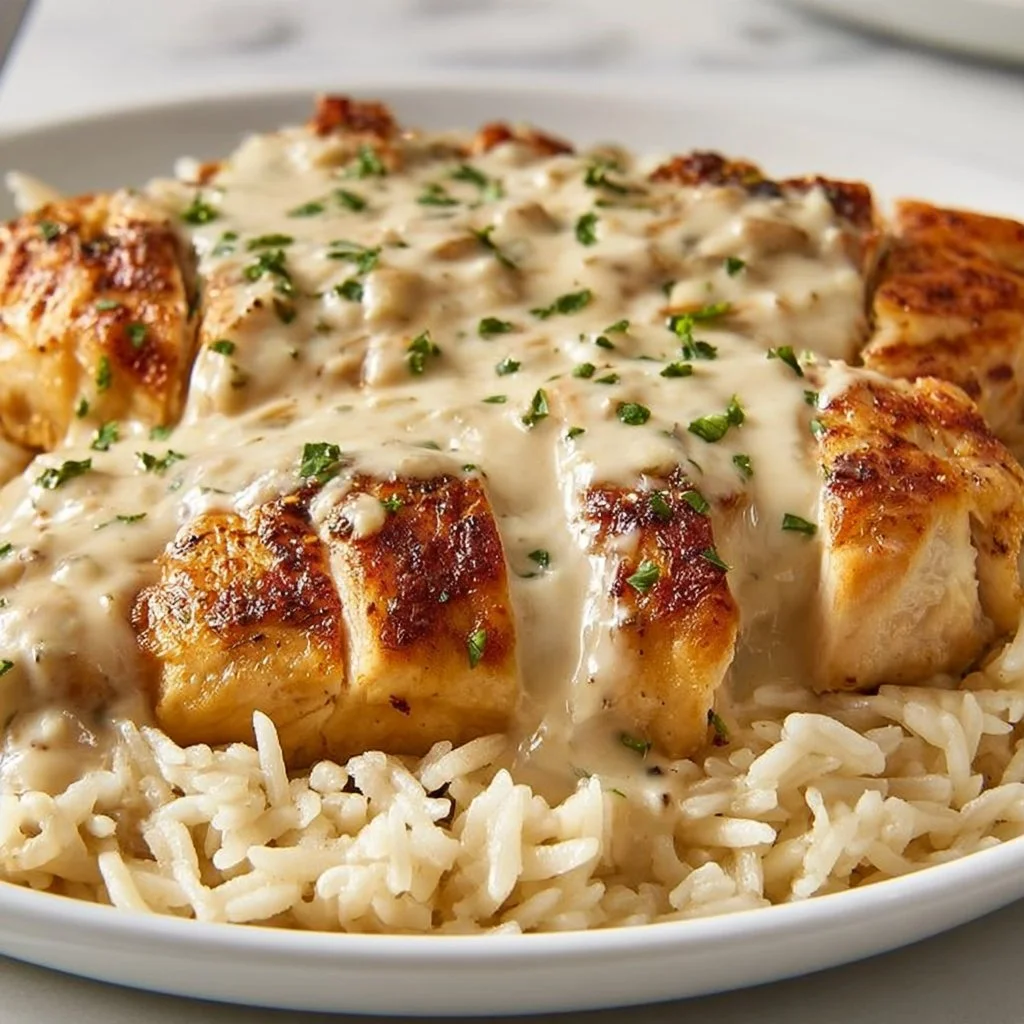
Creamy Chicken and Rice
Creamy Chicken and Rice is a heartwarming dish that perfectly embodies comfort food at its finest. With tender chicken breasts, fluffy rice, and a rich, creamy sauce, this meal delivers a delightful combination of flavors and textures that are sure to please any palate. The enticing aroma that wafts through your kitchen as it cooks is just a precursor to the delicious experience waiting at the dinner table.
This dish boasts a vibrant look, with the creamy sauce enveloping the chicken and rice, creating a visually appealing plate. It is topped off with a sprinkle of fresh parsley, adding a splash of color and a hint of freshness to each bite. Whether served for a family dinner on a chilly evening, a gathering with friends, or even as a comforting lunch, Creamy Chicken and Rice offers a simple yet satisfying meal that can be prepared with ease.
What makes this dish truly special is not just its taste but also how versatile it can be. You can customize it to suit your tastes or dietary needs, ensuring that everyone at the table can enjoy it. The combination of ingredients and the cooking method ensures that each serving is infused with flavor, making it a dish that you will return to time and time again.
What Makes This Recipe Special
Creamy Chicken and Rice stands out due to its harmonious blend of ingredients that come together to create a satisfying dining experience. One of the key features is the richness of the heavy cream which adds a luxurious mouthfeel, balancing the tender chicken and the fluffy rice. This dish strikes a perfect balance between flavor and comfort, making it a go-to for family meals and special occasions alike.
Unlike many other chicken and rice dishes, this recipe incorporates a sauté of onion and garlic that enhances the base flavor, creating a savory depth that is hard to resist. The seasoning with paprika and thyme adds warmth and a hint of earthiness to the dish, distinguishing it from more traditional variations that might rely solely on salt and pepper. This thoughtful use of herbs brings out the best in the chicken, allowing it to shine in every bite.
Moreover, the cooking method is straightforward yet effective—browning the chicken first allows for a higher emotional and flavor connection, as it creates a bit of caramelization. The process of cooking the rice in the same skillet means that it absorbs not just the chicken broth but also the residual flavors from the chicken and vegetables, marrying the ingredients beautifully.
Ingredient Overview and Helpful Notes
The richness and satisfaction of Creamy Chicken and Rice stem from several main ingredients, each playing an essential role in lending flavor and texture. Starting with the chicken, boneless, skinless breasts are preferred for their leanness and quick cooking time. They are the star of the dish, providing protein and a tender bite that makes the creamy sauce even more delightful.
Rice is another fundamental component, and for this recipe, long-grain rice is recommended. This type of rice cooks evenly and will fluff up nicely, absorbing the flavors of the broth and sauce. It’s important to rinse the rice before cooking to remove excess starch, which helps avoid clumping, ensuring that your final dish has a pleasing texture.
The incorporation of heavy cream is what brings that indulgent quality to the dish. When added at the right time, it melds with the broth, transforming into a luscious sauce that enhances every mouthful with its creamy, rich flavor. When selecting the cream, opt for a product that has a higher fat content, as this ensures the best texture and creaminess.
The sautéed onion and garlic are crucial for building complexity in flavor. The onion, when cooked until translucent, releases natural sugars that add sweetness, while garlic contributes a fragrant aroma that elevates the entire dish. Seasonings such as paprika and thyme are essential as well; they provide depth and an inviting aroma that wafts through the air as the dish cooks.
Lastly, using a low-sodium chicken broth helps control the saltiness and allows the individual flavors of the ingredients to shine. This is particularly important for maintaining balance, as the heaviness of the cream can make the dish feel overly rich if the seasoning isn’t just right.
Nutrition & Recipe Details
Nutritional values may vary based on the specific ingredients and brands you choose, as well as portion sizes and preparation methods. Below is a general overview of the nutrition and details associated with this recipe.
| Item | Value |
|---|---|
| Prep time | 15 minutes |
| Cook time | 35 minutes |
| Store time | 3 to 4 days in the refrigerator |
| Calories | 550 (per serving) |
| Protein | 40g |
| Carbohydrates | 45g |
| Fat | 25g |
How to Make Creamy Chicken and Rice
Creating this dish is straightforward. Before you start cooking, make sure to gather all your ingredients and have your equipment ready. A large skillet or sauté pan is essential for cooking the chicken and rice together, and you’ll need space to chop the onion and mince the garlic. This organization makes the cooking process flow smoothly, allowing you to focus on the dish rather than scrambling for ingredients.
Ingredients
| Ingredient | Quantity |
|---|---|
| Boneless, skinless chicken breasts | 4 |
| Long-grain rice | 1 cup |
| Chicken broth (low-sodium preferred) | 2 cups |
| Heavy cream | 1 cup |
| Medium onion, diced | 1 |
| Garlic, minced | 2 cloves |
| Paprika | 1 teaspoon |
| Dried thyme (or fresh thyme) | 1 teaspoon (or 1 tablespoon fresh) |
| Olive oil | 2 tablespoons |
| Salt and pepper to taste | To preference |
| Fresh parsley for garnish | Optional |
Before you start cooking, prepare your ingredients. Dice the onion, mince the garlic, and have your chicken breasts ready to go. Season the chicken with salt, pepper, and paprika directly before cooking—that way, the flavors are fresh. Measure out the rice and broth, ensuring the rice is rinsed properly to optimize cooking texture. Softening the cream slightly by allowing it to come to room temperature can enhance its blending with the other ingredients later on.
Step-by-Step Instructions
-
Heat the Olive Oil: Begin by heating 2 tablespoons of olive oil in a large skillet over medium heat. It’s essential to give the oil time to warm up properly so it can start cooking the chicken without making it greasy.
-
Season and Cook the Chicken: As the oil heats up, season both sides of the chicken breasts generously with salt, pepper, and paprika. Carefully add them to the hot skillet. Cook for about 5-7 minutes per side until the chicken is golden brown and cooked through. A well-cooked breast will have internal temperatures reaching 165°F (75°C). Once cooked, remove the chicken from the skillet and set it aside on a plate. This resting period is crucial as it allows the juices to distribute throughout the meat.
-
Sauté the Onion and Garlic: In the same skillet, with the residual oil and flavors, add the diced onion and minced garlic. Sauté for 2-3 minutes, stirring occasionally, until the onion becomes translucent. This step builds the aromatic base for the dish. Pay attention to the garlic; it should be fragrant but not browned, as burnt garlic can impart a bitter taste.
-
Incorporate the Rice: Stir in the rinsed rice, allowing each grain to get coated with the flavorful onion and garlic mixture. This step helps to toast the rice slightly, enhancing its flavor before the liquid is added.
-
Add Broth and Simmer: Pour in the chicken broth and bring the mixture to a simmer. It’s vital to monitor the consistency and avoid letting it boil aggressively. Once simmering, return the chicken breasts to the skillet, nestling them into the rice mixture. Cover with a lid, reduce the heat to low, and let it cook for approximately 20 minutes, or until the rice has absorbed most of the broth and becomes fork-tender.
-
Finish with Cream: After the rice is cooked, gently stir in the heavy cream. Let it simmer for another 5 minutes, allowing the flavors to meld together. If the texture is too thick, you can add a splash more of broth or water to loosen it. Adjust the seasoning with additional salt or pepper according to your taste preference.
-
Garnish and Serve: Finally, garnish the finished dish with freshly chopped parsley for a hint of color and flavor. Serve immediately, enjoying the creamy sauce that envelops the chicken and rice.
Understanding the Flavor and Texture
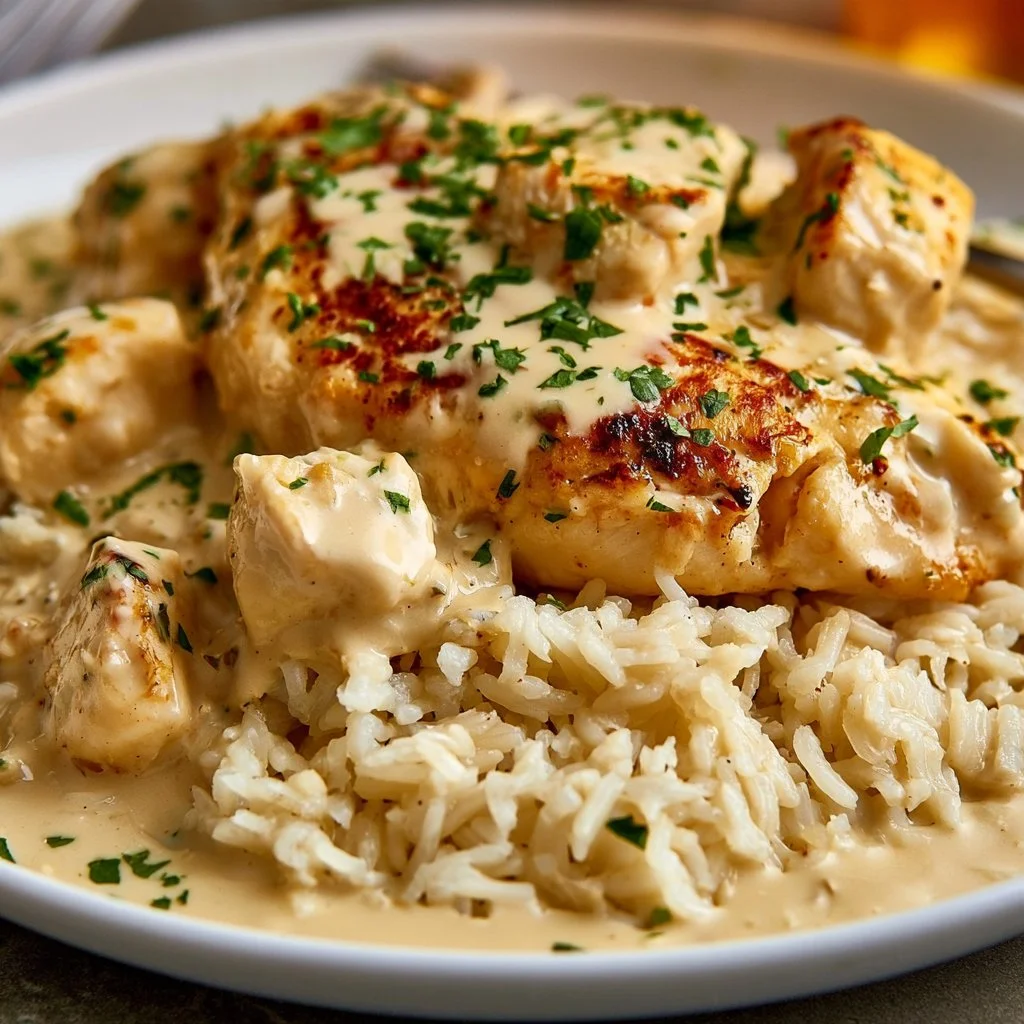
Upon finishing, Creamy Chicken and Rice presents an alluring dish that beckons with its inviting aroma and creamy texture. The chicken is juicy, perfectly cooked, yielding easily with a fork, and bathed in a velvety sauce that provides richness without overpowering the overall dish. The rice, having absorbed the broth, offers a delightful fluffiness that contrasts beautifully with the decadent creaminess.
The careful combination of sautéed onions and garlic forms the taste foundation of the dish, adding a hint of sweetness and a robust character that enhances the flavor profile. The smoked notes from the paprika bring warmth and a subtle spiciness, while the thyme adds an earthy, herbal touch that ties the flavors together harmoniously.
When served, the dish’s visual appeal is undeniable, with the bright green of parsley standing out against the creamy backdrop. Each bite is a comforting mix of creamy, savory, and aromatic sensations—perfectly balanced to make for a memorable meal. Whether enjoyed alone or accompanied by seasonal vegetables, this dish is designed to satisfy.
Pro Tips
A few subtle techniques can significantly elevate the quality of your Creamy Chicken and Rice.
| Tip | Description |
|---|---|
| Season Generously | Don’t hesitate to season the chicken and rice well before cooking. The right amount of salt enhances flavors throughout the dish. |
| Monitor Cooking Time | Cooking the chicken until golden brown adds depth of flavor. Ensure it’s cooked through but avoid overcooking to prevent dryness. |
| Rest the Chicken | Allow the chicken to rest after cooking. This step helps retain the juices, leading to a more moist and flavorful final dish. |
| Experiment with Herbs | Feel free to swap out thyme for other fresh herbs like rosemary or oregano to keep things interesting, while still maintaining that savory flavor. |
Further enhancing your cooking experience, consider prepping ingredients in advance such as chopping vegetables or measuring out rice. This organization allows you to focus more on your techniques while keeping meal preparation enjoyable.
Why You’ll Love This Recipe
Creamy Chicken and Rice is beloved for its unparalleled comfort and warmth, making it a perfect meal for both everyday dinners and special gatherings. With minimal effort, this recipe delivers a wholesome, rich dish full of flavor that appeals to both novices in the kitchen and seasoned chefs alike. It strikes the ideal balance between being hearty yet approachable, cooking quickly enough to make it a feasible option for busy weeknights.
The ingredients are common staples found in most kitchens, eliminating the need for special trips to the grocery store. You can easily customize the dish to match your preferences or incorporate seasonal vegetables, enabling you to get creative while still enjoying the foundational recipe. Cleanup is simplified because everything cooks in one skillet, meaning fewer dishes to tackle afterward.
Moreover, the dish reheats well, offering delicious leftovers that can be enjoyed for lunch or dinner the next day. Versatile and adaptable, Creamy Chicken and Rice remains a staple that you’ll find yourself returning to time and time again.
How to Serve Creamy Chicken and Rice
Presentation is key when serving Creamy Chicken and Rice, both for aesthetics and to enhance the eating experience. Start by serving generous portions in shallow bowls to highlight the creamy texture, garnishing each dish with freshly chopped parsley. This not only beautifies the dish but also adds a refreshing touch that enhances the flavor.
When it comes to side dishes, consider pairing it with a simple green salad dressed in a light vinaigrette to cut through the richness. Roasted or steamed vegetables such as broccoli, green beans, or asparagus can complement the meal beautifully, providing a nice contrast in texture and color.
If you want to enhance the flavors even further, consider adding a sprinkle of grated Parmesan cheese on top before serving. This addition can elevate the taste profile, incorporating a savory umami aspect that lingers pleasantly. For drinks, a light iced tea or lemon-infused water can offer a refreshing counterbalance to the richness of the dish.
For a family gathering, you might present the dish in a larger serving bowl, allowing diners to help themselves. This communal style of serving can create a warm and inviting atmosphere that encourages togetherness.
How to Store Creamy Chicken and Rice
Properly storing leftover Creamy Chicken and Rice will help maintain its quality and prevent spoilage. Start by allowing the dish to cool down to room temperature before transferring it to airtight containers. When stored properly, it can be kept in the refrigerator for 3 to 4 days.
If you wish to enjoy the dish later on, consider freezing portions for longer preservation. Creamy Chicken and Rice can be frozen for up to 2-3 months. Make sure to use freezer-safe containers and ideally separate the chicken and rice within to avoid texture changes during storage.
It’s worth noting that the texture of the rice may change slightly upon thawing due to its high starch content. This is normal; upon reheating, stirring the dish to redistribute the cream can help restore some creaminess.
Do not leave the dish at room temperature for more than two hours to prevent bacterial growth, as the meal contains dairy and cooked chicken.
Tips to Make Creamy Chicken and Rice
Improving your dish’s consistency, flavor, and texture is possible with a few practical tips. First, pay attention to the heat when cooking the chicken. A medium heat allows for a nice golden crust without burning, enhancing the overall flavor.
When incorporating the rice, ensure it has soaked in water beforehand. This small step helps achieve a fluffier texture and avoids clumps, making each bite pleasurable.
It’s also important to taste the dish gradually as you cook. Adjust the seasoning towards the end of cooking; this gives you the flexibility to modify flavor profiles based on personal preferences.
Lastly, for an added depth of flavor, you can deglaze the pan after removing the chicken with a bit of chicken broth and scraping the bits off the skillet. This step captures all the flavor particles left behind and integrates them into your creamy sauce.
Variations and Substitutions
Creamy Chicken and Rice is an adaptable recipe that can be tailored to suit varied tastes. For a vegetarian version, you can substitute the chicken with plant-based protein, such as tofu or chickpeas, and replace chicken broth with vegetable broth. This variant still delivers richness without losing texture.
For a dairy-free alternative, consider using coconut milk or cashew cream instead of heavy cream. This modification provides creaminess while offering a hint of tropical flavor. Another option is to use almond milk thickened with cornstarch to mimic the creaminess.
If you’re looking for a spicy kick, consider adding red pepper flakes or diced jalapeños into the onion mixture when you sauté it to infuse warmth into the dish. Alternatively, you could serve it with a spicy sauce drizzled on top to cater to those who love heat.
For a low-carb variant, consider substituting the rice with cauliflower rice, which absorbs flavors beautifully and remains light on the palate. Simply ricing fresh cauliflower or using pre-packaged cauliflower rice can turn this dish into a low-carb delight.
Storage and Reheating
When you’ve stored your leftover Creamy Chicken and Rice in airtight containers, you have a few options for reheating. If microwaving, transfer a portion onto a microwave-safe dish, cover it with a lid or microwave-safe wrap to retain moisture, and heat in short intervals, stirring to promote even heating.
If you prefer reheating on the stovetop, place the leftovers in a skillet over low to medium heat, adding a splash of chicken broth or water to prevent dryness. Stir occasionally, and heat until the dish is warmed through.
Using the oven can also be an option; transfer the mixture to an oven-safe dish, cover with foil, and bake at 350°F (175°C) for about 20 minutes or until the dish is heated through. Adding moisture here ensures you maintain the creamy texture while avoiding any unappetizing dryness.
Whichever method you choose, remember to keep an eye on the heating process. It’s important to ensure the dish is heated adequately without cooking it again, as that can lead to further texture changes.
Customization Ideas
Tailoring Creamy Chicken and Rice to meet your preferences can lead to an exciting cooking experience. For those who love extra texture and crunch, consider adding nuts like toasted almonds or walnuts on top before serving, providing both richness and crunch to your dish.
In terms of flavor customization, you may incorporate zest from a lemon or lime, which can introduce a bright, citrusy touch that cuts through the creaminess. Products like lemon pepper seasoning can also elevate the flavor without added effort.
For additional vegetable nutrition, consider adding peas, spinach, or carrots during the last few minutes of cooking. This not only brightens the dish visually but also adds valuable nutrients without complicating the overall preparation.
Lastly, if you want to add a unique twist, you could serve the dish over a bed of sautéed greens instead of traditional rice, providing a fresh base while still maintaining the foundation of comfort your dish is known for.
Common Mistakes to Avoid
While Cooking Creamy Chicken and Rice is straightforward, a few common mistakes can hinder its success.
-
Overcrowding the Pan: Putting too much chicken in the skillet at once can cause steaming instead of a proper sear. Lean towards cooking in batches for optimal browning.
-
Neglecting the Rice: Forgetting to rinse the rice can lead to a clumpy texture, as excess starch causes the grains to stick together. Always rinse under cold water before use to achieve desired fluffiness.
-
Insufficient Seasoning: Underseasoning can leave the dish feeling bland. Taste as you cook to ensure flavors are spot-on.
-
Not Allowing Chicken to Rest: Cutting into chicken immediately after cooking leads to moisture loss. Always permit the chicken to rest for optimal juiciness.
-
Skipping the Cream Incorporation: Adding the cream too early can cause it to break or curdle. Wait until the rice incorporates enough liquid to mix it in evenly.
By watching out for these pitfalls, you can improve the final outcome and elevate your dish to the pinnacle of comfort food.
Serving Occasions
Creamy Chicken and Rice suits a variety of occasions, owing to its versatility and comforting nature. It’s an excellent option for busy weeknights when a quick meal is needed to satisfy the family without fuss.
In a more festive setting, this dish makes a wonderful addition to gatherings, potlucks or holiday dinners. The creamy texture appeals to both kids and adults, inviting everyone to share in its comforting warmth.
For meal preparation, it’s a perfect candidate due to its easy reheating capabilities. You can make a big batch on the weekends and have ready-to-eat meals throughout the week, saving time during those hectic days.
For intimate dinners or special celebrations, a touch of creativity in presentation can make it feel extra special. Plating each portion with care can turn a simple weeknight meal into an occasion worth celebrating.
Why Make This Recipe?
Opting for Creamy Chicken and Rice over similar dinner options offers a unique blend of flavor, texture, and recipe simplicity. Its combination of creaminess, hearty protein, and fluffy rice provides a comforting dining experience that feels indulgent without excessive complexity in preparation.
The balance in ingredients allows for flexibility depending on available pantry items, which is a practical consideration for any cook. As an adaptable recipe, it welcomes personalization and encourages culinary creativity, ensuring that it remains relevant to varying tastes and dietary preferences.
In a busy world, this dish serves efficiently without sacrificing quality or flavor. The ease of preparation and straightforward cooking process makes it an ideal choice for both novice and experienced cooks, allowing you to bring comfort food to your table effortlessly.
Make-Ahead Preparation
For those busy days, there are several ways to prepare Creamy Chicken and Rice ahead of time. You can safely marinate the chicken with spices a day in advance, letting it soak up the seasoning for better flavor when the time comes to cook. Prepping the rice can also be done ahead; simply measure it out and store it in an airtight container.
Chopping vegetables like onion and garlic in advance ensures that when it’s time to cook, you can sauté and combine ingredients swiftly. This streamlines your cooking process and helps deliver a wholesome meal in less time.
While assembling the creamy sauce, it’s wise to prepare it just before serving. Preparing the chicken and rice ahead will be fine, but adding the cream just before serving will guarantee a fresher, more vibrant taste and texture.
By organizing these aspects of the recipe in advance, you can make your cooking experience more enjoyable, efficient, and stress-free.
Equipment and Kitchen Preparation
For an optimal cooking experience with Creamy Chicken and Rice, having the right equipment on hand is essential. A large, high-quality skillet or sauté pan is critical for even cooking. Choose one with a lid, as this helps trap heat and steam, which is necessary for cooking the rice properly.
Knives for cutting vegetables and a cutting board will aid in accurate chopping and safe food preparation. Measuring cups and spoons can help ensure that your ingredient proportions are spot on, leading to balanced flavors.
Aside from cooking utensils, prepping your kitchen space before you begin can make a difference. Clear off counters and gather all your ingredients for easy access. This preparation helps keep you focused and organized, avoiding any frantic searches for ingredients while you cook.
By considering the size and material of your cooking vessels, you ensure optimal browning and even heat distribution. If cooking in batches becomes necessary, ensure your cookware can accommodate those quantities without overcrowding, allowing for the best flavor development.
FAQs
Q1: Can I use frozen chicken for this recipe?
A: Yes, you can use frozen chicken, but it is important to thaw it completely in the refrigerator before cooking. This allows the chicken to cook evenly and ensures food safety.
Q2: Can I substitute the heavy cream?
A: Definitely! If you prefer a lighter alternative, you can use half-and-half or coconut milk, which still provides a creamy texture. For a dairy-free option, explore using cashew cream or a dairy-free cream substitute.
Q3: Is it necessary to use long-grain rice?
A: While long-grain rice works best for this recipe, you can substitute it with medium or short-grain rice if you prefer. Note that the cooking time may vary slightly depending on the type of rice used.
Q4: Can I make this recipe in advance?
A: Yes! You can prepare the chicken and rice ahead of time and store them separately until you’re ready to serve. It’s best to add the cream shortly before serving for the best texture.
Q5: How do I know when the chicken is done?
A: The chicken is done when it is golden brown on the outside and has reached an internal temperature of 165°F (75°C). You can use a meat thermometer for accuracy.
Q6: Can I add vegetables to this dish?
A: Absolutely! Adding vegetables such as peas or spinach towards the end of the cooking process can introduce additional nutrition and flavors to the dish.
Q7: How do I store leftovers?
A: Allow the dish to cool down before transferring it to an airtight container. It can be stored in the fridge for 3-4 days or frozen for 2-3 months.
Q8: How do I reheat the leftovers without losing texture?
A: Reheat in the microwave, on the stovetop, or in the oven, adding a splash of broth or water to maintain moisture. Stir occasionally to ensure even heating.
Disclaimer
Nutritional information is approximate and may vary based on ingredient brands, substitutions, portion sizes, and preparation methods.