
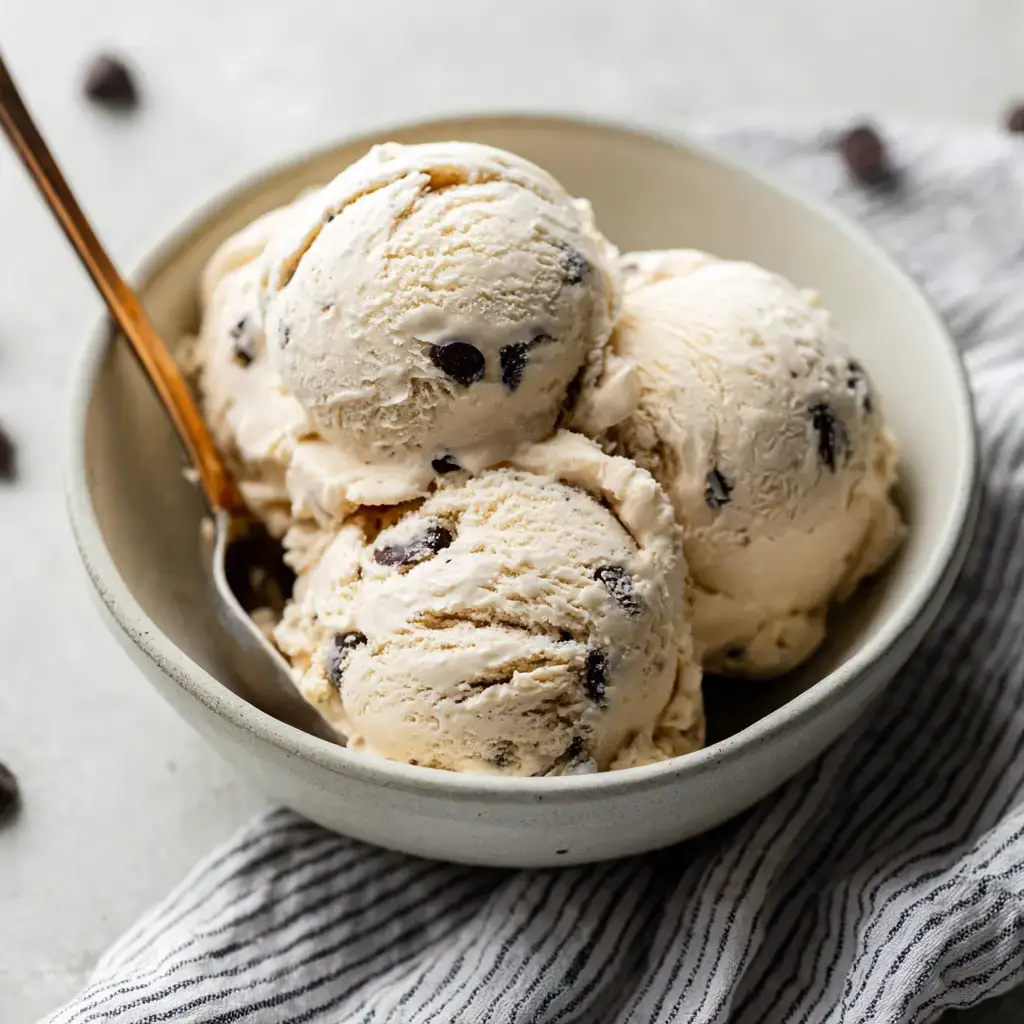
Cottage cheese ice cream recipe it may sound unconventional, but this creamy, protein-packed dessert has become a star in my kitchen. My journey with food began when I was just seven years old. I still remember unwrapping my very first cookbook bright, colorful, and filled with kid-friendly recipes that sparked something inside me. That moment was the beginning of a lifelong love for the kitchen, and today, I find the same joy experimenting with unexpected ingredients like cottage cheese in desserts.
Inspired by fresh ingredients and global flavors, I’ve always sought to put a creative twist on traditional recipes. When I stumbled upon the idea of turning cottage cheese into a frozen treat, I was skeptical until I tried it. Creamy, rich, and shockingly easy to make, this cottage cheese ice cream recipe became an instant favorite in my dessert rotation.
What makes it so special? There’s no need for an ice cream maker, no eggs to temper, and no refined sugars. Just a blender, a few ingredients, and a freezer. You end up with a frozen treat that not only tastes indulgent but also supports your health goals with high protein and lower sugar content.
And the best part? It’s endlessly customizable. From chocolate peanut butter to berry cheesecake and even espresso swirl, the possibilities are endless. Whether you’re trying to eat clean, boost your protein intake, or just want something fun and new to serve, this cottage cheese ice cream recipe delivers.
Table of Contents
Table of Contents
Cottage Cheese Ice Cream Recipe
- Total Time: 4 hours
- Yield: 4 servings 1x
Description
A creamy, high-protein, no-churn dessert made from cottage cheese. This Cottage Cheese Ice Cream Recipe is perfect for healthy cravings.
Ingredients
2 cups full-fat cottage cheese
2–4 tbsp maple syrup or sweetener of choice
1–2 tsp vanilla extract
Pinch of salt
2–3 tbsp milk or cream (optional)
Add-ins like cocoa powder, fruit, or nut butter (optional)
Instructions
1. Add all ingredients to a blender or food processor.
2. Blend until the mixture is completely smooth.
3. Taste and adjust sweetness or flavor if needed.
4. Pour mixture into a shallow, freezer-safe container.
5. Add swirls or toppings if desired, and cover tightly.
6. Freeze for 3–4 hours for soft-serve, or overnight for firmer texture.
7. Let sit at room temperature for 5–10 minutes before serving.
Notes
Use full-fat cottage cheese for best creaminess.
Pre-chilling the base improves texture.
Add-ins like berries, nuts, or chocolate should be folded in after blending.
Keeps well in freezer for up to 2 weeks.
- Prep Time: 10 minutes
- Cook Time: 0 minutes
- Category: Dessert
- Method: No-Churn
- Cuisine: American
Nutrition
- Serving Size: 1/2 cup
- Calories: 150
- Sugar: 4g
- Sodium: 180mg
- Fat: 6g
- Saturated Fat: 3g
- Unsaturated Fat: 2g
- Trans Fat: 0g
- Carbohydrates: 8g
- Fiber: 1g
- Protein: 15g
- Cholesterol: 15mg
What Is Cottage Cheese Ice Cream and Why It Works
Why Cottage Cheese Ice Cream Is Suddenly Everywhere
Lately, you might’ve seen a surprising trend making waves on TikTok and food blogs: the cottage cheese ice cream recipe. At first glance, it sounds like a contradiction how can something so savory and chunky become a creamy dessert? But trust me, once you blend it up, the magic begins. Cottage cheese transforms into a silky-smooth base that’s rich, tangy, and perfect for freezing.
Unlike traditional ice cream, this version skips the eggs, heavy cream, and refined sugar. All you need is a blender and a few clean ingredients. What you get is a scoopable, spoon-licking treat that’s both nourishing and deeply satisfying. People aren’t just making it because it’s trendy it’s good.
And the best part? It’s wildly adaptable. Whether you like fruity flavors, chocolate-loaded options, or nutty swirls, the base of a good cottage cheese ice cream recipe can handle it all. It’s the perfect platform for creativity.
The Science Behind the Creaminess
Here’s why this works so well: cottage cheese has a naturally high fat and protein content, which gives it structure and body. When blended, its curds break down, leaving behind a consistency that mimics frozen custard.
Traditional ice creams rely on emulsifiers like egg yolks and sugar syrups to maintain smooth texture after freezing. But cottage cheese’s casein proteins and fats do the same job naturally, especially when combined with a bit of honey or maple syrup.
This makes a cottage cheese ice cream recipe not only easier but healthier. It skips the artificial stabilizers and delivers more nutrients per bite.
If you enjoy easy and comforting recipes, make sure to check out our Vegan Banana Bread Recipe for a delicious and wholesome treat.
Health Benefits That Go Beyond the Flavor
Let’s take a closer look at why this ice cream alternative is such a smart option especially for anyone looking to keep their desserts in check without sacrificing flavor:
| Nutrient | Cottage Cheese Ice Cream | Traditional Ice Cream |
|---|---|---|
| Protein | 14–16g per serving | 2–4g per serving |
| Sugar (added) | 2–6g (optional) | 20g+ |
| Fat | 4–7g | 14g+ |
| Calories | ~120–150 | 250–300+ |
You’re getting fewer empty calories, more protein, and a lighter feel all while still enjoying a frozen dessert that feels indulgent. It’s an ideal recipe for those on high-protein, low-carb, or even keto-style diets, depending on how you sweeten it.
Ingredients You Need for a Creamy Cottage Cheese Ice Cream Recipe
Build Your Cottage Cheese Ice Cream Recipe with Simple, Clean Ingredients
The beauty of a cottage cheese ice cream recipe lies in its simplicity. You don’t need a pantry full of exotic items just a handful of everyday ingredients that blend together into something creamy and crave-worthy.
Here’s your essential ingredient list to create the perfect base:
- Cottage Cheese (2 cups): Full-fat is the gold standard here. It gives the final product its creamy body. Skim or low-fat versions can be used, but you’ll notice a slightly less smooth texture.
- Sweetener of Choice (2–4 tablespoons): Depending on your preferences, you can use maple syrup, raw honey, or a sugar substitute like erythritol or monk fruit.
- Vanilla Extract (1–2 teaspoons): A dash of vanilla smooths out the tang and adds warmth to the flavor.
- Salt (a pinch): A little salt sharpens every other flavor it’s the secret hero.
- Milk or Unsweetened Cream (optional): If your cottage cheese is too thick, adding 2–3 tablespoons of milk will help everything blend more evenly.
That’s your creamy blank canvas. Once everything is blended smooth, you’ll have a base that’s ready for freezing or for the fun part: flavoring.
Flavor Options to Make Every Batch Unique
Once your base is ready, you can turn it into just about any flavor you like. That’s what makes this cottage cheese ice cream recipe so versatile. Below are just a few crowd-pleasing ideas:
| Flavor Twist | What to Add |
|---|---|
| Chocolate Fudge | Unsweetened cocoa powder + dark chocolate shavings |
| Blueberry Muffin | Fresh or frozen blueberries + cinnamon and vanilla |
| Cinnamon Swirl | Ground cinnamon + maple syrup + chopped pecans |
| Tropical Blend | Mango + coconut flakes + lime zest |
| Cookie Dough | Almond butter + vanilla + sugar-free chocolate chips |
Want a layered look? Swirl in nut butter, berry preserves, or low-carb caramel just before freezing. For crunch, gently fold in add-ins like granola or crushed nuts after blending.
Smart Tips for a Better Texture and Flavor
Here’s how to level up your ice cream every time:
- Blend Long Enough: Don’t rush the blending step. Even an extra 30 seconds can make the difference between grainy and velvety smooth.
- Customize Before You Freeze: Always taste-test before freezing. Too tangy? Add more vanilla. Not sweet enough? Add a touch more honey or syrup.
- Pre-Chill the Base: Letting the mixture sit in the fridge for 30 minutes helps it freeze faster and more evenly reducing ice crystals and improving texture.
With just a few simple steps and a bit of creativity, this cottage cheese ice cream recipe can match any dessert craving without the excess sugar or guilt.
Step-by-Step Instructions to Make Cottage Cheese Ice Cream
Step 1: Gather and Prep Your Ingredients
Start with the basics. Before blending, make sure all your ingredients are measured and ready to go. Here’s what you need for a classic cottage cheese ice cream recipe base:
- 2 cups full-fat cottage cheese
- 2–4 tbsp maple syrup, honey, or monk fruit sweetener
- 1–2 tsp vanilla extract
- A pinch of sea salt
- 2–3 tbsp milk or cream (optional, for easier blending)
If you’re planning to add fruits, cocoa, nut butters, or any mix-ins, prep them now too. Chop, mash, or measure them so you can move through the process smoothly.
Step 2: Blend Until Super Smooth
Place all ingredients in a high-powered blender or food processor. Blend on high for 1–2 minutes until the mixture is completely smooth. No lumps. No grainy texture. You want a creamy consistency that resembles soft pudding or custard.
This step is crucial how well you blend your base determines how creamy your cottage cheese ice cream will turn out after freezing.
Step 3: Taste and Adjust Flavors
Before freezing, give it a quick taste. If it’s not sweet enough, add more sweetener. Want a stronger vanilla flavor? Toss in another half teaspoon. If the cottage cheese tang is still a bit strong for you, a small squeeze of lemon or a pinch more salt can help balance it out.
This is your opportunity to customize. The base should taste just like melted ice cream rich, flavorful, and smooth.
Step 4: Add Your Mix-Ins (Optional)
Once your base is dialed in, you can stir in any extras:
- Swirl in peanut butter or chocolate spread
- Fold in berries, chopped nuts, or dark chocolate
- Add cinnamon, cocoa powder, or espresso for extra depth
Don’t blend these in fold them by hand to maintain texture. Over-blending can water down the final flavor and break apart mix-ins.
Step 5: Transfer to a Freezer-Safe Container
Spoon the blended mixture into a shallow, airtight container. Metal loaf pans or silicone molds work well and help the ice cream freeze faster and more evenly.
For swirled flavors, gently layer them into the container now. If you’re adding a topping layer like cookie crumbs or nuts, press them lightly into the surface.
Step 6: Freeze the Mixture
Cover your container with a tight-fitting lid or plastic wrap. Freeze for 3–4 hours for a scoopable consistency. For a firmer texture (like store-bought ice cream), let it freeze overnight.
After the first hour, give the mixture a quick stir to prevent icy crystals from forming especially important if you’re not using an ice cream maker.
Step 7: Scoop and Serve
Before serving, let your ice cream sit at room temperature for 5–10 minutes. This softens it just enough to scoop easily. Serve it as-is, or top with fruit, a drizzle of honey, or crushed nuts for an extra treat.
This cottage cheese ice cream recipe creates a dessert that’s creamy, rich, and so satisfying you won’t miss the store-bought stuff.
For another family friendly dish, try our Mozzarella Stuffed Meatballs a hearty dinner that pairs perfectly with any side.
Step-by-Step Instructions to Make Cottage Cheese Ice Cream
Step 1: Gather and Prep Your Ingredients
- 2 cups full-fat cottage cheese
- 2–4 tbsp maple syrup, honey, or monk fruit sweetener
- 1–2 tsp vanilla extract
- A pinch of sea salt
- 2–3 tbsp milk or cream (optional, for easier blending)
If you’re planning to add fruits, cocoa, nut butters, or any mix-ins, prep them now too. Chop, mash, or measure them so you can move through the process smoothly.
Step 2: Blend Until Super Smooth
No grainy texture. You want a creamy consistency that resembles soft pudding or custard.
This step is crucial how well you blend your base determines how creamy your cottage cheese ice cream will turn out after freezing.
Step 3: Taste and Adjust Flavors
Before freezing, give it a quick taste. If it’s not sweet enough, add more sweetener. Want a stronger vanilla flavor? Toss in another half teaspoon. If the cottage cheese tang is still a bit strong for you, a small squeeze of lemon or a pinch more salt can help balance it out.
This is your opportunity to customize. The base should taste just like melted ice cream rich, flavorful, and smooth.
Step 4: Add Your Mix-Ins (Optional)
Once your base is dialed in, you can stir in any extras:
- Swirl in peanut butter or chocolate spread
- Fold in berries, chopped nuts, or dark chocolate
- Add cinnamon, cocoa powder, or espresso for extra depth
Don’t blend these in fold them by hand to maintain texture. Over-blending can water down the final flavor and break apart mix-ins.
Step 5: Transfer to a Freezer-Safe Container
Spoon the blended mixture into a shallow, airtight container. Metal loaf pans or silicone molds work well and help the ice cream freeze faster and more evenly.
For swirled flavors, gently layer them into the container now. If you’re adding a topping layer like cookie crumbs or nuts, press them lightly into the surface.
Step 6: Freeze the Mixture
Cover your container with a tight-fitting lid or plastic wrap. Freeze for 3–4 hours for a scoopable consistency. For a firmer texture (like store-bought ice cream), let it freeze overnight.
After the first hour, give the mixture a quick stir to prevent icy crystals from forming especially important if you’re not using an ice cream maker.
Step 7: Scoop and Serve
Before serving, let your ice cream sit at room temperature for 5–10 minutes. This softens it just enough to scoop easily. Serve it as-is, or top with fruit, a drizzle of honey, or crushed nuts for an extra treat.
This cottage cheese ice cream recipe creates a dessert that’s creamy, rich, and so satisfying you won’t miss the store-bought stuff.
Tips to Perfect the Texture and Flavor
Get That Creamy, Scoopable Texture Every Time
The texture of your cottage cheese ice cream recipe can make or break the experience. To avoid icy or crumbly results, follow these simple tricks:
- Use full-fat cottage cheese: Low-fat versions have more water and less fat, which can lead to ice crystals.
- Blend longer than you think you need to: Even if it looks smooth, give it another 30 seconds. You want it ultra-silky.
- Add a bit of fat: A tablespoon of nut butter, cream, or coconut oil can help create a richer, more ice cream-like consistency.
- Freeze flat and shallow: Use a wide, shallow container to reduce freezing time and prevent hard, frozen blocks.
Flavor Tweaks for Maximum Deliciousness
Cottage cheese has a naturally tangy taste not everyone loves that in their dessert.
- Don’t skip the vanilla and salt: These two work together to balance the tang and enhance sweetness.
- Acid balances fat: A splash of lemon juice or a few berries can help brighten the flavor without adding much sugar.
- Spices are your best friend: Try cinnamon, nutmeg, or cardamom to give your ice cream some warmth and complexity.
With these simple adjustments, you can make your cottage cheese ice cream recipe just as dreamy and indulgent as traditional ice cream minus the guilt.
Custom Variations of Cottage Cheese Ice Cream
High-Protein Chocolate Cottage Cheese Ice Cream
Craving chocolate without the sugar crash? This version of the cottage cheese ice cream recipe is rich, satisfying, and perfect for post-workout recovery. Here’s how to make it:
Ingredients:
- 2 cups full-fat cottage cheese
- 2 tbsp unsweetened cocoa powder
- 2–3 tbsp maple syrup or sugar-free alternative
- 1 tsp vanilla extract
- Optional: 1 scoop chocolate protein powder
Instructions:
Blend everything until smooth, pour into your container, and freeze. For extra indulgence, swirl in sugar-free chocolate chips or a spoonful of almond butter before freezing.
This version packs in protein and deep chocolate flavor without refined sugar or dairy overload.
Fruit Swirl and Cookie Mix-Ins
Want something fruity or crunchy? Try these two customizations:
Berry Swirl Ice Cream
- Blend base with a few strawberries or raspberries.
Cookie Crunch
- After blending your base, fold in crushed low-sugar cookies or protein granola.
These variations turn a simple cottage cheese ice cream recipe into a dessert that tastes completely different every time and that’s the fun of it. The possibilities are endless.
Nutrition Comparison: Cottage Cheese Ice Cream vs. Regular Ice Cream
Is Cottage Cheese Ice Cream Really Healthier?
Absolutely and here’s why. A traditional ice cream tub might win on nostalgia, but it’s usually loaded with sugar, cream, stabilizers, and often very little nutritional value. In contrast, a cottage cheese ice cream recipe brings real health benefits without sacrificing flavor or satisfaction.
Let’s break down the numbers:
| Nutritional Factor | Cottage Cheese Ice Cream | Traditional Ice Cream |
|---|---|---|
| Calories (per ½ cup) | 120–150 | 250–300+ |
| Protein | 14–18g | 2–4g |
| Added Sugar | 0–6g (adjustable) | 20–25g |
| Fat | 4–7g | 14–18g |
| Carbs | 6–10g | 25–30g |
This chart shows what makes cottage cheese such a powerhouse base. It gives you high protein, lower sugar, and healthy fats in every bite. It’s ideal for those following:
- Low-carb or keto diets
- High-protein or macro-based eating plans
- Diabetic-friendly lifestyles
- Balanced, whole-food approaches
Fore more recipes follow me in facebook and pinterest
FAQs About Cottage Cheese Ice Cream Recipe
Can you turn cottage cheese into ice cream?
Yes! With just a blender and a few ingredients, you can transform cottage cheese into a silky, scoopable ice cream. Blending smooths the texture, and when combined with sweeteners and flavors, it becomes a creamy, high-protein frozen dessert.
How long does it take for cottage cheese ice cream to freeze?
Typically, it takes 3–4 hours to reach a soft-serve texture. For firmer, more traditional ice cream, freeze overnight. Stirring once during the first hour helps improve texture by reducing ice crystals.
Can cottage cheese be used as cream cheese?
In many recipes, yes. Blended cottage cheese can replace cream cheese in dips, frostings, or even cheesecakes. While the taste is slightly tangier and less rich, it works well in high-protein or low-fat versions of cream cheese-based dishes.
Can you put cottage cheese in the freezer?
Absolutely. Cottage cheese can be frozen, but its texture will change. Once thawed, it may become watery or grainy, which isn’t ideal for eating plain. However, if you’re blending it into a cottage cheese ice cream recipe, the texture change doesn’t matter as it will be smooth after blending.