
Ethiopian Chickpea Stew
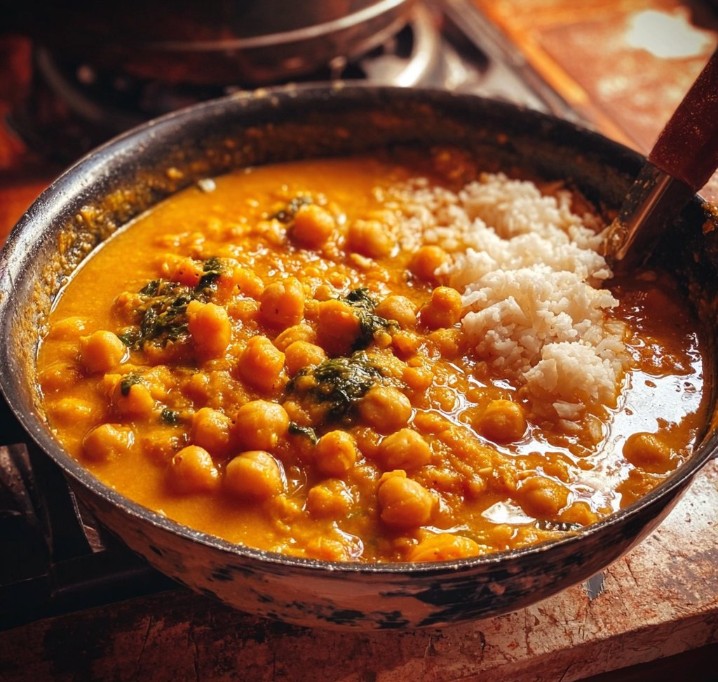
Ethiopian Chickpea Stew, also known as Shiro, is a heartwarming dish that brings warmth and comfort in every spoonful. This stew is characterized by its rich, deep flavor and velvety texture, thanks to the combination of chickpea flour and the robust spices that make it so special. The dish is fragrant from the sautéed onions, garlic, ginger, and a traditional Berbere spice mix that lends it that signature Ethiopian taste.
Best served over injera, a type of Ethiopian flatbread, or with a side of rice, this stew is not just a meal but an experience. It’s perfect for dinner gatherings, a cozy family meal, or even as a flavorful option for a celebration or party. Its simplicity also makes it a great choice for quick weeknight dinners, bringing exotic flavors without extensive preparation.
Prep Time: 10 min | Cook Time: 25 min | Total Time: 35 min
How to Make Ethiopian Chickpea Stew
Ingredients
- 2 tablespoons vegetable oil
- 1 large onion, finely chopped
- 2 cloves garlic, minced
- 1 tablespoon ginger, minced
- 2-3 tablespoons Berbere spice mix (adjust to taste)
- 1/2 cup chickpea flour (shiro flour)
- 2 1/2 cups water or vegetable broth
- 1/4 teaspoon salt (or to taste)
- Optional: Fresh cilantro for garnish
- Injera or rice for serving
Step-by-Step Instructions
-
Sauté the Onion: Begin by heating the vegetable oil in a medium-sized pot over medium heat. Add the finely chopped onion and sauté for about 5-7 minutes, or until it turns golden brown. This step is crucial as it builds the foundation of flavor for your stew.
-
Add Spices: Stir in the minced garlic, ginger, and the Berbere spice mix. Cook this for about 1-2 minutes, continuously stirring to make sure the spices do not burn but rather release their fragrant aroma.
-
Incorporate Chickpea Flour: Gradually whisk in the chickpea flour. Be sure to break up any lumps that may form. Continue to cook this mixture for 1-2 minutes while stirring frequently, which helps develop the flavor of the flour.
-
Combine with Liquid: Slowly pour in your choice of water or vegetable broth while whisking continuously. This helps create a nice, smooth consistency without any lumps.
-
Simmer and Thicken: Bring the mixture to a gentle simmer, then reduce the heat to low. Let it cook for about 10-15 minutes, stirring occasionally. You’ll notice the stew thickening as it cooks.
-
Season and Serve: Finally, season with salt to taste and adjust the spices as desired. Serve the stew hot with injera or rice, garnished with fresh cilantro if you like.
Pro Tips
-
Choosing Berbere Spice: Berbere is a complex spice mix, typically containing chili pepper, garlic, ginger, and various spices. Make sure to taste your mix before adding it to the stew; adjust the amount to suit your spice tolerance.
-
Consistency Matters: If your stew is too thick, you can add a bit more water or broth to reach your desired consistency. It should be creamy but not overly runny.
-
Fresh Herbs: Fresh cilantro not only adds a pop of color but also brightens up the dish. They bring a touch of freshness that complements the warm spices beautifully.
-
Storage for Leftovers: If you have leftovers, store them in an airtight container in the fridge. This stew is known to taste even better the next day as the flavors have more time to meld together.
-
Chickpea Flour Substitution: If you can’t find chickpea flour, you could substitute it with ground lentils or use canned chickpeas. Just make sure to adjust the cooking time accordingly.
-
Make it Vegan-Friendly: This recipe is naturally vegan, making it suitable for a wide range of dietary preferences. Pair it with vegan-friendly sides like roasted vegetables for a complete meal.
Why You’ll Love This Recipe
This Ethiopian Chickpea Stew is a delightful dish that captivates with its bold flavors and creamy texture. The Berbere spice mix delivers an explosion of taste that can be adjusted to meet the preferences of your guests—whether they enjoy mild or spicy flavors. Plus, it’s simple enough to whip up for a weeknight meal yet impressive enough for entertaining.
Additionally, this recipe is plant-based, making it a terrific option for both vegans and those looking to reduce meat consumption. You can easily serve it with rice or injera for a satisfying meal that fits different eating styles and occasions.
How to Serve Ethiopian Chickpea Stew
Presentation is key for any dish, and Ethiopian Chickpea Stew shines when served alongside injera or fluffy rice. For a delightful visual, serve the stew in a large shallow bowl with a side of injera arranged around it for guests to tear off and scoop with.
You may also want to boost your meal with some steamed greens or a crisp salad for a delicious balance of flavors and textures. For drinks, consider pairing it with light, refreshing beverages like iced tea or Ethiopian beer to enhance the experience.
How to Store Ethiopian Chickpea Stew
You can store leftovers of this chickpea stew in the fridge for up to 5 days. Ensure it is in an airtight container to maintain its freshness.
If you want to keep it longer, consider freezing portions in freezer-safe containers or Ziploc bags. It can last up to 3 months in the freezer. Just be sure to label and date your containers so you can keep track.
Tips to Make Ethiopian Chickpea Stew
To enhance the flavor of the stew, try toasting the chickpea flour briefly before adding it to the onion and spices. This will develop its flavor even more and add a lovely nuttiness to your dish.
Be mindful while adding salt—since broth can vary in sodium levels, start with less and adjust after cooking to avoid over-salting your stew.
Cooking the onions until they are significantly caramelized forms a richer base, improving the stew’s overall taste profile.
Consider adding a splash of lemon juice just before serving; this can elevate the dish’s freshness and balance the flavors beautifully.
Variation
There are several delicious variations of Ethiopian Chickpea Stew you could explore. For a spicier version, increase the amount of Berbere or add fresh chopped chili peppers.
For a heartier stew, consider adding cooked vegetables like carrots or spinach for extra nutrition and texture. You can also incorporate coconut milk for a creamier, richer stew, which adds a wonderful flavor contrast.
For those following gluten-free diets, ensure the chickpea flour used is certified gluten-free, and pair it with gluten-free sides.
Nutrition Information
( Serving Size: 1 cup | Calories: 250 | Protein: 10g | Carbs: 30g | Fat: 10g | Fiber: 8g | Sugar: 2g )
Chickpeas are an excellent source of protein and fiber, making this stew a filling option that might help with weight control and digestive health. It’s also low in sugar, which is beneficial for those monitoring blood sugar levels.
Storage and Reheating
When it comes to reheating your Ethiopian Chickpea Stew, you can easily do so in the microwave. Place your desired portion in a microwave-safe bowl and heat it on medium power for 2-3 minutes, stirring halfway through for even heating.
If using the oven, preheat it to 350°F (175°C), and place the stew in an oven-safe dish. Cover it with aluminum foil to keep moisture in, heating for about 15-20 minutes, or until warmed through.
On the stovetop, gently reheat it in a saucepan over medium heat, stirring occasionally until heated through, adding a splash of water if it gets too thick.
Customization Ideas
Feel free to play with the flavors in this stew! You can add different spices such as cumin or smoked paprika for a unique twist. Experimenting with various herbs—like thyme or dill—can also create interesting variations.
Toppings such as diced avocados, roasted nuts, or a sprinkle of feta cheese can bring new textures and flavors to the dish, and you can adjust the heat level by adding more or less spiciness according to your preference.
Common Mistakes to Avoid
-
Not Cooking the Onions Long Enough: Make sure you sauté the onions until they are golden brown. Under-cooked onions can lead to a raw taste that detracts from the dish.
-
Overcooking the Chickpea Flour: Cooking the chickpea flour too long can make it clumpy. Stir it in just until it is fully incorporated.
-
Skipping the Tasting Step: Always taste your stew before serving. This will help you adjust flavors and ensure your stew is seasoned perfectly.
-
Using Cold Liquid: Avoid adding cold broth or water to the hot mixture. Gradually add warm or room temperature liquid for a smoother consistency.
-
Ignoring Texture: If your stew is too thick, don’t hesitate to add more liquid. Adjusting the thickness during cooking is key to achieving that perfect velvety texture.
Serving Occasions
Ethiopian Chickpea Stew is incredibly versatile. It’s wonderful for family dinners, casual gatherings, or a comforting meal at home after a long day. The vibrant flavors also make it a great dish for parties or potlucks where you want to impress guests with something uniquely delicious.
It can also serve as a lovely side dish for a larger Ethiopian meal, alongside other traditional recipes such as lentil stew or vegetable curry.
Why Make This Recipe
Ethiopian Chickpea Stew stands out for its incredible flavor, simplicity, and wholesome ingredients. It captures the essence of Ethiopian cuisine, focusing on natural ingredients and spices to create a rich, hearty dish that resonates with a variety of palates. Compared to other stews from around the world, Shiro offers a unique blend of spices that draws on rich cultural traditions, making it both authentic and comforting.
The use of chickpeas provides ample protein and fiber, making it a great option for anyone focusing on plant-based eating. Its low cook time and straightforward ingredients allow even novice cooks to create a restaurant-quality meal at home.
FAQs
-
Can I use canned chickpeas instead of chickpea flour?
- Yes! You can use canned chickpeas, but you’ll need to blend them into a smooth paste and adjust liquid accordingly.
-
Is this stew spicy?
- The spice level depends on how much Berbere you use. Start with a smaller amount if you’re unsure, and taste as you go.
-
Can I make it ahead of time?
- Absolutely! This stew actually tastes even better the day after, making it perfect for meal prep or entertaining.
-
What’s a good substitute for injera?
- If injera isn’t available, flatbreads, pita, or even steamed rice make excellent substitutes.
-
Is it gluten-free?
- Yes, this dish is naturally gluten-free, especially when using chickpea flour. Just ensure your ingredients don’t contain gluten for any added spices or broth.
Disclaimer:
Please note that nutritional information is approximate and can vary based on specific ingredients and serving sizes. Adjustments in recipe ingredients might also alter nutrient profiles.
Print
Ethiopian Chickpea Stew
- Total Time: 35 minutes
- Yield: 4 servings 1x
- Diet: Vegan
Description
A heartwarming Ethiopian stew made with chickpea flour, spiced with Berbere for a rich, comforting dish perfect for any meal.
Ingredients
- 2 tablespoons vegetable oil
- 1 large onion, finely chopped
- 2 cloves garlic, minced
- 1 tablespoon ginger, minced
- 2–3 tablespoons Berbere spice mix (adjust to taste)
- 1/2 cup chickpea flour (shiro flour)
- 2 1/2 cups water or vegetable broth
- 1/4 teaspoon salt (or to taste)
- Optional: Fresh cilantro for garnish
- Injera or rice for serving
Instructions
- Heat vegetable oil in a medium-sized pot over medium heat. Add the finely chopped onion and sauté for 5-7 minutes until golden brown.
- Stir in the minced garlic, ginger, and Berbere spice mix. Cook for 1-2 minutes, stirring continuously to avoid burning.
- Gradually whisk in the chickpea flour, breaking up any lumps, and cook for another 1-2 minutes while stirring.
- Slowly pour in water or vegetable broth while whisking continuously to create a smooth consistency.
- Bring to a gentle simmer, reduce heat to low, and cook for 10-15 minutes, stirring occasionally until thickened.
- Season with salt to taste and adjust the spices as desired. Serve hot with injera or rice, garnished with fresh cilantro if desired.
Notes
This dish is naturally vegan and gluten-free. Adjust the spice level by varying the amount of Berbere used.
- Prep Time: 10 minutes
- Cook Time: 25 minutes
- Category: Main Course
- Method: Stovetop
- Cuisine: Ethiopian
Nutrition
- Serving Size: 1 cup
- Calories: 250
- Sugar: 2g
- Sodium: 400mg
- Fat: 10g
- Saturated Fat: 1g
- Unsaturated Fat: 5g
- Trans Fat: 0g
- Carbohydrates: 30g
- Fiber: 8g
- Protein: 10g
- Cholesterol: 0mg