
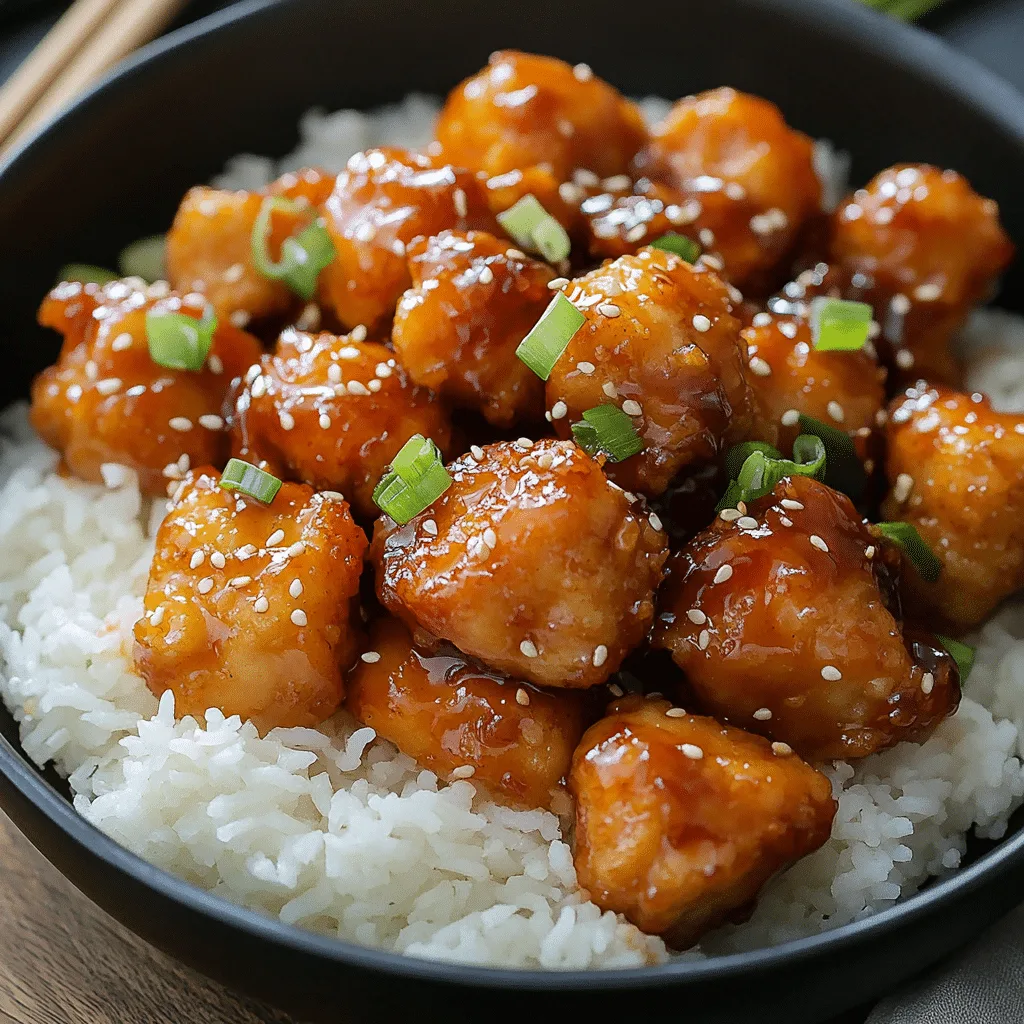
General Tso’s Chicken has a special place in my culinary journey it’s not just a recipe, but a personal milestone. My passion for cooking began at the age of seven when I received my very first cookbook. I can still picture myself curled up on the kitchen floor, flipping through pages filled with colorful dishes from around the globe. Over the years, that curiosity blossomed into a love for creating my own recipes, blending inspiration from fresh, local ingredients with flavors I’ve discovered in cuisines worldwide.
The first time I encountered General Tso’s Chicken, its bold personality captivated me instantly crispy bites of golden chicken wrapped in a glossy, tangy-sweet sauce with a playful hint of heat.
It was comfort food with a spark, and I knew I had to master it at home. In this guide, I’ll walk you through the history, flavors, and step-by-step process for making a version so good, you might just skip takeout forever.
Table of Contents
Table of Contents
General Tso’s Chicken
- Total Time: 45 mins
- Yield: 4 servings 1x
Description
Crispy fried chicken bites coated in a tangy-sweet sauce with hints of spice a Chinese-American favorite made easily at home.
Ingredients
1 lb boneless, skinless chicken thighs, cut into bite-sized pieces
1/4 cup soy sauce
2 tbsp rice wine or dry sherry
1/2 cup cornstarch
1/4 cup hoisin sauce
2 tbsp rice vinegar
2 tbsp sugar or honey
1 tbsp minced garlic
1 tbsp minced ginger
6–8 dried red chilies
1/2 cup chicken broth
2 tbsp vegetable or peanut oil (plus more for frying)
2 tsp cornstarch (for slurry)
2 tbsp water (for slurry)
Steamed broccoli, sesame seeds, and sliced green onions for garnish
Instructions
1. Marinate chicken in soy sauce, rice wine, and 2 tbsp cornstarch for 20–30 minutes.
2. Prepare sauce by mixing hoisin sauce, rice vinegar, sugar, soy sauce, and chicken broth in a bowl.
3. Coat marinated chicken pieces in cornstarch.
4. Heat oil to 350°F (175°C) and fry chicken in batches until golden and crisp.
5. In a wok, heat 2 tbsp oil and sauté garlic, ginger, and dried chilies until fragrant.
6. Add prepared sauce and bring to a simmer.
7. Mix cornstarch and water to form a slurry; stir into sauce to thicken.
8. Add fried chicken to sauce, tossing to coat evenly.
9. Serve immediately over rice with steamed broccoli, sesame seeds, and green onions.
Notes
For extra crunch, double-fry the chicken by briefly refrying after the first cook.
Adjust sweetness and spice to your taste by modifying sugar and chili amounts.
- Prep Time: 20 mins
- Cook Time: 25 mins
- Category: Main Course
- Method: Frying, Stir-Frying
- Cuisine: Chinese-American
Nutrition
- Serving Size: 1 serving
- Calories: 420
- Sugar: 12g
- Sodium: 880mg
- Fat: 18g
- Saturated Fat: 3.5g
- Unsaturated Fat: 12g
- Trans Fat: 0g
- Carbohydrates: 38g
- Fiber: 2g
- Protein: 26g
- Cholesterol: 85mg
The Origin and History of General Tso’s Chicken
The Legendary General Behind the Name
When you first hear the name General Tso’s Chicken, it sounds like it must have deep historical roots in China maybe even a family recipe passed down from a famous general himself. The truth is a bit more intriguing. General Tso, whose full name was Zuo Zongtang, was a 19th-century military leader from Hunan Province in China. He was known for his strategic brilliance and dedication to his country, but there is no evidence that he ever ate or invented the chicken dish that bears his name. In fact, most food historians agree that General Tso likely never tasted anything remotely similar. The name was chosen decades later, likely because it sounded dignified and authentically Chinese to American diners.
A Dish Born in America, Inspired by China
The origins of General Tso’s Chicken trace back not to the bustling streets of Changsha or Beijing, but to Chinese restaurants in the United States.Seeking to introduce Americans to the bold, spicy, and tangy flavors of Hunan cuisine, he created a dish featuring crispy fried chicken chunks tossed in a glossy sauce. However, his original version was saltier and spicier more in line with authentic Hunan tastes. American diners, accustomed to milder and sweeter flavors, prompted him to adjust the recipe, adding sugar and toning down the heat.
From Niche to National Takeout Favorite
Once adapted, General Tso’s Chicken took off in popularity, spreading across Chinese-American restaurants nationwide. Its appeal was universal: bite-sized crispy chicken, a rich sauce that balanced sweet, tangy, and savory elements, and just enough spice to keep things interesting. By the 1980s, it was firmly established as a takeout classic, and by the 1990s, it was one of the most ordered dishes in Chinese restaurants across the U.S.
The Cultural Fusion Story
Immigrant chefs adapted traditional cooking techniques and flavor profiles to suit local tastes, creating something entirely new while still rooted in heritage. It’s a symbol of how food can evolve through cultural exchange honoring traditions while embracing innovation.
Today, whether you order it from your favorite takeout spot or make it at home, you’re enjoying a dish that’s not purely Chinese nor entirely American, but a delicious blend of both a culinary handshake between two cultures, sealed in a sticky, flavorful sauce.
If you enjoy easy and comforting recipes, make sure to check out our Vegan Banana Bread Recipe for a delicious and wholesome treat.
What Makes General Tso’s Chicken Unique
The Signature Flavor Profile
What sets General Tso’s Chicken apart from other Chinese-American dishes is its carefully balanced flavor profile.The sweetness, often from sugar or honey, works with the umami depth of soy sauce and the tanginess of rice vinegar. A subtle kick of heat, usually from dried chili peppers, rounds it out. This layered taste experience is the reason people often crave it and why it has stood the test of time in the competitive world of takeout menus.
Unlike some fried chicken dishes that rely solely on texture, General Tso’s Chicken is built around its sauce. That sauce doesn’t just coat the chicken it clings to it, forming a glossy glaze that makes the flavor linger with every bite. This ability to balance richness with brightness is a culinary skill that requires more than just tossing ingredients into a pan; it’s about precision and timing.
The Texture That Hooks You
The texture of General Tso’s Chicken is equally important to its appeal. The chicken pieces are coated in a seasoned cornstarch batter before frying, which creates a thin, crisp shell. The magic happens when this crispy coating meets the thick, sticky sauce it absorbs just enough to add flavor without turning soggy. When done right, you get the perfect contrast: a delicate crunch followed by tender, juicy chicken.
This textural balance is no accident. Many chefs double-fry the chicken to ensure it retains its crunch, even after being tossed in the sauce. That extra step is one of the secrets that separates a mediocre plate from a truly memorable one.
Why It Stands Out Among Takeout Classics
While dishes like Orange Chicken and Sesame Chicken share similar sweet-and-savory qualities, General Tso’s Chicken offers a bolder edge. Its Hunan-inspired seasoning, richer sauce base, and slight spice kick make it feel more complex. That complexity means it pairs beautifully with plain steamed rice, which soaks up the sauce, or with broccoli for a fresh, crisp contrast.
The Comfort Factor
Beyond flavor and texture, General Tso’s Chicken offers something else: comfort. It’s the kind of meal you order after a long day, the kind you make at home for a Friday night treat. It satisfies both your craving for indulgence and your desire for familiar, comforting flavors. That’s why it remains a menu staple it’s not just food, it’s an experience people return to again and again.
Choosing the Best Ingredients for General Tso’s Chicken
Selecting the Right Chicken Cut
The quality of the chicken sets the tone for the entire dish. Many cooks prefer boneless, skinless thighs because they stay tender and juicy, even after frying. Their slightly richer flavor also pairs beautifully with a bold, tangy sauce. If you want a leaner option, chicken breast works too, but it requires careful cooking to avoid dryness.
Whichever cut you choose, aim for fresh pieces with a clean, pink appearance.
The Building Blocks of the Sauce
The sauce is the soul of this Chinese-American favorite, and it comes together from a few essential pantry items:
- Soy Sauce – Adds deep umami flavor.
- Rice Vinegar – Provides brightness and tang.
- Hoisin Sauce – Brings sweetness and depth.
- Sugar or Honey – Balances acidity and adds caramel notes.
- Fresh Garlic and Ginger – Infuse the glaze with warmth and aroma.
- Dried Red Chilies – Offer a gentle, lingering heat.
When these ingredients are balanced correctly, they create the signature glossy coating that makes this tangy fried chicken dish so memorable.
The Crisp Coating Essentials
That satisfying crunch comes from a cornstarch-based batter. Cornstarch creates a light, shatter-crisp crust that holds up well against the sauce. Some cooks add a touch of all-purpose flour for a slightly softer texture, but pure cornstarch delivers maximum crispness. Seasoning the coating before frying usually with salt and a pinch of white pepper ensures the chicken is flavorful before it ever touches the sauce.
Supporting Ingredients for Balance
Fresh vegetables and garnishes add both color and contrast. A sprinkle of toasted sesame seeds finishes the dish with nutty aroma and visual appeal, making it look as good as it tastes.
Preparing the Coating
After marination, the chicken is ready for its crisp shell. Instead of thick batter, this dish relies on a dry coating that turns into a light crunch when fried. A toss in cornstarch perhaps with a pinch of pepper or five-spice powder for personality will do the trick. Coating just before cooking is key; it keeps the starch dry so it crisps quickly in hot oil.
Cooking for the Perfect Crunch
When it’s time to fry, choose an oil that can handle high heat without breaking down, like peanut or canola. Rather than crowding the pan, cook the chicken in smaller groups so the temperature stays steady. The goal isn’t just to cook the chicken it’s to create that golden exterior that will still have bite once it meets the sauce. Some cooks give the pieces a brief second fry for extra texture, but one well-monitored cook can deliver excellent results too.
Bringing the Sauce to Life
While the chicken rests on a wire rack, it’s time to create the glaze that defines this Chinese-American favorite. In a clean wok, aromatics like minced garlic, fresh ginger, and dried chilies sizzle briefly in a drizzle of oil. Then comes the liquid blend: soy sauce, hoisin, rice vinegar, a touch of sweetness, and a bit of broth. A quick stir with a cornstarch-and-water mixture thickens everything into a sauce that clings instead of drips.
The Final Toss
The last step is the most satisfying sliding the crisp chicken into the hot sauce and turning it gently until each piece glistens. Once coated, the chicken should be served right away to preserve its contrast of crunch, tenderness, and bold, tangy flavor.
For another family friendly dish, try our Mozzarella Stuffed Meatballs a hearty dinner that pairs perfectly with any side.
The Perfect General Tso’s Sauce
The Heart of the Dish
When people talk about what makes General Tso’s Chicken so memorable, the conversation always comes back to the sauce. Without it, you’d simply have fried chicken bites tasty, but not extraordinary. With it, every piece becomes a burst of layered flavor. It’s bold yet balanced, offering a gentle sweetness, a tangy lift, savory depth, and just enough heat to make your taste buds lean in for more.
This sauce is the signature that makes the dish instantly recognizable, even if you swap the chicken for another protein or a plant-based alternative.
A Balancing Act of Flavors
The magic lies in the way different flavor elements play together. Sweetness often comes from sugar or honey, giving the glaze its caramel-like edge. A splash of rice vinegar cuts through with a refreshing brightness. Soy sauce and hoisin create the savory backbone, lending both depth and a hint of smokiness.
Then there’s the spice never overpowering, but present enough to warm the palate. Dried chilies or a light sprinkle of chili flakes add this subtle kick, making each bite a little more exciting without overwhelming the other notes.
Getting the Texture Right
A memorable sauce isn’t just about taste; it’s also about how it feels on the chicken. Thin sauces slide off, while overly thick ones mask the crisp coating. The sweet spot comes from using a small amount of cornstarch mixed with water to lightly thicken the liquid at the end of cooking. This creates that glossy finish that clings without turning heavy.
Timing matters too long on the heat, and the sauce can become sticky and grainy; too short, and it won’t properly coat the chicken.
Making It Your Own
One of the best things about preparing this Chinese-American favorite at home is how easy it is to personalize the sauce. If you love tang, add a touch more vinegar. Want a bolder sweetness? Swap part of the sugar for brown sugar to bring in a richer note. Prefer extra spice?
Once you understand the basic balance of sweet, sour, savory, and spicy, you can create endless variations each still unmistakably connected to the original General Tso’s Chicken experience.
Serving and Presentation Tips
Pairing for a Balanced Plate
While General Tso’s Chicken is the star of the show, the way it’s served can turn a good meal into an unforgettable one. Steamed white rice is the most classic partner it absorbs the flavorful sauce and offers a neutral backdrop for the bold flavors. For a richer option, fried rice works beautifully, adding another layer of taste and texture.
Vegetables play an important supporting role too. Lightly steamed broccoli or snow peas add a crisp freshness that balances the richness of the chicken. Their bright green color also makes the dish visually pop, creating a plate that’s as appealing to the eyes as it is to the taste buds.
Garnishing for Impact
The right garnish can elevate presentation instantly. A scattering of toasted sesame seeds provides a nutty aroma and an extra bit of crunch. Freshly chopped green onions add color contrast and a mild bite that cuts through the sweet glaze. For an artistic touch, arrange the chicken in a shallow bowl and place vegetables along the edges, allowing the sauce to pool slightly at the bottom.
Serving Styles for Different Occasions
- Casual Family Dinner: Serve family-style on a large platter so everyone can help themselves.
- Special Occasion Meal: Plate each serving individually with a neat mound of rice, a portion of chicken on top, and vegetables fanned along the side.
- Party Appetizer: Offer smaller bites of chicken on skewers or toothpicks with a little drizzle of sauce perfect for finger food.
The versatility of General Tso’s Chicken means it can fit into almost any dining setting, from weeknight comfort food to festive gatherings.
Keeping the Texture Crisp When Serving
One common challenge with saucy dishes is maintaining crunch. To keep the coating from softening too quickly, toss the chicken in the sauce right before serving. If you’re serving a crowd and need to prep in advance, keep the chicken and sauce separate until it’s time to plate. Reheat the sauce gently before combining so it stays smooth and glossy.
The Visual Element
Presentation isn’t just for fancy restaurants it affects how much people enjoy the meal at home, too. Use contrasting plate colors to make the golden chicken stand out. A sprinkle of sesame seeds and a pop of green from herbs or vegetables ensures every plate looks vibrant and appetizing.
Variations on General Tso’s Chicken
Health-Conscious Adjustments
For those who adore the flavor of General Tso’s Chicken but prefer a lighter approach, there are plenty of smart swaps. Instead of deep-frying, try oven-baking the chicken on a preheated sheet pan brushed with oil the high heat helps create a satisfying crunch without a vat of oil. Air fryers can achieve similar results in less time, using just a mist of oil spray.
Sweetness in the sauce can also be toned down. Replacing part of the sugar with honey or even a touch of maple syrup adds complexity while keeping it balanced. Choosing reduced-sodium soy sauce is another easy way to lower salt without losing the bold flavor.
Plant-Based Inspirations
You don’t have to be a meat eater to enjoy the sweet-tangy appeal of this dish. Tofu makes an excellent stand-in when pressed to remove excess water and then pan-fried or baked, it develops a chewy texture that welcomes the sauce.
Cauliflower is another winner. Roast the florets until golden at the edges, then toss them in the glaze for a vegetable-forward take that’s just as satisfying as the original. The natural sweetness of the cauliflower pairs surprisingly well with the tangy sauce.
Exploring Other Proteins
Seafood lovers can give the dish a twist by using shrimp. They cook quickly and absorb the sauce in moments, making for a light yet flavorful variation. Pork tenderloin, sliced thin and coated, also works beautifully for a richer, more savory bite.
Flavor Twists Across Regions
Once you know the basic formula, experimenting with new flavor accents is easy.
These adjustments keep the spirit of General Tso’s Chicken alive while making the dish feel fresh and personal.
Serving in Unexpected Ways
Leftovers don’t have to be boring. Wrap the chicken in lettuce leaves with rice for an Asian-inspired wrap, or pile it over noodles for a hearty bowl. Even chilled, the sauce-coated pieces can bring a punch of flavor to a lunchtime salad.
Fore more recipes follow me in facebook and pinterest
FAQs About General Tso’s Chicken
Is there another name for General Tso’s Chicken?
Yes. Depending on where you’re dining, you might see this dish listed as General Tao’s Chicken, General Gao’s Chicken, or even General Chau’s Chicken. These variations usually come down to differences in transliteration from Mandarin or Cantonese into English. Despite the name changes, the dish itself remains the same crispy fried chicken coated in a sweet, tangy, and slightly spicy glaze.
Why do people say General Tso’s Chicken?
The name comes from Zuo Zongtang, a 19th-century Chinese military leader from Hunan Province. However, the dish was not created by him. Instead, it was invented by chefs in Chinese restaurants outside of China, particularly in the United States, who adapted traditional Hunan cooking techniques for local tastes. The name was chosen partly for its cultural resonance and partly because it sounded authentic and memorable.
What is similar to General Tso’s Chicken?
Several dishes share a similar flavor profile. Sesame Chicken offers a sweeter, less spicy glaze with nutty sesame seeds. Orange Chicken is citrus-forward, using orange zest and juice for a bright tang. Kung Pao Chicken is spicier and incorporates peanuts for crunch. All three combine sweetness and savory depth but differ in the exact balance of flavors and texture.
What flavour is General Tso’s Chicken?
It’s best described as a harmony of sweet, tangy, and savory with a gentle heat. The sweetness comes from sugar or honey, the tang from rice vinegar, and the savory backbone from soy and hoisin sauces. The slight spice is typically mild enough for those who don’t usually enjoy hot foods, but it can be adjusted to taste. This balance is what gives the dish its wide appeal it’s bold without being overpowering.
Can you make it less sweet or spicier?
Absolutely. When cooking at home, you have complete control over the sauce. Reducing the sugar or replacing some of it with honey will mellow the sweetness. Increasing the number of dried chilies or adding chili paste can turn up the heat. Adjusting these elements doesn’t just make the dish fit your preferences it can also bring out different aspects of its flavor profile.