
Healthy Sautéed Vegetables – Quick, Flavorful & Nutritious Side
Looking to add a burst of flavor and nutrition to your meals? Sautéed vegetables are just the ticket! Whether you’re aiming for a side dish that complements your protein or a vibrant centerpiece on a vegetarian plate, these vegetables bring brightness, color, and crunch. Plus, they’re easy to whip up in no time, making them perfect for weeknight dinners or more elaborate meals alike.
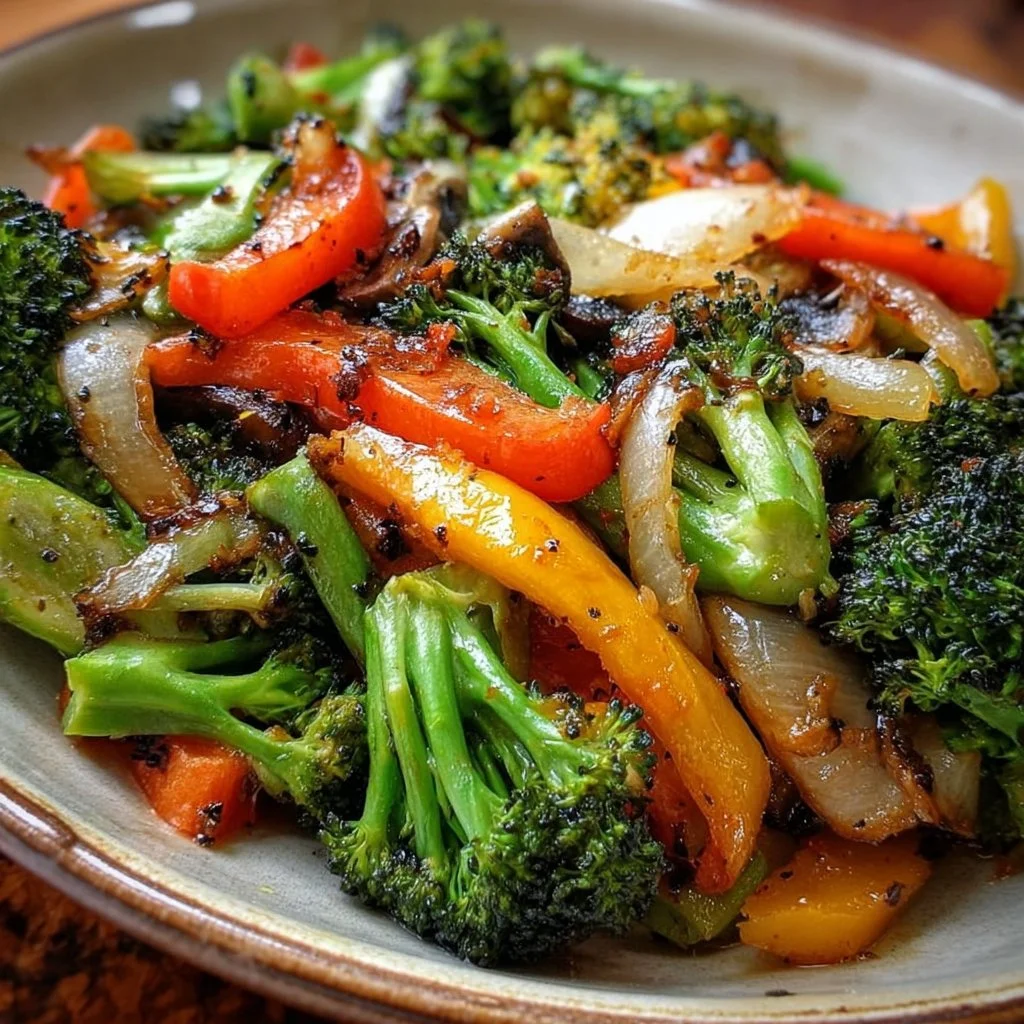
These sautéed veggies are not just visually appealing; they are a delightful mix of tastes and textures. The combination of fresh bell peppers, crunchy broccoli, and tender zucchini creates a harmony that tantalizes the taste buds. With a little garlic and onion to kick things up a notch, this dish becomes a flavor powerhouse. It’s a delicious way to sneak in some healthy nutrients, making it an excellent choice for health-conscious eaters.
From breakfast bowls to dinner plates or even parties, these sautéed vegetables are a versatile option. They can be served hot right off the stove or prepared in advance and enjoyed later. They fit beautifully into a variety of dietary preferences, whether serving a hearty meat lover or a health-conscious vegan.
Prep Time: 10 min | Cook Time: 25 min | Total Time: 35 min
How to Make Healthy Sautéed Vegetables
Ingredients
- 2 tbsp olive oil (or avocado oil/butter)
- 2 cloves garlic, minced
- 1 small onion, thinly sliced
- 1 bell pepper, sliced
- 1 zucchini, sliced into half-moons
- 1 cup broccoli florets
- 1 medium carrot, julienned or sliced thin
- ½ cup snap peas
- ½ cup mushrooms, sliced
- Salt and black pepper, to taste
- 1 tsp lemon juice (optional)
- 1 tsp balsamic vinegar or soy sauce (optional)
- Optional toppings: toasted nuts, seeds, fresh herbs, grated Parmesan
Step-by-Step Instructions
- Prep Vegetables: Begin by washing your vegetables. Peel them if necessary, and cut everything into uniform pieces. This helps them cook evenly.
- Heat Pan: Place your skillet over medium-high heat and add the oil. Wait until it shimmers before adding your vegetables.
- Cook Aromatics: Toss in the minced garlic and sliced onion first. Sauté for 1–2 minutes or until they become fragrant and translucent.
- Add Harder Vegetables: Start with your carrots and broccoli. Cook these for about 3–4 minutes while stirring frequently to ensure they soften.
- Add Softer Vegetables: Next, add bell peppers, zucchini, mushrooms, and snap peas. Sauté for another 4–5 minutes until all the veggies are crisp-tender.
- Season: Sprinkle in salt, pepper, and any optional flavors, like lemon juice, balsamic vinegar, or soy sauce, for extra zing.
- Finish & Serve: Give everything a good toss, garnish with your preferred toppings, and serve immediately for the best texture.
Pro Tips
- Uniform Sizing: Cutting your vegetables into even pieces ensures they cook at the same rate. If some pieces are larger or smaller, you risk uneven cooking situations.
- Don’t Crowd the Pan: For better searing and flavor development, avoid overcrowding the skillet. If necessary, sauté in batches to maintain that delicious caramelization.
- Use Fresh Ingredients: Fresh veggies will give you the best results in terms of flavor and nutrition. If you can buy local or seasonal produce, do so!
- Experiment with Seasoning: Don’t be shy about trying different spices or herbs like thyme, basil, or even a pinch of chili flakes for added heat.
- Enhance the Texture: Consider adding some toasted nuts or seeds right before serving — they provide a lovely crunch and additional health benefits.
- Timing is Key: Softer vegetables like zucchini and bell peppers cook faster, while firmer ones like broccoli and carrots need a bit more time. Add them in the right order for best results.
Why You’ll Love This Recipe
These sautéed vegetables are not only quick and easy to make but also incredibly satisfying. They’re colorful, nutritious, and bursting with natural flavors, which makes it hard to believe that something so simple can taste so good. Plus, this recipe is adaptable to whatever ingredients you have on hand or prefer, making it a staple in your kitchen.
Whether you’re vegan, gluten-free, or simply looking to eat healthier, this recipe accommodates various diets and lifestyle choices. It fits seamlessly into a balanced meal without sacrificing taste or dieter satisfaction.
How to Serve Healthy Sautéed Vegetables
When it comes to presentation, choose a bright, colorful bowl that showcases the vibrant mix of vegetables. You can serve these alongside grilled meats, as part of a quinoa or rice bowl, or even on top of a salad for added crunch and flavor. A light drizzle of lemon juice or a sprinkle of fresh herbs can elevate the dish even further.
For drinks, consider pairing your sautéed vegetables with a light, citrusy beverage like lemonade or an herbal iced tea. They make for a delicious side at family dinners or formal gatherings, adding a touch of freshness to richer main dishes.
How to Store Healthy Sautéed Vegetables
You can store sautéed vegetables in airtight containers in the refrigerator for up to 3–5 days. If you want to keep them fresh for a longer period, consider freezing them in portions. Just make sure to let them cool completely before transferring them to freezer-safe bags, where they can last for about 2–3 months.
When reheating, remember that sautéed veggies can lose their crispness if microwaved too long. Instead, heat them in a skillet over low-medium heat for about 5–7 minutes until warm, or use the microwave for quicker convenience, ensuring not to overdo it.
Tips to Make Healthy Sautéed Vegetables
- Timing is Important: Pay attention to cooking times for the different vegetables. Add them sequentially, starting with those that take longer to cook.
- Season Gradually: Taste is key! Start with less salt and add as you go, ensuring it doesn’t become overly salty.
- Fresh Herbs Matter: Adding fresh herbs like basil or parsley right before serving can brighten up the dish, making it more appealing.
- Iron Chef Style: Get creative! If you have leftover roasted vegetables, toss them in during the last minute for added depth of flavor.
Variations
- Spicy: Add a pinch of red pepper flakes or slices of jalapeño to the sauté for some heat.
- Vegan: The recipe is already vegan-friendly as written. Just ensure your toppings are also vegan, like nutritional yeast instead of Parmesan.
- Low-Carb: Stick to low-carb vegetables like bell peppers, zucchini, and broccoli, avoiding starchy options like carrots.
- Gluten-Free: Ensure any sauces you use, like soy sauce, are certified gluten-free.
Nutrition Information
(Serving Size | Calories | Protein | Carbs | Fat | Fiber | Sugar)
Typical serving size provides about 150 calories, 4 grams of protein, 20 grams of carbohydrates, 8 grams of fat, 5 grams of fiber, and 7 grams of sugar. This dish is particularly high in fiber due to its vegetable base, promoting digestive health and satiety.
Storage and Reheating
To reheat your leftover sautéed vegetables, you can utilize either the microwave or a skillet. For the microwave, place them in a covered dish, heat in 30-second intervals until warm. In a skillet, add a splash of water or broth to maintain moisture and heat over medium heat for roughly 5–7 minutes. Avoid overheating to preserve the vegetables’ texture.
Customization Ideas
Feel free to play around with flavors by adding spices like cumin, paprika, or fresh ginger for a unique twist. You can also switch up the toppings—try adding feta cheese, sunflower seeds, or pomegranate seeds for added texture and flavor contrast.
Common Mistakes to Avoid
- Too Much Oil: Using too much oil can lead to soggy vegetables. Stick to the recommended amount to keep things light.
- Cooking at Wrong Temperature: If your pan isn’t hot enough, the veggies won’t sauté properly. Ensure it’s hot enough before you begin.
- Skipping Seasoning: Don’t forget to season your vegetables. They can taste bland if you don’t enhance their natural flavors!
- Overcooking: Make sure to remove the vegetables from the heat as soon as they are crisp-tender. This keeps them colorful and vibrant.
Serving Occasions
These sautéed vegetables are perfect for casual family dinners, festive holiday gatherings, or as a colorful addition to a meal prep plan. They are also an excellent choice for quick lunches, bringing a delightful crunch and health boost to your midday break.
Why Make This Recipe
What makes this recipe stand out is its simplicity and the vibrant nutritional profile it offers. With minimal effort and time, you can create a dish that not only tastes great but ensures you’re getting those crucial nutrients. Compared to elaborate vegetable dishes, this recipe strips away the complexity, allowing the natural flavors of the vegetables to shine.
FAQs
1. Can I add other vegetables?
Absolutely! Feel free to add in seasonal vegetables like asparagus, green beans, or anything you have on hand.
2. How do I make this a complete meal?
You can turn this side into a main by adding protein sources like chicken, tofu, or chickpeas.
3. What if I don’t have fresh vegetables?
Frozen vegetables can be a convenient substitute. Just adjust the cooking time since they are typically pre-blanched.
4. Can I use an alternative oil?
Yes, avocado oil or even butter can work as substitutions if you prefer those flavors.
5. Is this dish kid-friendly?
Definitely! Kids often love the vibrant colors, and you can adjust the seasonings to suit their taste preferences.
Disclaimer: Nutrition estimates are approximate and may vary based on ingredient choices and portion sizes.
Print
Healthy Sautéed Vegetables
- Total Time: 35
- Yield: 4 servings 1x
- Diet: Vegan
Description
A quick and nutritious side dish bursting with flavor, featuring a vibrant mix of vegetables sautéed to perfection.
Ingredients
- 2 tbsp olive oil (or avocado oil/butter)
- 2 cloves garlic, minced
- 1 small onion, thinly sliced
- 1 bell pepper, sliced
- 1 zucchini, sliced into half-moons
- 1 cup broccoli florets
- 1 medium carrot, julienned or sliced thin
- ½ cup snap peas
- ½ cup mushrooms, sliced
- Salt and black pepper, to taste
- 1 tsp lemon juice (optional)
- 1 tsp balsamic vinegar or soy sauce (optional)
- Optional toppings: toasted nuts, seeds, fresh herbs, grated Parmesan
Instructions
- Begin by washing your vegetables. Peel them if necessary, and cut everything into uniform pieces.
- Place your skillet over medium-high heat and add the oil. Wait until it shimmers before adding your vegetables.
- Toss in the minced garlic and sliced onion first. Sauté for 1-2 minutes until fragrant and translucent.
- Add sliced carrots and broccoli. Cook for about 3-4 minutes while stirring frequently.
- Add bell peppers, zucchini, mushrooms, and snap peas. Sauté for another 4-5 minutes until all vegetables are crisp-tender.
- Season with salt, pepper, and any optional flavors like lemon juice, balsamic vinegar, or soy sauce.
- Toss everything together, garnish with your preferred toppings, and serve immediately.
Notes
Cut vegetables evenly for uniform cooking and avoid crowding the pan to enhance flavor.
- Prep Time: 10
- Cook Time: 25
- Category: Side Dish
- Method: Sautéing
- Cuisine: Healthy
Nutrition
- Serving Size: 1 serving
- Calories: 150
- Sugar: 7g
- Sodium: 200mg
- Fat: 8g
- Saturated Fat: 1g
- Unsaturated Fat: 6g
- Trans Fat: 0g
- Carbohydrates: 20g
- Fiber: 5g
- Protein: 4g
- Cholesterol: 0mg