
Lemon Lavender Cake
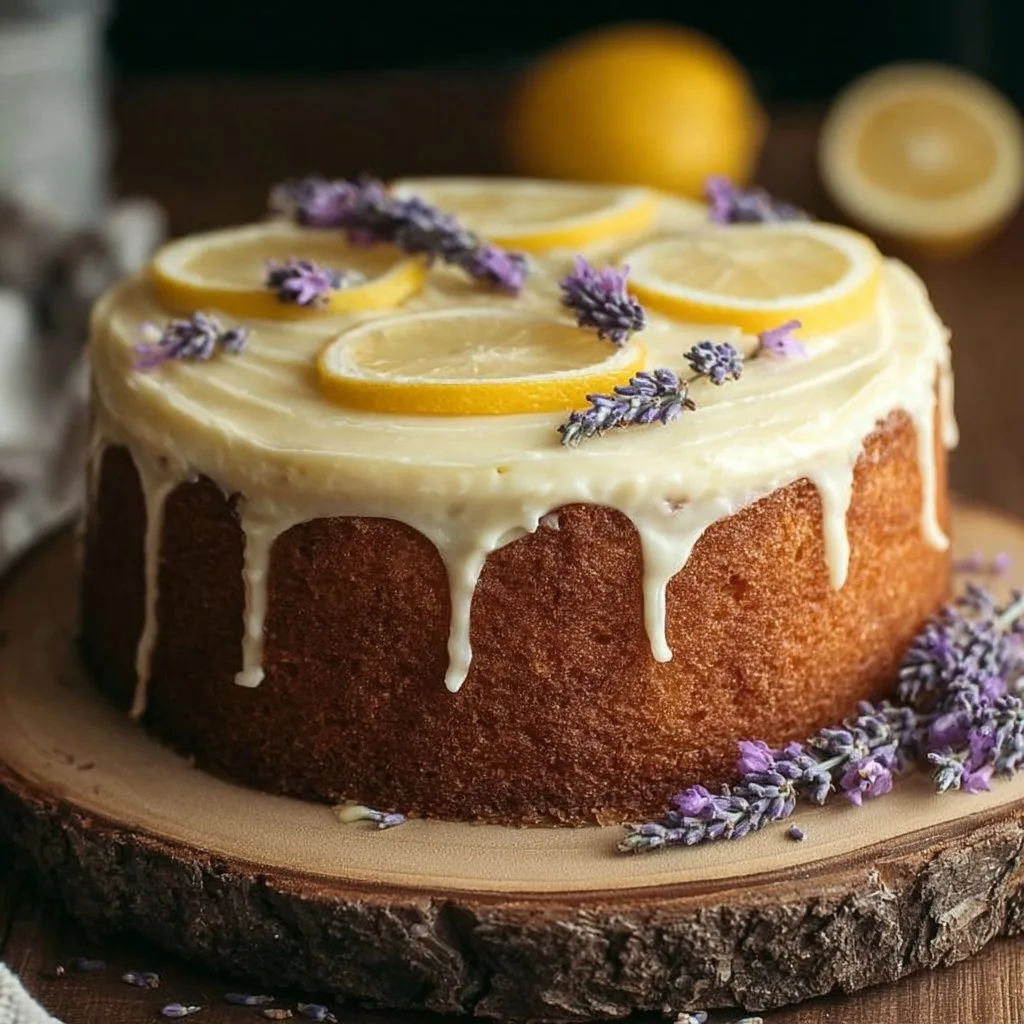
Lemon Lavender Cake is a delightful treat that perfectly balances the bright zing of lemon with the subtle floral notes of lavender. This cake is not just a feast for the taste buds but also a visual delight, often featuring a light, airy texture that makes it feel almost delicate. The combination of flavors is refreshing and unique, making it a wonderful choice for a special occasion or just a cozy tea time at home.
The standout feature of this cake is its unexpected flavor profile, which brings a touch of sophistication to any gathering. Whether you serve it at a summer picnic, a bridal shower, or as a light dessert after dinner, it’s sure to impress your guests. The lemon zest contributes a bright freshness, while the lavender adds a calming aroma that evokes a serene experience.
This cake is versatile enough to be enjoyed at any time of the day. Pair it with a morning coffee, serve it at afternoon tea, or have it as a light dessert after dinner. It’s a recipe you’ll find yourself reaching for again and again!
Prep Time, Cook Time, Total Time:
Prep Time: 10 min | Cook Time: 25-30 min | Total Time: 35-40 min
How to make Lemon Lavender Cake
Ingredients
- 1 1/2 cups all-purpose flour
- 1 cup granulated sugar
- 1/2 cup unsalted butter, softened
- 2 large eggs
- 1/2 cup milk
- 1 tablespoon lemon zest
- 1 tablespoon dried lavender
- 2 teaspoons baking powder
- 1/2 teaspoon salt
- 1 teaspoon vanilla extract
Step-by-Step Instructions:
- Preheat your oven to 350°F (175°C) and grease a 9-inch round cake pan. This step ensures an even bake and helps prevent the cake from sticking later.
- In a bowl, cream together the softened butter and sugar until light and fluffy. This is important for incorporating air into the batter, which results in a lighter cake.
- Add the eggs one at a time, mixing well after each addition. This gradual combination helps create a smooth batter, preventing any curdling.
- Stir in the milk, lemon zest, and vanilla extract. These ingredients add moisture and flavor, enriching the cake’s profile.
- In another bowl, whisk together the flour, baking powder, salt, and dried lavender. Mixing the dry ingredients separately ensures even distribution, preventing any clumping.
- Gradually add the dry ingredients to the wet mixture, mixing until just combined. Be careful not to overmix; a few lumps are okay, as overmixing can lead to a dense cake.
- Pour the batter into the prepared pan and smooth the top. This helps the cake rise evenly.
- Bake for 25-30 minutes, or until a toothpick inserted into the center comes out clean. Keep an eye on it, as baking times can vary slightly.
- Allow the cake to cool in the pan for 10 minutes, then transfer it to a wire rack to cool completely. This cooling period allows the cake to set properly.
Pro Tips
- Use fresh lemon zest: Fresh lemon zest offers a more vibrant flavor compared to bottled lemon juice, enhancing the cake’s freshness.
- Check your lavender: Dried lavender can vary in potency; make sure yours is suitable for culinary use and not meant for potpourri.
- Room temperature ingredients matter: Ensure your butter, eggs, and milk are at room temperature before mixing. This helps achieve a smoother batter and better rise.
- Don’t overbake: Keep an eye on your cake during the last few minutes of baking. Overbaking can dry it out, while underbaking can leave it gummy.
- Experiment with frostings: A light lemon glaze or a lavender-infused cream cheese frosting would pair wonderfully with this cake, adding another layer of flavor.
- Store lavender properly: If you’re storing lavender for later use, keep it in an airtight container away from light to retain its flavor.
Why You’ll Love This Recipe
This Lemon Lavender Cake is loved for its simplicity and the unique flavor pairing of lemon and lavender. The cake is moist without being heavy, making it a refreshing dessert option. Perfect for both casual gatherings and special events, this cake can easily become a staple in your dessert repertoire.
Many people appreciate that this cake can also fit into various dietary needs, depending on the ingredients used and modifications made. Whether you’re hosting a summer brunch or enjoying a quiet evening at home, this cake brings a touch of elegance to any occasion.
The addition of lavender sets it apart from other lemon cakes, providing a fragrant twist that intrigues the senses. As you take a bite, the beautiful flavors harmonize, leaving you craving more.
How to Serve Lemon Lavender Cake
Presentation is key when serving your Lemon Lavender Cake. You can dust the top with powdered sugar or drizzle a lemon glaze for a touch of sweetness. Place it on a decorative cake stand to elevate the presentation, or add fresh lemon slices and lavender sprigs around the cake for a charming touch.
For side dishes, consider serving it alongside a dollop of whipped cream or a scoop of vanilla ice cream which can complement flavors nicely. For drinks, iced tea or lemonade pairs beautifully, enhancing the cake’s lemony flavor profile.
If you want to make it a special dessert experience, consider serving it with a side of fresh berries or a mixed fruit compote. This adds a burst of color and flavor to your plate.
How to Store Lemon Lavender Cake
To keep your Lemon Lavender Cake fresh, it can be stored in several ways:
- Fridge: Wrap the cake tightly in plastic wrap and place it in the fridge, where it will last 3-5 days. This is ideal if you want to preserve its moisture.
- Freezer: For longer storage, slice the cake and wrap individual pieces in plastic wrap before placing them in an airtight container or freezer bag. It can last up to 3 months in the freezer.
- Shelf: If you plan to consume it within a couple of days, you can store it at room temperature in an airtight container or covered with foil.
Tips to Make Lemon Lavender Cake
- Infuse flavors: For an extra punch of lemon, consider infusing your milk with lemon zest before adding it to the batter. Just heat the milk with the zest, let it cool, and then strain it before mixing.
- Add texture: Try adding chopped nuts like almonds or pistachios to the batter for added crunch.
- Monitor baking time: Since ovens can vary, do the toaster test a few minutes early to prevent overbaking.
- Adjust sweetness: Feel free to reduce sugar in the recipe if you prefer a less sweet cake, particularly if you use a sweet frosting.
Variation
There are a few fun variations you can try with this recipe:
- Vegan Lemon Lavender Cake: Substitute butter with coconut oil or vegan butter and use flax eggs instead of chicken eggs.
- Gluten-free Lemon Lavender Cake: Use a gluten-free flour blend to substitute all-purpose flour, while keeping an eye on the texture.
- Lavender Lemon Bundt Cake: Prepare the batter and pour it into a bundt pan for a different shape. This also creates more surface area for frosting, making it visually stunning.
- Lemon Blueberry Lavender Cake: Add fresh blueberries to the batter for added flavor and texture.
Nutrition Information
( Serving Size | Calories | Protein | Carbs | Fat | Fiber | Sugar )
- Serving Size: 1 slice (1/12 of cake)
- Calories: Approximately 220
- Protein: 3g
- Carbs: 30g
- Fat: 10g
- Fiber: <1g
- Sugar: 12g
This cake provides a moderate amount of calories and sugar, so it’s a nice treat without being overly indulgent. While it may not be the highest in protein or fiber, its delightful flavors make up for it—enjoy it in moderation!
Storage and Reheating
To reheat leftover slices of your Lemon Lavender Cake, follow these steps:
- Microwave: Place a slice on a microwave-safe plate and heat for about 10-15 seconds. Always check to avoid overheating, which can make the cake dry.
- Oven: Preheat your oven to 350°F (175°C), wrap the slice in aluminum foil, and heat for about 10 minutes until warmed through.
- Skillet: Place the slice in a non-stick skillet over low heat, cover, and warm for 5-7 minutes. This method adds a nice, crisp edge to your cake if desired.
Customization Ideas
Adjusting the flavors and toppings can elevate your Lemon Lavender Cake even more. Here are some ideas:
- Citrusy Toppings: Top with candied lemon slices for an added zesty crunch, or sprinkle with lemon zest.
- Flavored Glazes: Experiment with different flavor glazes—like orange or raspberry—for a vibrant twist.
- Herbs: Alongside lavender, infuse your cake with other herbs, such as rosemary or mint, for a more complex flavor profile.
Common Mistakes to Avoid
- Skipping the creaming step: Not letting the butter and sugar cream long enough can lead to a dense cake.
- Overmixing the batter: This can develop gluten, making the cake tough. Mix until just combined.
- Ignoring ingredient temperatures: Using cold ingredients can lead to improper mixing. Allow them to sit at room temperature before use.
- Not measuring accurately: Use a scale or the spoon-and-level method to avoid adding too much flour, which alters texture.
- Baking without preheating: Always preheat your oven—this helps with proper rise and cooking time.
Serving Occasions
This Lemon Lavender Cake fits perfectly in various scenarios. It’s wonderful for family gatherings, book club meetings, afternoon teas, and birthday celebrations. Its lightness makes it suitable for summer picnics or garden parties, while the intriguing flavor can elevate a casual Sunday brunch.
Why Make This Recipe
What sets this Lemon Lavender Cake apart is its unique blend of flavors and textures that tantalize your taste buds. The floral note of lavender gives a hint of sophistication that many desserts lack, while the lemon keeps it refreshing.
This cake not only stands out for taste but is also simple to prepare, making it accessible to both novice bakers and seasoned chefs. Unlike many other lemon cakes that can be overly sugary, this one strikes a balance, allowing all flavors to shine through harmoniously.
FAQs
-
Can I use fresh lavender instead of dried?
- Yes, you can use fresh lavender, but use it sparingly, as it is more potent than dried. Just ensure it’s culinary-grade.
-
Can I make this cake in advance?
- Absolutely! You can bake the cake a day ahead and store it in the fridge. Just let it come to room temperature before serving.
-
How do I know if my cake is done?
- Insert a toothpick into the center; if it comes out clean or with a few crumbs, your cake is done.
-
What can I serve with this cake?
- It pairs beautifully with whipped cream, ice cream, or a fresh fruit compote.
-
Can I make this cake in a different shape?
- Yes! You can bake it in a bundt pan or even as cupcakes. Just adjust your baking time as needed.
Disclaimer:
Nutrition values are approximate and can vary based on the specific ingredients used and preparation methods. Always check your packaging for the most accurate information.