
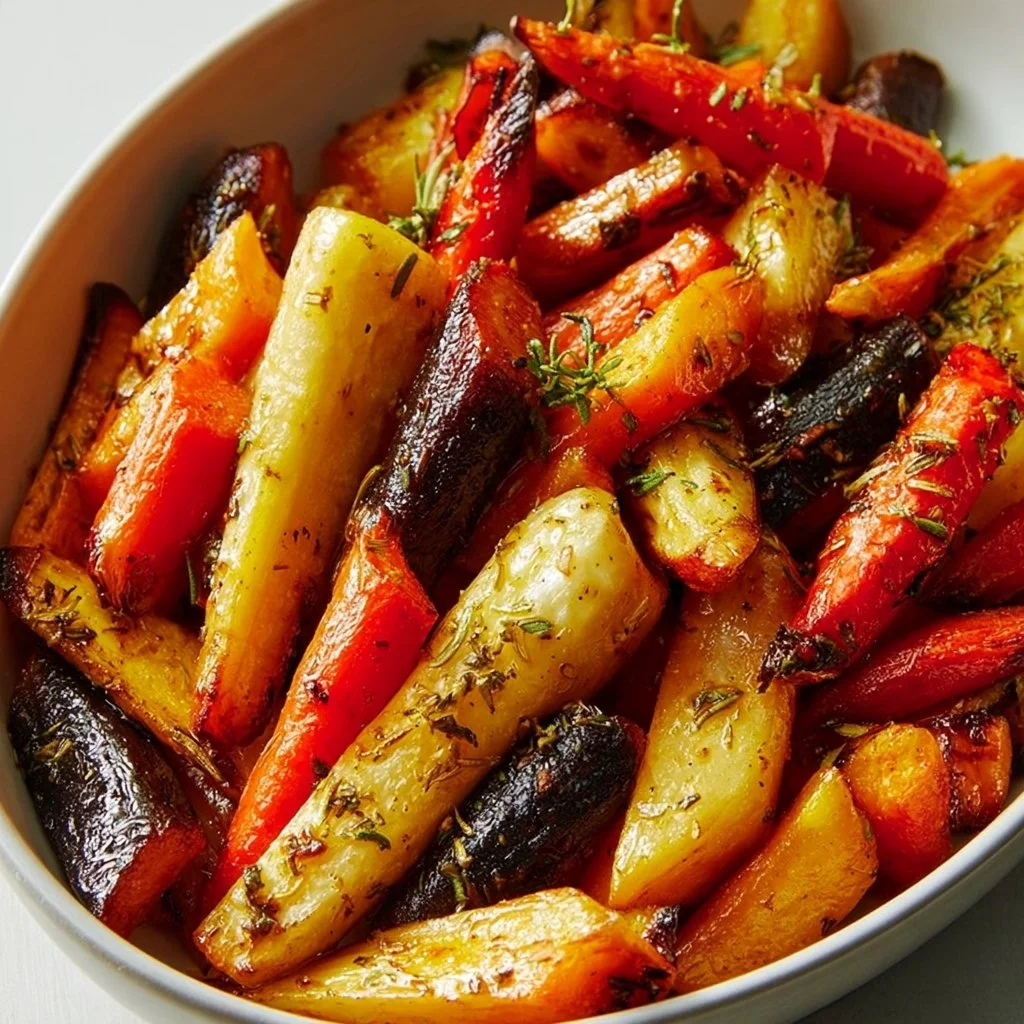
Maple Roasted Thanksgiving Veggies Recipe
The holiday season is a time for gathering, sharing, and indulging in the warmth of home-cooked meals. Among the many dishes gracing the Thanksgiving table, Maple Roasted Veggies have a special charm that can elevate any culinary spread. Their vibrant appearance, inviting aroma, and delightful flavor make them a crowd favorite. The combination of root vegetables roasted to perfection, drizzled with maple syrup, creates a harmony that speaks to the heart of autumn’s bounty.
At the core of this dish are root vegetables such as carrots, parsnips, and sweet potatoes, which become wonderfully caramelized during roasting. This process enhances their natural sweetness while providing a satisfying texture contrast—crisp edges surrounding tender insides. Infused with herbs like thyme and rosemary, these veggies offer an aromatic experience that complements the rich flavors of your holiday feast. The visual appeal, too, is hard to ignore; the colorful medley of roasted vegetables adds a warm glow to any table setting.
Perfect for not only Thanksgiving but also for family dinners, casual lunches, or even as a meal prep idea, Maple Roasted Veggies adapt beautifully to various occasions. Whether served alongside a roast or as a hearty addition to a vegetarian spread, they are bound to impress. With minimal preparation and a straightforward cooking process, this dish makes it easy for everyone—from novice cooks to seasoned chefs—to participate in either holiday festivities or everyday meals.
As we delve into the specifics of creating this mouthwatering dish, you’ll discover not just the steps to prepare it but also insights on ingredient selection, flavor profiles, and serving suggestions that will leave your guests enchanted.
What Makes This Recipe Special
Maple Roasted Veggies stand out for several reasons. The soulful combination of root vegetables with the natural sweetness of maple syrup is a testament to simple yet exquisite culinary delights. When roasted, the process transforms each vegetable, coaxing their flavors to the forefront while creating a delectable contrast in textures; crispy caramelized edges balanced by soft, tender centers. This dish captures the essence of what makes seasonal produce so splendid.
In comparison to other vegetable side dishes, this recipe marries well-rounded flavors with a pleasingly sweet undertone. Many vegetable recipes might rely on herbs or spices alone for flavor; however, the maple syrup brings a unique depth that is both comforting and invigorating. Coupled with fresh herbs like thyme and rosemary, the dish achieves a gourmet touch that can impress even the most discerning palates.
Another extraordinary aspect of this dish is its versatility. It can be adapted to suit a wide variety of dietary preferences, making it a go-to option for any audience. Whether you’re serving meat-eaters or plant-based enthusiasts, this colorful side will add nourishment and flavor to your gathering. The sweetness of the maple syrup, combined with the earthiness of the veggies, creates a complex flavor profile that appeals to both young children and grown-ups alike.
Ultimately, Maple Roasted Thanksgiving Veggies highlight the bounty of fall produce while remaining user-friendly for home cooks. Their forgiving nature and adaptable flavor make them an excellent choice for anyone looking to bring a special touch to their holiday spread without overwhelming culinary demands.
Ingredient Overview and Helpful Notes
The success of Maple Roasted Veggies lies significantly in the quality of its ingredients. Choosing fresh root vegetables is crucial, as they contribute not only flavor but also texture and nutrition. Carrots, parsnips, and sweet potatoes each bring their unique characteristics to the dish. Carrots impart vibrant color and sweetness while retaining their crunch. Parsnips, often underestimated, add a creamy richness and a hint of spice when roasted. Sweet potatoes provide natural sweetness and a soft, buttery quality that balances the crispy textures of the other vegetables.
When selecting your produce, look for firm, well-colored vegetables with no soft spots or blemishes. Organic vegetables can offer enriched flavors due to superior growing conditions, but conventional options work just as well if brushed clean. It’s also essential to prepare the ingredients for roasting. Thoroughly wash, peel, and chop the vegetables uniformly to ensure even cooking. Uniform pieces, about 1 to 1.5 inches, will roast consistently and help avoid any raw or overly charred results.
The other key ingredient in this recipe, maple syrup, acts as the perfect sweetener. Its natural sugary profile provides a more complex flavor compared to refined sugars, enhancing the dish’s overall taste. When purchasing maple syrup, opt for pure maple syrup rather than imitation products, as the latter usually contains added sugars and artificial flavors that detract from the dish’s integrity.
Olive oil plays a vital role in achieving the desired crispiness without overwhelming the flavors. The rich fat content helps to impart moisture while enhancing browning when roasted. Pairing olive oil with abundant herbs like thyme and rosemary adds fragrance and more layers of flavor, elevating the dish further. Be mindful of the salt and pepper—you can always adjust to your preferences for balance.
Finally, the synergy between these ingredients cannot be overlooked. The combination of sweetness from the veggies, enhanced by maple syrup and drizzled with olive oil, creates a robust, mouthwatering experience. Avoid modifications that might detract from this balance to ensure the dish retains its original charm.
Nutrition & Recipe Details
Nutritional values can widely vary depending on the specific ingredients you choose, portion sizes, and cooking methods. This dish reflects the wholesome goodness of vegetables coupled with natural sweeteners, making it an appealing side for health-conscious consumers.
| Item | Value |
|---|---|
| Prep time | 15 minutes |
| Cook time | 30 minutes |
| Store time | 3-5 days (refrigerated) |
| Calories | 150 (approx. per serving) |
| Protein | 2g |
| Carbohydrates | 30g |
| Fat | 5g |
Make sure to adjust the serving sizes according to your needs—this is a highly customizable dish that can easily expand with more ingredients or variations.
How to Make Maple Roasted Thanksgiving Veggies
Creating Maple Roasted Veggies is a straightforward process, bringing together the best of seasonal produce in just a few steps. To start, preheating your oven ensures the vegetables roast evenly. A temperature of 400°F (200°C) is ideal for achieving that crispy exterior while maintaining a moist inside.
It’s best to gather all the necessary ingredients and utensils beforehand—a baking sheet, mixing bowl, and cutting board will make the preparation seamless. Being organized not only streamlines the preparation process but allows cooks to enjoy the experience without the stress of rushing.
Once everything is prepped, the roasting begins, enveloping your kitchen in tantalizing aromas. The transformation from fresh veggies to caramelized delights occurs rapidly in the oven, so it’s essential to keep an eye on them as they roast.
Ingredients
| Ingredient | Quantity |
|---|---|
| Carrots | 1 lb (about 450g) |
| Parsnips | 1 lb (about 450g) |
| Sweet potatoes | 1 lb (about 450g) |
| Maple syrup | 1/4 cup (60ml) |
| Olive oil | 3 tablespoons |
| Salt | to taste |
| Pepper | to taste |
| Fresh thyme | 2 tablespoons, chopped |
| Fresh rosemary | 2 tablespoons, chopped |
Before you dive into the cooking process, make sure to peel and chop your root vegetables into even, bite-sized pieces. After washing the vegetables thoroughly, allow them to dry completely—the moisture can interfere with roasting quality. Once you’ve cut the veggies, you can have them ready in a large mixing bowl where the olive oil, maple syrup, salt, pepper, and herbs will mingle together for quick flavor infusion.
Step-by-Step Instructions
-
Preheat the oven: Start by preheating your oven to 400°F (200°C). This allows the oven to reach the optimal temperature for roasting the veggies, ensuring they caramelize beautifully.
-
Prepare the vegetables: Take the time to peel and chop the carrots, parsnips, and sweet potatoes into uniform pieces, approximately 1 to 1.5 inches. Uniformity in size guarantees that all pieces cook evenly, reducing the risk of some becoming overcooked while others remain raw.
-
Toss the ingredients: In a large mixing bowl, add the chopped root vegetables. Drizzle with olive oil and maple syrup, and sprinkle with salt, pepper, thyme, and rosemary. Toss everything together until the vegetables are nicely coated. This step is crucial as it ensures every piece has equal exposure to the flavors.
-
Arrange on a baking sheet: Spread the seasoned vegetables out in a single layer on a baking sheet. Use a pan lined with parchment paper for easier cleanup, and to promote even roasting, avoid crowding the vegetables—this too will help with that perfect crispness.
-
Roast the vegetables: Place the baking sheet in the preheated oven. Roast for 25-30 minutes, stirring halfway through to ensure even cooking. As they roast, keep an eye on the veggies; they should become tender and golden, with slight caramelization around the edges, which adds depth to their flavor.
-
Serve warm: Once the veggies are tender and crispy, remove them from the oven and transfer to a serving dish. They can be served warm as a delightful side alongside main dishes.
Understanding the Flavor and Texture
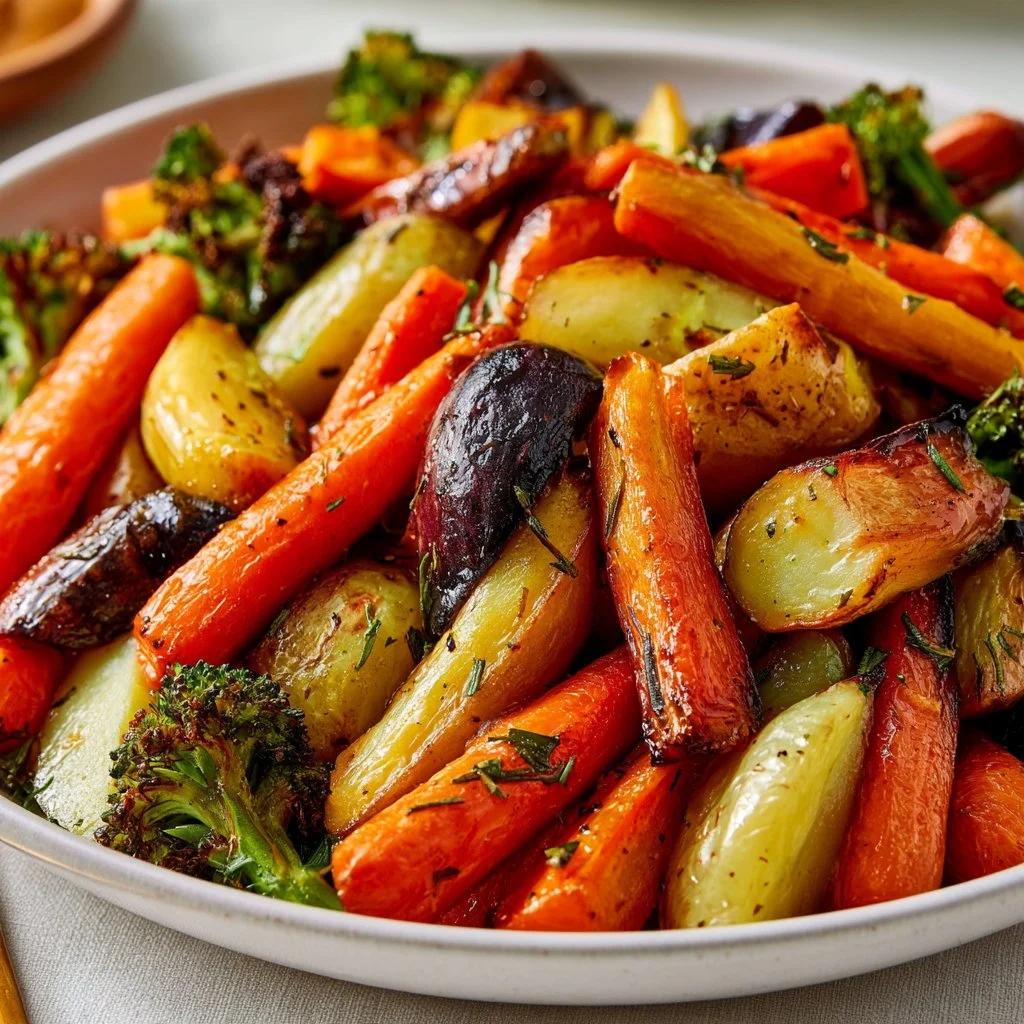
The finished Maple Roasted Veggies exhibit an alluring symphony of flavors that dance on the palate. Each bite blends the sweet essence of caramelized vegetables with the earthiness of herbs—making it a delightful experience. The maple syrup not only adds sweetness but also lends a slight stickiness that enhances the natural textures of the root vegetables.
Visually, the dish is striking; the vibrant orange of the sweet potatoes, the sunshine hue of the carrots, and the creamy white appearance of the parsnips come together to create a colorful tableau. As they roast, the sugars in the veggies caramelize, resulting in tender centers and slightly crispy edges, which provide a satisfying crunch when bitten into.
The contrast between the soft and crispy textures is a significant highlight; the slight chewiness in the tender pieces paired with the crunchiness from the edges creates a well-rounded mouthfeel. The addition of herbs contributes a layer of aromatic freshness that beautifully complements the sweetness, making each bite a multifaceted experience. A successful batch will make you smile and savor each mouthful, a testament to simple cooking at its best.
Pro Tips
Creating the perfect Maple Roasted Thanksgiving Veggies comes down to a few crucial techniques that can elevate your dish:
| Tip | Description |
|---|---|
| Caramelization is key | The main goal of roasting is to achieve that beautiful caramelization. Ensure that your vegetables are spread out evenly on the baking sheet to maximize exposure to heat and promote even browning. |
| Ingredient preparation matters | Evenly chopping the vegetables ensures uniform cooking. Larger pieces take longer, while smaller pieces may overcook; uniformity promotes the best texture overall. |
| Use high-quality maple syrup | Go for pure maple syrup for a richer, more authentic sweetness. Imitation syrups are generally lower quality and can compromise the depth of flavor desired. |
| Season generously | Don’t shy away from seasoning with salt and pepper. Proper seasoning enhances the flavors and balances the natural sweetness of the vegetables. |
In addition to the listed tips, consider timing your side dishes carefully so they all come together perfectly. Having all dishes ready at the same time makes a big difference in keeping elements warm and fresh. Also, rotate your baking sheet halfway through roasting to promote even cooking and avoid hot or cold spots.
Why You’ll Love This Recipe
Maple Roasted Thanksgiving Veggies are not only delicious but also exceptionally versatile, making them a fantastic addition to any meal setting. Their natural sweetness and earthy flavor combinations ensure they can satisfy nearly any palate, whether enjoyed by kids at the dinner table or adult diners looking for something comforting yet gourmet.
Another reason to love this recipe is its impressive simplicity. It requires minimal effort, with the actual hands-on prep time being relatively short—perfect for busy cooks during the chaotic holiday season. Plus, the ingredient list consists of accessible, seasonal items, making shopping straightforward and budget-friendly.
Additionally, they can easily be made ahead of time and then reheated, allowing for that less stressful holiday cooking experience. You can play around with preparation methods, serving sizes, and presentations to suit the occasion, making them easily adaptable for casual lunches, family dinners, or festive gatherings.
How to Serve Maple Roasted Thanksgiving Veggies
Presentation plays a crucial role in how appealing a dish appears to your guests. For Maple Roasted Veggies, consider serving them in a large, shallow bowl decorated with a sprinkle of fresh herbs for contrast against the roasted colors. This not only makes for an attractive centerpiece but also signals freshness and enhances the overall experience.
Pair them alongside your main courses, such as roasted chicken, turkey, or even a savory veggie lasagna. The sweetness pairs well with richer proteins, balancing heavier dishes beautifully. You might also consider serving these veggies with a light citrus salad or grain-based salad, which could further highlight their flavor profile.
Garnishing with crumbled feta or goat cheese can introduce a creamy texture that complements the vegetables’ sweetness, adding another layer of taste that guests would enjoy. A drizzle of balsamic reduction or a sprinkle of toasted nuts can also elevate the appearance and flavor further.
Additionally, consider beverages that complement the sweet and savory elements of the dish, such as sparkling water with citrus or a light fruit-infused iced tea. They’ll add a refreshing note while keeping the meal grounded and focused without overwhelming any flavors.
How to Store Maple Roasted Thanksgiving Veggies
To extend the life of your delicious Maple Roasted Veggies, proper storage is essential. If you happen to have leftovers, allow the dish to cool to room temperature before packing them away. This helps prevent condensation inside the storage containers, which can lead to sogginess and affect texture.
Store the leftovers in airtight containers to keep them fresh in the refrigerator for 3-5 days. For longer preservation, consider freezing the components of this dish. When freezing, make sure to pack them into containers or freezer bags without excess air to minimize freezer burn.
Be mindful that the texture may change somewhat upon freezing—root vegetables can become a touch mushier upon reheating. However, they will still be delicious and provide a warm, comforting meal option. When you’re ready to enjoy them, simply thaw in the refrigerator overnight and reheat fully before serving.
Tips to Make Maple Roasted Thanksgiving Veggies
Now, let’s discuss a few tips that can further enhance the quality of your Maple Roasted Thanksgiving Veggies, improving how consistent and flavorful the final product turns out.
First, consider marinating your vegetables in olive oil and maple syrup before roasting. This tends to help the flavors penetrate the root vegetables better and can enhance sweetness beyond simple surface flavor.
Additionally, keep an eye on the cooking process. As mentioned earlier, stirring halfway during roasting is crucial; it promotes even exposure to heat, ensuring all sides get that enticing caramelization.
Focusing on seasoning is vital. If unsure, taste a small piece of your veggies before they’ve finished cooking and adjust the seasoning accordingly. Adding more salt or pepper can sometimes drastically improve the overall flavor profile.
Lastly, ensure your oven is preheated adequately. An oven that is at the right temperature will roast your veggies properly, enhancing those crisp edges that everyone loves. Investing in an oven thermometer can help ensure accuracy and will benefit all your cooking endeavors.
Variations and Substitutions
The beauty of Maple Roasted Veggies lies in their versatility. If you’re looking to make substitutions or adjusted variations to suit your preferences or available ingredients, there are plenty of options to consider.
For example, if parsnips aren’t available or to your taste, consider substituting with turnips or even Brussels sprouts, both of which can add wonderful flavors when roasted. If you’re looking for a spicier kick, consider adding a sprinkle of cayenne pepper or smoked paprika along with your salt and pepper; it introduces an exciting flavor contrast that can enhance enjoyment.
Furthermore, if you’re trying to reduce sugar for dietary reasons, you could replace maple syrup with a natural sweetener like honey or agave, although this might affect the final flavor since maple syrup has unique characteristics. Alternatively, substituting the maple syrup with a mixture of olive oil and balsamic vinegar could also create a different yet delicious outcome.
For a heartier side dish, consider adding nuts such as walnuts or pecans in the roasting step. These will not only add a pleasant crunch but also introduce healthy fats, making the dish even more satisfying.
Storage and Reheating
When storing leftovers of Maple Roasted Thanksgiving Veggies, portion them in smaller containers to facilitate easier reheating. Aim for airtight containers to retain moisture and flavor during storage.
For reheating, the oven is typically the best option. Preheat it to 350°F (175°C), spread the remnants out on a baking sheet, drizzling with a bit of olive oil to refresh their flavors, and roast for about 10-15 minutes until warmed through.
If using a microwave, place a damp paper towel over the dish to prevent moisture loss during reheating and heat in short intervals, stirring in between to ensure even warming to avoid cold spots.
To maintain crispiness, try reheating smaller portions at a time rather than a large batch at once. Adding a touch of moisture can help restore some of the veggies’ original tenderness if they seem a bit too dried out upon storage. Reheating the veggies in a skillet on the stovetop can also be effective, helping retain some of that sought-after texture.
Customization Ideas
Customization is truly where this dish shines. You can modify the base recipe to create unique iterations or to suit personal tastes. Adding different herbs and spices can completely change the flavor profile; consider using sage or oregano for a different aromatic quality.
If you’re looking to incorporate additional colors and nutrients, consider adding roasted brussels sprouts, beets, or bell peppers for zing. Each will affect the overall flavor but offer delightful nutrients and colors, making the dish even more visually appealing.
If someone in your household requires gluten-free options, this recipe is inherently gluten-free, but you might also consider serving it alongside gluten-free grains such as quinoa or brown rice for a heartier bite.
For a gourmet twist, tossing in some crumbled feta or goat cheese just before serving can introduce creaminess and a delightful contrast to the veggies. You could find the tang of cheese elevates the dish significantly!
Common Mistakes to Avoid
While making Maple Roasted Thanksgiving Veggies is relatively straightforward, a few common pitfalls can affect the outcome:
-
Cutting vegetables unevenly: If the pieces are not the same size, some will overcook while others are underdone. Always aim for uniform chunks.
-
Overcrowding the baking sheet: Placing too many vegetables on a single pan can steam rather than roast your veggies. Spread them in a single layer for optimal browning.
-
Neglecting to season well: Underseasoning can lead to bland final results. Don’t be afraid to taste as you go and adjust your spices.
-
Not preheating the oven: Failing to preheat can lead to uneven cooking. Always allow your oven to reach the desired temperature before placing the veggies inside.
-
Storing improperly: Leaving leftovers exposed to air can lead to oxidation, which negatively impacts flavor and freshness. Always use airtight containers for storage.
By avoiding these common pitfalls, you will greatly enhance your cooking experience and ensure great results with this delicious side dish.
Serving Occasions
Maple Roasted Veggies are incredibly versatile, suitable for various occasions. They shine at Thanksgiving, providing a comforting and festive vibe to balance heavier dishes. However, their utility doesn’t stop there—they can easily fit into weeknight dinners, potlucks, and holiday gatherings.
For busy weeknights, they provide a healthy, vibrant side dish that can easily round out any meal with minimal effort. Their appealing colors and delightful taste make them a favorite among family members, ensuring that even picky eaters can appreciate the vegetables.
During family gatherings, their festive presentation and flavor make them a centerpiece rather than a mere side. Guests can enjoy them as an accompaniment to whatever main course is being served without feeling overwhelmed. Moreover, their ease of preparation allows hosts to focus on other dishes or entertaining guests.
Lastly, consider these veggies for casual lunches or meal prep. Combined with a light protein like grilled chicken or chickpeas, they create a well-rounded meal perfect for lunch boxes or quick dinners throughout the week.
Why Make This Recipe?
If you’re seeking a dish that encapsulates the essence of autumn with its vibrant flavor and colorful appearance, Maple Roasted Veggies would be a wonderful addition to your kitchen repertoire. Their unique ability to marry sweetness with earthiness creates a satisfying side that pairs well with countless main courses.
Compared to other vegetable dishes, their caramelized goodness and herbaceous notes distinguish them as a standout, allowing for entertaining and everyday enjoyment alike. The combination of simple preparation, accessible ingredients, and ease of cooking without sacrificing taste means they can become a go-to side—ideal for home cooks of all levels.
Being able to adapt this dish easily not only enhances its appeal but ensures that it can fit into various dietary needs or preferences, allowing you to impress guests without compromising on your values when preparing meals. Keep this recipe handy in your regular rotation for seasonal or year-round enjoyment!
Make-Ahead Preparation
One of the great advantages of Maple Roasted Thanksgiving Veggies is the ability to prepare certain elements in advance. You can peel and chop all the veggies a day ahead and refrigerate them in a sealed container. This not only saves time on the day of cooking but also allows for flavors to develop slightly before roasting.
However, while preparing the maple syrup and olive oil mixture ahead can be enticing, it’s best to combine them just before you’re ready to roast. This ensures your vegetables don’t sit too long in the mixture, thereby compromising the quality of flavor upon cooking.
Once the veggies are roasted, they can also be stored and reheated as discussed, making them great for meal prep and ensuring you can maximize your culinary endeavors without excessive last-minute work.
Equipment and Kitchen Preparation
When making Maple Roasted Veggies, having the right tools can assist in creating a smooth cooking experience. A reliable chef’s knife is essential for peeling and chopping vegetables quickly and should be kept sharp for clean cuts. A cutting board of substantial size will give you enough space to work efficiently.
For cooking, a rigid baking sheet or roasting pan is crucial for proper heat distribution and achieving that all-important caramelization. Lining it with parchment paper can help with both the cooking process and cleanup afterward.
Finally, a mixing bowl allows you to toss your vegetables and coating mixture thoroughly, which is crucial for even flavor. As you prepare for cooking, it helps to organize your workspace by ensuring all your ingredients and tools are close at hand, minimizing the time spent scrambling during the cooking process.
FAQs
-
Can I use other vegetables in this recipe?
Absolutely! While the recipe specifically calls for carrots, parsnips, and sweet potatoes, feel free to experiment with other root vegetables like turnips or beets for varied flavors and textures. -
Will using frozen vegetables work?
Fresh vegetables yield the best results for roasting. Frozen veggies may not caramelize well due to added moisture, and they may turn out soggy rather than crispy. -
What can I substitute for maple syrup?
Alternatives include honey or agave syrup, though these will impart different flavors. If you don’t want added sweetness, consider balsamic vinegar for a tangy twist. -
How can I make this dish spicier?
Adding a pinch of red pepper flakes or cayenne pepper to your vegetables before roasting will provide delightful heat to balance the sweetness without overwhelming the dish. -
Can I prepare this dish in advance?
Yes! You can chop and toss the vegetables a day before, just keep them refrigerated. However, it’s best to roast them fresh right before serving for optimal texture. -
How should I reheat the leftovers?
The best way to reheat is by placing them in a preheated oven at 350°F (175°C) for about 10-15 minutes, or by using a skillet on medium heat, adding a small amount of additional oil to prevent drying out. -
How long do leftovers last?
Store leftovers in an airtight container in the refrigerator for about 3-5 days. They can also be frozen for longer periods, though texture may vary upon reheating. -
Do I need to peel the vegetables?
Peeling is a common practice for sweet potatoes, parsnips, and carrots, but feel free to leave the peels on if you prefer extra texture and nutrients.
Disclaimer
Nutritional information is approximate and may vary based on ingredient brands, substitutions, portion sizes, and preparation methods.
Print
Maple Roasted Thanksgiving Veggies
- Total Time: 45 minutes
- Yield: 4 servings 1x
- Diet: Vegetarian
Description
A delightful medley of root vegetables roasted with maple syrup, delivering a perfect balance of sweetness and savory flavors, ideal for Thanksgiving or any family gathering.
Ingredients
- 1 lb (about 450g) Carrots
- 1 lb (about 450g) Parsnips
- 1 lb (about 450g) Sweet potatoes
- 1/4 cup (60ml) Maple syrup
- 3 tablespoons Olive oil
- Salt to taste
- Pepper to taste
- 2 tablespoons Fresh thyme, chopped
- 2 tablespoons Fresh rosemary, chopped
Instructions
- Preheat the oven to 400°F (200°C).
- Prepare the vegetables by peeling and chopping into uniform pieces, about 1 to 1.5 inches.
- Toss the chopped root vegetables in a large bowl with olive oil, maple syrup, salt, pepper, thyme, and rosemary.
- Arrange the seasoned vegetables on a single layer on a baking sheet lined with parchment paper.
- Roast in the preheated oven for 25-30 minutes, stirring halfway through, until tender and golden.
- Serve warm as a side dish.
Notes
For added flavor, consider marinating the veggies in olive oil and maple syrup before roasting.
- Prep Time: 15 minutes
- Cook Time: 30 minutes
- Category: Side Dish
- Method: Roasting
- Cuisine: American
Nutrition
- Serving Size: 1 serving
- Calories: 150
- Sugar: 8g
- Sodium: 200mg
- Fat: 7g
- Saturated Fat: 1g
- Unsaturated Fat: 5g
- Trans Fat: 0g
- Carbohydrates: 30g
- Fiber: 4g
- Protein: 2g
- Cholesterol: 0mg