
Sweet Potato Stew
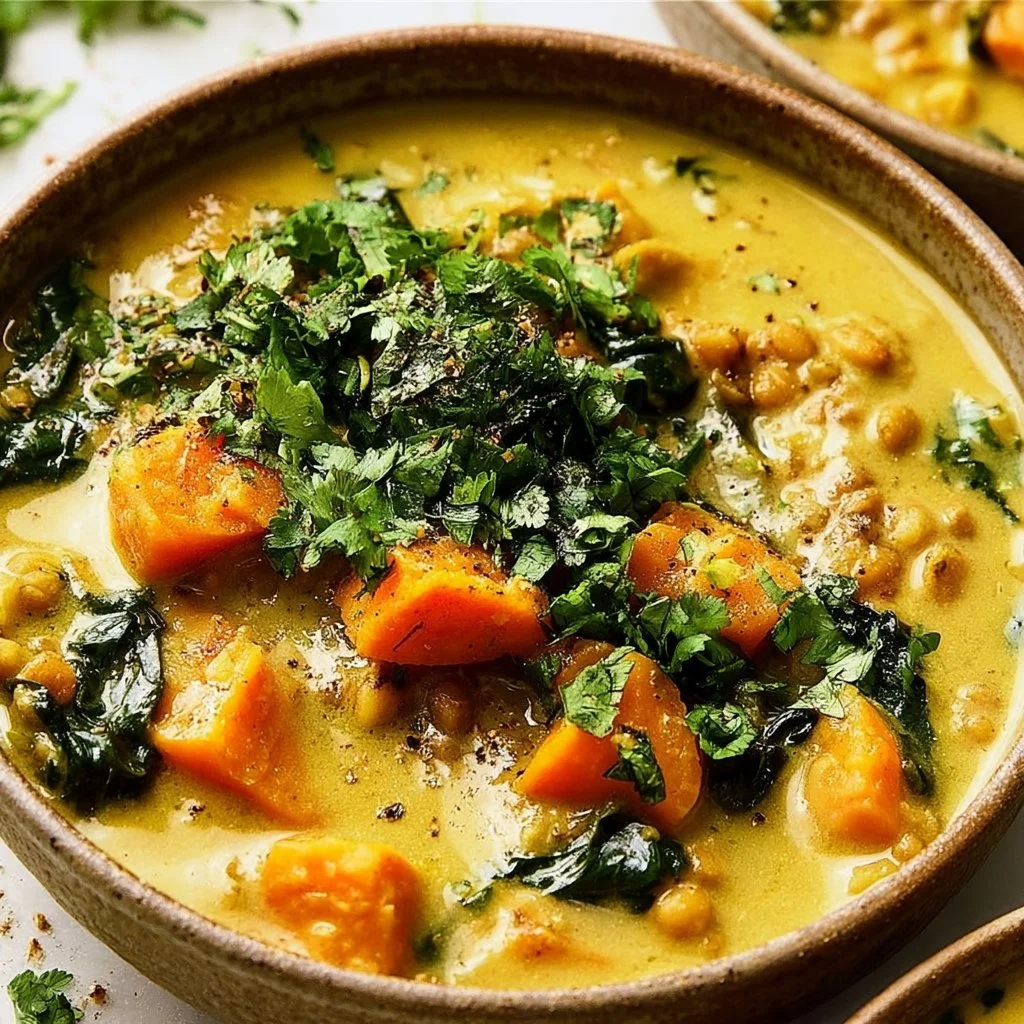
Sweet potato stew is a deliciously warming dish that embodies comfort food at its best. This stew is not just a meal; it’s an experience where earthy sweet potatoes blend beautifully with creamy coconut milk and aromatic spices, creating a rich, flavorful, and satisfying bowl of goodness. The vibrant orange color of the sweet potatoes coupled with the creamy and slightly tangy notes of coconut milk makes this dish visually appealing and enticing. Each bite presents a harmony of textures, where the tender sweet potatoes meet the smoothness of the broth, elevated by the crunch of chickpeas and the aromatic whisper of fresh cilantro on top.
What makes sweet potato stew particularly appealing is its versatility. It can serve as a hearty main course or a delightful side dish, making it suitable for various occasions. Whether it’s a cozy family dinner on a chilly evening or a vibrant dish at a potluck gathering, this stew fits wonderfully into any meal plan. The gluten-free and dairy-free elements make it even more inviting for those with dietary restrictions, allowing everyone to enjoy its comforting warmth without fuss. On top of that, you can easily prepare it in advance, making it a great option for busy weeknights or meal prep.
In addition to being delicious, this stew is packed with nutrients. Sweet potatoes are loaded with vitamins, minerals, and fiber, while chickpeas add protein and a hearty texture. The combination of ingredients provides a balanced meal that is both wholesome and fulfilling. As the ingredients simmer together, the flavors deep dive into a medley of savory and subtly sweet notes, promising a delightful tastebud journey that will leave you wanting more.
In short, sweet potato stew is not only a culinary delight but also an excellent way to nourish your body and warm your soul. Its simple preparation and rich taste make it an ideal dish to share with family and friends, ensuring laughter and joy around the table. Let’s explore what makes this recipe special, how to prepare it, and the many ways you can enjoy this delightful stew.
What Makes This Recipe Special
What distinguishes sweet potato stew from other stews is its unique blend of ingredients that come together in a harmonious way. Sweet potatoes, with their naturally sweet and creamy flesh, provide a comforting base, while coconut milk contributes a rich, velvety texture that enhances the overall creaminess of the dish. The addition of spices like garlic and ginger introduces warm, fragrant notes that brighten the palate, while the lime juice adds a burst of acidity that balances the richness of the coconut milk. Such a thoughtful combination of flavors results in a stew that is not only satisfying but also complex and layered.
When compared to traditional hearty stews, which might focus on meat or heavy sauces, sweet potato stew stands out by its vibrancy and lighter feel. It allows for a plant-based approach, showcasing how fulfilling vegetarian and vegan dishes can be. Moreover, the use of chickpeas adds a substantial protein punch that transforms this dish into a nourishing one-bowl meal. This recipe is essential for anyone looking to explore vegetarian cuisine without skimping on comfort.
The cooking method involved is also worth noting. This stew is essentially a simmered dish that allows the flavors to meld beautifully. The process of sautéing onions, garlic, and ginger at the beginning ensures that these aromatics release their essential oils and flavors early, building a solid flavor foundation. Following this with a steady simmer lets the sweet potatoes become tender and the ingredients to marry, resulting in a dish that is both robust and cohesive in taste.
Finally, sweet potato stew is incredibly adaptable. Its core recipe can be modified based on available ingredients, personal preferences, or dietary restrictions. This versatility is not just about flavors; it’s about making the dish your own. From additional spices to complementary vegetables or alternative proteins, sweet potato stew can evolve to suit every palate and occasion, making it a must-have in the kitchen.
Ingredient Overview and Helpful Notes
The key ingredients in sweet potato stew play vital roles, both in flavor and texture. At the heart of the recipe are the sweet potatoes themselves, which provide a naturally sweet taste and creamy texture. When cooked, they soften beautifully, becoming tender and almost silky—perfecting the base of the stew. When selecting sweet potatoes, look for firm, smooth-skinned ones without any blemishes. Varieties like the orange-fleshed or Japanese sweet potatoes bring distinct sweetness and flavor without needing added sugars.
Another primary component is coconut milk, which imparts a creamy consistency and rich flavor to the stew. Opt for full-fat coconut milk in cans, as it creates a luscious texture that enriches the dish. The sweetness from the coconut milk complements the earthy notes of the sweet potatoes, providing a delightful contrast. When using coconut milk, give the can a good shake to distribute the cream before opening and pouring into the pot.
Onions, garlic, and ginger form the aromatic trio that creates a depth of flavor in the stew. When choosing onions, yellow onions or shallots work well due to their balanced sweetness. Fresh garlic and ginger are essential for vibrant flavor and warmth. Always measure the ginger properly, as its potency can vary; if you’re unsure, start with a smaller amount until the flavor develops adequately.
The addition of vegetable broth ensures a flavorful liquid base for the stew. High-quality vegetable broth or homemade stock enhances the taste compared to low-sodium or bland store-bought ones. You can also create a custom blend by adding herbs, spices, or additional vegetables to the broth, giving it your personal touch.
Chickpeas, the protein-packed legume, make this stew heartier. Canned chickpeas are convenient, but dry chickpeas can be used if cooked in advance. Drain and rinse the chickpeas to reduce sodium levels and remove chickpea starch, making them less slimy in the stew. When properly incorporated, chickpeas add a substantial bite that rounds the dish off.
Finally, the subtle finishing touches occur from lime juice, salt, and pepper. Lime juice brightens the stew and enhances other flavors. Using fresh lime rather than bottled juice ensures a lively, crisp tang. Just a pinch of salt and a few turns of freshly cracked pepper elevate all the flavors, making each spoonful savorier.
When preparing sweet potato stew, ensure all ingredients are prepped and within reach before starting to cook. This makes the cooking process smoother and helps maintain the flow. Peeling and dicing the sweet potatoes ahead of time can speed up the cooking process, allowing the all-important flavors to shine through without delays from ingredient preparation.
Nutrition & Recipe Details
The nutritional values of sweet potato stew will depend on the specific ingredients and proportions you use, as well as any variations you may incorporate. Below is an overview of its nutritional profile based on standard ingredients.
| Item | Value |
|---|---|
| Prep time | 15 minutes |
| Cook time | 30 minutes |
| Store time | 4 days in the fridge |
| Calories | 350 (per serving) |
| Protein | 10g |
| Carbohydrates | 60g |
| Fat | 12g |
How to Make Sweet Potato Stew
Making sweet potato stew is a rewarding process that brings together fresh ingredients in just one pot. It’s important to have all the ingredients prepped and organized before you begin cooking. Not only does this streamline the cooking experience, but it also ensures you can focus on achieving perfect flavors without unnecessary distractions. You’ll need a large pot or Dutch oven that can accommodate the quantity of soup without spilling over, as it will simmer for a while and needs ample space.
Ingredients
| Ingredient | Quantity |
|---|---|
| Sweet potatoes | 2 large, peeled and diced |
| Coconut milk | 1 can |
| Onion | 1, chopped |
| Garlic | 2 cloves, minced |
| Ginger | 1 inch, grated |
| Lime | 1, juiced |
| Vegetable broth | 4 cups |
| Chickpeas | 1 can, drained and rinsed |
| Salt and pepper | to taste |
| Cilantro | Fresh, for garnish |
Before you begin, prepare each ingredient carefully. Start by peeling and dicing the sweet potatoes into uniform cubes; this ensures that they cook evenly. Next, chop the onion, mince the garlic, and grate the ginger to release maximum flavor. Have the can of chickpeas ready after draining and rinsing them. Finally, measure out the coconut milk, lime juice, and vegetable broth to have them at hand. A work surface that is clean and organized will allow you to focus entirely on cooking and enjoying the process.
Step-by-Step Instructions
-
In a large pot, heat a bit of oil over medium heat. Once the oil is shimmering, add the chopped onion and sauté until translucent, which usually takes about 5-7 minutes. This process caramelizes the sugars in the onions and builds a flavorful base. Stir occasionally to avoid burning.
-
Stir in the minced garlic and grated ginger into the pot. Cook together for about another minute, until fragrant. The aroma should fill the kitchen, signifying that the aromatics have melded well, giving the stew a robust foundation.
-
Add the diced sweet potatoes, vegetable broth, coconut milk, and lime juice to the pot. Stir everything to ensure the ingredients are well incorporated. Bring the mixture to a boil over medium-high heat, which allows the flavors to combine rapidly, creating a more complex stew.
-
Once boiling, reduce the heat. Let it simmer gently for about 20 minutes, or until the sweet potatoes are tender when pierced with a fork. As they soften, they also release starch, which helps thicken the stew and intensify the flavors.
-
After 20 minutes, add the chickpeas to the pot. This addition brings in a delightful bite and extra protein, making the stew more satisfying. Season with salt and pepper to taste. Give everything a good stir to mix in the seasonings evenly.
-
Cook for an additional 5 minutes to warm the chickpeas through and ensure everything is heated thoroughly.
-
Once ready, serve the stew warm, garnished with fresh cilantro sprinkled on top. The final touch of cilantro not only adds color to the dish but also a herby flavor that complements the overall profile beautifully.
Understanding the Flavor and Texture
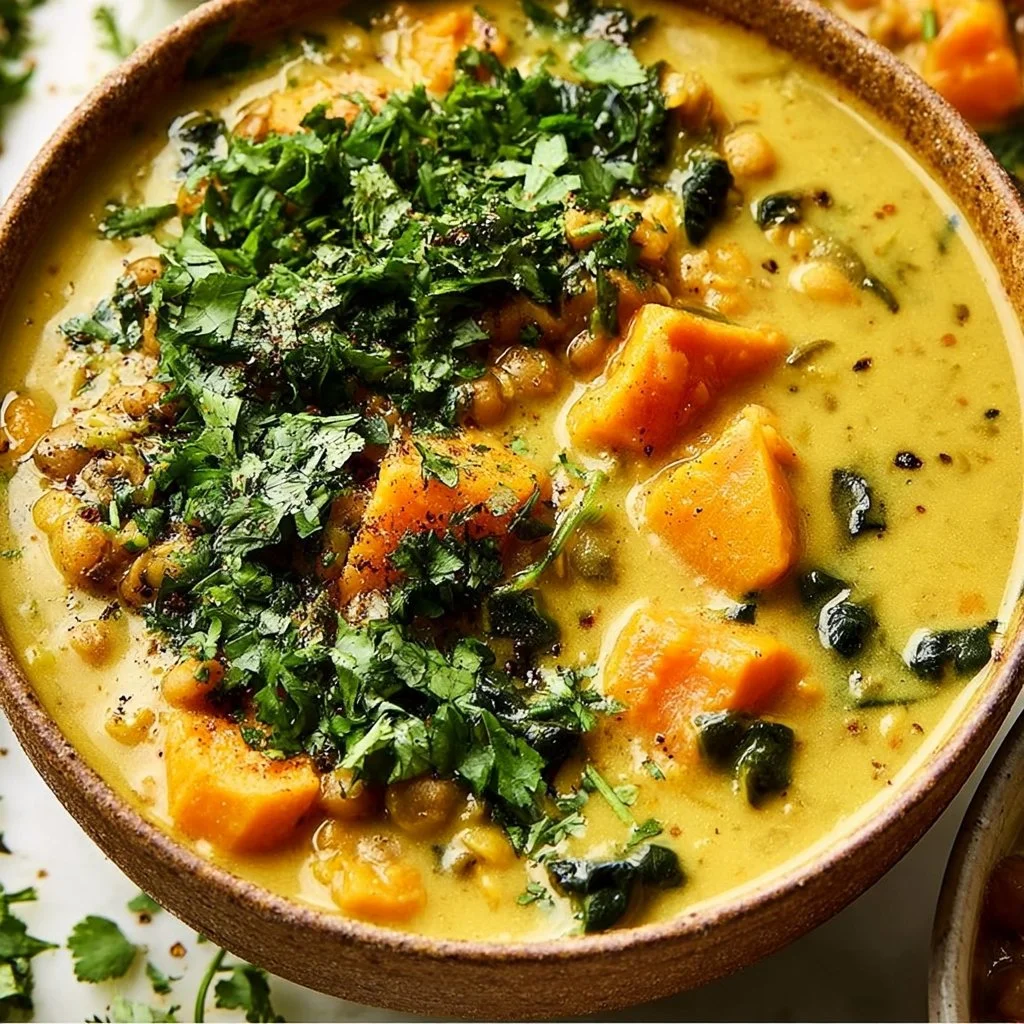
Sweet potato stew offers a delightful balance of flavors and textures that can captivate any palate. The primary flavor is the rich sweetness of the sweet potatoes, which blend seamlessly with the creamy coconut milk, creating a comforting base. As the stew simmers, the aromatic ingredients—ginger, garlic, and onion—infuse their warmth into the dish, resulting in a rich and fragrant finish. The lime juice cuts through that creaminess, introducing a fresh zest that lingers pleasantly on the tongue.
Texturally, each component contributes to an engaging mouthfeel. The sweet potatoes become tender and melt-in-your-mouth delicious while retaining just enough structure to differentiate them from the broth. The chickpeas introduce a pleasant firmness, giving you something to bite into and adding a nutritious dimension. The overall creaminess of the coconut milk crowns the dish, transforming what could be a simple stew into something truly luscious. You’re not just having a bowl of food; you’re experiencing a delightful symphony of textures and flavors that dance together harmoniously.
A well-prepared sweet potato stew should be visually inviting as well. The vibrant orange hue of the sweet potatoes contrasts beautifully with the creamy white of the coconut milk, creating an appealing appearance in the bowl. Garnishing with bright green cilantro adds a fresh pop of color, making it look as good as it tastes. When done right, you’ll find it a comforting, rich dish that gives off a warm, cozy aroma, making it a true feast for the senses.
Pro Tips
Cooking is all about precision and timing. Paying attention to a few key techniques can drastically enhance the outcome of sweet potato stew. The following table outlines some valuable tips to consider:
| Tip | Description |
|---|---|
| Use Fresh Ingredients | Opt for the freshest sweet potatoes, garlic, and ginger to amplify flavor and texture. Freshness plays a critical role in the dish’s overall quality. |
| Sautéing Aromatics | Always sauté the onions, garlic, and ginger first. This step enhances their flavors by releasing essential oils, which forms a fragrant base for the stew. |
| Simmering Gently | Do not rush the simmering process. A gentle simmer allows the sweet potatoes to become tender while the flavors fully develop, resulting in a heartier stew. |
| Adjusting Spices | Don’t hesitate to taste and adjust the seasoning towards the end. This is your chance to balance flavors, ensuring a perfectly seasoned dish. |
Beyond these tips, consider letting the stew sit for a few minutes after cooking. The flavors continue to meld and develop while the stew cools slightly, enhancing your tasting experience even more. This also makes serving much easier, allowing you time to prepare any sides or accompaniments while ensuring that the stew is at the perfect temperature for serving.
Why You’ll Love This Recipe
Sweet potato stew is a unique blend of flavor, nutrition, and ease of preparation that makes it a beloved dish in many households. One of the standout features is its simplicity; with just a handful of ingredients, you can create a filling meal that caters to various dietary preferences. The balance of sweet, savory, and tangy notes means that every bite is full of character, making it truly satisfying for everyone at the table.
Its nourishing aspects are hard to overlook. Packed with vitamins and minerals from sweet potatoes and protein from chickpeas, this stew provides a wholesome meal that ticks all the boxes for many dietary needs. It’s vegan, gluten-free, and comforting, making it an inclusive recipe that everyone can enjoy without worry.
Another reason to love this stew is its flexibility. You can easily make it ahead of time and let it develop more depth in flavor. As the stew sits, it often tastes even better the next day, as all the flavors meld together beautifully. The ease of storage further enhances its practicality—simply refrigerate it for quick meal options throughout the week. This means you can enjoy a nutritious, hearty dinner without having to cook from scratch every single day, embodying the essence of effortless home cooking.
Lastly, not only is it delicious, but sweet potato stew also fills your kitchen with inviting aromas as it simmers away. The comforting smell alone is reason enough to whip up a batch, filling your home with warmth and making it feel like a sanctuary.
How to Serve Sweet Potato Stew
Serving sweet potato stew can be as creative and casual as you like. To create an inviting presentation, consider using wide, shallow bowls that allow the vibrant colors of the stew to shine through. Garnishing each bowl with fresh cilantro not only adds a pop of color, but also enhances the herbaceous element, encouraging the flavor of the dish to bloom.
Complement your stew with side dishes that balance its richness. A simple garden salad with a light vinaigrette can provide a refreshing crunch, breaking up the creamy texture of the stew. Alternatively, serving it with warm crusty bread can help soak up the delightful broth, enhancing the overall experience. For those who enjoy a bit of spice, consider adding a side of roasted vegetables or a spicy chutney to accompany the stew, creating a contrast that excites the palate.
For larger gatherings, consider placing the pot at the center of the table, allowing guests to serve themselves. You might want to offer additional toppings like diced avocado, crunchy croutons, or even a dollop of vegan sour cream that encourages a build-your-own bowl experience. These options will provide texture and additional layers of flavor, customizing the dish to each guest’s taste. Pair your stew with a light beverage, such as sparkling water with a splash of lime or a refreshing iced tea, to balance the richness of the meal.
Lastly, when serving, consider temperature as well. A warm serving versus an overly hot one can create a richer taste experience. Allowing the stew to cool for a short while after cooking will make it easier and more enjoyable to eat without the risk of burning yourself. This small detail can enhance the dining experience, ensuring that everyone enjoys the wonderful flavors that sweet potato stew has to offer.
How to Store Sweet Potato Stew
Storing leftovers of sweet potato stew is straightforward and helps maintain its deliciousness. First, allow the stew to cool down slightly; this will prevent condensation and moisture from ruining its texture during storage. Once cool, transfer the stew into airtight containers, ideally glass or BPA-free plastic, which will keep its flavors intact while minimizing food waste.
In the refrigerator, sweet potato stew can last up to four days. Ensure the lids are secure to prevent any undesirable odors from permeating the stew, which could compromise its taste. When reheating, it’s best to do so gently on the stovetop, adding a splash of vegetable broth or water to restore its creamy consistency if it thickens during storage. For larger portions, make sure to gradually heat them to avoid uneven cooking.
If you want to keep it longer, freezing is an excellent option. Store the stew in freezer-safe containers, leaving some space at the top as the stew may expand while freezing. The stew should maintain its quality for up to three months in the freezer. To reheat, allow it to thaw in the refrigerator overnight, then heat it in a pot on medium-low heat, stirring occasionally until warmed throughout. Keep in mind that the texture might slightly change upon freezing but should still taste delightful.
It’s important to note that while leftovers can be stored, some ingredients like the lime juice and fresh herbs may lose their brightness over time. If you want to ensure maximum flavor, consider adding freshly squeezed lime juice and garnishes after reheating for that extra zing.
Tips to Make Sweet Potato Stew
To truly enhance your sweet potato stew, pay careful attention to a few aspects of the cooking process. First, ensuring your sweet potatoes are cut into similar-sized pieces is critical. This step guarantees they cook evenly, avoiding any that turn mushy while others remain firm. Furthermore, using a sharp knife can make this task quicker and safer, allowing you to focus on cooking.
Flavor layering is also key. Start with sautéing your aromatics for a good 5-7 minutes to draw out the natural sweetness from the onions, making them slightly caramelized without burning. The garlic and ginger should go in afterward, allowing them to cook just until fragrant; this will prevent them from becoming bitter and ensure that the dish is aromatic without being overpowering.
Managing the heat is essential during the simmering stage. While it’s tempting to crank up the heat to hasten the cooking process, it’s more effective and rewarding to allow the pot to simmer gently. This slow cook allows the sweet potatoes to soften gradually while the flavors meld together harmoniously—rushing can leave the flavors jarring instead of smooth.
Lastly, when it comes to seasoning, use this opportunity to tailor the dish to your tastes. Taste the stew towards the end of the cooking process, adjusting the seasonings as needed. If you prefer more acidity, squeeze in a little more lime juice; if you want a bit of heat, a sprinkle of cayenne or crushed red pepper can elevate the dish significantly. The goal is to have a dish that reflects your personal preferences and offers a satisfying experience.
Variations and Substitutions
Sweet potato stew is inherently versatile, inviting numerous variations to cater to different flavor preferences and dietary needs. Here are a few suggestions that you may find delightful:
-
Spicy Version: If you enjoy heat, consider adding chopped chili peppers, such as jalapeños, when sautéing your onions. Alternatively, you can spice it up even further with red pepper flakes or a splash of hot sauce toward the end of cooking. This adjustment will enhance the stew’s depth and offer a warming kick.
-
Extra Vegetables: Broaden the stew’s nutritional profile by adding other vegetables, such as kale or spinach, during the last few minutes of cooking. These leafy greens incorporate well and add an additional layer of texture and color to your dish. Another option is to add carrots or bell peppers for more sweetness and crunch.
-
Protein Sources: While chickpeas provide excellent protein, you might want to mix it up by using lentils, which will result in an earthy flavor profile. Cooked quinoa can also be added before serving for additional texture and health benefits, imparting a nutty flavor in each bowl.
-
Vegan Creaminess: For creaminess without coconut, you might try unsweetened almond or cashew milk as a substitute, lending a different twist while keeping the dish dairy-free. Just ensure to slightly reduce the amount of vegetable broth since these milks are thinner in consistency compared to coconut milk.
Each of these variations brings something unique to the stew and allows you to tailor it to your own personal tastes or what you have available in your pantry. The essence lies in the adaptability of the recipe, presenting opportunities to get creative while still reaping the benefits of that wonderfully comforting base.
Storage and Reheating
When it comes to managing leftovers, it’s essential to package them correctly for safe storage and flavorful reheating. After the stew has cooled adequately, portioning it into single servings can be beneficial for quick meal options throughout the week. Glass containers keep leftovers fresh and are microwave-safe, which makes reheating easy and efficient.
To reheat, you have several options. The stovetop is often the best method for ensuring even heating. Pour the desired portion into a pot, adding a splash of vegetable broth or water to maintain the ideal texture. Keep the heat medium-low, stirring occasionally until warmed through. This method reduces the chances of overcooking and preserves the rich flavors of the stew.
For microwave reheating, place the stew in a microwave-safe bowl. Cover it to avoid spattering, and heat in intervals, stirring in between to ensure even warming. Depending on the portion size, this typically takes 2-3 minutes. If you notice the stew thickening, a little extra vegetable broth can help restore its ‘just-cooked’ consistency.
Should you choose to freeze the stew instead, ensure that you allow it to cool completely before transferring it into freezer-safe containers. Thaw overnight in the refrigerator before reheating. It’s worth noting that while the flavors from the sweet potatoes and spices will still be delightful, the texture can alter slightly after freezing and thawing, so adding fresh herbs just before serving can jazz up its flavor any further.
Customization Ideas
Sweet potato stew is rather easy to customize based on your nutritional needs or flavor preferences. A few simple adjustments can make a world of difference. Here are some suggestions to help you personalize your dish:
-
Different Broths: While vegetable broth is the standard, using homemade vegetable stock or flavored broths can impact the stew considerably. Consider using a miso broth for a rich umami flavor or a spicy broth for an extra kick. Each option adds dimensions to the stew, enhancing its foundational taste.
-
Seasoning Alternatives: Explore the world of spices! Besides salt and pepper, consider using cumin or smoked paprika for an earthy depth. A pinch of curry powder or turmeric would give the dish a lovely golden hue and point toward an Indian-inspired flavor profile.
-
Toppings and Garnishes: Toppings can make the dish visually appealing and add textural variety. Try serving with a dollop of tahini or yogurt (plant-based, if you prefer), and some crunchy nuts or seeds sprinkled on top. These additions create a delightful contrast to the creamy stew.
-
Herb Variability: Swap out cilantro for fresh parsley, basil or mint depending on your taste preference. Each herb changes the aromatic property of the dish, offering freshness in different ways. Consider adding herbs at the end of cooking for a vibrant and aromatic finish.
These customization options allow you to keep enjoying sweet potato stew in new ways, ensuring you don’t tire of this delightful dish over time. Whatever your choice, you can focus on creating a meal that fits your context, welcoming families, friends, or simply a cozy night-in with warm soup.
Common Mistakes to Avoid
In the cooking world, it’s easy to make small mistakes that can lead to disappointing dishes. Here are five common pitfalls when making sweet potato stew, along with ways to avoid them:
-
Unevenly Cut Sweet Potatoes: If sweet potatoes are cut into varying sizes, some may become mushy while others remain firm. To prevent this, ensure all pieces are approximately uniform in size so they cook evenly and consistently, resulting in a smooth texture without clumps of undercooked potatoes.
-
Overcooking Aromatics: It’s essential not to overcook the garlic and ginger; overcooked garlic can taste bitter, and overbrowning ginger can lead to unpleasant flavors. Always sauté until just fragrant and golden before adding the other ingredients to preserve the brightness and beneficial oils.
-
Skipping Seasoning: Some may think salt and pepper should only be added at the end of cooking. In reality, season in stages to deepen flavors. If a dish is bland, it’s harder to correct it later. Always taste as you go, adjusting seasonings as necessary throughout cooking.
-
Rushing the Simmering Process: Cooking the sweet potato stew too quickly can lead to a watery texture. A gentle simmer allows flavors to blend and develops a creamy consistency. Always be patient – let it simmer for the recommended time for an even texture.
-
Not Letting It Cool Properly: Many times, the stew might be rushed into the fridge without cooling, creating steam and moisture that could lead to soggy leftovers. Allow the stew to cool completely before refrigerating, ensuring it stays fresh and tasty for longer.
Being mindful of these common mistakes can significantly improve your cooking results and ensure your sweet potato stew is as enjoyable as possible while avoiding unnecessary frustrations.
Serving Occasions
Sweet potato stew shines on numerous occasions, proving to be a go-to recipe for several types of meals. Its comforting qualities make it perfect for busy weeknights, providing a quick yet wholesome dish that can satisfy the entire family without spending hours in the kitchen. After a long day, this stew gets everyone gathered around the table for a nourishing treat.
Moreover, it’s an excellent choice for gatherings like potlucks, family reunions, or holiday dinners. Its appeal crosses dietary boundaries, being vegetarian, gluten-free, and dairy-free, which allows all guests to partake in the hearty meal without worries. The vibrant color and creamy texture also make it visually appealing, drawing people in both in flavors and aesthetics alike.
As the weather gets cooler, many find it the ideal meal to serve during holidays or winter months. The warmth and richness of the stew provide that cherished feeling of comfort, reminiscent of home and family gatherings. When served in large portions, it also allows for easy entertaining, as you can simply leave it on the stovetop for guests to help themselves, allowing for less fuss and more enjoyment.
Whether it’s a cozy meal for two or a large gathering, sweet potato stew adapts seamlessly to its surroundings, making it a fantastic dish to keep handy in your recipe repertoire.
Why Make This Recipe?
There are numerous reasons to add sweet potato stew to your regular cooking rotation. First off, it provides a heartwarming and nourishing meal that unites people around the table, making it ideal for family bonding or friendly get-togethers. Moreover, the combination of sweet potatoes, coconut milk, and spices creates a flavor profile that feels indulgent while being guilt-free; it’s a prime example of how healthful ingredients can come together to create warm comfort food.
Its simplicity also facilitates preparation, making it perfect for both beginner cooks and seasoned chefs. The steps are straightforward and minimize the complexity of multi-step recipes while still yielding a deliciously rich stew. The sweet potatoes do most of the work in terms of flavor, meaning you can focus on building upon that with just a few careful additions and techniques without overwhelming yourself.
Another compelling reason to make sweet potato stew is its versatility and adaptability. Substitutions, modifications, and adjustments to fit your taste preferences or ingredient availability make it a flexible option. It encourages creativity in the kitchen, allowing you to experiment without fear of failure. You can take this base recipe and continually reinvent it, ensuring it always suits your mood or dietary needs.
Lastly, the leftover factor is a huge advantage. Making a large batch in one go can feed you throughout the week, offering quick and easy meal options that warm the soul without compromising flavor. This recipe embodies all that a good dish should be—delicious, nourishing, and endlessly adaptable—making it truly worthwhile in your cooking repertoire.
Make-Ahead Preparation
If you’re looking for ways to save time during meal preparation, sweet potato stew is an excellent option for making ahead. Certain elements of the dish can be prepped in advance, allowing for a quick cooking experience when you’re ready to serve. Sweet potatoes can be peeled and diced earlier in the day or even the night before and stored in water to maintain their freshness until ready to be used. Just remember to drain and rinse them before adding to the stew to avoid excess starch from the soak.
Additionally, you can prepare your aromatics beforehand. Chop the onion, mince the garlic, and grate the ginger, storing them in an airtight container in the fridge. This approach can substantially cut preparation time and streamline the cooking process when it’s time to assemble the stew. Combining these steps allows you to assemble the dish much faster, making it a highly desirable choice after a busy day.
When the time comes for cooking, all the ingredients can be combined in one pot, ensuring that the assembly phase remains as efficient as possible. While the stew develops delicious flavors as it simmers, you can also simultaneously prepare side dishes or salad, making it easy to present a complete meal without much hassle.
Do bear in mind that while make-ahead meals are convenient, some flavors may mellow over time. Thus, if preserving maximum flavor is paramount, consider adding a fresh squeeze of lime just before serving or adjusting seasonings after reheating, resulting in an even more vibrant tasting experience.
Equipment and Kitchen Preparation
Before starting the cooking process for sweet potato stew, it’s good to have all your equipment ready to go. The primary tool you’ll need is a large pot or Dutch oven, which helps maintain even cooking. The material of the pot can make a difference; a heavy-bottom pot will evenly distribute heat, preventing hotspots that can lead to burning.
You’ll also require a cutting board and sharp chef’s knife to prep the vegetables. The sharpness of the knife is important for quick and safe chopping. It will allow you to cut your sweet potatoes, onions, garlic, and ginger efficiently. A food processor can also be used if you prefer, especially for chopping the onion and mincing the garlic, which can save time if you’re in a hurry.
Measuring cups and spoons will come in handy when preparing the vegetable broth and coconut milk, ensuring precise proportions are used for the best results. Lastly, have some utensils ready—like a wooden spoon to stir the ingredients—so you can easily combine everything as it simmers.
Organizing your ingredients is equally crucial for a smooth workflow. Before you begin cooking, have all the ingredients measured out and prepped. This stage can involve washing and drying vegetables, measuring liquids, and setting everything within easy reach on your countertop. This ‘mise en place’ method will prepare you mentally and will contribute to an organized and calm cooking experience.
FAQs
-
Can I use other types of potatoes instead of sweet potatoes?
Yes, although sweet potatoes are preferred for their unique sweetness and texture, you can use regular potatoes. Keep in mind that they may alter the flavor profile slightly and will require adjustment of cooking times to ensure they are adequately cooked. -
How can I make this recipe spicier?
For added heat, consider including chopped fresh chili peppers, red pepper flakes, or a dash of cayenne pepper. Mixing in these spices while sautéing the garlic and ginger will infuse the oil with heat that permeates the dish. -
Is this stew suitable for freezing?
Absolutely! Sweet potato stew freezes well when stored in airtight, freezer-safe containers. Allow it to cool fully before freezing, and make sure to leave room for expansion. It can last in the freezer for up to three months. -
Can I use homemade vegetable broth instead of store-bought?
Yes! Homemade vegetable broth is a fantastic option and can enhance the flavor of the stew significantly compared to store-bought varieties. If using homemade, be sure to season it to your taste. -
What can I substitute for coconut milk?
If you want to avoid coconut milk, opt for other dairy-free alternatives like almond milk or cashew milk. Remember to reduce the amount of vegetable broth to balance the consistency, as these alternatives are usually thinner than coconut milk. -
How do I know when the sweet potatoes are cooked?
Sweet potatoes are cooked when they are fork-tender, meaning you can easily pierce them with a fork but they still hold shape. Test a piece around the 20-minute mark or whenever you feel they’ve simmered long enough. -
Can I add other vegetables to this stew?
Certainly! You can enhance your stew by adding vegetables like carrots, bell peppers, or leafy greens such as spinach or kale, adding nutritional value and varied textures to the dish. -
How can I adjust the thickness of my stew?
If you prefer a thicker stew, you can mash some of the sweet potatoes with a fork or opt to reduce the liquid content by simmering it a little longer. Alternatively, adding a slurry of cornstarch and water can help thicken it rapidly.
Disclaimer
Nutritional information is approximate and may vary based on ingredient brands, substitutions, portion sizes, and preparation methods.
Print
Sweet Potato Stew
- Total Time: 45 minutes
- Yield: 4 servings 1x
- Diet: Vegetarian
Description
A deliciously warming dish where earthy sweet potatoes blend beautifully with creamy coconut milk and aromatic spices, creating a rich, flavorful stew.
Ingredients
- 2 large sweet potatoes, peeled and diced
- 1 can coconut milk
- 1 onion, chopped
- 2 cloves garlic, minced
- 1 inch ginger, grated
- 1 lime, juiced
- 4 cups vegetable broth
- 1 can chickpeas, drained and rinsed
- Salt and pepper, to taste
- Fresh cilantro, for garnish
Instructions
- Heat oil in a large pot over medium heat and sauté chopped onion for 5-7 minutes until translucent.
- Stir in minced garlic and grated ginger; cook for another minute until fragrant.
- Add diced sweet potatoes, vegetable broth, coconut milk, and lime juice; stir to combine and bring to a boil.
- Reduce heat to a gentle simmer and let cook for about 20 minutes until sweet potatoes are tender.
- Mix in chickpeas and season with salt and pepper; cook for an additional 5 minutes.
- Serve warm, garnished with fresh cilantro.
Notes
This stew is suitable for make-ahead preparation and can be refrigerated for up to 4 days.
- Prep Time: 15 minutes
- Cook Time: 30 minutes
- Category: Main Course
- Method: Simmering
- Cuisine: Vegan
Nutrition
- Serving Size: 1 serving
- Calories: 350
- Sugar: 10g
- Sodium: 400mg
- Fat: 12g
- Saturated Fat: 5g
- Unsaturated Fat: 6g
- Trans Fat: 0g
- Carbohydrates: 60g
- Fiber: 10g
- Protein: 10g
- Cholesterol: 0mg