Potatoes and Ham Casserole Recipe
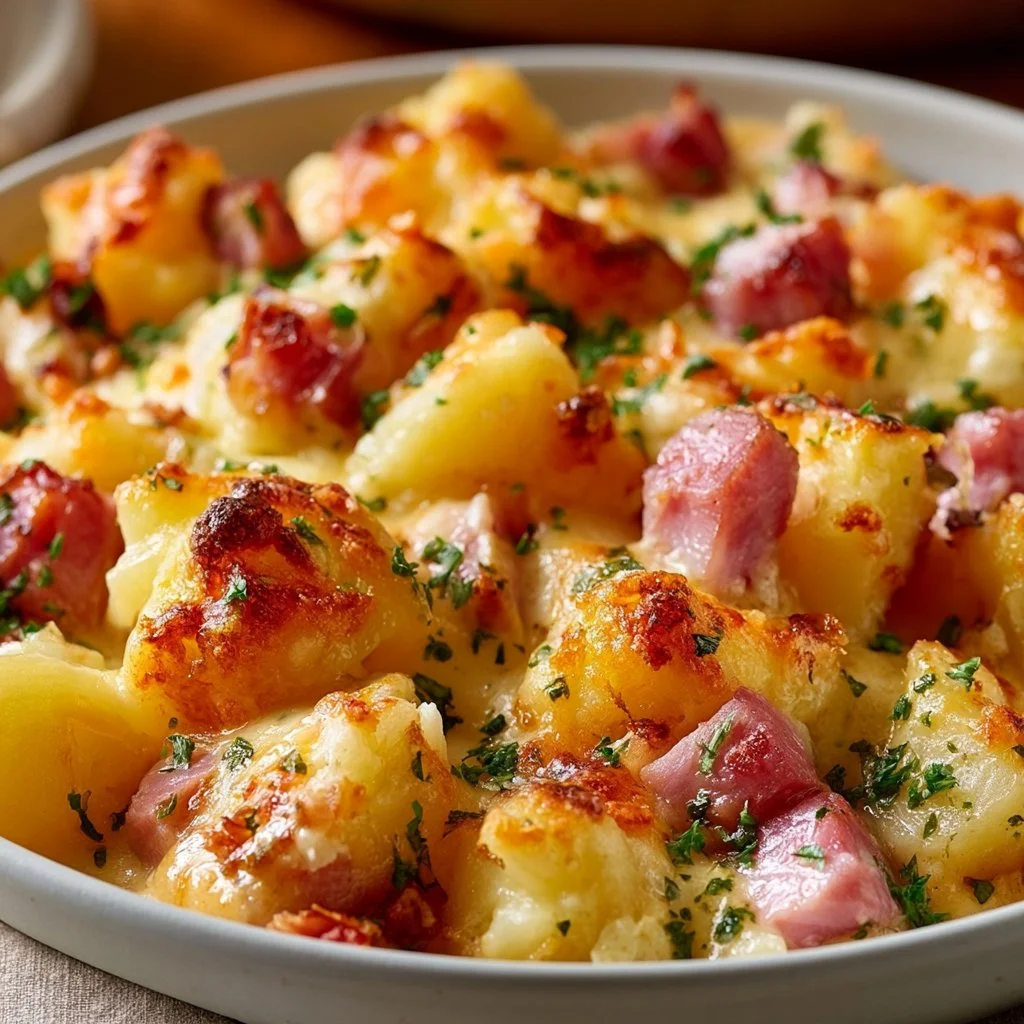
There’s something incredibly comforting about a casserole. The way it warms up the kitchen and fills the air with familiar, savory aromas can instantly elevate your mood. Potatoes and ham casserole is a dish that embodies this concept perfectly. It combines tender potatoes, savory meat, and gooey cheese into a harmonious blend that’s not only satisfying but also simple to prepare. The creamy texture of the potatoes complements the slight saltiness from the pieces of ham, making each bite a delightful experience. As the cheese melts atop the casserole, it creates a delectable golden crust, adding both flavor and visual appeal to the dish.
A well-made casserole can be a feast for both the eyes and the palate. The inviting aroma wafting from the oven invites family and friends to the table, promising comfort food at its finest. Once baked, you’ll find a bubbling, cheesy delight encased in a warm, crispy layer that begs to be served. This recipe is suitable for various occasions—whether it’s a cozy family dinner, a potluck gathering, or a satisfying meal after a long day, this casserole delivers on flavor and ease. Plus, it’s a great way to use up leftover cooked meat, making it an economical choice as well.
Serving this dish is simple. You can dish it up directly from the baking pan, allowing its rustic charm to shine through. For added garnish, sprinkle fresh chives or green onions on top just before serving. This not only enhances the visual appeal but also adds a touch of freshness that beautifully contrasts the richness of the casserole. Gather around the table with loved ones and enjoy the satisfaction of a home-cooked meal that captures the essence of comfort food.
What Makes This Recipe Special
What truly sets this casserole apart is its comforting flavor combination and straightforward preparation. While there are endless variations of casseroles, this particular one stands out for its balance of textures and flavors—from the softness of the potatoes to the savory bites of diced ham, all enveloped in a creamy, cheesy sauce. The dish can easily evoke feelings of nostalgia, making it a favorite among those who have enjoyed it at family gatherings or holidays. Furthermore, the ingredients required are widely available, which makes it an accessible choice for most home cooks.
Compared to other casserole recipes, this one is likely more approachable for beginners due to its simplicity. You won’t need any complicated techniques or hard-to-find ingredients—just basic kitchen skills and some staple items. This overview points towards the practicality and satisfaction of preparing a classic dish that’s filling and enticing. In addition, it offers a comforting meal that can bring family and friends together, reminding everyone of home-cooked meals that warm the heart.
Another feature that makes this dish appealing is its versatility. The core ingredients can be easily adapted; for instance, substituting different cheeses or adding vegetables can customize the flavor profile based on personal preferences. This flexibility invites creativity, encouraging cooks to share their variations and make the dish uniquely their own while enjoying the communal aspect of cooking.
Ingredient Overview and Helpful Notes
When preparing a casserole like this one, understanding the role of each ingredient enhances the final result. Potatoes serve as the backbone of the dish, providing bulk and texture while acting as a perfect sponge for flavors. Starchy potatoes, such as russets or Yukon golds, yield a fluffy interior once cooked, ensuring a satisfying bite that complements the creaminess from the cheese and milk.
The ham adds depth to the dish with its savory flavor, acting as the protein source that balances the starchy potatoes. Choosing quality, fully cooked meat is crucial here; this ensures rich flavor and a tender texture. Feel free to opt for leftover diced cooked meat to minimize waste while still achieving a hearty dish. If preferred, turkey can serve as a substitute, maintaining the essence of the dish while providing a lighter option.
Cheese is the star on top. A good melting cheese, such as cheddar, enhances the casserole with a rich, creamy finish. You can use a sharp cheddar for some extra kick or a milder cheese for a kid-friendly version. The role of cheese goes beyond taste; it also creates that sought-after golden crust. The milk and butter contribute to the creaminess and richness of the casserole, making for a decadent mouthfeel. If you’re lactose intolerant, swaps like almond milk or vegan butter can work well without compromising on texture.
Finally, seasoning matters. A simple addition of salt and pepper brings everything together, highlighting the natural flavors of the ingredients. Consider the use of herbs or spices like garlic powder, onion powder, or paprika to elevate the flavor even more. Once combined, these elements work together to create a harmonious and satisfying casserole that many will find hard to resist.
Nutrition & Recipe Details
Nutritional values may vary depending on the specifics of the ingredients you choose, such as the type of cheese or ham. Portion sizes will also change specifics significantly, affecting overall calorie counts and other nutritional details.
| Item | Value |
|---|---|
| Prep time | 15 minutes |
| Cook time | 30 minutes |
| Store time | 3-5 days in the refrigerator |
| Calories | Approx. 350 per serving |
| Protein | Approx. 20g |
| Carbohydrates | Approx. 30g |
| Fat | Approx. 15g |
How to Make Potatoes and Ham Casserole
Cooking this casserole is an organized affair. Begin by gathering all your ingredients and ensuring you have the necessary utensils, like a large pot, a mixing bowl, and a baking dish. Prepping your kitchen space not only streamlines the process but also makes the experience more enjoyable, especially if you share the cooking duties with family or friends. This dish isn’t overly complicated, making it an ideal project for novice cooks who want to try their hand at casserole-making.
Ingredients
| Ingredient | Quantity |
|---|---|
| Potatoes | 4 large, peeled and diced |
| Cooked ham | 1 cup, diced |
| Shredded cheese (cheddar or your choice) | 1 cup |
| Milk | 1/2 cup |
| Butter | 2 tablespoons |
| Salt | to taste |
| Pepper | to taste |
| Chives or green onions | for garnish (optional) |
Before you start, ensure everything is ready: peel and dice the potatoes into uniform pieces to allow for even cooking. Set aside your diced ham and measure out the cheese, milk, and butter. This prep work makes assembly quicker and allows for a smoother cooking experience. If you have any extra toppings or garnishes you’d like to add, such as herbs or spices, gather those now as well.
Step-by-Step Instructions
-
Preheat your oven to 400°F (200°C). This ensures that the casserole cooks evenly and reaches that coveted bubbly state on top by the time it’s done.
-
Boil the diced potatoes in a large pot until they are tender, about 10-15 minutes. You can check their doneness by piercing them with a fork; they should break apart easily but not be mushy. Once cooked, be sure to drain the potatoes thoroughly to remove excess moisture, which can make your casserole watery. Set them aside to cool slightly.
-
In a large mixing bowl, combine the drained potatoes with the diced ham, shredded cheese, milk, and butter. Stir gently to ensure the mixture is well-combined. The butter should melt into the warm potatoes, making the mixture creamy and rich. Mix until everything is fully incorporated but avoid over-mixing, as this can lead to a gummy texture.
-
Season with salt and pepper to taste. Always taste the mixture before transferring it to the baking dish, as the level of saltiness can vary based on the ham you’ve used. This step allows you to control the seasoning, ensuring a delicious final result.
-
Transfer the mixture to a greased baking dish. Spread it out evenly to achieve uniform cooking. You may want to use a spatula to level the mixture, ensuring there are no pockets of cheese or ingredients that may not cook evenly.
-
Place it in the preheated oven and bake for about 20-25 minutes. Check the dish towards the middle to ensure that it is baking evenly without burning. You are looking for a golden brown top, and it should be bubbling at the edges.
-
Remove from the oven when it’s done and allow it to cool slightly. The surface will be hot, and letting it sit for a few minutes will help it set up and make serving easier. Just before serving, garnish with chopped chives or green onions for an added burst of flavor and color.
Understanding the Flavor and Texture
Upon baking, you can expect a delightful contrast of textures. The crispy, golden cheese layer on top adds a crunchy bite that pairs beautifully with the soft, creamy potatoes beneath. The ham introduces a savory note that cuts through the richness of the cheese and cream, creating a well-rounded flavor profile. The casserole can be reminiscent of a comforting hug on a cold day, making it a go-to for family dinners or gatherings.
The aroma rising from the oven—combining buttery potatoes, cheese, and savory meat—further enhances the overall appeal. It’s a scent that beckons people to the dinner table, ready to enjoy a nourishing meal. Each bite delivers a warm, satisfying experience with a blend of creaminess and heartiness, a texture that carries the weight of comfort food while remaining pleasantly enjoyable. You’ll appreciate the richness from the cheese and butter while the potatoes hold their shape, offering a satisfying substance in every mouthful.
Pro Tips
Perfecting your casserole can sometimes depend on small techniques that enhance both flavor and texture. Below are some practical tips to elevate your cooking experience:
| Tip | Description |
|---|---|
| Use fresh ingredients | Using fresh potatoes and high-quality cheese enhances the flavor significantly. Fresh ingredients provide a better overall taste and texture that processed versions cannot replicate. |
| Don’t overcook the potatoes | Boiling them just until fork-tender prevents them from becoming mushy in the casserole. This ensures they maintain their structure and contribute to the dish’s texture. |
| Taste as you go | Adjusting seasoning during preparation helps you achieve a flavorful final product. Every ham brand varies in saltiness, so tasting the mixture allows for perfect seasoning. |
| Let it rest before serving | Allowing the casserole to rest for a few minutes after baking helps it set up, making it easier to scoop and serve while enhancing its flavors. |
While the above tips can refine your casserole-making skills, don’t hesitate to explore and experiment with personalized touches. A little attention to these details can go a long way in producing a dish that impresses your family and friends.
Why You’ll Love This Recipe
This casserole truly offers an unbeatable combination of heartiness, comfort, and ease of preparation. It’s an all-in-one meal that satisfies hungry appetites without the need for a lengthy cooking session. Its straightforward nature appeals to everyone, from busy parents trying to prepare evening meals to novice cooks eager to impress with minimal effort. The layers of ingredients meld beautifully, providing a comforting and rich experience in every serving.
Moreover, the accessibility of the ingredients makes it a flexible choice. You can tweak the recipe based on what’s available in your pantry, and its make-ahead capabilities ensure that it’s a viable option for gatherings or weeknight dinners. Store any leftovers in the fridge for an easy lunch the next day, reinforcing its efficiency in meal prep while delivering flavors that continue to develop overnight. Each serving brings the delightful experience of home cooking to your table without overcomplicating your time or resources.
Finally, it draws people together, whether around a dinner table or in the kitchen. The chance to directly engage with others while preparing this dish reinforces family bonds through shared cooking experiences. It’s an approachable recipe that invites contributions and adaptations while celebrating the comfort of home-cooked meals. The simplicity and satisfaction of this casserole make it a perennial favorite in many households.
How to Serve Potatoes and Ham Casserole
Presentation can enhance any meal, even if the dish is already full of flavor. For serving potatoes and ham casserole, aim for a rustic and inviting approach. Use a large spoon to dish out servings directly from the baking dish, allowing guests to appreciate the beautiful golden crust that forms during baking. If you have leftover chives or green onions from earlier preparations, sprinkle some on top for a splash of color and an extra touch of freshness.
To accompany the casserole, consider side dishes that contrast its richness. A simple green salad with a bright vinaigrette can introduce a refreshing element while balancing the meal. Other options include steamed vegetables, such as green beans or broccoli, which can add vibrancy and nutrients. If you’re feeling indulgent, serve with crusty bread to mop up the creamy goodness of the casserole.
When it comes to flavors, complementary sauces like a light mustard or chef’s dressing can kick the dish up a notch! Consider pairing it with non-alcoholic beverages like iced tea or lemonade that contrast with the savory elements, enhancing the overall dining experience. These pairing options turn the casserole into more than just a main dish; it becomes the centerpiece of shared meals and cherished memories.
How to Store Potatoes and Ham Casserole
Proper storage of your casserole is essential to maintain its delicious flavors and textures. After serving, if you have leftovers, allow the dish to cool down to room temperature before packing it away. For refrigerator storage, place the casserole in an airtight container or cover it tightly with aluminum foil or plastic wrap. Stored this way, it should last for about 3-5 days, making it a great option for planning meals ahead or enjoying leftovers.
If you plan to keep it for a longer period, freezing is a viable option. Portion out the casserole in freezer-safe containers, allowing for easier reheating later. Be sure to label the containers with the date to ensure you consume them within a reasonable time frame. When reheating after freezing, allow the casserole to thaw in the refrigerator for a few hours or overnight to maintain its best texture when cooked.
Note that while storing the casserole is convenient, its creaminess may change slightly during refrigeration or freezing, often losing some of its original texture. Nonetheless, with proper reheating methods, it remains a satisfying meal option even days after initially cooking.
Tips to Make Potatoes and Ham Casserole
Improving your casserole can rely on a few aspects that warrant careful consideration throughout the cooking process. For example, pay attention to how you prepare your potatoes. Ensure they are diced evenly to guarantee uniform cooking. When boiling, allow them to reach just the right tenderness—overcooking can lead to a mushy texture that detracts from the dish in the final effect. A familiar sight of small holes made with a fork should tell you they’re ready.
As you combine ingredients, be mindful of your mixing technique. Gently fold the ingredients together to maintain a fluffy consistency, avoiding overmixing that can lead to heaviness. Always season incrementally, tasting along the way; too little seasoning results in a bland dish, while too much can overpower the flavor of the individual components.
Finally, keep an eye on the baking time and temperature. Every oven is different, which can mean variations in cooking time. Start checking the casserole a few minutes before the overall cooking time ends to avoid burning or uneven cooking. The goal is golden-brown and bubbly on top, and that visual cue is the best indicator of doneness.
Variations and Substitutions
One of the great things about this casserole is its adaptability. For those seeking a vegetarian alternative, consider substituting diced vegetables like bell peppers, broccoli, or spinach in place of the ham. This not only modifies the dish to remain meat-free but also introduces vibrant colors and nutrients without sacrificing flavor.
For a creamier texture, you can swap the milk for heavy cream, elevating the richness and decadence of the dish. Alternatively, if you’re aiming for a lighter version, use low-fat milk or a dairy-free option like almond or cashew milk. Each change will affect the overall taste and texture, so adjust seasoning accordingly to taste with either cream or non-dairy options.
Spice enthusiasts can incorporate a little kick by adding ingredients like chopped jalapeños or incorporating spices such as cayenne pepper or smoked paprika. This lends a unique flair to the traditional recipe while rolling on flavors that will intrigue the palate. If you’re up for a little experimentation, why not mix in different cheeses? Pepper jack, gouda, or even a blend will transform the flavor while providing a different melting quality.
Finally, those following a lower-carbohydrate diet might consider replacing standard potatoes with cauliflower. When properly prepped and blended, it provides a similar mouthfeel while significantly reducing the dish’s carbohydrate content. This substitution will definitely adjust the overall texture, so be sure to season adequately with spices for that comforting experience.
Storage and Reheating
When it comes to storing leftovers, the focus should be on convenience and preservation. Portions can be divided into smaller, airtight containers to store in the refrigerator for 3 to 5 days. If your leftovers come from a well-prepped casserole, they’ll likely store well without losing their charm.
For extended storage, freezing is recommended. Purpose-specific freezer containers or bags work best here, allowing for organized stacking in your freezer and preventing freezer burn. Before freezing, it’s beneficial to cool the casserole fully to room temperature. When reheating, if frozen, thaw it in the refrigerator overnight before placing it in the oven. Freezing causes texture changes, so reheating gently in an oven will help return moisture and crispness.
Reheating techniques can vary based on your preference—using the microwave is fast but often leads to uneven heating. A microwave-friendly bowl or dish can be used for quick meals, but be cautious about overcooking, as this leads to dry edges. An oven can renew crispness, just be sure to cover it with foil for the first half of the reheating time to prevent it from becoming dry. This method’s gentle heat brings life back to the casserole while it retains its essence of comfort.
Customization Ideas
Casseroles are a wonderful canvas for personalization; the core dish can be adapted based on seasonal ingredients or family preferences. For those who wish to add more texture, consider folding in crushed crackers or breadcrumbs atop the casserole just before baking to create a crunchy topping that contrasts beautifully with the soft filling.
Seasoning can also be adjusted. Adding garlic powder, Italian seasoning, or even a pinch of nutmeg changes the flavor profile completely. Experimenting with fresh or dried herbs such as thyme or rosemary could lift the overall dish in another direction.
When serving, don’t hesitate to introduce optional toppings such as crispy fried onions or fresh herbs to elevate the look and flavor. Your choice of cheese can also invite variations—might you try a blue cheese for pungency or mozzarella for a pull? Silky textures can be introduced by drizzling olive oil or balsamic glaze to finish serving plating.
Lastly, every kitchen includes some leftover ingredients or favorite flavors; incorporate them! Extra vegetables, unique spices, or even leftovers from other meals can integrate well without compromising the intended essence of the casserole. The adaptability of this dish allows for creativity to shine through while maintaining the original comfort and satisfaction.
Common Mistakes to Avoid
While preparing a casserole is straightforward, there are still a few pitfalls that can impact the final result. Here are five common mistakes to watch out for:
- Overcooking the potatoes: Potatoes that are too mushy can turn a casserole into a starchy paste. To avoid this, check for tenderness during boiling and stop cooking once just fork-tender.
- Forgetting to drain thoroughly: Excess moisture from boiled potatoes can lead to a watery casserole. Drain well to ensure the dish maintains its intended creamy consistency without becoming soupy.
- Insufficient seasoning: Underdone seasoning can result in a bland final product. Always taste your mixture during preparation to find the right flavor balance, adjusting the seasoning as necessary.
- Using low-quality cheese: Cheese is a key player in this dish. Cheap, pre-shredded varieties often contain additives that affect melting quality and flavor. Invest in quality cheese for the best results.
- Skipping the resting period: Allowing the casserole to rest after baking helps it set up, making it easier to serve. Forgoing this step might leave you with a runny mess instead of neatly cut squares.
By avoiding these common mistakes, you ensure a successful casserole that impresses at any gathering or meal.
Serving Occasions
This casserole shines in a variety of settings, making it a versatile choice for any occasion. It’s a fantastic option for busy weeknights, where families can gather for a nourishing meal that requires minimal effort. Just add a salad on the side, and you have a well-rounded dinner ready in no time, leaving time for quality moments together.
For social gatherings, such as potlucks or outdoor picnics, this dish is an instant crowd-pleaser. Because it can be prepared ahead of time, it’s easy to transport while still maintaining its taste and warmth. Guests will love the welcoming flavors and heartiness it offers, making it a go-to recipe for casual events where easy serving is appreciated.
Holidays and festive occasions are also perfect times to whip up this casserole. Family gatherings during the winter season call for comforting dishes that inspire warmth and nostalgia. It makes an excellent side dish for holiday dinners or is robust enough to serve as a main dish on chilly days.
In summary, whether it’s a regular weekday meal or an anticipatory festive gathering, this easy casserole proves itself adaptable to various occasions, bringing people together through the love of food.
Why Make This Recipe?
Casseroles represent a wonderful aspect of home cooking that balances nourishment, convenience, and flavor. Choosing this particular casserole over a standard meal comes down to its distinct qualities, including soulful comfort and the ease of preparation. It illustrates the essence of home-cooked meals that often carry sentimental value through familial traditions or shared moments.
Not only is this casserole manageable for cooks at any level, but it also serves as a flexible recipe to adapt based on preferences and pantry items. The fusion of potatoes, flavorful meat, and creamy sauce offers a satisfying experience, while its simple steps invite everyone to get involved in the cooking process. This is a recipe that can be cherished by all, having the potential to create lasting family memories.
Furthermore, it lends itself nicely to meal prepping, allowing leftovers to be enjoyed later without compromising flavor. In a world where convenience often takes precedence, this casserole embodies a fantastic solution; it appeals to the busy homeowner seeking to maintain the joy of home-cooked meals while maximizing flavors and minimizing stress.
Make-Ahead Preparation
Preparing this casserole ahead of time can simplify your life and enhance the cooking experience. Many ingredients can be prepped in advance, reducing stress on the day of serving. For instance, you can dice the potatoes and ham the day before, storing them in separate containers to maximize freshness. This allows you to quickly assemble everything on the day of cooking without having to spend extra time chopping.
Another great make-ahead strategy involves fully assembling the casserole without baking. You can combine all the ingredients in the baking dish, cover it tightly with plastic wrap or aluminum foil, and store it in the refrigerator for up to 24 hours. This way, it’s ready to pop in the oven when you’re prepared to bake. Just remember to add a few minutes of cook time since it will be going into the oven cold.
This method is excellent for entertaining, as it allows hosts to spend more time with guests and less time in the kitchen. However, if you’re preparing the casserole to store in the freezer, ensure that it’s tightly wrapped and labeled with the date it was prepared for easy identification.
While this make-ahead process will allow you to maintain freshness and quality, remember that the texture may differ slightly if baked from refrigerator cold; allowing it to come to room temperature for about 30 minutes before placing it in the oven can help mitigate this change while still preserving the beloved qualities of the casserole.
Equipment and Kitchen Preparation
Having the right equipment and organization in your kitchen can smooth out your casserole preparation process. Start with a large, sturdy pot suitable for boiling the potatoes. Make sure it has a tight-fitting lid to keep the heat in, which can accelerate the cooking time. Also, a good colander is essential for draining the potatoes thoroughly after boiling.
A large mixing bowl is crucial for combining the ingredients evenly. Using a mixing spoon or spatula helps to ensure everything gets mixed when combining the potatoes, meat, and cheese for a cohesive blend. For baking, select a glass or ceramic baking dish that is large enough to hold the casserole without being overstuffed, which ensures even cooking.
Finally, utensils for serving, like a serving spoon or spatula, will aid in dishing out portions once the casserole is out of the oven. While not a specific piece of equipment, setting your kitchen workspace before beginning will help keep you organized, making for a more enjoyable cooking experience.
FAQs
1. Can I use different types of cheese?
Absolutely! Many cheeses can work well. Cheddar is a popular choice, but gouda, mozzarella, or even pepper jack can add unique flavors. Choose based on your personal taste preferences.
2. How can I make this casserole gluten-free?
To ensure a gluten-free casserole, use gluten-free breadcrumbs if desired or leave out any toppings that might contain gluten. Check labels on all packaged ingredients you use as well.
3. Is it necessary to pre-cook the ham?
If you’re using an already cooked ham, you don’t need to pre-cook it further. However, if using raw ham, ensure that it is cooked thoroughly before mixing it into the casserole.
4. Can I prepare this casserole without using any meat?
Yes! Substitute the ham with sautéed vegetables, beans, or a meat alternative for a delicious vegetarian casserole. Ensure to season generously to maintain flavor profiles.
5. What can I do if the casserole is watery?
If you find that the casserole is too watery after baking, it may result from over-boiling the potatoes or not draining them well enough. Next time, try to ensure that the potatoes are drained adequately and only boiled until just tender.
6. How do I reheat leftovers?
Leave leftovers stored in an airtight container in the refrigerator. For reheating, the best method is in the oven at 350°F (175°C) until heated through, about 20 minutes, to maintain texture.
7. Can I freeze the casserole?
Yes, this casserole freezes well. Make sure it’s stored in an airtight container or tightly wrapped to avoid freezer burn. It can last for about 2-3 months in the freezer.
8. Could I use sweet potatoes instead?
Yes! Sweet potatoes make a lovely alternative, offering a different flavor profile while maintaining the comforting essence of the dish. Just be aware that their cooking time may vary slightly from regular potatoes.
Disclaimer
Nutritional information is approximate and may vary based on ingredient brands, substitutions, portion sizes, and preparation methods.
Print
Potatoes and Ham Casserole
- Total Time: 45 minutes
- Yield: 4 servings 1x
- Diet: None
Description
A comforting casserole combining tender potatoes, savory ham, and gooey cheese, perfect for family dinners or potlucks.
Ingredients
- 4 large potatoes, peeled and diced
- 1 cup cooked ham, diced
- 1 cup shredded cheese (cheddar or your choice)
- 1/2 cup milk
- 2 tablespoons butter
- Salt to taste
- Pepper to taste
- Chives or green onions for garnish (optional)
Instructions
- Preheat your oven to 400°F (200°C).
- Boil the diced potatoes in a large pot until tender, about 10-15 minutes.
- Combine the drained potatoes with the diced ham, shredded cheese, milk, and butter in a large mixing bowl.
- Season with salt and pepper to taste.
- Transfer the mixture to a greased baking dish and spread evenly.
- Bake for about 20-25 minutes until golden brown and bubbly.
- Remove from the oven and cool slightly before serving; garnish with chives or green onions.
Notes
For best texture, don’t overcook the potatoes and taste the mixture before baking to adjust seasoning.
- Prep Time: 15 minutes
- Cook Time: 30 minutes
- Category: Main Course
- Method: Baking
- Cuisine: American
Nutrition
- Serving Size: 1 serving
- Calories: 350
- Sugar: 5g
- Sodium: 400mg
- Fat: 15g
- Saturated Fat: 8g
- Unsaturated Fat: 5g
- Trans Fat: 0g
- Carbohydrates: 30g
- Fiber: 3g
- Protein: 20g
- Cholesterol: 50mg