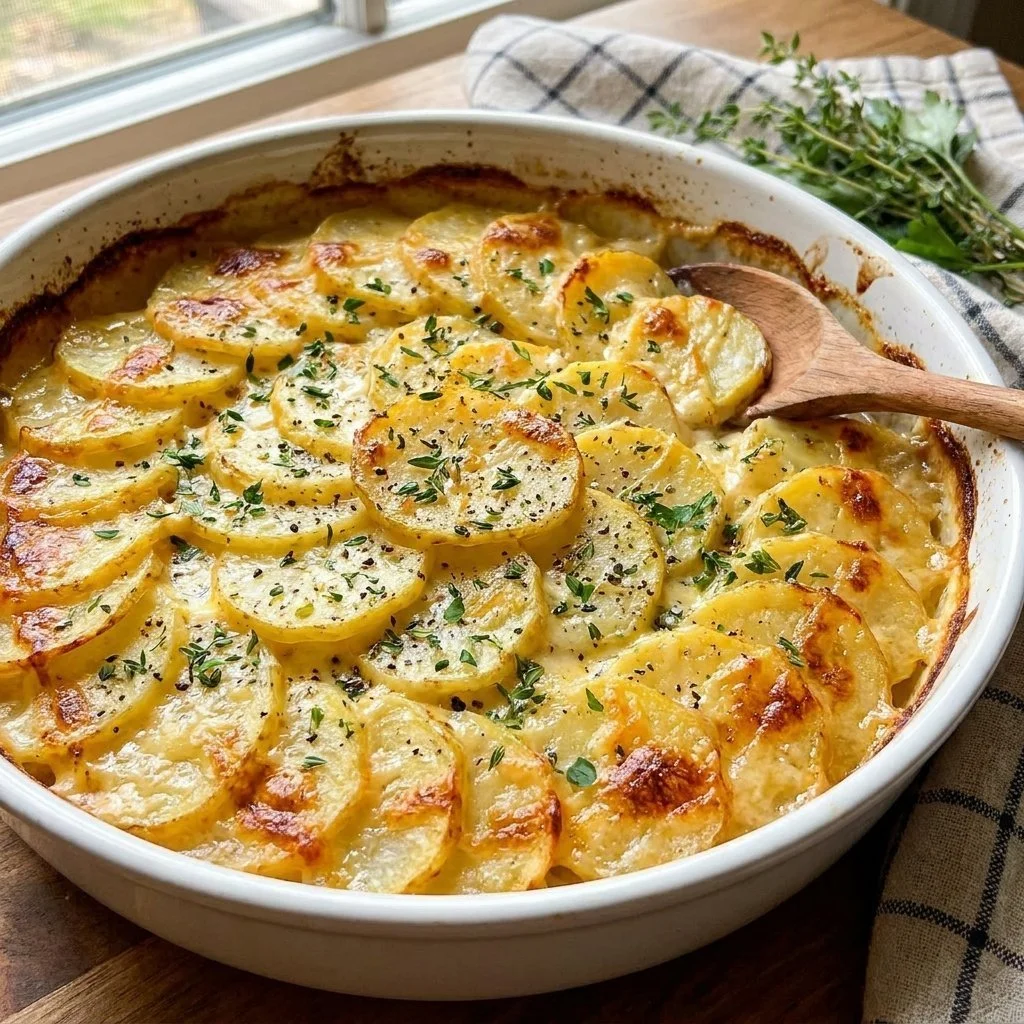
Scalloped potatoes are a timeless dish that beautifully blends creamy textures with comforting flavors, making them a favorite at family gatherings and special occasions alike. This dish revolves around thinly sliced potatoes baked in a rich and velvety sauce that’s often enhanced with garlic and a blend of cheeses. Each bite delivers a satisfying mix of softness paired with a slightly crispy top layer, creating an irresistible appeal that draws people in. The allure of scalloped potatoes comes not only from their taste but also from their ability to evoke nostalgia, reminding many of home-cooked meals shared with loved ones.
The main ingredients in scalloped potatoes are simple yet effective, with potatoes at the forefront. When baked, the potatoes become wonderfully tender while absorbing all the flavors from the creamy sauce. The addition of garlic introduces a subtle yet distinct aroma, making the dish even more enticing. The cheeses used, typically cheddar and Parmesan, not only contribute to the overall creaminess but also form a perfect golden crust on top, giving its visual presentation a delightful finish. Serving scalloped potatoes allows you to impress guests with both their appearance and rich flavor profile.
This dish is suitable for numerous occasions, ranging from a casual family dinner to a holiday feast. Whether it’s a Thanksgiving table or Sunday night supper, scalloped potatoes elevate any meal with their luxurious taste. They also make great leftovers, providing perfect comfort for any day of the week. Their versatility extends into the ingredients, enabling cooks to customize them based on personal preferences or dietary needs.
What Makes This Recipe Special
Scalloped potatoes stand out due to their unique combination of flavors and textures, which create a truly comforting dish. Unlike hash browns or mashed potatoes, scalloped potatoes are defined by their layered structure, where each slice of potato is enveloped in creamy goodness. The slow baking process allows the flavors to meld together beautifully, while the cheese on top creates a gratifying crispy texture that contrasts with the softness beneath. This duality of textures makes each serving a delightful experience, contributing to their irresistible nature.
In comparison to similar dishes, scalloped potatoes are distinct not only in their preparation but also in flavor. While gratins may use a breadcrumb topping for crunch, scalloped potatoes typically keep it simple with cheese. This adherence to tradition allows the natural flavor of the potatoes to shine through, complemented rather than overshadowed by spices or alternate toppings. The result is an elevated comfort food that appeals to both purists and those seeking a bit of elegance on their plate.
What truly makes this recipe special is its adaptability. Scalloped potatoes can be dressed up with a variety of ingredients, from different types of cheese to herbs and spices, allowing for personalization based on taste preferences. For those who prefer a lighter version, swapping heavy cream for a combination of milk and vegetable stock or incorporating more vegetables like spinach or mushrooms can result in an equally delightful dish. This flexibility ensures that you can enjoy scalloped potatoes tailored to any dietary consideration or occasion.
Ingredient Overview and Helpful Notes
The main ingredients in scalloped potatoes—potatoes, heavy cream, garlic, and cheese—play crucial roles in creating the dish’s signature flavor and texture. Potatoes act as the backbone of this recipe, contributing to the dish’s heartiness. Opting for starchy varieties like Russet or Yukon Gold will yield the best results, as they hold up well during cooking, becoming tender while absorbing flavors. It’s essential to slice them thinly and evenly to ensure consistent cooking throughout.
The heavy cream not only adds richness to the dish but also helps in achieving that sought-after creamy sauce that envelops each potato slice. When selecting cream, look for a high-fat content for a luxurious mouthfeel. Meanwhile, the minced garlic infuses the dish with aromatic notes, elevating its flavor profile without overpowering the primary ingredients. Fresh garlic is always preferable, as it brings a bright, pungent element that dried garlic simply cannot match.
Cheeses like cheddar and Parmesan offer depth of flavor and contribute to creating a deliciously crusty top layer. Choosing freshly grated cheese instead of pre-packaged options can enhance the final texture, providing a creamier result. The cheese melts beautifully, forming that golden crust that makes scalloped potatoes so visually appealing. If you’re looking to switch up your cheese choices, options like Gruyère or Gouda can add unique flavors while still complementing the dish’s overall profile.
In terms of preparation, it’s vital to keep potatoes as close to the same thickness as possible to avoid uneven cooking. Utilizing a mandoline slicer can help achieve the perfect thickness quickly and easily. Layering the ingredients thoughtfully also ensures that every bite is flavored consistently. Lastly, using fresh herbs, like thyme, not only enhances the aroma but also can be a lovely visual addition, contributing to the dish’s overall appeal.
Nutrition & Recipe Details
Nutritional values can vary based on ingredient brands, portion sizes, and preparation methods. Below is a general breakdown of the recipe to help you get a clearer picture of its nutritional content.
| Item | Value |
|---|---|
| Prep time | 30 minutes |
| Cook time | 1 hour |
| Store time | 3-5 days in the refrigerator |
| Calories | 450 (per serving) |
| Protein | 10 g |
| Carbohydrates | 40 g |
| Fat | 30 g |
How to Make Scalloped Potatoes
Making scalloped potatoes is a straightforward process that anyone can master. Before diving into preparation, it’s beneficial to gather all your ingredients and tools. Having everything on hand makes the cooking process more efficient, allowing you to focus on creating a delightful dish. A baking dish, a sharp knife or mandoline for slicing potatoes, a mixing bowl, and measuring cups and spoons will be helpful in this endeavor.
When preparing to make scalloped potatoes, start by washing and peeling the potatoes. After peeling, slice them thinly to ensure even cooking later on. Mince the garlic and measure out the cream and cheeses. Preheating the oven to 375°F (190°C) will also help streamline the process, allowing the dish to start cooking upon assembly.
Ingredients
| Ingredient | Quantity |
|---|---|
| Potatoes | 5 large, thinly sliced |
| Heavy cream | 2 cups |
| Shredded cheddar cheese | 1 cup |
| Grated Parmesan cheese | 1/2 cup |
| Garlic | 2 cloves, minced |
| Salt | 1 teaspoon |
| Black pepper | 1/2 teaspoon |
| Fresh thyme (optional) | 1 tablespoon |
| Butter (for greasing) | As needed |
Before starting to cook, remember to prepare the baking dish by greasing it liberally with butter to prevent sticking. This will help achieve a beautiful, crisp edge on the potatoes. As you work, keep the sliced potatoes in a bowl of cold water if there’s a delay in cooking; this helps prevent browning and keeps them fresh until you’re ready to assemble the dish.
Step-by-Step Instructions
With the ingredients ready and the oven preheated, you can now proceed with the step-by-step directions:
- Preheat the oven to 375°F (190°C) and grease a baking dish with butter. It’s essential to preheat the oven to ensure that the dish cooks evenly from the start. A well-greased dish will help the potatoes release easily when serving.
- Layer half of the sliced potatoes in the bottom of the dish. Arrange the potato slices neatly, overlapping them slightly to create a uniform layer. This helps in even cooking and enhances the visual appeal when serving.
- In a bowl, mix together the heavy cream, minced garlic, salt, and pepper. Stir these ingredients well until combined. This mixture serves as the base sauce for the potatoes, imparting flavor and moisture as they bake.
- Pour half of this mixture over the first layer of potatoes. Ensure that the cream mixture evenly coats the potatoes, allowing them to absorb the flavors. You may use a spatula to spread it evenly if necessary.
- Sprinkle half of the cheddar and Parmesan cheese over the cream mixture. This will provide a delicious topping that will melt and create that beautiful crust as it bakes.
- Repeat the layers with the remaining potatoes, cream mixture, and cheeses, finishing with cheese on top. This layering technique builds flavor, ensuring that every bite has a delightful taste and creaminess.
- Cover the dish with aluminum foil and bake for 45 minutes. Covering the dish initially helps steam the potatoes, making them tender and allowing the flavors to meld together.
- Remove the foil and continue baking for an additional 15-20 minutes or until the potatoes are tender and the top is golden brown. You can check for doneness by inserting a fork; if it slides in easily, the dish is ready.
- Let it cool for a few minutes before serving. This resting period allows the dish to set slightly, making it easier to cut and serve. The golden crust on top should be crispy, offering a delightful contrast to the creamy layers below.
Understanding the Flavor and Texture
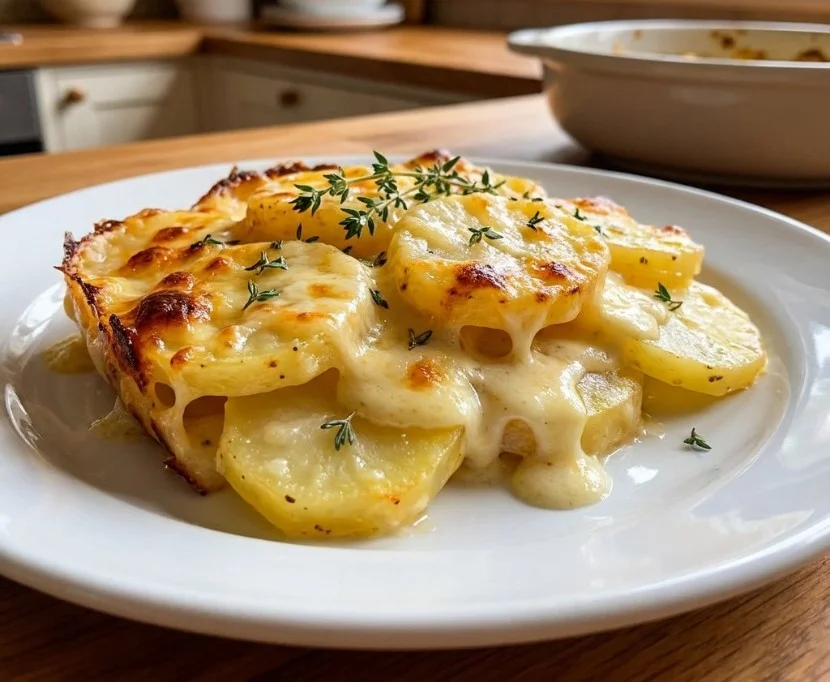
When completed, scalloped potatoes present an inviting sight with their golden top and gleaming creamy layers. The aroma wafting from the dish brings warmth, with hints of garlic and buttery richness filling the kitchen, instantly signaling that comfort food is on the way. The first bite reveals a perfect blend of textures: the top layer is crunchy and slightly browned, while the layers beneath are lush and creamy, enveloping the tender potato slices.
The combination of heavy cream and cheeses creates a richness that defines scalloped potatoes, while the starchy potatoes soak up the flavors, ensuring each bite is filled with a satisfying creaminess. The garlic imparts subtle depth, enhancing the overall flavor profile without overwhelming the palate. Herbs like thyme, if included, add a fresh note that elevates the dish beautifully. When properly cooked, the potatoes should be fork-tender, revealing a melt-in-your-mouth experience that feels both luxurious and comforting.
A successful scalloped potato dish strikes a balance between creamy and crispy, with crisp edges that contrast harmoniously with the soft, tender interior. The cheesy crust plays a pivotal role in this, offering an appealing color and rustic beauty that entices the eye as much as the palate.
Pro Tips
A few small techniques can significantly enhance your scalloped potatoes, ensuring they turn out perfectly every time.
| Tip | Description |
|---|---|
| Use a Mandoline | Utilizing a mandoline slicer allows for perfectly even slices of potatoes, which cook uniformly. This ensures that every layer is the same thickness, contributing to consistent cooking and texture. |
| Let Potatoes Soak | If you’re worried about browning, soaking sliced potatoes in cold water for a few minutes helps keep them fresh and prevents oxidation. |
| Layering Technique | Carefully layer potatoes and cream, without rushing. This creates a more visually appealing dish while ensuring that every spoonful has the correct balance of flavors and textures. |
| Allow Rest Time | Let the dish rest after baking. This helps the layers set and makes serving easier while allowing flavors to meld together further. |
Following these tips can elevate your scalloped potatoes from ordinary to extraordinary. Additionally, experimenting with flavors by adjusting the seasoning or adding different cheeses can yield exciting results. Also, remember that the time spent allowing the dish to rest is crucial; it enhances flavor and ensures a successful presentation.
Why You’ll Love This Recipe
Scalloped potatoes are a delightful combination of flavors and textures that make them an unforgettable dish to prepare. Not only are they creamy and rich, but they are also relatively simple to make, making them accessible for both novice and experienced cooks. The ability to layer the ingredients means that you can customize flavors to suit your kitchen preferences or dietary needs while still achieving that classic dish everyone loves.
The ingredients are easy to find and typically already a staple in many kitchens, making this recipe convenient to whip up. You can prepare it in advance and simply bake it before serving, freeing up your time for other preparations when hosting a gathering or family meal. Additionally, this dish holds well in the refrigerator, making it an excellent choice for leftovers or meal prepping.
Scalloped potatoes offer flexibility with serving sizes. They can be presented beautifully for an elegant dinner party or served simply in a family-style meal. Either way, they are sure to be a hit, satisfying cravings and evoking a sense of comfort and home at every table.
How to Serve Scalloped Potatoes
When serving scalloped potatoes, presentation can elevate the experience. Since they have an enticing golden-brown crust, consider serving them straight from the baking dish, allowing guests to serve themselves family-style. Alternatively, you can portion them on individual plates for a more refined look, showcasing the inviting layers.
Accompaniment options are vast, as scalloped potatoes pair well with many different dishes. They make an excellent side to roasted vegetables, grilled chicken, or fish. A fresh green salad can also balance out the richness of the potatoes, introducing a crispness that complements the creamy texture. For a heartier meal, consider serving scalloped potatoes alongside a protein-rich side, such as grilled or roasted vegetables, which can add brightness and freshness to the plate.
Additionally, consider garnishing the finished dish with fresh herbs, like parsley or chives, to add a pop of color and a hint of freshness. This not only enhances the visual appeal but also infuses an additional layer of flavor. For beverage pairings, a crisp, mineral-rich white wine or a sparkling water can complement the richness of the dish beautifully.
How to Store Scalloped Potatoes
To store leftover scalloped potatoes properly, allow the dish to cool completely at room temperature, which prevents excess moisture buildup that can lead to sogginess. Once cooled, transfer the leftovers into airtight containers if your baking dish isn’t suitable for storing in the refrigerator. Make sure to keep them refrigerated if you plan to use them within the next few days; they can stay fresh in the refrigerator for about 3 to 5 days.
For longer storage, scalloped potatoes can also be frozen. Portion the cooled leftovers into freezer-safe containers or heavy-duty freezer bags. It’s a good idea to label the containers with the date so you can keep track of storage time. When stored properly, scalloped potatoes can maintain quality in the freezer for up to three months.
It’s essential to note that the texture may slightly change upon reheating. The cream may separate a bit, leading to a slightly different mouthfeel than when freshly baked. However, a good reheat can revive the flavors; just take care to reheat gently to avoid drying them out.
Tips to Make Scalloped Potatoes
To ensure your scalloped potatoes turn out perfectly each time, pay attention to a few key details during preparation. First, the thickness of potato slices directly affects the cooking time and texture. Aim for slices about 1/8 inch thick, as this allows them to cook evenly and absorb the cream mixture. If you’re unsure, a mandoline slicer can be invaluable for achieving consistent thickness across all slices.
Second, ensure that flavors are well-balanced by taste-testing the cream mixture before pouring it over the potatoes. Adjusting seasoning at this stage, such as adding more salt or pepper, can significantly elevate the final dish. Remember to incorporate garlic gradually, as its sharpness can intensify during baking.
Another crucial tip is to cover the baking dish with foil initially to create steam, which is vital for tenderizing the potatoes. Uncover it in the last 20 minutes of baking to allow the top to brown properly. Observe the cheese closely; when it turns golden brown and bubbly, that’s the indicator that your scalloped potatoes are ready to come out of the oven.
Finally, when reheating leftovers, do so gently. If using a microwave, consider adding a small splash of cream or milk to keep them moist. In the oven, reheating at a low temperature covered with foil will help retain moisture and prevent drying out, ensuring that each bite remains indulgent.
Variations and Substitutions
Though traditional scalloped potatoes are delicious as they are, there are numerous ways to innovate or adjust the recipe to your liking. For a vegetarian version, you could incorporate layers of vegetables like spinach, artichokes, or mushrooms to add color and nutrition. These can be sautéed lightly before layering to enhance flavor and further reduce moisture, which can affect the cooking process.
For a healthier take, consider substituting heavy cream with a mixture of low-fat milk and vegetable broth. While the creaminess will be reduced, you can still achieve a flavorful dish by enhancing the broth with herbs or spices. Similarly, using a cheese blend that includes lower-fat options will provide flavor while cutting calories and fat content.
Spicing things up is also an option; adding a hint of cayenne pepper or paprika in the cream mixture could give the dish a surprising kick, complementing the creaminess beautifully. If you’re looking for a more robust flavor, incorporating grated Gruyère cheese or even a bit of blue cheese can elevate the dish to new heights.
Gluten-free adaptations can easily be made by ensuring all ingredients, particularly any added seasonings or broths, are gluten-free. The original recipe is inherently gluten-free, but care should always be taken with add-ins. Each of these variations provides an exciting twist while maintaining the heartwarming essence of scalloped potatoes.
Storage and Reheating
When dealing with leftovers, it’s essential to divide them into smaller portions for easy reheating and storage. Placing them in airtight containers prevents exposure to air, which can lead to spoilage or drying out. Always label your containers with the date to ensure that you’re using them within a reasonable timeframe.
For reheating, the oven is often the best bet to achieve that freshly baked taste and texture. Preheat the oven to about 350°F (175°C) and place the portion in an oven-safe dish. Cover it with foil to retain moisture and prevent the top from burning; heat for 20-30 minutes or until thoroughly warmed.
If you have a microwave, you can use that for faster reheating. Place a portion in a microwave-safe bowl, adding a sprinkle of water or cream to maintain moisture. Heat in shorter intervals, stirring occasionally, to promote even heating without overcooking.
Keep an eye on the texture when reheating; scalloped potatoes can become dry if overheated. Adding a splash of cream before reheating, whether in the oven or microwave, can help recover some of the original creaminess, making them just as delectable as when you first made them.
Customization Ideas
Customization is one of the beautiful aspects of scalloped potatoes. Adjusting the flavor profile can easily transform the dish to suit your tastes or the occasion. For instance, consider incorporating seasonal vegetables like green beans or broccoli for a colorful and nutritious boost. Not only do these additions add vibrant color, but they also enhance the overall texture, making for a more satisfying meal.
In terms of seasoning, experimenting with herbs and spices can breathe new life into the dish. For example, adding fresh rosemary, tarragon, or a hint of nutmeg can provide a delightful twist that complements the richness of the cream and potatoes. Alternatively, a dash of hot sauce or mustard could introduce an exciting tang that sharpens the overall flavor balance.
For gatherings, consider creating a loaded version topped with caramelized onions, jalapeños, or mushrooms. These toppings can add unexpected depths of flavor and texture, creating a dish that is both familiar and intriguingly new. Additionally, finishing with a sprinkle of crispy fried onions or breadcrumbs before the final baking phase can elevate the dish into a standout centerpiece.
When it comes to presentation, consider serving scalloped potatoes in individual ramekins for a touch of elegance, allowing guests to have their personal servings. This is particularly effective for fancy dinners or holiday meals. Each of these customizations opens possibilities for both flavor exploration and presentation while staying true to the essence of scalloped potatoes.
Common Mistakes to Avoid
Making scalloped potatoes may seem straightforward, but some common mistakes can lead to less-than-perfect results. Here are five pitfalls to watch out for:
- Using Unevenly Cut Potatoes: If some slices are thicker than others, they will cook at different rates, leading to uneven results. Always aim for uniformity, ideally around 1/8 inch thick.
- Skipping the Soaking Step: Not soaking the cut potatoes can result in browning and can affect the final texture. If you’re not cooking them right away, keep them submerged in cold water until you’re ready.
- Overcrowding the Layers: Overloading the dish with too many potato slices can result in a soggy texture. Ensure each layer has enough room for air to circulate so they can cook properly.
- Not Tasting the Cream Mixture: Failing to taste your cream mixture before pouring can lead to underseasoned potatoes. Adjust the seasoning to your liking to enhance overall flavor.
- Skipping the Resting Period: Cutting into the dish immediately after baking leads to a messy serving. Allowing scalloped potatoes to rest for a few minutes aids in setting the layers, making for a neater presentation.
Keeping these tips in mind can help you avoid mishaps, ensuring that your scalloped potatoes emerge perfectly creamy, flavorful, and aesthetically pleasing every time.
Serving Occasions
Scalloped potatoes are incredibly versatile regarding occasions. Their creamy, comforting qualities make them a staple on holiday tables, including Thanksgiving and Christmas. They pair beautifully with roast turkey, ham, or even a holiday beef dish, adding a rich, satisfying touch to the feast.
For everyday meals, scalloped potatoes work gratefully alongside roasted chicken or grilled fish, making them suitable for casual family dinners or potlucks. Their ability to be made in large batches also makes them perfect for group gatherings, allowing hosts to focus on enjoying the evening rather than extensive meal preparation.
Moreover, these potatoes can shine at brunches when paired with egg dishes or served as a side for a hearty salad topped with grilled vegetables. Their adaptability in flavor and presentation means they can fit in seamlessly, whether plated elegantly or served in a rustic manner.
Pleasing both children and adults, scalloped potatoes are a surefire way to bring families together around the table, making memorable moments over shared dishes.
Why Make This Recipe?
Choosing to make scalloped potatoes instead of other potato dishes is about embracing the rich, creamy experience they offer, which is hard to replicate. Their combination of indulgent creamy sauce and perfectly tender potatoes creates a unique flavor profile that stands out. Unlike mashed potatoes, which can be smooth and entirely uniform, scalloped potatoes provide delightful contrasts between creamy and crisp, making each bite a new experience.
Furthermore, the recipe allows for limitless customization, whether through ingredient swaps to suit dietary needs or tinkering with flavors to keep things fresh. The base is strong enough to support various additions, from vegetables to spices, making it worth incorporating into regular cooking rotations.
The practicality of scalloped potatoes also adds to their appeal. They can be prepped ahead of time, allowing for convenient baking just before serving. Whether enjoyed as a weeknight side or a holiday staple, the ease and accessibility also ensure that this dish remains a beloved choice in any kitchen.
In short, scalloped potatoes deserve a spot in your recipe collection for their comforting qualities, ability to adapt, and the delightful sense of satisfaction they bring to any table.
Make-Ahead Preparation
Making scalloped potatoes ahead of time can be a significant time-saver, especially for gatherings or busy weeknight meals. To prepare in advance, follow the initial steps of washing, slicing the potatoes, and preparing the cream mixture. After layering the potatoes in the baking dish and adding the cream and cheese, you can refrigerate the dish (making sure it’s covered) for up to 24 hours before baking.
When ready to cook, simply remove it from the fridge and let it sit at room temperature for about 30 minutes before popping it into the preheated oven. This approach helps to even out the cooking time; baking chilled potatoes can lead to uneven cooking and texture.
For longer storage, you may consider fully baking the scalloped potatoes and storing leftovers in the refrigerator or freezing portions. Keep in mind that freshly baked scalloped potatoes tend to maintain their quality better; many find that freezing can change the texture slightly. If frozen, be sure to thaw overnight in the refrigerator before reheating.
By planning ahead with scalloped potatoes, you ensure that you have a delicious, comforting side ready to enjoy with minimal stress, allowing you to focus on other elements of your meal or gathering.
Equipment and Kitchen Preparation
To successfully make scalloped potatoes, having the right tools can streamline the process. Firstly, you’ll need a quality baking dish, ideally ceramic or glass, as these materials help with heat distribution, promoting even cooking. A size around 9×13 inches typically works well for this quantity.
Having a mandoline slicer on hand can also make a significant difference in achieving uniform potato slices. If you don’t have one, a good chef’s knife will suffice, though it requires a steadier hand and careful cutting. In addition, a mixing bowl for combining the cream, garlic, and seasonings is necessary along with measuring spoons and cups for accurate ingredient portions.
Don’t forget a spatula for layering and spreading the cream mixture over the potatoes smoothly. Additionally, have a whisk or fork handy to ensure that your cream mixture is well combined with all seasonings. Preparing your kitchen in advance—having all tools out and ingredients ready—will make the cooking process smoother and allow you more time to enjoy the dish with your loved ones.
FAQs
- Can I use different types of potatoes for scalloped potatoes?
- Yes, you can use various potatoes like Yukon Gold or Red potatoes. Starchy varieties like Russets provide the best texture, while waxy types offer firmness.
- How can I adjust the creaminess without sacrificing flavor?
- Substitute heavy cream with half-and-half or a mix of milk and vegetable stock. To maintain richness, ensure to flavor the broth with herbs and seasoning.
- Is it acceptable to use pre-sliced potatoes?
- While convenient, pre-sliced potatoes may not provide the same quality and freshness as freshly sliced potatoes. However, they can save time if you’re in a hurry.
- Can I make scalloped potatoes ahead of time?
- Absolutely! You can prepare the entire dish up to 24 hours ahead and keep it covered in the refrigerator before baking.
- How can I tell if scalloped potatoes are done cooking?
- The potatoes should be tender, easily pierced with a fork, and the top should be golden and bubbly. If they require more cooking time, keep an eye on the color to avoid burning.
- What if my sauce is too runny?
- If your cream mixture is too thin, consider adding more cheese to thicken the sauce or cook uncovered for a longer time to allow excess liquid to evaporate.
- Can I add other vegetables to the mix?
- Yes, vegetables like spinach, mushrooms, or even roasted garlic can add additional layers of flavor and nutrition. Make sure to pre-cook their moisture content if needed.
- How do I keep leftovers from drying out?
- To prevent dryness, store leftovers in an airtight container in the refrigerator and reheat gently in the oven with a splash of cream or milk to maintain moisture.
Disclaimer
Nutritional information is approximate and may vary based on ingredient brands, substitutions, portion sizes, and preparation methods.