
Prep Time, Cook Time, Total Time:
Prep Time: 10 min | Cook Time: 25 min | Total Time: 35 min
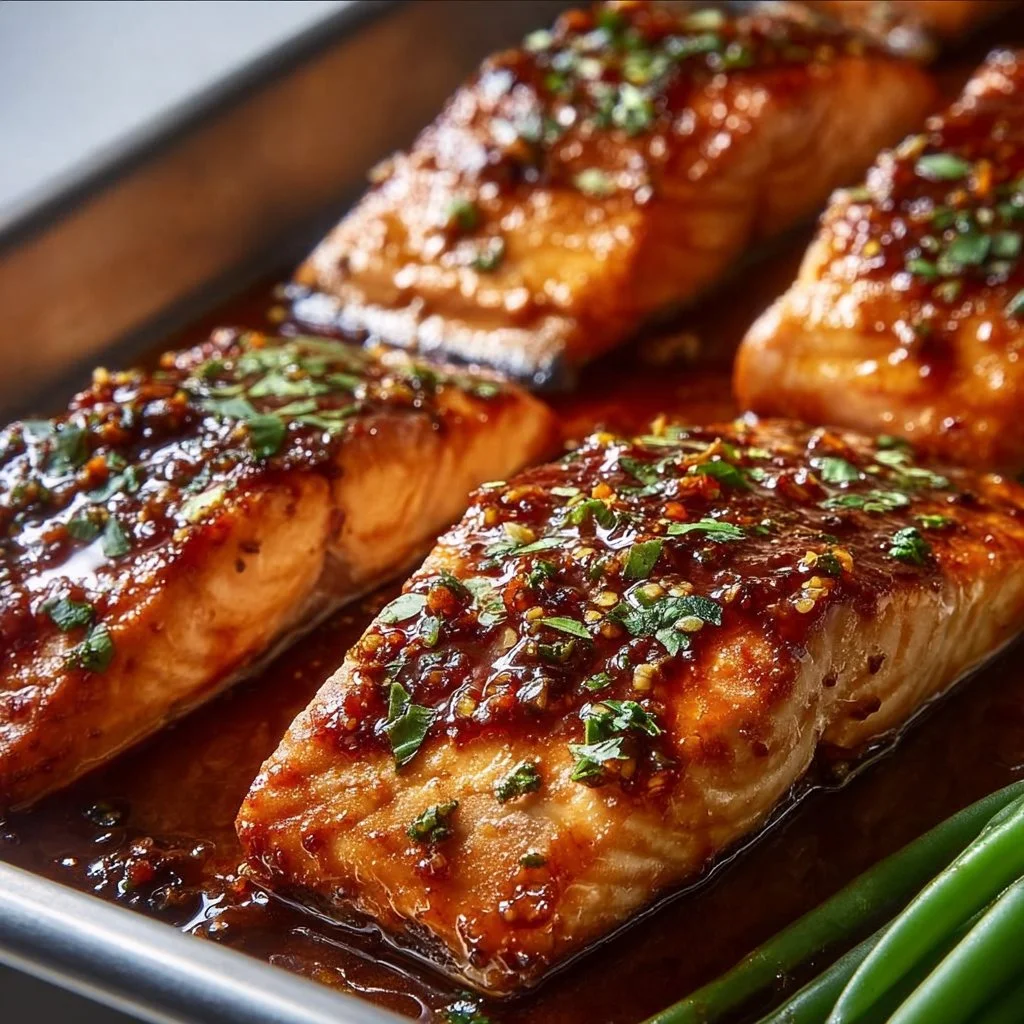
how to make Sheet Pan Dijon Salmon
Ingredients:
- 4 salmon fillets
- 2 tablespoons Dijon mustard
- 2 tablespoons olive oil
- 1 teaspoon garlic powder
- Salt and pepper to taste
- 1 cup broccoli florets
- 1 cup cherry tomatoes
- 1 bell pepper, sliced
- 1 cup carrots, sliced
Step-by-Step Instructions:
- Preheat the oven to 400°F (200°C).
- In a small bowl, mix Dijon mustard, olive oil, garlic powder, salt, and pepper.
- Place the salmon fillets on a sheet pan and brush with the mustard mixture.
- Arrange the vegetables around the salmon. Drizzle them with olive oil and season with salt and pepper.
- Bake for 15-20 minutes until the salmon is cooked through and the vegetables are tender.
- Serve immediately.
Pro Tips
-
Choose Quality Salmon: The freshness of the salmon can significantly affect the dish’s overall flavor. Look for bright, moist fillets with a clean smell. If you’re unsure where to start, ask your fishmonger for recommendations on the freshest options available.
-
Perfectly Cooked Salmon: To avoid dry salmon, monitor the cooking time closely. A good rule of thumb is to bake the salmon for about 4-6 minutes per half-inch of thickness. When it flakes easily with a fork, it’s done!
-
Vegetable Variety: Don’t hesitate to swap out the vegetables based on what you have on hand or what’s in season. Brussels sprouts, asparagus, or zucchini are excellent alternatives that can also add vibrance to your dish.
-
Creative Mustard Mixes: While Dijon mustard is a star here, you can experiment with flavored mustards or even mix in a little honey or maple syrup for a touch of sweetness. This can balance the tangy mustard beautifully.
-
Batch Cooking: If you’re prepping for a busy week, consider doubling this recipe. The leftovers can be a fantastic addition to salads or grain bowls, making your meal planning a breeze.
-
One Pan Wonder Clean-Up: Lining your sheet pan with parchment paper can save time on clean-up. It’s a simple step that makes a big difference and keeps your dish looking great.
Why You’ll Love This Recipe
Sheet Pan Dijon Salmon is not just a meal; it’s an all-in-one culinary experience. The salmon turns out buttery and flavorful, with the Dijon mustard providing a lovely tang that complements the fish beautifully. The vegetables roast to perfection, creating a colorful and nutritious spread that’s pleasing to both the eyes and the palate.
This dish is perfect for weeknight dinners when time is short but you want to enjoy something nutritious and satisfying. It’s fast, requiring only about 35 minutes from start to finish, but the meal looks like a chef prepared it. Plus, it’s versatile—suitable for various dietary preferences including low-carb and gluten-free.
how to serve Sheet Pan Dijon Salmon
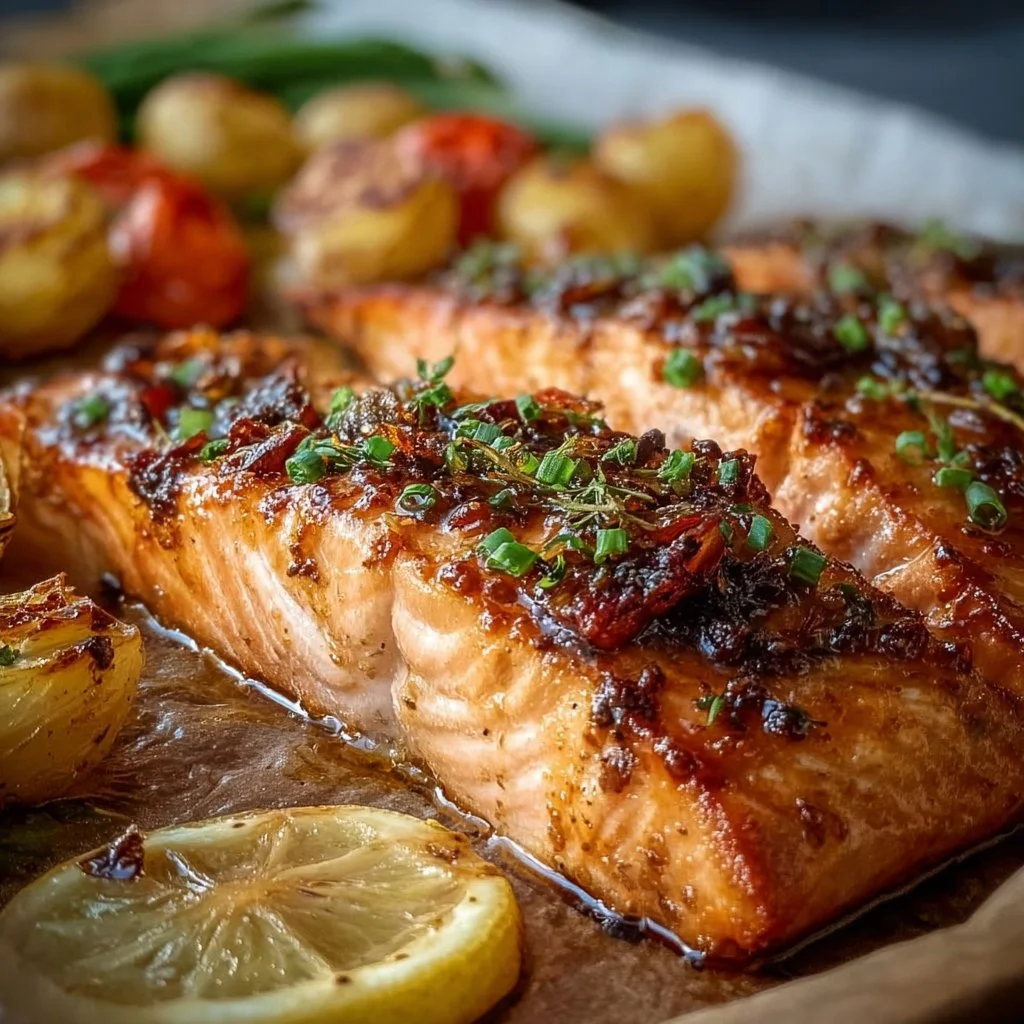
Presentation matters, and this dish is a showstopper right out of the oven! Serve the salmon with the roasted vegetables artfully arranged on a platter for an inviting family-style meal. A sprinkle of fresh herbs like parsley or dill can elevate the presentation and add a fresh flavor.
Pairing this meal with a light side salad dressed with a zesty vinaigrette can balance the richness of the salmon. A glass of chilled Chardonnay or a refreshing sparkling water with a lemon wedge complements the dish beautifully and adds a touch of elegance.
how to store Sheet Pan Dijon Salmon
For optimal freshness, store leftover salmon and veggies in airtight containers. In the fridge, the dish will last for up to 3 days. If you want to store it longer, you can freeze the salmon for up to 3 months.
When defrosting, place the frozen salmon in the fridge overnight to ensure it thaws safely. Reheat leftovers in the oven at a low temperature or in a microwave until warmed through, but be careful not to overcook, as that can lead to dryness.
tips to make Sheet Pan Dijon Salmon
-
Seasoning Matters: While salt and pepper are essential, consider adding a sprinkle of your favorite herbs like thyme or rosemary for added depth.
-
Watch the Veggies: Different vegetables have different cooking times. If you find certain veggies taking longer, cut them smaller or add them to the pan halfway through the cooking time.
-
Marinating: For even more flavor, try marinating the salmon in the mustard mixture for 15-30 minutes before cooking. This extra time allows the flavors to penetrate the fish and enhance the overall taste.
-
Cooking Technique: If you’re looking for a crispy top on your salmon, broil it for the last few minutes of cooking. Just remember to keep a close eye on it to avoid burning.
-
Dijon Substitutes: If you’re not a fan of Dijon mustard, you can use whole grain mustard or even a spicy brown mustard for a different twist.
variation
Exploring variations is one of the best parts of cooking! For a vegan alternative, swap the salmon for seasoned and firm tofu, which can soak up flavors beautifully. If you prefer a spicy kick, add some red pepper flakes or sriracha to the mustard mixture for a different flavor profile.
For a low-carb version, try replacing starchy vegetables with options like cauliflower or zucchini. Gluten-free diets can enjoy this meal as-is since all the ingredients listed are naturally gluten-free.
Nutrition Information:
(Serving Size | Calories | Protein | Carbs | Fat | Fiber | Sugar)
Approximately (1 serving | 350 calories | 30g protein | 10g carbs | 20g fat | 5g fiber | 2g sugar)
This dish is high in protein thanks to the salmon, which is great for muscle maintenance and overall health. The veggies contribute fiber and essential vitamins, while the healthy fats from the olive oil support heart health.
Storage and Reheating
To reheat your leftovers, you have several options!
- Microwave: Place on a microwave-safe plate and heat for 1-2 minutes, stirring halfway through for even warming.
- Oven: Preheat your oven to 350°F (175°C), cover the salmon with foil to prevent it from drying out, and heat for about 10-15 minutes.
- Skillet: For a quick reheat, place the salmon in a non-stick skillet over medium heat for about 4-5 minutes on each side.
Customization Ideas
Feel free to adjust this recipe based on what you crave! Top the salmon with a sprinkle of feta cheese or a drizzle of balsamic reduction for added flavor. Experiment with different vegetables and seasonings to make it uniquely yours each time you make it.
Common Mistakes to Avoid
- Overcooking the Salmon: Keep a close eye on your cooking times to ensure the salmon stays tender and juicy.
- Skipping the Seasoning: Don’t underestimate the power of salt and pepper! Season your salmon and veggies to enhance their flavors.
- Choosing Wrong Vegetables: Some veggies take longer to cook than others. Be mindful of this to avoid under or overcooked components.
- Skipping Preheating: Always preheat your oven for even cooking. This ensures everything cooks thoroughly and effectively.
- Not Letting it Rest: After baking, let the salmon rest for a couple of minutes before serving. This allows the juices to redistribute, making it succulent.
Serving Occasions
Sheet Pan Dijon Salmon is versatile enough to fit into many occasions, from casual weeknight dinners to festive gatherings. It’s an excellent option for a quick lunch that feels more indulgent than it really is, or it can serve as the centerpiece of a holiday feast with family and friends.
why make this recipe
What sets Sheet Pan Dijon Salmon apart is its perfect blend of ease and flavor, making it accessible even to novice cooks. It combines everything you need for a balanced meal on a single sheet pan—there’s minimal clean-up handling, which is a significant plus when cooking for a family or when you’re short on time.
The Dijon mustard not only adds a distinctive flavor, but it also brings a nice tanginess that complements the rich, buttery taste of the salmon. Plus, the method allows the salmon and vegetables to roast together, resulting in rich flavors melding beautifully without fuss.
FAQs
-
Can I substitute other types of fish?
Yes! This recipe works well with trout, cod, or even halibut. Cooking times may vary based on the thickness of the fillets. -
Is this recipe gluten-free?
Absolutely! All ingredients are gluten-free, so it’s perfect for those with gluten sensitivities. -
How do I know when the salmon is done?
Salmon is perfectly cooked when it flakes easily with a fork and has reached an internal temperature of 145°F (63°C). -
Can I prep this in advance?
Yes! You can prepare the mustard mixture and chop the vegetables a day ahead. Store them in the refrigerator until you’re ready to cook. -
What if I don’t like Dijon mustard?
Don’t worry! You can swap it out for any mustard you prefer, like honey mustard or spicy brown mustard, depending on your taste.
Disclaimer:
Nutrition information is approximate and may vary based on ingredient brands and measurements. Always check labels and adjust for your dietary needs.