Holiday Favorite Crunchy Top Bake | Sweet Potato Casserole Recipe
As the holiday season approaches, we often find ourselves drawn to comforting dishes that bring joy to our gatherings and warmth to our homes. One such dish is the beloved sweet potato casserole, a staple at family dinners and festive occasions. This version, featuring a delightful crunchy topping, elevates the traditional recipe to new heights. The blend of creamy sweet potatoes, rich butter, and warm spices creates a flavor profile that is both comforting and nostalgic, making it a favorite for many.
The sweet potatoes are not only a source of vibrant color but also contribute a natural sweetness that pairs perfectly with the buttery topping. The mini marshmallows lend a delightful chewiness and sweetness, while the chopped pecans add a satisfying crunch that contrasts beautifully with the tender sweet potato base. When baked, the marshmallows achieve a golden-brown hue and a toasted flavor that enhances the overall dish. The result is a casserole that is as pleasing to the eye as it is to the palate, inviting everyone to dig in.
Ideal for Thanksgiving or any family gathering, this sweet potato casserole can be appreciated as a side dish, but its rich flavors allow it to hold its own as a main attraction. Whether served alongside roasted turkey, glazed ham, or a vegetarian main, this casserole is sure to delight guests of all ages. Its preparation is straightforward and allows for a bit of flexibility, making it an excellent choice for both experienced cooks and those who are new to the kitchen. This holiday favorite truly embodies the spirit of celebration, inviting laughter and shared memories around the dining table.
What Makes This Recipe Special
What sets this sweet potato casserole apart from others is its unique combination of flavors and textures. While traditional recipes may focus solely on the creamy filling, this version incorporates a crunchy topping that adds an exciting dimension. The topping, made up of pecans, flour, and sugar, provides an ideal contrast to the smooth, sweet potato filling, creating a balance that is both satisfying and indulgent.
Additionally, the use of mini marshmallows not only elevates the sweetness but also contributes a delightful texture that kids and adults alike can’t resist. While many recipes might shy away from this treat for fear it’s too sweet, the earthiness of the sweet potatoes tempers the marshmallows’ sugariness, making every bite enjoyable. This balance is essential in ensuring the casserole doesn’t become overly cloying, allowing the flavors to shine through harmoniously.
This dish is also versatile—easily tailored to personal tastes or dietary needs. For example, you can adjust the sweetness by decreasing the sugar or swapping out ingredients to make it gluten-free or dairy-free. By maintaining a base of sweet potatoes, the heart of the dish remains intact, while adaptations offer the potential for creativity in the kitchen. Overall, this sweet potato casserole is not just another side dish; it’s an inviting centerpiece that brings comfort, nostalgia, and a touch of indulgence to every holiday table.
Ingredient Overview and Helpful Notes
The primary ingredients in this sweet potato casserole play a crucial role in determining its flavor and texture. Here’s a closer look at each one and how they contribute to the dish:
-
Sweet Potatoes: The star ingredient, sweet potatoes offer a naturally sweet and creamy base for the casserole. When properly cooked and mashed, they provide a smooth texture that serves as a perfect canvas for other flavors. When selecting sweet potatoes, look for firm, unblemished potatoes that are free from cracks. They should have a slight sheen but not feel too smooth to the touch.
-
Brown Sugar: Adding brown sugar enhances the sweetness of the sweet potatoes while imparting a distinct molasses flavor that complements their natural sugars. Light brown sugar is typically used for a mild flavor, while dark brown sugar can deepen the richness if desired.
-
Milk: The milk adds creaminess to the filling, making it velvety and rich. Whole milk is preferable for maximum creaminess, but you could use lower-fat alternatives if necessary.
-
Butter: Melted butter not only adds richness and flavor but also promotes a smooth consistency when mixed with the sweet potatoes. Opt for unsalted butter to better manage the overall saltiness of the dish.
-
Eggs: Eggs serve as a binding agent, helping to hold the casserole together. They contribute moisture and richness, enhancing the creamy consistency of the filling.
-
Vanilla Extract: This ingredient is often overlooked but adds a subtle depth of flavor that complements the sweetness of the sweet potatoes. Always use pure vanilla extract for the best flavor.
-
Salt: A pinch of salt helps to balance the sweetness and enhance the overall flavor profile. This is especially important when working with sweet components like sweet potatoes and sugar.
-
Mini Marshmallows: These contribute sweetness and a chewy texture that is essential to the traditional appeal of sweet potato casseroles. Their ability to brown and caramelize during baking adds visual appeal and a slight crunch.
-
Chopped Pecans: Not only do pecans provide a crunch, but their nutty flavor also complements the sweetness of the dish beautifully. Choose fresh, high-quality pecans for the best results.
-
Flour: Incorporated into the topping, flour helps to form a crunchy layer when combined with sugar and nuts. It provides structure while also enhancing the topping’s texture.
-
Granulated Sugar and Cinnamon: Granulated sugar adds extra sweetness, while cinnamon introduces warmth and a hint of spice that echoes the flavors of the season.
When selecting ingredients, always strive for freshness and quality as they significantly influence the flavor and overall outcome of the dish. For example, fresh sweet potatoes will produce a better flavor than canned varieties. Preparation is also important; ensure you wash the sweet potatoes thoroughly, peel them, and cook them until tender before mashing to avoid any gritty texture in the finished casserole. Properly measuring ingredients, especially the sweet potatoes, is essential, as using too much can lead to an imbalance in the overall mix.
Nutrition & Recipe Details
Nutritional values will vary depending on specific brands and measurements used during preparation. Here’s a general idea of the nutrition and details associated with the recipe:
| Item | Value |
|---|---|
| Prep time | 20 minutes |
| Cook time | 35 minutes |
| Store time | 3–5 days (refrigerated) |
| Calories | 250 per serving (estimate) |
| Protein | 3g per serving (estimate) |
| Carbohydrates | 40g per serving (estimate) |
| Fat | 10g per serving (estimate) |
These values are approximations and can shift based on the precise amounts and substitutions made. Remember to account for any variations in preparation, like using low-fat milk or different types of sugar, which can influence both nutrition and flavor.
How to Make Holiday Favorite Crunchy Top Bake
The process of making this sweet potato casserole is straightforward and allows you to create a delicious dish with ease. Before cooking, it can be helpful to gather all your ingredients and equipment to make the experience smoother. You will need a large mixing bowl, a baking dish, measuring cups and spoons, and a potato masher or a mixer for blending the filling smoothly.
Start by preheating your oven, as this ensures that it’s ready for baking the casserole. Preparing the baking dish by greasing it will prevent the casserole from sticking and aid in even cooking. Thorough preparation of the ingredients, such as mashing your cooked sweet potatoes, helps streamline the assembly process.
Ingredients
| Ingredient | Quantity |
|---|---|
| Mashed sweet potatoes | 3 cups |
| Brown sugar | 1/2 cup |
| Milk | 1/4 cup |
| Butter, melted | 1/2 cup |
| Eggs | 2 |
| Vanilla extract | 1 teaspoon |
| Salt | 1/2 teaspoon |
| Mini marshmallows | 1 cup |
| Chopped pecans | 1/2 cup |
| Flour | 1/4 cup |
| Granulated sugar | 1/4 cup |
| Cinnamon | 1 teaspoon |
Before you begin cooking, take the time to prepare your sweet potatoes. If you’re starting from whole sweet potatoes, you can peel, chop, and boil them until they’re tender, about 15-20 minutes. Once cooked, drain and mash until they are smooth. Have your other ingredients pre-measured and ready to go—this sets the stage for an efficient cooking process.
Step-by-Step Instructions
-
Preheat the Oven: Start by preheating your oven to 350°F (175°C). Preheating is critical because it ensures that the casserole bakes evenly and achieves that golden-brown finish on top.
-
Prepare the Baking Dish: Grease a 9×13-inch baking dish with butter or cooking spray to prevent the casserole from sticking. This step helps in easy serving later and contributes to an appealing crust.
-
Mix the Sweet Potato Filling: In a large mixing bowl, combine the 3 cups of mashed sweet potatoes with 1/2 cup of brown sugar, 1/4 cup of milk, 1/2 cup of melted butter, 2 eggs, 1 teaspoon of vanilla extract, and 1/2 teaspoon of salt. Use a handheld mixer or whisk to blend these ingredients together until smooth. You want to achieve a creamy consistency without lumps for the best texture.
-
Pour the Sweet Potato Mixture: Transfer the sweet potato mixture into the prepared baking dish, spreading it evenly across the bottom. A spatula can help you achieve a level surface, which is important for even baking.
-
Prepare the Crunchy Topping: In a separate bowl, mix together 1/4 cup of flour, 1/4 cup of granulated sugar, 1 teaspoon of cinnamon, and 1/2 cup of chopped pecans. Stir well to combine, ensuring that the flour and sugars are evenly distributed. This mixture will create a delicious crunchy topping.
-
Add the Toppings: Sprinkle the flour pecan mixture over the sweet potato layer uniformly. Next, add the 1 cup of mini marshmallows on top of the crunchy layer. This combination will provide that ideal texture contrast when baked.
-
Bake the Casserole: Place the baking dish in the preheated oven and bake for 30-35 minutes. Keep an eye on the casserole, and look for the marshmallows to turn golden brown while the edges bubble slightly. This visual cue indicates that your casserole is done baking.
-
Serve: Remove the casserole from the oven and allow it to cool slightly before serving. Enjoy this warm and comforting dish alongside your holiday favorites!
Understanding the Flavor and Texture
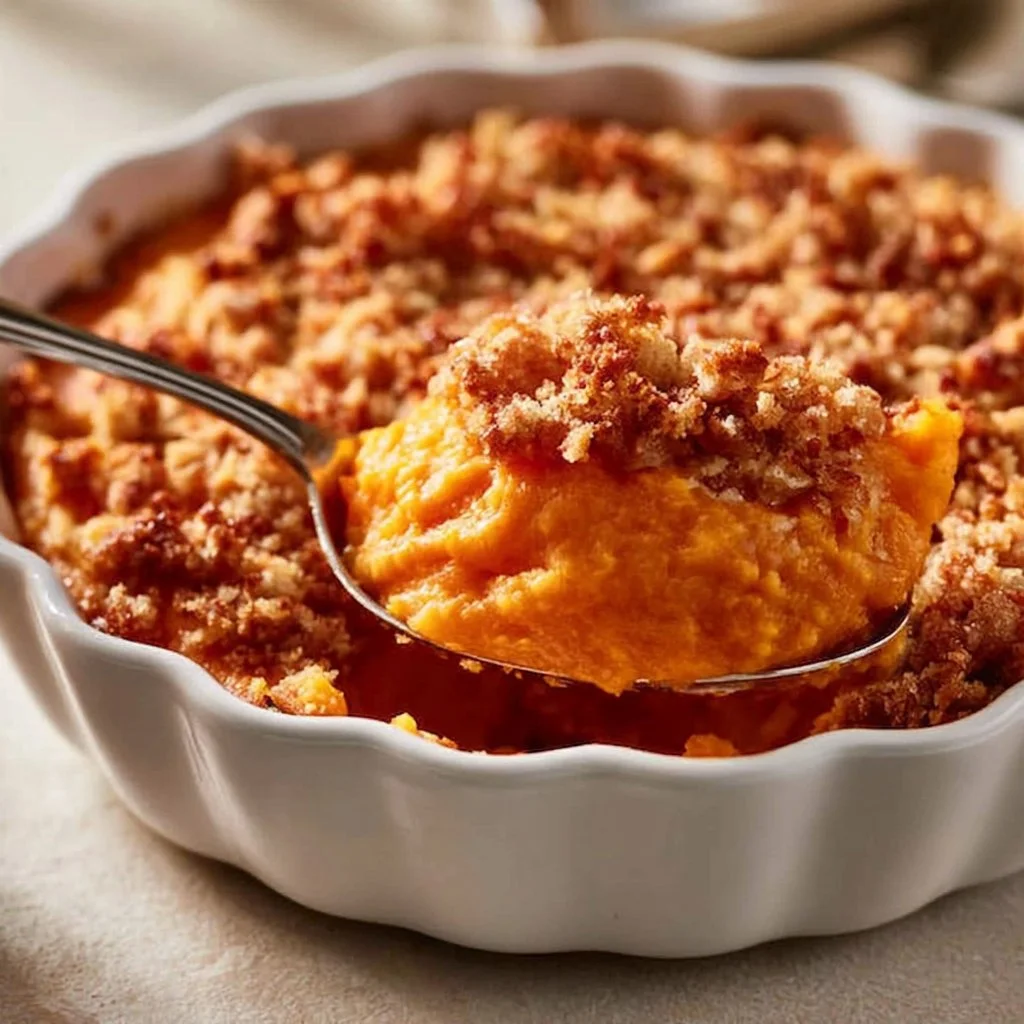
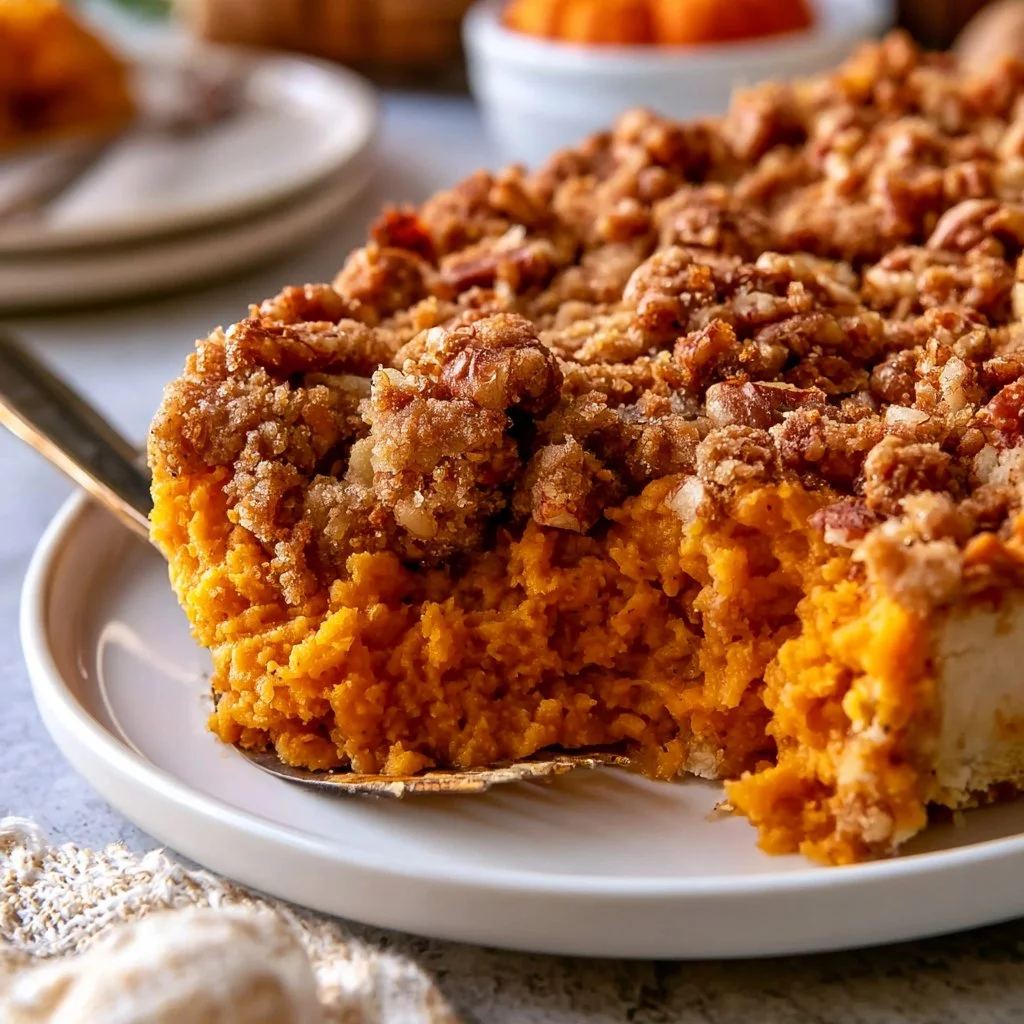
The final dish of sweet potato casserole presents a beautiful medley of flavors and textures. The sweet potato filling is creamy and rich, with a subtly sweet flavor enhanced by the brown sugar and vanilla. The smooth texture of the mashed sweet potatoes provides a comforting base, almost reminiscent of a silky pudding.
On top, the crunchy pecan topping introduces a satisfying crispness that contrasts nicely with the soft filling. The marshmallows add a layer of soft chewiness; when they caramelize during baking, they create a slightly toasted flavor that brings balance to the dish. The cinnamon sprinkled within the topping infuses warmth, inviting notes of nostalgia reminiscent of holiday gatherings.
Overall, the harmonious interaction between the sweet, creamy filling and the crunchy topping makes this casserole a delightful addition to any table. The visual appeal of the golden marshmallows sits atop the backdrop of orange-hued sweet potatoes, creating a feast for the eyes as well as the palate. A successful sweet potato casserole is one in which each component shines through but contributes to a well-rounded experience.
Pro Tips
Using a few simple techniques can elevate this dish from good to great. Here are some helpful tips to ensure your sweet potato casserole is a hit:
| Tip | Description |
|---|---|
| Choose the Right Sweet Potatoes | Select firm, medium-sized sweet potatoes for the best flavor. Smaller sweet potatoes tend to be sweeter, while larger ones can be starchy. |
| Don’t Skip Preheating | Preheating the oven allows for even cooking. Skipping this step can result in unevenly baked casserole. |
| Mix Thoroughly | Ensure the sweet potato mixture is blended smoothly. This step prevents uneven textures in the final casserole. |
| Use Fresh Ingredients | Fresh marshmallows and pecans make a considerable difference in both taste and texture, creating a more enjoyable dish. |
Additionally, consider pressing the topping ingredients slightly into the sweet potato mixture before baking; this helps them adhere better. And if you want an extra layer of flavor, toast the pecans lightly in a skillet for a few minutes before adding them to the topping mixture for even more nutty depth.
Why You’ll Love This Recipe
There are plenty of reasons to fall in love with this sweet potato casserole. For one, it combines accessible ingredients that most home cooks can easily find at their local grocery store. Additionally, its simplicity makes it a fantastic recipe for both novice and experienced cooks, as it requires minimal techniques while still delivering impressive results.
The process is not overly time-consuming, allowing you to whip it up quickly as a side for holiday dinners or even as a special treat at a cozy family gathering. While it shines as a festive dish, its flavor makes it welcome at any meal. The option to prepare it ahead of time or seamlessly reheat leftovers is also a valuable asset for busy hosts who want to enjoy their gatherings without spending hours in the kitchen.
This dish offers versatility in how it can be served—whether as a standalone side or as part of a larger buffet spread, it adapts beautifully to any occasion. The warm, comforting flavors evoke fond memories and create a sense of togetherness that is at the heart of any festive gathering. Overall, the ease of preparation and delightful results ensure this recipe will quickly become a cherished tradition in any home.
How to Serve Holiday Favorite Crunchy Top Bake
Serving this sweet potato casserole is part of what makes it so enjoyable. For an appealing presentation, consider placing the casserole in the center of the table where guests can help themselves. To enhance the experience, use decorative serving utensils, such as a large spatula, to serve portions neatly.
Pair the casserole with other complementary side dishes such as roasted Brussels sprouts, green bean almondine, or a fresh garden salad. A tangy cranberry sauce could provide a refreshing contrast to the sweetness of the casserole, while cornbread or dinner rolls make for excellent accompaniments that guests can enjoy.
When plating, aim for generous portions to highlight the casserole’s colorful layers, allowing the vibrant orange sweet potatoes and golden-brown topping to catch the eye. For an attractive touch, a small sprinkle of chopped pecans on top can further enhance the visual appeal of each plated portion.
Lastly, consider serving beverages that balance the richness of the casserole. Sparkling water, apple cider, or a light red wine can create a lovely overall dining experience without overpowering the delicate flavors of the dish. Whether it’s for a festive holiday table or a cozy family dinner, this dish promises to steal the show.
How to Store Holiday Favorite Crunchy Top Bake
Proper storage of your sweet potato casserole is crucial for maintaining its flavor and texture after baking. Allow the casserole to cool to room temperature before transferring it to the refrigerator. It can be stored covered in an airtight container or wrapped tightly with plastic wrap for up to 3-5 days.
If you intend to enjoy the dish later, you might also consider freezing it. To freeze, first, let the casserole cool completely, then wrap it well in plastic wrap or aluminum foil, or place it in a freezer-safe container. This method can help preserve the quality for about a month. Labeling with the date is beneficial for tracking storage time.
However, note that freezing may slightly change the texture of the marshmallows on top. Upon reheating, expect the initial crunch to be less pronounced. If you prefer a crispier top upon reheating, consider removing the marshmallows before freezing and adding a fresh layer just before baking it again.
When it comes to reheating, only microwave portions as needed, preferably on a plate covered with a damp paper towel to maintain moisture. For larger portions, reheat in the oven at 350°F (175°C) until warmed through, around 15-20 minutes. This method helps retain flavor and texture while preventing the casserole from drying out.
Tips to Make Holiday Favorite Crunchy Top Bake
To achieve the best results, it’s essential to focus on several critical details during the preparation of your sweet potato casserole. Here’s some practical cooking advice to enhance the consistency and flavor of your dish:
-
Achieve Smooth Mashed Potatoes: When mashing sweet potatoes, doing so while warm can achieve a silky texture. Avoid overmixing, which can lead to a gummy consistency.
-
Seasoning Matters: While the recipe calls for a pinch of salt, don’t hesitate to taste the filling before baking. A touch more salt may enhance the overall flavor, depending on your preference.
-
Balance Sweeteners: If you feel adventurous, consider reducing the brown sugar by a couple of tablespoons and increasing the cinnamon slightly. This adjustment can help keep flavors vibrant without overwhelming sweetness.
-
Monitor Baking Times: Ovens can vary, so watch the casserole closely as it approaches the end of its baking time. Look for the marshmallows to achieve that nice golden-brown color without burning.
By paying attention to these elements, you can ensure your sweet potato casserole turns out perfectly balanced and delicious each time you make it.
Variations and Substitutions
While this sweet potato casserole is wonderful as is, there are plenty of ways to customize it according to your tastes or dietary preferences:
-
Dairy-Free Version: To create a dairy-free casserole, substitute the milk and butter with plant-based options like almond milk and coconut oil or a dairy-free butter spread.
-
Add Spices: For those who enjoy additional warmth, consider incorporating nutmeg or ginger alongside the cinnamon. These spices can elevate the dish to a new level of flavor complexity.
-
Vegetarian Option: Though inherently vegetarian, if you’re serving this to vegans, replace the eggs with flaxseed meal (1 tablespoon of flaxseed meal mixed with 2.5 tablespoons of water = one egg).
-
Gluten-Free: For a gluten-free option, simply substitute regular flour in the topping with a gluten-free flour blend.
These substitutions allow for flexibility and creativity while keeping the essence of the dish intact. Experimenting with variations helps in discovering unique twists on this classic recipe that your friends and family will love!
Storage and Reheating
When it comes to enjoying your sweet potato casserole later, proper storage and reheating methods are key to maintaining its deliciousness. To store leftovers, allow the casserole to cool to room temperature. Transfer the portioned leftovers into airtight containers or cover the baking dish tightly with aluminum foil or plastic wrap before placing it in the refrigerator. Ideally, leftovers can last for about 3 to 5 days in the fridge.
For freezing, first cool the casserole completely, then wrap it securely to prevent freezer burn. A suitable option is a freezer-safe container, making it easier to defrost and reheat later. This method works well if you know you won’t consume the dish within the next week.
When it’s time to reheat, the oven is the best option if you want to maintain the casserole’s integrity, particularly the marshmallow topping. Preheat the oven to 350°F (175°C), place the casserole (covered with aluminum foil to prevent overbrowning) on the middle rack, and heat for about 25-30 minutes, or until warmed through.
You can also microwave individual portions, but take care to cover them to maintain moisture. If you find the casserole has dried out slightly, adding a few drops of milk before microwaving can help restore some creamy texture.
Customization Ideas
Customization can transform this sweet potato casserole into a unique dish perfect for any gathering. Here are some tasty ideas for adjusting flavor and presentation:
-
Topping Variations: Instead of pecans, try using walnuts or even crushed graham crackers for a different texture. A sprinkle of shredded coconut atop the marshmallows could also add a delightful flavor twist.
-
Spiced Up Version: Incorporating a hint of chili powder or cayenne may provide a pleasant heat that balances the sweetness, creating a more dynamic flavor profile.
-
Sweet Fruit Additions: Adding chopped apples or pears to the filling can bring a fresh burst of flavor and a touch of acidity that contrasts beautifully with the sweet potatoes.
-
Layering Techniques: For a more visually striking casserole, consider layering the sweet potato filling and crunchy topping alternatively, creating a striped appearance that enhances the overall dining experience.
These customization ideas allow readers to infuse their personality into the dish while exploring interesting flavor combinations. Each suggestion offers a fresh take on this classic recipe, ensuring that every holiday gathering remains exciting.
Common Mistakes to Avoid
Despite its simple preparation, a few common pitfalls can affect the outcome of your sweet potato casserole. Here are five mistakes to watch out for:
-
Under or Overcooking Sweet Potatoes: Not cooking sweet potatoes thoroughly can lead to a lumpy texture, while overcooking can make them watery. Cook until fork-tender, and mash while warm to ensure creaminess.
-
Ignoring Measurement Precision: Baking relies heavily on ratios; too much sugar can make the dish overly sweet, while too little could leave it bland. Always measure ingredients accurately.
-
Skipping Tasting: Not tasting the sweet potato mixture before baking can lead to unbalanced flavors. A quick taste test allows for adjustments to sweetness or seasoning.
-
Inadequate Cooling Time: Serving the dish too soon after baking can result in runny filling. Letting it cool slightly allows flavors to meld and helps the filling set up a bit more.
-
Not Watching Baking Time: Leaving the casserole in the oven for too long can lead to burnt marshmallows. Set a timer and check for the perfect golden brown just shy of the baking window.
Being aware of these common mistakes can help in ensuring that your sweet potato casserole turns out perfectly each time you prepare it, making your gatherings even more enjoyable.
Serving Occasions
This sweet potato casserole is perfect for several occasions, proving to be a hit at holiday gatherings and family dinners alike. Its comforting flavors and accessibility make it an ideal side dish for Thanksgiving, where it pairs beautifully with turkey, cranberry sauce, and other traditional offerings.
It can also shine at Christmas or New Year’s celebrations, where festive colors promote a joyful, vibrant table setting. Not limited to holidays, this casserole is apt for casual family meals, potlucks, and even brunches. It adds a warm, inviting element that draws people together, making moments around the table memorable.
Additionally, day-to-day dinners are an excellent opportunity to enjoy this indulgent dish. With its element of sweetness, the casserole can transition from your main course pairing to a soft side for grilled or roasted meats and vegetables, proving versatile enough for everyday use.
Why Make This Recipe?
There are many reasons to consider adding this casserole to your regular cooking rotation. Unlike a simple vegetable side, this dish combines flavor, comfort, and nostalgia, making it a strong contender for your family’s favorite recipes. It stands out from other vegetable-based side dishes due to its blend of sweet and savory profiles, appearing on every occasion without losing its distinctiveness.
This sweet potato casserole serves a dual purpose: as an exceptional side dish that caters to a crowd’s tastes and as a comforting meal addition that even picky eaters can’t resist. It also offers a unique opportunity for families to connect over a cherished recipe that can be handed down through generations, making it a worthwhile tradition to uphold.
Furthermore, its accommodating nature encourages creativity and adaptation, allowing families to infuse their preferences and stories while keeping the core of the recipe intact. Making this casserole not only leads to delicious meals but also creates lasting memories that extend well beyond the dinner table.
Make-Ahead Preparation
Preparing your sweet potato casserole ahead of time can alleviate last-minute cooking stress, especially during busy holiday seasons. This dish allows for several make-ahead steps that can be completed in advance, ensuring delectable results while saving time.
You can prepare and mash the sweet potatoes one or two days before the gathering. Store the prepared potatoes in an airtight container in the refrigerator. Remember to bring them back to room temperature and add the remaining ingredients right before baking; doing so will help them combine better and ensure even cooking.
Another option is to assemble the entire casserole one day before your event. Cover it tightly with plastic wrap or aluminum foil and store it in the refrigerator. When you’re ready to bake, allow it to come to room temperature before placing it in the preheated oven, as this ensures even cooking throughout.
While preparing ahead can save time, keep in mind that the topping will likely soften slightly. If you want to keep the initial crunch, consider adding the mini marshmallows just before baking. This strategy retains their original texture during the meal, ensuring an eye-catching presentation.
Equipment and Kitchen Preparation
Having the right equipment on hand will smooth the preparation process for your sweet potato casserole. To start, you will need a reliable potato masher or hand mixer for achieving a creamy texture for the sweet potatoes.
A large mixing bowl will help combine the ingredients without overflow, while a 9×13-inch baking dish is ideal for even baking. Ensuring your baking dish is greased beforehand aids in the release of the casserole, allowing for easier serving.
Additionally, measuring cups and spoons are essential for accurately portioning your ingredients. If you prefer, you may utilize a food processor for mashing if you want a super-smooth consistency. Just take care not to overmix, as this could impact the final texture negatively.
Preparedness in the kitchen goes beyond just equipment. Organizing your workspace can significantly enhance efficiency. Gather all ingredients and measuring tools ahead of time to ensure you have everything ready for a smooth baking process.
FAQs
-
Can I prepare sweet potatoes in advance?
Absolutely! You can peel, chop, and boil the sweet potatoes a day or two before preparing the casserole. Store them in an airtight container in the refrigerator. -
How do I know when the casserole is done?
The casserole is done when the marshmallows are golden-brown, and the edges are bubbling. Keep an eye on it during the last few minutes of baking to avoid over-browning. -
Can I make this recipe gluten-free?
Yes! Swap out regular flour for a gluten-free flour blend in the topping to suit gluten-sensitive eaters. -
How should I store leftovers?
Allow the casserole to cool completely, then cover it tightly or transfer it to an airtight container. It can be stored in the refrigerator for 3-5 days. -
Is this dessert suitable for freezing?
Yes! After cooling, wrap the casserole securely before freezing for up to a month. This is a great way to plan for busy days! -
Can I add different toppings?
Certainly! Consider using crushed graham crackers, walnuts, or even toasty coconut for a twist on the traditional topping. -
What can I serve alongside this dish?
This casserole pairs well with roasted meats, green salads, or tangy cranberry sauce, enhancing the overall meal experience. -
How do I reheat the leftovers?
For best results, reheat the casserole in the oven at 350°F, covered with foil to retain moisture. You can also microwave individual portions.
Disclaimer
Nutritional information is approximate and may vary based on ingredient brands, substitutions, portion sizes, and preparation methods.