
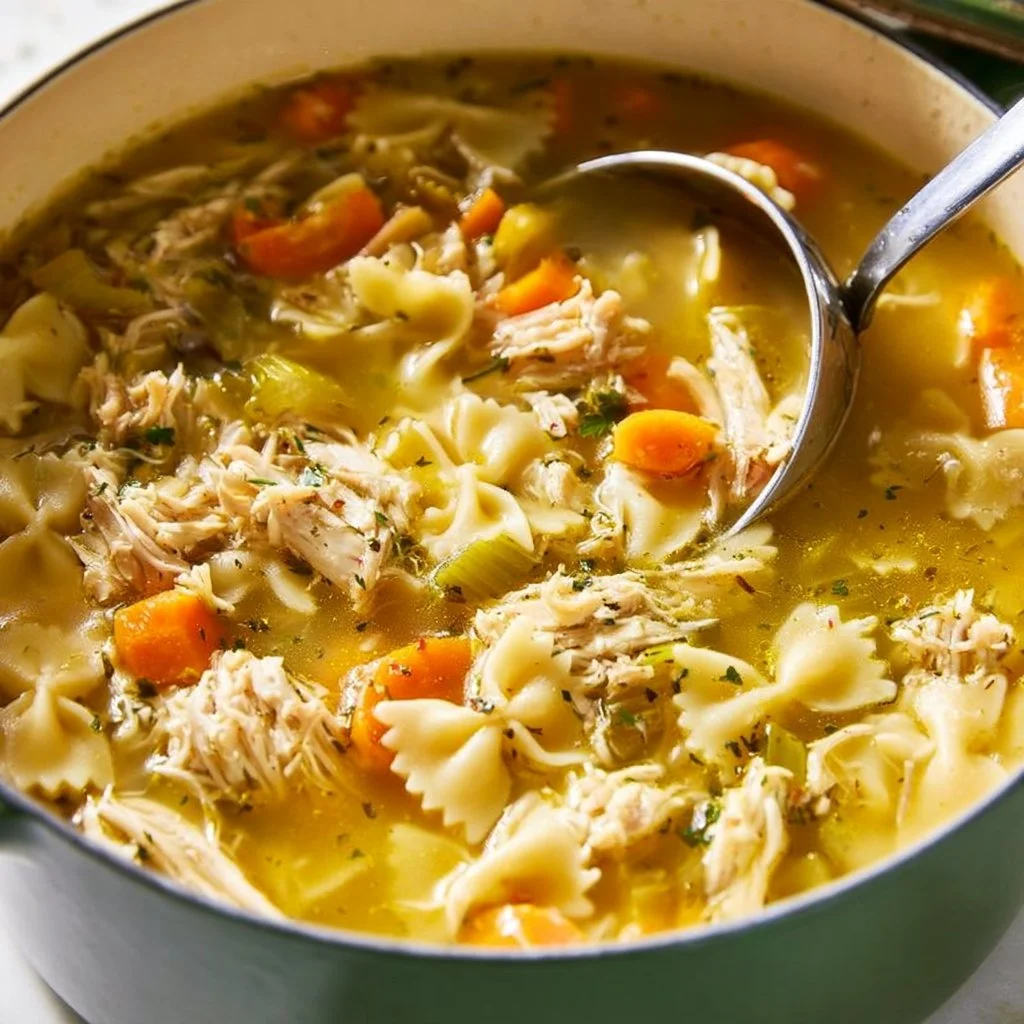
BEST Turkey Soup
Nothing quite warms the heart and soul like a steaming bowl of homemade soup, especially when the weather outside is brisk or chilly. Turkey soup stands out among comfort foods for its comforting flavors and hearty ingredients. It offers a delightful combination of savory turkey, fresh vegetables, and tender pasta that comes together in a soothing broth. The aroma that wafts through your kitchen while it simmers is simply irresistible, creating an inviting atmosphere that draws everyone in.
This recipe for turkey soup not only highlights leftover turkey but also incorporates fresh herbs and vegetables like carrots, celery, and onions. As the soup cooks, these ingredients meld together, enhancing the overall flavor profile. You can expect a rich, flavorful broth that carries a depth of taste, coupled with the satisfaction of the tender turkey and al dente pasta. The soup is a delightful golden hue, speckled with vibrant veggies that add both color and nutrition to your meal.
Perfect for family dinners, holiday gatherings, or simply as a comforting lunch, this turkey soup is a versatile dish that can be served on various occasions. It’s a fantastic way to use leftover turkey, ensuring none of it goes to waste after a big celebration or family dinner. Whether you’re looking to impress guests or simply enjoy a comforting meal with your loved ones, turkey soup is always an excellent choice.
What Makes This Recipe Special
This turkey soup shines not only in taste but also in its simplicity and adaptability. The blend of savory turkey and fresh vegetables creates a satisfying and wholesome meal that nourishes the body and soul. One of its distinctive features is the ability to tailor the soup to your personal preferences. For instance, opting for different types of pasta or adding various vegetables can change the texture and flavor profile while still maintaining the comforting essence of the dish.
Another point of distinction lies in the broth’s development. Utilizing homemade broth or high-quality store-bought broth can significantly impact the overall flavor. The richness of a well-made broth infuses every bite, enhancing both taste and aroma, and providing a heartwarming foundation for the soup.
Compared to traditional chicken soups, turkey soup offers a different flavor complexity – it’s slightly richer and has a depth that comes from the turkey’s robust qualities. This richness makes it an excellent option for cozy meals, especially during cold months when heartier meals are often most sought after. Overall, it’s a dish that embodies comfort and creativity, inviting you to make it your own.
Ingredient Overview and Helpful Notes
The ingredients in turkey soup each play a pivotal role in creating its signature warmth and flavor. The main star, leftover turkey, brings a savory depth that enriches the broth. When using leftover turkey, one can expect to infuse a sense of nostalgia and warmth, especially after a holiday gathering. It’s important to shred or chop the turkey into bite-sized pieces to ensure that each spoonful is packed with flavor.
The vegetables used—carrots, celery, and onions—are not just there for flavor but also for added nutrition and a pleasing texture contrast. Carrots provide a slight sweetness, while celery adds a refreshing crunch and earthy flavor. Onions serve to anchor the dish, offering aromatic properties that enhance the overall aroma and palate experience.
When it comes to the pasta, it’s crucial to choose the right type for the desired texture. Small pasta shapes like elbows, orzo, or ditalini tend to work well as they cook quickly and absorb the broth, creating a more cohesive dish. If opting to include rice or potatoes, it’s vital to consider their cooking times so that they’re perfectly tender, enhancing the soup without overwhelming it.
Seasoning with salt and pepper is fundamental; however, you can also experiment with other herbs, such as thyme or parsley, to elevate the flavor even more. To achieve the best results, always use fresh ingredients whenever possible, as these will brighten the dish and bring a vibrant taste.
Nutrition & Recipe Details
Nutritional values may vary depending on the specific ingredients, brands used, portion sizes, and preparation methods. Below is a general overview:
| Item | Value |
|---|---|
| Prep time | 15 minutes |
| Cook time | 30 minutes |
| Store time | 3-4 days in the refrigerator |
| Calories | Approximately 300 per serving |
| Protein | 30g |
| Carbohydrates | 40g |
| Fat | 8g |
How to Make Turkey Soup
Creating a flavorful turkey soup is straightforward and requires minimal equipment. Begin by gathering all your ingredients and having them prepped so that everything is within arm’s reach. A large pot or Dutch oven will be beneficial for simmering all the ingredients at once. Proper organization will ensure the cooking process is smooth and efficient.
To start, prepare your vegetables by chopping the onions, carrots, and celery into small pieces. This not only aids in even cooking but also ensures they integrate beautifully throughout the soup. Next, measure out your leftover turkey, broth, and pasta, and set them aside for easy access when it’s time to add them.
The turkey soup preparation involves sautéing the vegetables first, allowing their natural flavors to be released before adding the turkey and broth. Once the soup is bubbling away on the stovetop, you can add pasta and let it cook until just tender. Make sure to keep an eye on the texture of the pasta to prevent it from becoming mushy.
Ingredients
| Ingredient | Quantity |
|---|---|
| Leftover turkey | 2 cups, shredded |
| Carrots | 2, diced |
| Celery | 2 stalks, diced |
| Onions | 1, chopped |
| Pasta (small shape like ditalini) | 1 cup |
| Broth (chicken or turkey) | 6 cups |
| Salt | 1 teaspoon |
| Pepper | ½ teaspoon |
| Optional: Rice | 1 cup |
| Optional: Potatoes | 2, cubed |
| Optional: Tortellini | 1 cup |
| Optional: Extra vegetables (peas, corn) | 1 cup |
Prepare your mise en place by washing and chopping the vegetables to facilitate a seamless cooking experience. Dice the carrots and celery so they cook evenly and become tender. Chop the onion finely to maximize flavor extraction during the sautéing process. If using rice or potatoes, ensure they are cut into uniform pieces to allow for even cooking.
Step-by-Step Instructions
-
Sauté the Vegetables: In a large pot, heat a drizzle of olive oil over medium heat. Add the chopped onions, diced carrots, and celery. Sauté for about 5-7 minutes, until the vegetables are softened and the onions turn translucent. This step is crucial as it lays the flavor foundation for the soup.
-
Add Turkey and Broth: Once the vegetables are ready, stir in the shredded leftover turkey and pour in the broth. Increase the heat to bring the mixture to a gentle simmer, allowing all the flavors to meld together.
-
Incorporate Pasta: After the broth is simmering, add the pasta of your choice. Stir it in and allow the soup to cook according to the pasta’s package instructions, usually about 8-10 minutes, until the pasta is tender yet firm to the bite.
-
Season the Soup: Taste the soup and adjust seasoning with salt and pepper as needed. If you’re feeling adventurous, this is also a good time to add fresh herbs, such as thyme or parsley, to bring freshness to the dish.
-
Optional Ingredients: If you wish to add rice, potatoes, tortellini or additional vegetables, do so at the appropriate time; for instance, rice may need longer cooking time and can be added earlier, while frozen peas can be added in the last few minutes of cooking.
-
Slow Cooker Method: For those who prefer a slow cooker, combine all ingredients in a slow cooker and cook on low for 6-8 hours. This method allows the flavors to deepen and intensify, creating a rich comforting dish.
-
Serve Hot and Enjoy: Once finished, ladle the soup into bowls and serve hot. It pairs wonderfully with crusty bread or a fresh side salad to round out the meal.
Understanding the Flavor and Texture
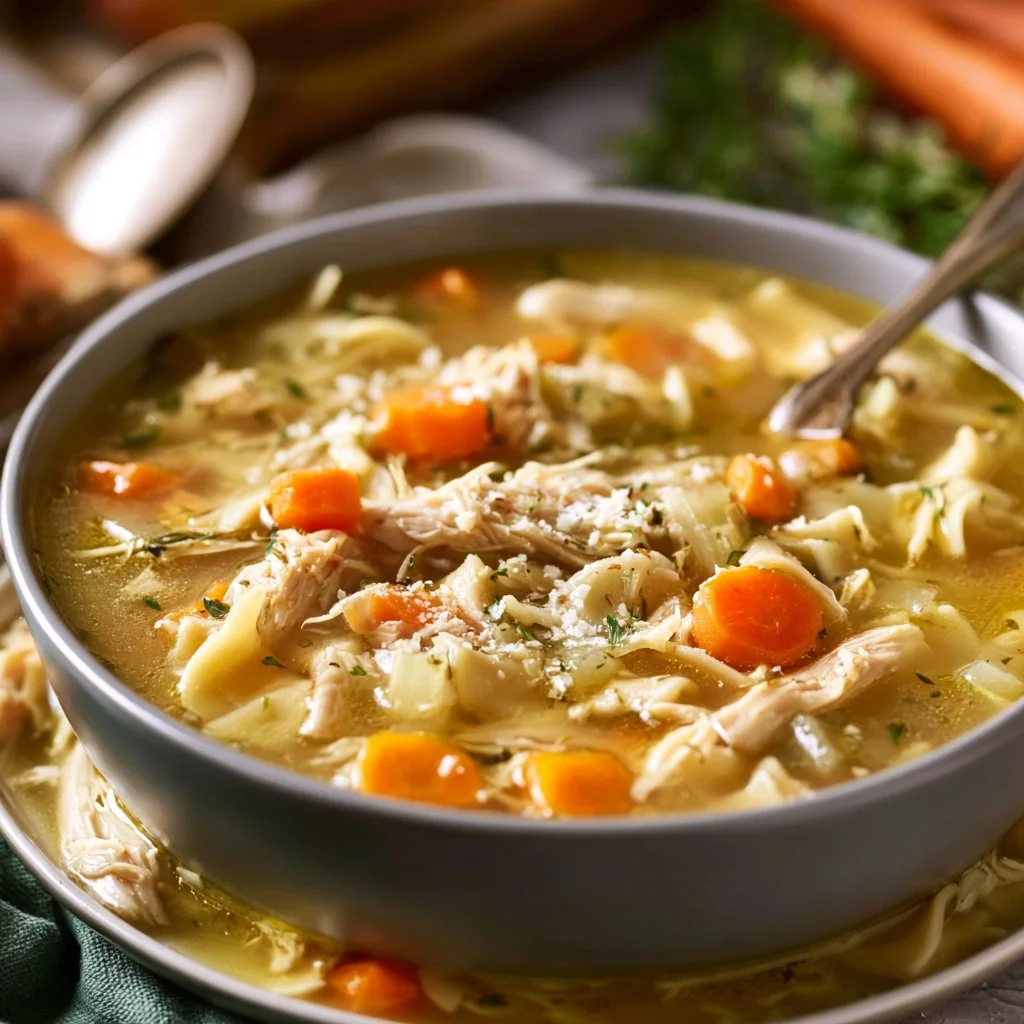
Upon finishing the turkey soup, you will find it boasts a rich, aromatic broth that captures the essence of homemade goodness. The delicate balance of savory turkey, fresh vegetables, and thoughtfully chosen seasonings creates a harmonious blend of flavors that dance on the palate. Each spoonful is an inviting combination of textures: from the tender turkey to the delightful snap of vegetables, complemented by the chewy pasta that brings additional heartiness.
The appearance of the soup is undoubtedly enticing, with its golden broth dotted with colorful veggies adding visual appeal. The colors of the carrots, celery, and greens create an inviting canvas that beckons you to dig in. The steam rising from the bowl delivers a comforting aroma that immediately evokes feelings of warmth and nostalgia.
Achieving the right consistency is vital; the soup should be hearty enough to be satisfying but not overly thick. A great soup is marked by a pleasingly light texture, with layers of flavor and a clear broth that allows the individual ingredients to shine. Proper timing during cooking will ensure the vegetables remain tender yet maintain their crispness, balancing out the dish.
Pro Tips
A few small techniques can significantly elevate the flavor and overall quality of your turkey soup. Here are some strategies to enhance your soup-making experience:
| Tip | Description |
|---|---|
| Browning the Vegetables | Taking the time to sauté the onions until they are golden brown deepens their flavor profile, adding richness to the broth without any additional steps. |
| Quality Broth Matters | Using high-quality broth makes a significant difference in the final outcome. Homemade or organic broth provides a deeper, more complex flavor compared to standard varieties. |
| Don’t Overcook the Pasta | Keep an eye on the cooking time for pasta; undercooked pasta absorbs the broth, while overcooked pasta can become mushy. Aim for al dente for the best texture. |
| Flavor with Fresh Herbs | Incorporating fresh herbs towards the end of cooking adds a bright note that enhances the overall flavor. Fresh thyme or parsley work wonderfully. |
Another tip is to consider the proportions of turkey to vegetable and broth. If you’re using very dense options like potatoes, consider reducing the amount slightly to maintain balance in the dish. Additionally, you can also save the turkey bones and simmer them with water to make a rich stock, further elevating the flavor profile of your soup.
Why You’ll Love This Recipe
This turkey soup is an exemplary choice for various reasons that make it stand out in your weeknight dinner rotation. First and foremost, its comforting flavors and satisfying textures deliver an experience that warms both the stomach and the heart. The ease of preparation combined with straightforward cooking techniques ensures that even beginners can achieve delicious results.
Another appealing aspect is its flexibility. You can easily adjust the ingredients based on what’s available in your pantry or fridge. The recipe lends itself well to personalization—whether you prefer different vegetables, grains, or herbs, customizing the soup can cater to your family’s preferences.
Furthermore, leftover turkey soup is a sensible solution for tackling holiday excess or simply making the most of quality ingredients. The ability to make this soup ahead of time and store it for later adds practicality to your cooking routine and allows for easy meal prep. No matter the occasion, the delightful combination of flavors and comforting nature of this dish ensures it will become a beloved favorite.
How to Serve Turkey Soup
Serving turkey soup can be as simple or elaborate as you desire. A rustic presentation with bowls filled to the brim, accompanied by crusty bread or warm rolls, creates an inviting atmosphere at meal time. Consider garnishing with fresh herbs, like basil or parsley, to add a pop of color and freshness that enhances visual appeal.
For sides, you might pair the soup with a light salad, perhaps a simple arugula salad dressed with lemon vinaigrette, which can provide a refreshing counterpoint to the rich broth. A sprinkle of grated Parmesan cheese on top can add an extra touch of indulgence if desired.
When serving guests, consider offering individual bowls with a side of seasoned crackers or homemade breadsticks. This not only enhances the presentation but also gives your guests various options to enjoy alongside their soup. For drinks, a light herbal tea or chilled iced tea can complement the dish perfectly.
Ultimately, feel free to customize how you serve it. Some family members may prefer more pasta, others more turkey, and providing options allows everyone to enjoy their perfect bowl.
How to Store Turkey Soup
Properly storing your turkey soup ensures that it maintains its delicious flavor and texture even after being refrigerated or frozen. To store leftovers, first, allow the soup to cool slightly at room temperature, but do not leave it out for more than two hours to prevent bacterial growth.
Once cooled, transfer the soup to airtight containers. Keeping portions separated can make reheating easier and more efficient. When stored in the refrigerator, turkey soup is best enjoyed within 3-4 days. Alternatively, for longer storage, consider freezing the soup. Freeze in freezer-safe containers, leaving some space at the top for expansion as it cools. This soup can last in the freezer for up to three months without losing its quality.
When reheating, some textures may change slightly due to the pasta or rice absorbing broth. If reheating from frozen, allow the soup to thaw overnight in the fridge for the best results. A slow and gentle reheat on the stove or in the microwave is advised to prevent any ingredients from overcooking or breaking down.
Tips to Make Turkey Soup
Making turkey soup is straightforward, but attention to detail can enhance your results significantly. Here are several practical tips:
First, use fresh vegetables as they not only enhance flavor but also boost the nutritional value of your soup. Fresh, crunchy carrots and crisp celery can make a big difference, so prioritize quality produce.
When combining ingredients, ensure that you add them in the correct order. Sautéing the vegetables first allows their flavors to develop, whereas adding denser items like potatoes or rice earlier caters to cooking requirements for softer textures.
Keep a close eye on your seasonings; it’s easy to overlook salt and pepper. Start with a small amount and adjust as you taste during cooking, ensuring a well-seasoned broth without becoming overwhelming.
Be mindful of cooking times for different ingredients. Pasta and rice have varying cooking times, so accounting for these can prevent overcooked grains. Add delicate ingredients like peas in the last few minutes of cooking for the best results.
Lastly, consider serving the soup with toppings or accompaniments that can enhance texture. Perhaps serve with a side of homemade garlic bread or sprinkle roasted nuts over the top for a delightful crunch.
Variations and Substitutions
Flexibility is key with turkey soup, allowing for personalized touches that can adapt it to dietary preferences. One popular variation is substituting pasta for rice or quinoa. This switch not only varies the texture but can also cater to those preferring gluten-free options. Quinoa adds a nutty flavor and is high in protein, making it a nutritious choice.
If you’d like to create a vegetarian or vegan version, you can replace the turkey with hearty vegetables such as mushrooms or beans for protein. Use vegetable broth in place of chicken or turkey broth to maintain flavor while keeping it plant-based.
For a creamier texture, consider adding a splash of coconut milk or a dollop of sour cream once the soup is finished cooking. This can provide added richness and alter the flavor profile dramatically, making for an enticing option for creamy turkey soup.
If you’re in the mood for a bit more heat, adding spices such as red pepper flakes or smoked paprika can kick things up a notch. This variation would not only add to the flavor but introduce a different level of warmth.
Each of these modifications can maintain the delicious base recipe while exploring new flavors and elements. The turkey soup becomes not just a versatile meal but also an adventurous journey through your kitchen.
Storage and Reheating
When preparing to store leftovers, first portion out any soup you plan to keep. Divide it into airtight containers, marking those meant for freezing. The cooled soup should be stored in the refrigerator for short-term use or kept in the freezer if you’re planning to eat it later.
To reheat, individual servings are best warmed in the microwave as they maintain even heating, preventing the risk of overcooking. If you’re reheating a larger batch on the stovetop, consider adding a splash of broth or water to maintain moisture and prevent excessive thickening. Stir regularly over medium heat to ensure even warming throughout.
For texture preservation, avoid reheating the soup multiple times. Repeated heating can lead to breakdown in the ingredients, particularly the pasta or rice, turning them mushy. Instead, aim to only heat what you intend to consume to maintain quality.
When serving warmed soup, check for seasoning as flavors can change upon reheating; you may need to adjust salt and pepper levels accordingly.
Customization Ideas
One of the appealing aspects of turkey soup is how easily it can be customized to fit personal tastes or what you have on hand. If you prefer a different color palette, throw in vibrant bell peppers or a handful of spinach for a nutrient boost. Adding these not only changes the visual appeal but also enhances the flavor profile.
Herbs and spices can dramatically change the character of the soup. Experiment with adding bay leaves during simmering for added aromatic depth or finish with a splash of lemon juice that brightens up the dish. Fresh herbs like dill or cilantro can lend a very different tone to the soup’s flavor, making each version unique.
If desired, consider adding a hint of sweetness by incorporating a small amount of diced sweet potatoes or even a splash of apple cider—all can provide a delightful twist to the dish. Alternatively, for a richer flavor, a spoonful of pesto stirred in right before serving can elevate the entire experience.
Mixing up your sides can also change the overall dining experience. While crusty bread is traditional, grilled cheese sandwiches or kale salads can bring bright flavors that complement the soup well.
Common Mistakes to Avoid
-
Overcooking the Pasta: Cooking the pasta for too long can lead to a mushy texture. Pay attention to the cooking time and always cook it al dente before serving.
-
Not Browning the Vegetables: Skipping the sauté step may lead to a less flavorful broth. Always take the time to brown your vegetables to deepen their flavors.
-
Using Low-Quality Broth: A poor broth can leave the soup tasting bland. Invest in high-quality broth, or make your own if possible, to enhance the overall flavor significantly.
-
Too Much Salt: Adding salt too early can lead to over-salting. It’s best to season towards the end, allowing you to taste and adjust without overdoing it.
-
Ignoring Leftover Storage Guidelines: Improper storage can lead to waste. Remember to cool soup before refrigerating or freezing and store it in airtight containers for the best results.
Serving Occasions
Turkey soup is an incredibly versatile dish that fits seamlessly into various dining occasions. It’s perfect for busy weeknights when quick and satisfying meals are essential for family life. A comforting bowl of turkey soup can bring the family together at the table, making it an ideal choice for gatherings or family bonding time.
During the holiday season, turkey soup serves as a great way to repurpose leftover turkey, allowing families to enjoy a warm meal in a different format. It’s wholesome enough for holiday brunches or dinners and can be a welcomed recipe amidst other heavier dishes.
For potlucks or gatherings, this soup can be scaled to serve a crowd. Its inviting aroma and presentation will appeal to a wide array of guests, making it a go-to dish at any event. Moreover, it’s easy to prepare ahead, allowing for less stress on the actual day of the event.
This soup can also shine during casual lunch settings, whether you’re at home or at the office. It’s filling enough to satisfy but light enough that it won’t weigh you down.
Why Make This Recipe?
Choosing to make turkey soup not only honors the notion of utilizing leftovers but also provides a nourishing dish that’s simple to prepare and incredibly satisfying. Its wonderful combination of flavors and textures ensures that it caters to diverse palates, making it a family favorite that can be enjoyed multiple times.
In addition to being a tasty solution for leftover turkey, the recipe invites creativity, allowing you to adjust it based on seasonal produce or pantry staples. Versatility means it can fit various dietary needs, ensuring everyone at your table can enjoy a comforting bowl.
The time invested in preparing homemade soup results in a dish that warms the heart and soul. The natural ingredients, rich flavors, and the love that goes into the cooking process make this turkey soup a standout choice for any day of the week.
Make-Ahead Preparation
When it comes to preparing turkey soup in advance, several components can be tackled ahead of time. You can chop your vegetables and store them in airtight containers in the fridge a day or two earlier. This reduces preparation time on the day you plan to make the soup.
Another way to speed up the process is to prepare the broth beforehand. If using homemade broth, make it in large batches and freeze excess broth in smaller portions for easy use in future soups. This makes it convenient to whip up turkey soup at a moment’s notice.
However, if you’re using pasta or rice, it’s best to cook these just before serving to maintain their texture. Adding them directly to the soup and storing them separately can help retain structure, as they tend to absorb moisture when left too long.
By making ahead some ingredients, you can still enjoy fresh turkey soup without spending an extensive amount of time in the kitchen daily.
Equipment and Kitchen Preparation
Having the right equipment on hand can significantly ease the cooking process. For turkey soup, a large stockpot or Dutch oven is essential for simmering your ingredients. This type of pot will allow for even heat distribution and accommodate the volume needed.
You’ll also benefit from a good cutting board and a set of sharp knives for chopping vegetables accurately and efficiently. Keeping measuring cups and spoons handy for precise ingredient additions helps streamline the process, reducing any chance of confusion during prep.
Once you have everything prepared and within reach, you can comfortably focus on the cooking process. Having your ingredients laid out in an organized manner—the veggies chopped, spices ready, turkey shredded—makes cooking enjoyable and stress-free.
FAQs
-
Can I use fresh turkey instead of leftovers?
Yes, you can use cooked or raw turkey. If using raw, ensure it’s fully cooked in the broth to safe temperatures. -
How can I make this soup gluten-free?
Substitute traditional pasta with gluten-free alternatives or opt for rice or quinoa for a gluten-free option. -
Can I freeze turkey soup?
Yes, turkey soup freezes well. Store it in airtight containers, and it can be kept frozen for up to three months. -
How do I reheat frozen soup?
Thaw the soup overnight in the fridge and reheat it on the stovetop or microwave, adding a splash of water or broth to maintain moisture. -
What vegetables can I add?
Feel free to include a variety of vegetables like peas, corn, green beans, or even leafy greens such as spinach for extra nutrition. -
Can I make this soup in a slow cooker?
Absolutely! Combine all ingredients in a slow cooker and cook on low for 6-8 hours for a flavorful outcome. -
How much turkey do I need for this recipe?
About 2 cups of shredded turkey is typically needed for the recipe, but you can adjust based on personal preference. -
What do I do if the soup is too salty?
If your soup turns out too salty, add a raw potato to the pot to absorb excess salt or add more broth, vegetables, and water to dilute it.
Disclaimer
Nutritional information is approximate and may vary based on ingredient brands, substitutions, portion sizes, and preparation methods.
Print
Best Turkey Soup
- Total Time: 45 minutes
- Yield: 4 servings 1x
- Diet: Gluten-Free (optional adjustments)
Description
A comforting and hearty turkey soup made with leftover turkey, fresh vegetables, and tender pasta, perfect for cold weather.
Ingredients
- 2 cups leftover turkey, shredded
- 2 carrots, diced
- 2 stalks celery, diced
- 1 onion, chopped
- 1 cup small pasta (like ditalini)
- 6 cups broth (chicken or turkey)
- 1 teaspoon salt
- ½ teaspoon pepper
- Optional: 1 cup rice
- Optional: 2 potatoes, cubed
- Optional: 1 cup tortellini
- Optional: 1 cup extra vegetables (peas, corn)
Instructions
- Sauté the onions, carrots, and celery in a large pot over medium heat for 5-7 minutes until softened.
- Add the shredded turkey and pour in the broth, then bring to a gentle simmer.
- Incorporate the pasta and cook according to package instructions, typically 8-10 minutes.
- Season with salt and pepper; consider adding fresh herbs if desired.
- Optional: Add rice or potatoes at appropriate times for even cooking.
- Serve hot, paired with bread or a fresh salad.
Notes
For the best flavor, use high-quality broth and fresh vegetables. Customize by using different types of pasta or vegetables as desired.
- Prep Time: 15 minutes
- Cook Time: 30 minutes
- Category: Soup
- Method: Stovetop
- Cuisine: American
Nutrition
- Serving Size: 1 serving
- Calories: 300
- Sugar: 4g
- Sodium: 500mg
- Fat: 8g
- Saturated Fat: 2g
- Unsaturated Fat: 4g
- Trans Fat: 0g
- Carbohydrates: 40g
- Fiber: 3g
- Protein: 30g
- Cholesterol: 70mg