
Caramelized Butternut Squash with Brown Sugar – Thanksgiving Side Dish Recipe
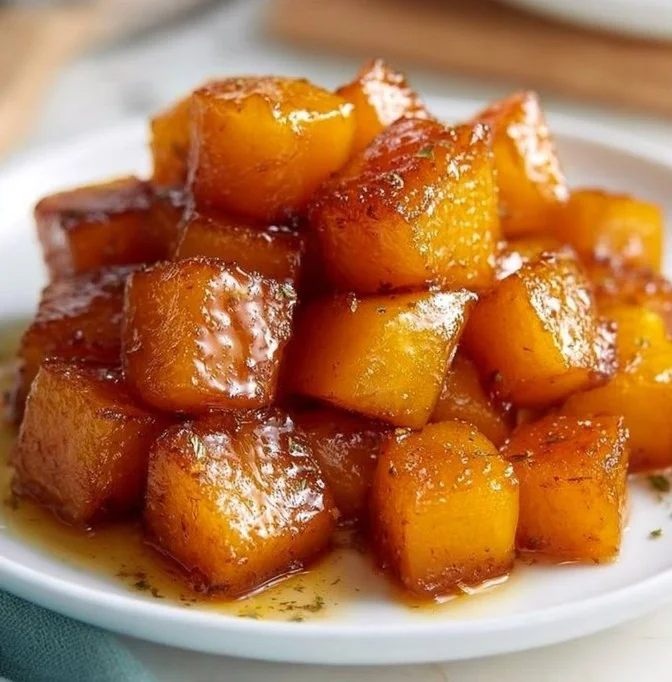
A warm, comforting dish of caramelized butternut squash transforms any meal, particularly during the holiday season when gatherings are common. Roasting butternut squash until it caramelizes brings out natural sweetness and enriches its flavor profile. The deep golden-brown hue highlights the sweet, buttery taste that makes this side dish a delightful addition to festive feasts. Paired with the rich, nuanced notes of brown sugar, this dish delivers an aroma that sets the tone for a hearty celebration, invoking warmth and comfort.
The texture of caramelized butternut squash is a delightful contrast between tender flesh and crisp edges, balancing softness with a slight crunch. When served, the chunks of squash glisten with a light coating of brown sugar and olive oil, enticing diners with both visual appeal and flavorful promise. The result is a dish that is not only delicious but also visually captivating, perfect for impressing family and friends at Thanksgiving or any holiday gathering.
This particular recipe shines as a side dish, ideal for complementing roasted meats, savory stuffing, or even vegetarian entrees. It can stand out on its own or be a part of a broader buffet spread. Gather around the table and enjoy this seasonal favorite that celebrates the rich flavors of fall harvests. Whether you’re hosting a big family dinner or sharing a cozy meal, caramelized butternut squash is sure to bring smiles and satisfaction to everyone at the table.
What Makes This Recipe Special
The uniqueness of caramelized butternut squash with brown sugar lies in its harmonious combination of sweet and savory elements. This dish elevates simple ingredients into a restaurant-quality experience that doesn’t require extensive culinary skills. The process of roasting the squash brings out its natural sugars, which, when paired with brown sugar, results in a rich and complex flavor that is beyond ordinary roasted vegetables. This method deepens the sweetness of the squash, giving a delectable boost that is not just indulgent but comforting.
Another appealing aspect is the versatility of the dish; while it stands beautifully as a Thanksgiving side, it can be enjoyed year-round. This recipe caters to diverse tastes and dietary preferences, making it suitable for vegetarians and even vegans, depending on personal choice of sugar. The process of caramelizing allows for small, nuanced flavor notes that match perfectly with various seasonings like cinnamon or nutmeg if desired, offering room for personalization and creativity.
What truly sets this recipe apart is its simplicity. With only a few core ingredients and straightforward preparation methods, home cooks from all skill levels can create this impressive dish. Whether you’re looking to bring a classic touch to your holiday table or simply wanting to discover a delicious way to enjoy squash, this recipe marries ease with exceptional results, making it a cherished part of any culinary repertoire.
Ingredient Overview and Helpful Notes
Understanding the role of each ingredient in the caramelized butternut squash recipe can greatly enhance both the cooking experience and the final result. The main ingredient, butternut squash, is not only sweet in flavor but also packed with vitamins and nutrients, making it a wholesome choice. When selecting butternut squash, opt for specimens that are heavy for their size, with a firm skin and deep color, indicating ripeness and flavor. Fresh, quality squash will caramelize beautifully, creating that sought-after tender and crispy texture.
Brown sugar plays a pivotal role, contributing sweetness that enhances the natural flavors of the squash. It also helps in achieving that beautiful caramelization during roasting. For best results, use light brown sugar, which contains some molasses, adding rich, nuanced flavors without overpowering the squash. It melts down beautifully and forms a glistening coating over the roasted pieces.
Olive oil is essential not just for flavor but also for the cooking process, allowing the sugars to glaze the squash while preventing burning or sticking. Choose a good-quality extra-virgin olive oil for an extra depth of flavor. Seasoning with salt and pepper can highlight the inherent sweetness of the squash and balance the dish, enhancing the overall flavor profile. Lastly, optional spices like cinnamon or nutmeg can provide warmth and a hint of spice, complementing the sweetness and making the dish even more aromatic and inviting.
When preparing the ingredients, it’s crucial to ensure the butternut squash is properly peeled and cubed into uniform pieces for even cooking. Uneven sizes can result in an inconsistent texture, with some pieces overcooking while others remain firm. Prepping everything ahead of time helps streamline the cooking process, making it easier to bring the dish together. In essence, the careful selection and preparation of ingredients contribute to achieving the perfect caramelized butternut squash, ensuring a dish that is both delicious and visually appealing.
Nutrition & Recipe Details
Dietary choices vary, and nutritional values may differ based on ingredient brands and preparation methods. Here are the approximate nutrition details for caramelized butternut squash with brown sugar.
| Item | Value |
|---|---|
| Prep time | 10 minutes |
| Cook time | 25-30 minutes |
| Store time | 3 days |
| Calories | 120 per serving |
| Protein | 1g |
| Carbohydrates | 20g |
| Fat | 5g |
How to Make Caramelized Butternut Squash with Brown Sugar
Preparing caramelized butternut squash is an enjoyable experience that celebrates the flavors of harvest while enhancing the natural properties of the squash through a simple roasting technique. Begin by organizing your workspace, gathering all necessary ingredients, and preheating your oven to the recommended temperature. Quality oven mitts and a sturdy baking sheet will be useful for handling hot items safely.
Prior to cooking, ensure the butternut squash is fully thawed if using frozen cubes. This allows for even cooking during roasting. Prepping the squash involves peeling and cutting it into uniform pieces, ensuring that all chunks are similar in size to promote even caramelization. Toss the squash in a mixing bowl with olive oil, brown sugar, and any desired seasonings to coat it evenly.
Ingredients
| Ingredient | Quantity |
|---|---|
| Butternut squash | 2 cups frozen or fresh, peeled and cubed |
| Brown sugar | 2 tablespoons |
| Olive oil | 2 tablespoons |
| Salt | To taste |
| Pepper | To taste |
| Cinnamon or nutmeg | Optional |
Prior to starting the roasting process, ensure that you have everything ready—a mixing bowl for the squash, a cutting board for prepping, and a baking sheet lined with parchment paper for easy clean-up. Having these components pre-arranged will streamline your cooking experience.
Step-by-Step Instructions
-
Preheat the oven to 425°F (220°C). Begin by ensuring your oven is properly heated before placing the pan inside; this ensures consistent cooking throughout the roasting process. A preheated oven helps with caramelization right from the start, allowing the sugars to activate properly.
-
In a mixing bowl, combine frozen butternut squash with olive oil, brown sugar, salt, and pepper. Toss until the squash is fully coated. This mixture will create the caramelized exterior thanks to the combined sugars and fats; make sure all pieces are evenly coated to ensure uniform flavor and texture.
-
Spread the mixture evenly on a sheet pan. To promote even roasting, avoid overcrowding the pan, leaving space for the hot air to circulate around the squash cubes. Proper spacing allows for better caramelization and avoids steaming, which can make the squash soggy.
-
Bake for 25-30 minutes, stirring halfway through, until the squash is tender and caramelized. Keep an eye on the squash and stir at the midway point to ensure that all pieces brown evenly. Look for nice, golden-brown edges and a fork-tender texture to indicate that it’s done.
-
Serve warm as a side dish. Once removed from the oven, allow it to cool slightly before serving. Garnish with a sprinkle of cinnamon or fresh herbs for an extra touch if desired.
Understanding the Flavor and Texture
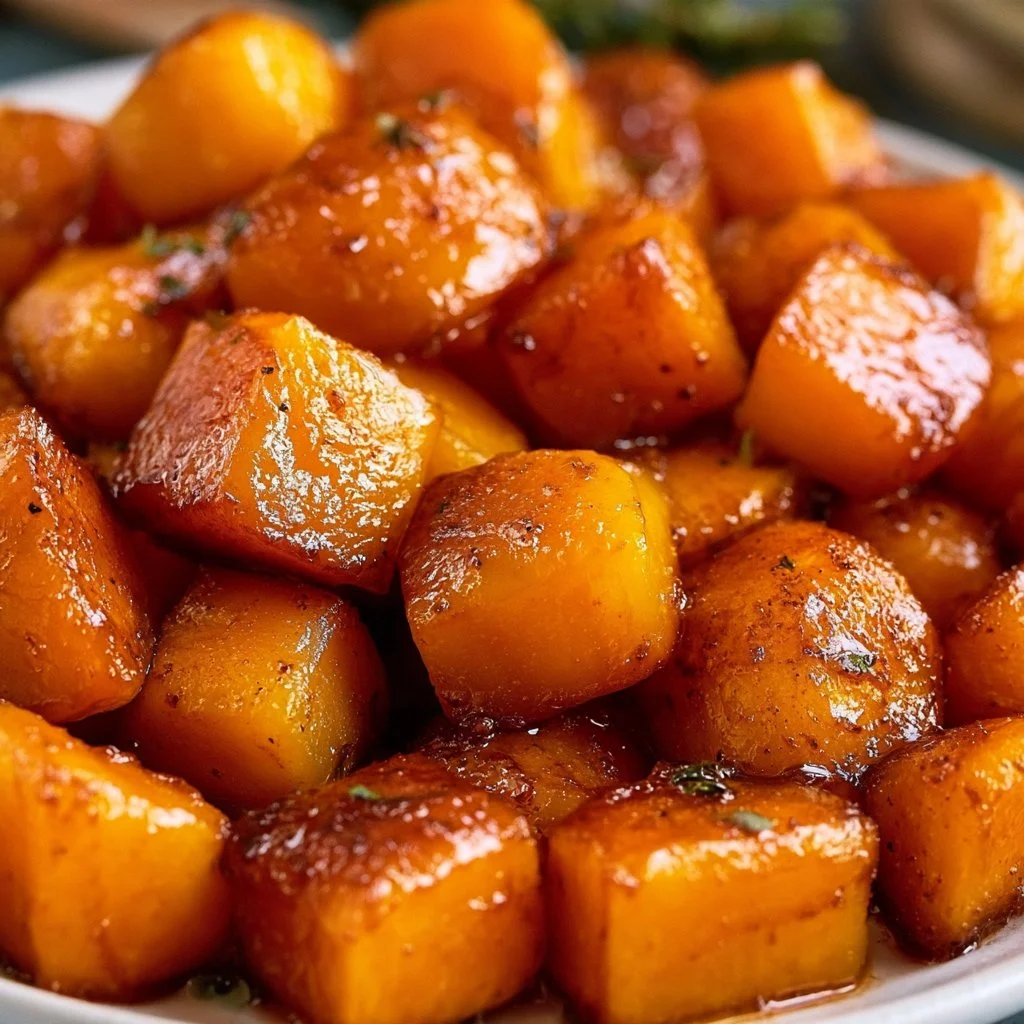
The flavor profile of caramelized butternut squash with brown sugar is an enchanting blend of sweet and savory. The natural sweetness in the squash is beautifully complemented by the brown sugar—rich and slightly molasses-like, it enhances the overall depth. Texture plays a vital role here as well; the exterior becomes crispy and slightly caramelized while the interior remains creamy and soft, providing a delightful contrasting mouthfeel.
The roasting technique contributes significantly to flavor development. The Maillard reaction—the chemical reaction that occurs when food is heated—creates that desirable caramelization at the surface, contributing not only to the flavor but also to the appealing appearance of the dish. This golden-brown color is indicative of sugars breaking down and forming complex, savory notes that elevate the butternut squash from a simple vegetable side to something extraordinary and much cherished.
Crisp edges with slight char add an element of texture that can transform the eating experience. Additionally, the optional spices, such as cinnamon or nutmeg, introduce a warm, aromatic quality that enhances the overall flavor, evoking nostalgic memories of holiday cooking. Together, these attributes result in a harmonious side dish that is not only appealing to the palate but also visually enticing when plated.
Pro Tips
While the preparation of caramelized butternut squash is straightforward, employing a few small techniques can enhance the final result remarkably. Here are some expert suggestions to ensure your dish stands out.
| Tip | Description |
|---|---|
| Choose Fresh Squash | Fresh butternut squash has a sweeter flavor, which enhances the final dish. Look for squash that feels heavy and is free of blemishes or soft spots. |
| Don’t Overcrowd the Pan | Allow enough space for each piece on the baking sheet. Overcrowding can lead to steaming instead of roasting, preventing the squash from achieving that desirable caramelized texture. |
| Use High Heat | Baking at a higher temperature ensures that the sugars caramelize quickly without losing moisture. This technique promotes better flavor and texture. |
| Flavor Variations | Feel free to experiment with different spices. Adding a pinch of cayenne pepper can give a nice kick, while sage adds an earthy note that pairs beautifully with the sweetness. |
In addition to the table of tips, consider combining the butternut squash with other vegetables, such as Brussels sprouts or carrots, for added flavor and variety. This mix not only creates a stunning presentation but also enhances the overall nutrient profile of your dish, providing a wider range of textures and flavors on the plate. Keep an eye on cooking times for mixed vegetables to ensure even doneness. Using a mix of colorful vegetables can also increase visual appeal and appeal to a wider array of tastes at your gathering, keeping everyone excited about their meal.
Why You’ll Love This Recipe
The allure of caramelized butternut squash transcends its simplicity, offering a blend of flavors and textures that satisfy even the pickiest eaters. The ease of preparation makes it accessible for anyone, from beginners to seasoned chefs looking for a straightforward side dish to impress guests. Beyond deliciousness, using seasonal ingredients creates an added layer of connection to the meal, making it a fitting tribute to fall harvests.
The flexibility of this dish further cements its status as a favorite. It pairs beautifully with various main courses, making it suitable for a multitude of dining occasions, whether it be a festive holiday meal or a weeknight dinner. Moreover, its appeal spans diverse dietary preferences, as it can be enjoyed by vegetarians and vegans alike, providing a nourishing option on the table.
Cleanup is also easy due to the simple one-pan method, allowing you to focus on enjoying your meal instead of stressing over dishes. The bright, vibrant colors of the caramelized squash can elevate the visual feast of any gathering, making the table inviting and appetizing. Indeed, this dish boasts compelling reasons for its place in your cooking lineup, waiting to become a family favorite.
How to Serve Caramelized Butternut Squash
Serving caramelized butternut squash can be a delightful presentation, enhancing both the looks and flavor of your meal. Once cooked, transfer the bite-sized pieces into a beautiful serving dish that showcases its golden-brown color. Adding a sprinkle of fresh herbs, like parsley or sage, can elevate the dish, giving it a pop of green that contrasts with the squash’s vibrant hues.
This dish beautifully complements a variety of main courses. Pair it with roasted chicken or turkey for a traditional Thanksgiving feast or alongside a creamy risotto or polenta for a more vegetarian spread. It can also stand up to grilled fish, offering a textural contrast to the flaky meat.
In addition to main course pairings, consider presenting it with sides such as creamy mashed potatoes or a crisp salad. The contrast in temperature and texture between warm squash and chilled greens brings a satisfying balance to the plate. If you want to add some crunch, serving a nutty salad with toasted pecans or walnuts could complement the sweet notes of the squash.
When it comes to drinks, consider serving a medium-bodied white wine like Chardonnay or a refreshing sparkling cider, allowing flavors to harmonize with the dish perfectly. Alternatively, herbal teas can round out the meal beautifully, offering a comforting finish after flavorful bites.
How to Store Caramelized Butternut Squash
Storing leftover caramelized butternut squash correctly ensures you can enjoy this delightful dish for days to come. To begin, allow the dish to cool to room temperature before packing it away. Properly cooling prevents condensation inside the storage container, which can result in sogginess. Use airtight containers to maintain freshness—this helps to retain the flavor and texture as long as possible.
Refrigerating is the best option for short-term storage. Leftover squash can typically be stored in the fridge for up to three days. Just be sure to reheat gently to avoid compromising texture. For long-term storage, consider freezing the squash in safe freezer containers. Label and date the containers accurately so you can keep track of storage times; frozen squash retains quality for about 2-3 months.
Once you’re ready to consume the leftovers, take note that texture and flavor may slightly change during storage, especially if frozen. Reheating can soften the squash even more, achieving a tender, melted feel, but strive to avoid drying it out for the best results when reheating. A quick warm-up in the oven allows the caramelization to refresh, giving it that delightful taste when first made.
Tips to Make Caramelized Butternut Squash
Successfully executing caramelized butternut squash comes down to a few key strategies that elevate your dish. First, throw in a touch of extra brown sugar if you prefer an even sweeter flavor. Don’t be afraid to adjust to personal taste, as the layers of flavor build through the roasting process.
Pay attention to doneness by checking that the squash is tender when pierced with a fork. Unlike other vegetables, squash can maintain a firm grip if not roasted long enough, so it’s important to monitor the cooking, ensuring you achieve that perfect balance of tenderness and browning.
Another significant factor is the amount of olive oil you use—too little can result in the squash sticking to the pan, while too much can lead to greasy pieces. Balance is key, use just enough to coat without drowning. Similarly, salt enhances taste but should be added modestly. A pinch can elevate flavors significantly, where too much can overpower the natural sweetness of the squash.
For those venturing into additional spices, take your time experimenting with combinations. Build flavors gradually, incorporating spices such as chili powder for heat or maple syrup as an alternative to brown sugar, to adjust the sweetness profile according to the season and preference. These small adjustments can make a significant impact on the overall outcome.
Variations and Substitutions
While the base recipe for caramelized butternut squash with brown sugar is delicious in its original form, it lends itself beautifully to variations and substitutions. For those seeking a spicier kick, consider adding a pinch of cayenne pepper or even smoked paprika for a unique twist; these can create a delightful contrast with the sweetness of the squash.
If you’re in the mood for a more pungent flavor, adding fresh garlic (minced or whole) to the roasting pan can impart an earthy aroma and depth. Another great variation is to substitute maple syrup for brown sugar, offering a different yet equally rich sweetness that caramelizes well alongside the squash.
For those wanting to explore a different texture, you can include nuts like walnuts or pecans. Adding these to the roast in the last few minutes of cooking will give a delightful crunch. For a more filling, comforting dish, try blending in cooked quinoa or rice into the finished squash, creating a heartier meal option.
Lastly, if you’re looking to add some leafy greens, consider tossing in fresh kale or spinach for nutrition. These can be added just before serving to wilt slightly with the residual heat of the squash, ensuring a vibrant and colorful presentations while increasing the health benefits of your meal.
Storage and Reheating
When it comes to storage and reheating, preserving the quality of caramelized butternut squash can make a significant difference in maintaining its delicious qualities. For leftovers, divide them into small portions before storing, as smaller amounts typically reheat more evenly without losing moisture or texture. Use airtight containers or resealable bags for freezer storage, ensuring excess air is removed to prevent freezer burn.
For reheating, the method can greatly affect the texture of your squash. In the microwave, use medium power to avoid uneven heating; a minute at a time, stirring in between, ensures each piece warms evenly. Alternatively, a quick roast at low heat in the oven allows for gentle restoration of crispiness and warmth without moisture loss.
If you’re opting for stovetop reheating, consider using a non-stick skillet over low heat with a splash of water to create steam, helping rehydrate the squash. Always cover the skillet to maintain warmth and avoid drying out, ensuring that delightful caramelization is preserved.
Finally, reshaping can sometimes enhance flavor. If the reheated version seems dry, adding a drizzle of olive oil or a squeeze of lemon juice can really freshen it up, enhancing the squash’s natural sweetness and bringing it back to life for an inviting return.
Customization Ideas
One of the greatest advantages of the caramelized butternut squash recipe is its versatility in customization. To add a fresh twist, consider incorporating seasonal herbs such as rosemary, thyme, or sage for an earthy appeal that complements the squash beautifully. These can be added before roasting, allowing the flavors to meld during the cooking process.
For a more robust flavor, explore using alternative sweeteners like honey or agave syrup, which can offer a different layer of sweetness while maintaining the caramelized essence. This not only opens up new flavor profiles but also personalizes the dish for various dietary preferences and tastes.
Consider experimenting with additional ingredients to create a unique twist. For instance, adding chopped dried cranberries or figs provides a chewy texture and tart flavor that balances the sweetness of the squash. Top with crumbled feta or goat cheese post-roasting for a creamy contrast; this adds an exciting gourmet aspect to the dish.
Lastly, if you’re inclined towards a spicier flavor, mix in crushed red pepper flakes for a hint of heat that cuts through the sweetness. This fusion of flavors can elevate the dish, engaging a spectrum of taste buds and making the caramelized butternut squash even more delightful and captivating for all diners.
Common Mistakes to Avoid
Cooking is an art, and like any art form, it’s easy to make mistakes. Here are five common pitfalls to avoid when making caramelized butternut squash:
-
Not Preheating the Oven: Skipping the preheating step can result in inconsistent cooking, ultimately leading to uneven caramelization. Always start with a properly heated oven to ensure sugars caramelize effectively.
-
Cutting Vegetables Unevenly: If the squash is cut into pieces of differing sizes, you run the risk of uneven cooking. Smaller pieces will char while larger ones remain undercooked, compromising the texture. Keep pieces uniform in size for even results.
-
Crowding the Baking Sheet: Packing too many pieces into one sheet pan can impede proper browning and dry up the vegetables. Give it space! A single layer will support healthier cooking conditions, allowing the squash to caramelize beautifully.
-
Using an Inferior Olive Oil: Not all olive oils are created equal; using a low-quality oil can affect both flavor and cooking performance. Invest in good-quality olive oil for the best flavor and cooking outcome.
-
Overlooking Seasoning: Failing to use enough salt can make the dish taste bland, while overusing it can overwhelm the sweetness of the squash. Striking a balance is key. Always taste and adjust seasoning as needed for the best flavor.
Avoiding these common mistakes will help you achieve the perfect caramelized butternut squash dish, making your culinary endeavors much more successful and enjoyable!
Serving Occasions
Caramelized butternut squash is not only a delicious side dish but also a versatile staple that fits beautifully into various dining occasions. It shines brightly during family gatherings, particularly at Thanksgiving where its sweetness provides a perfect counterbalance to savory meats and other traditional sides. Friends and family can indulge in the warmth of this dish as it embodies the comforting flavors of fall.
For potluck events, caramelized squash is an attractive option that appeals to diverse taste preferences. It can be served warm in a themed dish or at room temperature, making it easy for guests to enjoy. Its color and aroma add a festive touch that enhances communal dining experiences, encouraging conversation and connection.
Moreover, this dish is suitable for casual weeknight meals; it requires minimal effort yet delivers satisfying flavors. A side of caramelized butternut squash pairs well with simple proteins, turning an ordinary dinner into something special. With the natural sweetness and complex flavors, even the busiest weeknights can feel gourmet.
Lastly, don’t shy away from serving this delightful dish at holiday brunches. Its vibrant color and sweet flavor profile can make a great addition alongside savory items like frittatas or quiches, providing a unique combination of flavors that are sure to impress guests during a festive gathering.
Why Make This Recipe?
Choosing to make caramelized butternut squash with brown sugar isn’t merely about filling the table; it’s about creating a memorable culinary experience that delights the senses. The vibrant colors and captivating aroma draw people in, igniting appetites and sparking joy among guests. This dish effortlessly encapsulates the essence of seasonal cooking while offering both comfort and sophistication.
Its simplicity in preparation is another major factor in selecting this dish for your repertoire. With just a few ingredients, many of which might already be in your pantry, the road to vibrant flavors is open to cooks at any level. Caramelizing vegetables enhances their natural qualities, while the addition of brown sugar elevates them beyond mundane sides.
Moreover, the potential for variations offers limitless opportunities for inventive adaptations, perfect for experimenting with tastes that suit different occasions or dietary preferences. Whether aiming for classic comfort or modern culinary twists, this dish adapts well, allowing anyone to add their unique touch.
Finally, the ease of preparation cannot be overstated. With minimal equipment and minimal cleanup, you’ll find that this dish quickly becomes a go-to favorite during busy weeks as well as during social gatherings. Overall, caramelized butternut squash with brown sugar isn’t just a recipe; it’s an invitation to elevate your meals and share joy around the table.
Make-Ahead Preparation
Preparing caramelized butternut squash in advance can save time and stress, particularly during busy holiday cooking periods. A good strategy involves peeling and cubing the squash a day prior to cooking. Store the prepped squash in an airtight container in the refrigerator, keeping it fresh and ready to be tossed into the oven whenever you’re ready to cook.
If you want to prepare the dish further in advance, consider pre-mixing the olive oil, brown sugar, and spices in a separate container. When you’re ready to cook, combine the squash with this mixture and pop it in the oven.
However, do note that caramelization requires roasting close to serving time for optimal flavor and texture. While prepping ingredients can be done ahead, completing the roasting process shortly before serving retains the fresh, vibrant quality of the squash. The final dish benefits from that warm, caramelized flavor that is best enjoyed fresh.
When reheating, if you’ve made the dish in advance and stored it, be mindful of proper reheating techniques. This helps retain the sweetness and desired texture; getting it back into that perfect sweet spot of tender and slightly crispy is essential to recreating that fresh-from-the-oven taste.
Equipment and Kitchen Preparation
To make the process of preparing caramelized butternut squash smooth and efficient, gathering the right tools is essential. Start with a good sharp vegetable peeler and a stable cutting board for peeling and cubing the squash; safety in handling is paramount since squashes can be tough to cut through. A large, sharp knife is also crucial for consistent-sized cutting, which can affect cooking time and final texture.
A sturdy mixing bowl is necessary for tossing together your butternut squash with olive oil and brown sugar. Depending on capacity, a large bowl may allow lots of room, ensuring thorough coverage of the ingredients without making a mess.
A baking sheet should be used for roasting; choose one that’s heavy-duty and preferably rimmed to catch juices or excess oils that may escape while cooking. If you’re concerned about cleanup, lining the baking sheet with parchment paper can help prevent sticking and make for easy clean-up post-cooking.
Lastly, having good quality oven mitts handy is essential for safety to prevent burns while removing the hot tray from the oven. An accurate kitchen timer is also helpful for monitoring roasting times for optimal doneness. With these tools at your side, the path to crafting caramelized butternut squash will be simplified.
FAQs
-
Can I use fresh butternut squash instead of frozen?
Yes, you can absolutely use fresh butternut squash if it’s available. It might take a bit more time to prepare, as you’ll need to peel and cube it, but the flavor will be even richer. -
Can I substitute brown sugar with another sweetener?
Yes, alternatives such as maple syrup or honey work well, although they may slightly change the texture and cooking time. Adjust according to taste preference. -
How do I know when the squash is done cooking?
The squash should be fork-tender and exhibit a golden-brown exterior. If you’re looking for that caramelized texture, the corners should have a bit of charring for added flavor. -
Can I prepare the dish ahead of time?
Yes, you can prep the squash in advance, but it’s best to roast it close to serving time to maintain its texture and flavor. Store it in the refrigerator until ready to roast. -
Is this dish suitable for vegans?
Yes, caramelized butternut squash is inherently vegan-friendly! Just ensure that any sugars used are also vegan if that’s a concern. -
How can I store leftover caramelized butternut squash?
Allow the dish to cool before placing it in an airtight container. It can be stored in the refrigerator for about three days or frozen for longer preservation. -
What spices can I add for additional flavor?
You can experiment with spices such as cinnamon, nutmeg, chili powder, or even cumin for a range of flavors. Just remember to keep it balanced to complement the natural sweetness. -
Can I cook this dish in a different type of pan?
While a baking sheet is recommended, you can use a casserole dish or roasting pan. Ensure it’s spacious enough for even roasting and airflow around the squash.
Disclaimer
Nutritional information provided is approximate and may vary based on ingredient brands, substitutions, portion sizes, and preparation methods.