
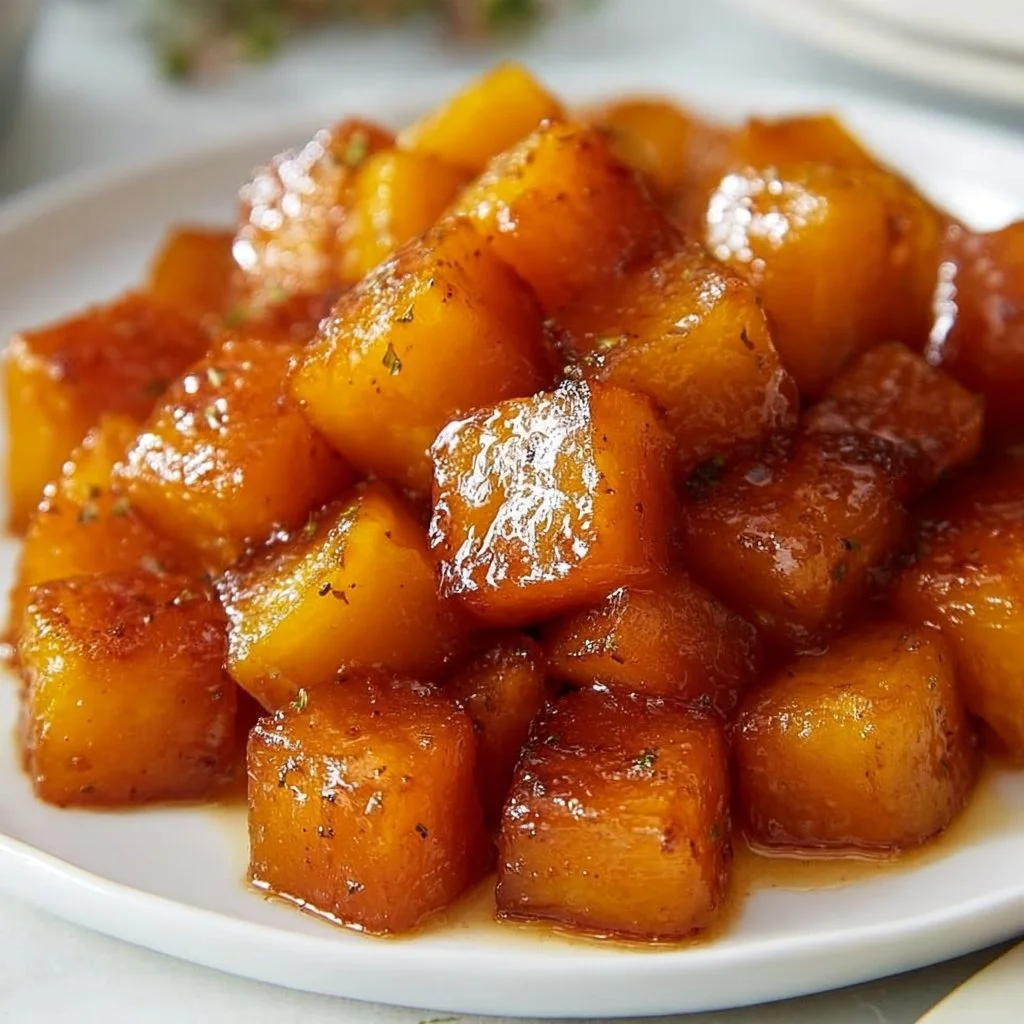
Caramelized Butternut Squash with Brown Sugar – Thanksgiving Side Dish Recipe
Caramelized butternut squash with brown sugar is a delightful dish that embodies the essence of comfort food. With its rich, sweet flavor and inviting aroma, this side dish is a lovely addition to any festive table. The process of caramelizing the butternut squash brings out its natural sweetness while adding a depth of flavor that elevates the dish to something extraordinary. The contrasting textures of silky squash and slightly crispy edges create an appealing mouthfeel that makes every bite enjoyable.
This dish is not only visually striking but also brings warmth to any meal with its bright orange hue. The combination of olive oil and brown sugar not only serves to glaze the squash beautifully but also creates a satisfying, rich coating that calls for second helpings. This dish is perfect for Thanksgiving, where it can take center stage alongside turkey or can be incorporated into casual family dinners or potluck gatherings.
Whether it’s a prominent holiday meal or an everyday supper, caramelized butternut squash with brown sugar is adaptable and easy to prepare. Its appeal stretches across various occasions, delighting guests and family members alike, adding a touch of sweetness and color to the dinner spread.
What Makes This Recipe Special
This recipe stands out due to its delightful balance of flavors and textures. The natural sweetness of the butternut squash is beautifully complemented by the rich undertones of brown sugar, resulting in a caramelization process that enhances the overall taste. Unlike many vegetable side dishes that may lack character, this dish offers an irresistible combination of sweet and savory profiles, making it a unique offering amidst more traditional fare.
Preparation-wise, it is incredibly simple, appealing to both novice and seasoned cooks. The basic technique of roasting ensures that even those new to cooking can achieve delicious results without a steep learning curve. Caramelizing the squash not only intensifies its natural sugars but also infuses the dish with a deep, rich flavor profile that can rival more complex side dishes. Additionally, the ease of preparation allows it to be prepared in larger quantities, making it perfect for gatherings.
The presentation of this dish is equally compelling. The caramelized edges, glistening with brown sugar glaze, make for an appealing addition to any plate. Its vibrant color and inviting aroma make it difficult for anyone to resist. This side dish can easily elevate the overall dining experience, serving both as a highlight on the table and a conversation starter among guests.
Ingredient Overview and Helpful Notes
Main Ingredients
-
Butternut squash: The star of the dish, butternut squash is a winter squash known for its sweet and nutty flavor. When choosing butternut squash, look for examples that feel heavy for their size, with a smooth, tan skin free from blemishes or soft spots. The flesh should be firm and not overly fibrous. This ingredient contributes the primary flavor and texture to the dish, becoming tender and creamy once cooked.
-
Olive oil: This ingredient serves not only as a moisture agent during roasting but also adds richness to the dish. It helps to achieve caramelization, enhancing the flavors while preventing the squash from sticking to the pan. Use high-quality extra-virgin olive oil for the best taste.
-
Brown sugar: This sweetener brings a unique molasses flavor. Brown sugar aids the caramelization process, allowing the sugars to develop that golden-brown crust while the squash retains its tender structure. If you prefer, substituting light brown sugar for darker varieties can slightly change the flavor profile but will yield a similar result.
-
Salt and Pepper: These basic seasonings enhance the natural flavors of the butternut squash and caramelization. Salt strengthens the sweetness of the dish, while pepper provides a gentle contrast with a hint of spiciness.
Preparation Suggestions
Before starting, ensure that the butternut squash is washed, peeled, and cubed to your preferred size—generally, 1-inch cubes work best for even cooking. It’s essential to toss the squash evenly in olive oil, ensuring that each piece is coated, as this promotes even caramelization during the roasting process.
Moreover, take care to season adequately with salt and pepper for a well-rounded flavor. It would be best if you also had a spacious baking sheet on hand. Spreading out the squash in a single layer is crucial to achieve that perfect roasted, caramelized result without steaming the vegetables.
Nutrition & Recipe Details
Nutritional values can fluctuate based on ingredient brands, preparation methods, and serving sizes. Here’s a general overview to help you better understand the dish’s nutritional profile:
| Item | Value |
|---|---|
| Prep time | 10 minutes |
| Cook time | 30 minutes |
| Store time | 3-5 days in the refrigerator |
| Calories | 150 (per serving) |
| Protein | 1g |
| Carbohydrates | 35g |
| Fat | 4g |
How to Make Caramelized Butternut Squash with Brown Sugar
Creating this delicious side dish is straightforward and enjoyable. Begin by gathering all your ingredients, ensuring that your workspace is organized for an efficient cooking process. A large bowl and a baking sheet are essential for preparing and roasting the squash.
Ingredients
| Ingredient | Quantity |
|---|---|
| Butternut Squash, peeled and cubed | 1 |
| Olive Oil | 2 tablespoons |
| Brown Sugar | 3 tablespoons |
| Salt | To taste |
| Pepper | To taste |
Before starting the cooking, make sure to preheat your oven to 400°F (200°C). This temperature is optimal for roasting the butternut squash, as it allows for caramelization without burning. It’s crucial to have your ingredients ready and within reach, as this enables a smooth cooking experience.
Step-by-Step Instructions
-
Preheat your oven: Setting your oven to 400°F (200°C) allows for even cooking and the right level of heat needed to achieve a beautiful caramelization on the squash.
-
Combine ingredients: In a large bowl, add the cubed butternut squash, olive oil, brown sugar, salt, and pepper. Use your hands or a spatula to toss the mixture thoroughly until the squash is evenly coated. This step is essential as it ensures that each piece absorbs the flavors while getting that delicious caramel finish.
-
Spread on a sheet pan: Transfer the squash mixture onto a sheet pan, spreading it out in a single layer. Avoid overcrowding; this helps the squash to roast rather than steam, achieving that desired caramelization.
-
Roast in the oven: Place the pan in the preheated oven and roast for 25-30 minutes. Halfway through the cooking time, stir the squash gently to ensure even browning. You’ll know it’s ready when the squash is fork-tender and has developed golden-brown caramelized edges.
-
Serve warm: Once roasted, remove the squash from the oven and serve it warm as a delightful side dish alongside your main course. Enjoy the natural sweetness and depth of flavor that will surely complement any meal.
Understanding the Flavor and Texture
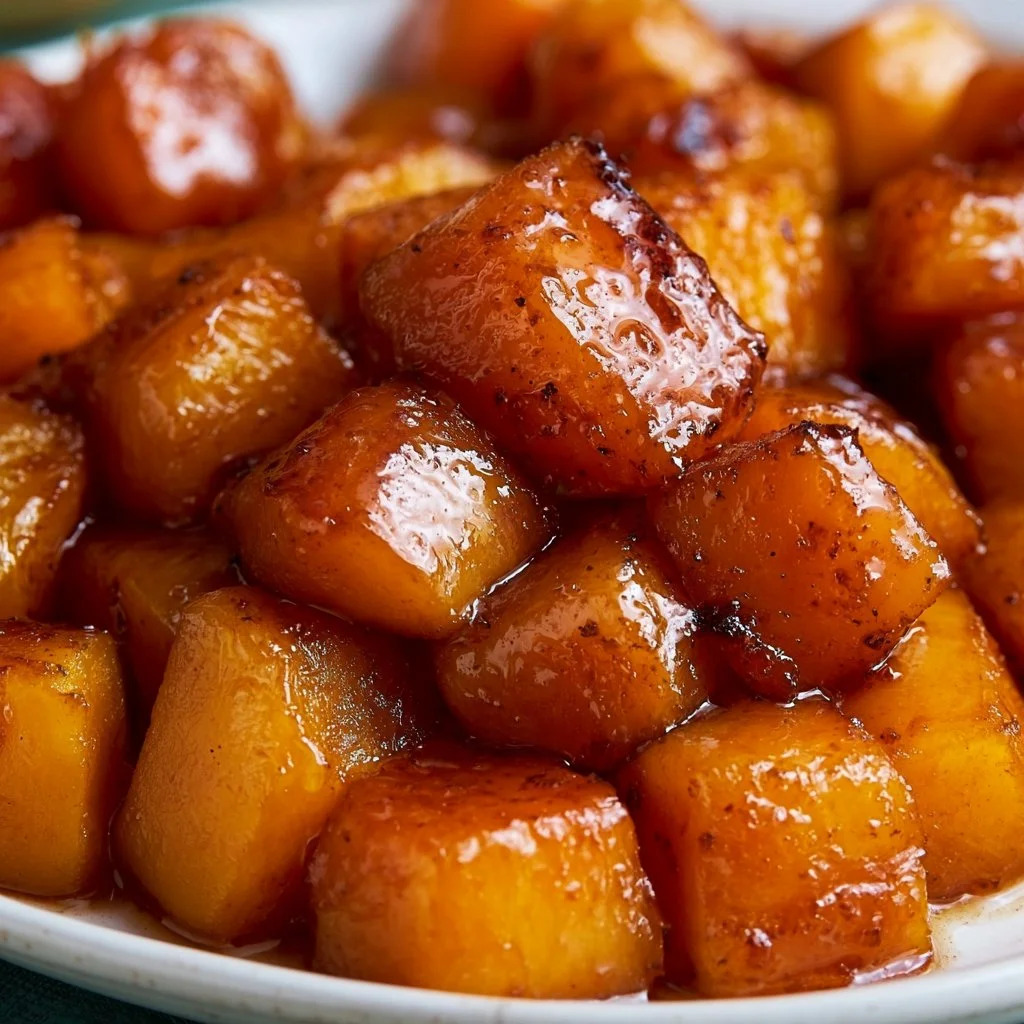
The finished dish exhibits a beautiful combination of flavors, with the sweetness of the caramelized brown sugar perfectly balancing the rich subtlety of the butternut squash. As the squash roasts, the natural sugars within begin to caramelize, resulting in a glossy, golden appearance that is visually pleasing. When served, you can expect the squash to be tender yet maintain some structure, allowing for a pleasant bite.
The texture contrast is equally delightful; the softened insides of the squash meld beautifully with the slightly crisp outer edges. The olive oil contributes to a rich mouthfeel while the brown sugar glaze creates a syrupy finish, coating each piece. The caramelization process enhances flavor complexity, turning ordinary flavors into a rich experience that delights the palate.
This dish should be aromatic, with sweet and savory notes filling the kitchen during cooking. A successful version of this dish showcases tender, sweet squash with lightly browned edges, indicating perfect caramelization. If the squash appears overly soft or mushy, it may suggest overcooking—maintaining a firm texture is key to achieving this dish’s signature depth of flavor.
Pro Tips
A few simple techniques can dramatically improve your experience and the final result of caramelized butternut squash. Here are some key tips to keep in mind:
| Tip | Description |
|---|---|
| Cut uniformly | Ensure you cut the butternut squash into uniform pieces. This will promote even cooking and caramelization, preventing some pieces from burning while others remain undercooked. |
| Use a large baking sheet | A larger sheet pan allows for better airflow, which promotes even roasting. If using a smaller pan, leave space between pieces so they aren’t crowded, which can lead to steaming instead of roasting. |
| Stir halfway | Be sure to stir the squash halfway through the roasting time. This will help achieve even caramelization on all sides and prevent the squash from sticking. |
| Don’t skip the salt | A little bit of salt enhances the sweetness of the squash and the caramelization process. Don’t be afraid to experiment with the salting level to find your perfect balance! |
Adding these techniques to your preparation not only helps achieve a better flavor and texture but can also improve the cooking process itself, making the end results more satisfying. Take the time to ensure each piece is handled correctly, and you will reap the rewards in flavor and presentation.
Why You’ll Love This Recipe
This recipe offers a wonderful blend of flavors, textures, and ease of preparation. The caramelized butternut squash is strikingly versatile, appealing to both traditionalists and those seeking innovative dishes in their meal planning. Its stunning visual appeal as a vibrant orange side dish grabs attention and invites exploration.
Moreover, the ease of preparation can be appreciated by home cooks of all skill levels. With only a handful of ingredients and minimal equipment, making this dish can be stress-free. It fits seamlessly into various occasions, whether it’s a simple weeknight dinner or a grand holiday feast, ensuring that your table is filled with warmth, flavor, and color.
Accessible ingredients such as butternut squash, olive oil, and brown sugar make this recipe relatable and uncomplicated. Additionally, the make-ahead possibilities allow for flexible timing, simplifying cooking on the day of your gathering. You can prepare the squash earlier in the day, making it easier to focus on other aspects of your meal.
How to Serve Caramelized Butternut Squash with Brown Sugar
Serving caramelized butternut squash with brown sugar can transform any meal into a savory celebration. For presentation, consider arranging the roasted squash on a large serving platter. You might garnish it with fresh herbs such as parsley or sage, enhancing both color and flavor.
This dish pairs exceptionally well with a wide range of main courses, from roasted chicken or turkey to hearty vegetarian options like lentil loaf or stuffed peppers. It complements earthy flavors, making side dishes such as green beans, kale salads, or wild rice pilaf ideal companions.
For a delightful balance, consider serving this dish alongside a tangy sauce or topping, such as a dollop of yogurt or a sprinkle of feta cheese. The crunch from nuts, like pecans or walnuts, can add texture and flavor, enriching the overall experience.
Drinks can further enhance the meal. A light, fruity beverage, such as a sparkling cider or a refreshing herbal iced tea, would pair beautifully. Each serving should exude warmth and jubilance, promising to satisfy and please all those who gather around the table.
How to Store Caramelized Butternut Squash with Brown Sugar
Storing leftover caramelized butternut squash is straightforward and ensures you can enjoy this delightful dish later. Begin by allowing the squash to cool completely at room temperature. Once cooled, it’s best to transfer it into an airtight container to maintain freshness. This approach not only preserves flavor but also prevents excess moisture buildup that can lead to sogginess.
In the refrigerator, properly stored, the squash can last for about three to five days. When reheating, it’s essential to do so gently to retain the squash’s tender texture. Avoid leaving it at room temperature for prolonged periods, especially if you live in a warm climate, as this can create food safety concerns.
For longer storage, you can freeze the caramelized squash. Distribute it into freezer-safe containers, ensuring to label them with the date. It’s recommended to use it within three months for the best quality. However, make sure to be aware that texture may change slightly upon freezing and thawing, with the squash possibly becoming a bit softer.
Tips to Make Caramelized Butternut Squash with Brown Sugar
Successful preparation of this recipe hinges on a few critical considerations. First and foremost, take your time when cubing the butternut squash to ensure uniformity in size, as even pieces cook more uniformly, allowing you to avoid discrepancies in texture and doneness.
Another important tip is to manage the heat settings in your oven carefully. If your oven tends to run hot, reduce the temperature slightly to prevent burning the sugars, leading to bitterness. Conversely, if the squash is taking longer to caramelize, it’s okay to extend the cooking time but ensure you keep an eye on the pieces to prevent oversoftening.
When it comes to seasoning, remember that the initial toss with olive oil, brown sugar, salt, and pepper is your opportunity to develop flavor. Don’t be shy with your seasonings; this will transform the squash from ordinary to extraordinary.
Lastly, patience during the cooking process will yield the best results. Resist the urge to frequently open the oven as this allows heat to escape and can affect cooking time. Trust in the process and allow your squash to develop a rich, caramelized crust that will elevate the flavor profile and appeal of the final dish.
Variations and Substitutions
While the classic caramelized butternut squash with brown sugar is undeniably delicious, you can explore several variations and substitutions to suit different palettes and dietary preferences.
-
Maple syrup: For a more nuanced sweetness, consider substituting brown sugar with pure maple syrup. This will lend an earthy flavor profile that complements squash well, especially in the fall.
-
Spicy twist: If you enjoy a hint of spice, add a pinch of cayenne or red pepper flakes while mixing with the cubed squash. This will introduce a subtle heat beneath the sweetness, creating a more complex dish.
-
Herbal infusion: Adding fresh herbs such as thyme or rosemary can elevate the dish, adding an aromatic layer. Toss them with the squash before roasting to infuse the flavors during the cooking process.
-
Nutty additions: For a crunchier texture, toss in chopped nuts like pecans or walnuts during the last five minutes of roasting. This will add a deliciously nutty flavor along with a pleasant crunch that contrasts with the tender squash.
Each variation allows you to experiment while ensuring the essence of the dish remains intact. These optional ingredients can shift the dish subtly, making it suitable for different occasions or personal preferences, enhancing the overall dining experience.
Storage and Reheating
When it comes to storage, place any leftover caramelized butternut squash in airtight containers. Ensure the squash is completely cooled before sealing to avoid condensation, which can lead to spoilage or sogginess.
For reheating, various methods can be employed. The microwave offers a quick solution; however, this may cause some loss of texture, making it mushy. Instead, for a better outcome, consider reheating in the oven: place it in a baking dish at 350°F and cover it with aluminum foil for even heating. This technique helps retain the crisp edges and moisture of the squash.
Should you have a skillet handy, you can also reheat the squash on low heat, stirring gently. This method affords you control over the heating process, letting you avoid any steaming, which preserves the texture better than microwaving.
If reheating leftovers, a splash of water or broth in the dish can be added to prevent them from drying out. This small addition ensures that your reheated side retains moisture without sacrificing its flavorful essence.
Customization Ideas
Personalizing your caramelized butternut squash allows you to tailor the dish to your taste and preferences. Consider adding additional seasonal vegetables, such as carrots or Brussels sprouts, to create a colorful medley. Toss them together on the baking sheet for a beautifully varied vegetable dish that offers different flavors and textures.
For those who thrive on herbs, experiment with different varieties. A hint of sage or basil can introduce a fresh perspective, highlighting the squash’s sweetness while contributing a fragrant appeal.
Textural contrasts can also be added: sprinkle toasted pumpkin seeds or hemp seeds over the finished dish for a delightful crunch. This addition not only enhances aesthetic appeal but adds nutritional benefits as well.
Lastly, modify the sweetness level to suit your palate. If you prefer a less sweet dish, reduce the amount of brown sugar or opt for alternative sweeteners like coconut sugar, which will give a different flavor profile while still achieving caramelization.
Common Mistakes to Avoid
In cooking, small mistakes can sometimes lead to less-than-desirable results. Here are some common pitfalls to avoid when making caramelized butternut squash:
-
Incorrect size cuts: If the squash is cut into uneven sizes, some pieces may become overcooked while others remain undercooked. Cutting uniformly ensures even cooking and texture.
-
Overcrowding the pan: Placing too many pieces on the baking sheet traps steam, leading to mushy squash instead of caramelized bits. Handle smaller batches for proper airflow and roasting.
-
Ignoring seasoning: Forgetting to season adequately can result in a bland dish. Make sure to taste and adjust salt and pepper before and after roasting for a well-rounded flavor.
-
Insufficient caramelly color: Not allowing sufficient roasting time can leave the squash pale and underwhelming. Always look for that golden brown hue as a sign of proper caramelization.
-
Not tossing halfway: Failing to stir the squash during cooking can lead to uneven browning. Give it a gentle toss halfway through to ensure all sides develop that desirable caramelized crust.
By avoiding these common mistakes, you can create a butternut squash dish that shines in flavor, texture, and presentation, ultimately leading to a satisfying experience.
Serving Occasions
Caramelized butternut squash shines in various serving situations. This dish is particularly suited for celebrations and gatherings, especially during the autumn and winter months when squash is in season. It makes an impressive appearance on Thanksgiving tables, countering heavier dishes with its sweet yet subtle taste.
Beyond holidays, this recipe can also take center stage during casual family dinners. Pair it with simple proteins like grilled chicken or fish for a balanced meal that easily impresses guests without unnecessary complexity.
When considering potlucks or holiday parties, this dish is fantastic because it can be made ahead of time and served warm or at room temperature. No need to fuss at the last minute—just bake and go!
Lastly, caramelized butternut squash offers versatility, serving excellently as a side dish at brunch alongside eggs or as part of a robust salad, blending beautifully with greens and roasted nuts.
Why Make This Recipe?
Creating caramelized butternut squash with brown sugar is worthwhile for many reasons. The distinctive combination of sweet and savory through caramelization brings an appealing complexity that uplifts even the simplest meals. Whether you need a side dish for special family gatherings or a comforting addition to weekday dinners, this recipe delivers.
Moreover, the benefits extend beyond pure taste; this dish ensures you are utilizing seasonal, nutritious ingredients that are often readily available. Butternut squash is not only delicious but also packs a nutritional punch, offering vitamins and fiber. The simplicity of preparation means it can be seamlessly incorporated into any meal preparation routine.
Lastly, the adaptability of this dish affords creativity, inviting experimentation and personalization according to one’s tastes or dietary requirements. With such versatility, why not keep caramelized butternut squash on hand as a staple in your cooking rotation?
Make-Ahead Preparation
One of the advantages of making caramelized butternut squash is the potential for make-ahead preparation. The cubing and peeling process can be done one or two days in advance. Simply store the peeled and cubed squash in airtight containers in the refrigerator, keeping it fresh until you’re ready to cook.
When you’re ready to make the dish, toss it in olive oil and sugar, and roast it as directed. This method streamlines the cooking process, allowing you to enjoy more time with guests or other preparations.
However, it’s essential to note that the caramelization process is best done just before serving to ensure optimal texture and flavor. Preparing the dish entirely in advance and reheating may lead to a loss of crispiness and texture, so instead, aim to complete the final preparation closer to meal times.
By planning ahead strategically, you can enjoy the richness of this dish without added stress on the day you choose to serve it.
Equipment and Kitchen Preparation
When looking to prepare caramelized butternut squash, having the right equipment can make the cooking process more efficient and enjoyable. A sturdy chef’s knife is essential for cutting through the tough skin of the squash; a vegetable peeler can also assist in achieving smooth, even pieces.
A large mixing bowl is helpful for tossing the cubed squash with olive oil and seasonings, ensuring every piece is coated evenly. A spacious baking sheet is preferable to make sure that the squash has room to roast effectively without overcrowding. Lining your baking sheet with parchment paper can also simplify cleanup by preventing sticking residues.
Lastly, an oven thermometer can be beneficial for those unsure whether their oven’s temperature is accurate. Maintaining the correct temperature is essential for achieving optimal caramelization, affecting the flavor and final presentation.
Having these tools ready will facilitate a smoother preparation process, allowing you to focus on achieving the delicious end result without mishaps.
FAQs
1. Can I prepare butternut squash ahead of time?
Yes! You can peel and cube the butternut squash a day or two in advance. Keep it stored in an airtight container in the fridge to maintain its freshness until you’re ready to cook.
2. How do I know when the butternut squash is done?
The squash is done when it’s fork-tender and has developed a golden brown caramelized color. Stirring halfway through the cooking time helps ensure even cooking.
3. Can I use different types of sugar?
Yes, you can substitute brown sugar with maple syrup or coconut sugar for a different flavor profile. However, it may slightly alter the final taste and texture.
4. How do I reheat the leftovers?
Reheat in the oven at 350°F for about 10-15 minutes or until warmed through. You can also use a microwave for a quicker option, but this may soften the squash texture.
5. Can I freeze the roasted butternut squash?
Yes, you can freeze roasted butternut squash in airtight containers for about three months. Keep in mind that texture may change upon thawing.
6. What can I pair this dish with?
Caramelized butternut squash complements a variety of dishes, making it a great side for roasted meats, hearty vegetarian options, and grain-based salads.
7. Are there any spices I can add to this dish?
Absolutely! Adding cinnamon or nutmeg can enhance the sweetness of the squash. You can also add crushed red pepper for a bit of warmth.
8. Can I include other vegetables in this recipe?
Yes, you can add other vegetables like carrots or Brussels sprouts to the mix. Ensure they are cut to a similar size for even cooking.
Disclaimer
Nutritional information is approximate and may vary based on ingredient brands, substitutions, portion sizes, and preparation methods.