
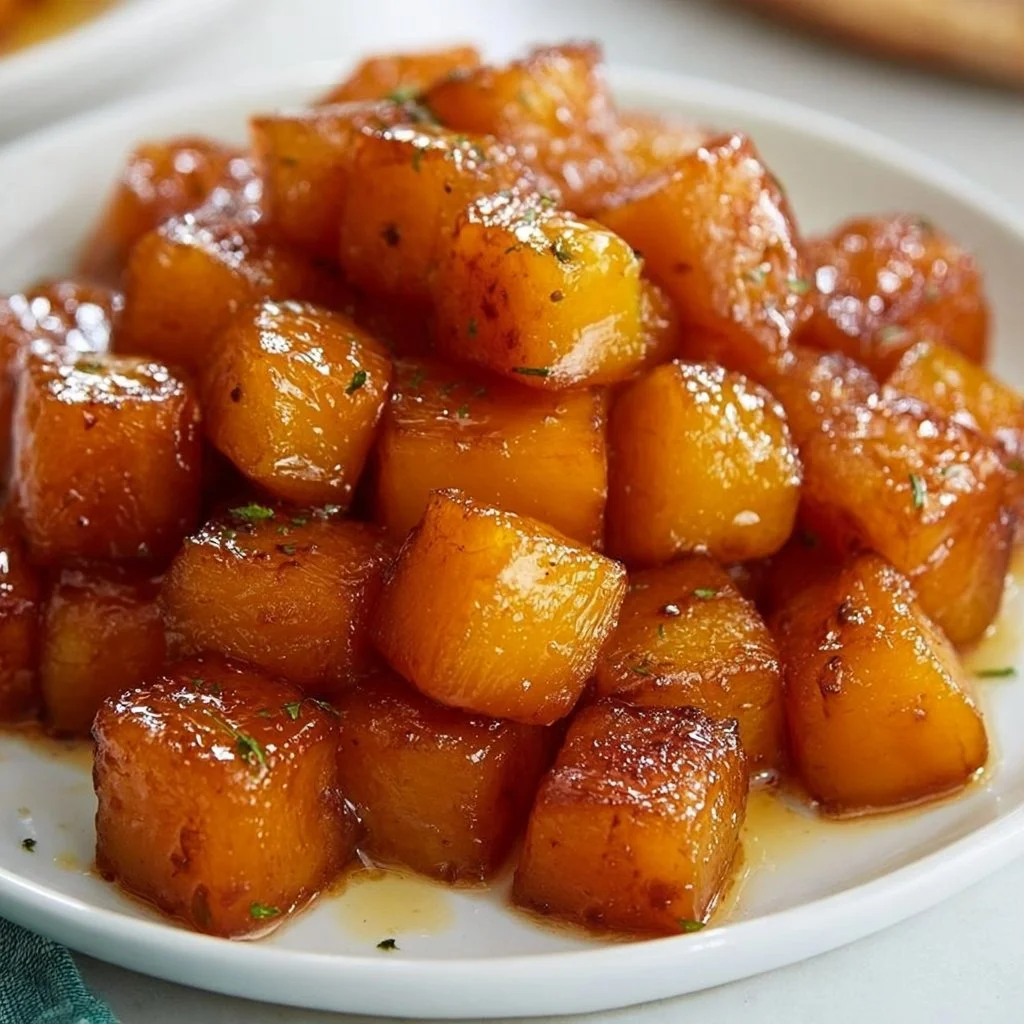
Caramelized Butternut Squash with Brown Sugar – Thanksgiving Side Dish Recipe
The warmth and vibrancy of autumn are captured beautifully in this caramelized butternut squash with brown sugar. This dish combines the natural sweetness of butternut squash with the rich, deep flavors of brown sugar, resulting in a delightful side that shines on any dinner table, especially during Thanksgiving. Roasting brings out the squash’s inherent sweetness while caramelizing the sugars to create a deliciously tender and flavorful masterpiece. The golden-brown color of the squash, accentuated by the syrupy glaze, creates an inviting presentation that is both comforting and sophisticated.
The texture of the finished dish is a harmonious balance of tender and slightly crisp. The outside becomes caramelized and golden, while the inside remains perfectly soft and creamy. Each bite offers a sweet yet savory experience, making it the perfect accompaniment to holiday meals or any family gathering. Often served alongside roasted meats, this dish stands out on its own, offering a vegetarian option that doesn’t compromise on flavor or satisfaction.
Ideal for holiday feasts, this caramelized butternut squash is also easy enough for weeknight dinners, ensuring that it can be enjoyed throughout the season. With its simplicity and rich flavor, it’s not only a crowd-pleaser but also a comforting reminder of the joys of home-cooked meals. Whether as part of an elaborate Thanksgiving spread or a simple family dinner, this dish is sure to impress everyone at the table, making it a recipe to keep close at hand.
What Makes This Recipe Special
What sets caramelized butternut squash with brown sugar apart from other side dishes is its ability to marry simplicity with gourmet flavors. This dish showcases the natural sweetness of butternut squash in a way that enhances its earthy notes without overshadowing its essence. By caramelizing the squash, you’re able to bring out its natural sugars, which adds depth and complexity. Meanwhile, the addition of brown sugar introduces a rich, molasses-like sweetness that perfectly complements the savory undertones of the squash.
When compared to similar dishes, such as mashed sweet potatoes or glazed carrots, this recipe provides a unique texture profile. The contrast between the soft interior of the squash and the slightly crispy edges offers an enjoyable eating experience that many find delightful. Also, while mashed preparations can sometimes feel heavy, the roasting method used here allows for a lighter yet satisfying side dish that doesn’t weigh down the meal.
The ease of preparation also contributes to its appeal. With just a few ingredients and minimal effort, you can create a visually stunning and taste-bud-tickling dish that looks as if it’s been crafted by a skilled chef. The roasting process requires little hands-on time while allowing the flavors to meld beautifully, which is a huge plus for busy cooks looking to impress without the stress.
Ingredient Overview and Helpful Notes
The main ingredient in this dish is, of course, butternut squash. Known for its sweet and nutty flavor, butternut squash is a winter squash that holds up well in cooking, making it ideal for roasting. When selecting your squash, look for those that are firm, without soft spots or blemishes, and feel heavy for their size. The skin should be a deep, even color; a more vibrant hue often indicates ripeness.
Olive oil plays a critical role in roasting vegetables. It helps to achieve that desired caramelization while adding a touch of richness to the dish. Extra virgin olive oil is preferred due to its robust flavor, but regular olive oil or another neutral oil will also work. It’s essential to coat the squash evenly, as this not only contributes to the texture but also allows for even cooking.
Brown sugar is the second key ingredient, which enhances the sweetness of the squash while adding a wonderful depth of flavor thanks to its molasses content. You can choose light or dark brown sugar depending on your preference; dark brown sugar has more molasses and will impart a deeper flavor.
Salt and pepper are essential for seasoning and can enhance the natural flavors of the dish. The optional addition of cinnamon or nutmeg not only complements the sweetness of the butternut squash but also brings in warm, aromatic notes that make this side dish even more inviting for festive occasions.
When preparing your ingredients, make sure to wash and peel the butternut squash adequately to remove dirt and maintain cleanliness. It can be helpful to use a sharp knife or a vegetable peeler, ensuring you cut away any tough outer skin. Cube the squash into uniform pieces for even cooking, aiming for a size of about 1 to 1.5 inches, and allow enough space between pieces on the roasting tray for proper air circulation and browning.
Nutrition & Recipe Details
Nutritional values can vary based on ingredient brands, substitution choices, and portion sizes. It’s always good to calculate based on your specific ingredients and any variations you might include.
| Item | Value |
|---|---|
| Prep time | 15 minutes |
| Cook time | 30 minutes |
| Store time | 3-5 days in the refrigerator |
| Calories | 200 (per serving) |
| Protein | 2g |
| Carbohydrates | 35g |
| Fat | 7g |
How to Make Caramelized Butternut Squash with Brown Sugar
Creating this delicious side dish is straightforward, making it ideal even for novice cooks. It involves the simple preparation of cubing the butternut squash and tossing it with a few essential ingredients. The key to achieving that perfect caramelized finish lies in the roasting process. A large sheet pan makes for a practical cooking surface, allowing each piece of squash enough room to breathe.
Before diving into the recipe, gather all necessary ingredients and have your tools ready. Having a sharp knife for cutting the squash, a sturdy cutting board, and a large mixing bowl will help streamline the process. Preparing and organizing your ingredients will save time and make the cooking experience much more efficient.
Ingredients
| Ingredient | Quantity |
|---|---|
| Butternut squash, peeled and cubed | 1 |
| Olive oil | 3 tablespoons |
| Brown sugar | 1/4 cup |
| Salt and pepper | to taste |
| Optional: cinnamon or nutmeg for added flavor | to taste |
Before beginning the cooking process, it’s important to organize your workspace effectively. Start by washing the butternut squash thoroughly and allowing it to dry. Next, peel the squash using a vegetable peeler or sharp knife, and cube it into consistent pieces. This uniformity helps the squash cook evenly. Once cubed, combine the squash in a large bowl with the olive oil, brown sugar, salt, and pepper. For those who enjoy a hint of warmth and spice, consider adding a pinch of cinnamon or nutmeg at this stage.
Step-by-Step Instructions
-
Preheat the oven to 425°F (220°C). This step is crucial because a hot oven is key to achieving that caramelized exterior on the squash while keeping the inside tender and flavorful.
-
On a large sheet pan, toss the cubed butternut squash with olive oil, brown sugar, salt, and pepper. Make sure each piece of squash is thoroughly coated with the mixture. This ensures even caramelization and flavor across all cubes.
-
Spread the squash in an even layer on the sheet pan. Avoid overcrowding the pan, as this can lead to steaming rather than roasting. A single layer allows the moisture to escape, promoting that perfect caramelization.
-
Roast in the preheated oven for about 25-30 minutes, or until the squash is tender and caramelized, stirring halfway through. Check the squash around the 15-minute mark; this is when you’ll want to toss it lightly for even roasting. The sugar will begin to caramelize and coat the edges, giving it that rich golden brown color.
-
Remove from the oven and enjoy as a sweet and savory side dish. The butternut squash will be tender when pierced with a fork and have a beautiful golden hue. Serve immediately, or let it cool if you’re preparing it ahead of time.
Understanding the Flavor and Texture
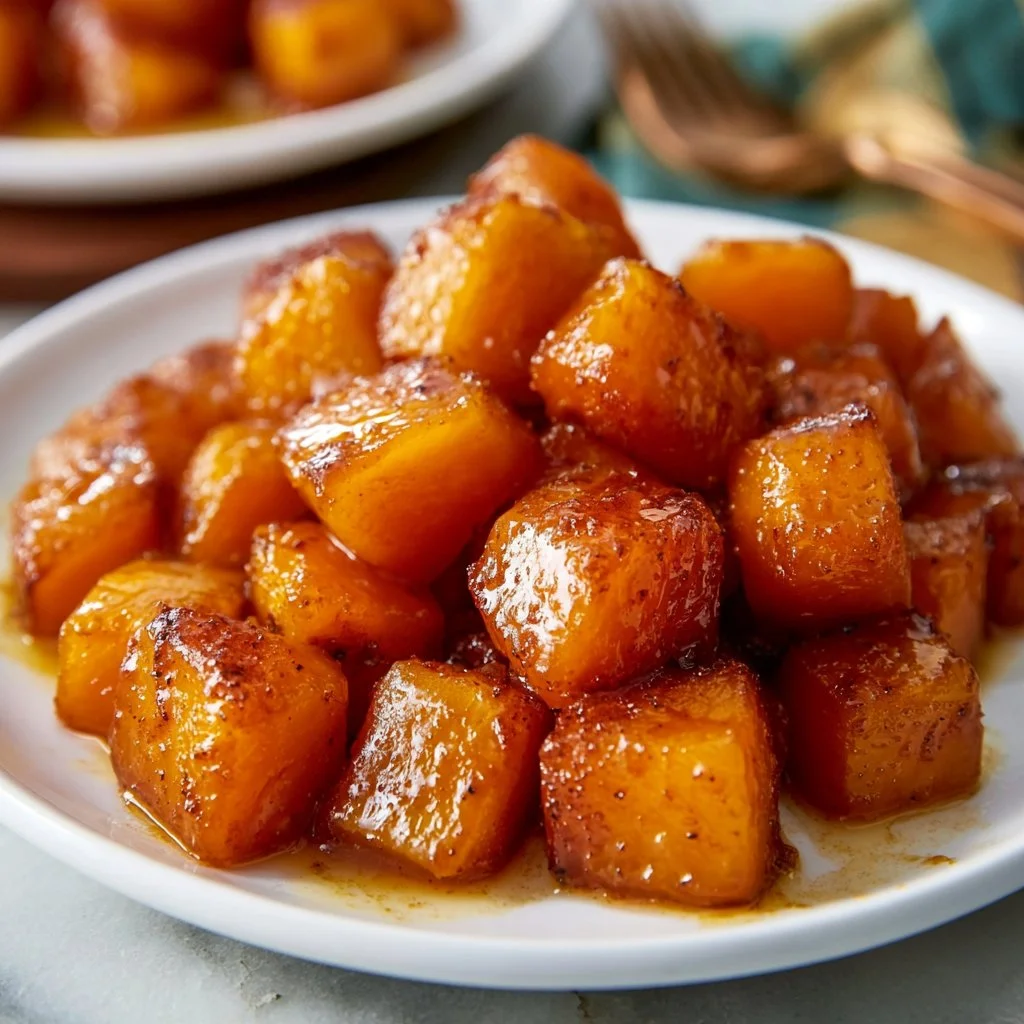
The final result of caramelized butternut squash with brown sugar is simply joyful. The flavor melds the earthiness of the squash with the sweet, syrupy qualities from the caramelization, leading to a rich and satisfying side dish. The incorporation of brown sugar lends a deep sweetness that balances beautifully with the savory notes from the olive oil and seasoning.
In terms of texture, the squash emerges from the oven with a crisp exterior that contrasts with its soft, tender inside. The caramelization process creates crisp edges that offer a delightful crunch, enhancing the overall mouthfeel. When properly roasted, the squash should not be mushy; instead, each bite should provide a creamy inner texture paired with a slight caramelized crust, making it extremely pleasurable to eat.
The bright orange color of the butternut squash draws the eye, making it a visually appealing dish that entices you to take a bite. As the aroma of roasting squash fills the kitchen, it offers a prelude of warmth and comfort that’s synonymous with holiday meals and family gatherings. This dish is not just a feast for the palate; it also delights the senses in multiple ways, making it a perfect addition to tables filled with Thanksgiving cheer.
Pro Tips
A few small techniques can enhance the outcome of your caramelized butternut squash with brown sugar. Utilizing the right technique at each stage of preparation will help ensure that you achieve the best possible flavor and texture.
| Tip | Description |
|---|---|
| Choose Fresh Squash | Opt for firm, heavy squash with a smooth skin to ensure the best flavor and texture. Avoid any soft spots as they can lead to undesirable textures. |
| Use a Hot Oven | A preheated oven is key for achieving maximum caramelization. Make sure your oven has reached the desired temperature before placing the squash inside! |
| Don’t Overcrowd the Pan | Spread the squash evenly on the baking sheet to allow for proper airflow around each cube. This prevents steaming and helps in achieving that desired caramelization. |
| Toss Halfway Through Cooking | Stirring the squash halfway helps ensure even cooking and allows all sides to get that beautiful caramel finish without burning. |
Additionally, feel free to experiment with flavors during the preparation process. Adding the optional cinnamon or nutmeg can elevate the dish, bringing warmth and a hint of spice that complements the sweetness of the squash perfectly.
Why You’ll Love This Recipe
This caramelized butternut squash is not just delicious; it offers a wonderful balance of flavors and textures that can please almost any palate. The sweet caramel notes paired with the savory aspects make it a versatile dish that can complement a variety of main courses, especially during festive seasons.
Another compelling reason to love this recipe is its simplicity. With only a few ingredients and minimal prep work, you can create a dish that appears elegant and complex. This straightforward approach allows both novice cooks and seasoned chefs to impress their guests with minimal stress.
Not to mention, butternut squash is a nutritious vegetable, packed with vitamins A and C, potassium, and fiber, making this dish not only a tasty addition but also a health-conscious one. It’s easily customizable, so you can adjust the seasonings to suit your taste or dietary requirements, ensuring that it melds perfectly with what you’re serving.
Lastly, this recipe includes make-ahead options, giving you the freedom to enjoy your company without feeling overwhelmed in the kitchen. Just imagine preparing this stunning dish ahead of time and serving it alongside your holiday fare with both ease and confidence.
How to Serve Caramelized Butternut Squash
Presenting caramelized butternut squash can be as simple or as intricate as you want it to be. For a lovely touch, consider garnishing with fresh herbs such as thyme or parsley to add color and freshness to the dish. Toasted nuts, like pecans or walnuts, can also be sprinkled on top for added crunch and flavor contrast, elevating the presentation.
As a side dish, this caramelized butternut squash pairs beautifully with roasted proteins like turkey or chicken, but it holds its own against grains like quinoa and farro. You could serve it alongside a refreshing salad, as the squash’s sweetness balances the tangy or acidic notes typically found in vinaigrettes.
For family meals, consider portioning the squash into individual servings or keeping it in a beautiful serving dish that allows everyone to help themselves. If you’re hosting a party, it’s great to have it served in a large bowl with a serving spoon, inviting everyone to enjoy this hearty and satisfying dish.
For drinks, consider beverages that complement the dish’s sweet-savory profile. A lightly spiced apple cider or a refreshing herbal tea can enhance the overall dining experience.
How to Store Caramelized Butternut Squash
Storing any leftovers from your caramelized butternut squash is a straightforward process. First, allow the squash to cool completely at room temperature to maintain food safety standards. Once cooled, transfer the squash to an airtight container. Make sure to store it in the refrigerator if you plan to consume it within a few days.
Properly stored, your caramelized butternut squash can last for about 3 to 5 days in the fridge. If you’d like to keep it for a longer period, you can freeze it. To do this, portion the leftovers into freezer-safe containers or resealable bags, ensuring as much air as possible is removed. It can be frozen for up to 3 months without significant loss of flavor or texture.
However, be mindful that freezing and reheating can sometimes alter the texture of cooked squash dishes, making it a bit softer compared to fresh, roasted versions. Therefore, while the flavors remain delightful, the mouthfeel may differ slightly.
If reheating from frozen, allow it to thaw overnight in the refrigerator and then warm it gently in the oven or microwave.
Tips to Make Caramelized Butternut Squash
To enhance your cooking experience and achieve the best caramelized butternut squash, consider the following practical tips. Start by paying close attention to the preparation stage; this is when you set the foundation for the overall dish. Uniformly cubing your squash ensures that all pieces will cook at the same rate, promoting even roasting.
When applying olive oil, don’t skimp! An adequate amount will help achieve that delightful caramelization. Remember, you’re looking for a nice, even coating rather than just a light drizzle, which might lead to uneven cooking.
It’s also crucial to keep an eye on the roast time as ovens can vary. Start checking at the 20-minute mark for tenderness and caramelization. A fork should easily pierce through the squash, and the edges should have a lovely golden brown hue.
Finally, when seasoning, taste as you go. The squash itself is naturally sweet, but balancing this sweetness with salt will elevate the flavor profile. Adjust the seasoning toward the end if necessary, ensuring every bite is deliciously harmonious.
Variations and Substitutions
This recipe for caramelized butternut squash offers numerous possibilities for variations, allowing you to tailor it to your taste or dietary preferences. For a spicier version, consider adding a pinch of cayenne pepper or red pepper flakes to balance the sweetness. This addition will elevate the dish, releasing a wonderful warmth.
If you’re looking for a vegan-friendly adaptation, simply keep the original ingredients as they are or swap in olive oil to guarantee satisfaction without any animal products. For a richer flavor profile, you can swap the olive oil for melted coconut oil, which imparts its own unique sweetness.
Herbs can also play a large role in customizing the dish. Fresh sage or rosemary can be tossed with the squash right before roasting for a fragrant herbaceous note. Alternatively, topping the roasted squash with blue cheese or feta post-roasting can introduce a creamy, tangy contrast that pairs beautifully with the sweetness.
For a nut-free option, skip the toasted nuts or replace them with seeds like pumpkin or sunflower seeds to offer a similar crunch without tree nuts. These variations not only add depth to the dish but also cater to different dietary restrictions while keeping the essence of the original recipe intact.
Storage and Reheating
Dividing leftovers into appropriate portions will allow for easy reheating later. Store the roasted squash in airtight containers, separating them into smaller portions. This method not only optimizes storage space but also considers convenience in future meals.
When it comes time to reheat, both the microwave and oven are acceptable methods. For microwave reheating, transfer a portion to a microwave-safe dish and cover it lightly to retain moisture. Microwave on medium power in short intervals, stirring occasionally until warmed through—doing this helps to avoid overheating, which can lead to mushiness.
For reheating in the oven, preheat to 350°F (175°C). Spread the butternut squash in a single layer on a baking sheet and cover with foil to prevent drying. Warm for about 15-20 minutes or until heated through, keeping an eye on it to ensure crisp edges are retained.
If you find that your squash has lost some of its original texture, adding a splash of vegetable broth or water when reheating can help restore some moisture while preventing it from drying out further.
Customization Ideas
The versatility of this caramelized butternut squash allows for numerous customization ideas. You can adjust spices to align with your taste – consider adding a little maple syrup along with the brown sugar to enhance its sweetness further, or maybe some ground ginger for a lovely zesty bite.
For texture variations, think about roasting carrots or sweet potatoes alongside the squash for added colorful contrast and flavor layering. These options can complement each other harmoniously, offering varying degrees of sweetness and texture.
Switching up the finish can make a difference too; drizzling some balsamic reduction over the roasted squash can impart a tangy kick, which enhances the overall complexity by cutting through the sweetness. Likewise, adding fresh herbs like cilantro or basil right before serving lends a burst of freshness.
Finally, if you want to turn this side into a heartier main dish, consider layering the roasted squash with quinoa, spinach, and a sprinkle of nuts or seeds on top, creating a wonderful grain bowl that’s full of flavor and nutrients.
Common Mistakes to Avoid
When preparing caramelized butternut squash, a few common pitfalls can hinder achieving the perfect result:
-
Overcrowding the pan: This prevents proper caramelization and can lead to steaming. Always give each piece enough room to roast evenly.
-
Not preheating the oven adequately: If the oven isn’t hot enough when the squash goes in, it won’t caramelize properly. Always ensure your oven reaches the desired temperature before placing your dish inside.
-
Inconsistent cube sizes: If the squash is cut into uneven sizes, some pieces will cook faster than others. Aim for uniform sizes to ensure even cooking.
-
Underseasoning: While the squash is naturally sweet, underseasoning it can lead to a bland taste. Be generous, but taste as you go!
-
Failing to check for doneness: Relying too heavily on cooking time without checking can lead to overcooked or undercooked squash. Instead, regularly check for tenderness and caramelization.
By being mindful of these common mistakes, you can ensure your caramelized butternut squash achieves that perfect blend of flavors and textures.
Serving Occasions
Caramelized butternut squash is incredibly versatile and fits beautifully into many dining scenarios. It’s most commonly associated with Thanksgiving and other festive gatherings, providing a warm and comforting flavor to accompany holiday dishes. Its inviting sweetness makes it an excellent alternative to heavier sides like creamy gratins or potatoes.
However, this dish is also appropriate for more casual settings, such as family dinners or potlucks, where it can serve both as a mainstay and a compliment to a variety of other dishes. It’s a fantastic side for casual backyard barbecues, especially when paired with grilled meats or vegetable skewers.
Moreover, consider serving it as part of meal prep during the week. The roasted squash makes for a perfect accompaniment to green salads and grain bowls, ensuring that it can transition easily from festive gatherings to everyday meals without losing its appeal.
Why Make This Recipe?
This recipe stands out because it beautifully combines ease of preparation with impressive results. The natural sweetness of the butternut squash paired with brown sugar means that minimal effort results in maximum flavor, making it perfect for cooks of all skill levels.
It’s an excellent side dish during the colder months, not only due to its warm flavors but also because it’s nutritious and satisfying. The array of vitamins found in butternut squash, along with its high fiber content, makes this dish a healthy addition to any meal. Importantly, its versatility means it can be integrated into various meal plans throughout the week, offering a health-conscious option that never feels repetitive.
With its gorgeous presentation and delightful taste, caramelized butternut squash serves as more than just a side; it’s a culinary highlight that can easily take center stage on your dining table, paving the way for great conversation and lasting memories.
Make-Ahead Preparation
One of the appealing aspects of caramelized butternut squash is how well it adapts to make-ahead preparation. For those busy holiday prep days, you can cube and season your squash a day in advance. Simply coat the squash with oil, brown sugar, and spices, then store it in an airtight container in the refrigerator until you’re ready to roast.
If you’re planning a large gathering, even roasting the squash ahead of time is doable. Once cooked and cooled, you can refrigerate the roasted squash and simply reheat it on the day of your event. This approach not only frees up your oven space but also allows the flavors to meld even more.
Keep in mind that while make-ahead options are available, you may want to reheat the squash gently to maintain its texture. This will ensure that the final dish retains the inviting sweetness and caramelized edges that make it so appealing. Just be mindful not to overheat, which can lead to a soggy result.
Equipment and Kitchen Preparation
When preparing caramelized butternut squash, a few specific equipment items can make your cooking experience smoother. A sturdy chef’s knife is essential for cutting through the dense squash, and a heavy-duty cutting board will provide a stable work surface.
A large mixing bowl is useful to combine your ingredients before transferring everything to your baking sheet. For baked goods, a simple rimmed baking sheet allows the squash to spread out evenly, enabling optimal caramelization. Additionally, using parchment paper can aid in both cleanup and prevent sticking, especially if you’re dealing with a particularly sugary surface.
Before starting, clear and organize your workspace. Have your utensils, ingredients, and equipment ready to go to make the preparation process more efficient. Taking a moment to prepare the area first can alleviate stress and make cooking a more enjoyable experience.
FAQs
1. Can I use frozen butternut squash for this recipe?
Yes, you can use frozen butternut squash, but it’s advisable to thaw it completely and pat it dry before roasting. Fresh squash will caramelize better due to its lower moisture content compared to frozen.
2. How do I know when the squash is done?
Perfectly roasted squash should be tender when pierced with a fork and have a crispy, golden exterior. If the squash is still firm in the center, give it more time in the oven.
3. Can I add more spices to the recipe?
Absolutely! Feel free to experiment with spices such as cayenne pepper for heat, garlic powder for an additional depth, or even a hint of cumin for earthiness.
4. What are some good side dishes to serve with this squash?
This caramelized squash pairs delightfully with roasted meats, grain salads, and even creamy or tangy dishes that balance its sweetness. Consider options like quinoa salad, green beans almondine, or a classic turkey dish.
5. Can I prepare this recipe ahead of time?
Yes, you can prep the squash by cubing and seasoning it a day before, or you can cook it ahead and reheat it on the day of serving. Just be sure to store it in an airtight container in the fridge.
6. Is there a vegan option for this dish?
The original recipe uses vegan-friendly ingredients. Simply use olive oil and enjoy the dish as is, ensuring all optional toppings are also suitable.
7. How long can I store leftovers?
Cooked butternut squash can be stored in an airtight container in the fridge for 3 to 5 days. It’s also freezable for up to 3 months if stored carefully.
8. What’s the best way to reheat leftovers?
For reheating, you can use either the microwave or the oven. In the microwave, use a covered dish to retain moisture. In the oven, cover the dish with foil to prevent drying out, reheating at 350°F (175°C) for 15-20 minutes until heated through.
Disclaimer
Nutritional information is approximate and may vary based on ingredient brands, substitutions, portion sizes, and preparation methods.