
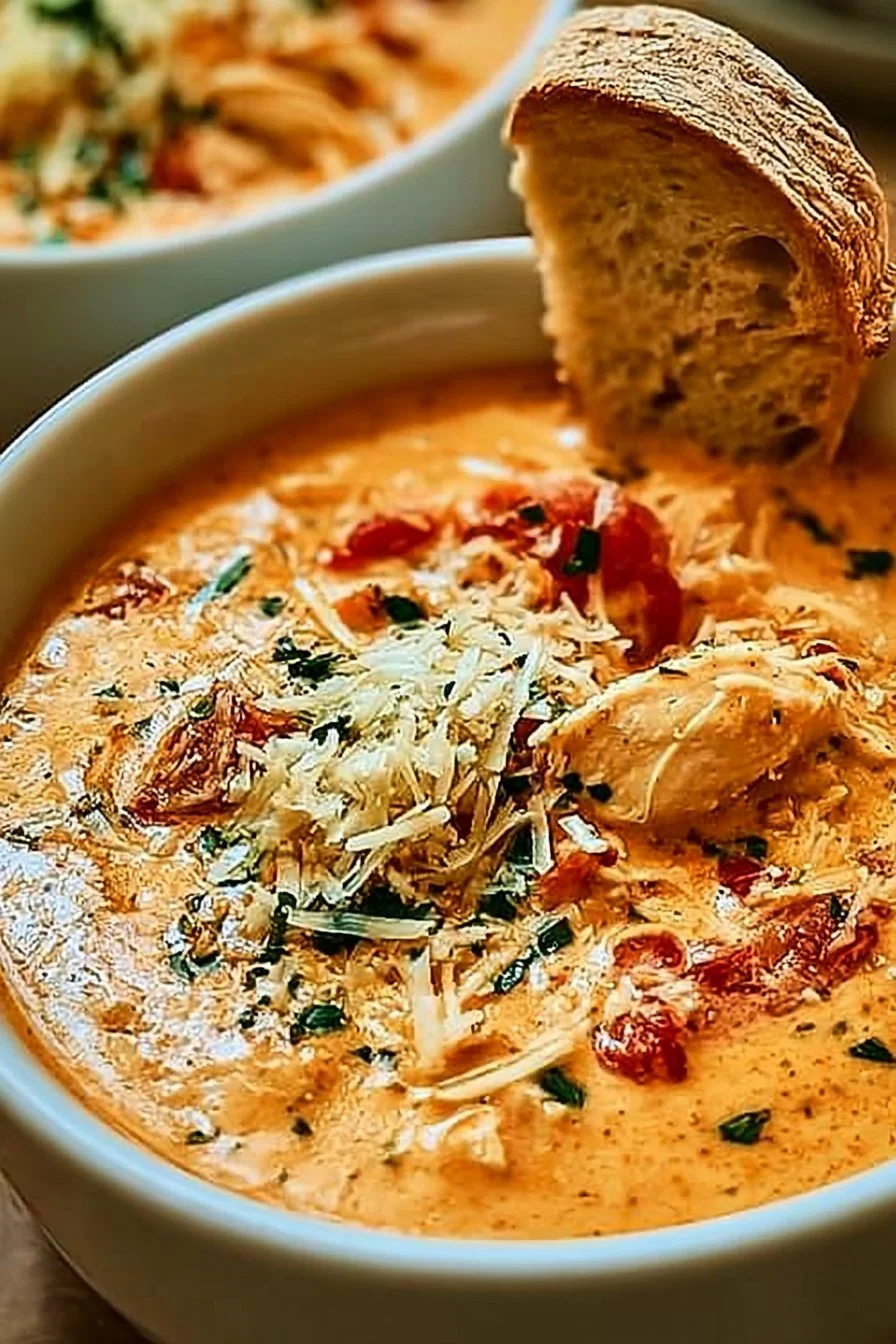
Chicken tomato soup creamy | Tomato chicken soup recipes, Soup with chicken parmesan, Gift for soup lover
When it comes to comfort food, few dishes resonate as deeply as a steaming bowl of chicken tomato soup. This creamy concoction brings together tender chicken, vibrant tomatoes, and a blend of seasonings that create a warm embrace for your taste buds. The rich, silky texture of the soup, punctuated by the fresh brightness of herbs and spices, yields a delightful balance that is both soothing and satisfying. As the flavors meld together, the aroma fills your kitchen, beckoning family members and friends to gather around the table.
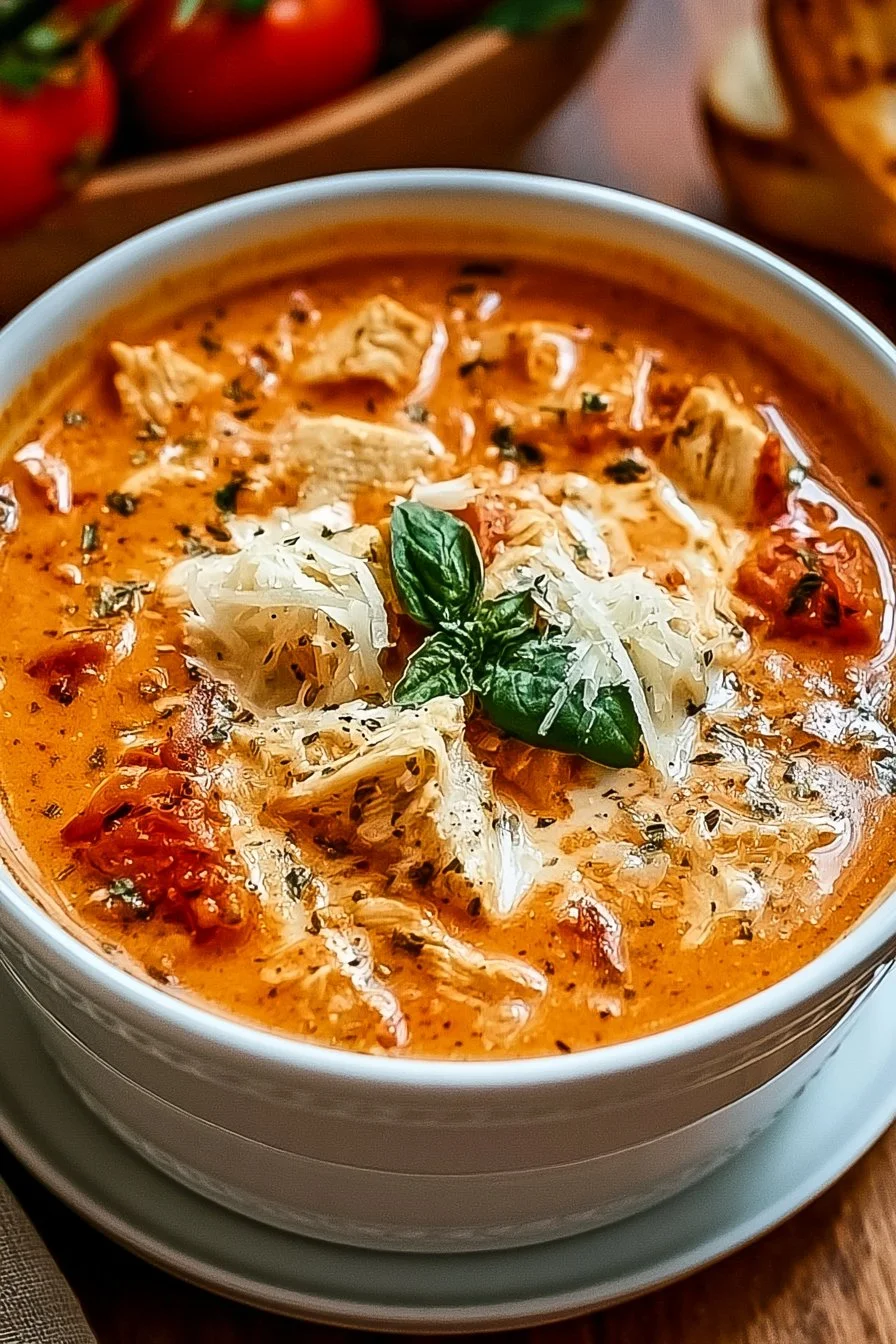
This dish is not just a simple soup; it’s an experience that transcends the ordinary. Each spoonful is a reminder of cozy evenings spent at home, or maybe a cherished family recipe passed down through generations. The bright red hue from the tomatoes contrasts beautifully against the creamy backdrop of the broth, making it as visually appealing as it is delicious. Whether you enjoy it on a chilly evening or as a flavorful lunch, this chicken tomato soup is sure to delight both young and old alike.
Ideal for family dinners, this dish can easily become the highlight of any meal. It fits well into busy weeknights with its straightforward preparation, yet it also shines as a star attraction for gatherings or holidays. It pairs wonderfully with crusty bread or grilled cheese sandwiches, rounding out a satisfying culinary experience.
As you delve into preparing this delightful recipe, be ready to impress those you serve. With its aromatic allure and creamy richness, this chicken tomato soup is not just a meal; it’s a heartfelt gift for soup lovers everywhere.
What Makes This Recipe Special
What sets this chicken tomato soup apart from others is its rich, creamy base that envelops the chicken and tomatoes in a warm, comforting embrace. The method of incorporating cream elevates it to a level that transforms a simple soup into a gourmet experience. The addition of herbs and spices balances the acidity of the tomatoes, allowing for a complex yet harmonious flavor profile.
Unlike other soups that may lean heavily on broth or stock, this recipe includes a luscious combination of chicken and tomatoes as central players. The interaction between the sweetness of the tomatoes and the savory notes of the chicken creates an extraordinary flavor dynamic. Additionally, the creaminess allows the soup to coat the back of a spoon elegantly, offering a smooth texture that invites you to take bite after satisfying bite.
In comparison to a classic chicken noodle soup, this recipe adds a layer of sophistication. It’s a delightful twist on a traditional favorite, perfect for both casual diners and those looking to indulge in something a bit special. The creamy element can be adjusted to taste, allowing for variations that suit different preferences.
Readers will enjoy this particular recipe because it strikes a balance between comfort and elegance, combining accessibility with the kind of flavors that leave a lasting impression. For those who often turn to uncomplicated, hearty meals, this soup will surely become a favorite, providing both warmth and a touch of gourmet flair.
Ingredient Overview and Helpful Notes
When preparing chicken tomato soup, each ingredient plays a vital role in crafting the final dish’s flavor and texture. The main ingredients include chicken, tomatoes, cream, and an array of spices that all work together to create that mouthwatering experience.
Starting with the chicken, it’s essential to select quality cuts. Skinless, boneless chicken breasts work well as they cook quickly and absorb flavors effectively. Alternatively, thighs could be utilized for a richer taste due to their higher fat content, which can contribute to the creaminess of the final dish.
The tomatoes, whether fresh or canned, are the stars of this recipe. If you opt for fresh tomatoes, select ripe, juicy varieties, as they’ll yield the best flavor. For convenience, canned tomatoes can be a great shortcut; look for whole or diced tomatoes that are free from additives and preservatives for a cleaner taste.
Cream is the final component that brings this soup together. Heavy cream provides a luscious mouthfeel, but if you prefer a lighter option, you could use half-and-half or even a non-dairy alternative. If opting for non-dairy options, coconut cream or cashew cream can work well but may impart different flavor notes.
Before beginning, it’s advantageous to prepare your ingredients by chopping the chicken and vegetables beforehand for a smoother cooking process. Ensure that all ingredients are measured and ready to go to streamline your cooking session.
The combination of these ingredients creates a perfect harmony, and changing even one can significantly impact the final dish. Hence, if you desire to stick authentically to this recipe, maintain the original selection to enjoy the intended flavor and richness.
Nutrition & Recipe Details
Nutritional values may vary depending on ingredients, brands, portion sizes, and preparation methods. Below is a general estimate of the nutrition information for this chicken tomato soup.
| Item | Value |
|---|---|
| Prep time | 15 minutes |
| Cook time | 30 minutes |
| Store time | 3-4 days |
| Calories | 350 per serving |
| Protein | 25 grams |
| Carbohydrates | 30 grams |
| Fat | 15 grams |
How to Make Chicken Tomato Soup Creamy
Creating a creamy chicken tomato soup doesn’t have to be an arduous task. With a simple recipe, you’ll find the experience rewarding and fulfilling. Start by gathering your ingredients and having a sharp knife, cutting board, and a large pot or Dutch oven ready. This setup allows for an organized cooking process where you can focus on executing each step perfectly.
Preparation is key. First, ensure all ingredients are washed, chopped, and ready to use. If you’re using raw chicken, consider cutting it into bite-sized pieces. Wash any vegetables you plan to use thoroughly, and if using canned tomatoes, be sure to have a can opener handy. Having your ingredients prepped before you start cooking will streamline your process, making it easier to follow along without unnecessary interruptions.
Once your ingredients are organized, the cooking begins. Start with the sautéing of the chicken to develop its flavor fully before adding in other ingredients. This method ensures that the chicken remains tender and properly seasoned with the other flavors that will gradually coax out the full potential of each component.
Ingredients
| Ingredient | Quantity |
|---|---|
| Chicken breast | 1 lb |
| Tomatoes (canned or fresh) | 28 oz |
| Heavy cream | 1 cup |
| Onion | 1 medium, chopped |
| Garlic | 3 cloves, minced |
| Chicken broth | 4 cups |
| Italian seasoning | 1 tsp |
| Salt | to taste |
| Pepper | to taste |
| Fresh basil (for garnish) | optional |
Preparation is key in making this soup. Start by preparing the chicken: clean and cut it into bite-sized pieces. Next, chop the onion and garlic, and if you’re using fresh tomatoes, wash and chop them as well. If using canned tomatoes, have them ready to go with the can opener. Keep your heavy cream and chicken broth within easy reach to avoid pauses mid-cooking. Proper organization will keep your cooking session flowing smoothly, allowing you to savor each step.
Step-by-Step Instructions
-
Sauté the Aromatics: Start by heating up a tablespoon of olive oil in a large pot or Dutch oven over medium heat. Once the oil is shimmering, add the chopped onion and sauté for about 5-7 minutes, or until it becomes translucent and fragrant. Stir in the minced garlic and continue to sauté for another minute, ensuring the garlic doesn’t burn.
-
Cook the Chicken: Next, add the bite-sized pieces of chicken to the pot. Season them with salt, pepper, and Italian seasoning. Sauté the chicken until it’s no longer pink, about 5-6 minutes. The goal is to develop a beautiful sear, which adds depth to the overall flavor.
-
Incorporate the Tomatoes: Once the chicken is cooked through, add in your tomatoes (canned or fresh) along with the chicken broth. If you’re using canned tomatoes, be sure to include their juices for added richness. Bring the mixture to a simmer, stirring occasionally.
-
Simmer the Soup: Allow the soup to simmer for about 15-20 minutes. This step is crucial as it allows the flavors to meld together beautifully, creating a harmonious broth. Taste the soup during this time and adjust the seasonings with salt and pepper as desired.
-
Make it Creamy: After simmering, reduce the heat to low, and slowly stir in the heavy cream. Allow the soup to cook for just a few more minutes; this will warm the cream without boiling it, preserving its texture. At this point, you can also check the consistency. If you prefer it creamier, feel free to add more cream to taste.
-
Garnish and Serve: Once everything is well combined, remove the soup from heat and let it cool slightly before serving. If you wish to garnish, add a sprinkle of fresh basil on top for a pop of color and added flavor. Serve the soup hot, alongside crusty bread or a fresh salad for a complete meal.
Understanding the Flavor and Texture
Upon finishing the cooking process, you can expect a beautifully balanced flavor profile that features robust chicken, the sweetness and acidity of tomatoes, and the luscious creaminess that rounds it all out. The tomatoes provide not just brightness but also a subtle tang that cuts through the richness of the cream, ensuring no one flavor dominates the palate.
As for the texture, this chicken tomato soup should be creamy without being overly thick. The chicken should be tender and easily shredded with a fork, integrating seamlessly into the soup. The broth should have a silky mouthfeel from the cream, making each spoonful a delight to savor. You can also expect flecks of color from the tomatoes, along with any fresh herbs added at the end, enhancing the visual appeal.
Cooking techniques such as properly sautéing the onion and garlic add layers of flavor. It’s important to recognize the signs of doneness in each ingredient. For instance, the chicken should be opaque and tender, while the tomatoes should break down slightly, contributing to the overall richness of the broth.
In short, a successful chicken tomato soup is a symphony of flavor, where every ingredient has its moment to shine. The interaction of textures and flavors is crucial to achieving a delicious and satisfying dish.
Pro Tips
While preparing chicken tomato soup, small techniques can significantly improve the result. Here are some pro tips to enhance your cooking experience.
| Tip | Description |
|---|---|
| Use quality tomatoes | Whether using fresh or canned, high-quality tomatoes will yield a more flavorful soup. Look for ripe tomatoes or premium brands of canned tomatoes without additives. |
| Adjust seasoning wisely | Seasoning should be adjusted multiple times during the cooking process to ensure flavor develops fully. Taste continuously, especially after adding the cream. |
| Consider the garnish | A garnish of fresh basil or a drizzle of olive oil can elevate the dish visually and enhance flavors. Don’t overlook this step for a restaurant-esque presentation. |
| Serve with accompaniments | Pairing your soup with a side, such as crusty bread or a light salad, can enhance the meal’s overall satisfaction. Complement flavors that echo those in the soup. |
These tips are small yet impactful, showing that thoughtful preparation and presentation can dramatically improve your dish. Embrace the process of tasting and adjusting, and don’t be afraid to get creative with presentations or pairings.
Why You’ll Love This Recipe
Chicken tomato soup is cherished for its comforting warmth and flavor, making it a beloved choice for many. What makes this recipe particularly appealing is its creamy texture that elevates it from traditional soup to something delightful and rich.
The simplicity in preparation makes it suitable for all skill levels, making it an excellent choice for novice cooks just starting their culinary adventures. Even experienced individuals can appreciate the straightforward steps that yield impressive results without overwhelming complexity.
Additionally, this recipe’s versatility means it can be served any day of the week, suitable for both cozy weeknights and festive gatherings. The accessibility of ingredients also means you don’t have to venture far to procure the necessities, encouraging frequent attempts at perfecting the dish.
Finally, whether you’re sharing it at a dinner with family or packing it for a lunch at work, this chicken tomato soup holds its charm. Its ability to be made ahead adds to its appeal, allowing you to bring a special comfort to your meals without last-minute stress.
How to Serve Chicken Tomato Soup Creamy
When it comes to serving chicken tomato soup, the presentation can enhance its appeal significantly. Consider ladling the soup into vibrant bowls that contrast with the soft tones of the soup. A drizzle of olive oil or a sprinkle of cracked black pepper on top can give an added touch of elegance. If you’ve garnished with fresh basil, the bright green will pop beautifully against the warm red of the soup.
For side dishes, bread is an excellent companion. Whether it’s crusty artisan bread, toasted baguettes, or buttery grilled cheese sandwiches, the combination works harmoniously together. A light salad with a tangy vinaigrette can also provide a refreshing contrast to the creamy soup.
If you’re serving guests, consider a family-style presentation where everyone can serve themselves from a communal pot. This invites a sense of togetherness and allows individuals to customize their portions based on personal preferences.
Lastly, when it comes to beverages, a crisp white wine or a light sparkling water with a hint of lemon complements the dish beautifully. If you’re serving this on a chilly day, hot tea or warm apple cider could enhance the comforting experience even more.
How to Store Chicken Tomato Soup
Storing chicken tomato soup correctly is essential to maintain its flavors and texture. After cooking, allow the soup to cool down to room temperature before transferring it to airtight containers.
When refrigerating, your soup should stay fresh for 3 to 4 days. Ensure it is divided into smaller portions, as this will speed up the cooling process and help maintain quality. If you’re planning to keep it for longer, consider freezing it. Properly stored in a freezer-safe container, the soup can last for about 2 to 3 months.
Keep in mind, however, the texture might change slightly upon thawing. The creaminess can sometimes break when frozen, so it’s best to add fresh cream upon reheating for optimal results. Storing soup in smaller portions allows for easy reheating without waste and prevents unnecessary texture changes.
When reheating, do so gently over low to medium heat on the stove, stirring continuously to create an even consistency. However, avoid bringing the soup back to a full boil, as this can further alter its creaminess.
Tips to Make Chicken Tomato Soup Creamy
To achieve a velvety texture in your chicken tomato soup, consider these practical tips:
One key factor in cooking is the proper management of heat. Start on medium heat for sautéing and then reduce it when adding cream, as high heat can cause it to curdle. Cooking the soup on a gentle simmer rather than a rapid boil helps maintain its creamy nature.
Seasoning your dish appropriately throughout the cooking process is vital. Add salt and pepper after each significant ingredient addition, allowing the flavors to build as you go. Tasting and adjusting frequently guarantees the end product is perfectly balanced.
Pay attention to the cooking times. Overcooking the soup can lead to mushy vegetables and dried-out chicken, while undercooking can leave your soup too raw. Aim for just right by observing visual and sensory cues – the chicken should be tender but not falling apart.
Lastly, don’t hesitate to incorporate fresh herbs toward the end of the cooking process. This practice preserves their vibrant flavor and aroma, providing a fresh burst that complements the creaminess of the soup.
Variations and Substitutions
This chicken tomato soup recipe can easily be adapted to suit various taste preferences and dietary requirements. For those looking for a vegetarian option, consider substituting the chicken with chickpeas or lentils, along with vegetable broth instead of chicken broth. This will maintain the heartiness of the dish while adding an earthiness that works beautifully with the tomatoes.
Spiciness can also be incorporated by adding diced jalapeños or red pepper flakes during the sautéing stage. This small change can bring a delightful kick that complements the creaminess of the soup, making it more exciting for those who prefer heat.
For a lighter version, you might replace heavy cream with coconut milk, which can lend a unique tropical flavor while still contributing to a creamy texture. Just be mindful of adjusting the seasoning, as the sweetness of coconut will modify the overall taste slightly.
Lastly, for a different twist, try adding vegetables such as spinach, kale, or bell peppers. These ingredients can introduce more nutrients while enhancing the texture and flavor profile. Incorporating fresh herbs like thyme or parsley rather than or alongside basil can provide additional layers of taste and freshness.
Storage and Reheating
Storing and reheating chicken tomato soup can be simple when done properly. To safely store leftovers, divide the soup into individual portions, allowing for quick access during meal times. Use airtight containers, as they will keep the soup fresh and minimize the risk of freezer burn if freezing.
When reheating, both the stove and microwave can be useful, depending on time constraints. To reheat on the stove, pour individual portions into a saucepan over low to medium heat, stirring regularly. This method allows for an even heat distribution and helps maintain the creamy consistency.
If using a microwave, place the soup in a microwave-safe container and cover it loosely. Heat in intervals, stirring in between, to avoid hot spots that may lead to uneven heating. Just remember that cream can separate if exposed to high heat too quickly.
If you find the soup’s texture has changed after storage, consider adding a little bit of fresh cream or broth during reheating to restore its creamy nature. This tip can help ensure an enjoyable consistency.
Customization Ideas
Customization is key to making chicken tomato soup uniquely yours. One easy way to adjust flavor profiles is by experimenting with different spices; for example, adding smoked paprika can provide a deeper, more complex flavor. Alternatively, a squeeze of lemon juice or a splash of balsamic vinegar can brighten the soup and enhance its overall taste.
Consider adjusting the level of creaminess based on personal preference. If you enjoy a lighter soup, reducing the amount of cream or substituting with a plant-based milk can provide a fresh take while still maintaining a delicious flavor.
You can also add toppings for added texture and flavor. Consider crispy fried onions or croutons to give a delightful crunch. Fresh herbs not only provide vibrant color but enhance flavor as well, making them an essential finish for a polished presentation.
Additionally, utilizing different types of tomatoes can affect the flavor. For a sweeter undertone, try using heirloom tomatoes or even a combination of varieties for depth and richness. Adjusting the cooking time for fresh tomatoes to allow for proper breakdown can further enhance their contribution to the soup.
Common Mistakes to Avoid
Understanding common pitfalls can greatly enhance your cooking experience. Here are five mistakes to watch out for:
-
Using Low-Quality Ingredients: This can lead to bland or off flavors. Always opt for fresh, high-quality produce, proteins, and dairy to enhance your soup’s overall taste.
-
Skipping the Flavor Development: Many new cooks might rush through the sauté phase. Taking your time to properly sauté aromatics builds depth early on, which is crucial for a layered flavor.
-
Overcooking the Chicken: Overcooked chicken can become dry and rubbery. Ensure you monitor the cooking process closely and remove the chicken from heat once it reaches the right tenderness.
-
Not Tasting While Cooking: It’s important to taste your food at different stages of cooking. This will allow you to adjust the flavor before the soup is finished, rather than at the end when options for correction are limited.
-
Ignoring Texture Consistency: Texture is key in soups, so be cautious not to allow ingredients to overcook or become too mushy. Pay attention to visual and tactile cues for doneness.
Avoiding these mistakes will lead you to a richer, more satisfying soup while allowing for an enjoyable cooking experience.
Serving Occasions
Chicken tomato soup is a versatile dish ideal for various occasions. It’s perfect for busy weeknights when you’re seeking a comforting yet nutritious meal. Its preparation simplicity can make it come together quickly, providing warmth and nourishment in under an hour.
For family gatherings or casual dinner parties, this soup can serve as a starter or a main course. Its creamy richness pairs beautifully with a simple side of salad or artisanal bread, making it a welcome addition to any dining table. Moreover, it’s an excellent dish for potlucks, where guests appreciate hearty, homemade comfort food that pleases both kids and adults alike.
During the cooler months, when the weather turns chilly, there’s nothing quite like a steaming bowl of soup to warm the soul. It can also be featured as part of holiday meals, particularly around Thanksgiving or winter gatherings, where its richness complements celebratory feasts.
Why Make This Recipe?
Choosing this recipe for chicken tomato soup could become a staple in your cooking repertoire for several reasons. The harmonious blend of flavors, with the creaminess of the base and the delightful interplay of savory chicken and sweet tomatoes, offers a uniquely pleasing taste experience that makes each bowl something to cherish.
The straightforward preparation allows it to fit seamlessly into your busy routine without sacrificing quality or taste. It’s an ideal dish for weeknight dinners, yet versatile enough for celebratory occasions. Furthermore, the nutritional benefits from the chicken and tomatoes promote a satisfying meal that can help you feel fulfilled.
Incorporating this recipe into your culinary routine means you can enjoy the comfort and nostalgia of homemade meals, all while impressing friends and family with its depth of flavor. The experience of serving and consuming this chicken tomato soup is sure to cultivate cherished memories.
Make-Ahead Preparation
This chicken tomato soup is well-suited for make-ahead preparations. Many of the ingredients can be prepped in advance, saving time on your busy cooking days. For instance, you can chop vegetables and store them in airtight containers a day or two in advance to streamline the cooking process.
The soup itself is excellent for batch cooking; you can make a large portion and store leftovers to enjoy later in the week. If making ahead, consider not adding the cream until right before serving. This way, you preserve the freshness and texture of the soup.
Warm up whatever portion you wish to enjoy for a meal, adding homemade cream just before serving. This ensures optimal creaminess without compromising the integrity of the soup after refrigeration.
Equipment and Kitchen Preparation
Having the right equipment can make the cooking process more enjoyable and efficient. For this recipe, a heavy-bottomed pot, such as a Dutch oven, is ideal for even heat distribution while sautéing and simmering. A sharp knife and cutting board are essential for preparing your vegetables and chicken properly.
It’s also beneficial to have measuring cups and spoons available for precise ingredient quantities, particularly when working with spices and liquids. A set of mixing spoons or spatulas facilitates stirring without scratching your pot, ensuring you get every bit of flavor out of your ingredients.
Before beginning to cook, organize your workstation by cleaning and chopping all ingredients ahead of time. This setup allows for a smoother cooking flow, enhances efficiency, and minimizes mess while providing a clear visual representation of what you have prepared for the dish.
FAQs
-
Can I use frozen chicken for this recipe?
Yes, you can use frozen chicken. However, ensure it is fully thawed before cooking to achieve even cooking throughout. -
Is it possible to make this soup dairy-free?
Absolutely! You can substitute heavy cream with coconut milk or a nut-based cream to achieve a similar creamy texture while keeping it dairy-free. -
What kind of tomatoes should I use?
You can use fresh ripe tomatoes or canned tomatoes (preferably whole, diced, or crushed) that are free from additives. Both options work well; just ensure they are of high quality for the best flavor. -
Can I add vegetables to this soup?
Certainly! Feel free to add other vegetables like carrots, celery, or spinach for added nutrition. Just be mindful of their cooking times to avoid mushiness. -
What should I do if the soup is too thick?
If your soup is too thick, simply add more chicken broth or water to achieve your desired consistency. Adjust the seasoning afterward, as adding liquid may dilute the flavors. -
How do I store leftovers?
Allow leftovers to cool completely before transferring them to airtight containers. Store them in the refrigerator for up to 4 days or freeze for up to 3 months. -
Can I double this recipe?
Yes, this recipe can easily be doubled. Just ensure you have a pot large enough to accommodate the increased volume, and adjust cooking times accordingly. -
How do I reheat the soup?
To reheat, use low to medium heat on the stove, stirring regularly. Alternatively, microwave in intervals, stirring in between to ensure even heating.
Disclaimer
Nutritional information is approximate and may vary based on ingredient brands, substitutions, portion sizes, and preparation methods.