
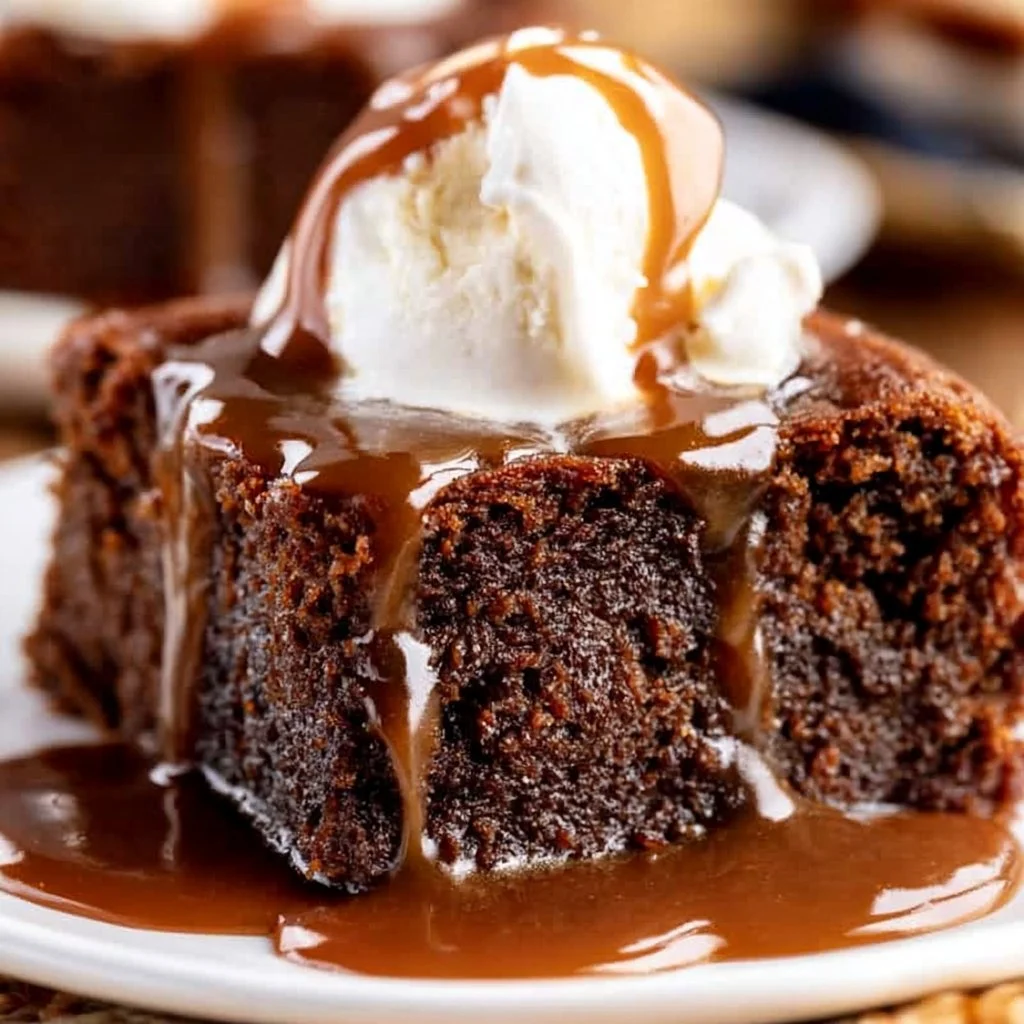
Gingerbread
Gingerbread is more than just a dessert; it’s a delightful blend of warm spices, rich molasses, and inviting aromas that can transport you right into the heart of a cozy holiday gathering. This beloved treat carries with it a history that spans centuries, weaving its way into many cultures, particularly during festive seasons. As you nibble on gingerbread, you can expect a soft, moist texture paired with a sweet, spiced flavor that dances on your palate.
The key ingredients in gingerbread—like ginger, cinnamon, and cloves—contribute to its signature warmth and depth of flavor. The addition of molasses not only enhances sweetness but also gives the cake its characteristic dark hue and a hint of bitterness that balances the sugar. When baked, gingerbread develops a beautiful caramelization on the edges, often accompanied by a slight crispness, while remaining soft inside.
This versatile treat is perfect for various occasions, whether it’s a festive family gathering, a holiday party, or even a simple snack with a cup of tea. Whether you’re decorating gingerbread men or serving it as a simple cake with a dollop of whipped cream, this classic recipe will surely bring warmth and cheer to your table.
What Makes This Recipe Special
What sets this particular gingerbread recipe apart is its balanced use of spice and sweetness, which creates a rich tapestry of flavor. It combines key ingredients in such a way that the warmth of the ginger and the sweetness of the molasses do not overshadow one another. Instead, they coexist harmoniously, providing a well-rounded taste that’s perfect for a variety of palates. This recipe emphasizes the importance of using fresh spices to enhance the overall flavor profile, making a noticeable difference compared to recipes that rely on older, less aromatic ingredients.
In comparison to other spiced cakes or holiday desserts, this gingerbread stands out due to its unique texture. While many cakes are light and airy, gingerbread boasts a denser consistency that holds up perfectly under various toppings or accompaniments—from rich butterscotch sauce to a light drizzle of icing. The texture also allows for easy slicing and decoration, perfect for family fun during the holidays.
Moreover, this gingerbread can be served in various forms, whether as a traditional loaf, cut into fun shapes, or transformed into an elaborate gingerbread house. Its versatility, combined with the inviting aroma that fills your kitchen as it bakes, truly encapsulates the essence of holiday baking. Furthermore, it’s a recipe that invites creativity, allowing you to add your spin while still retaining the original flavors that gingerbread enthusiasts adore.
Ingredient Overview and Helpful Notes
Understanding the ingredients in this gingerbread recipe can greatly enhance your baking experience. Starting with all-purpose flour, it provides the structure needed for the cake. It is best to use a good quality flour; look for one that has a protein content of about 10-12%, as this helps give the cake its necessary stability without making it too dense.
Next is baking soda, which serves as the leavening agent. Rather than traditional baking powder, the use of baking soda is essential in this recipe due to the acidity of the molasses, which helps create a beautiful rise in the finished product. It’s crucial to ensure that baking soda is fresh for the best results, as expired baking soda may not provide the needed lift.
The spices used include ground ginger, cinnamon, and cloves. Each contributes distinct flavors; ginger adds warmth, cinnamon brings sweetness and earthiness, and cloves introduce a slightly more complex, aromatic profile. For the freshest taste, consider sourcing your spices from a reputable store that has a high turnover, ensuring they remain potent.
Another vital ingredient is unsalted butter, which brings richness and moisture to the cake. Using unsalted butter allows you to control the level of salt in the recipe, which is particularly important with spiced desserts. Make sure the butter is softened at room temperature, as this helps achieve a light and fluffy texture when creamed with the sugar.
Brown sugar adds not only sweetness but also depth of flavor due to its molasses content. Light brown sugar will yield a milder sweetness, while dark brown sugar will enhance the richness and moisture. Lastly, the molasses itself is integral for both flavor and moisture—preferably select a robust variety for a more pronounced sweetness.
Eggs act as binders, helping to keep the batter together while also providing additional moisture. When preparing your ingredients, make sure the eggs are at room temperature for easier mixing. Finally, water is added to adjust the batter’s consistency, ensuring that it’s pourable and smooth.
It’s essential to measure all ingredients accurately; oddly, even slight differences can significantly alter the texture and flavor of your gingerbread. Browning and caramelization play a key role in the final appearance and taste, so keeping an eye on the baking time is crucial.
Nutrition & Recipe Details
Nutritional values for this recipe can vary depending on the substitutions and brands of ingredients used. Below is a summary of the basic nutritional content for this gingerbread recipe:
| Item | Value |
|---|---|
| Prep time | 20 minutes |
| Cook time | 40 minutes |
| Store time | 3-5 days |
| Calories | 250 per serving (approx.) |
| Protein | 3g |
| Carbohydrates | 38g |
| Fat | 10g |
Nutritional content will vary based on how the recipe is modified or served, but this gives a good baseline for understanding what to expect when enjoying your freshly baked gingerbread.
How to Make Gingerbread
Making gingerbread is a straightforward yet rewarding process that fills your kitchen with delightful aromas. To start, preheating your oven to the perfect temperature is essential to achieve a nicely baked cake. A consistent temperature ensures the spices bloom properly during the baking process.
Preparing your ingredients is equally important. Gather your items so you can easily access them, which will streamline the cooking process. For this recipe, you will need a good-quality mixing bowl, measuring cups, and spoons, and a whisk or electric mixer for optimal results. A 9×13 inch baking pan, greased and floured, is ideal for achieving even baking.
Ingredients
| Ingredient | Quantity |
|---|---|
| All-purpose flour | 2 cups |
| Baking soda | 1 teaspoon |
| Ground ginger | 1 teaspoon |
| Ground cinnamon | 1 teaspoon |
| Ground cloves | 1/2 teaspoon |
| Salt | 1/2 teaspoon |
| Unsalted butter | 3/4 cup |
| Brown sugar | 1 cup |
| Molasses | 1 cup |
| Water | 1/2 cup |
| Eggs | 2 large |
Having your ingredients measured and ready will make the mixing process easier. Begin by whisking together the flour, baking soda, ginger, cinnamon, cloves, and salt in a separate bowl. This ensures even distribution of the dry ingredients. In another bowl, cream together the softened butter and brown sugar until it becomes light and fluffy, a crucial step for incorporating air into the mixture.
Step-by-Step Instructions
-
Preheat your oven to 350°F (175°C). This step sets the stage for perfectly baked gingerbread. Ensure the oven reaches the desired temperature before placing the batter inside.
-
Grease and flour a 9×13 inch baking pan. Greasing allows the gingerbread to easily release after baking, while dusting with flour ensures it does not stick.
-
In a bowl, whisk together the all-purpose flour, baking soda, ground ginger, ground cinnamon, ground cloves, and salt until fully blended. This step is vital to ensure that your spices are evenly distributed throughout the mixture.
-
In a separate large bowl, cream together the softened unsalted butter and brown sugar until light and fluffy. This should take about 3-5 minutes with an electric mixer. You’re looking for a pale, airy mixture that will help to create a light texture in the finished gingerbread.
-
Add in the molasses and eggs, mixing until well combined. The molasses should integrate smoothly without any lumps. The eggs provide moisture and richness to the batter, contributing to a tender crumb.
-
Gradually stir in the dry ingredients, alternating with water, until the batter is smooth. This gradual addition helps prevent clumping and allows the flour to hydrate fully, resulting in a better texture.
-
Pour the batter into the prepared pan and bake for about 35-40 minutes, or until a toothpick inserted in the center comes out clean. Baking times can vary, so keep an eye on it toward the end; the cake will be done when it lightly springs back to the touch.
-
Let it cool slightly before serving. Serve warm with decadent butterscotch sauce and whipped cream for an extra special touch.
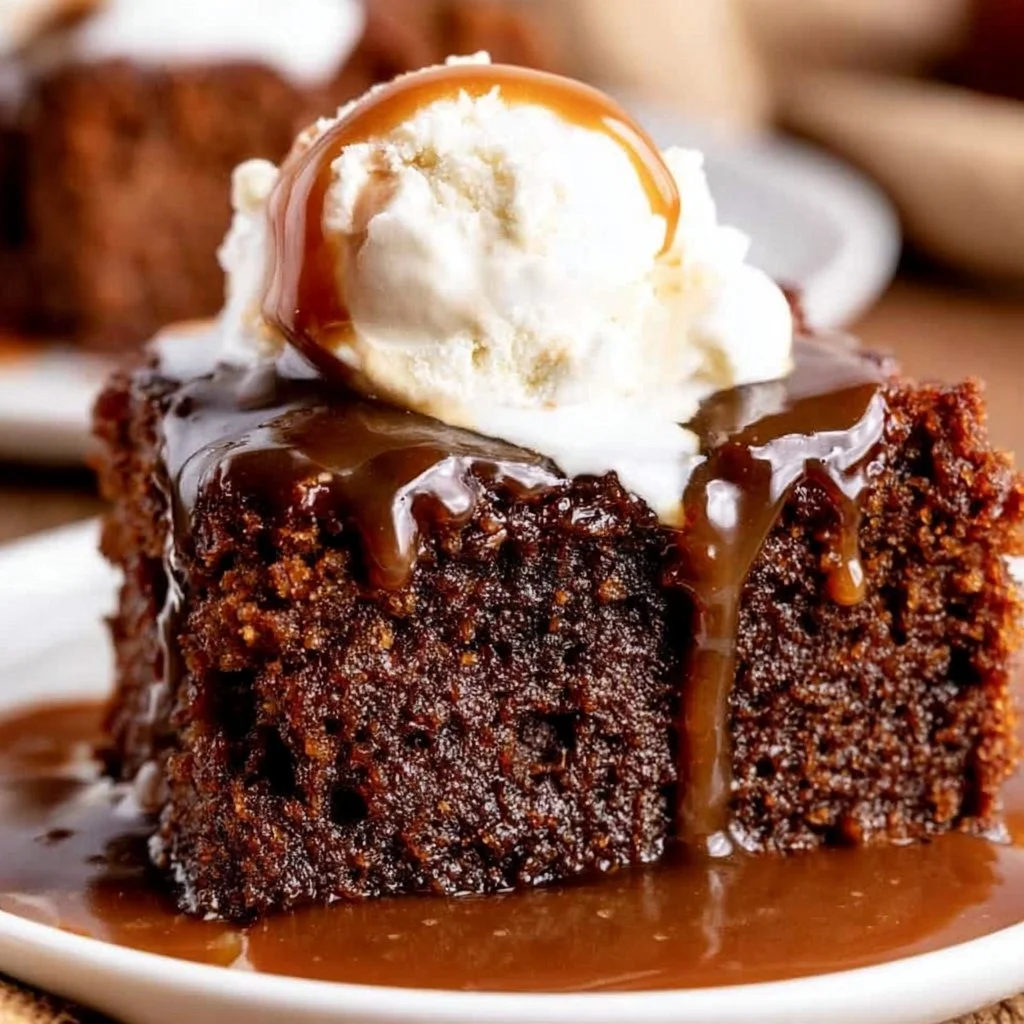
Understanding the Flavor and Texture
The final gingerbread is an inviting mixture of flavors and textures that will delight your taste buds. The robust sweetness from the molasses pairs beautifully with the warm spices, creating a layered flavor profile that is both comforting and satisfying. The texture is a testament to the careful blending of ingredients; it features a soft, cake-like structure with crisp edges due to the caramelization that occurs during baking.
A successful gingerbread should have a moist interior that holds together without crumbling, while the edges provide a slight crispness that contrasts nicely with the soft center. When done right, the gingerbread will also have a lovely golden-brown color, indicative of the caramel development. Upon cooling, it maintains its integrity, allowing for easy slicing and serving.
Additionally, the aroma released while baking signals that your treat is nearly ready. A fragrant blend of spice will fill your kitchen, making it an irresistible temptation. Those familiar flavors and scents hint at holiday cheer, making it perfect for special occasions or an everyday treat.
Pro Tips
A few small techniques can significantly enhance your gingerbread results. Below are tips to elevate your baking experience:
| Tip | Description |
|---|---|
| Use Fresh Spices | For the best flavor, always opt for freshly ground spices. Over time, spices lose their potency, diminishing the cake’s overall rich flavor. |
| Room Temperature Ingredients | Ensure your butter and eggs are at room temperature before starting. This aids in proper emulsification and contributes to a lighter texture in your gingerbread. |
| Don’t Overmix | After adding the dry ingredients, mix just until combined to avoid overdeveloping the gluten, which can lead to a denser cake. |
| Check for Doneness | Use a toothpick to test for doneness; it should come out clean or with a few moist crumbs. This ensures the gingerbread is baked through without drying out. |
In addition to these tips, consider customizing your spices or adding extras like chopped nuts or dried fruit for added texture and flavor. Mixing in these small changes can make the recipe your own while still honoring the traditional elements.
Why You’ll Love This Recipe
This gingerbread recipe is not just about a delightful flavor; it’s also about the simplicity of preparation. With straightforward ingredients and methods, it’s an approachable recipe for both beginner and experienced bakers alike. The ease of mixing and baking makes it a suitable choice for family activities, and it can be enjoyed during any season, not just the holidays.
The potential for variances—like adjusting spices or toppings—adds to its charm. You can make it your own based on your preferences or what you have available at home. Whether you bake it as a loaf, cut it into fun shapes, or even turn it into an elaborate gingerbread house, the possibilities are endless.
Finally, the storage options are practical, allowing you to enjoy your gingerbread over several days. It retains flavor and moisture, making it excellent for enjoying during busy weekdays or for unexpectedly late-night cravings. Once you whip up this recipe, it likely will become a favorite that you return to often.
How to Serve Gingerbread
Serving gingerbread is an opportunity to get creative while retaining its core flavors. It can be enjoyed warm straight from the oven—perfect with a dollop of whipped cream or a drizzle of butterscotch sauce to enhance its sweetness. Just picture a slice of warm gingerbread topped with a generous swirl of whipped cream, inviting and alluring.
For an even more festive touch, consider garnishing it with a sprinkle of crushed peppermint or candied ginger. Pair your gingerbread with a cup of spiced tea or hot chocolate for a cozy dessert experience that complements the warm spices beautifully. This makes it a perfect offering during gatherings or holiday events.
You could also serve gingerbread as part of a dessert board, with assorted toppings, including chocolate chips, various sauces, or even a side of fresh fruit to cut through the sweetness. This interactive serving style not only enhances the sensory experience but also allows everyone to personalize their slice according to their taste.
If it’s an event with loved ones, offer smaller slices for sharing so that guests can sample different toppings and accompaniments with each bite. Gingerbread can also be served alongside a light fruit salad or yogurt for a balance of flavors that cuts through its richness.
How to Store Gingerbread
Storing your gingerbread correctly will help maintain its flavorful goodness for several days. To do this, allow the gingerbread to cool completely on a wire rack once it comes out of the oven. This cooling process is essential to avoid condensation, which can lead to sogginess.
Once cooled, wrap the gingerbread tightly in plastic wrap or aluminum foil. Alternatively, you can place it in an airtight container. Proper wrapping therein guards against air exposure, preserving moisture and flavor. Store the wrapped gingerbread at room temperature for up to five days.
If you’d like to store it longer, consider freezing it. Slice the gingerbread into individual portions for easy access later, and wrap each piece tightly before placing them into a freezer-safe bag or container. It can be frozen for up to three months.
When you’re ready to enjoy your frozen gingerbread, allow it to thaw at room temperature or pop it in the microwave for a few seconds. The texture may slightly change after thawing but will still boast rich flavors. Be careful not to overheat, as this can dry it out.
Tips to Make Gingerbread
Improving your gingerbread-making skills can be an enjoyable practice as you refine the steps that yield the best results. One aspect to focus on is the mixing process; aim to combine ingredients just until they are incorporated to preserve the lightness in texture. Overmixing would result in denser bread, so handling the batter gently is crucial.
When measuring your flour, spoon it into your measuring cup and level it with a knife for accuracy. This prevents your gingerbread from becoming too dry, as scooping directly can compact the flour too much.
Another important factor is temperature management when baking. Make sure your oven maintains a steady 350°F (175°C). An oven thermometer can be a helpful tool to ensure accuracy in temperature. If you’ve baked in the oven previously, it may be worthwhile to check for hot spots that could lead to uneven baking.
Finally, keep an eye on the doneness indicator—the toothpick test. Insert the toothpick into the center toward the end of the baking time. Remember, perfectly baked gingerbread will not be dry; it should have a moist crumb, which means it’s best to err on the side of caution if it’s not fully done.
Variations and Substitutions
One of the beautiful aspects of gingerbread lies in its versatility, allowing for various adaptations to fit different dietary preferences or flavor combinations. For a healthier approach, consider reducing the sugar content slightly and replacing some of the all-purpose flour with whole wheat flour. This not only adds nuttiness but also boosts fiber content, making it a more wholesome choice.
In terms of flavor, alternate spices could be introduced to create a unique gingerbread experience. For instance, adding a pinch of cardamom or nutmeg would intensify the complexity of flavors. If you enjoy a spicier cake, feel free to increase the amount of ground ginger or cinnamon in the recipe.
For a gluten-free variant, swap out the all-purpose flour for a gluten-free flour blend. Most blends are designed to be a cup-for-cup substitution, simplifying the process. It should be noted that while gluten-free flour can work well, the texture may differ slightly.
Additionally, dairy-free options can be explored by substituting the unsalted butter with a plant-based alternative and using flax eggs instead of traditional eggs. This maintains a similar moisture level while accommodating those with lactose intolerance or vegan preferences.
Lastly, consider infusing fruity notes by adding pureed pumpkin or applesauce to the batter. This step increases moisture, adds natural sweetness, and creates a unique spin on traditional gingerbread while still hitting the hallmark flavors that make this dessert beloved.
Storage and Reheating
To store leftover gingerbread, first, slice it into portions for manageable storage. Using airtight containers or plastic wrap, portioning will help keep the pieces fresh longer. If confined to one large piece, it may lose moisture unevenly.
When reheating gingerbread, the method will depend on whether you want a quick fix or a more careful restoration. For quick reheating, the microwave works well; simply warm individual portions for about 10-15 seconds. This method gives a cozy warmth without dry edges.
For a more pleasurable experience, consider reheating in the oven. Preheat it to 350°F (175°C) and place the slices on a baking sheet for about 10-12 minutes or until warmed through. Optionally, you can cover the slice with a piece of foil to maintain moisture and warmth throughout the process.
To maintain the gingerbread’s delightful texture, avoid overcooking during reheating. For best results, keep an eye on it and dig in while it’s still pleasant and warm. This will ensure that the spices remain fragrant and the texture stays soft.
Customization Ideas
Customizing your gingerbread allows for personalization that can appeal to various taste buds and occasions. For flavor adjustments, think about integrating citrus zests—such as orange or lemon—to give your gingerbread a refreshing twist that complements the spiciness.
Experimenting with toppings can also change the dish’s appearance and taste. Consider a cream cheese frosting that cuts through the sweetness of the cake and adds an enjoyable tanginess. Alternatively, drizzling with warm caramel sauce or serving with ice cream can create an indulgent dessert option.
If you prefer a healthier aspect, mixing in nuts or seeds such as walnuts or pumpkin seeds enhances texture while providing added nutrients. This contrast not only tastes great but also promotes a crunch that balances the cake’s softness.
If the classic gingerbread structure is not your style, attempt to create muffins or cupcakes using a similar batter. This alternative serving format often attracts fussier eaters while keeping the original flavors intact. Feel free to sprinkle some coarse sugar on top before baking for an appealing sparkly surface!
Common Mistakes to Avoid
Baking can be tricky, and gingerbread is no exception. Here are some common pitfalls to consider:
-
Overmixing the Batter: Overmixing after adding flour can lead to a tough texture instead of the desired soft crumb. Mixing just until combined will help maintain a lightness.
-
Not Measuring Ingredients Correctly: Accurate ingredient measurements are crucial. Using an improper measuring technique can lead to a dry or dense loaf. Always level off measuring cups for flour and sugar.
-
Skipping the Cooling Step: Letting the gingerbread cool completely on a wire rack allows steam to escape, which prevents the dessert from becoming soggy. If you skip this step, your gingerbread may not have the ideal structure.
-
Ignoring Doneness Indicators: Relying solely on time rather than checking for readiness can result in removing the cake too early or baking it too long, leading to dryness. Always perform the toothpick test toward the end of the baking time.
-
Not Prepping the Pan Properly: Neglecting to grease and flour your baking pan can lead to a sticky mess when trying to remove the gingerbread after it’s baked. Properly preparing your pan will ensure easy release and a beautiful cake.
Serving Occasions
Gingerbread is wonderfully versatile, making it suitable for various occasions throughout the year. During the holiday season, it can take on a festive role, enjoyed at gatherings with family and friends. The warm spices and comforting flavors make it the perfect cozy dessert for chilly evenings.
Additionally, it pairs well with afternoon tea, providing a delightful accompaniment when you entertain. Its ease of slicing and portioning makes it ideal for potlucks, where guests can easily enjoy single servings.
During casual lunches or brunches, gingerbread can be served with a light spread of cream cheese or fruit preserves. It adds a sweet note to your meal without overwhelming the palate, allowing for delightful combination opportunities.
You may also find occasions around birthdays or celebrations where a decorated gingerbread cake could shine. It serves as an excellent centerpiece, especially when creatively shaped and elaborately adorned. The playful nature of gingerbread can appeal to guests of all ages, making it a beloved choice for any event.
Why Make This Recipe?
Choosing to make this gingerbread recipe instead of others can stem from its unique blend of flavors and adaptable nature. The warmth of ginger and the sweetness of molasses come together seamlessly, creating a perfect balance that’s hard to resist.
Additionally, the recipe’s simplicity invites every home cook, regardless of skill level, to jump in and experience the joy of baking. Its relatively straightforward process allows for successful outcomes without the intimidation that can accompany more complex desserts.
Another significant reason to incorporate this recipe into your repertoire is its versatility. Whether served plain, with sauces, or in a more elaborate presentation, gingerbread holds the potential to adapt to various occasions, making it a go-to treat year-round.
Lastly, the nostalgia associated with gingerbread—it evokes memories of winter holidays and festive gatherings—offers a unique emotional connection. It’s a recipe that not only fills the stomach but also warms the heart, making it worthy of a regular place in your cooking rotation.
Make-Ahead Preparation
To maximize efficiency in your gingerbread-making, consider completing several steps in advance. You can measure and mix the dry ingredients the day before, storing them in an airtight container. This shortcut can save time on baking day, allowing quicker assembly.
If desired, you may also bake the gingerbread in advance. Once cooled completely, wrap it tightly and store it in the refrigerator for 2-3 days to retain its freshness. This option is perfect for busy schedules and helps manage time when preparing for gatherings.
For longer-term planning, freezing the gingerbread is an excellent option. After baking and cooling, slice it and wrap individual portions for quick access even months later. This way, you can pull out just what you need for sudden cravings or surprise guests.
While make-ahead steps can save time, it’s essential to remember that the texture might slightly vary when thawed. Be sure to warm frozen pieces carefully in the oven or microwave, ensuring they maintain their wonderful flavor and moisture.
Equipment and Kitchen Preparation
To make gingerbread, a few essential kitchen tools will streamline the process. First, you’ll need a reliable mixing bowl—preferably stainless steel or glass—as these materials hold up well against acidic ingredients like molasses. A whisk or electric mixer is recommended for blending the butter and sugar, as it ensures they become light and fluffy effectively.
A set of good-quality measuring cups and spoons will help achieve accuracy when measuring both dry and wet ingredients, critical for the recipe’s success. Additionally, a spatula is vital for scraping the bowl clean, ensuring no batter gets left behind.
For baking, a 9×13 inch pan is ideal and can provide an even bake for your gingerbread. Finally, a wire rack for cooling is invaluable, as it helps prevent moisture buildup on the bottom of the cake, maintaining the sought-after texture.
When preparing your kitchen, it’s wise to organize your ingredients and equipment before you begin. This approach prevents any last-minute scrambling and enhances the overall baking experience, enabling you to focus on the delicious results.
FAQs
-
Can I use whole wheat flour instead of all-purpose flour?
Yes, you can use whole wheat flour in place of all-purpose flour, but it may create a denser texture. You can also try a blend of both for a balance of flavor and nutrition. -
How should I store leftover gingerbread?
Once cooled, wrap the leftover gingerbread in plastic wrap or keep it in an airtight container. Proper storage will keep it fresh for up to five days at room temperature. -
Can I freeze gingerbread?
Yes, gingerbread freezes beautifully. Slice it into portions, wrap each piece well, and store in the freezer for up to three months. Thaw by leaving it at room temperature or warming it in the microwave. -
How do I know when my gingerbread is done baking?
The best way to test for doneness is by inserting a toothpick into the center. If it comes out clean or with a few moist crumbs, the gingerbread is done. -
Can I modify the spices in the recipe?
Absolutely! You can adjust the spices to your liking or experiment with additional flavors such as nutmeg or cardamom for a unique twist. -
Is there a dairy-free option for this recipe?
Yes, you can substitute unsalted butter with a dairy-free alternative and use flax eggs instead of regular eggs, maintaining the ingredient ratios as they are. -
How can I enhance the flavor of my gingerbread?
Consider adding zests of citrus fruits like orange or lemon for a refreshing twist, or infuse the batter with chopped nuts or dried fruits for added texture. -
What should I serve with gingerbread?
Gingerbread pairs fantastically with whipped cream, butterscotch sauce, ice cream, or fresh fruit. It’s also delightful on its own, showcasing the lovely warm spices.
Disclaimer
Nutritional information provided is approximate and may vary based on ingredient brands, substitutions, portion sizes, and preparation methods.