
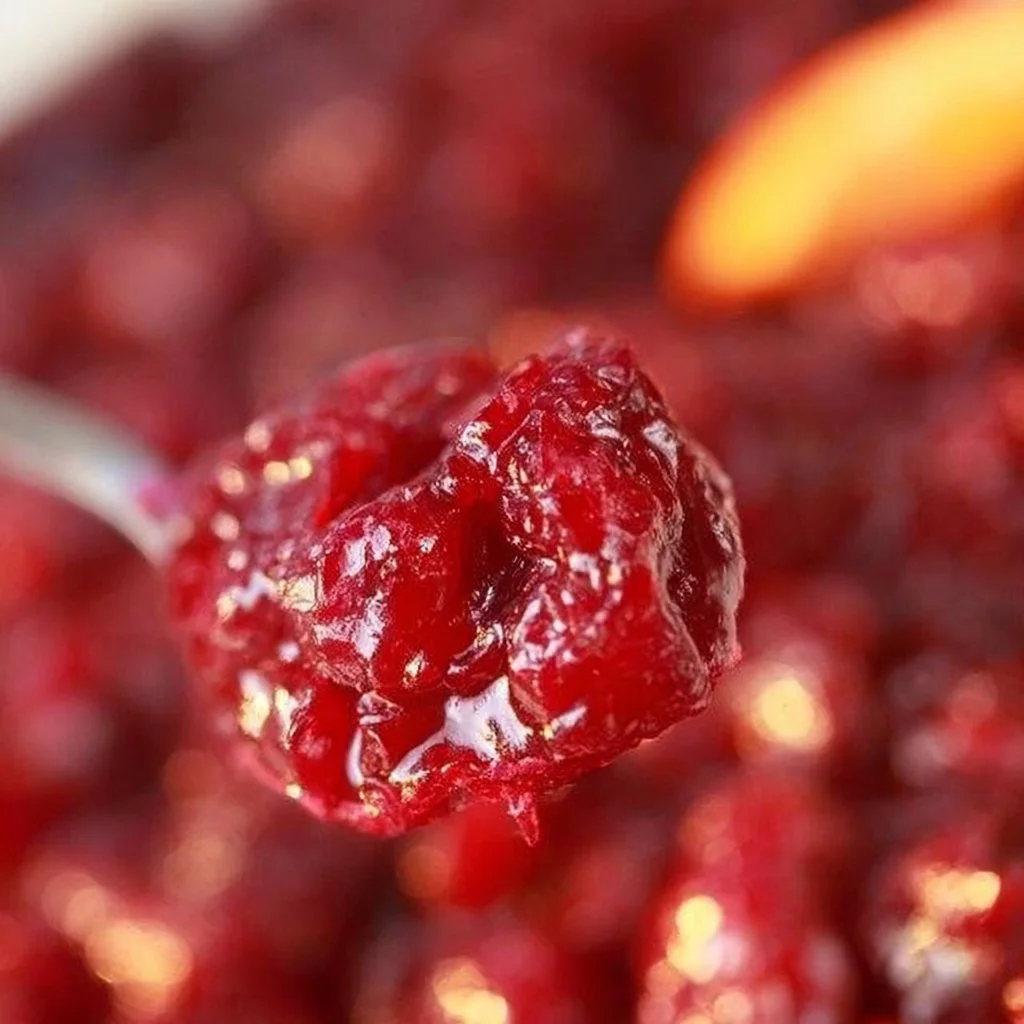
Cranberry Sauce
Cranberry sauce is a staple condiment, particularly during the fall and winter months, evoking feelings of warmth and festivity. Its vibrant ruby-red color and glossy texture invite a sense of indulgence, while its tart yet sweet flavor adds a delightful contrast to many savory dishes. Made primarily from fresh cranberries, sugar, and citrus, this sauce is easy to prepare and can play a significant role in elevating meals, making it an essential component of holiday feasts.
The flavor profile of cranberry sauce is characterized by its tartness, but it is often balanced out by the sweetness of sugar and the zesty brightness from orange juice and zest. The texture is typically chunky, thanks to the whole berries that burst during cooking, releasing their juices and thickening the mixture. When paired with turkey, ham, or even spread on toast, the tangy kick of cranberry sauce can truly enhance the overall dining experience.
Cranberry sauce is perfect for a variety of occasions. It shines at Thanksgiving and Christmas dinners, but it’s also a great addition to summer barbecues or as an accompaniment to cheese platters. Its versatility makes it suitable for casual family meals, elegant gatherings, and everything in between, making it a must-have in anyone’s culinary repertoire.
What Makes This Recipe Special
What distinguishes this cranberry sauce recipe from others is not just its simplicity but also the freshness of the ingredients used. The use of fresh cranberries, rather than canned ones, allows for a more vibrant flavor and a satisfying texture. The addition of orange juice and zest not only enhances the taste but also adds a fragrant aroma that is unmistakably seasonal. With optional cinnamon, there’s an opportunity to infuse the sauce with a warm, comforting spice that complements the fruitiness beautifully.
This cranberry sauce also stands out due to its straightforward preparation method. Unlike some complex recipes that involve numerous steps or specialty ingredients, this one requires just a few basic items, allowing cooks of all skill levels to achieve a delicious result with minimal fuss. The result is a homemade sauce that is unmatched in flavor when compared to store-bought varieties, providing a sense of accomplishment and warmth to the meal.
Moreover, because this recipe is customizable, it opens the door for cooks to explore various flavors and textures. From adding nuts for crunch to incorporating other fruits for enhanced sweetness, the base recipe serves as an excellent foundation for creativity. This adaptability makes it highly appealing, catering to both traditionalists who appreciate the classic approach and those who enjoy experimentation in their cooking.
Ingredient Overview and Helpful Notes
The primary ingredients in cranberry sauce work harmoniously to create a balanced and flavorful condiment. Fresh cranberries serve as the star of the dish, providing natural tartness and a pleasant chewy texture. When selecting cranberries, look for firm, plump berries with a vibrant color, avoiding any that are soft, wrinkled, or brown as these indicators suggest overripeness or spoilage.
Sugar acts as a key component in balancing the tartness of the cranberries. The recipe calls for granulated sugar, which dissolves easily and integrates well into the sauce, helping to create a stable consistency. If desired, alternatives like brown sugar or honey can be used to impart additional depth of flavor, though they may alter the final result slightly.
Orange juice and zest contribute a bright, citrusy flavor that enhances the overall profile of the sauce. When choosing oranges, seek out ones that are firm and heavy for their size, which typically indicates juiciness. Zesting the orange not only brings forth the oils from the skin but also adds aromatics that elevate the dining experience. As this recipe utilizes both the juice and zest, make sure to wash the orange thoroughly before zesting it.
Cinnamon is an optional ingredient that can introduce warmth to the sauce. If you choose to include it, opt for fresh, high-quality ground cinnamon for the best flavor. It pairs beautifully with the tartness of the cranberries and the brightness of the orange, creating a sophisticated profile.
When preparing the ingredients, ensure that the cranberries are rinsed and sorted—removing any that are not up to par. This step is crucial in maintaining the quality and flavor of your sauce. Each ingredient plays a specific role, and altering them significantly might change the overall taste and texture of the final dish.
Nutrition & Recipe Details
The nutritional values of this cranberry sauce can vary widely depending on the types of sugar used, portion sizes, and any potential additions or substitutions. Here is a general breakdown of estimates based on the recipe provided:
| Item | Value |
|---|---|
| Prep time | 10 minutes |
| Cook time | 15 minutes |
| Store time | Up to 2 weeks |
| Calories | 110 per 1/4 cup |
| Protein | 0g |
| Carbohydrates | 29g |
| Fat | 0g |
With these details, you can understand how cranberry sauce fits into your dietary needs while enjoying its delicious flavor.
How to Make Cranberry Sauce
Creating homemade cranberry sauce is straightforward and only requires a few basic steps. Before you start, gather all your ingredients and equipment, including a medium saucepan and a wooden spoon or spatula for stirring. Having everything ready will streamline the cooking process and ensure that you don’t miss any steps.
The process begins by combining sugar, water, and orange juice in the saucepan over medium heat. Using medium heat allows the sugar to dissolve uniformly without browning. Once the mixture is combined, you’ll add the cranberries and orange zest, which brings out a burst of freshness and aroma. This preparation goes quickly, so be attentive to the heat and timing.
Once you bring the mixture to a boil, you’ll reduce the heat to a simmer. Cooking the sauce at a simmer allows the cranberries to pop and release their juices, thickening the sauce. Monitoring the sauce closely during this time is crucial, as cooking too long could lead to overly mushy cranberries. Finally, stirring in cinnamon is optional but can add a lovely spiced note, enhancing the overall flavor of the finished product.
Ingredients
| Ingredient | Quantity |
|---|---|
| Fresh cranberries | 12 ounces |
| Sugar | 1 cup |
| Water | 1 cup |
| Orange, zested and juiced | 1 |
| Cinnamon (optional) | 1/2 teaspoon |
Prior to cooking, it’s best to rinse and sort the cranberries, removing any that appear bad. Zest the orange first, then juice it, and measure out your sugar and water. Having your ingredients prepped and measured will speed up the cooking process and help you stay organized.
Step-by-Step Instructions
-
Combine Water, Sugar, and Orange Juice: In a medium saucepan, combine the water, sugar, and orange juice over medium heat. Stir until the sugar is fully dissolved. This may take just a couple of minutes, but don’t rush it, as you want the sugar to blend seamlessly with the liquid.
-
Add the Cranberries and Zest: Once the sugar has dissolved completely, add the fresh cranberries and the zest from the orange into the saucepan. This is where the flavor starts to develop, as the cranberries will begin to release their juices once heated.
-
Bring to a Boil: Increase the heat slightly and bring the mixture to a rolling boil. You’ll notice the cranberries starting to pop, which is a sign that they are cooking properly. This boiling process usually takes just a couple of minutes.
-
Reduce Heat to Simmer: After reaching a boil, reduce the heat to low, allowing it to simmer gently. This step is critical as simmering will help to thicken the sauce without destroying the cranberries’ texture and flavor.
-
Cook Until Thickened: Allow the mixture to simmer for about 10-15 minutes. During this time, keep an eye on it, occasionally stirring to ensure that nothing sticks to the bottom. You will know it’s ready when most of the cranberries have burst, and the sauce has thickened to your desired consistency.
-
Add Cinnamon (If Desired): If you’re opting to include cinnamon for an extra layer of flavor, now is the time to stir it in. Taste the sauce at this point to see if it needs more sugar, as preferences vary widely.
-
Cool and Transfer: Once you are satisfied with the thickness and flavor, remove the saucepan from the heat. Allow the sauce to cool slightly before transferring it to a container. It will thicken further as it cools.
-
Refrigerate Before Serving: Store the cranberry sauce in the refrigerator until ready to serve. It’s best served cold or at room temperature, making it a perfect advance-preparation dish.
Understanding the Flavor and Texture
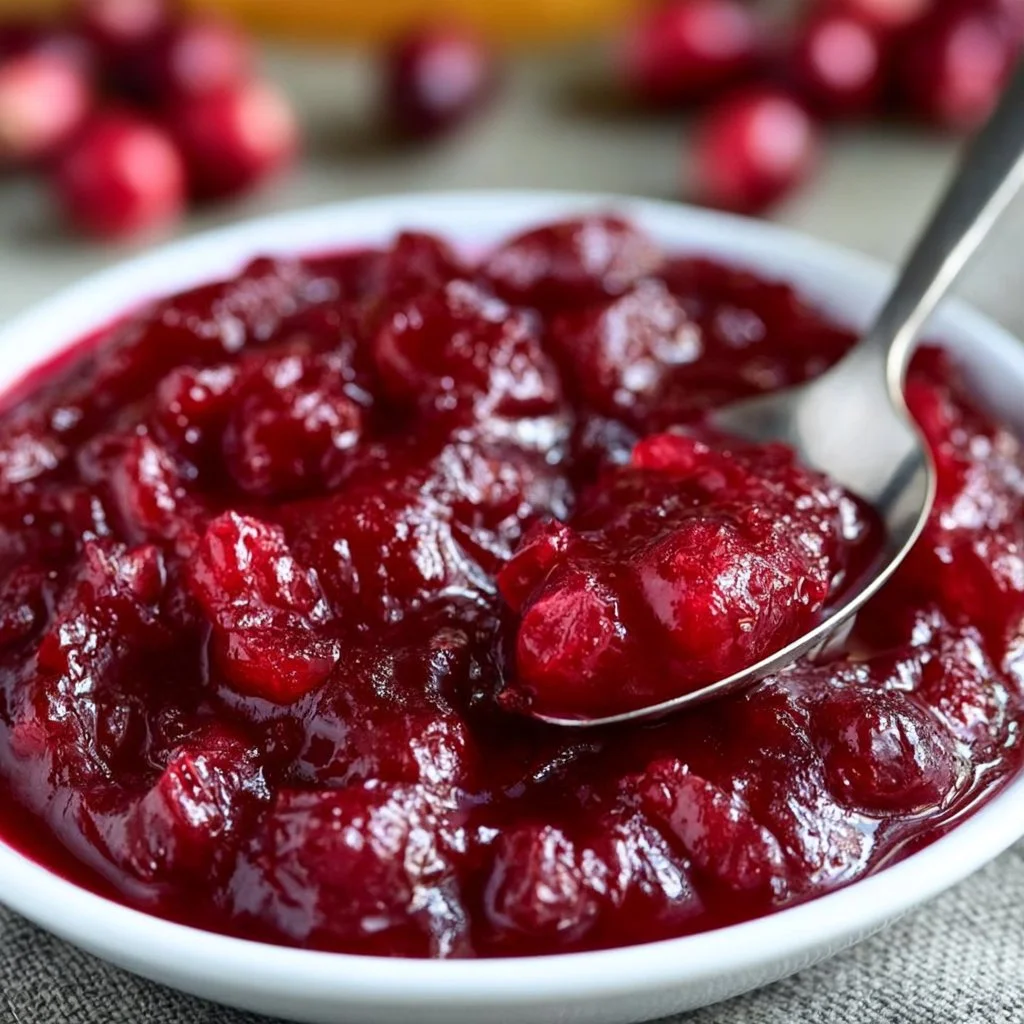
The finished cranberry sauce should have a bright, sharp flavor, with the tartness of the cranberries offering a delightful punch. The sweetness from the sugar tempers this tartness, creating a well-rounded flavor that is both refreshing and comforting. When paired with rich dishes, the acidity of the sauce helps to cut through the fat, enhancing the overall dining experience.
Visually, the sauce should have a glossy sheen and deep red color, with visible pieces of cranberry creating a rustic appeal. The texture is slightly chunky, with whole berries still intact but softened, contributing to a satisfying mouthfeel. When you bite into the sauce, you should experience a burst of tartness followed by the mellow sweetness of sugar and the zing of citrus.
Generally, a successful cranberry sauce will balance these elements beautifully, providing a vibrant focal point for your meal. If the sauce is overly sweet, it can mask the distinctive tartness of the cranberries, while too much tartness without balance may create an overly acidic experience. Recognizing when the sauce is well-balanced is an important step to mastering this classic dish.
Pro Tips
A few small techniques can drastically improve the outcome of your cranberry sauce. Here are some tips to keep in mind to ensure a flavorful and well-textured sauce.
| Tip | Description |
|---|---|
| Keep an Eye on the Heat | Maintaining the right temperature is crucial. Too high of a heat can lead to burning the sugar or overcooking the cranberries, which can make the sauce too mushy. Keep it at a medium to low simmer. |
| Taste as You Go | Adjust the balance of flavors during cooking. Taste the sauce before it cools, and make necessary adjustments, whether it be more sugar or citrus juice for personal preference. |
| Allow for Cooling Time | Letting the sauce cool at room temperature will help it set properly. This step should not be rushed, as cooling allows for the flavors to meld beautifully. |
| Experiment with Add-Ins | Consider adding spices like nutmeg or allspice for a different flavor profile, or mix in other fruits like apples or pears to customize the sauce to your liking. |
To make a standout cranberry sauce, consider the balance of flavors and be open to experimenting. Adding or adjusting ingredients can personalize the recipe to suit your taste.
Why You’ll Love This Recipe
There are countless reasons to fall in love with this cranberry sauce recipe. First and foremost is its classic taste, which perfectly captures the essence of winter holidays and family gatherings. The juxtaposition of sweet and tart flavors creates a vibrant condiment that enhances everything from roasted meats to creamy cheeses.
Not only is the flavor profile appealing, but the preparation is also incredibly straightforward. This makes it accessible even for novice cooks, allowing anyone to impress their family and friends with a homemade dish that is often expected from store-bought versions. It can be prepared in advance, freeing up time during busy holiday meals, and it keeps well in the refrigerator, making it a make-ahead star.
Moreover, the ability to customize this recipe allows creative freedom. Whether you’re looking for a spicy twist to accompany your turkey or a fresh fruit addition to appeal to summer palates, this sauce can easily be adapted. These aspects make it a versatile recipe that remains relevant, no matter the occasion.
How to Serve Cranberry Sauce
Serving cranberry sauce can be just as creative as preparing it. Start by choosing a beautiful serving dish to showcase the sauce’s vibrant color and glossy appearance. Several options are available, from rustic wooden bowls to modern glass dishes, and each choice can contribute to your table’s overall aesthetic.
As for accompaniments, cranberry sauce pairs beautifully with roasted turkey or chicken, providing a burst of flavor that contrasts with the meat’s richness. It is also excellent with pork or as part of a cheese platter. The sweet and tart notes can complement creamy cheeses such as brie or goat cheese wonderfully as the sauce serves as a bright counterpoint.
Consider plating suggestions where you can serve the sauce in individual portions alongside main dishes, or serve a communal bowl for guests to help themselves. An effective arrangement can bring a festive spirit to the table, encouraging everyone to enjoy the dish.
For beverages, cranberry sauce can harmonize beautifully with rich, fruity drinks like apple cider or citrus-infused tea. A light, chilled sparkling water or even herbal teas can also complement the vibrant flavors of the sauce, enhancing the overall dining experience.
How to Store Cranberry Sauce
Storing cranberry sauce properly will help maintain its freshness and flavor. Once the sauce has cooled to room temperature, transfer it to an airtight container for storage. Glass jars or Tupperware work well for this purpose, as they can seal in flavor while preventing the sauce from absorbing odors from the fridge.
You can refrigerate the sauce for up to two weeks without issue. During this time, the flavors will continue to meld and deepen, often resulting in an even tastier product when reheated or served cold. If you decide to freeze the sauce for longer storage, make sure to leave some space in the container, as liquids expand when frozen. It can be stored in the freezer for up to three months.
When it comes to thawing, it’s best to transfer frozen sauce to the refrigerator to allow for gradual thawing. This method helps preserve texture and flavor. As it thaws, you can gently reheat it on the stove or in the microwave, stirring occasionally to ensure even heating.
Tips to Make Cranberry Sauce
When creating your cranberry sauce, simplicity often leads the way. However, a few key areas deserve extra attention to ensure uniform flavors and optimal texture.
First, manage your heat carefully. Cooking at a low to medium simmer allows the cranberries to pop naturally, breaking down and releasing their juices without becoming a mushy mess. This careful management will help create that perfect chunky texture while still blending the sauce ingredients effectively.
Secondly, measure your sugar accurately. Different sugar levels can drastically change the overall flavor, shifting it from pleasantly tart to overwhelmingly sweet. Starting with the recommended amount and adjusting to taste while cooking can help achieve a well-balanced outcome.
Also, consider flavor layering during the cooking process. By adding the orange zest early on, the essential oils can infuse into the sauce, deepening the overall flavor. A good practice is to taste the sauce once it’s cooled down slightly before serving, to assess whether it needs additional seasoning or sweetness.
Lastly, don’t rush through cooling. Allowing the sauce to cool naturally before refrigeration ensures that it thickens appropriately. The cooling process is essential as it allows the ingredients to marry and develop a cohesive, rich flavor that enhances every bite.
Variations and Substitutions
While the classic recipe shines on its own, several variations make this cranberry sauce recipe exciting and adaptable. For those looking to explore, consider adding different fruits into the mix. Pears or apples can add a new dimension of sweetness and flavor, pairing beautifully with the tart cranberries.
For spice lovers, adding spices like ginger or cloves can transform the traditional preparation into a more exotic version. These spices can complement the citrus and create a warm, cozy smell when the sauce is simmering, elevating your holiday experience even further.
Another variation to consider is using maple syrup or agave nectar instead of granulated sugar for a different sweetness and flavor profile. This not only suits dietary preferences but can also lend a unique taste to the sauce, which can be especially enjoyable for those seeking alternatives to refined sugars.
Additionally, if you’re interested in incorporating some heat, a pinch of red pepper flakes or a small chopped jalapeño can add a surprising twist. This heat can contrast nicely with the tartness of the cranberries, making the sauce an exciting accompaniment for savory dishes.
Storage and Reheating
Properly storing and reheating your cranberry sauce can help maintain its quality and flavors. Once cooled, store the sauce in airtight containers to prevent exposure to air, which can affect its taste and spoil its freshness. It’s critical to keep sauce refrigerated or frozen for longer storage.
When reheating, consider doing so gently, whether in the microwave or on the stovetop. For microwaving, don’t forget to stir every short interval to promote even heating and prevent scorching. On the stovetop, a low heat setting with occasional stirring ensures that the sauce warms through without overcooking and losing its desired texture.
Should the sauce appear too thick after storing, you can thin it by adding a splash of water or fresh orange juice. This added liquid will help restore moisture without sacrificing flavor, keeping it fresh and enjoyable. Achieving the appropriate consistency upon reheating can make all the difference in the final dining experience.
Customization Ideas
Every cook has unique preferences, and customizing your cranberry sauce is a chance to express your creativity. Experiment with various citrus fruits besides orange; blood oranges or lemons can lend unique flavors that add brightness or zest to your sauce.
Consider incorporating texture shifts by adding nuts such as pecans or walnuts for a delightful crunch. Spreading some toasted nuts on top before serving can impress guests and create an appealing visual contrast.
Another twist could be adjusting the acidity by adding a splash of balsamic vinegar or pomegranate juice, which can provide a rich, complex flavor. These additions can enhance the dish for adults’ palates especially when paired with rich meats or cheese.
Using fresh herbs like rosemary or thyme during cooking can also add a sophisticated garden element to the sauce. Just a twig or two can impart harmony with savory dishes while creating an aromatic experience as it simmers.
Common Mistakes to Avoid
When preparing cranberry sauce, there are common pitfalls that can affect the outcome.
-
Overcooking the Cranberries: Cooking the sauce too long can make the cranberries mushy. Avoid this by sticking to the recommended cooking time and adjusting as necessary. Keeping an eye on texture will help maintain that desirable chunky consistency.
-
Not Tasting While Cooking: Failing to taste as you cook may lead to imbalanced flavors. The sweetness of cranberries can vary greatly, so it’s essential to adjust sugar and citrus to achieve an optimal balance for your palate.
-
Ignoring Heat Control: Using high heat can scorch the sugar or break down the cranberries too quickly. Maintain a gentle simmer to allow the flavors to meld without compromising texture.
-
Neglecting the Cooling Stage: Rushing to refrigerate the sauce can affect its consistency. Allowing it to cool at room temperature first allows for proper thickening and flavor development.
-
Inadequate Storage: Storing the sauce incorrectly may lead to spoilage. Always use airtight containers, and keep it refrigerated or frozen for longer shelf life.
Serving Occasions
Cranberry sauce is somewhat synonymous with holiday celebrations, making it a favorite for Thanksgiving or Christmas meals. However, its versatility means it can be incorporated into many different settings. From casual dinners to formal gatherings, cranberry sauce adds festive flair to any table.
Cranberry sauce is also an excellent addition to summer barbecues or picnics, pairing well with grilled meats and providing bright contrasts to savory dishes. Beyond meals, it can even serve as a delectable topping for desserts or breakfast items, like pancakes or yogurt, showcasing its range.
In casual settings, cranberry sauce can be served on charcuterie boards, alongside assorted cheeses and nuts, surprising guests while adding a pop of color. Versatility in serving occasions makes it a timeless recipe worth keeping in your culinary collection.
Why Make This Recipe?
What sets this recipe apart from generic additions is its quality and the personal touch of homemade flavors. Fresh ingredients create an authentic and vibrant taste that store-bought versions simply cannot replicate. With its beautiful hue and inviting aroma, a homemade cranberry sauce can significantly elevate any meal.
Beyond taste, creating this sauce allows for flexibility in cooking methods and flavoring. The opportunity to adjust the sweetness or add spices can set your cranberry sauce apart from others, tailoring it to your specific taste and preferences. Daily cooks can enjoy crafting a product that fits seamlessly into diverse cuisines.
Moreover, making cranberry sauce from scratch fosters a deeper understanding of cooking principles, helping one appreciate flavor balance and ingredient interaction. This tangible result can inspire more confidence in the kitchen and motivate cooks to continue exploring their culinary abilities.
Make-Ahead Preparation
Cranberry sauce is the perfect make-ahead dish, allowing busy cooks to prepare ahead of their event. The entire sauce can be made two to three days before a gathering and stored in the fridge, allowing flavors to deepen as they sit. This method frees up time on busy days for other preparations.
Additionally, the sauce can be frozen for longer-term storage without fearing it will lose its quality upon thawing. If freezing, consider portioning it into smaller containers to make reheating easier; this ensures you can retrieve only what you need without thawing the entire batch.
By planning ahead, you can focus on the other elements of your gathering while rest assured that this important dish is already prepared. The addition of rich flavors and convenience makes it a smart preparation choice.
Equipment and Kitchen Preparation
When preparing cranberry sauce, you won’t need extensive equipment, but a few key items can enhance your cooking experience. A medium-sized saucepan is important, as it provides enough space for the sauce to cook evenly without danger of overflowing. Non-stick options can help prevent sugars from sticking during cooking.
A wooden spoon or silicone spatula is ideal for stirring the ingredients throughout the process. These tools are safe for use on non-stick surfaces and help mix the sauce without risk of scratching.
A citrus zester or grater will also come in handy when preparing your orange zest, ensuring the process remains clean and easy. Before you begin, make sure to set your working station with all needed tools and ingredients. Preparing your workspace minimizes distractions and enhances focus, allowing you to create without interruption.
FAQs
1. Can I use frozen cranberries for this recipe?
Yes, frozen cranberries can be used as a substitute for fresh ones in cranberry sauce. However, make sure to adjust the cooking time slightly as they may release more moisture when thawing.
2. How long can I keep cranberry sauce in the refrigerator?
Homemade cranberry sauce can last up to two weeks when stored properly in an airtight container in the refrigerator.
3. Can I make cranberry sauce in advance?
Absolutely! It’s recommended to make cranberry sauce a few days ahead of time. It allows the flavors to meld together and will save you time during meal preparation.
4. Is it possible to adjust the sweetness of the cranberry sauce?
Yes, you can adjust the sweetness by adding more or less sugar according to your preference. Always taste as you go to ensure it achieves the desired balance.
5. How can I add extra flavor to my cranberry sauce?
Consider adding spices such as cinnamon, nutmeg, or even a dash of ginger or clove. You can also use other fruit juices like apple or pear to enhance the overall flavor.
6. Can I freeze cranberry sauce?
Yes, you can freeze cranberry sauce for up to three months. Just make sure to store it in a well-sealed, airtight container to preserve freshness.
7. What should I do if my sauce is too thick?
If your sauce is too thick after cooling, you can thin it by adding a little water or orange juice and stirring until the desired consistency is achieved.
8. How should I serve cranberry sauce at a dinner?
Cranberry sauce can be served in a beautiful dish as a side to meats, or it can be placed on a charcuterie board. Its vibrant color and zesty flavor make it a lovely addition to any meal setting.
Disclaimer
Nutritional information is approximate and may vary based on ingredient brands, substitutions, portion sizes, and preparation methods.