Potato Casserole
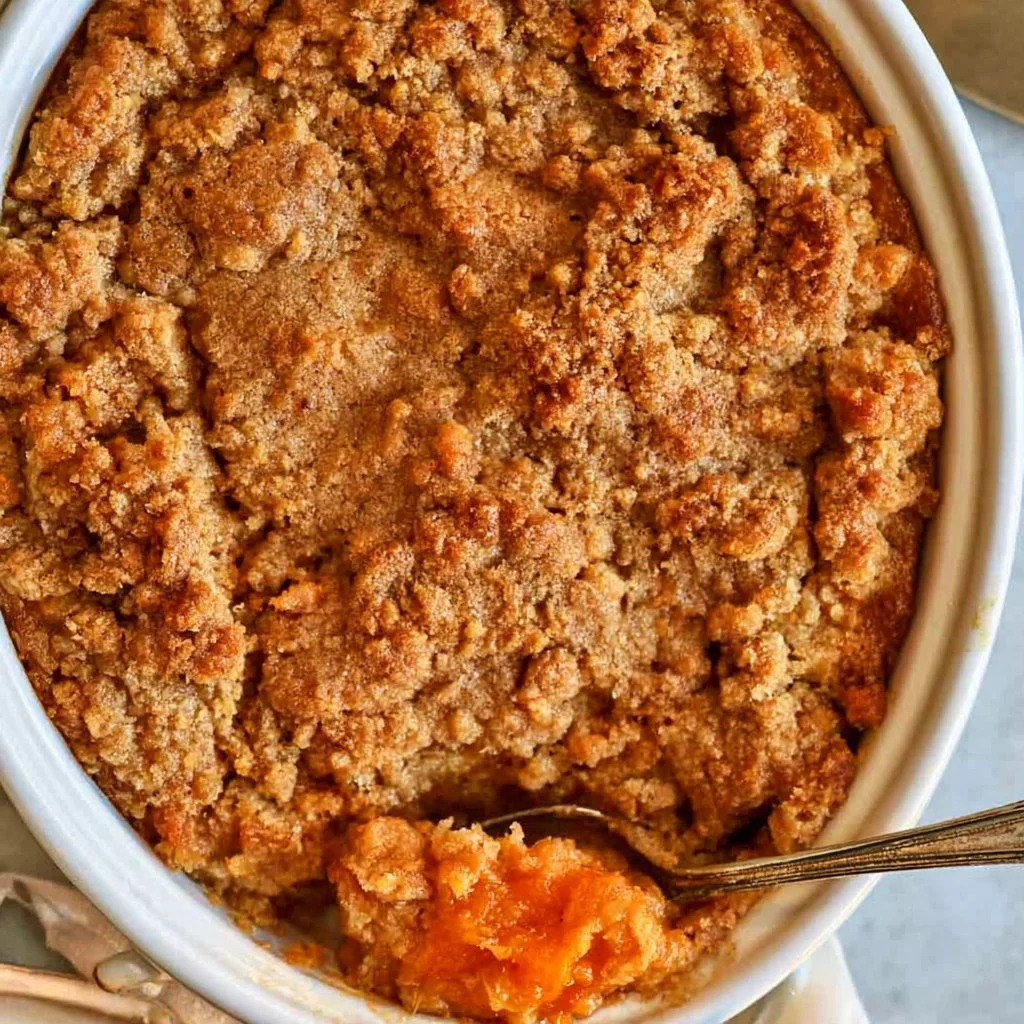
Potato casserole is a comforting, hearty dish that brings warmth and satisfaction to any dining experience. The creamy and fluffy texture of the sweet potatoes melds beautifully with the sweetness of brown sugar, creating a delightful blend of flavors that burst in every bite. This casserole is more than just a side dish; it can easily serve as a centerpiece for family gatherings and celebrations. Its vibrant yellow-orange color often signals to guests that a delectable experience awaits.
In addition to its mouthwatering flavor, this dish boasts an appealing appearance as it emerges from the oven, with a lightly golden top that glistens enticingly. The addition of optional garnishes like mini marshmallows or pecans creates an inviting visual contrast and extra texture, elevating its presentation. As the casserole bakes, it releases a pleasing aroma that fills the kitchen, prompting everyone to gather around the table in anticipation.
Potato casserole is suitable for a variety of occasions—from casual weekday dinners to festive holiday meals. It can serve as a delightful side accompanying roasted chicken or turkey, or even as a satisfying vegetarian main dish. It’s not only family-friendly but also ideal for potlucks and celebrations where comfort food is in high demand. Whether enjoyed during the fall and winter months or any time of the year, it’s a dish that unites people at the table.
What Makes This Recipe Special
This potato casserole stands out due to its combination of flavors and textures. While many casseroles rely on traditional potato options, this recipe uses sweet potatoes, which are not only sweeter but also offer a richer flavor profile. The natural sweetness is beautifully complemented by the splashes of brown sugar and warm spices like cinnamon and nutmeg, which together create a comforting aromatic experience. This unique combination distinguishes it from ordinary potato casseroles, making it a favorite in households.
The preparation method also adds to the uniqueness of this dish. Rather than cutting the potatoes into pieces for boiling, the sweet potatoes are peeled and mashed, resulting in a creamy consistency that can hold up to various toppings, making it perfect for customization. Unlike some casseroles that can become overly greasy, this recipe uses ingredients like milk and butter to create a rich but not heavy dish.
Additionally, the optional ingredients such as mini marshmallows and chopped pecans enable personal touches and variations. Those who prefer a sweeter dish can load up on marshmallows, while others may enjoy the crunch that pecans provide. The flexibility in preparation means this casserole can cater to different taste preferences and celebrate seasonal creativity, making it suitable for numerous occasions.
Ingredient Overview and Helpful Notes
The main ingredients of this potato casserole ensure a delightful blend of flavor, texture, and nutrition. The central star ingredient, sweet potatoes, provides a vibrant color and natural sweetness. They are also rich in vitamins A and C, making them a healthier alternative to regular potatoes. When selecting sweet potatoes, look for those that are firm, smooth, and free from blemishes. Smaller sweet potatoes tend to be sweeter and more flavorful than larger ones.
Butter plays a crucial role in enhancing the richness and flavor of the casserole. Utilizing high-quality unsalted butter ensures that you can control the overall saltiness of the dish. Its melting during the baking process helps achieve that perfect creaminess without being overly oily. Similarly, whole milk contributes to the smooth texture and moisture of the mix; however, using low-fat variations is acceptable if you’re looking for lighter options.
Brown sugar adds sweetness and depth of flavor, creating a caramel-like taste that pairs beautifully with the sweet potatoes. It is crucial to use light or dark brown sugar, as both have unique flavor profiles due to their molasses content. When measuring, pack the brown sugar firmly to achieve the right balance of sweetness. Lastly, eggs help bind everything together, adding a touch of richness as they cook.
Pay attention to the spices used in this recipe—cinnamon and nutmeg, which not only complement the sweet potatoes but also evoke warmth and comfort in the casserole. Optional ingredients like mini marshmallows are perfect for adding gooey sweetness, while pecans bring a crunchy textural contrast. Consider toasting the pecans lightly before adding them for an enhanced nutty flavor.
Nutrition & Recipe Details
Nutritional values may vary depending on ingredients, brands, portion sizes, and preparation methods. Below are the estimated nutritional details for this recipe:
| Item | Value |
|---|---|
| Prep time | 20 minutes |
| Cook time | 30-35 minutes |
| Store time | 3-4 days in the fridge |
| Calories | 300 (per serving) |
| Protein | 5g |
| Carbohydrates | 50g |
| Fat | 12g |
How to Make Potato Casserole
Making potato casserole is a simple yet rewarding process that yields a comforting dish everyone will adore. Before diving into the cooking, it’s wise to organize your ingredients, gather necessary equipment, and prepare for an enjoyable cooking experience. A large mixing bowl will be essential for combining your ingredients, while a baking dish will be needed for the casserole itself.
Ingredients
| Ingredient | Quantity |
|---|---|
| Sweet potatoes, peeled and mashed | 4 cups |
| Brown sugar | 1/2 cup |
| Milk | 1/2 cup |
| Butter, melted | 1/4 cup |
| Large eggs, beaten | 2 |
| Vanilla extract | 1 teaspoon |
| Cinnamon | 1/2 teaspoon |
| Nutmeg | 1/4 teaspoon |
| Mini marshmallows (optional) | 1 cup |
| Chopped pecans (optional) | 1/2 cup |
| Brown sugar for topping | 1/4 cup |
Once you’ve gathered all your ingredients, begin by ensuring the sweet potatoes are thoroughly peeled and cooked until tender, then mashed smoothly to create a consistent base. Measure all the ingredients as prepared; this level of organization yields a smoother cooking process, ensuring you don’t miss any ingredients during assembly.
Step-by-Step Instructions
-
Preheat the Oven: Start by preheating your oven to 350°F (175°C). This step is important as it ensures that the casserole cooks evenly throughout the baking process.
-
Prepare the Sweet Potato Mixture: In a large mixing bowl, combine the mashed sweet potatoes with brown sugar, milk, melted butter, beaten eggs, vanilla extract, cinnamon, and nutmeg. Using a hand mixer or a wooden spoon, mix until the mixture is completely smooth and all ingredients are well incorporated. This blending is crucial, as it ensures your casserole will have a consistent texture without lumps.
-
Pour into Baking Dish: Grease a suitable baking dish with butter or non-stick cooking spray. Transfer the sweet potato mixture into the greased dish, spreading it out evenly with a spatula. It’s beneficial to ensure an even layer to facilitate uniform baking.
-
Optional Toppings: If you choose, sprinkle mini marshmallows on top, followed by the chopped pecans. This step is not just for adding flavor and texture but also contributing to a nicely decorated top that draws the eye.
-
Prepare the Brown Sugar Topping: If using, mix the additional brown sugar with the chopped pecans separately before sprinkling them over the casserole. This mixture will create a lovely, sweet crust on top while it bakes.
-
Bake: Place the assembled casserole in the preheated oven and bake for 30-35 minutes. You’ll know it’s ready when the casserole is heated through and the top has taken on a light golden hue. To ensure even cooking, you may want to rotate the dish halfway through the baking time.
-
Serve Warm: Once done, remove the casserole from the oven and let it rest for a few minutes before serving. This brief rest allows the flavors to meld beautifully and will make scooping easier!
Understanding the Flavor and Texture
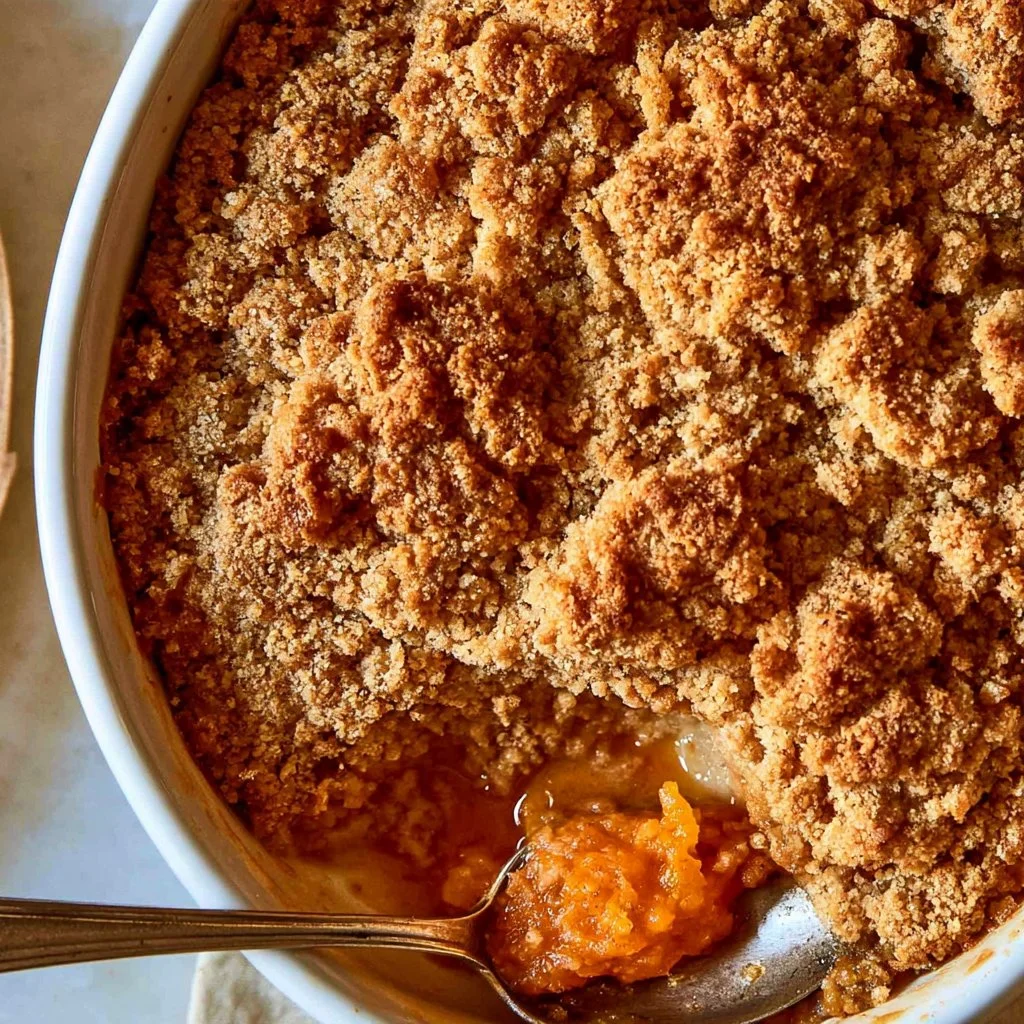
The finished sweet potato casserole offers a delightful medley of flavors and a pleasing array of textures. The primary flavor of the sweet potatoes shines through, marrying well with the added sweetness of brown sugar. The spices—cinnamon and nutmeg—infuse warm notes that engage the palate, while the optional toppings add layers of flavor, contrasting gooey sweetness from the marshmallows with the crunch from the pecans.
Visually, this dish captivates with its vibrant orange color and golden-brown tops. The creamy filling contrasts brilliantly with the crunchy topping, providing a delightful textural experience in each bite. If prepared correctly, you’ll find the sweet potato mixture to be velvety and soft, while the top develops a crispiness that adds a satisfying bite. These aspects contribute to an enjoyable overall eating experience that makes it hard to resist going back for seconds.
Many cooks aim for a perfect balance of creaminess and structure, which is achieved by the combination of eggs and the right amount of liquid such as milk and melted butter. When served warm, the casserole retains a moist, inviting quality while the slight cooling allows it to maintain shape without falling apart.
Pro Tips
A few small techniques can greatly enhance the resulting casserole. Here are some tips to consider when preparing this dish:
| Tip | Description |
|---|---|
| Use Fresh Ingredients | Choosing fresh sweet potatoes and organic ingredients whenever possible enhances the flavors and texture of the casserole, ensuring a more vibrant dish. |
| Don’t Overmix | Avoid overmixing the sweet potato mixture. This helps maintain a fluffy texture, rather than risking a gummy outcome. Stir just until combined. |
| Test for Doneness | Use a toothpick or knife inserted into the center to test for doneness—if it comes out clean, the casserole is cooked properly. |
| Customize Toppings | Feel free to try different toppings like crushed graham crackers or coconut flakes for an entirely different flavor profile and texture contrast. |
Understanding these tips can noticeably improve your final dish. Additionally, always taste your sweet potato mixture before baking; this gives you the chance to adjust sweetness and spice levels according to personal preference.
Why You’ll Love This Recipe
The allure of this potato casserole lies in its delightful combination of flavors, textures, and approachable preparation. It’s the epitome of comfort food, and its sweet, creamy nature appeals to both children and adults alike. The gentle flavor of sweet potatoes is inviting, while the added spices create warmth and familiarity that many people associate with home-cooked meals.
Accessibility is another benefit of this dish. All the ingredients are easy to find in local grocery stores, making it a practical option for any cook. Additionally, the process requires minimal culinary skills, making it perfect for beginners who want to impress at family gatherings or during the holidays. For seasoned cooks, it’s a great blank canvas for creativity, inviting adjustments based on individual tastes.
Another reason to embrace this recipe is its flexibility for serving occasions. It shines as an accompaniment to main dishes but can also be enjoyed as a standalone dessert, thanks to its sweet profile. You can prepare it ahead of time, allowing for an easy, stress-free experience when entertaining, which is a significant plus for busy weeknights or holiday event preparation.
How to Serve Potato Casserole
Presenting the finished sweet potato casserole is a delightful aspect of cooking this dish. Its bright orange color and golden crust make it visually appealing, so consider serving it straight out of the oven in the baking dish for a rustic touch. A simple garnish of freshly chopped parsley or a sprinkle of cinnamon can enhance its look further, inviting diners to help themselves.
Pair this casserole with complementary sides for a more rounded meal. Consider serving it alongside roasted vegetables or a fresh salad, which offers balance to the richness of the potatoes. Proteins such as grilled chicken or a hearty veggie main can complete the meal, creating a satisfying dining experience.
If you’re serving this for a holiday meal, consider the addition of cranberry sauce or a light dressing drizzled over roasted greens as refreshing counterpoints to the richness of the casserole. For casual gatherings, placing the potato casserole in individual ramekins can add a touch of elegance while making portion sizes easy to manage.
Beverage choices can also enhance the meal. A light-bodied white wine can complement the sweetness of the dish, while a sparkling apple cider provides a festive non-alcoholic option. The idea is to balance flavors without overshadowing the dish itself.
How to Store Potato Casserole
When storing leftover potato casserole, allow it to cool to room temperature before packaging. This helps prevent moisture buildup in the container, which can lead to sogginess and spoilage. Using airtight containers, store the casserole in the refrigerator, where it will last for about 3-4 days.
For longer storage, consider freezing the casserole. Divide it into smaller portions, which helps with defrosting and reheating later. To freeze, wrap tightly in plastic wrap or aluminum foil, followed by a layer of freezer-safe packaging to avoid freezer burn. It can be stored in the freezer for up to three months. When you’re ready to enjoy it again, thaw in the refrigerator overnight before reheating.
When reheating, go slowly to preserve the flavors and texture. Higher heat can dry out the casserole and affect the overall quality. Reheat in the oven at a lower temperature (around 350°F/175°C) until warmed through, or opt for a microwave with moderate power settings, checking frequently. Be aware that reheating may change the texture slightly, particularly if you’ve frozen the dish.
Tips to Make Potato Casserole
Improving the consistency and flavor of your potato casserole is possible with a few practical adjustments. First and foremost, ensure that your sweet potatoes are thoroughly cooked and mashed for a smooth texture. Undercooked sweet potatoes can lead to lumps, which affect the final result.
Pay attention to the temperature of your ingredients. For a creamier texture, let eggs and milk come to room temperature before mixing. Room temperature ingredients mix more uniformly, preventing a clumpy texture. Additionally, when using spices like cinnamon and nutmeg, consider toasting them slightly in a dry pan before adding to the mixture. This technique releases their essential oils and enhances their flavors remarkably.
Make sure to taste the mixture before it goes into the oven. Adjusting sweetness with brown sugar or incorporating additional spices at this stage allows for personal preferences to shine through, making the dish uniquely yours. Remember also that the topping choices—marshmallows or pecans—should suit your audience, so gauge what your guests might prefer.
Finally, during baking, keep an eye on the casserole to prevent overcooking. Once you notice the top has reached a nice golden color and the sides are bubbling, it’s a signal to check for doneness. Always use a toothpick or knife for a reliable test of the interior.
Variations and Substitutions
While this potato casserole is delicious as it stands, there are numerous ways to make it your own. For those seeking a lighter version, consider substituting Greek yogurt for part of the milk and butter. This substitution not only reduces calories but adds a tangy flavor that complements the sweetness of the sweet potatoes.
For a spicier kick, adding a pinch of cayenne pepper or a dash of hot sauce can create a delightful contrast to the natural sweetness. A little goes a long way, so start small and adjust to your taste. Alternatively, replace the brown sugar’s sweetness with maple syrup for a different yet harmonious flavor pairing.
If catering to specific dietary needs, you might explore dairy-free alternatives using coconut milk or almond milk, ensuring they carry a compatible flavor. For nut allergies, skip the pecans entirely or substitute seeds such as sunflower seeds for added crunch without compromising flavor.
For a visual variation, consider layering the casserole with thinly sliced apples or pears before baking. These fruits will infuse their flavors during the cooking process, creating a unique savory-sweet experience.
Storage and Reheating
Properly storing leftovers is key to preserving the quality of your potato casserole. After the dish has cooled down, transfer it to an airtight container that will lock in flavor and moisture. In the refrigerator, it remains good for 3-4 days, while any leftovers can be frozen for longer storage, extending up to three months if properly sealed.
To reheat, thaw frozen portions overnight in the refrigerator for the best results. Reheating can be done in the oven by covering the dish with foil to maintain moisture. Alternatively, leftover portions can be heated in a microwave, but care should be taken to avoid overheating, which could lead to a dry texture. Adding a small splash of milk while reheating can help prevent dryness while maintaining the desired creaminess.
When it comes to serving leftovers, don’t hesitate to enhance them with fresh toppings or herbs to bring some vibrancy back to this comforting dish. A drizzle of fresh maple syrup or a dollop of yogurt can add brightness and complement the existing flavors.
Customization Ideas
Customization is one of the most appealing aspects of making potato casserole. Different ingredients can create entirely new flavor profiles. For example, adding roasted garlic or sautéed onions to the sweet potato mixture can deepen the overall flavor complexity. For those who enjoy heat, consider incorporating diced jalapeños for a spicy surprise.
For a fruitier touch, adding crushed pineapple or diced apples can change up the sweetness and provide a refreshing counterpoint to the dense casserole. These ingredients work harmoniously with the natural flavors of sweet potatoes, allowing for a unique twist while retaining the essence of the dish.
Texture is also easily adjustable; for a creamier casserole, include cream cheese or sour cream, which complements the sweet potatoes brilliantly. Conversely, for a denser, heartier meal, consider mixing in cooked quinoa or brown rice, which adds fiber and nutritional value.
Finally, consider presentation options such as serving in individual ramekins. This not only enhances the visual appeal but also makes portion control easier. Consider garnishing with fresh herbs or a sprinkle of crumbled feta cheese for an unexpected flavor lift that adds personality and flair to the dish.
Common Mistakes to Avoid
Here are some common mistakes to steer clear of when making potato casserole:
-
Overcooking the Sweet Potatoes: Cooking the sweet potatoes to mush can result in a watery and bland casserole. To avoid this, steam or boil until tender but firm. Aim for a consistent mash without lumps.
-
Not Tasting the Mixture: Skipping the tasting phase before baking can lead to under-seasoned results. Always sample the mixture and adjust sweetness or spice levels according to your preference.
-
Using Cold Ingredients: Cold eggs or milk can result in a lumpy mixture. Allow these ingredients to come to room temperature first for smoother integration into the batter.
-
Neglecting Proper Storage: Leaving leftovers at room temperature for too long can lead to spoilage. Store any remaining casserole in an airtight container right after cooling to maintain freshness.
-
Skipping the Resting Period: Not allowing the casserole to rest after baking can result in a soupy serving. Letting it sit for a few minutes helps set the layers, resulting in easier serving.
By recognizing and avoiding these mistakes, you can ensure a successful outcome and a delicious dish that everyone will rave about.
Serving Occasions
Potato casserole is incredibly versatile, making it well-suited for numerous occasions. It can be a prominent part of family dinners, offering comforting flavors in an easy-to-prepare dish. Furthermore, it’s perfect for casual gatherings and potlucks, where it can be made ahead and transported easily, arriving at events warm and ready to serve.
During holiday celebrations, this casserole is often a welcomed addition to the table, complementing traditional festive fare. Its sweet flavors can provide a beautiful contrast to richer main dishes like roasted vegetables and proteins. In addition, it can serve as a delightful brunch option post-holidays or any day of the week, where its sweetness can blend harmoniously with various breakfast items.
The ease of preparation concurrently appeals to busy weeknights, making it a reliable option for nights where time may be of the essence. For those dashing between activities, this casserole can be made in advance and simply reheated when it’s time to eat.
Why Make This Recipe?
Choosing to make this potato casserole is an excellent decision because it combines the best aspects of a traditional comfort dish with the added benefits of nutritional value. The rich flavors and satisfying texture make it a favorite for many, while its ease of preparation means that even novice cooks can confidently whip it up for any occasion.
Additionally, its flexible nature allows it to transition seamlessly from side dish to main course, appealing to a wide range of tastes and dietary preferences. Moreover, the potential for customization ensures that you can bring your own twist to the dish, making it a unique family recipe you can cherish over time.
In terms of practical advantages, this recipe calls for affordable and readily available ingredients, minimizing unnecessary complexity in planning meals. It also provides opportunities to stretch your cooking repertoire without overwhelming challenges, making this casserole a staple in many kitchens.
Make-Ahead Preparation
Preparing dishes in advance has become an essential strategy for many home cooks. For potato casserole, several components can be prepped ahead of time. You can peel, chop, and mash sweet potatoes a day in advance and store them in an airtight container in the refrigerator until it’s time to prepare the casserole. This not only saves time but ensures a smooth, creamy mash without worrying about overnight oxidation.
Another make-ahead strategy includes mixing your liquids and dry ingredients the night before. This allows you to assemble the casserole quickly the following day. If freezing is on your agenda, consider preparing the entire casserole, covering it tightly, and storing it uncooked in the freezer. This way, you can simply pop it in the oven when you’re ready to bake.
However, for the best results, it’s advisable to bake just before serving. Some adjustments may be necessary in cooking time when preparing from frozen, as the internal temperature will take longer to reach the desired level. Plan accordingly—it can take up to 1.5 times longer for a frozen casserole to heat through adequately.
Equipment and Kitchen Preparation
For a successful sweet potato casserole, you will need a few essential pieces of equipment. A mixing bowl, either glass or metal, is crucial for combining your ingredients thoroughly. It’s beneficial if the bowl is large enough to accommodate the sweet potato mixture, making it easier to prevent spills during stirring.
A hand mixer can facilitate a smooth mash, especially if you dislike the texture of a potato masher. Using a rubber spatula can help with scraping every bit of batter from the sides of the bowl, ensuring no ingredient is left behind. Furthermore, a greased baking dish—ceramic or glass—works best, ensuring that the casserole doesn’t stick during the baking process.
Preparing your workspace—ensuring all utensils, ingredients, and equipment are at hand—will foster a more enjoyable cooking experience. It minimizes stress and allows you to focus on creating this delightful dish without interruptions.
FAQs
1. Can I use regular potatoes instead of sweet potatoes?
While regular potatoes can be used, they will yield a different flavor profile and texture. Sweet potatoes offer natural sweetness, whereas regular potatoes tend to have a starchy taste. You may want to adjust the sweetness when switching the main ingredient.
2. Can I make this casserole dairy-free?
Yes, you can substitute unsweetened almond milk or coconut milk for the regular milk and use dairy-free butter or margarine. This will maintain the creamy texture without the dairy.
3. How can I tell when the casserole is done baking?
The casserole should be lightly golden on top, and a knife or toothpick inserted into the center should come out clean. You’ll also see bubbling at the edges.
4. Is it possible to freeze this casserole?
Absolutely! Freezing is a great option. Just be sure to wrap it tightly in plastic wrap and aluminum foil to avoid freezer burn. It can last several months in the freezer, but should be consumed within three months for the best quality.
5. How do I store leftovers?
Once cooled, store leftovers in an airtight container in the refrigerator for 3-4 days. Be sure to allow it to cool completely before storing to prevent condensation.
6. Can I add more sugar for sweetness?
Yes, you can adjust the sugar to your preference. Tastes can vary; therefore, tasting the mixture before baking can help you determine how much additional sugar is needed.
7. What can I use as a topping instead of marshmallows?
If you prefer not to use marshmallows, consider topping your casserole with crushed graham crackers, caramelized pecans, or even a sprinkle of cinnamon for a delightful flavor balance.
8. How can I adjust the spices in the casserole?
Feel free to experiment with spices; adding allspice, ginger, or even a hint of cloves can deepen the flavor. Just be sure not to overdo it; starting with small amounts allows you to find your perfect blend.
Disclaimer
Nutritional information is approximate and may vary based on ingredient brands, substitutions, portion sizes, and preparation methods.