
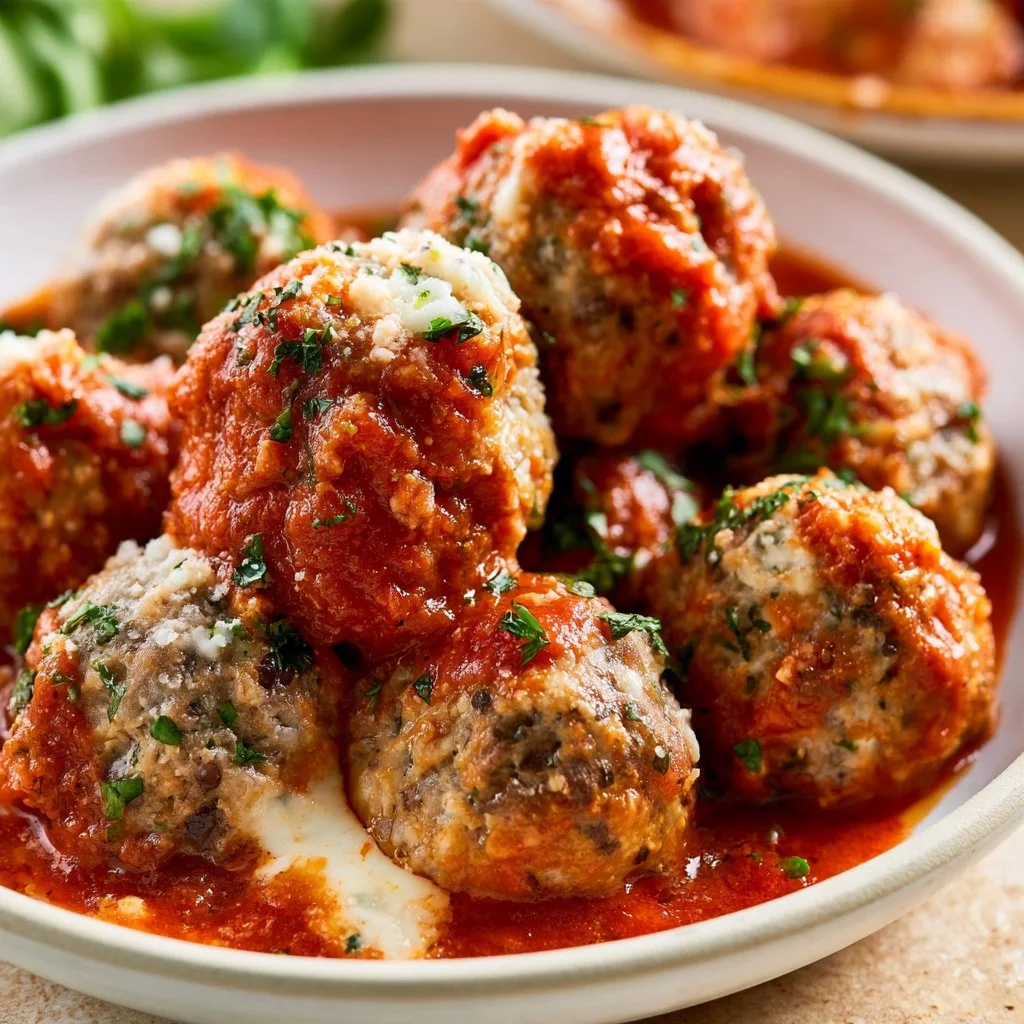
Easy Ricotta Meatballs
If you’re searching for a simple yet flavorful dish that combines the creaminess of ricotta with comforting texture, look no further than these delectable meatballs. Easy ricotta meatballs are an inviting culinary option that manages to be both rich and light, leading to a surprisingly delightful eating experience. The blend of ricotta cheese, breadcrumbs, and aromatic herbs results in meatballs that are soft on the inside with a delightful exterior. They’re ideal for a cozy family dinner or a casual gathering with friends, offering a satisfying bite that pairs beautifully with a savory marinara sauce.
One of the main attractions to this recipe lies in its simplicity and versatility. It can easily adapt to a variety of occasions—from a weekday meal paired with pasta for a comforting dinner to a dazzling centerpiece for a party platter. The vibrant flavors not only please the palate but also create a visual feast on your dining table. Each meatball glistens under the marinara sauce, creating an inviting sight that beckons you to indulge.
One of the best aspects of ricotta meatballs is their delightful buttery texture. The ricotta adds a moisture element that makes each meatball tender, while the breadcrumbs provide just enough structure to hold the ingredients together. This delightful harmony of flavors and textures makes these meatballs a go-to for any home cook striving to impress their family or guests without expending too much effort.
Whether you’re looking to impress during a holiday meal or simply seeking to prepare a delicious dish for a casual lunch, these meatballs will surely delight those who taste them. With just a handful of ingredients and straightforward preparation steps, they are perfect for both novice cooks and seasoned chefs alike.
What Makes This Recipe Special
What truly sets easy ricotta meatballs apart from traditional meatballs is the star ingredient—ricotta cheese. Unlike beef or pork-based meatballs, which can sometimes come off as heavier dishes, ricotta instills a lightness and creaminess that is refreshing. This unique element drives a combination of rich flavors while simultaneously allowing other ingredients to shine through, such as the parmesan cheese and fragrant herbs.
The contrasting textures are also significant; the tenderness of the ricotta-infused meatballs is complemented by the smoothness of the marinara sauce poured over them. This is enhanced by serving the meatballs atop your choice of pasta, giving them a delightful foundation while serving up an attractive ensemble that’s sure to please. Compared to more conventional meatball setups, the ricotta version offers a twist that feels both innovative and timeless.
Another distinctive feature of this recipe is its adaptability. Each component beckons for individual experimentation—whether it’s altering the setting with various pasta shapes, pairings with different side dishes like garlic bread or salads, or even introducing complementary herbs and spices to the mix. This raises the potential for each meal to feel unique, despite using the same base recipe multiple times. Such flexibility allows home cooks to get creative while still ensuring a solid foundation of flavors in the meatballs.
Finally, the speed of preparation is a key contributor to this recipe’s charm. It requires minimal cooking skills and can be completed swiftly, making it particularly advantageous on busy weeknights or when you want to entertain without extensive time commitments. With these meatballs, you can enjoy a comforting, gourmet meal with minimal fuss.
Ingredient Overview and Helpful Notes
The main ingredients in ricotta meatballs each play a vital role in achieving the preferred flavors and textures. Ricotta cheese, of course, takes center stage. Its smooth texture brings a lightness that traditional meatball recipes sometimes lack. Moreover, ricotta is a versatile ingredient that boasts a mild flavor, allowing it to blend seamlessly with other flavors while contributing to the overall moisture of the meatballs.
Next up is breadcrumbs, which offer both structure and texture. Bread crumbs absorb moisture and act as a binding agent, so it’s essential to balance the amount used. Too little could lead to a mixture that falls apart, while excessive breadcrumbs could result in tough meatballs. It’s wise to opt for high-quality breadcrumbs while considering alternatives like homemade varieties, which can infuse additional flavor.
Parmesan cheese, freshly grated if possible, brings a salty, nutty counterpart to the dish. As it melts during cooking, parmesan deepens the overall taste profile of the meatball, complementing the ricotta while serving as a flavor enhancer. When selecting Parmesan, look for the authenticity in its label; genuine Parmigiano-Reggiano is aged longer and boasts a more complex flavor.
Herbs like oregano and basil are also notable contributors. Using dried herbs delivers concentrated flavor quickly, so they must be measured carefully, maintaining a balance with other ingredients. Fresh herbs can be used as alternatives, enhancing the overall fragility and freshness of the dish. Make sure to add these herbs at the right moment during preparation so that their essence fully permeates the meatballs.
Finally, don’t forget the egg. It serves as a crucial binding agent, crucial for holding the meatball together during cooking. Always use fresh eggs for the best binding properties and consider checking the yolk’s color as an indicator of freshness.
Consider that these ingredients should not be substituted lightly. If you wish to maintain the deliciousness and texture of the original recipe, be cautious about swapping out key players like ricotta or essential spices.
Nutrition & Recipe Details
Nutritional values may vary depending on ingredient quality, brand choices, portion sizes, and preparation methods. The following table provides an overview of typical values expected from the recipe:
| Item | Value |
|---|---|
| Prep time | 15 minutes |
| Cook time | 25 minutes |
| Store time | 3-4 days in the fridge |
| Calories | 250 per serving |
| Protein | 12 grams |
| Carbohydrates | 30 grams |
| Fat | 10 grams |
How to Make Easy Ricotta Meatballs
Making ricotta meatballs is a straightforward process that requires minimal effort. It’s wise to prepare your work area before you start cooking. Gather all the ingredients, and place them in front of you to streamline the process. A large mixing bowl is essential for combining the ingredients evenly, along with a baking sheet or skillet for cooking afterward.
It’s also handy to have measuring cups and spoons at the ready to ensure accuracy with the ingredient amounts. If you’re cooking the meatballs on a skillet, opt for a large one that can accommodate multiple meatballs without overcrowding, which can lead to uneven cooking. A wooden spoon or spatula will suffice for mixing and handling the meatballs during cooking.
Ingredients
| Ingredient | Quantity |
|---|---|
| Ricotta cheese | 1 cup |
| Breadcrumbs | 1/2 cup |
| Parmesan cheese | 1/4 cup |
| Egg | 1 |
| Garlic, minced | 2 cloves |
| Dried oregano | 1 teaspoon |
| Dried basil | 1 teaspoon |
| Salt and pepper | To taste |
| Marinara sauce | 2 cups |
| Pasta | For serving |
Before diving into mixing, ensure that the ricotta cheese is the right texture. If it’s too watery, drain it slightly in a colander. Mince the garlic finely to ensure even distribution in the meatball mixture. If using dried herbs, press them in your hand before adding them to enhance their flavor.
Step-by-Step Instructions
-
Combine Ingredients: In a large mixing bowl, combine the ricotta cheese, breadcrumbs, freshly grated parmesan cheese, egg, minced garlic, dried oregano, dried basil, salt, and pepper. Use a spatula or your hands to mix the ingredients thoroughly until well combined. The mixture should be moist but easy to handle; if it feels too wet, consider adding a few additional breadcrumbs.
-
Shape the Meatballs: Once mixed well, take a portion of the mixture and roll it into a ball about 1-2 inches in diameter. Repeat this process until you’ve formed all the meatballs. Aim for a consistent size to ensure that they cook evenly.
-
Cook in Marinara Sauce: In a large skillet, pour in the marinara sauce over medium heat. Once the sauce reaches a gentle simmer, carefully add the meatballs one by one. Avoid crowding the skillet; you may need to work in batches depending on its size.
-
Simmer the Meatballs: Cover the skillet and let the meatballs simmer in the sauce for 20-25 minutes, ensuring that the meatballs are cooked through. You can test doneness by cutting one in half; if it’s no longer pink and the juices run clear, they’re ready to go.
-
Serve: Once the meatballs are fully cooked, serve them over a bed of freshly cooked pasta. Drizzle additional sauce over them for flavor, and consider pairing the dish with garlic bread and a green salad to complement the meal.
Understanding the Flavor and Texture
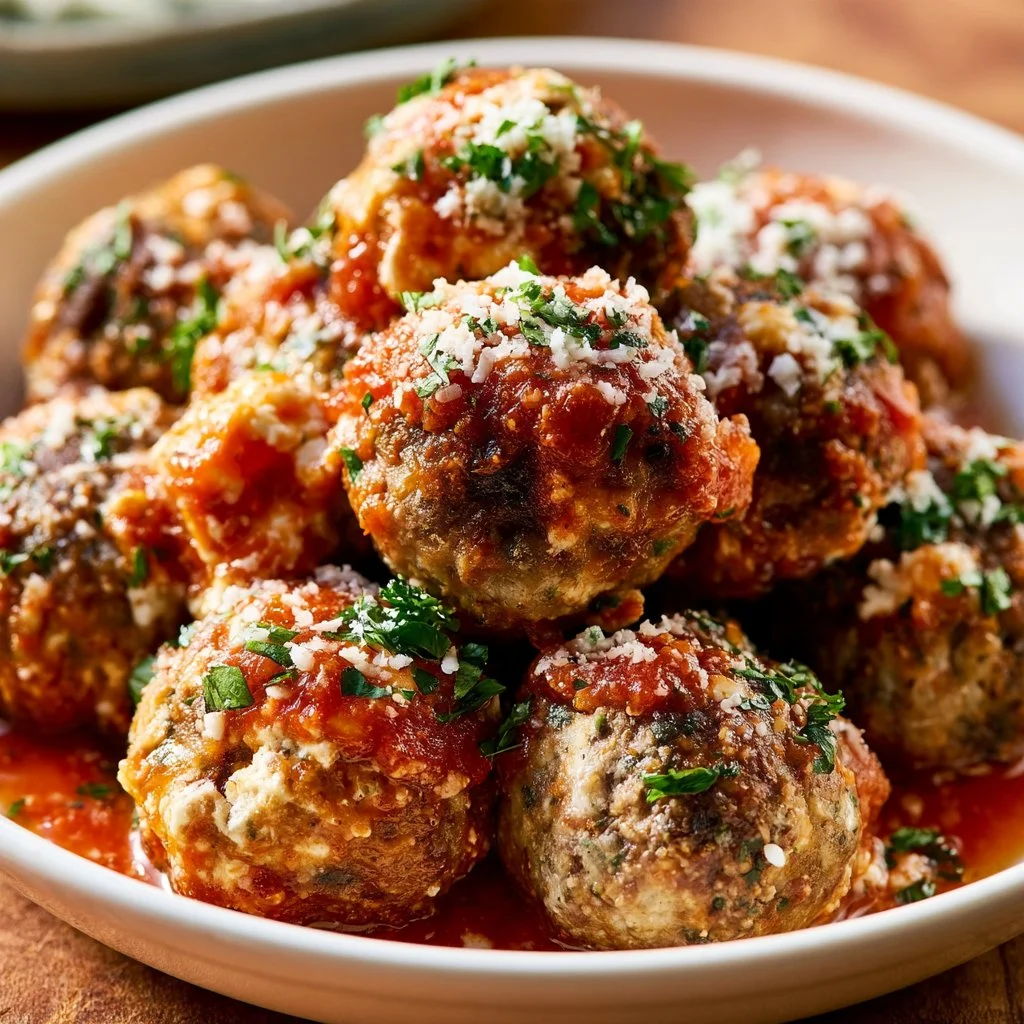
The finished product of these easy ricotta meatballs is a delicious meld of creamy, savory flavors enveloped in smooth marinara sauce. The ricotta provides a distinctive creaminess that makes each meatball luscious and satisfying without being overly heavy. Rich flavors from the parmesan cheese further enhance this creaminess, creating a harmonious balance that makes you crave just one more bite.
When done right, the exterior of the meatballs can achieve a gentle browning that enhances both the appearance and flavor profile of the dish. The simmering process melds the meatballs and the sauce together, allowing the flavors to intertwine. With each bite, diners are likely to experience a tender and moist interior, while the exterior typically holds its shape thanks to the added breadcrumbs.
The aroma that wafts during cooking is an enticing blend of temperate spices and the cooking tomatoes in the marinara sauce—a comforting smell that evokes warmth and family gatherings. When plated, the vivid red of the sauce creates an inviting backdrop for the pale yellow color of the cheese, yielding a visual feast that is as delightful as the taste.
Most importantly, these meatballs maintain a level of juiciness that is critical for tenderness and flavor impact. The ricotta ensures they remain moist throughout the cooking process, allowing diners to enjoy the richness of each bite.
Pro Tips
A few small techniques can significantly enhance the outcome of your ricotta meatballs. These tips help ensure consistent flavor and texture, elevating this simple dish into something spectacular.
| Tip | Description |
|---|---|
| Preheat your sauce | Always warm your marinara sauce before adding the meatballs. This helps cook the meatballs evenly and prevents them from sitting in cold sauce, which can lead to uneven cooking. |
| Chill the mixture | Chilling the meatball mixture for about 30 minutes before shaping can make them easier to handle and help them firm up, ensuring they hold their shape during cooking. |
| Test the seasoning | Before shaping all the meatballs, cook a small portion of the mixture in a pan to taste for seasoning. This step allows you to adjust flavors before committing to the full batch. |
| Avoid overmixing | Overmixing can lead to dense meatballs, as mixing too vigorously activates gluten in the breadcrumbs. Gently combine the ingredients until just mixed to keep them tender. |
To create a more personalized experience with the meatballs, consider introducing different flavor variations. Adding a splash of lemon zest, for instance, can brighten the whole dish, while fresh herbs might enhance the overall aroma and flavor. Experimenting with varying marinara sauce styles or types can also add diversity to your meatball experiences.
Why You’ll Love This Recipe
easy ricotta meatballs are a culinary success story that balances rich, creamy flavors with easy preparation. Not only do they taste incredible, but they also lend themselves well to an array of serving options, whether you’re enjoying them purely with pasta or crafting a meatball sub. For the busy home cook, they offer a great opportunity to provide a hearty, comforting dish without the need for lengthy preparation or extravagant ingredients.
Accessibility is another vital benefit; most of the ingredients can typically be found in your refrigerator or pantry, making this a practical choice for last-minute meals. The simplicity of the overall preparation encourages home cooks of all skill levels to give it a try, creating confidence and inspiring further exploration into cooking.
The meatballs also make for a perfect dish to prepare in large batches, offering plenty of leftovers that can be stored or frozen for future meals. The flexibility of the recipe allows for experimentation with various sauces or complementary sides, ensuring that you won’t tire of the same flavor profile even when repeating this crowd-pleaser occasion after occasion.
In summary, this dish brings comfort food to the table in a way that feels rewarding and fulfilling for anyone who enjoys making and sharing meals with loved ones.
How to Serve Easy Ricotta Meatballs
When it comes to presenting your delicious meatballs, visual appeal can elevate the entire experience. Start by portioning the cooked pasta onto warm plates or in shallow bowls, creating a cozy base for the meatballs. Generously spoon the simmered marinara sauce over the meatballs and pasta, ensuring that some drips onto the surrounding pasta for full flavor immersion.
For an enticing presentation, sprinkle freshly chopped parsley or basil leaves over the top right before serving. This not only adds a pop of color but also complements the dish’s aroma. Consider placing grated parmesan on the side for guests to sprinkle on top according to their preferences.
Serve alongside garlic bread, allowing diners to mop up any remaining sauce or juices from their plates. A simple green salad—perhaps featuring a light vinaigrette—can serve as a refreshing accompaniment that balances the richness of the meatballs. Additionally, roasted or sautéed vegetables—such as zucchini, bell peppers, or asparagus—can add seasonal vibrance to the meal.
For larger gatherings or parties, consider serving the meatballs in a communal dish, perhaps garnished with coarse salt and herbs that your guests can help themselves to. This approach encourages a more relaxed atmosphere, making the meal feel more like a banquet style.
For drinks, a light, fizzy beverage pairs exceptionally well with the meal, offering a refreshing contrast to the richness of the meatballs. Opt for sparkling water with lemon or even a non-alcoholic mocktail featuring herb-infused flavors.
How to Store Easy Ricotta Meatballs
Proper storage of your easy ricotta meatballs can extend their shelf life, allowing you to enjoy them beyond the first serving. First, allow any leftovers to cool to room temperature before packaging. For maximum freshness, store them in an airtight container; this will provide optimal preservation of texture and flavor.
In the refrigerator, these meatballs can safely last for 3-4 days. If you’d like to store them for a longer period, consider freezing. To freeze, transfer the meatballs to a freezer-safe container, ensuring they are layered with parchment paper to prevent sticking.
For best quality and taste, use them within 3 months when frozen. Remember that freezing can alter the texture slightly, but as long as they’re reheated properly, they will still deliver on flavor.
Keep in mind that meatballs stored in marinara sauce may continue to absorb flavors during their storage time. Thus, if you desire a meatball that maintains its original flavor and texture, consider freezing them separately from the sauce.
When the time comes to enjoy leftovers, always check for signs of spoilage, such as unusual odors or discoloration. Eating stored food should always be accompanied by ensuring it still meets safe consumption standards.
Tips to Make Easy Ricotta Meatballs
When crafting these tasty meatballs, several small pointers can improve overall quality. Consistency is key, so managing certain aspects of the preparation can significantly influence the outcome of the dish.
One major focus should be on the balance between wet and dry ingredients. If too much liquid is introduced through the ricotta or sauce, it can lead to overly moist meatballs that don’t hold their shape. Conversely, if the mixture is too dry, the meatballs may appear crumbly. Adjusting the breadcrumb quantity based on the ricotta’s moisture can help ensure the right consistency.
Pay attention to the cooking temperature during the simmering phase. Cooking the meatballs over medium heat allows even cooking and helps retain the meat’s pleasant texture. If the heat is too high, it can cause the outside of the meatball to cook too quickly while leaving the inside raw.
Additionally, the order of the steps matters. Always combine your dry ingredients first before adding the wet ones to prevent clumping and ensure uniform distribution throughout the mixture. This can make a significant difference in achieving consistent flavor with every meatball.
Finally, trust your instincts. If something feels off during preparation—whether the texture, smell, or appearance—don’t hesitate to make adjustments. Cooking is often an intuitive endeavor, and even experienced chefs learn through practice.
Variations and Substitutions
The beauty of easy ricotta meatballs lies in the flexibility of this recipe, allowing home cooks to play with flavors and textures. If you’re looking for a vegetarian version, omit any meat products entirely and replace them with lentils or chickpeas. These alternatives bring character and richness without overshadowing the essence of the dish.
For those inclined towards dairy-free cooking, substitute classic ricotta with cashew cream or a plant-based ricotta alternative. This allows for a creamy texture while catering to dairy sensitivities.
If you’re a fan of heat, consider adding crushed red pepper flakes or diced jalapeños to the mixture for a spicy kick. Adjust the level according to your preferences, enhancing the overall flavor without overpowering the meatballs’ intrinsic characteristics.
Gluten-free options are also available. Instead of wheat-based breadcrumbs, almond flour or gluten-free breadcrumb substitutes can create similar structures without compromising flavor. Just bear in mind that the cooking time may slightly differ, so utilize visual cues to judge doneness.
Finally, you can experiment with the herbs. Fresh herbs like parsley, cilantro, or thyme can replace the dried oregano and basil for a spring-like vibrancy. Introducing unique spices, such as smoked paprika or cumin, is another way to personalize flavors and create a meatball that is distinctly your own.
Storage and Reheating
Proper planning for storing and reheating your ricotta meatballs will significantly enhance your meal experience. When ready to store, ensure that you separate your meatballs from excess sauce to maintain texture during storage. Cool leftovers to room temperature, and then package them in airtight containers. If you need to store several portions, consider using freezer bags, removing as much excess air as possible to prevent freezer burn.
When it’s time to enjoy leftover meatballs, allow them to thaw in the refrigerator for several hours or overnight if they were frozen. To reheat, the oven is an excellent choice, as it blooms the flavor while keeping the texture intact. Preheat your oven to 350°F (175°C) and spread the meatballs in a single layer on a baking sheet. Heat for about 15-20 minutes or until warmed through.
Alternatively, if pressed for time, a microwave works well for thawing. Always cover the dish when reheating to retain moisture, but be cautious, as rapid reheating can lead to tough meatballs. For best results, reheat on lower power and use short intervals, checking for doneness frequently.
Also, when reheating in a skillet, add a splash of marinara sauce to help retain moisture. This delicate method will keep the meatballs from drying out and ensure a delicious bite each time.
Customization Ideas
Infusing personal touches into your easy ricotta meatballs enhances their appeal, ensuring they cater to your taste and preferences. Flavor adjustments could include integrating finely chopped vegetables like spinach, bell peppers, or onions into the mixture, adding depth and nutrition without changing the fundamental dish.
Moreover, changing the type of cheese can yield exciting alternate flavor profiles. Introducing feta cheese or goat cheese might provide a tangy counterpart to the mild ricotta, while mozzarella could add a stretchy, delightful texture for melty bites.
You can also play around with the marinara sauce by incorporating additional flavors such as olives or capers for a Mediterranean flair. Pairing the meatballs with various sauces—like pesto or Alfredo—can give new life to dishes that might otherwise feel repetitive.
Lastly, consider seasoning the outside of the meatballs with a sprinkle of garlic powder or herb blends before cooking. This finishing touch enhances the complexity of flavors and makes each bite richer.
Common Mistakes to Avoid
-
Overmixing the Mixture: This often leads to dense meatballs. Mix until just combined to maintain a light texture.
-
Ignoring Seasoning Levels: Underseasoning can lead to bland meatballs. Always taste a small portion from the mixture before cooking to adjust flavors accordingly.
-
Not Allowing Meatballs to Rest: After shaping them, allow your meatballs to rest for a bit. This helps them hold their shape better while they cook.
-
Crowding the Cooking Pan: Overcrowding leads to uneven cooking; ensure there’s enough space for each meatball to cook properly.
-
Forgetting to Use Fresh Ingredients: Using stale or expired components can detrimentally impact flavor. Always check the freshness of your ingredients before beginning.
Serving Occasions
The easy ricotta meatballs shine in various settings, from casual family meals to festive gatherings. They are perfectly suited for busy weeknights when a fast, satisfying meal is needed—simply whip up a pot of pasta, and the rest comes together effortlessly in under an hour.
These meatballs also shine at potlucks or casual dinner parties, where a collective element encourages guests to scoop out portions and serve themselves. Served over pasta and paired with bread, they can impress while remaining accessible.
For more festive occasions, arranging them on skewers with peppers and cherry tomatoes offers a lovely finger food option, ideal for cocktail parties or holiday celebrations.
Lastly, they can also suit meal prep occasions. Making a large batch ahead ensures that you have delicious, freezable meals on hand for busy days, keeping your cooking routine efficient.
Why Make This Recipe?
Choosing to prepare easy ricotta meatballs instead of traditional meatballs offers numerous advantages, from the intriguing textural qualities to a lighter, more vibrant flavor profile. Not only are the ingredients accessible and affordable, but the flexibility of this recipe allows for creative improvisation and adaptability without sacrificing taste.
Additionally, for home cooks seeking to expand their skills, this dish serves as an excellent stepping stone towards more elaborate Italian cuisine. It presents an opportunity to explore flavor pairings without the complexity of pasta-making, allowing anyone to step into the kitchen with confidence.
Finally, the comforting nature of these meatballs makes them perfect for bonding with loved ones over a shared meal. The ability to turn simple ingredients into a luxurious dish means this recipe deserves a place in any home cook’s regular rotation.
Make-Ahead Preparation
If you’re planning to make these easy ricotta meatballs ahead of time, there are several elements you can prepare that will streamline your cooking. You can mix the meatball ingredients together a day in advance and store the mixture in the refrigerator. This will allow the flavors to meld and improve even before cooking.
Alternatively, you can shape the meatballs ahead of time as well. After forming the meatballs, lay them on a parchment-lined baking sheet and allow them to freeze for a couple of hours before transferring them to a freezer bag. When you’re ready to cook them, you can directly add the frozen meatballs to your simmering marinara sauce, allowing them to retain their shape and melt into the sauce beautifully.
Just be mindful that if the meatballs are frozen, you may need to adjust the cooking time to ensure they are thoroughly cooked through.
Equipment and Kitchen Preparation
Having the right tools can significantly improve your cooking experience when making ricotta meatballs. A large mixing bowl is vital for comfortably combining all the ingredients without them spilling over. Make sure you also have a sturdy spoon or spatula for integrating the mixture.
If you plan to bake or fry your meatballs, a rimmed baking sheet or large skillet should be on hand. Non-stick surfaces or parchment paper function well to eliminate sticking while ensuring even browning or cooking.
A set of measuring cups and spoons is also essential for accuracy, ensuring all ingredient amounts are correct. Finally, a reliable serving dish will allow for a beautiful presentation once your meatballs are cooked and ready to serve.
FAQs
-
Can I use fresh ricotta cheese instead of store-bought?
Yes! Fresh ricotta can offer a creamier texture and more complex flavor. Just ensure it’s not too watery. -
What type of marinara sauce can I use?
You can opt for store-bought marinara or make your own. Homemade sauce can enhance flavor and freshness. -
Can I freeze the meatballs before cooking them?
Absolutely! Just freeze them on a baking sheet first, then transfer to a freezer bag. Cook directly from frozen by adding them to simmering sauce. -
How do I know when the meatballs are cooked?
When cut in half, they should be fully cooked, with no pinkness inside, and the juices should run clear. -
Can I use gluten-free breadcrumbs?
Yes, gluten-free breadcrumbs work wonderfully as a substitute in this recipe. -
What can I serve with ricotta meatballs?
They pair beautifully with pasta, garlic bread, or a simple salad. For a heartier option, pair them with polenta. -
What herbs can I substitute?
Feel free to use any fresh or dry herbs. Thyme, rosemary, or even parsley can bring delightful variations to the recipe. -
Are these meatballs suitable for meal prep?
Yes, they store well in the fridge for a few days and can also be frozen for longer storage.
Disclaimer
Nutritional information is approximate and may vary based on ingredient brands, substitutions, portion sizes, and preparation methods.
Print
Easy Ricotta Meatballs
- Total Time: 40 minutes
- Yield: 4 servings 1x
- Diet: Vegetarian
Description
Simple yet flavorful ricotta meatballs paired with marinara sauce, perfect for any occasion.
Ingredients
- 1 cup ricotta cheese
- 1/2 cup breadcrumbs
- 1/4 cup Parmesan cheese
- 1 egg
- 2 cloves garlic, minced
- 1 teaspoon dried oregano
- 1 teaspoon dried basil
- Salt and pepper, to taste
- 2 cups marinara sauce
- Pasta, for serving
Instructions
- Combine ingredients: In a large mixing bowl, combine the ricotta cheese, breadcrumbs, Parmesan cheese, egg, minced garlic, oregano, basil, salt, and pepper.
- Shape the meatballs into 1-2 inch balls.
- Cook in marinara sauce: In a large skillet, add the marinara sauce over medium heat and add the meatballs once the sauce simmers.
- Simmer the meatballs for 20-25 minutes, until cooked through.
- Serve: Serve the meatballs over pasta, garnishing with extra sauce and herbs if desired.
Notes
Chill the meatball mixture for 30 minutes before shaping for easier handling. Adjust breadcrumbs based on ricotta moisture.
- Prep Time: 15 minutes
- Cook Time: 25 minutes
- Category: Main Course
- Method: Baking
- Cuisine: Italian
Nutrition
- Serving Size: 1 serving
- Calories: 250
- Sugar: 4g
- Sodium: 350mg
- Fat: 10g
- Saturated Fat: 5g
- Unsaturated Fat: 3g
- Trans Fat: 0g
- Carbohydrates: 30g
- Fiber: 2g
- Protein: 12g
- Cholesterol: 70mg