
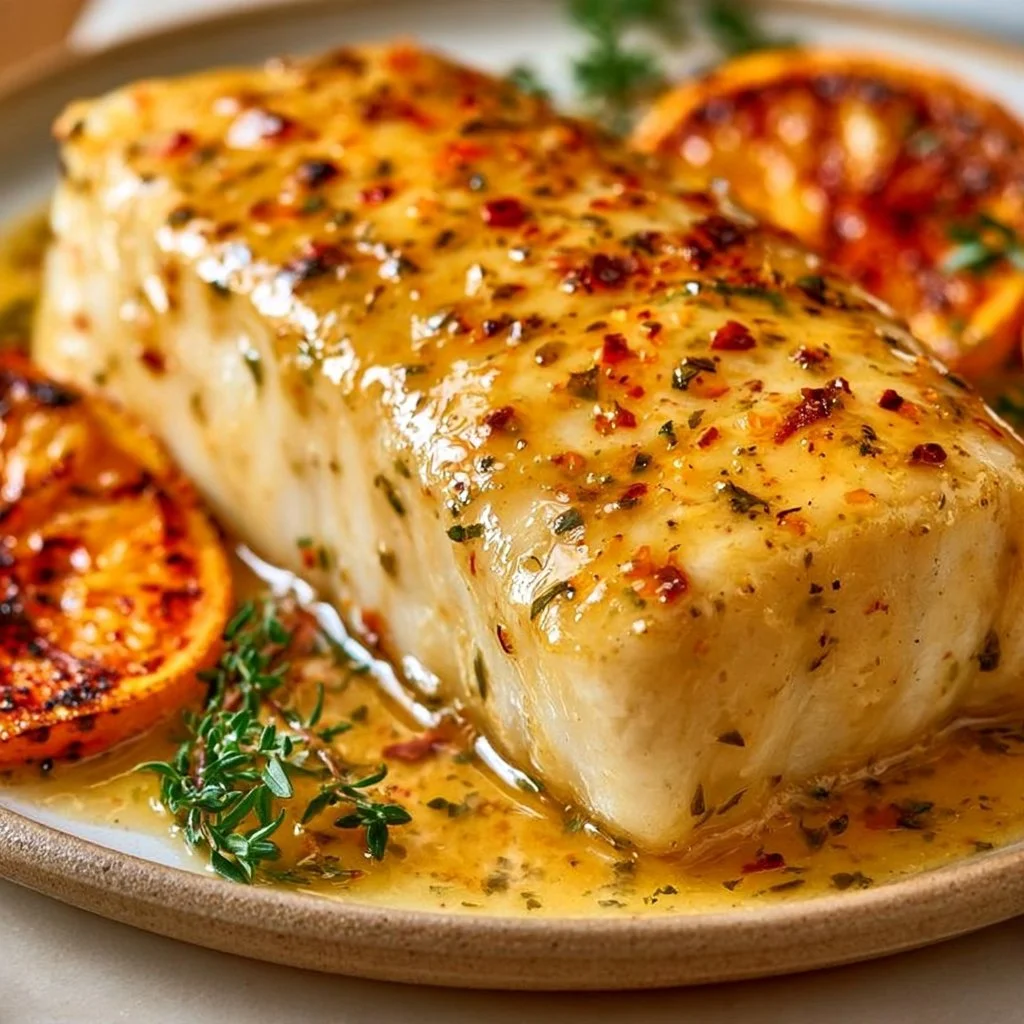
Orange Dijon Grilled Halibut
When it comes to preparing seafood that is both flavorful and easy to prepare, Orange Dijon Grilled Halibut stands out as a perfect choice. This dish harmoniously combines the mild, tender flesh of halibut with a sweet and tangy orange-Dijon glaze that elevates the fish’s natural flavors. Grilled to perfection, the halibut boasts a delicate texture that is flaky yet firm, making each bite a delightful experience. The glaze not only adds a vibrant color to the dish but also infuses it with an irresistible aroma that beckons from the grill.
The beauty of this recipe lies in its simplicity. With just a handful of ingredients—fresh halibut, orange marmalade, Dijon mustard, and a few herbs—you can create a dish that feels gourmet without requiring extensive culinary skills. The balance of the sweet orange marmalade and the sharpness of Dijon mustard complements the fish beautifully, resulting in a dish that captures the essence of summertime grilling. Served warm, the halibut can be accompanied by a variety of sides, making it versatile for any meal.
This recipe is ideal for summer barbecues, family gatherings, or even a cozy weeknight dinner. The grill adds a smoky depth that pairs excellently with the refreshing citrus flavors. Whether you’re a seasoned home cook or inexperienced in the kitchen, this grilled halibut recipe is sure to impress your family and friends, delivering a restaurant-worthy dish right at home.
What Makes This Recipe Special
What sets Orange Dijon Grilled Halibut apart from other seafood dishes is its distinctive flavor profile that merges sweetness with some acidity, creating a depth that delights the palate. The combination of orange marmalade and Dijon mustard not only brings a rich texture but also an exciting contrast between sweet and savory. While many grilled fish recipes simply use salt, pepper, and perhaps a squeeze of lemon, this dish takes it a step further by creating a unique glaze that enhances the fish’s natural flavors.
Compared to many other fish dishes that might rely on heavy sauces or complex seasoning blends, this recipe emphasizes the fish itself. Halibut, known for its firm texture, doesn’t easily break apart or become mushy, making it ideal for grilling. The glaze not only provides flavor but also forms a beautifully caramelized exterior as it cooks. Unlike deeper-flavored alternatives that can overpower, the halibut remains central to the dish, enhanced rather than masked by the glaze.
Additionally, this dish’s quick preparation makes it a go-to for those busy weeknights when you want a nutritious and hassle-free meal. It’s adaptable, allowing for many side dishes—grilled vegetables, rice, or even a fresh garden salad can easily complement the halibut, turning it into a complete meal that impresses with minimal effort.
Ingredient Overview and Helpful Notes
The ingredients in Orange Dijon Grilled Halibut work together to create a dish that highlights freshness, flavor, and balance. The main star, halibut, is a lean fish with a mild flavor that allows the accompanying glaze to shine through. When selecting halibut for this recipe, look for fillets that are firm to the touch with a translucent appearance. Fresh fish should have a clean, ocean-like smell, and avoid any that have a strong fishy odor, which could indicate aging.
The orange marmalade serves as a sweet base for the glaze. Choose a high-quality marmalade that contains real fruit and minimal preservatives to achieve the best taste. The presence of zest in certain brands can enhance the glaze’s brightness, offering a wonderful contrast to the savory notes of the mustard. Dijon mustard adds a sharp, piquant flavor that balances the sweetness of the marmalade beautifully. Opt for a smooth version for a more interesting texture in the glaze.
Fresh lemon juice, apple juice, black pepper, and salt round out the ingredient list, ensuring each flavor is well represented without overpowering one another. Fresh basil provides a fragrant herbal note that complements the citrus profile, while red pepper flakes offer a hint of warmth that is subtle enough not to overshadow the other ingredients. It’s essential to ensure all components of your glaze are fresh for maximum flavor.
When preparing the recipe, make sure to measure ingredients carefully, as the balance is crucial for achieving that perfect sweet-savory harmony. A good technique is to mix the glaze ingredients in a bowl before grilling, saving time and stress during cooking. Each component plays a vital role in creating a dish that is not only appetizing but also visually stunning.
Nutrition & Recipe Details
Nutritional values may vary depending on ingredients, brands, portion sizes, and preparation methods. Here’s a summary of the recipe details:
| Item | Value |
|---|---|
| Prep time | 10 minutes |
| Cook time | 12 minutes |
| Store time | 3 days in the fridge |
| Calories | 350 calories per serving |
| Protein | 30 grams |
| Carbohydrates | 20 grams |
| Fat | 15 grams |
How to Make Orange Dijon Grilled Halibut
The preparation of Orange Dijon Grilled Halibut is straightforward, making it accessible for cooks of all skill levels. Before starting, gather all your ingredients and utensils to make the process smooth and efficient. A medium bowl for mixing the glaze and a whisk or spoon to combine the ingredients will be necessary. Since grilling is involved, it’s beneficial to preheat the grill to ensure even cooking and avoid sticking.
Ingredients
| Ingredient | Quantity |
|---|---|
| Orange marmalade | 1/3 cup |
| Dijon mustard | 2 tablespoons |
| Fresh lemon juice | 1 tablespoon |
| Apple juice | 2 tablespoons |
| Salt and black pepper to taste | To taste |
| Fresh basil, finely chopped | 1 tablespoon |
| Red pepper flakes | 1/2 teaspoon |
| Halibut fillet, skin-on | 1 pound |
Before cooking, take a moment to prepare your ingredients. This means measuring out the marmalade, mustard, lemon juice, apple juice, basil, and red pepper flakes. Mix these ingredients in a bowl to create your delicious glaze. Prepare your halibut fillet by gently patting it dry with paper towels; this will help the glaze adhere better during grilling, and it also prevents steaming.
Step-by-Step Instructions
-
Prepare the Glaze: In a small bowl, whisk together the orange marmalade, Dijon mustard, lemon juice, apple juice, chopped basil, and red pepper flakes until smooth. This mixture will serve as both a marinade and glaze, infusing the halibut with flavor.
-
Preheat the Grill: Preheat your outdoor grill to medium-high heat and clean the grates thoroughly to prevent sticking. Cleaning the grill not only ensures cleaner cooking but also helps in achieving those beautiful grill marks.
-
Season the Halibut: Lightly season the halibut fillet with salt and black pepper on both sides. This simple seasoning step enhances the fish’s natural flavors and prepares it for the glaze.
-
Place on the Grill: Carefully place the halibut on the grill, skin-side down. This placement helps to prevent sticking and makes it easier to handle the fillet while it cooks.
-
Glaze the Halibut: Brush the top of the fillet generously with half of the prepared orange Dijon glaze. This initial application of glaze will caramelize beautifully during grilling, enhancing both flavor and appearance.
-
Grill the Fish: Grill for about 10-12 minutes or until the fish becomes opaque and flakes easily with a fork. The skin should become crispy while the fish remains tender and moist. Keep an eye on it to prevent overcooking.
-
Apply Remaining Glaze: Brush the remainder of the glaze over the fish during the last 2 minutes of cooking. This final application will create a beautiful sticky coating and add an extra burst of flavor just before serving.
-
Serve Immediately: Carefully remove the halibut from the grill and serve immediately. With the beautifully caramelized glaze, serve with your favorite sides like grilled vegetables, rice, or a fresh salad to complete the meal.
Understanding the Flavor and Texture
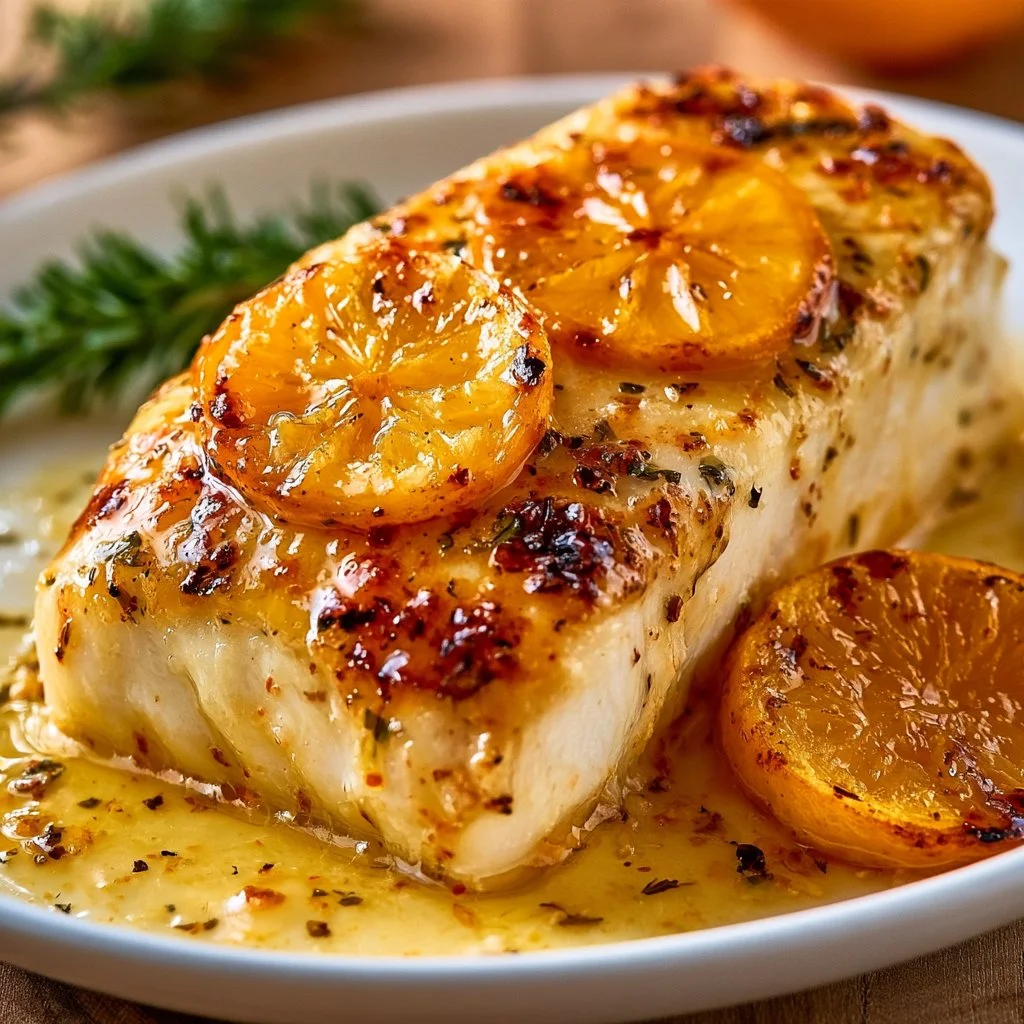
The finished Orange Dijon Grilled Halibut offers a delightful combination of flavors that awaken the palate. The sweetness from the orange marmalade mingles with the tangy notes of Dijon, creating a glaze that is both rich and refreshing. One of the highlights of this dish is how the ingredients come together to create a perfect balance; the sweetness does not overpower, but rather highlights the freshness of the fish.
When cooked correctly, halibut fillet has a tender, flaky texture that contrasts beautifully with the slightly sticky glaze. The exterior becomes slightly caramelized, giving a satisfying bite, while the inside remains moist and delicate. Each forkful should sound with subtle crispness from the grilled skin, complemented by the luscious sauce that clings to the fish.
Visually, you’ll be rewarded with a dish that shines—shimmering glaze, perfect grill marks, and delicate flakes of fish peeking through the caramelized exterior. To recognize a successful outcome, look for a fillet that appears opaque and is flaky when prodded with a fork, indicating that it has been cooked just right.
Pro Tips
A few small techniques can greatly enhance your Orange Dijon Grilled Halibut and ensure the best results. Here are some helpful tips to remember while preparing this recipe:
| Tip | Description |
|---|---|
| Pat Dry Before Grilling | Making sure the halibut is dry will help the glaze stick better and avoid steaming. Use paper towels to pat the fillet gently before seasoning. |
| Watch the Cooking Time | Since halibut cooks fairly quickly, be attentive during grilling to avoid overcooking. The fish should flake easily when done without being dry. |
| Use a Meat Thermometer | A meat thermometer can help you achieve perfectly cooked fish if you’re unsure. Halibut should reach an internal temperature of 145°F (63°C). |
| Rest the Fish | Allow the grilled halibut to rest for a minute or two after cooking. This lets the juices redistribute, enhancing the flavor and moisture. |
Another useful tip is to experiment with the glaze based on your personal preferences. Feel free to adjust the sweetness and acidity by adding more or less marmalade or lemon juice to achieve the balance you enjoy most.
Why You’ll Love This Recipe
Orange Dijon Grilled Halibut ticks all the boxes for a successful meal that is flavorful, healthy, and quick to prepare. The combination of citrus and mustard offers a fresh approach to traditional grilled fish, making it a standout at any gathering. Additionally, the balance of sweet, tangy, and savory notes creates a versatile dish that appeals to both novices and seasoned cooks alike.
This recipe is easily adaptable, allowing you to incorporate various side dishes or complement it with a light salad, ensuring your table is vibrant and full of life. The way the halibut is prepared lends itself beautifully to outdoor cooking, making it favorable for those sunny days by the grill. Cleanup is minimal, especially since the grilling process doesn’t require heavy pots or pans.
Moreover, its appeal extends beyond just flavor. The fresh ingredients involved mean you’re serving a nutritious meal that is still satisfying and fulfilling. With its ease of preparation and impactful presentation, your diners will be impressed by this delightful dish, making it a recipe you’ll want to keep in your regular rotation.
How to Serve Orange Dijon Grilled Halibut
Presenting your Orange Dijon Grilled Halibut can be as simple or as elaborate as you prefer. To enhance the visual appeal, consider garnishing with additional fresh basil or a sprinkle of chopped parsley for a pop of color. Serving the halibut on a vibrant plate can help it stand out, showcasing the lovely glaze and grilled texture.
For side dishes, this grilled halibut pairs wonderfully with a vibrant summer salad—think mixed greens with orange slices, avocado, and a light vinaigrette. Alternatively, grilled seasonal vegetables like zucchini, bell peppers, or asparagus add a lovely complement, both in flavor and texture. For a heartier option, a simple quinoa or rice pilaf can serve as a nice base to soak up the delicious glaze.
When serving, portion out the halibut fillets while still warm, and consider drizzling a bit more of the orange Dijon glaze over each serving for that extra burst of flavor. This dish works beautifully for both casual family dinners and more formal occasions due to its impressive flavor and presentation.
Beverage pairings can also enhance the dining experience; consider serving a light, crisp white wine, non-alcoholic spritzer, or even iced tea to balance the dish’s flavors and offer a refreshing contrast.
How to Store Orange Dijon Grilled Halibut
Storing any leftovers after preparing Orange Dijon Grilled Halibut is simple. Allow the cooked fish to cool slightly to prevent trapping steam when placed in storage containers. Once cooled, transfer it to an airtight container and refrigerate, where it will be good for up to three days. The key to preserving the fish’s original texture is to store it in a single layer, so consider placing parchment paper between layers if you have more than one fillet.
Freezer storage is also an option if you want to keep it for an extended period, although the texture may change slightly upon thawing. Wrap the halibut tightly in plastic wrap or aluminum foil, then place it in a freezer-safe container. It’s best used within three months for optimal quality.
When reheating, be cautious as reheating halibut can lead to drying out. Gently microwave it in short intervals, or try reheating in a skillet with a tiny bit of olive oil to maintain moisture. The glaze may become less intense, so adding a touch more before serving can revive the flavors beautifully.
Tips to Make Orange Dijon Grilled Halibut
To elevate your cooking game when preparing this delightful grilled halibut, here are some practical tips that can greatly improve the overall consistency and flavor of the dish.
Pay close attention to the marination time. If you have a bit of time, marinating the halibut in the glaze for about 30 minutes before grilling can deepen the flavors considerably. While it’s not necessary since the glaze is applied while cooking, the added time allows the fish to absorb more of the sweet and tangy essence.
Another important factor is the heat management on the grill. Ensure the grill is preheated adequately. An under-heated grill can lead to sticking and uneven cooking. Additionally, when placing the fish on the grill, resist the temptation to move it around too much; give it time to sear and develop that important grill mark. This technique also helps ensure the skin crisps up nicely.
For beginners particularly, using a fish spatula can make handling the halibut much easier. This flexible tool can slide under the fish elegantly, making it possible to flip or remove without falling apart—perfect for ensuring your presentation remains intact.
Always keep an eye on the doneness of the halibut. Different fillet thicknesses will affect cooking times, so knowing when your fish is ready involves checking for opacity and flakiness, which is a clear indicator that it’s done perfectly.
Variations and Substitutions
While Orange Dijon Grilled Halibut is a superb recipe as is, exploring variations and substitutions can yield delicious results tailored to your family’s preferences. For instance, if you enjoy a different flavor palette, try substituting the halibut with salmon or sea bass. These oily fish will bring an additional richness that complements the sweet glaze beautifully and adapts well to the grilling method.
For a vegetarian twist, consider using grilled tofu or tempeh, marinated similarly with the orange-Dijon glaze. This option captures the same flavor profile while providing a plant-based alternative that everyone can enjoy. The key to this substitution is to press and marinate the tofu well to allow it to soak up the flavors effectively.
If you want a spicy kick, consider adding a finely diced jalapeño or a dash of hot sauce into the glaze. This addition not only separates the dish from the original recipe but maintains the essence of the flavor balance with an added layer of heat.
Dairy-free options can also complement this dish; if you’d like to smoothen the texture of the glaze without using additional sugar, consider adding a dollop of coconut cream into the mix. This will create a luscious texture, adding a creaminess that rounds out the flavors while keeping the recipe vegan-friendly.
Storage and Reheating
Storage is key to enjoying your Orange Dijon Grilled Halibut over multiple meals. When dealing with leftovers, ensure you allow the halibut to cool completely before storing it in an airtight container. It’s crucial to keep the fish sealed to prevent moisture loss and avoid any absorption of surrounding odors from the refrigerator.
For freezing, individually wrap each halibut piece in plastic wrap and place them in a resealable freezer bag. Be sure to remove all the air to prevent freezer burn. The fillets can last for up to three months in the freezer, but the sooner you consume them, the better the flavor and texture.
Reheating the halibut should be done gently to avoid drying it out. The microwave is convenient but can cause the fish to become rubbery if overheated. Instead, consider reheating it on low heat in a skillet, adding a splash of lemon juice or a small piece of butter to maintain moisture. For best results, cover the skillet to create steam, ensuring even heating.
If you need to microwave, do so in short bursts, checking frequently. You can also add a layer of the orange-Dijon glaze over the fish before reheating to help retain moisture and revitalize the flavor.
Customization Ideas
Customization can transform Orange Dijon Grilled Halibut into a unique dish for any palate. For example, introducing fresh herbs into the glaze can elevate the flavor. Experimenting with cilantro or dill can offer different taste experiences without straying from the core recipe.
If you prefer more texture, consider adding sesame seeds or crushed nuts on top of the glaze before grilling. Not only will this enhance the visual appeal, but it will also add crunch and an additional layer of flavor.
Additionally, for a more robust sauce, try blending some sesame oil or tahini into the glaze. The nutty flavor will add depth to the dish, balancing out the citrus components effectively and adding a unique twist.
Lastly, if you love citrus flavors, consider incorporating lime juice or zest into the glaze in place of or alongside the lemon juice. This addition provides another dimension of acidity and freshness, making the dish even more refreshing—perfect for warm days and lighter meals.
Common Mistakes to Avoid
Cooking can sometimes be challenging, and there are several common pitfalls to avoid when making Orange Dijon Grilled Halibut:
-
Skipping the Patting Dry Step: Avoiding this can lead to a watery glaze that won’t adhere properly and may steam the fish instead of grilling it. Always dry the fish to achieve that crispy exterior.
-
Not Preheating the Grill: If your grill isn’t adequately preheated, this can cause the fish to stick, leading to tears or a mess when flipping. Ensure the grill is hot enough before adding the halibut.
-
Overcooking the Fish: Halibut can go from perfectly cooked to dry quickly. Watch closely for the opaque flakiness, and use a thermometer if uncertain. Aim for an internal temperature of 145°F (63°C).
-
Using a Heavy Hand with Salt: While seasoning is crucial, too much salt can overpower the delicate flavor of the fish and the glaze. Start with a little and adjust as needed.
-
Neglecting Resting Time: Serving immediately after cooking can lead to a loss of moisture. Giving the fish a moment to rest allows juices to redistribute, keeping the fish tender.
Serving Occasions
The delightful Orange Dijon Grilled Halibut is suitable for various occasions, making it a versatile dish in your culinary repertoire. Its refreshing flavors make it a fantastic choice for summer barbecues, where guests can enjoy grilled fish alongside a warm evening breeze.
This dish also shines at family gatherings or casual weeknight dinners, effortlessly transitioning from outdoor grilling to the dining table. Its elegant presentation makes it a potential candidate for more formal occasions, such as dinner parties or holiday meals, where culinary prowess is desired but not overly complicated.
Moreover, its quick preparation time allows it to fit seamlessly into meal prep for busy individuals. You can whip it up during the week, ensuring that even on the busiest evenings, a healthy and appealing dinner is within reach.
Why Make This Recipe?
Choosing to prepare Orange Dijon Grilled Halibut instead of other similar dishes offers a wealth of benefits. The unique combination of citrus, mustard, and fresh herbs creates a complex yet accessible flavor profile that is often lacking in traditional fish recipes. Rather than drowning the fish in dense sauces, this recipe allows the natural flavors of the halibut to shine through, resulting in a dish that feels both indulgent and health-conscious.
The quick assembly and grilling process cater to busy weeknight schedules without sacrificing taste or presentation. Making it easy to prepare for family meals, you won’t find yourself spending hours in the kitchen.
Incorporating fresh ingredients with robust flavors means you can consistently put a nutritious and satisfying meal on the table. This makes it a worthy addition to anyone’s regular recipe rotation, appealing to both novice and experienced cooks. Each aspect, from preparation to presentation, invites excitement and satisfaction, making this recipe a delightful experience from start to finish.
Make-Ahead Preparation
While this recipe is best enjoyed fresh, there are elements you can prepare ahead of time to streamline the cooking process. For instance, mixing the glaze can be done a day in advance. Store it in the refrigerator in an airtight container to allow the flavors to meld beautifully. You can also marinate the halibut in the glaze for an hour before grilling to enhance its flavor, but keeping it no longer than this will ensure the fish remains tender.
Assembling side dishes ahead of time is another way to minimize stress when preparing your meal. Salads can be prepped and refrigerated, and vegetables can be washed and cut in advance, saving you time during day-of preparation.
However, be cautious with the halibut itself. It’s best to leave the grilling until just before you serve to maintain optimal freshness and texture. Always combine make-ahead planning with proper food safety measures, ensuring that nothing is left out for lengthy periods at room temperature.
Equipment and Kitchen Preparation
Proper equipment can significantly enhance your experience when making Orange Dijon Grilled Halibut. A reliable outdoor grill is essential, whether gas or charcoal, as it provides the smoky flavor that complements the glaze beautifully. If grilling indoors, a grill pan can work just as well, allowing for that sought-after sear and char marks.
For mixing the glaze, a medium bowl and a whisk or mixing spoon will suffice, but you might also want a brush for applying the glaze to the fish. A fish spatula is incredibly useful for flipping and removing the delicate halibut without breaking it.
Additionally, make sure you have aluminum foil on hand if you plan to cover the fish while it grills, a helpful trick for retaining moisture. Organizing your workspace beforehand will help things flow smoothly; ensure your ingredients are within reach and prep bowls or plates are ready to go.
FAQs
1. Can I use a different fish instead of halibut?
Yes, other firm fish like salmon or sea bass can be used. Adjust the cooking time as needed, as different types of fish will have varying cooking durations.
2. Is there a way to make this dish spicier?
Absolutely, you can add fresh minced jalapeños or more red pepper flakes to increase heat without overpowering the glaze’s flavor.
3. Can I prepare the glaze in advance?
Yes, you can prepare the glaze a day ahead and store it in the refrigerator. This will help the flavors meld together, enhancing the final dish.
4. What’s the best way to tell if the halibut is done cooking?
The fish should appear opaque and should flake easily when prodded with a fork. Internal temperature should ideally reach 145°F (63°C).
5. How long can I store leftovers?
Cooked halibut can be stored in an airtight container in the refrigerator for up to 3 days or frozen for up to 3 months.
6. Can I serve this dish cold?
Grilled halibut is best served warm, but you can enjoy leftover fish cold as part of a salad or a sandwich.
7. What should I serve with Orange Dijon Grilled Halibut?
Consider pairing it with grilled vegetables, a fresh salad, or a light quinoa dish to complement the flavors of the fish.
8. Can I use store-bought glaze instead of making my own?
While you can opt for store-bought options, making your own glaze allows for fresher flavors and the opportunity to customize the sweetness and tartness to your liking.
Disclaimer
Nutritional information is approximate and may vary based on ingredient brands, substitutions, portion sizes, and preparation methods.
Print
Orange Dijon Grilled Halibut
- Total Time: 22 minutes
- Yield: 4 servings 1x
- Diet: Paleo
Description
A flavorful and easy-to-prepare dish that combines the mild halibut with a sweet and tangy orange-Dijon glaze, perfect for grilling during summer.
Ingredients
- 1 pound halibut fillet, skin-on
- 1/3 cup orange marmalade
- 2 tablespoons Dijon mustard
- 1 tablespoon fresh lemon juice
- 2 tablespoons apple juice
- Salt and black pepper to taste
- 1 tablespoon fresh basil, finely chopped
- 1/2 teaspoon red pepper flakes
Instructions
- Prepare the glaze: In a small bowl, whisk together the orange marmalade, Dijon mustard, lemon juice, apple juice, chopped basil, and red pepper flakes until smooth.
- Preheat the grill: Preheat your outdoor grill to medium-high heat and clean the grates thoroughly.
- Season the halibut: Lightly season the halibut fillet with salt and black pepper on both sides.
- Place the halibut on the grill, skin-side down.
- Glaze the halibut: Brush the top of the fillet generously with half of the prepared glaze.
- Grill the fish: Grill for about 10-12 minutes or until the fish becomes opaque and flakes easily with a fork.
- Apply the remaining glaze: Brush the remainder of the glaze over the fish during the last 2 minutes of cooking.
- Serve immediately: Carefully remove the halibut from the grill and serve with your favorite sides.
Notes
Make sure to pat the halibut dry before grilling for better glaze adherence. Adjust the glaze ingredients to suit your taste preferences.
- Prep Time: 10 minutes
- Cook Time: 12 minutes
- Category: Main Course
- Method: Grilling
- Cuisine: Seafood
Nutrition
- Serving Size: 1 serving
- Calories: 350
- Sugar: 20g
- Sodium: 300mg
- Fat: 15g
- Saturated Fat: 2g
- Unsaturated Fat: 10g
- Trans Fat: 0g
- Carbohydrates: 20g
- Fiber: 1g
- Protein: 30g
- Cholesterol: 70mg