
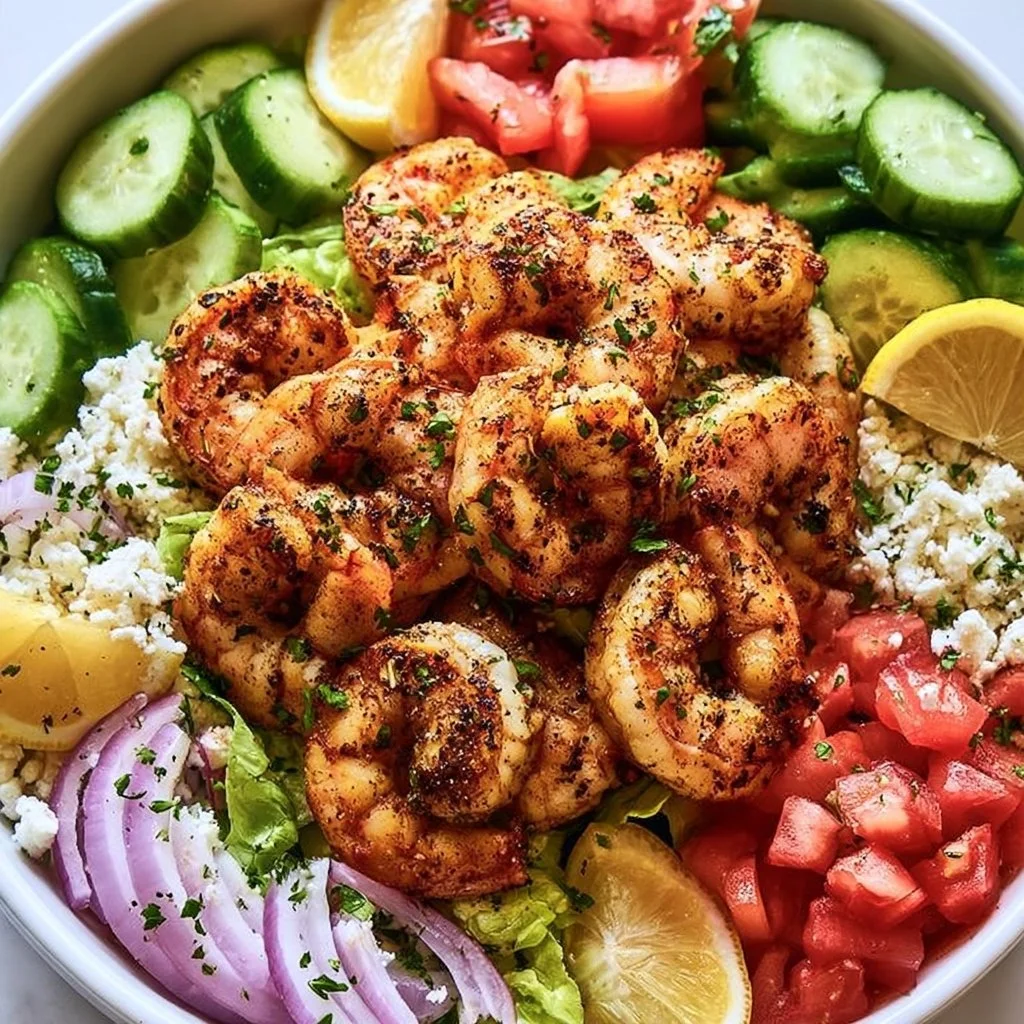
Greek Shrimp Mediterranean Bowl for an Easy High-Protein Dinner
Dive into the vibrant flavors of the Mediterranean with this Greek Shrimp Mediterranean Bowl, a delightful high-protein dinner option that’s packed with nutrients and taste. The combination of succulent shrimp, fresh vegetables, and tangy feta cheese creates a colorful dish that is not only visually appealing but also bursting with flavor. The zesty lemon dressing marries the ingredients beautifully, ensuring each bite is a refreshing experience. This dish highlights the best of Mediterranean cuisine, drawing on its diverse and healthful ingredients.
One of the most appealing aspects of this dish is its versatility—perfect for a quick family dinner or a casual lunch. Served in a bowl, it invites creativity as you can easily customize the ingredients based on your preferences or what you have on hand. Not only does it cater to a variety of tastes, but it’s also an excellent way to showcase seasonal produce, making it a delightful choice for warm-weather dining.
Whether you’re preparing this for a family meal, a gathering with friends, or simply as a meal prep option for the week, this Greek Shrimp Mediterranean Bowl is both nutritious and satisfying. The dish’s combination of protein, healthy fats, and vibrant vegetables makes it a go-to recipe for those looking to maintain a balanced diet without sacrificing flavor.
What Makes This Recipe Special
What sets this Greek Shrimp Mediterranean Bowl apart is its unique fusion of flavors and textures, ensuring that every bite is an exciting culinary adventure. The star of the dish, the shrimp, provides a rich source of protein while offering a delicate sweetness that pairs beautifully with the savory elements of the dish. The crunchy cucumbers, juicy tomatoes, and bright red onions add a refreshing crispness, providing a delightful contrast to the tender shrimp.
The feta cheese, with its distinct tang and creamy texture, rounds out the dish, offering richness without being overpowering. The utilization of fresh herbs like parsley or dill adds an aromatic touch that enhances the overall dining experience. In comparison to many other dinner bowls that may rely on heavier grains or sauces, this bowl keeps things light and bright, making it an excellent option for both health-conscious eaters and those craving something flavorful.
Moreover, this bowl is not just a feast for the palate but also a feast for the eyes. The varied colors of the ingredients create an appetizing presentation, making it an ideal choice for gatherings where you want to impress without extensive preparation. The assembly method allows for a personalized experience, with each guest able to adjust the ratios of shrimp, veggies, and cheese according to their liking.
Ingredient Overview and Helpful Notes
When it comes to making a Greek Shrimp Mediterranean Bowl, paying attention to the quality of your ingredients is paramount. The primary components include shrimp, fresh vegetables, feta cheese, olive oil, garlic, and lemon. Each of these ingredients plays a pivotal role in contributing to the overall flavor profile of the dish.
Shrimp
The shrimp is the main protein source, so it’s essential to choose fresh or sustainably sourced shrimp. Look for shrimp that appear moist, translucent, and slightly shiny. Avoid any shrimp that has an ammonia smell or seems slimy, as these can indicate spoilage. When preparing, ensure the shrimp are peeled and deveined, which can usually be done easily if bought fresh. If using frozen shrimp, thaw them completely and pat them dry before marinating to promote better flavor absorption.
Seasonal Vegetables
The vegetables like cucumbers, tomatoes, and red onions not only add flavor and nutrients but also texture. Opt for firm, bright vegetables to enhance the dish’s aesthetic appeal. When selecting cucumbers, the English variety is ideal due to its mild flavor and minimal seeds. For tomatoes, grape or cherry tomatoes offer sweetness and are easy to chop. Red onions add a sharp, sweet bite; choose firm ones that don’t have soft spots for the best flavor.
Feta Cheese and Other Ingredients
Feta cheese inherently carries a tangy profile that complements the other elements of this bowl. It’s best to use block feta that you can crumble yourself, as this often has better texture and flavor compared to pre-crumbled options. As for olive oil, a high-quality extra virgin variety brings depth to the dish, marrying the ingredients beautifully when combined with garlic and lemon.
Lastly, fresh herbs should be vibrant and fragrant; parsley and dill are traditional in Mediterranean cooking and enhance the dish’s freshness. When preparing your ingredients, wash and dry the vegetables thoroughly, chop them uniformly, and keep everything organized to streamline your cooking process.
Nutrition & Recipe Details
Nutritional values may vary depending on ingredients, brands, portion sizes, and preparation methods. Below are estimated nutritional details for this recipe.
| Item | Value |
|---|---|
| Prep time | 20 minutes |
| Cook time | 10 minutes |
| Store time | 3-4 days in the fridge |
| Calories | 400 |
| Protein | 35g |
| Carbohydrates | 15g |
| Fat | 24g |
How to Make Greek Shrimp Mediterranean Bowl
Making the Greek Shrimp Mediterranean Bowl is both simple and enjoyable. Start by gathering all your ingredients and equipment. A large mixing bowl for marinating, a sauté pan for cooking the shrimp, a cutting board, and a sharp knife will be helpful. Organization is key: chop your vegetables in advance, measure out your ingredients, and get everything ready for a seamless cooking experience.
Ingredients
| Ingredient | Quantity |
|---|---|
| Shrimp | 1 pound |
| Cucumber | 1, diced |
| Tomatoes | 1 cup, halved |
| Red onion | 1/4, finely chopped |
| Feta cheese | 1/2 cup, crumbled |
| Lemon | 1, juiced |
| Olive oil | 2 tablespoons |
| Garlic | 2 cloves, minced |
| Salt | to taste |
| Pepper | to taste |
| Fresh herbs (parsley or dill) | 1/4 cup, chopped |
Before you cook, prepare each ingredient by washing and drying the vegetables, peeling and deveining the shrimp if necessary, and measuring out the olive oil and spices. It’s best to keep your kitchen space clean and organized. This not only helps during the cooking process but also makes cleaning up afterward a breeze.
Step-by-Step Instructions
-
In a bowl, combine olive oil, minced garlic, salt, and pepper. Mix these ingredients until they are well combined. The garlic will infuse the oil, creating a flavorful base for the shrimp.
-
Add shrimp to the bowl and marinate for about 15 minutes. This step enhances the shrimp’s flavor, allowing them to soak up the zesty marinade.
-
Heat a sauté pan over medium heat. Once hot, add the marinated shrimp, spreading them out evenly in the pan. Sauté the shrimp until they are cooked through and turn pink, which usually takes about 3-5 minutes. The shrimp should be opaque and firm to the touch when done.
-
While the shrimp is cooking, chop the cucumber, tomatoes, and red onion. Aim for uniform sizes to ensure even distribution and an appealing presentation in the bowl.
-
In a serving bowl, layer the chopped vegetables, starting with the cucumbers on the bottom followed by layers of tomatoes and onions. This creates a vibrant base for the dish.
-
Once the shrimp are finished cooking, add them to the vegetable layers. Sprinkle the crumbled feta cheese generously over the top, introducing a briny flavor that elevates the entire bowl.
-
Squeeze fresh lemon juice over the bowl. This adds brightness and cuts through the richness of the feta and shrimp.
-
Finally, garnish with the chopped fresh herbs of your choice. You can serve immediately for a fresh and vibrant meal or cover and store it in the fridge for meal prep.
Understanding the Flavor and Texture
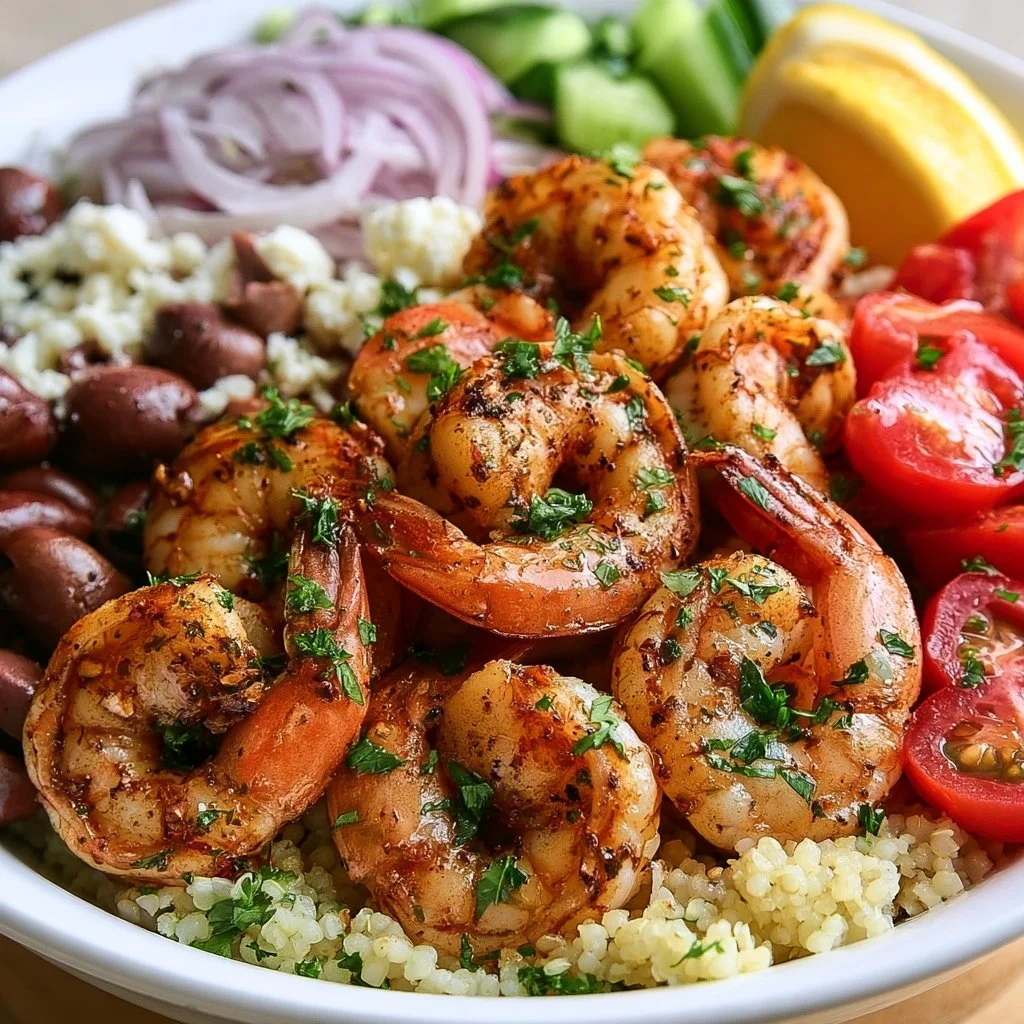
The Greek Shrimp Mediterranean Bowl showcases a delightful symphony of flavors and textures. At its heart, the dish offers a rich blend of savory, tangy, and fresh components working together. The shrimp, when cooked correctly, are plump and juicy, delivering a satisfying bite, while the combination of crisp cucumbers, sweet tomatoes, and sharp red onions provides a refreshing crunch.
The feta cheese not only adds creaminess but also a distinctive saltiness that enhances the overall taste. The tang from the lemon juice brightens up the dish, ensuring that it doesn’t feel heavy. As you enjoy a spoonful of the bowl, the warmth of the shrimp contrasts beautifully with the cooler vegetables, creating a delightful balance.
Successfully achieving the right flavors and textures comes down to marinating the shrimp adequately and ensuring the vegetables are fresh. Each ingredient contributes its own unique character, creating an inviting and pleasing escape into the world of Mediterranean cuisine.
Pro Tips
Every great dish has a few secret techniques that help elevate its flavors and overall presentation. Below are several tips that can significantly enhance your Greek Shrimp Mediterranean Bowl.
| Tip | Description |
|---|---|
| Marinate for Maximum Flavor | Allowing the shrimp to marinate for at least 15 minutes ensures they absorb the garlic and olive oil flavors. If time permits, extending marination up to 30 minutes can deepen the taste even further. |
| Use Fresh Ingredients | The quality of your shrimp and vegetables can significantly impact the dish. Always opt for the freshest produce you can find for the best flavor and texture, especially with vegetables like cucumbers and tomatoes. |
| Control the Heat | Cooking the shrimp over medium heat allows for even cooking. If the heat is too high, the shrimp can become rubbery. Watch them closely until they turn pink and opaque. |
| Customize the Herb Selection | While parsley and dill are traditional, feel free to experiment with different herbs such as mint or basil. Mixing up the herbs can give the dish a new flair while keeping it exciting. |
To further elevate your dish, consider experimenting with your choice of toppings. Adding a dollop of Greek yogurt or a sprinkle of red pepper flakes can introduce creaminess or heat, respectively, catering to different taste preferences.
Why You’ll Love This Recipe
There are plenty of reasons to fall in love with this flavorful bowl. First and foremost, the Greek Shrimp Mediterranean Bowl is incredibly easy to prepare, making it suitable for both seasoned cooks and beginners. The straightforward steps and brief cooking times create a low-stress cooking environment, allowing you to enjoy the process instead of feeling rushed.
Moreover, the ingredients are accessible and can often be found in your local grocery store, making this dish easy to whip up on any given weeknight. The flexibility of this recipe allows for various adaptations based on what’s in season or what you have available in your kitchen, making it a versatile addition to your meal rotations.
Lastly, beyond ease and accessibility, the vibrant flavors and textures ensure a satisfying dining experience. Whether enjoyed as a light dinner or as leftovers for lunch, it’s a dish that keeps on giving, with every bite providing a taste of the Mediterranean.
How to Serve Greek Shrimp Mediterranean Bowl
When it comes to presenting your Greek Shrimp Mediterranean Bowl, the visual aspect is just as important as the taste. Start with a large, shallow serving bowl that allows you to visually showcase the colorful layers of shrimp and vegetables. Arrange the chopped ingredients in sections or layers, allowing each color and texture to shine.
As for companion dishes, a simple green salad dressed with olive oil and vinegar is an excellent pairing. The fresh, crisp notes of the salad complement the flavors of the bowl while adding nutrition. For those seeking more carbs, consider serving with warm pita bread or a side of quinoa to create a fulfilling meal.
Additionally, garnishing with extra herbs or a drizzle of olive oil can give it a final touch of brightness. If you’re hosting, consider setting up a serving station so guests can create their personal bowls, choosing how much of each ingredient they want. This interactive style not only enhances the dining experience but also makes the meal feel personal.
To complement your meal, try serving with a refreshing beverage like lemon water, sparkling water, or even a light herbal iced tea to keep things refreshing and aligned with the Mediterranean vibe.
How to Store Greek Shrimp Mediterranean Bowl
Storing your Greek Shrimp Mediterranean Bowl properly is essential for maintaining its freshness and flavor. After the meal, allow any leftovers to cool down to room temperature before transferring them to airtight containers. This helps prevent condensation from forming inside the container, which could make the vegetables soggy.
For optimal freshness, store the shrimp and vegetables separately if possible. The shrimp can be kept in the fridge for up to 3-4 days, while the chopped vegetables may last about the same time, although some water-rich ingredients like cucumbers may start to lose their crispness sooner.
If you decide to freeze leftovers, be mindful that the texture of the shrimp may change upon thawing. It’s advisable to consume frozen leftovers within a month for the best taste and texture. When reheating, do so gently to avoid overcooking the shrimp—microwave in short intervals or heat on the stovetop just until warmed through.
Tips to Make Greek Shrimp Mediterranean Bowl
Improving your cooking game with the Greek Shrimp Mediterranean Bowl revolves around a few essential practices that will enhance your result. Pay close attention to ingredient preparation; ensuring that shrimp are thoroughly dried before marination allows the flavors to penetrate better.
Timing is Key
Timing during cooking is crucial—keeping an eye on the shrimp while they sauté helps avoid overcooking. Ideally, shrimp should be cooked just until they turn opaque, as they continue to cook slightly after being removed from the heat due to residual warmth.
Season Thoughtfully
When seasoning, remember that feta cheese is inherently salty. Taste for appropriate levels of salt throughout the cooking process, adjusting accordingly to prevent overpowering the dish.
Cooking Technique
Use a large enough pan when sautéing to avoid crowding, which can trap steam and lead to uneven cooking. If necessary, cook the shrimp in batches to maintain an appropriate sear.
By applying these practices, you’ll not only ensure the shrimp are perfectly prepared but also create a balanced, flavorful dish that showcases the best of Mediterranean cuisine.
Variations and Substitutions
The Greek Shrimp Mediterranean Bowl is highly adaptable, allowing for plenty of creative variations based on dietary preferences and available ingredients. If you’re looking for a vegetarian substitute, grilled or roasted vegetables, such as zucchini, bell peppers, or even chickpeas, can serve as a hearty alternative to shrimp while maintaining the dish’s integrity.
For those following a dairy-free lifestyle, swapping out the feta cheese for a nut-based cheese or omitting it entirely can still create a satisfying bowl. You can also try adding avocado for a creamy texture that complements the other ingredients perfectly.
If you prefer a spicier kick, consider adding diced jalapeños or a sprinkle of red pepper flakes in the marinade. This simple tweak introduces a new layer of flavor that many will appreciate.
Lastly, for a grain-friendly version, you could replace the fresh vegetables with a bed of quinoa or brown rice, transforming this bowl into a filling meal that packs even more protein. Just be mindful of adjusting cooking times to accommodate any additional components.
Storage and Reheating
When it comes to storing and reheating your Greek Shrimp Mediterranean Bowl, you want to take measures to maintain the freshness of both the shrimp and the vegetables. After enjoying your meal, let any leftovers cool before transferring them to airtight containers, ideally splitting the shrimp and vegetables into separate portions to retain their distinct textures.
For refrigeration, store leftovers in the fridge where they should last for up to four days. If you need longer storage, consider freezing the shrimp portion in a separate container; however, note that this may affect their texture upon reheating. Aim to consume frozen leftovers within a month to enjoy the best taste.
For reheating, the stovetop is often the best option, offering more controlled heat than the microwave. When reheating in the microwave, use lower power settings and cover with a microwave-safe lid to trap steam and prevent drying out. No matter your reheating method, ensure that the dish is warmed thoroughly without re-cooking the shrimp to maintain tenderness.
Customization Ideas
Personalizing your Greek Shrimp Mediterranean Bowl opens a world of culinary exploration. Start with seasoning; adding herbs like oregano or mint can bring forth new flavor profiles, while spices such as smoked paprika or cumin can excite your palate further.
You also have the option to modify texture; introducing crunchy nuts or seeds like toasted almonds, walnuts, or sunflower seeds can add depth and enhance the nutritional value of the dish. For added richness, consider drizzling tahini or a dollop of hummus as a topping.
Experiment with toppings such as sliced olives or pickles for extra brininess, or try incorporating variations like grilled seafood alongside the shrimp to change things up. This level of customization lets you tailor the bowl to fit your dietary needs or creative inclinations, making the recipe enjoyable time after time.
Common Mistakes to Avoid
When preparing your Greek Shrimp Mediterranean Bowl, avoiding common pitfalls can make a significant difference in the final outcome. Below are some frequent mistakes to watch out for:
-
Overcooking the Shrimp: Cooking shrimp just a moment too long can lead to rubbery, tough meat. Make sure to watch for their transformation to opaque as the indicator that they are done.
-
Using Dull Knives: A dull knife may slip, making chopping and dicing more labor-intensive and potentially dangerous. Ensure your knives are sharp for safer and more efficient prep.
-
Overcrowding the Pan: Not allowing enough space in your sauté pan can steam your shrimp rather than sear them, impacting their flavor and texture. Cook in batches if necessary to achieve the perfect sear.
-
Neglecting to Taste and Adjust: Seasoning throughout the cooking process is vital. A dish can lose its balance if taste testing is skipped along the way. Adjust seasoning to suit your palate as you go.
-
Not Allowing Ingredients to Rest: After cooking, letting the dish sit for a few minutes can meld flavors, making each bite even more harmonious. Rushing to serve can lead to a less integrated flavor profile.
Serving Occasions
This Greek Shrimp Mediterranean Bowl fits a myriad of occasions, making it a versatile option for various gatherings. It is particularly well-suited for busy weeknights when time is limited; the straightforward preparation allows for a quick yet satisfying meal that does not compromise flavor.
Additionally, its vibrant presentation makes it a great dish for family gatherings or casual dinner parties. This can create a communal feel, inviting your guests to assemble their bowls based on personal preferences.
It’s also ideal for potlucks or brunches as it can be prepared in advance and served at room temperature, facilitating ease of service. With the rising trend of healthy meal prep, this dish also stands out as a make-ahead option that provides nutritious lunches throughout the week.
Why Make This Recipe?
Choosing to make the Greek Shrimp Mediterranean Bowl holds many advantages over similar dishes. Its adaptability means you can tailor the ingredients and flavors to match your liking, ensuring every version feels unique while still delicious.
Beyond flexibility, this bowl’s combination of colorful ingredients keeps your plate exciting, lifting both your mood and appetite. The nutrition packed in each component—lean protein from the shrimp, vitamins from the vegetables, and healthy fats from the olive oil—makes it a meal that is as wholesome as it is tempting.
The ease of preparation further solidifies its place in your regular cooking repertoire. The balance of flavors and textures demonstrates the beauty of Mediterranean cuisine, encouraging you to explore and enjoy a healthy yet indulgent dining experience.
Make-Ahead Preparation
Preparation for the Greek Shrimp Mediterranean Bowl can be done in advance, allowing for a seamless cooking experience on busy nights. Shrimp can be marinated ahead of time, even up to several hours in advance, providing ample opportunity for flavor to infuse.
Many fresh vegetables can also be prepared ahead. Chopping cucumbers, tomatoes, and onions in advance can save time on the day you plan to serve the bowl. Just be cautious about storing already chopped cucumbers separately, as they can release excess water and lose their crispness if left too long.
Marinating and pre-chopping can definitely set you up for success during the week. Just remember to assemble the bowl right before serving to maintain its freshness and appeal.
Equipment and Kitchen Preparation
To create a Greek Shrimp Mediterranean Bowl, having the right tools can make your cooking experience both efficient and enjoyable. While the recipe is simple enough not to require heavy-duty equipment, there are still essential items that will enhance your cooking process.
A large mixing bowl comes in handy for combining your ingredients, particularly for marinating the shrimp. A sauté pan is crucial for cooking the shrimp; opt for non-stick or stainless steel to avoid sticking. A sharp knife and a sturdy cutting board are indispensable for chopping vegetables accurately and safely.
Additionally, a citrus juicer is helpful for extracting lemon juice more efficiently, ensuring that you get the maximum flavor from the lemon without any seeds. Having all these tools at hand ensures that your workspace is organized and that you can focus fully on creating a delicious dish.
FAQs
1. Can I use frozen shrimp?
Yes, frozen shrimp can be used. Just ensure they are fully thawed and patted dry to absorb the marinade well.
2. What if I can’t find feta cheese?
If you can’t find feta, consider using goat cheese, which offers a similar tangy flavor. Alternatively, omit cheese for a dairy-free version.
3. How long can I store leftovers?
Leftovers can be stored in an airtight container in the refrigerator for about 3-4 days.
4. Can I make this bowl ahead of time?
Absolutely! You can prepare the shrimp and chop the vegetables ahead of time. Just assemble the bowl right before serving for optimal freshness.
5. Is this dish gluten-free?
Yes, it is naturally gluten-free. Just ensure that the ingredients like feta and condiments do not contain gluten.
6. What should I do if it’s too salty?
If the dish ends up too salty, adding a bit more lemon juice can help balance it out. Adding additional chopped vegetables can also dilute the saltiness.
7. Can I use another type of protein instead of shrimp?
Certainly! Feel free to substitute chicken, tofu, or even chickpeas for a vegetarian option.
8. How do I prevent the shrimp from becoming rubbery?
Cook shrimp quickly over medium heat until they turn pink and opaque; avoid overcooking, which causes rubberiness. Timing is key!
Disclaimer
Nutritional information is approximate and may vary based on ingredient brands, substitutions, portion sizes, and preparation methods.
Print
Greek Shrimp Mediterranean Bowl
- Total Time: 30 minutes
- Yield: 4 servings 1x
- Diet: Gluten-Free
Description
Dive into the vibrant flavors of the Mediterranean with this delightful high-protein Greek Shrimp Mediterranean Bowl, packed with succulent shrimp, fresh vegetables, and tangy feta cheese.
Ingredients
- 1 pound shrimp, peeled and deveined
- 1 cucumber, diced
- 1 cup grape tomatoes, halved
- 1/4 red onion, finely chopped
- 1/2 cup feta cheese, crumbled
- 1 lemon, juiced
- 2 tablespoons olive oil
- 2 cloves garlic, minced
- Salt, to taste
- Pepper, to taste
- 1/4 cup fresh herbs (parsley or dill), chopped
Instructions
- Combine olive oil, minced garlic, salt, and pepper in a bowl.
- Add shrimp to the bowl and marinate for about 15 minutes.
- Heat a sauté pan over medium heat and add the marinated shrimp, cooking until pink, about 3-5 minutes.
- Chop the cucumber, tomatoes, and red onion while the shrimp cooks.
- Layer chopped vegetables in a serving bowl, starting with cucumbers and adding tomatoes and onions.
- Once shrimp are cooked, add them to the vegetable layers and sprinkle crumbled feta cheese on top.
- Squeeze fresh lemon juice over the bowl and garnish with fresh herbs.
Notes
Serve fresh or store in the fridge for meal prep. Customize according to your preferences by adding or swapping ingredients.
- Prep Time: 20 minutes
- Cook Time: 10 minutes
- Category: Main Course
- Method: Sautéing
- Cuisine: Mediterranean
Nutrition
- Serving Size: 1 serving
- Calories: 400
- Sugar: 4g
- Sodium: 500mg
- Fat: 24g
- Saturated Fat: 5g
- Unsaturated Fat: 15g
- Trans Fat: 0g
- Carbohydrates: 15g
- Fiber: 3g
- Protein: 35g
- Cholesterol: 220mg