
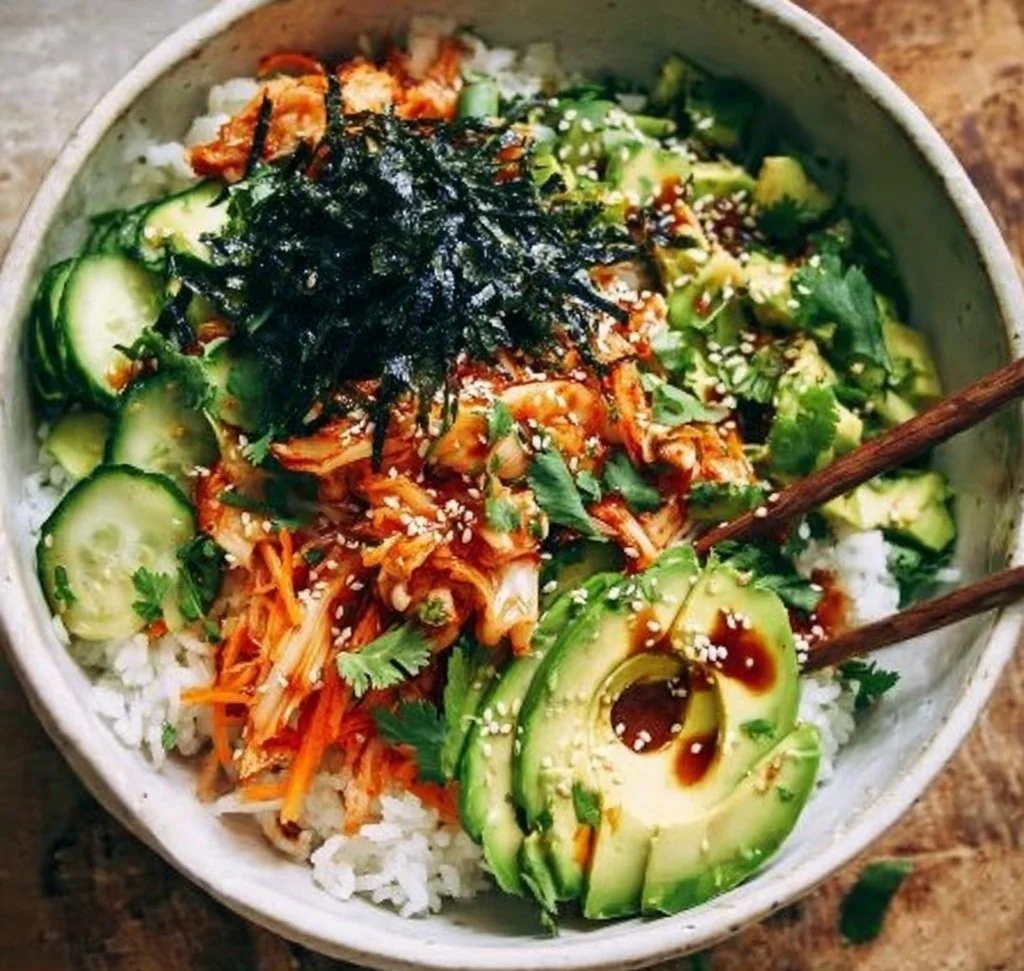
Kimchi Rice Bowl Recipe
If you’re looking for a dish that’s full of flavor, quick to make, and utterly satisfying, the Kimchi Rice Bowl might be your new go-to meal. Bursting with the tanginess of kimchi, the dish offers a delightful mix of textures — from the soft, fluffy rice to the crunchy vegetables. It’s a fantastic choice for breakfast, lunch, or dinner, and perfect for those busy weeknights when you want something tasty without spending hours in the kitchen.
What sets this dish apart is its versatility. You can customize it based on what you have on hand, making it adaptable to any dietary preference. Whether you opt for adding a fried egg on top or leave it out for a vegan version, the Kimchi Rice Bowl is a standout dish that’s sure to impress friends and family alike.
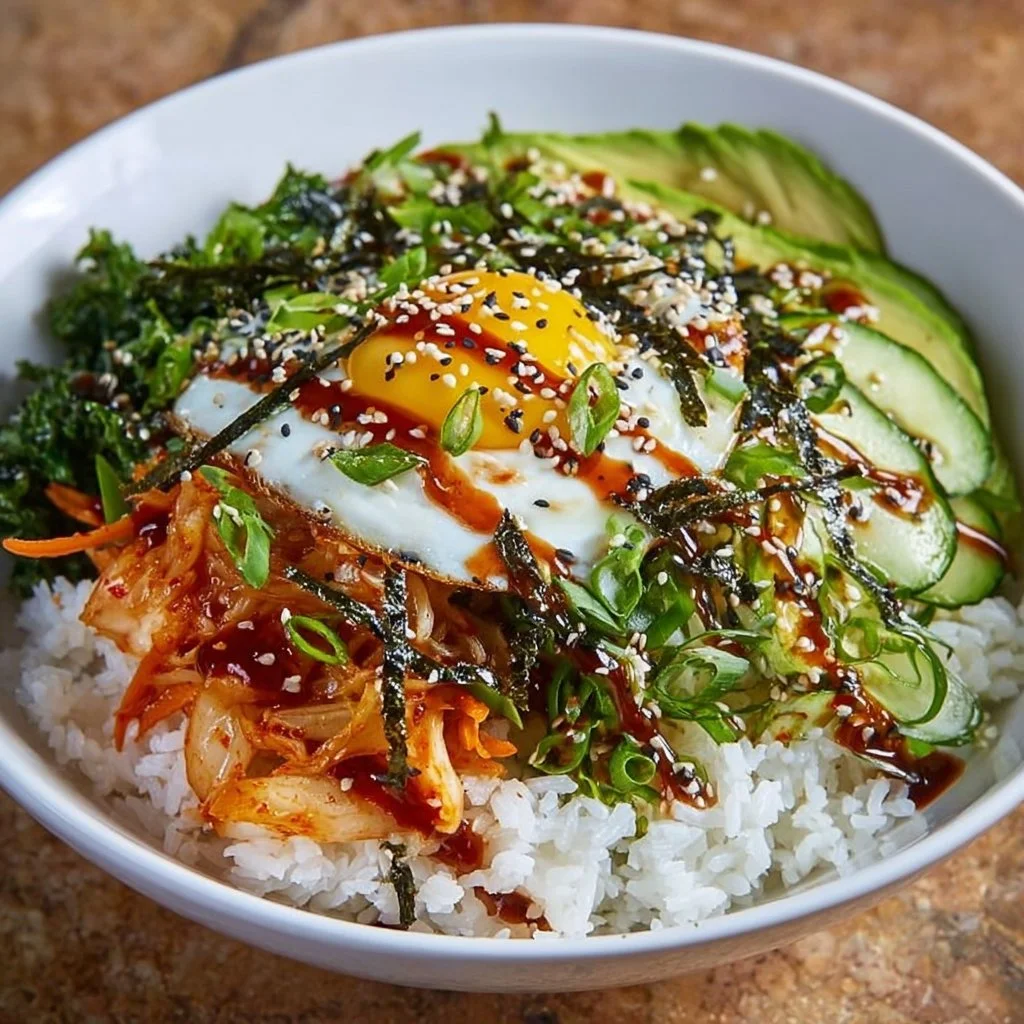
When served, it not only looks appealing with vibrant colors, but it also delights the palate with its spicy and savory notes. This dish can easily become a staple in your kitchen, especially when you want something quick yet comforting.
Nutrition & Recipe Details
| Item | Value |
|---|---|
| Prep time | 10 minutes |
| Cook time | 10 minutes |
| Store time | 3 days in the fridge |
| Calories | 350 |
| Protein | 10g |
| Carbohydrates | 55g |
| Fat | 12g |
How to make Kimchi Rice Bowl
Ingredients:
| Ingredient | Quantity |
|---|---|
| Cooked rice | 2 cups |
| Chopped kimchi | 1 cup |
| Sesame oil | 1 tablespoon |
| Sliced green onions | 1/2 cup |
| Soy sauce | 1 tablespoon |
| Egg (optional) | 1 |
| Sesame seeds for garnish | to taste |
Step-by-Step Instructions:
- In a large pan, heat the sesame oil over medium heat.
- Add the chopped kimchi and cook for about 3-5 minutes until it’s heated through.
- Stir in the cooked rice and soy sauce, mixing everything well.
- Cook for another 2-3 minutes until the rice is heated.
- If using an egg, fry or scramble it in a separate pan.
- Serve the rice in bowls, topped with the fried egg, sliced green onions, and a sprinkle of sesame seeds.
Pro Tips:
| Tip | Description |
|---|---|
| Use day-old rice | Using rice that’s been in the fridge for a day helps to keep it dry and not mushy, perfect for stir-frying. |
| Adjust spiciness | If you prefer a milder flavor, choose less spicy kimchi. You can also rinse it briefly to reduce the heat. |
| Garnish smartly | Adding a sprinkle of toasted sesame seeds brings an additional crunch and nutty flavor to the dish. |
Why You’ll Love This Recipe
One of the best things about the Kimchi Rice Bowl is its incredible flavor profile. The fiery kick of kimchi is perfectly balanced with the savory notes of soy sauce and sesame oil, creating an explosion of taste in every bite. Plus, it’s straightforward to make, allowing you to whip it up even on your busiest days.
It’s also great for various dietary needs. Whether you’re looking for a hearty vegan meal by skipping the egg or want something protein-rich by including it, this recipe caters to all. This dish is also gluten-free if you use tamari instead of regular soy sauce, so everyone can enjoy it!
How to serve Kimchi Rice Bowl
When it comes to presentation, a simple bowl works wonders for showing off the colorful ingredients. Layer the rice first, and then add the kimchi and toppings in an artful manner. For an extra flourish, drizzle a bit more sesame oil on top or add extra green onions for a pop of color.
Pair your Kimchi Rice Bowl with refreshing side dishes such as pickled vegetables or a light salad. For drinks, a chilled sparkling water or a cup of hot green tea complements the flavors beautifully without overpowering them.
How to store Kimchi Rice Bowl
Leftovers can be stored easily! Place the rice bowl in an airtight container in the refrigerator, where it will stay fresh for up to three days. If you want to extend its life, you can freeze the kimchi rice (without the egg), and it should last for about a month.
When you’re ready to eat, just reheat it. The fridge version is great for quick meals, while the freezer is ideal for batch cooking.
Tips to make Kimchi Rice Bowl
To elevate this dish, consider adjusting the cooking times or adding new ingredients. Always heat your kimchi well enough to release its flavors but avoid overcooking to preserve its crunch. Balance the saltiness with the right amount of soy sauce — just a splash can make a big difference.
Experiment with the toppings too! Adding avocado, sesame oil drizzle, or even nori flakes can enhance textures and flavors, giving you a new experience each time you prepare it.
Variation
This dish is incredibly flexible. For a vegan version, simply omit the egg and consider adding firm tofu for protein. If you want some heat, toss in some gochujang (Korean chili paste). For a low-carb option, substitute rice with cauliflower rice for a lighter experience, without losing the essential flavors.
Storage and Reheating
To reheat your leftover Kimchi Rice Bowl, you can use any of these methods:
-
Microwave: Place the bowl in the microwave for about 1-2 minutes. Stir halfway to ensure even heating.
-
Skillet: Heat a non-stick skillet over medium heat and add the rice; stir frequently and cook for about 5 minutes until heated through.
-
Oven: Preheat the oven to 350°F (175°C) and place the rice in an oven-safe dish covered with foil. Heat for about 15-20 minutes.
No matter which method you choose, ensure it’s heated thoroughly before serving.
Customization Ideas
There are endless ways to customize your Kimchi Rice Bowl. Want it creamier? Add a dollop of avocado or a splash of coconut milk. To boost the flavor, add in a splash of citrus juice (like lime or lemon) or incorporate different vegetables like bell peppers or carrots to give a crunchy texture.
Feel free to adjust seasonings as well; more soy sauce or sesame oil can enhance the depth of flavor, while extra green onions or fresh herbs can brighten the dish up.
Common Mistakes to Avoid
- Using fresh rice: Freshly cooked rice can be too moist; let it cool or use day-old rice for better texture.
- Skipping the heating step: Heating kimchi before adding it to rice allows flavors to meld together better, enhancing the overall taste.
- Overcooking the egg: If adding an egg, monitor it closely during cooking. Preferred is slightly runny yolks for an added creaminess.
- Not tasting as you go: Always sample your dish while cooking to adjust flavors according to your preferences.
- Forgetting garnishes: Simple garnishes like sesame seeds or green onions can elevate the dish’s appearance and flavor, don’t skip them!
Serving Occasions
The Kimchi Rice Bowl is perfect for various occasions. Serve it as a quick lunch fix or a vibrant dinner option. It also works wonderfully at gatherings, allowing guests to customize their bowls with their sauce and toppings of choice. Whether it’s a cozy family meal or a casual potluck, this dish is sure to impress.
Why make this recipe
The Kimchi Rice Bowl stands out because it combines convenience, flavor, and nutrition in a single bowl. Unlike other rice dishes that may require exotic spices or long cook times, this recipe shines with just a few staple ingredients and/or leftovers. Its bold flavors and easy preparation make it perfect for anyone looking to explore Asian cuisine or simply enjoy a comforting meal at home.
Additionally, as you experiment with different variations and ingredients, you can make this dish uniquely yours. This encourages creativity in the kitchen, allowing you to enjoy new flavors with every preparation.
FAQs
-
Can I use different types of rice?
Yes! While white rice is commonly used, brown rice or jasmine rice can work well too. Just ensure they are cooked properly beforehand. -
Is kimchi spicy?
The spiciness of kimchi can vary greatly depending on the brand and fermentation process. If you’re unsure, start with a mild version or rinse it with water to reduce heat. -
Can I make this dish vegan?
Absolutely! Simply leave out the egg and consider adding tofu or other vegetables for protein. -
What can I serve with the Kimchi Rice Bowl?
Great sides include pickled vegetables, a light salad, or even steamed dumplings for a fuller Korean meal experience. -
How will leftovers taste?
Leftovers maintain their flavor well. The kimchi continues to ferment, which may enhance its taste, but be mindful to store it properly for the best results.
Disclaimer
Nutrition information is approximate and can vary based on the specific ingredients used and their quantities. Always review ingredient labels for accurate details.