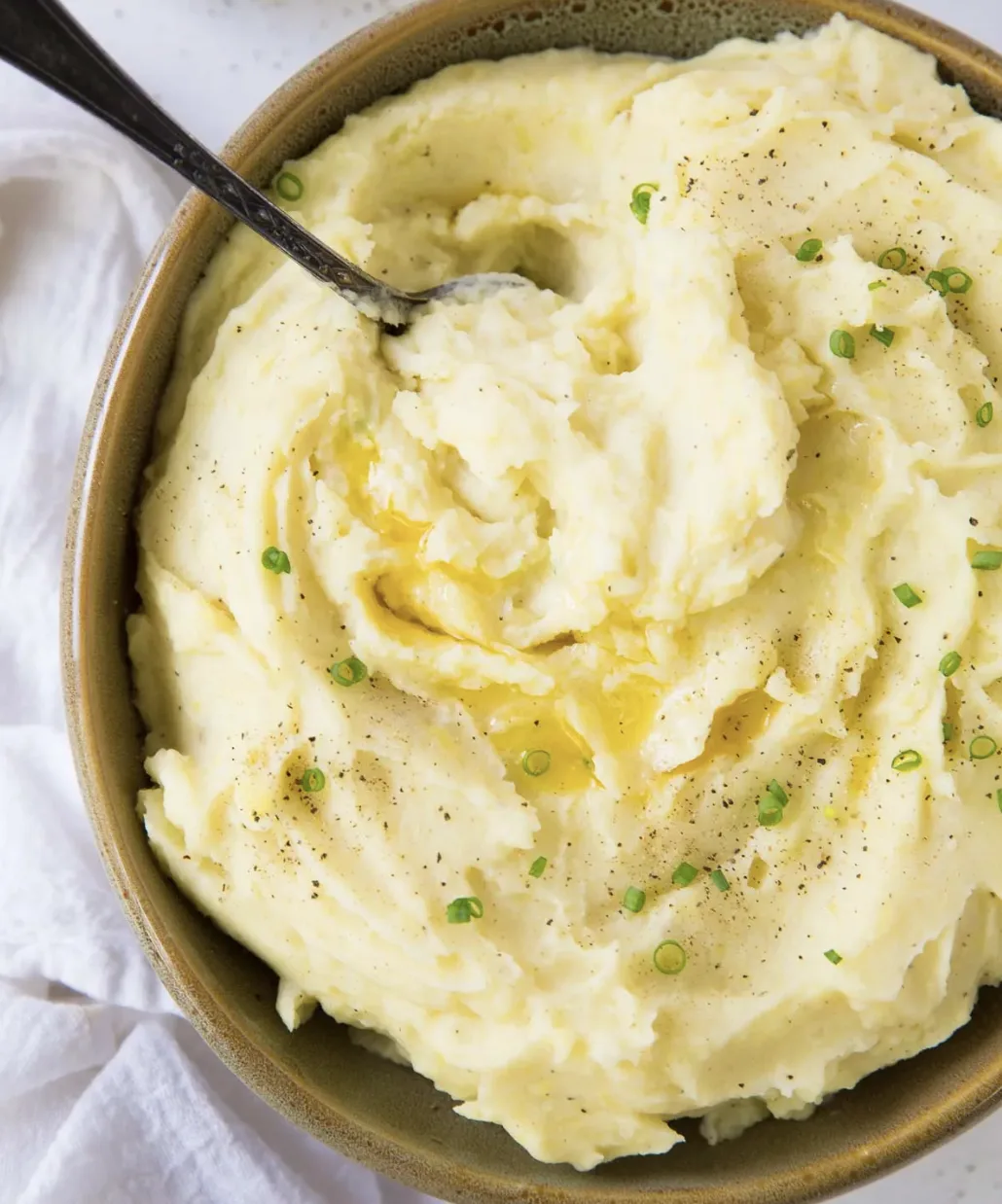
These homemade mashed potatoes are creamy, fluffy, buttery, and full of classic comfort-food flavor. Made with simple ingredients like potatoes, butter, warm milk, salt, and pepper, this easy recipe is perfect for weeknight dinners, holiday gatherings, and special occasions. With a few simple techniques, you can make smooth, flavorful mashed potatoes without a gummy texture or unwanted lumps.
Whether you serve them alongside roast turkey, baked chicken, pork chops, or salmon, these mashed potatoes are sure to become a family favorite.
Why You’ll Love These Mashed Potatoes
- Creamy and fluffy: Simple techniques help create a smooth, light texture without making the potatoes gluey.
- Easy to make: You only need a handful of everyday ingredients and a few basic kitchen tools.
- Perfect for holidays: These potatoes make an excellent side dish for Thanksgiving, Christmas, and family dinners.
- Easy to customize: Add garlic, fresh herbs, sour cream, cream cheese, or crispy bacon to make them your own.
- Make-ahead friendly: Prepare them in advance and reheat them with a little warm milk to restore their creamy consistency.
Ingredients You’ll Need
Here are the ingredients for this classic mashed potatoes recipe.
- 3 pounds Yukon Gold or Russet potatoes: Yukon Gold potatoes create rich, creamy mashed potatoes, while Russets produce a lighter, fluffier texture. You can also use a combination of both.
- 4 tablespoons unsalted butter: Use room-temperature butter cut into pieces so it melts easily into the hot potatoes. Add more if desired.
- 1 teaspoon salt, divided: Half seasons the cooking water, and the remaining half seasons the finished potatoes. Adjust to taste.
- ¼ teaspoon black pepper: Adds a little flavor without overpowering the potatoes.
- ½ cup whole milk, warmed: Warm milk blends more smoothly into the potatoes. Add extra as needed to achieve your preferred consistency.
What Equipment Do You Need?
You don’t need any special equipment to make delicious mashed potatoes. Gather these kitchen essentials before you begin:
- A large pot
- A colander
- A potato masher
- A measuring cup and measuring spoons
- A wooden spoon or sturdy spatula
- A vegetable peeler, if you prefer peeled potatoes
How to Make the Best Mashed Potatoes
Follow these simple steps for creamy, fluffy mashed potatoes every time.
Step 1: Prepare the Potatoes
Scrub the potatoes thoroughly under cool running water. Peel them if you prefer a smooth texture, or leave the skins on for extra texture. Yukon Gold potatoes have thin skins that work particularly well when left unpeeled, while Russet potatoes are often peeled.
Cut the potatoes into evenly sized, approximately 1-inch pieces. Keeping the pieces similar in size helps them cook at the same rate.
Step 2: Boil the Potatoes
Place the potato pieces in a large pot and cover them with cold water. Add ½ teaspoon of salt.
Bring the water to a boil over high heat, then cook the potatoes for 12–15 minutes. They should be very tender when pierced with a fork but should not fall apart completely.
Cooking the potatoes until thoroughly tender is essential for avoiding lumps in the finished dish.
Step 3: Drain and Remove Excess Moisture
Pour the cooked potatoes into a colander and drain them well.
Immediately return the drained potatoes to the empty, still-hot pot. Let them sit for 2–3 minutes, allowing excess moisture to evaporate.
This quick step helps prevent watery mashed potatoes and creates a fluffier final texture.
Step 4: Add the Butter and Mash
Add the room-temperature butter pieces to the hot potatoes.
Using a potato masher, mash the potatoes until they reach your preferred consistency. The heat from the potatoes will melt the butter, helping it blend throughout the mixture.
For the fluffiest results, mash by hand rather than using an electric mixer. Avoid excessive mashing, which can release too much starch and make the potatoes sticky or gummy.
Step 5: Add the Warm Milk and Season
Add the remaining ½ teaspoon of salt, the black pepper, and half of the warmed milk. Stir gently to combine.
Gradually add the remaining milk, using a little more if necessary, until the mashed potatoes reach your desired creaminess.
Potatoes absorb liquid differently depending on their variety, so you may not need every drop of milk. Taste and adjust the salt and pepper as needed.
Step 6: Serve Warm
Transfer the mashed potatoes to a serving bowl. If desired, add a little extra butter on top and finish with chopped chives or fresh herbs.
Serve immediately while warm and creamy.
Tips for Perfect Creamy Mashed Potatoes
A few small details can make a big difference in the texture and flavor of homemade mashed potatoes.
Start with cold water. Place the potatoes in cold water before bringing the pot to a boil. This encourages more even cooking, helping the centers become tender without the outsides overcooking.
Salt the cooking water. Adding salt while the potatoes boil seasons them from the beginning and improves their overall flavor.
Cook until very tender. Undercooked potatoes are one of the main reasons mashed potatoes turn out lumpy. Check them with a fork before draining.
Drain thoroughly. Excess water can make the finished potatoes thin and watery. Letting the drained potatoes sit in the hot pot for 2–3 minutes helps remove moisture.
Use warm milk. Warm milk blends into the potatoes more easily than cold milk and helps maintain their temperature.
Use softened butter. Room-temperature butter melts quickly and distributes evenly through the hot potatoes.
Mash by hand. A traditional potato masher gives you better control over the texture. Overworking the potatoes, especially with an electric mixer, can make them gluey.
Add milk gradually. Start with half the milk, then add more until the potatoes are as creamy as you like. This helps you avoid adding too much liquid.
Best Potatoes for Mashed Potatoes
The type of potato you choose affects the final texture.
- Yukon Gold potatoes: Naturally buttery and rich, with a creamy texture. They’re an excellent choice for smooth, flavorful mashed potatoes.
- Russet potatoes: Higher in starch, making them ideal for lighter and fluffier mashed potatoes.
- A combination of Yukon Gold and Russet: Combining the two gives you a balance of creamy richness and fluffy texture.
- Red potatoes: These can also be mashed, but they tend to produce a heavier texture and are less fluffy than Yukon Gold or Russet potatoes.
For this recipe, Yukon Gold potatoes are a particularly good choice if you prefer rich, creamy mashed potatoes.
Easy Mashed Potato Variations
Once you’ve mastered the classic recipe, try one of these delicious variations.
Extra-Rich Mashed Potatoes
Replace the milk with half-and-half or heavy cream for a richer, more indulgent side dish. Add the liquid gradually until the potatoes reach your preferred consistency.
Buttermilk Mashed Potatoes
Substitute buttermilk for the milk to give the potatoes a slightly tangy flavor. Do not warm the buttermilk, as heating it can cause it to curdle.
Cream Cheese Mashed Potatoes
For every 3 pounds of potatoes, add 4 ounces of cream cheese softened to room temperature. Mash it into the hot potatoes along with the butter for an extra-creamy result.
Sour Cream Mashed Potatoes
Stir in 2 tablespoons of sour cream, adding more to taste if desired. Sour cream creates a creamy texture with a pleasant tang.
Garlic Mashed Potatoes
For an easy garlic variation, start by adding ¼ teaspoon of garlic powder and adjust according to your taste. You can also use roasted garlic for a deeper, sweeter garlic flavor.
Herb Mashed Potatoes
Mix in chopped fresh chives, parsley, thyme, or sage. If using dried herbs, oregano, thyme, and basil are good options. Add small amounts at a time so the herbs complement rather than overpower the potatoes.
Bacon Mashed Potatoes
Cook chopped bacon in a skillet until crisp, then sprinkle the bacon crumbles over the finished potatoes. The salty, smoky flavor pairs beautifully with the buttery potatoes.
Loaded Mashed Potatoes
Stir in sour cream and shredded cheddar cheese, then top with crispy bacon and chopped chives or green onions. This variation delivers the familiar flavors of a loaded baked potato in a creamy side dish.
Make-Ahead Instructions
Mashed potatoes are a convenient side dish for holidays because you can prepare them ahead of time.
To make them up to 2 hours ahead: Prepare the recipe as directed, then transfer the potatoes to a slow cooker set to the warm setting. Keep them covered and stir occasionally. If they begin to dry out, add a little warm milk and stir gently.
To make them a day ahead: Prepare the mashed potatoes and transfer them to a baking dish. Stir in a little additional milk to help maintain their creamy texture, then cover and refrigerate until ready to reheat.
How to Reheat Mashed Potatoes
Mashed potatoes can thicken and dry out as they cool, but a little warm milk helps restore their creamy consistency.
Reheating in the Oven
- Preheat the oven to 350°F.
- Transfer the refrigerated mashed potatoes to an oven-safe baking dish.
- Stir in a little milk and cover the dish with foil.
- Bake for approximately 30 minutes, or until heated through, stirring once or twice during reheating.
- Add a little more warm milk if needed before serving.
The exact reheating time may vary depending on the amount and depth of the potatoes.
Reheating in the Microwave
Place the mashed potatoes in a microwave-safe bowl and heat on high power, stirring occasionally, until hot throughout.
Add milk as needed and stir gently between heating intervals to restore a smooth, creamy texture.
What to Serve with Mashed Potatoes
These classic mashed potatoes pair well with many main dishes, making them a versatile addition to your weekly dinner menu or holiday table.
Try serving them with:
- Roast turkey for Thanksgiving or Christmas dinner
- Baked chicken thighs for an easy family meal
- Slow-cooked pork chops with gravy
- Baked salmon for a comforting seafood dinner
- Meatloaf and roasted vegetables
- Roast beef with homemade gravy
- Shepherd’s pie-inspired meals
For a festive spread, serve the potatoes alongside green bean casserole, roasted carrots, or your favorite holiday side dishes.
Frequently Asked Questions
Should I peel potatoes before mashing them?
Peeling is optional. Yukon Gold potatoes have thin skins that can add pleasant texture when left on. Russet potatoes are often peeled for a smoother result. Choose whichever method you prefer.
Why are my mashed potatoes lumpy?
Lumps often happen when the potatoes haven’t cooked long enough. Boil them until they are very tender when pierced with a fork, then drain them thoroughly before mashing.
Why are my mashed potatoes gummy?
Mashed potatoes can become gummy when they are overworked, particularly when blended with an electric mixer. Use a potato masher and work gently, stopping when the potatoes reach your desired consistency.
Can I use cold milk?
Warm milk is recommended because it blends more easily into the hot potatoes and helps keep them warm. Cold milk can cool the potatoes and may make it harder to achieve a smooth texture.
How do I make mashed potatoes creamier?
Use Yukon Gold potatoes, room-temperature butter, and warm whole milk. Add the milk gradually, and consider using half-and-half or heavy cream for a richer version.
Can I make mashed potatoes ahead of time?
Yes. You can prepare them up to 2 hours ahead and keep them warm in a slow cooker. You can also make them a day in advance, refrigerate them, and reheat them in the oven at 350°F for approximately 30 minutes.
How can I fix dry mashed potatoes?
Stir in a small amount of warm milk until the potatoes become creamy again. Add it gradually to avoid making them too thin.
Can I freeze mashed potatoes?
This recipe’s original instructions provide make-ahead and refrigeration guidance but do not specify freezing instructions. For the best results, follow the make-ahead and reheating methods above.
The Best Mashed Potatoes Recipe Card
Prep Time: 15 minutes
Cook Time: 20 minutes
Total Time: 35 minutes
Servings: 6 servings
Ingredients
- 3 pounds Yukon Gold or Russet potatoes, about 8 medium Yukon Gold or 4 medium Russet
- 4 tablespoons unsalted butter, at room temperature, cut into 4 pieces, plus more if desired
- 1 teaspoon salt, divided, plus more to taste
- ¼ teaspoon pepper, or to taste
- ½ cup whole milk, warmed, plus more as needed
Instructions
- Scrub the potatoes under cool water. Peel them or leave the skins on, depending on your preference.
- Cut the potatoes into 1-inch pieces and place them in a large pot of cold water. Add ½ teaspoon of salt.
- Bring the water to a boil over high heat. Cook the potatoes for 12–15 minutes, until very tender when pierced with a fork but not falling apart.
- Drain the potatoes thoroughly in a colander.
- Return the drained potatoes immediately to the empty, hot pot. Let them rest for 2–3 minutes to allow excess moisture to evaporate.
- Add the butter pieces and mash the potatoes with a potato masher.
- Add the remaining ½ teaspoon of salt, the pepper, and half of the warm milk. Stir gently.
- Add the remaining milk, plus more if needed, until the potatoes reach your desired creaminess.
- Taste and adjust the seasonings as needed. Serve warm.
Notes
- Yukon Gold potatoes create a rich, creamy texture, while Russet potatoes produce lighter, fluffier mashed potatoes. You can also use a combination of both.
- To make the potatoes up to 2 hours ahead, keep them warm in a slow cooker using the warm setting.
- To reheat in the oven, stir in a little milk, cover with foil, and bake at 350°F for approximately 30 minutes, stirring once or twice.
- To reheat in the microwave, heat on high power, stirring occasionally, until hot. Add more milk as needed.
- Mashed potatoes tend to dry out as they sit, so stir in a little warm milk when reheating.
Nutrition Information
Per serving:
- Calories: 254 kcal
- Carbohydrates: 41 g
- Protein: 5 g
- Fat: 8 g
- Saturated Fat: 5 g
- Trans Fat: 1 g
- Cholesterol: 22 mg
- Sodium: 411 mg
- Potassium: 985 mg
- Fiber: 5 g
- Sugar: 3 g
- Vitamin A: 271 IU
- Vitamin C: 45 mg
- Calcium: 53 mg
- Iron: 2 mg
Nutrition information is an estimate and may vary depending on the potatoes and ingredients used.
Final Thoughts
These homemade mashed potatoes are a simple, dependable side dish that works for everyday dinners and special holiday meals alike. With tender potatoes, butter, warm milk, and the right mashing technique, you can create a creamy, fluffy result without complicated ingredients or equipment.
Serve them with your favorite main dish, add your preferred toppings, and keep this classic mashed potatoes recipe handy whenever you need a comforting side dish.