
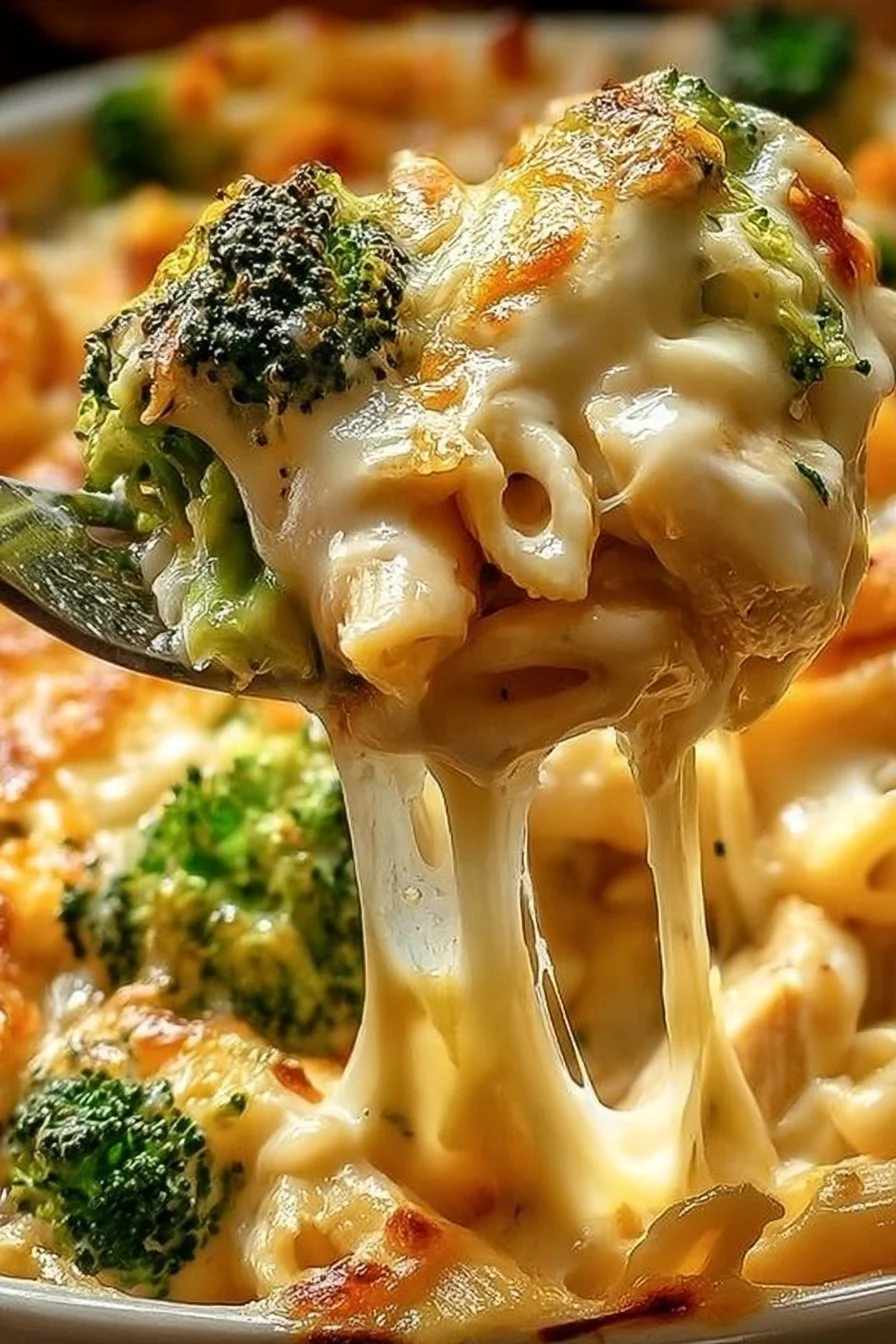
Liver detoxification | Idée nourriture, Dîner, Recette de plat
Liver detoxification is a dish that combines a variety of vibrant ingredients, each chosen for its unique flavor and health benefits. This recipe provides a nourishing way to support liver health through delicious food. Expect a medley of fresh vegetables, herbs, and spices that not only tantalize the taste buds but also foster a sense of well-being. The inclusion of anti-inflammatory ingredients, such as beets and leafy greens, brings a depth of flavor while working harmoniously to aid in detoxification.
Visually, the finished dish showcases a kaleidoscope of colors, from the deep red of beets to the bright greens of kale and the golden hue of turmeric. This colorful presentation not only makes the dish appealing but also signifies the variety of nutrients packed within. Upon tasting, you can look forward to a balance of earthy, herbal, and slightly tangy notes that create an inviting eating experience. Each bite is refreshing, savory, and reminiscent of a loving home-cooked meal, making it a perfect main dish for dinner or a light lunch.
This dish is particularly suitable for those looking to incorporate healthier choices into their meals, especially during times when you want to reset your body. Whether it’s for a family dinner, a weekend gathering, or simply a nourishing meal after a long week, liver detoxification is versatile enough to fit into various occasions. Its health benefits and delightful flavor profile make it a dish that anyone would love to share.
What Makes This Recipe Special
What sets this liver detoxification recipe apart is the thoughtful selection of ingredients that are both delightful to the palate and incredibly beneficial for your health. By combining robust flavors and vibrant colors, the dish transforms into a feast for the eyes as well as the senses. Unlike many heavy meals that can weigh you down, this dish invigorates with its light yet satisfying elements. The freshness of the vegetables, paired with the essence of herbs, contributes to a dynamic flavor profile that dances on the taste buds.
The careful balance of textures also enhances the overall experience of the dish. The slight crunch of raw veggies contrasts beautifully with the tender cooked elements, making every bite exciting. Additionally, the use of spices like turmeric brings not only flavor but also anti-inflammatory properties, which are instrumental in supporting liver health. Whereas some detox dishes can veer towards blandness, this recipe excels by allowing each ingredient to shine through its distinctive flavor.
Readers may especially enjoy how customizable this recipe is. With a solid base of ingredients, there’s flexibility to adjust flavors based on personal preferences or seasonal availability. Whether you prefer it mildly spiced or with an extra kick, the nature of the dish allows for adaptations that can cater to different tastes. This versatility, combined with its health benefits, positions liver detoxification as a staple meal for anyone looking to eat well without sacrificing flavor.
Ingredient Overview and Helpful Notes
The success of any recipe hinges on the quality of its ingredients, and this liver detoxification dish is no different. The key ingredients include beets, kale, garlic, and turmeric, all of which contribute robust flavors and health benefits. Beets, the star of this dish, lend a sweet, earthy sweetness while providing significant nutrients such as fiber, folate, and vitamins C and K. They also contain compounds known to support liver function, making them indispensable in a detoxifying recipe.
Kale, often hailed as a superfood, adds a rich source of antioxidants, vitamins A, C, and K, and minerals like magnesium and calcium. The slightly bitter notes of kale are balanced beautifully by the sweetness of the beets, creating a symphony of taste contrasts. When selecting kale, opt for bright green leaves that feel crisp and firm, avoiding any that appear wilted or yellowed.
Garlic is another essential ingredient, both for its strong flavor and its plethora of health benefits. It’s known to aid liver function and has potent antioxidant properties. Fresh garlic is always best; even a simple crushing or chopping of the cloves can release more beneficial compounds than pre-minced alternatives. When using garlic, ensure it’s added at the appropriate stage of cooking to unlock its full flavor potential; it should be sautéed gently to avoid burning and bitterness.
Lastly, turmeric not only contributes its distinct bright yellow color to the dish but is renowned for its anti-inflammatory and antioxidant properties. Incorporating black pepper when using turmeric enhances its bioavailability, allowing your body to absorb its benefits more effectively. Ensure the turmeric you choose is fresh, as older spices lose their potency over time.
Overall, each ingredient in this recipe works synergistically to create a delicious and healthful dish. By selecting the freshest ingredients and understanding their roles, you’ll set the stage for a successful and satisfying cooking experience.
Nutrition & Recipe Details
Nutritional values may vary depending on ingredients, brands, portion sizes, and preparation methods. Below is an overview of this recipe’s nutrition and details.
| Item | Value |
|---|---|
| Prep time | 15 minutes |
| Cook time | 30 minutes |
| Store time | 3-5 days |
| Calories | 300 (approx.) |
| Protein | 10g (approx.) |
| Carbohydrates | 50g (approx.) |
| Fat | 8g (approx.) |
How to Make Liver Detoxification
Making liver detoxification is a straightforward process, perfect for beginners and experienced cooks alike. The preparation begins with gathering all your ingredients, making it much easier to follow the steps without rummaging through your kitchen. A good quality chef’s knife, cutting board, and a large skillet or pot for cooking will be particularly useful.
The general approach involves prepping your vegetables, sautéing them to enhance their flavors, and incorporating spices at the right moment to maximize their benefits. Ensure you have a plan in place for the order of operations, as this helps maintain optimal flavor and texture. For instance, start by cooking the beets until tender before moving on to the leafy greens, which require less cooking time.
To prepare, chop the beets and kale, and mince the garlic. Measuring out the necessary spices beforehand can also prevent any last-minute scrambling during cooking. Organizing your workspace efficiently will not only speed up the process but also keep things enjoyable as you transition to cooking.
Ingredients
| Ingredient | Quantity |
|---|---|
| Beets | 3 medium, peeled and chopped |
| Kale | 4 cups, chopped |
| Garlic | 3 cloves, minced |
| Turmeric | 1 tsp, ground |
| Olive oil | 2 tbsp |
| Salt | to taste |
| Pepper | to taste |
Before you dive into cooking, it’s critical to have your ingredients prepped. Start by peeling and chopping the beets into small cubes; this will allow them to cook evenly and blend effortlessly with the other ingredients. Rinse and dry your kale, then chop it into bite-sized pieces. Mince the garlic to release its aromatic qualities, and measure out your turmeric, olive oil, salt, and pepper.
By organizing these ingredients beforehand, you’ll make your cooking process smoother and more efficient. Ensure your chopping board is clean, as working with fresh ingredients is essential for this type of dish. Having everything ready to go will not only save time but also reduce stress in the kitchen.
Step-by-Step Instructions
-
Prepare the Beets: Start by heating a tablespoon of olive oil in a large skillet over medium heat. Once hot, add the chopped beets. Sauté them for about 10 minutes, stirring occasionally, until they are tender. You want them to soften but not lose their shape completely.
-
Add Garlic and Spices: Once the beets are ready, push them to one side of the skillet. On the other side, add the minced garlic and the ground turmeric. This technique allows the garlic to cook without burning. Stir everything together after about a minute, allowing the garlic’s flavor to infuse the beets.
-
Incorporate the Kale: Next, add the chopped kale to the skillet. Stir everything gently to mix the kale with the beets and garlic. The kale will begin to wilt and shrink down significantly, so don’t be surprised if it seems like a lot initially! Cook for 3-4 minutes until the kale turns a vibrant green.
-
Season the Mixture: As your vegetables cook, add salt and pepper to taste. This will enhance the overall flavor. Keep stirring until the kale has reached your desired level of tenderness and the colors of the vegetables are bright and appealing.
-
Serve and Enjoy: Once everything is fully cooked and the mixture looks flavorful, remove it from the heat. Let it cool slightly before plating. This dish is best served warm but can be enjoyed at room temperature as well. Garnish with additional herbs if desired!
Understanding the Flavor and Texture
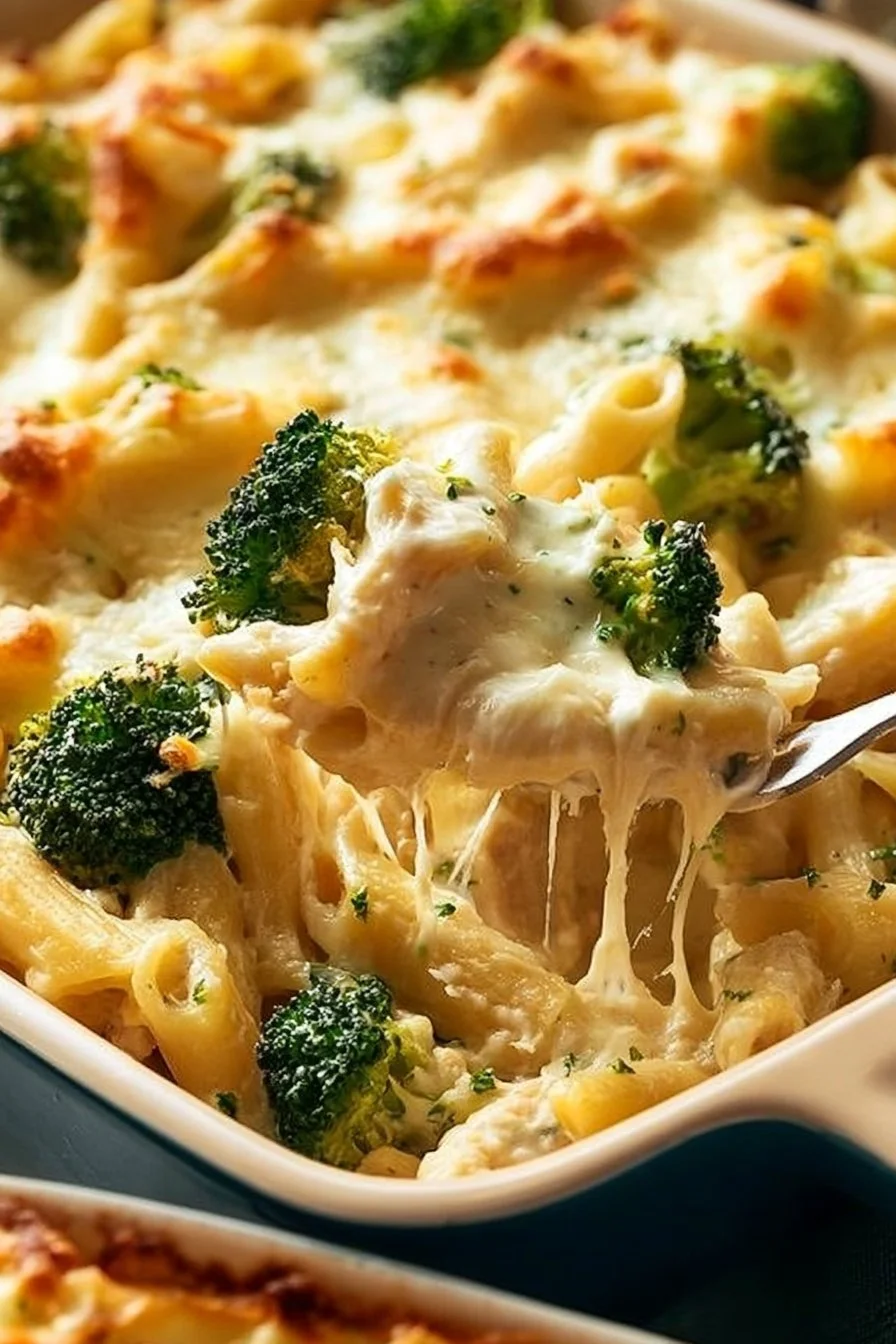
The finished liver detoxification dish is a delightful celebration of colors, aromas, and textures. Expect a harmonious blend of earthy and sweet flavors from the beets, balanced by the slightly bitter yet deeply nutritious kale. Garlic adds depth and warmth, creating a savory base that unifies the dish. The brightness of turmeric infuses a gentle warmth, enriching both the taste and color without overpowering the other ingredients.
Texturally, the beets provide a tender but firm bite, while the kale contributes a tender, yet slightly crunchy element. The overall mouthfeel is vibrant and invigorating, making this dish a pleasure to eat. The incorporation of varying textures enhances the experience, drawing you in for multiple bites.
Visually, the dish is a feast for the eyes. The brilliant purples and greens create an attractive plate, while the golden turmeric brings warmth and brightness. Recognizing the success of your cooking can be as simple as observing the vibrant colors and the enticing aroma wafting from the skillet. When each element of the dish is harmoniously balanced, you know you’ve crafted a satisfying meal.
Pro Tips
Using a few specific techniques can elevate the results of your liver detoxification dish significantly. Here are some tips to ensure you get the best flavor and texture.
| Tip | Description |
|---|---|
| Pre-soak Beets | For extra flavor, soak your chopped beets in a vinegar solution for a few minutes before cooking. This enhances their natural sweetness and adds a dash of vinegar tang. |
| Adjust Cooking Times | Individual stovetops can vary in heat. Keep an eye on your veggies and adjust cooking times accordingly to maintain vibrant colors and crisp textures. |
| Season Gradually | Start with less seasoning and taste as you go. This ensures you achieve the perfect balance of flavors without overwhelming any ingredient. |
| Fresh Ingredients Matter | Use the freshest vegetables possible. This ensures maximum flavor and health benefits, greatly enhancing the overall quality of your dish. |
When cooking a dish focused on detoxification, it can be useful to consider how each ingredient contributes to your overall health. By making small adjustments and paying attention to the quality of your ingredients, you’ll be able to elevate the simple act of cooking into a rewarding experience.
Why You’ll Love This Recipe
This liver detoxification recipe stands out for its delightful combination of simplicity and flavor. It’s both nutritious and easy to prepare, making it an accessible choice for home cooks. The straightforward methods and the availability of ingredients ensure that anyone can try their hand at crafting this dish and enjoy the bounty it brings.
Furthermore, the versatility of this recipe means it can be tailor-made to suit different occasions. Whether you’re preparing a quick weeknight meal or impressing guests for a special dinner, liver detoxification adapts beautifully. The vibrant colors and enticing aromas are sure to draw people in, making it a great conversation starter at any gathering.
Additionally, the potential health benefits linked to its ingredients offer a strong motivator for those looking to improve their diet. Filled with antioxidants, vitamins, and minerals, this recipe is more than just a meal; it’s a step towards a healthier lifestyle. Enjoying dishes that not only taste great but support your health can be incredibly gratifying and rewarding.
How to Serve Liver Detoxification
Servicing liver detoxification can be just as enjoyable as making it. The vibrant colors and freshness of the dish invite creative presentation. You might consider plating it beautifully on a white dinner plate, allowing the colors to pop. Garnishing with fresh herbs, maybe a sprinkle of chopped parsley or dill, adds a finishing touch that enhances both aesthetics and flavor.
Pair this dish with a light side salad featuring mixed greens and a simple olive oil vinaigrette for a complete meal. This refreshing complement provides contrasting textures and flavors, helping to cleanse the palate between bites. Alternatively, serving with whole grains like quinoa or brown rice not only adds heartiness but enhances the nutritional profile of the meal.
If you’d like to add a protein component, consider grilled chicken or tofu on the side, allowing guests to customize their plate as they wish. For beverages, a glass of fresh lemon water or herbal tea can beautifully complement the flavors of this dish, keeping the overall experience light and refreshing.
Always keep in mind the preferences of your guests and adjust the serving style accordingly. This dish shines on its own but can also act as a versatile companion to other elements at your table.
How to Store Liver Detoxification
When it comes to storing leftover liver detoxification, the key is to ensure the dish is cooled down to room temperature before refrigerating. This helps prevent bacterial growth and retains the dish’s integrity. Transfer any leftovers into airtight containers for optimal storage; this will keep them fresh and flavorful.
In the refrigerator, the dish can typically last for about 3 to 5 days, depending on the freshness of your ingredients prior to cooking. Always check for any signs of spoilage, such as off odors or a change in color, before consuming leftovers. For longer storage, you can freeze portions of liver detoxification in freezer-safe containers or bags. It should maintain decent quality for up to three months in the freezer.
Be aware that freezing may change the texture of the vegetables slightly, making them a bit softer after reheating. When you’re ready to enjoy your frozen leftovers, thaw them in the refrigerator overnight and reheat gently in a skillet, adding a splash of water or olive oil to help reintroduce moisture. Avoid using a microwave for reheating if you prefer to maintain a fresher texture.
Tips to Make Liver Detoxification
To achieve the best results with liver detoxification, consider focusing on some essential steps throughout the cooking process. Starting with the preparation of your ingredients, sharp knives and a clean workspace can significantly improve your efficiency. Whenever possible, cut your vegetables uniformly, ensuring even cooking.
Attention to seasoning is also crucial to avoid blandness. The balance of flavors can make or break the dish, so taste frequently as you cook. Remember that seasoning can develop during cooking, so add small amounts gradually until you’ve reached your desired intensity.
Further, be mindful of cooking temperature. Cooking at a lower heat allows the flavors to meld beautifully and prevents burning, especially with delicate ingredients like garlic that can scorch quickly. Keeping stirring intervals in mind can help create an even cook and maintain vibrant colors.
Lastly, don’t hesitate to modify the ingredient ratios according to personal taste. The recipe encourages flexibility, allowing you to adjust the quantities of beets or kale based on your preferences. These small enhancements can profoundly affect the final dish, making your experience even more enjoyable.
Variations and Substitutions
There are several variations to enhance liver detoxification and cater to different dietary preferences. For instance, if you’d like to make it a bit heartier, consider adding canned or cooked chickpeas for protein and texture. They blend well with the earthy flavors without overpowering the dish’s essence.
For those looking for a vegan twist, substituting regular oil with coconut oil can introduce a subtle sweetness that complements the beets nicely. Additionally, if you wish to incorporate more spice, tossing in some red pepper flakes or jalapeño slices can elevate the dish if you enjoy heat.
If you’re looking for a different leafy green to use instead of kale, Swiss chard or spinach provide excellent nutritional profiles and flavors. Each brings its unique qualities to the dish; just be mindful of their cooking times, as spinach can wilt more quickly than kale or chard.
For a gluten-free variation, serve liver detoxification over cauliflower rice instead of whole grains, making it lighter while still satisfying. The adaptability of this recipe ensures that you can make modifications without losing the essence of what makes it delightful, allowing for unique incarnations with every cook.
Storage and Reheating
When you have leftovers from your liver detoxification meal, it’s essential to portion them out for storage. Use small, airtight containers to divide your portions fairly, maximizing convenience when you wish to reheat. Storing your leftovers immediately ensures they stay fresh and maintain their flavors well.
To reheat, opt for the stovetop method whenever possible, as this technique helps to retain the veggies’ texture better than the microwave. Use a skillet over low heat, adding a splash of water or olive oil to prevent sticking. Stir occasionally while reheating to ensure even warming without turning your vegetables mushy.
In the event you have to use a microwave, cover the dish with a paper towel to help steam while reheating, preventing dryness. Reheat gently and check for uniform warmth before serving to avoid any cold spots.
Taking these steps to store and reheat effectively will help you enjoy this nutritious dish again without compromising on quality or flavor.
Customization Ideas
Customization is part of the fun with liver detoxification, and there are plenty of delicious adjustments you can make! For added texture, consider sprinkling nuts or seeds, like pumpkin seeds or walnuts, on top before serving. They will add crunch and richness without overpowering the meal.
Alternatively, incorporate a dressing made from fresh lemon juice, olive oil, and a touch of honey or maple syrup to drizzle over the finished dish. The acidity from the lemon can contrast beautifully with the sweetness of the beets while highlighting the other flavors.
For those who enjoy a bit of sweetness, you might experiment with adding other roasted vegetables, such as sweet potatoes or carrots. Their natural sugars will complement the beets’ flavors and round out the dish, giving it additional depth.
Last, for an interesting visual presentation, create a layered “parfait” by alternating between layers of the liver detoxification mixture and grains in transparent glasses or bowls. This unique presentation with its attractive colors will surely impress guests, making the meal enjoyable both visually and palatably.
Common Mistakes to Avoid
Making liver detoxification should be an enjoyable experience, but there are some common pitfalls to watch out for.
-
Overcooking the Beets: Overcooking can result in mushy beets, losing their lovely texture and vibrant color. Keep an eye on them while sautéing, and remove them from heat once they are tender but not falling apart.
-
Underseasoning: Neglecting to season adequately can lead to bland flavors. Season gradually and taste as you go to ensure a delightful balance that highlights the sweetness of the beets and the earthiness of kale.
-
Ignoring Ingredient Freshness: Using old or wilting vegetables can affect both flavor and texture. Always select the freshest produce available to maximize both the health benefits and the taste of your dish.
-
Inefficient Ingredient Prep: Not prepping your ingredients beforehand can lead to last-minute stress and compromised cooking times. Always chop and measure ingredients ahead of time to keep your cooking experience enjoyable and efficient.
-
Overloading the Pan: Adding too many ingredients to the pan at once can lead to steaming instead of sautéing, preventing your veggies from browning properly. Cook in batches if necessary to maintain great texture and flavor.
By being aware of these potential mistakes, you can focus on creating a vibrant liver detoxification that shines in both taste and presentation.
Serving Occasions
Liver detoxification is a fabulous dish for a wide range of occasions. Its healthful attributes make it ideal for wellness-focused gatherings or casual get-togethers. Serve it for a family dinner during the week when you want a nutritious option that the whole family can enjoy while also appealing to various palates.
It’s also a wonderful dish for potlucks or brunches, where guests appreciate lighter fare alongside heavier options. The vibrant presentation draws attention and can spark conversations over its healthful benefits and ingredients.
For gathering events like holidays, liver detoxification provides a lovely contrast alongside heavier, more indulgent meals. It serves as a refreshing palate cleanser that embodies the essence of nurture and health, promoting well-being and nourishment through flavorful food.
As you can see, this dish is not just a meal but a versatile option that can be elevated or simplified based on the occasion, making it a perfect staple in your recipe repertoire.
Why Make This Recipe?
Choosing to prepare liver detoxification instead of similar dishes brings several advantages. Not only does this dish allow for delightful flavor combinations, but it also prioritizes health while being straightforward to make. Unlike many rich recipes that can leave you feeling heavy, this one invites you to enjoy its lightness without sacrificing taste.
With its fresh ingredients and health-supporting properties, liver detoxification becomes a nourishing choice in your weekly meal planning. Its colorful presentation and enticing aroma make it a true centerpiece, fostering moments around the dining table that invite conversations and sharing.
Additionally, preparing this dish is an opportunity to experiment with flavors and textures. The adaptability it offers means you can easily adjust ingredients based on what’s in season or what your family enjoys. The versatility and health benefits make it a smart choice for anyone looking to explore tasty yet wholesome meals that can easily fit into their cooking routine.
Make-Ahead Preparation
Make-ahead preparation can streamline the cooking process for liver detoxification. Many of the ingredients, such as the beets and kale, can be chopped and stored in the refrigerator up to a day in advance, significantly cutting down on last-minute prep time. This way, you can focus on cooking rather than setting up when it’s time to serve.
Cooking the beets in advance is also a beneficial strategy. You can roast or boil them up to several days earlier, keeping them stored in the refrigerator until you are ready to incorporate them into the dish. Doing this allows the flavors to meld beautifully when combined with other ingredients at the time of cooking.
However, other components, such as the garlic or spices, should be added fresh during cooking to maximize their flavor and potency. By planning out your prep routine, you can create an enjoyable cooking experience that results in a delicious meal ready for any occasion.
Equipment and Kitchen Preparation
To make liver detoxification, a few essential kitchen tools can enhance your cooking experience. A good-quality skillet or frying pan is key, as it allows for even cooking and better flavor development through sautéing. Consider using non-stick cookware to help prevent sticking, particularly useful when working with vegetables rich in moisture.
A sharp chef’s knife and a sturdy cutting board are invaluable tools for efficiently chopping your ingredients. Ensure your knife is appropriately maintained for effortless cutting, which will speed up your prep time.
Preparing your workspace beforehand is just as important. Make sure your workstation is clean and organized, with all your ingredients within reach. This strategy avoids unnecessary delays and creates a more pleasant cooking environment, contributing to the overall enjoyment of making liver detoxification.
FAQs
-
Can I use canned beets instead of fresh?
Yes, canned beets can be used for convenience. However, be mindful that they may have added preservatives and can have a softer texture compared to freshly cooked beets. Rinse them thoroughly under cold water before use. -
How can I make the dish spicier?
To add heat, incorporate red pepper flakes or finely diced jalapeños when sautéing the garlic. This infusion will give your dish a nice spicy kick while balancing the sweetness of the beets. -
Can I freeze leftovers?
Yes, you can freeze liver detoxification in airtight containers or freezer-safe bags. However, be aware that the texture of the vegetables may change slightly after freezing. Thaw in the refrigerator and reheat gently before serving. -
What can I substitute for kale?
If you don’t have kale, Swiss chard or spinach are excellent alternatives. They may require less cooking time, so adjust sautéing time accordingly to prevent overcooking. -
Is this dish suitable for meal prep?
Absolutely! Liver detoxification is ideal for meal prep as it stores well in the fridge and can be easily reheated. It keeps its flavors, making it a nutritious option for lunches throughout the week. -
What should I serve with liver detoxification?
Consider pairing it with a light salad, whole grains like quinoa or brown rice, or lean protein such as grilled chicken or tofu to create a complete meal. -
Can I add other vegetables?
Yes! Feel free to mix in other vegetables like carrots, bell peppers, or zucchini for added flavor and variety. Just be sure to adjust cooking times to ensure everything is tender. -
How long does this dish last in the fridge?
Stored properly in an airtight container, liver detoxification can last up to 3-5 days in the refrigerator. Always check for any signs of spoilage before consuming leftovers.
Disclaimer
Nutritional information is approximate and may vary based on ingredient brands, substitutions, portion sizes, and preparation methods.