
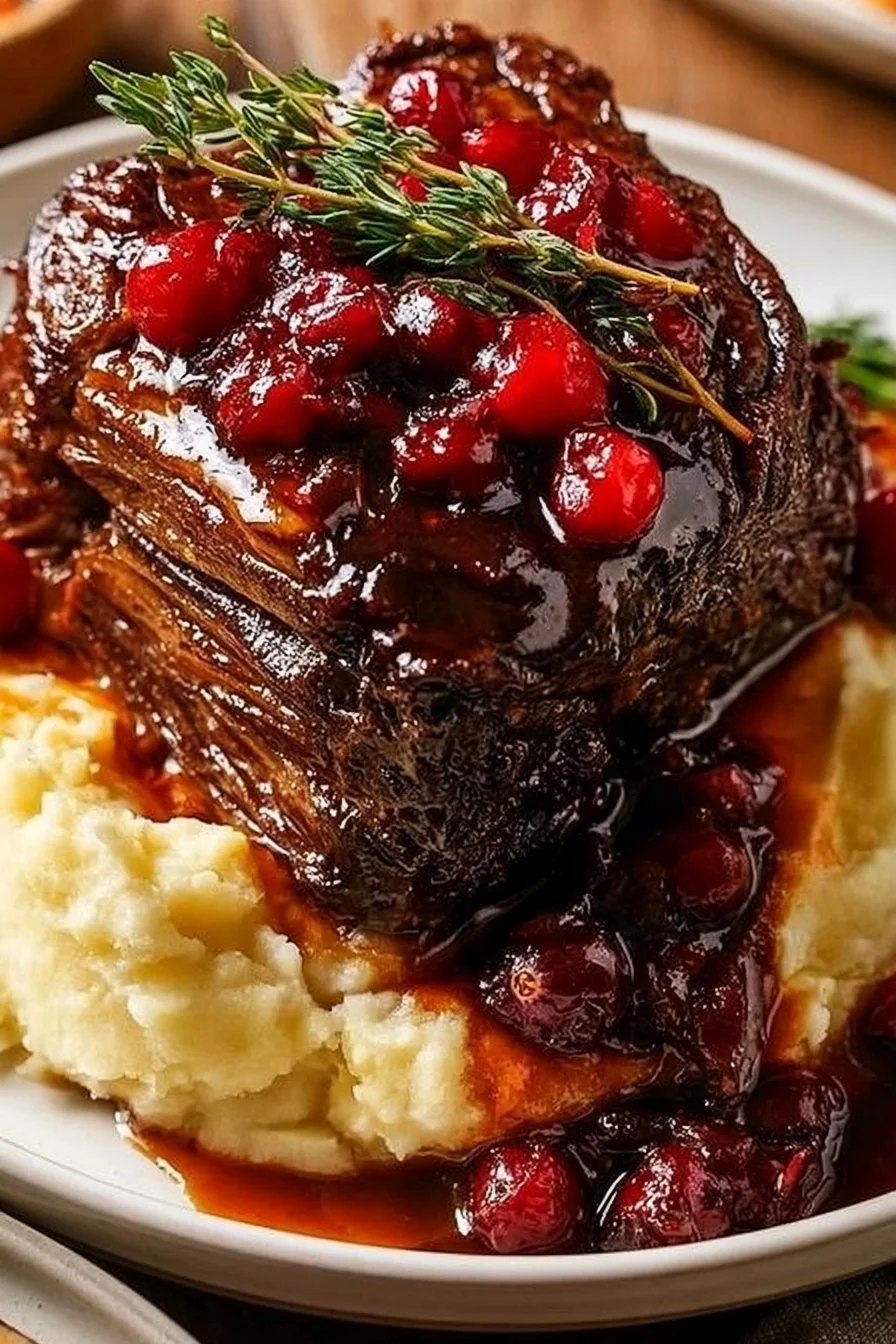
Slow Braised Beef Roast with Cranberry Balsamic Glaze
There’s something undeniably comforting about a slow-braised roast, especially when it is enhanced with a bold and slightly sweet glaze like cranberry balsamic. This dish promises layers of rich flavors and tender textures that envelop the palate with every bite. The method of slow braising not only ensures that the meat becomes incredibly tender but also allows the flavors of the glaze and accompanying vegetables to deeply infuse the roast. The luscious sauce, combining the tartness of cranberry with the depth of balsamic, creates a perfect harmony that elevates the dish far beyond the everyday roast.
As the roast cooks low and slow, your kitchen will be filled with savory aromas that beckon everyone to the dining table. The result is a beautifully browned piece of meat, glistening under a fruity, tangy coating that invites you to dig in. Served alongside a medley of caramelized vegetables, this dish exemplifies homestyle cooking that soothes the soul and satisfies hungry bellies.
This hearty roast serves as an impressive centerpiece for family dinners, holiday feasts, or casual gatherings with friends. It’s more than just a meal; it’s an experience where guests can indulge in rich flavors and comforting textures. Whether you’re preparing for a festive occasion or simply want to treat your family to something special, this slow-braised roast is sure to impress.
What Makes This Recipe Special
The unique feature of this recipe lies in its combination of bold flavors and textures. The sweetness from the cranberry juice contrasts beautifully with the acidity of the balsamic vinegar, creating a glaze that has depth and complexity. This sauce coats the roast and seeps into the surrounding vegetables, making every component taste exceptional. Unlike other braised dishes that might depend solely on savory notes, this roast introduces a fruity element that brightens the overall profile, appealing to both sweet and savory lovers.
Moreover, the method of slow braising allows for the meat to cook gently over a long period, breaking down tough fibers and resulting in a melt-in-your-mouth texture. This cooking style is well-suited for establishing deep flavor profiles, especially when combined with a medley of aromatic vegetables like onions, carrots, and potatoes. Instead of simply roasting, which can sometimes lead to dry meat if not closely monitored, braising retains moisture and ensures that the dish remains juicy and succulent throughout.
This dish stands out among traditional roasts due to its harmonious blend of classic comfort food and innovative flavor. Using approachable ingredients, it gives a familiar dish a delightful twist that sets it apart from typical holiday roasts. Whether you’re a home cook aiming to impress or someone looking to recreate a beloved recipe, this slow-braised roast with cranberry balsamic glaze is an excellent choice.
Ingredient Overview and Helpful Notes
Understanding the role of each ingredient in the dish can enhance the cooking experience and contribute to the final outcome. At the heart of this recipe is the beef roast, which benefits from a long, slow cook that breaks down the connective tissues and infuses flavor. When selecting your roast, opt for a well-marbled cut, which provides necessary fat for moisture and taste during the braising process. Choice cuts such as chuck or pot roast work exceptionally well for this technique.
The cranberry juice brings a natural sweetness and acidity that balances the dish, while balsamic vinegar adds a rich, tangy depth. Both elements play a pivotal role in forming the glaze, so using high-quality products for these components can greatly elevate the final flavor. Look for 100% pure cranberry juice with no added sugars or artificial flavors, as this will deepen the flavor profile without unnecessary sweetness.
The array of vegetables—onions, carrots, and potatoes—are not merely side dishes; they absorb the roast’s flavors and contribute their natural sweetness as they caramelize. Choosing fresh, seasonal vegetables can enhance the dish significantly. When preparing these veggies, they should be cut into uniform sizes to ensure even cooking.
Using fresh garlic and herbs—like thyme—further enhances the dish, providing aromatic nuances that make each bite more appealing. Be sure to peel and mince your garlic rather than using pre-packaged versions, as fresh garlic lends a more vibrant flavor to the overall dish.
Lastly, don’t overlook your seasoning. Salt and pepper are fundamental in bringing out the flavors of both the meat and the glaze, making it vital to season adequately at various stages of the cooking process.
Nutrition & Recipe Details
Nutritional information may vary based on the specific ingredients used, portion sizes, and preparation methods. The following table provides a general guideline based on typical ingredients and serving sizes.
| Item | Value |
|---|---|
| Prep time | 30 minutes |
| Cook time | 3-4 hours |
| Store time | 3-4 days in the fridge |
| Calories | Approximately 450 per serving |
| Protein | 35g |
| Carbohydrates | 30g |
| Fat | 20g |
How to Make Slow Braised Beef Roast with Cranberry Balsamic Glaze
Embarking on this recipe begins with gathering your ingredients and selecting the appropriate cookware. A heavy-duty roasting pan works best for the braising process, allowing for even cooking and moisture retention. It’s also advantageous to have a large skillet for the initial searing step, which locks in flavors before the slow cooking begins. Organizing your ingredients—chopping vegetables, measuring liquids, and seasoning the roast—before cooking can streamline the process and help maintain a clean workspace.
Ingredients
| Ingredient | Quantity |
|---|---|
| 3-4 lbs beef roast | 3-4 lbs |
| 1 cup beef broth | 1 cup |
| 1 cup cranberry juice | 1 cup |
| 1/4 cup balsamic vinegar | 1/4 cup |
| 2 onions, chopped | 2 onions |
| 3 carrots, sliced | 3 carrots |
| 3 potatoes, diced | 3 potatoes |
| 2 cloves garlic, minced | 2 cloves |
| Salt and pepper to taste | To taste |
| 2 tablespoons olive oil | 2 tablespoons |
| 1 teaspoon thyme | 1 teaspoon |
Prior to cooking, prepare your workspace by washing and chopping the vegetables. The onions should be sliced into thin rounds or diced, depending on your preference. Cut the carrots into even slices, which promotes even cooking, and dice the potatoes into bite-sized pieces. Measure out the broth, cranberry juice, balsamic vinegar, and oil to ensure everything is ready once you start cooking. Season the roast with salt and pepper before searing to enhance its base flavor. Having your ingredients prepped allows you to focus on the cooking process without interruptions, ensuring a more enjoyable experience overall.
Step-by-Step Instructions
-
Preheat the oven to 300°F (150°C). This low temperature is crucial for tenderizing the meat through slow cooking while allowing the flavors to meld beautifully.
-
In a large skillet, heat olive oil over medium-high heat. Add the seasoned beef roast, allowing it to sear all sides. Look for a rich brown crust, which adds flavor through the Maillard reaction. This step usually takes around 4-5 minutes per side.
-
In a large roasting pan, combine the chopped onions, sliced carrots, diced potatoes, and minced garlic. Spread the vegetables evenly across the base of the pan. This layer of vegetables will benefit from the flavors of the roast as it cooks.
-
Place the seared beef roast on top of the vegetables. Make sure not to overcrowd the pan, as this can lead to uneven cooking.
-
In a bowl, mix together the beef broth, cranberry juice, balsamic vinegar, and thyme. Pour this mixture over the roast and the surrounding vegetables. This blend will gradually infuse the dish with flavors, ensuring that the roast remains moist and delicious throughout the cooking process.
-
Cover the pan with foil and place it in the oven. The foil traps moisture within the cooking environment, promoting even cooking and tenderizing the meat. Cook for 3-4 hours, or until the roast is tender and can be easily shredded with a fork. Check the roast periodically, adding more broth if the liquid level gets too low.
-
Remove the roast from the oven and let it rest for a few minutes before slicing. This resting period allows for juices to redistribute throughout the meat, ensuring each slice remains juicy.
-
Serve with the vegetables and sauce. Distributing the vegetables evenly across the plates and spooning some of the glaze over the top elevates the presentation and flavor experience.
Understanding the Flavor and Texture
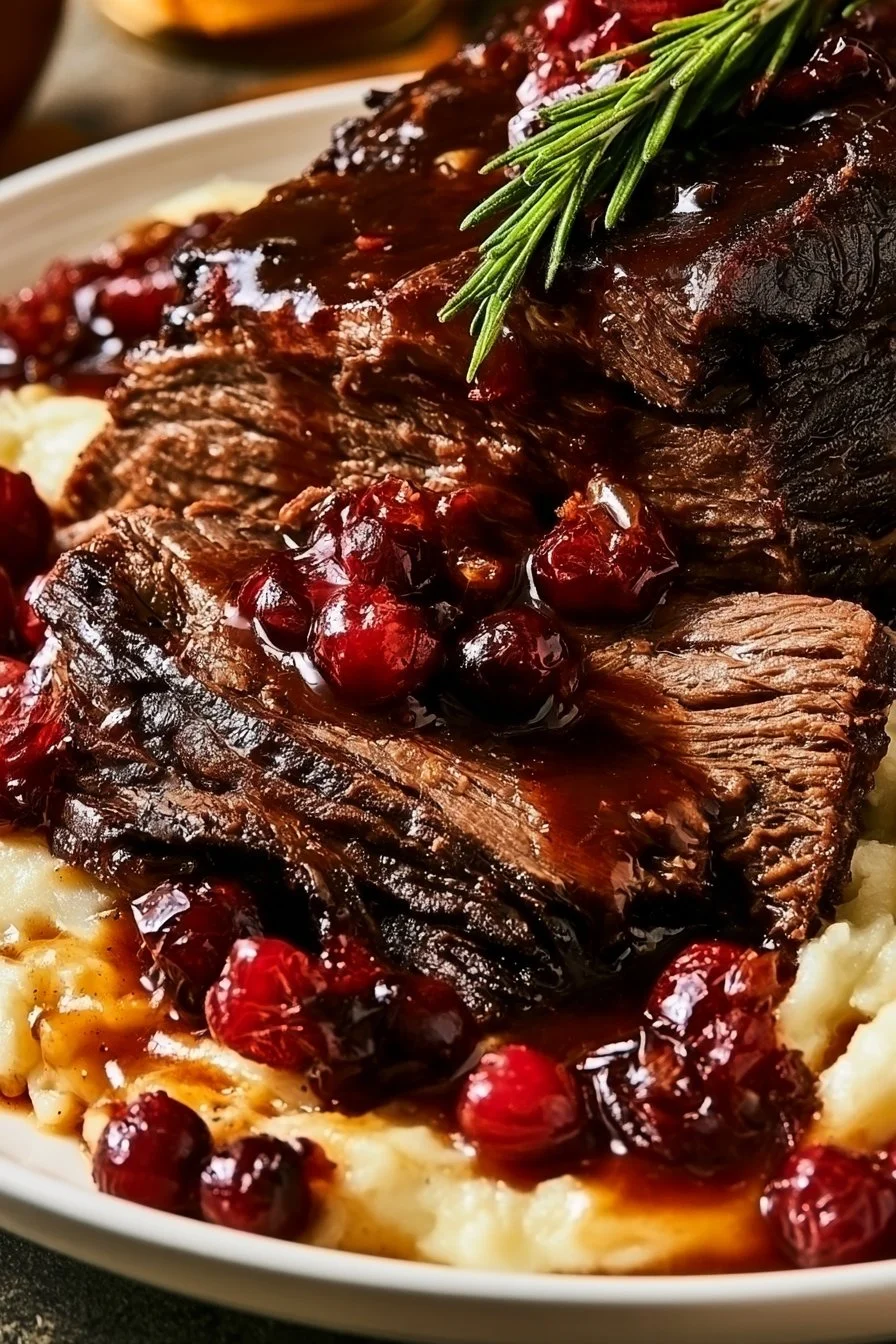
The resulting flavor profile of the slow-braised roast is nothing short of extraordinary. The meat reaches a fall-apart tenderness, enhanced by the robust cranberry balsamic glaze that offers a sweet-tangy kick. This interaction between the fruit and acidity creates a dynamic taste experience, allowing the richness of the roast to shine through while providing a refreshing contrast.
The texture is equally significant. The slow cooking method makes the roast exceptionally tender, while the vegetables become sweet and caramelized, contributing a satisfying bite. The glaze serves a dual purpose: it both moisture and flavor, resulting in a juicy piece of meat accompanied by soft, flavorful vegetables. Each bite combines the melt-in-your-mouth tenderness of the roast with the lightly roasted textures of carrots and potatoes, creating a delightful amalgamation that is comforting and hearty.
Visual appeal is part of the enjoyment—upon serving, you’ll notice the beautiful caramelization of the vegetables and the glossy finish of the sauce. The deep burgundy hues from the glaze, contrasted against the colorful medley of vegetables, result in a dish that’s as attractive as it is enticing.
Pro Tips
A few small techniques can greatly enhance your cooking experience and improve the final dish. Here are some expert tips to keep in mind:
| Tip | Description |
|---|---|
| Sear for Flavor | Always sear your meat before braising. This step locks in flavors and creates a savory crust that enhances the overall taste of the roast. |
| Mind the Liquid | Monitor the cooking liquid periodically. If it begins to evaporate too much, add more broth to maintain moisture and prevent burning. |
| Rest Before Slicing | Allow the roast to rest after cooking. This practice redistributes the juices, ensuring that each slice remains juicy when served. |
| Enhance Sauces | For a thicker sauce, you can remove the roast and the vegetables once they are tender, and then simmer the remaining liquid on the stove until it reduces to your desired consistency. |
Beyond these essential tips, consider adapting the garlic and thyme to suit personal preferences or exploring alternative herbs that might add a different layer of flavor. If the sweetness from the glaze isn’t quite what you were after, a touch of Dijon mustard or a pinch of red pepper flakes can be added for a touch of depth or heat without overshadowing the underlying flavors.
Why You’ll Love This Recipe
There are countless reasons to fall in love with this recipe. Firstly, the flavor profile is impressively rich yet balanced, making it suitable for a wide variety of palates. The enchanting combination of sweet and tangy from the glaze provides contrast to the savory depth of the roast. Whether you’re preparing for a special occasion or a simple family dinner, this dish adapts beautifully to any gathering.
Additionally, the slow-cooking process allows for effortless meal preparation. Toss the ingredients into the pot and let the oven do the work while you attend to other responsibilities or enjoy time with your guests. This hands-off cooking method not only simplifies kitchen tasks, but it creates an inviting atmosphere filled with enticing aromas that will draw everyone to the table.
Moreover, this recipe presents a wonderful opportunity for customization if you wish to add personal touches or seasonal ingredients. This adaptability, along with its straightforward preparation, makes it accessible for both novice and experienced home cooks.
Lastly, the visual presentation of the roast serves as an inviting centerpiece for any meal. Dutch ovens or roasting pans filled with caramelized vegetables and a glistening glaze are sure to impress guests. This level of appeal, combined with extraordinary taste, ensures this recipe will likely find a permanent place in your rotation.
How to Serve Slow Braised Beef Roast with Cranberry Balsamic Glaze
Serving this dish beautifully enhances the dining experience. The roast should be the star of the plate, resting atop a bed of caramelized vegetables. Surrounding the meat with roasted potatoes and carrots not only looks attractive but also allows diners to enjoy a variety of textures and flavors in each bite.
For presentation, consider garnishing with fresh thyme or parsley to add a pop of color and freshness to the dish. A drizzle of the cranberry balsamic glaze over the meat and vegetables will not only tie the elements together but also add an extra appeal.
In terms of side dishes, this roast pairs beautifully with creamy mashed potatoes, simple green salads, or steamed green beans to provide a refreshing contrast. For a heartier accompaniment, consider serving with crusty bread, which can be used to soak up the delicious sauce.
When it comes to pairing drinks, consider non-alcoholic options, such as sparkling apple cider or herbal teas, which can complement the glaze without overpowering the dish.
How to Store Slow Braised Beef Roast with Cranberry Balsamic Glaze
Proper storage of leftovers is essential for maintaining flavor and quality after the meal. Start by allowing the roast to cool completely at room temperature for no longer than two hours to prevent bacterial growth. Once cooled, it can be transferred to an airtight container, ensuring that as much air is removed as possible to retain freshness.
In the refrigerator, the roast will typically last for 3-4 days. To prolong its life, consider freezing any uneaten portions. When properly packaged in freezer-safe containers or heavy-duty freezer bags, the roast can last for up to three months. Remember to label containers with the date to keep track of freshness.
Be mindful that freezing may alter the texture slightly due to the moisture content within, but it will still be satisfying when reheated. The sauce may thicken in the fridge, so it’s advisable to add a splash of broth or water when reheating to restore its original consistency.
Tips to Make Slow Braised Beef Roast with Cranberry Balsamic Glaze
To elevate your cooking experience and improve the overall flavor of the dish, consider the following practical tips:
-
Searing Technique: When searing the roast, allow it to develop a deep brown crust before flipping it. Avoid moving the meat around too much during this stage since that can prevent proper browning.
-
Vegetable Preparation: Cut vegetables into similar sizes to ensure uniform cooking. This method avoids overcooking some pieces while others remain underdone.
-
Timely Seasoning: Season multiple times throughout the cooking process. Start by generously salting the roast and vegetables, then taste and adjust the seasoning of the sauce just before serving to ensure depth and flavor is maximized.
-
Monitoring Cooking Time: Since ovens can vary, periodically check the roast towards the end of the cooking time. Aim for a fork-tender texture; this indicates that it is done.
-
Resting Period: Always allow the meat to rest before slicing to ensure it retains its juices. Tent it with foil to keep it warm while resting.
By following these tips, you will enhance your cooking skills and appreciate the nuances of the dish even more while achieving a consistently delicious result.
Variations and Substitutions
There are several delicious variations and substitutions you can explore to make this dish fit your personal taste or ingredient availability:
-
Different Cuts of Meat: While the recipe suggests a roast, you can substitute with other cuts, such as a chuck roast or a round roast, that have a similar fat content. This will provide the necessary moisture and flavor during cooking.
-
Vegetable Alternatives: Feel free to substitute traditional root vegetables for more seasonal options. Sweet potatoes, parsnips, or even butternut squash can bring a new sweet flavor while still holding up well during the long cooking process.
-
Fruits for Glaze: Experiment with glazes by incorporating other juices or fruits. Pomegranate juice or apple cider can replace cranberry juice to provide a different flavor profile.
-
Surprising Flavor Boosts: For those who love spice, consider adding a hint of freshly grated ginger or a dash of cayenne pepper to the glaze for extra warmth.
-
Vegetarian Version: If you’re looking for a plant-based alternative, consider substituting the beef roast with a cauliflower or lentil roast. Use vegetable broth in place of beef broth and prepare the cranberry glaze as directed for a hearty vegetarian main dish.
These variations allow you to customize the dish according to dietary preferences, seasonal produce, or personal tastes while retaining the slow-braised essence of the original recipe.
Storage and Reheating
Storing leftovers properly is key to enjoying the dish later without compromising on taste. Once your slow-braised roast has cooled, divide any remaining portions into smaller containers. This tactic helps cool the meat quickly, reduces waste when reheating, and makes it easier to thaw smaller serving sizes if frozen.
For refrigerated leftovers, aim to consume the dish within 3-4 days. Ensure that each container is tightly sealed to avoid any moisture loss and protect the flavors. Leftover roast can also be frozen for up to three months, but remember that freezing may slightly alter the texture.
When it comes to reheating, various methods can be used, including the microwave, oven, or stovetop. If using a microwave, heat on a medium setting to promote even warming without overcooking the meat. Adding a splash of stock or water can help to reintroduce moisture.
Alternatively, reheating in the oven allows for better texture retention; cover with foil to keep moisture in, and heat at a low temperature until warmed through. The stovetop method can work well, too—heat the meat gently in a skillet, adding the sauce and a small amount of liquid to prevent dryness.
Customization Ideas
Customizing your slow-braised roast can be both fun and rewarding. Here are some ideas to help make the dish your own:
-
Flavor Depth: Enhance the flavor of the glaze by adding a splash of citrus juice, such as orange or lemon. The bright acidity will balance the richness of the roast.
-
Herb Variations: Swap thyme for rosemary or oregano to suit your taste preferences. Each herb brings its own aromatic qualities, which can drastically change the character of the dish.
-
Heat Preference: For those who enjoy a spicy kick, add crushed red pepper flakes or black pepper to the glaze to elevate the experience.
-
Garnishing: Experiment with garnishes like toasted nuts or seeds to add crunch to the finished dish. A sprinkle of freshly chopped herbs can brighten the presentation and flavor.
-
Serving Style: Instead of traditional plating, serve the roast as a family-style meal where everyone can share, creating a communal atmosphere that’s ideal for gatherings.
Exploring these customization ideas encourages creativity in the kitchen while ensuring the dish remains delicious and satisfying.
Common Mistakes to Avoid
When making slow-braised roast, there are common pitfalls that can affect the result. Here are five mistakes to be wary of:
-
Skipping Searing: Some may choose to skip the searing step. This can lead to a less flavorful crust and an overall flat taste. Always take the time to develop a rich brown color to enhance flavor.
-
Overcrowding the Pan: Adding too many vegetables or trying to fit a roast that is too large for the pan can lead to uneven cooking. It’s crucial to allow space for hot air to circulate.
-
Inadequate Seasoning: Failing to season adequately throughout the cooking process results in a bland dish. Seasoning at various stages allows flavors to build and develop depth.
-
Not Monitoring Liquid Levels: Neglecting to check cooking liquid levels can lead to burning or drying out. Make it a habit to check every hour or so and add broth if necessary.
-
Insufficient Resting Time: Rushing to slice the roast after cooking can lead to losing valuable juices. Be patient; allowing the roast to rest ensures a moist and flavorful final result.
Being aware of these mistakes and knowing how to avoid them can make a significant difference in the final outcome of the dish.
Serving Occasions
This slow-braised roast is incredibly versatile and is suitable for various occasions. It shines during family gatherings or celebrations, where the sumptuous flavors can impress guests and provide a sense of warmth during the meal. It also works perfectly for holiday meals, where its rich, comforting nature complements festive atmospheres.
In contrast, this recipe can also be perfect for busy weeknights. After a long day, you can prepare it in advance and let the oven do the work while you unwind. The leftovers make for a delicious and hearty lunch the next day, ensuring that any preparation doesn’t go to waste.
Serving this dish in a communal style encourages interaction and provides a cozy setting for enjoying each other’s company. The visual appeal of a beautifully roast serves as an inviting centerpiece that is hard to resist.
Why Make This Recipe?
There are numerous reasons to include this dish in your regular cooking rotation. Firstly, the distinctive combination of cranberry and balsamic flavors offers a refreshing take on traditional roasted dishes. The ability to create a meal that feels sophisticated yet very achievable makes it an excellent option for both new cooks and culinary experts.
This recipe also emphasizes the principles of comfort food; it’s a hearty, satisfying meal that brings warmth and joy to the dining experience. By using quality ingredients and taking the time to slow-cook the dish, you create unforgettable flavors that resonate with everyone who enjoys it.
Given its versatility and flexibility with ingredient substitutes, it adapts well to seasonal produce, dietary preferences, and pantry availability. This approachability ensures that it can be made year-round without feeling repetitive.
Finally, the simple cleanup and meal prep mean more time to enjoy the company of family and friends rather than spending hours in the kitchen. The enhancements to your cooking skills gained from this experience also solidify why it’s worth adding to your repertoire.
Make-Ahead Preparation
Many components of this recipe can be prepped ahead of time, allowing for a stress-free cooking experience. Chopping the vegetables can be done a day in advance. Store them in airtight containers in the refrigerator to ensure they stay fresh. The roast can also be seasoned the night before, which deepens the flavor and saves time on the cooking day.
While the glaze should be prepared during cooking for optimal flavor, you could measure out the broth, cranberry juice, and vinegar in advance to streamline the process. If you’re short on time, purchasing pre-made broth can save time while still delivering results.
Keep in mind, though, that it’s best to braise the roast on the day of serving to ensure optimal tenderness and flavor. This will give you the freshest result while retaining the integrity of the dish. When planning for this dish, having a well-thought-out approach allows for a smoother cooking experience.
Equipment and Kitchen Preparation
To successfully execute this recipe, specific kitchen equipment will be beneficial. A solid heavy-duty roasting pan is crucial, as it retains heat efficiently and allows for even cooking. If you lack a roasting pan, a deep Dutch oven can serve as a good alternative.
A large skillet for searing the roast is important, too—ideally, one that can transition from stovetop to oven. Tongs are useful for handling the roast safely, while a sturdy spatula can aid in serving the finished dish.
Before beginning, clear your cooking space and have all ingredients prepped. Organizing your ingredients and equipment helps create an efficient workflow and keeps your work surface tidy.
FAQs
-
Can I use a different roast cut for this recipe?
Yes, cuts like chuck or round roast are suitable substitutes due to their higher fat content, which enhances flavor and tenderness throughout the braising process. -
What can I substitute for cranberry juice?
If cranberry juice is unavailable, consider using pomegranate juice, apple juice, or even a mixture of fruit juice with a splash of vinegar to achieve a similar flavor profile. -
How can I tell when the roast is done?
The roast is done when it is fork-tender and easily shreds apart. If you can gently pull it apart with a fork, it has reached the perfect tenderness. -
Can I freeze the leftovers?
Absolutely! Once properly cooled, package the leftovers in airtight containers. They can be stored in the freezer for up to three months. -
Should I cover the roast while cooking?
Yes, covering the roast with foil during the cooking process helps retain moisture and promotes even cooking. -
How do I reheat the leftovers without drying them out?
When reheating, do so slowly in the oven at a low temperature with a splash of broth or water to retain moisture. Stovetop reheating is also effective with added liquid. -
What can I serve alongside this roast?
This dish pairs well with mashed potatoes, green salads, or roasted vegetables. Crusty bread is also a great option for soaking up the delicious glaze. -
Can I make this recipe ahead of time?
While preparation can be done in advance, it’s best to cook the roast on the day you plan to serve it for optimal tenderness and flavor.
Disclaimer
Nutritional information is approximate and may vary based on ingredient brands, substitutions, portion sizes, and preparation methods.