
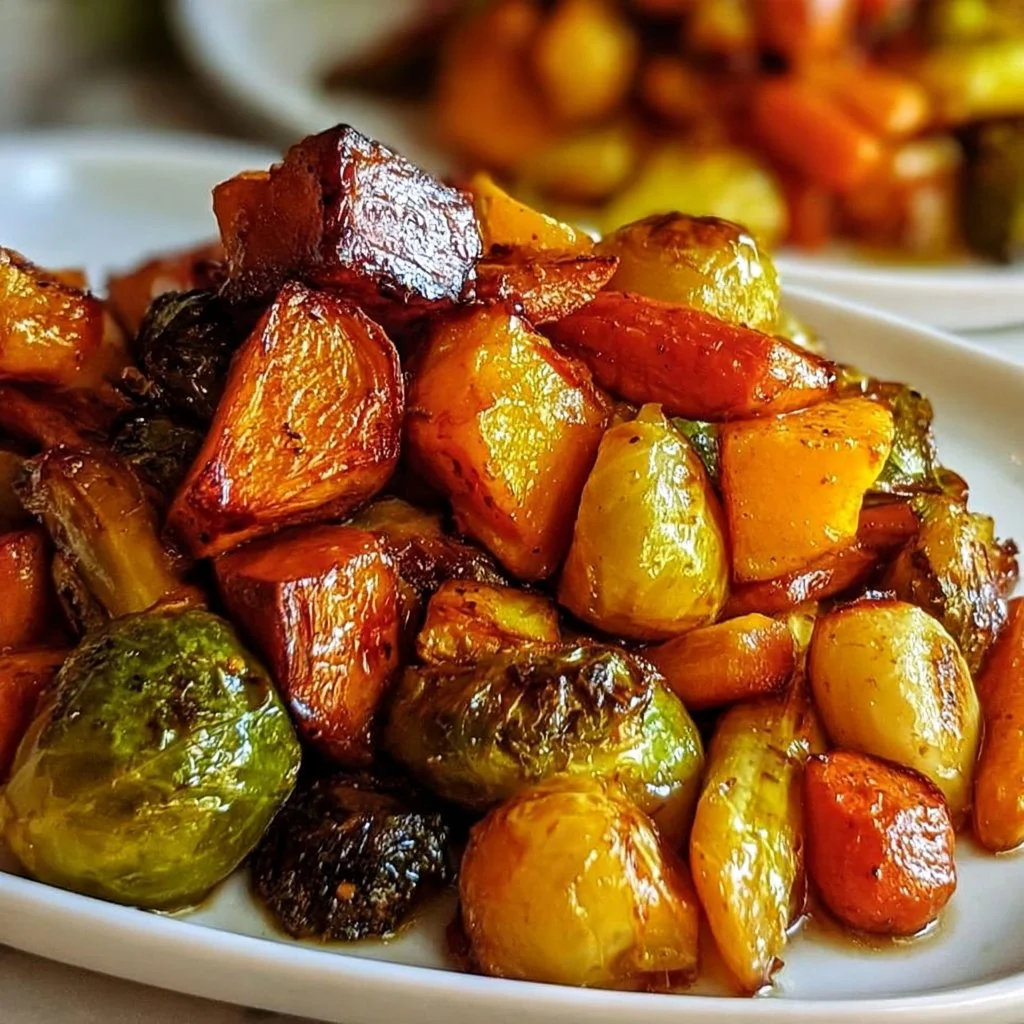
Maple Roasted Thanksgiving Veggies
As the leaves turn vibrant colors and the crisp autumn air begins to set in, the holiday season brings with it a delightful array of culinary traditions. One standout recipe that not only captures the essence of fall but also complements the Thanksgiving feast is Maple Roasted Thanksgiving Veggies. This dish beautifully marries the natural sweetness of seasonal root vegetables, such as carrots, sweet potatoes, and parsnips, with the rich, warm flavor of pure maple syrup. The result is a medley of flavors that is both earthy and sweet, creating a satisfying side that resonates with the festive spirit of the occasion.
The preparation is simple yet elevated, allowing each vegetable to shine while achieving a delightful caramelization during roasting. The high roasting temperature ensures that you get crispy edges combined with tender interiors, making every bite a harmonious blend of textures. The glossy finish from the maple syrup adds a decorative touch, making these veggies not only delicious but also visually appealing. You’re sure to want to let it take a center stage on your dining table.
This dish is perfect for Thanksgiving gatherings, casual family dinners, or any celebration during the fall. With its hearty, wholesome ingredients, Maple Roasted Thanksgiving Veggies can elevate your meal while providing a comforting, nutritious option that vegetarians and meat-eaters alike will appreciate. It works well as a cozy side dish or as a centerpiece for a hearty autumn feast, making it a versatile recipe to keep on hand.
Serving up these roasted veggies brings the joy of autumn directly to your plate, creating a warm and inviting atmosphere that enhances any meal. Whether paired with turkey and gravy, enjoyed as part of a vegetarian platter, or simply savored on their own, these veggies promise to be a crowd-pleaser.
What Makes This Recipe Special
The allure of Maple Roasted Thanksgiving Veggies lies in its remarkable combination of flavors and textures. The natural sweetness of the root vegetables complements the rich, earthy notes of maple syrup, creating a symphony of tastes that epitomizes the flavors of fall. The roasting process not only enhances the inherent sweetness of the vegetables but also produces caramelization, resulting in an irresistible exterior that contrasts beautifully with their tender, creamy interiors.
Comparatively, while many people might opt for mashed potatoes or green bean casseroles during the holiday season, this particular dish offers a refreshing alternative. Unlike many traditional sides that require extensive preparation or cooking skills, Maple Roasted Thanksgiving Veggies is accessible, making it perfect for cooks of all experience levels. Its simplicity in preparation, combined with the elegance of flavors, sets it apart from the usual fare.
Another defining feature of this recipe is its flexibility. You can customize it with various root vegetables, herbs, and even spices, allowing you to tailor the dish to reflect your personal tastes or utilize what you have on hand. Therefore, every time you make this dish, it can evolve, keeping it exciting and new, without losing its core essence.
With the vibrant colors of the autumn vegetables and the glistening maple syrup glaze, this dish is visually stunning, making it a fitting choice for gatherings. The appeal is not limited to taste; it brings aesthetic pleasure to your table, shining brightly amidst the traditional offerings on a holiday spread.
Ingredient Overview and Helpful Notes
The heart of Maple Roasted Thanksgiving Veggies is comprised of key ingredients that elevate the dish’s flavor and texture. The predominant vegetables, including carrots, sweet potatoes, and parsnips, each contribute unique qualities. Carrots provide a mild sweetness and a satisfying crunch. Sweet potatoes add richness and creaminess, paired with their distinctive sweetness. Meanwhile, parsnips introduce a slightly nutty flavor, combining perfectly with the other vegetables to create a balanced profile.
When selecting vegetables, freshness is paramount. Look for brightly colored carrots that are firm to the touch and have smooth skins. Sweet potatoes should be heavy for their size with no soft spots, while parsnips should be creamy white or light tan. Choosing high-quality maple syrup for this dish also enhances the final flavor—opt for pure maple syrup rather than imitation syrup, as the latter tends to have a thinner, less complex taste.
Preparation matters too. Start by washing your vegetables thoroughly to remove any dirt, especially for root vegetables. When chopping, aim for uniform pieces; this ensures even cooking and caramelization during roasting. If your sweet potatoes are large, consider cutting them into smaller chunks to match the size of the carrots and parsnips for more uniform roasting results.
To maintain the integrity and flavor of the dish, it’s advisable to measure out all your ingredients beforehand. This type of organization will make your cooking experience smoother and more enjoyable. Proper oiling and seasoning are critical, as they directly impact the taste and mouthfeel. Use high-quality olive oil, and don’t forget to mix the ingredients well in the bowl before roasting to ensure that all pieces are evenly coated with the syrup and seasonings.
Nutrition & Recipe Details
The nutritional value of Maple Roasted Thanksgiving Veggies can vary based on ingredient quality and portion sizes. Below is a general overview of the recipe’s nutritional details:
| Item | Value |
|---|---|
| Prep time | 15 minutes |
| Cook time | 30 minutes |
| Store time | 3-5 days in refrigerator |
| Calories | 150 kcal per serving |
| Protein | 2g |
| Carbohydrates | 30g |
| Fat | 5g |
Keep in mind that these nutritional values are approximations and can change based on specific ingredient choices and portion sizes.
How to Make Maple Roasted Thanksgiving Veggies
The process of creating Maple Roasted Thanksgiving Veggies is straightforward, making it an excellent choice for both novice cooks and seasoned chefs. Begin by gathering your ingredients and preheating your oven, ensuring it reaches the appropriate temperature for roasting. Ovens vary in performance, so use an oven thermometer if you’re unsure about your oven’s calibration to achieve the best results.
A large mixing bowl is beneficial for the preparation and combining of ingredients. This enables you to toss the veggies with the oil, syrup, and seasonings uniformly. Be sure to set out a baking sheet lined with parchment paper for easy cleanup after roasting. This isn’t strictly necessary, but it makes the cleanup process much more manageable, especially during busy holiday gatherings.
Ingredients
| Ingredient | Quantity |
|---|---|
| Assorted root vegetables (carrots, sweet potatoes, parsnips) | 2 cups |
| Olive oil | 3 tablespoons |
| Maple syrup | 2 tablespoons |
| Salt | 1 teaspoon |
| Black pepper | 1/2 teaspoon |
| Dried thyme | 1 teaspoon |
| Optional: fresh herbs for garnish | – |
To prepare your ingredients, start by peeling and chopping the root vegetables into uniform sizes. This ensures that they cook evenly in the oven, avoiding some pieces becoming overcooked while others remain underdone. After chopping, give your vegetables a good wash and ensure they dry properly, as excess moisture can hinder the caramelization process.
Once your veggies are prepped, grab that mixing bowl and add them along with the olive oil, maple syrup, salt, black pepper, and dried thyme. Toss until all the vegetables are coated, which will ensure that every bite is flavorful. Afterward, transfer the veggies to your lined baking sheet, arranging them in a single layer to promote even roasting.
Step-by-Step Instructions
-
Preheat the oven to 425°F (220°C). Setting the proper temperature will facilitate thorough roasting, ensuring the veggies develop a beautiful golden-brown color and desirable texture.
-
Peel and chop the root vegetables into uniform pieces. Aim for about 1-inch chunks to promote even cooking. Chop them similarly in size so they will be done cooking at the same time.
-
In a large bowl, combine the vegetables with olive oil, maple syrup, salt, pepper, and thyme. This step is crucial for flavor, allowing the oil to help the seasoning adhere while also promoting optimal caramelization.
-
Spread the mixture in a single layer on a baking sheet. Ensure that the veggies are not overcrowded, which can lead to steaming rather than roasting. Use multiple sheets if necessary.
-
Roast in the oven for 25-30 minutes, or until the vegetables are tender and caramelized. At the halfway mark, stir the vegetables, allowing them to rotate on the baking sheet, which promotes even browning.
-
Remove from the oven and garnish with fresh herbs if desired. Allow to cool slightly before serving to help enhance flavors. Serve warm to enjoy the full depth of flavors and textures.
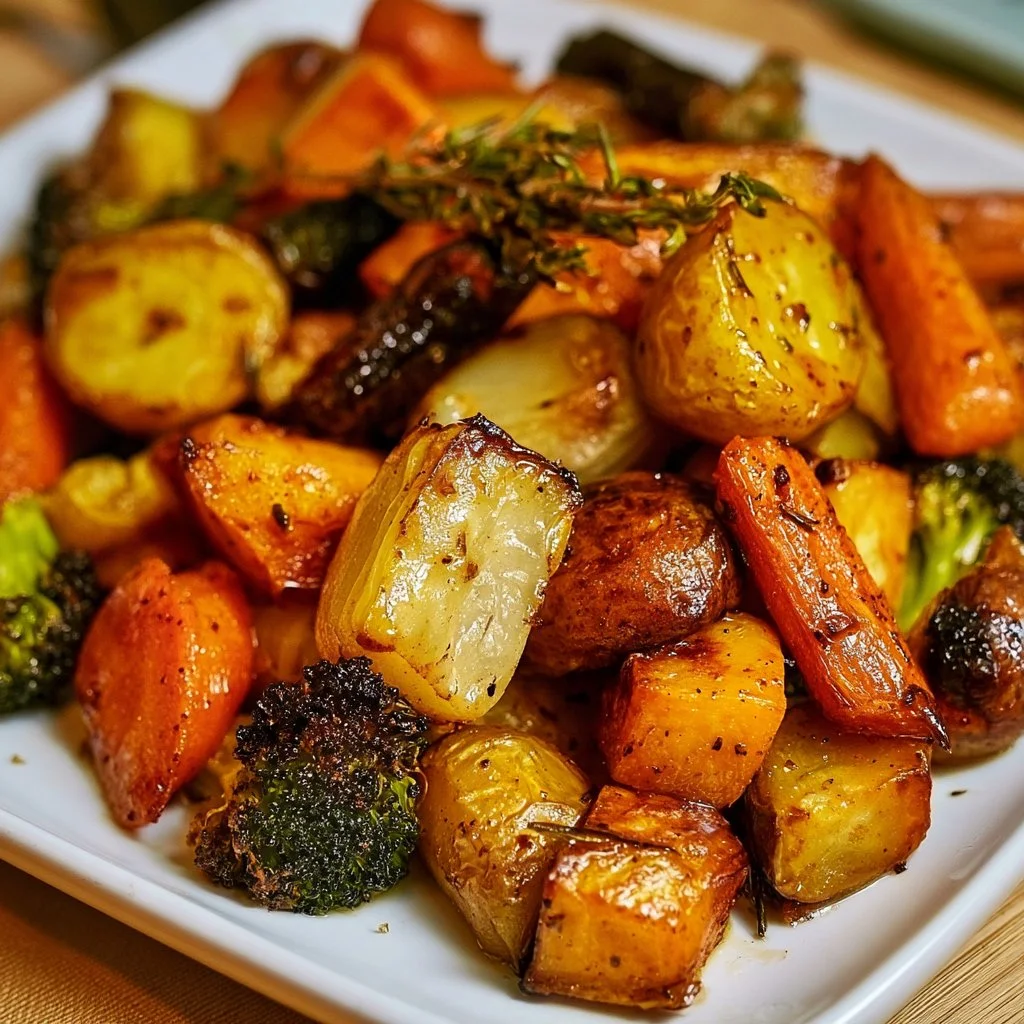
Understanding the Flavor and Texture
Maple Roasted Thanksgiving Veggies are a beautiful harmony of flavors and textures that sing autumn. The combination of root vegetables, sweet maple syrup, and aromatic herbs results in a dish that is both comforting and sophisticated. Each bite provides a delightful complexity; the sweetness from the maple syrup balances the earthy undertones of the roasted veggies, while the thyme adds a hint of freshness and depth.
The roasting process transforms the vegetables’ natural sugars, leading them to caramelize and develop a rich, brown exterior. This contrast creates a delightful texture, where the crispy outer layer is complemented by the tender, soft interior of the vegetables. The overall appearance is a medley of earthy tones that draw the eye, making it a stunning addition to any festive feast.
When done right, you will notice a glossy finish on the veggies from the maple syrup, giving a slight sheen that looks appealing on the table. The aroma wafting from the oven will excite guests and family alike, inviting them to enjoy every serving. Successfully roasted, the veggies should have a tender bite, with lightly charred edges that offer flavor and contrast, ensuring that no two bites are ever the same.
Pro Tips
A few small techniques can significantly improve your Maple Roasted Thanksgiving Veggies’ outcome, enhancing flavor and texture.
| Tip | Description |
|---|---|
| Uniform size cuts | Cut vegetables into similar sizes to achieve even cooking. This helps prevent some pieces from becoming soggy while others are perfectly roasted. |
| High-quality maple syrup | Using pure maple syrup will elevate the dish’s flavor. Opt for artisanal or local brands for richer taste profiles that enhance the final result. |
| Stir halfway | Stirring the vegetables halfway through roasting promotes even caramelization and prevents sticking, allowing for perfectly roasted edges. |
| Don’t overcrowd the pan | Giving the veggies space on the baking sheet will allow heat to circulate, aiding in thorough roasting instead of steaming. |
Additionally, pay attention to the color and smell of the veggies as they roast. The enticing aroma will inform you when the veggies are nearing completion. If they’re starting to char too much, reduce the oven temperature slightly. For those who prefer extra crispy edges, leave them in for a few extra minutes but keep an eye on them to avoid burning.
Why You’ll Love This Recipe
There are several compelling reasons to fall in love with Maple Roasted Thanksgiving Veggies. First, the recipe is delightfully easy to prepare, requiring only a handful of ingredients and minimal effort, making it accessible for even the busiest of cooks. The colorful presentation and inviting aroma keep it from feeling like a simple side, transforming it into a standout star of the meal.
The sweet and earthy flavor profile, along with the crispy, tender texture of the veggies, ensures that every bite is satisfying. This dish is also especially versatile. It pairs wonderfully with a variety of main dishes, whether you’re serving roasted turkey or a vegan meat alternative, allowing it to fit seamlessly into many meal contexts.
Furthermore, the ingredients are typically widely available and can be adjusted based on what you have on hand, promoting less food waste and more creativity in the kitchen. For those looking to meal prep or make ahead, this dish holds up beautifully, meaning you can enjoy it over a few days without losing quality.
In the spirit of Thanksgiving, this recipe resonates with the season’s themes of gratitude and togetherness, and it fosters a joyful atmosphere when shared with loved ones. With all these aspects combined, it’s no wonder this dish finds a permanent home in so many holiday traditions.
How to Serve Maple Roasted Thanksgiving Veggies
When it comes to serving Maple Roasted Thanksgiving Veggies, presentation can elevate the experience. Because this dish is colorful and vibrant, consider serving it in a shallow bowl that allows the textures to shine while still being easy to scoop. To garnish, sprinkle fresh herbs such as parsley or thyme for an added pop of color.
Pair the veggies with traditional Thanksgiving dishes like herb-roasted turkey or vegan nut loaf, ensuring the sweetness of the maple syrup complements the savory flavors of the mains. It also harmonizes beautifully with rich stuffing and cranberry sauce, making it a perfect addition to the plate.
For a lighter touch, this dish also works wonderfully with simple salads. A mixed green salad with a citrus dressing can cleanse the palate and enhance the overall meal balance. You could also consider serving it alongside a grain-based dish, like wild rice or quinoa, which would provide a hearty, wholesome element to the meal.
To elevate the dining experience further, consider offering drinks that resonate with the autumn season. A homemade apple cider or spiced tea can enhance the meal, offering guests a comforting sense of seasonal flavors. Opt for non-alcoholic or lower sugar options to keep your drink pairings light and refreshing.
How to Store Maple Roasted Thanksgiving Veggies
Storing leftovers from Maple Roasted Thanksgiving Veggies should be done with care to preserve flavor and texture. After the dish has cooled down, transfer it to an airtight container. Proper storage in a refrigerator can allow leftovers to stay fresh for 3-5 days. If you notice any excess moisture in the container, consider using a paper towel to absorb it before sealing the container to prevent sogginess.
Freezing is also an option, although the texture may change upon reheating. If you plan to freeze the veggies, divide them into small portions in freezer-safe containers or bags and label them with the date. Generally, frozen roasted vegetables can be kept for about three months. However, for the best flavor, it’s advisable to consume them sooner rather than later.
When reheating refrigerated leftovers, it’s best to use an oven to preserve crispiness. Place the veggies on a baking sheet at 350°F (175°C) for about 10-15 minutes, stirring occasionally until heated through. If using a microwave, be aware that they may turn slightly soggy, so if you opt for this method, take care to arrange them in a single layer on a microwave-safe plate and heat in short intervals.
Avoid leaving leftover veggies at room temperature for extended periods to maintain food safety. Always return the remnants to the fridge as soon as everyone has been satisfied with this delicious side dish.
Tips to Make Maple Roasted Thanksgiving Veggies
Improving your Maple Roasted Thanksgiving Veggies can be quickly achieved through small adjustments. Start by focusing on ingredient freshness; the quality of vegetables greatly affects the dish’s overall flavor profile. Fresh root vegetables will bring out enhanced sweetness and a comforting, earthy flavor.
Next, consider the seasoning. Don’t shy away from experimenting with fresh herbs or even spices to elevate the flavor further. Adding a pinch of cinnamon or nutmeg can complement the sweet profile of the maple while bringing warmth and depth to the dish. Adjust salt levels to match your palate preference for the best experience.
Pay particular attention to cooking times and the specific characteristics of your oven. As ovens may vary, checking the veggies halfway through the cooking process is essential. If they appear to be caramelizing too quickly, lowering the temperature slightly can help. On the other hand, if they’re not browning enough, adjusting to a higher heat during the final minutes can result in a better texture.
Lastly, aim for a perfect roast technique by hyper-focusing on spacing on the baking sheet; overcrowding can lead to uneven cooking, so avoid this at all costs. Don’t hesitate to use multiple pans if necessary for optimal roasting!
Variations and Substitutions
This recipe is inherently flexible, allowing for plenty of variations based on available ingredients or personal preferences. If you’re looking for a different flavor profile, consider substituting the root vegetables with others, such as butternut squash or rutabaga. These alternatives have sweet and starchy qualities that still capture the essence of roasting.
Vegetarians or vegans can enhance the recipe’s richness by adding plant-based butter as a substitute for olive oil, or incorporating a bit of balsamic vinegar for added depth. If you prefer a spicier version, consider adding a sprinkle of cayenne pepper or smoked paprika to the mix, which will enhance the flavor complexity without overwhelming the sweetness of the dish.
For those watching their carbohydrate intake, you could use cauliflower florets instead of sweet potatoes while maintaining a flavorful and satisfying result. The key is to roast them until they’re just tender to showcase their natural sweetness without losing texture.
In terms of garnishes, instead of fresh herbs, consider crumbled feta or goat cheese for an added creamy element. Alternatively, top with chopped pecans or walnuts for a satisfying crunch that enhances texture and adds fat without compromising the overall taste.
Storage and Reheating
Proper storage and reheating are essential to enjoy your Maple Roasted Thanksgiving Veggies to the fullest. First, allow any leftovers to cool before transferring them to appropriate containers. Use airtight bags or specialized food storage containers, ensuring you minimize any extra air inside to prolong freshness.
When refrigerating, always label the container with the date to keep track. This can help you avoid using the veggies past their prime. The veggies can stay fresh for around 3-5 days in the fridge; however, after this window, you may notice a decline in flavor and texture.
If reheating in the oven, preheat it to 350°F (175°C) and spread the veggies on a baking sheet, allowing them to warm evenly. Stirring occasionally will help to prevent burning and enhance crispness. In contrast, using the microwave may lead to slight sogginess, so if you choose this method, use it sparingly and for shorter intervals to minimize moisture loss.
In the case of frozen roasted veggies, allow them to thaw in the fridge overnight before reheating. Oven reheating will be more effective in bringing back that crispy texture akin to freshly roasted. Use similar temperatures and keep an eye on cooking to ensure they heat through without losing their delightful integrity.
Customization Ideas
If you’re aiming to elevate the Maple Roasted Thanksgiving Veggies further, consider various customization ideas that tailor them to personal tastes. Adding different herbs can significantly alter the flavor profile; fresh rosemary or sage would harmonize beautifully with maple and the natural sweetness of the veggies. For added acidity to balance the sweetness, a splash of apple cider vinegar or lemon juice before serving can be refreshing.
For a more Mediterranean twist, try incorporating ingredients like olives or sun-dried tomatoes before roasting to add a bit of tanginess and complexity to the sweetness of the maple syrup. You could even include capers for their briny kick, creating a delightful contrast.
In addition, texture can be heightened with the addition of toppings like roasted seeds or nuts. Pumpkin seeds or sunflower seeds provide a delightful crunch that complements the softness of the roasted vegetables while providing additional healthy fats.
Lastly, if you want to create a complete meal, consider combining the roasted vegetables with grains. Adding quinoa or couscous could make this dish hearty, allowing it to serve as a main course rather than a side. You can season the grains with complementary spices for an added layer of flavor that ties everything together.
Common Mistakes to Avoid
As with any dish, a few common pitfalls can detract from the success of your Maple Roasted Thanksgiving Veggies. Here are five mistakes to watch out for:
-
Cutting vegetables unevenly: If your veggies are not cut to a uniform size, they will not roast evenly, leading to some being overcooked while others remain crunchy. Always aim for similar-sized pieces to ensure even cooking.
-
Skipping the washing step: Neglecting to wash your root vegetables can lead to gritty textures that spoil the tasting experience. Always wash them thoroughly to remove any sand or dirt that may be trapped in their skins.
-
Overcrowding the baking sheet: Placing too many vegetables on the sheet can cause steaming instead of roasting, resulting in soggy veggies. Make sure you give them ample space for even roasting.
-
Not stirring halfway through: Failing to toss your vegetables while roasting can lead to uneven caramelization, with some pieces burning while others remain pale. Stirring promotes an even roast.
-
Ignoring the aroma and visual cues: Every oven runs slightly differently; always pay attention to smell and look for crispy edges to determine doneness instead of strictly relying on the clock. This will help ensure optimal results.
By avoiding these pitfalls, you can enhance the quality of your dish and enjoy a perfect side to complement your holiday meal.
Serving Occasions
Maple Roasted Thanksgiving Veggies are incredibly versatile and shine on various occasions. Their vibrant colors and robust flavors make them especially suitable for Thanksgiving and other holiday dinners, where they can bring a touch of warmth and comfort to the table. Families typically gather around an array of dishes during the holidays, making this roasted veggie option a joyful centerpiece.
Additionally, these seasoned veggies also serve well at fall potlucks and casual gatherings. Their simplicity and approachable flavors allow them to fit seamlessly into a variety of meal types, from a laid-back family lunch to formal dinner parties. They can even be enjoyed as a standalone option during a light fall meal on a busy weeknight.
When served at larger events or celebrations, you can elevate the presentation with platters or large bowls that showcase the beautiful colors of the vegetables. Garnishing adds that extra touch, creating a visually appealing dish that draws guests in.
Finally, these roasted veggies aren’t limited to special occasions. They can easily be whipped up as a regular side for weekday meals, providing a nourishing and flavorful boost to any simple family dinner throughout the fall and winter seasons.
Why Make This Recipe?
Choosing to make Maple Roasted Thanksgiving Veggies is worth it for various practical and flavorful reasons. Firstly, the delightful balance of sweet and savory flavors creates a dish that satisfies a broad audience of diners. It is hard to resist the charm of caramelized vegetables, particularly when drizzled with maple syrup.
Versatility is another compelling reason to include this recipe in your regular cooking rotation. Not only can it accompany traditional Thanksgiving fare, but it can also be adapted to suit diverse diets, such as vegetarian or vegan. The accessibility of ingredients means that you are likely to have everything on hand, making it a practical choice for busy cooks.
Moreover, there is a certain nostalgia tied to roasting vegetables during the fall months, making it a dish that invokes feelings of warmth and family time. With minimal prep time and an appealing result, it encourages experimentation and creativity in the kitchen without demanding extensive cooking experience.
Lastly, this recipe provides an opportunity to embrace seasonal ingredients authentically. It promotes sustainable eating by using locally harvested produce while highlighting the natural flavors autumn provides.
Make-Ahead Preparation
Making Maple Roasted Thanksgiving Veggies ahead of time can significantly reduce stress, especially during busy holiday preparations. To ensure the dish remains delicious and satisfying, consider peeling and chopping the veggies a day in advance. Store them in a sealed container in the fridge, ready to go when it’s time to prepare for your gathering.
You can even mix the oil, maple syrup, and seasonings in a separate container, allowing for a quick toss with your prepped vegetables before roasting. Just be sure to give your vegetables a quick toss right before roasting to ensure they’re evenly coated with the syrup mixture.
If you want to cook the veggies in advance, you can roast them a few hours before guests arrive. Simply store the cooked veggies in a warm, covered dish, or reheat them briefly in the oven at a low temperature before serving. This method will help preserve their caramelization and texture.
Keep in mind that while some flavors may deepen overnight, it’s best to reheat the roasted veggies gently to maintain their delightful crispness and avoid overcooking them. Preparing in this way ensures that your meal runs smoothly and allows you to enjoy the festivities alongside your guests.
Equipment and Kitchen Preparation
Having the correct kitchen tools can make cooking Maple Roasted Thanksgiving Veggies easier and more enjoyable. At the outset, a large cutting board and a sharp chef’s knife are essential for efficiently peeling and chopping the root vegetables. Uniform size is critical, so take your time with this step to ensure even cooking.
A generous mixing bowl will help facilitate the combination of your veggies with the olive oil and maple syrup. If you’re using different sized vegetables or find yourself needing to prepare a larger batch, consider investing in a couple of extra bowls for easier organization.
A heavy-duty baking sheet lined with parchment paper is beneficial for roasting, as it can help achieve optimal caramelization while preventing sticking. If you own a high-sided roasting pan, it’s also a good option, especially for larger quantities. Lastly, utilizing an oven thermometer can ensure that your oven is accurately calibrated, guaranteeing that the veggies roast at the correct temperature every time.
Organizing your workspace before cooking—having your vegetables cut, seasonings measured, and tools readily available—will lead to a more fluid cooking experience. This organization minimizes unnecessary movement in the kitchen and maximizes your time efficiency.
FAQs
-
Can I use frozen vegetables?
Yes, while fresh root vegetables work best, you can use frozen ones. However, they may release moisture during cooking, leading to a softer texture. -
What other root vegetables can I use?
In addition to carrots, sweet potatoes, and parsnips, consider turnips, beets, or celery root. Just remember to account for their varying cooking times when roasting together. -
Can I prepare this dish in advance?
Absolutely! You can chop the vegetables and mix the seasoning in advance. Roast them just before serving, or cook them ahead of time and reheat gently before serving. -
How do I know when the veggies are done?
The veggies should be tender throughout with golden-brown edges. A fork should easily pierce them, and they should have a pleasant caramelized aroma. -
Is there a way to make this recipe spicier?
You can add cayenne pepper, red pepper flakes, or even a dash of chili powder to the oil mixture for an extra kick. -
How should I store leftovers?
Store leftover veggies in an airtight container in the fridge for 3-5 days. You may also freeze them for longer storage. -
Can I use a different sweetener instead of maple syrup?
Yes! Honey, agave nectar, or brown sugar can serve as alternatives, though they will slightly change the flavor profile. -
What’s a good herb to use instead of dried thyme?
Fresh rosemary, oregano, or sage can be good substitutes, each offering a unique flavor that complements the veggies beautifully.
Disclaimer
Nutritional information is approximate and may vary based on ingredient brands, substitutions, portion sizes, and preparation methods.