
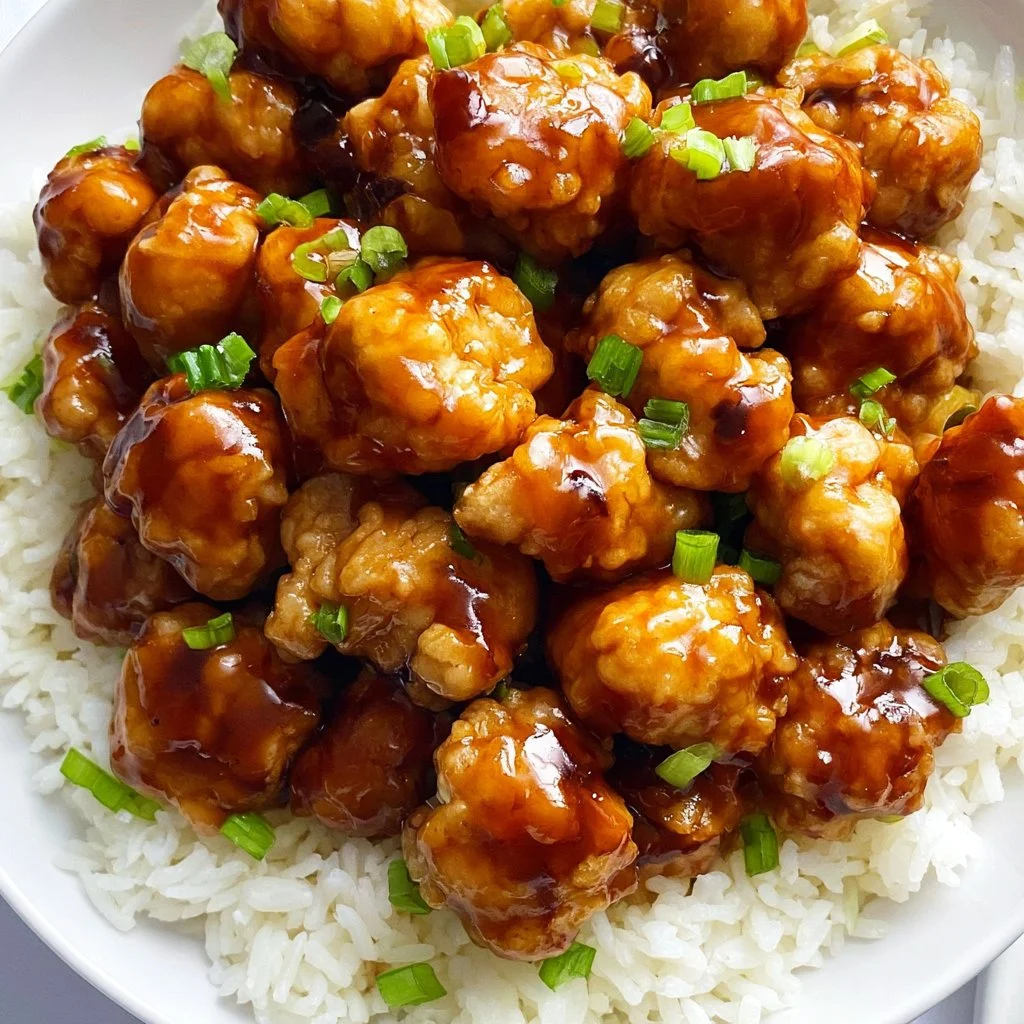
Best Ever Orange Chicken
Orange Chicken is a beloved dish that brings together the sweet, tangy notes of orange juice and zest with savory elements that create a mouthwatering experience. The flavorful sauce coats crisp, tender pieces of chicken, resulting in a dish that bursts with flavor and visual appeal. With its glossy orange hue and aromatic fragrance, it’s no wonder Orange Chicken has become a favorite in Chinese-American cuisine. This recipe takes a classic dish and elevates it to new heights, ensuring that home cooks can replicate this culinary delight in their own kitchens.
Imagine biting into perfectly fried chicken, golden brown and crispy on the outside, while the inside remains juicy and tender. The sauce, with its rich blend of orange and soy flavors, envelops each piece, creating a harmonious balance that excites the palate. Whether served over a bed of fluffy rice or alongside crisp steamed vegetables, this dish is not only comforting but also satisfying in both flavor and texture. Its vibrant appearance makes it an ideal option for family dinners or as a showstopper at festive gatherings.
This dish is perfect for a cozy weeknight dinner when paired with rice, but it can also elevate a casual lunch or serve as the main attraction for a festive gathering. With its simplicity and deliciousness, you’ll easily win over your family or guests, making it a go-to recipe in your culinary repertoire. Let’s dive deeper into what makes this recipe so special and how you can master its preparation.
What Makes This Recipe Special
The distinctiveness of this Orange Chicken recipe lies in its perfect balance of flavors and textures. The frying process ensures the chicken develops a crispy exterior that provides a delightful contrast to the sweet and tangy sauce. What sets this dish apart is not just the combination of orange juice and soy sauce; it’s also the careful incorporation of garlic and ginger, which add depth and warmth to the flavor profile. Together, these ingredients create a layered taste experience that remains enjoyable with every bite.
Unlike many other fried chicken recipes that rely solely on spices and breadcrumbs, the cornstarch coating in this recipe contributes to an ultra-crisp texture. This textural element is crucial when it’s coated with the rich sauce, as it prevents the chicken from becoming soggy and ensures that every piece retains its crunchiness. Additionally, the quick cooking method maintains the chicken’s juiciness, making it truly irresistible.
This recipe not only serves as a comforting meal but also provides an opportunity for creativity. You can easily adjust the level of sweetness or the hints of orange according to your preference. Moreover, it can be prepared quickly and requires minimal ingredients, making it an accessible option for busy home cooks.
Ingredient Overview and Helpful Notes
For this Orange Chicken recipe, the ingredients work together to create a delightful taste and texture. The star of the dish, chicken breast, is tender and easy to cook, absorbing the flavors of the sauce beautifully. The cornstarch plays a significant role in achieving that delightful crunch, enabling the chicken to hold its shape and texture when fried. Opting for high-quality chicken breast is essential; look for fresh cuts that are free from any excess water or fillers, ensuring the best results.
Next, we have the orange juice. Using fresh orange juice, if possible, brings out brighter notes and enhances the flavor. The acidity from the juice works beautifully with the soy sauce, bringing a lively zing that complements the richness of the chicken. For the soy sauce, a low-sodium option can be used for those watching their salt intake; however, traditional soy sauce delivers a more robust umami flavor.
The addition of sugar in the recipe balances the acidity and enhances the overall sweetness of the dish, making it appealing to those who prefer a sweeter profile. The rice vinegar adds a touch of tanginess that helps elevate the overall taste without overpowering the orange’s brightness. Garlic and ginger not only enhance the flavor but also provide aromatic elements that elevate the dish. The finishing touch of chopped green onions not only adds color but also a fresh burst of flavor.
When preparing the ingredients, ensure the chicken is cut into uniform bite-sized pieces. This ensures even cooking and helps create a pleasant experience with perfectly sized morsels. Additionally, make sure to measure out the sauce ingredients ahead of time. This organization will streamline the cooking process and make it enjoyable, especially when you’re ready to toss the chicken in the frying pan for a satisfying crispy finish.
Nutrition & Recipe Details
Nutritional values may vary depending on ingredients, brands, portion sizes, and preparation methods. The following table provides an overview of nutritional details for this recipe:
| Item | Value |
|---|---|
| Prep time | 15 minutes |
| Cook time | 20 minutes |
| Store time | 3-4 days in refrigerator |
| Calories | 400 (approx.) |
| Protein | 28g |
| Carbohydrates | 50g |
| Fat | 12g |
How to Make Orange Chicken
Making this dish is easier than you might think! The steps involve a few straightforward processes, and when organized well, you’ll have a delicious meal on the table in no time. It’s best to prepare all your ingredients before you start cooking to keep the process fluid. Ensure you have everything ready, including the chicken coated with cornstarch and the sauce mixed in a bowl.
For equipment, a large skillet or wok is ideal for frying the chicken, allowing ample space for even cooking. A sharp knife for cutting the chicken and a bowl for mixing the sauce will be handy as well.
Ingredients
| Ingredient | Quantity |
|---|---|
| Chicken breast, cut into bite-sized pieces | 1 lb |
| Cornstarch | 1/2 cup |
| Vegetable oil | 2 tbsp |
| Orange juice | 1/4 cup |
| Soy sauce | 1/4 cup |
| Sugar | 1/4 cup |
| Rice vinegar | 1 tbsp |
| Garlic, minced | 1 clove |
| Grated ginger | 1 tsp |
| Green onion, chopped | 1 |
| Salt and pepper | To taste |
Before you start cooking, ensure that the chicken is well-coated with cornstarch. This coating will give the chicken its signature crunch when fried. Measure the spices and sauce ingredients to streamline your cooking process and to ensure everything is ready to go when you need it.
Step-by-Step Instructions
-
In a bowl, coat the chicken pieces with cornstarch and set aside. This coating is essential for achieving that crispy texture when frying.
-
In a large skillet, heat the vegetable oil over medium heat. It is important to heat the oil adequately before adding the chicken to ensure proper frying. You can test the oil’s readiness by dropping a small piece of bread into the oil; if it sizzles immediately, it’s ready for frying.
-
Add the chicken in batches to the skillet and fry until golden brown and cooked through, which should take about 5-7 minutes per batch. Avoid overcrowding the pan, as this will reduce the oil temperature and result in soggy chicken. Monitor the chicken, turning as necessary to achieve an even golden color. Once cooked, remove from the skillet and drain on paper towels to absorb excess oil.
-
In the same skillet, combine orange juice, soy sauce, sugar, rice vinegar, garlic, and ginger. Bring to a simmer over medium heat. This simmering step helps the flavors meld together beautifully.
-
Add the fried chicken back into the skillet and toss to coat with the sauce. Ensure that every piece is generously coated in the luscious sauce for maximum flavor.
-
Cook for another 2-3 minutes until the sauce thickens slightly. Keep stirring gently to prevent sticking. You’ll know it’s ready when a small amount of sauce clings to the back of a spoon.
-
Serve hot, garnished with chopped green onions. Pair it with rice and steamed vegetables to create a well-rounded meal that’s satisfying and visually appealing.
Understanding the Flavor and Texture
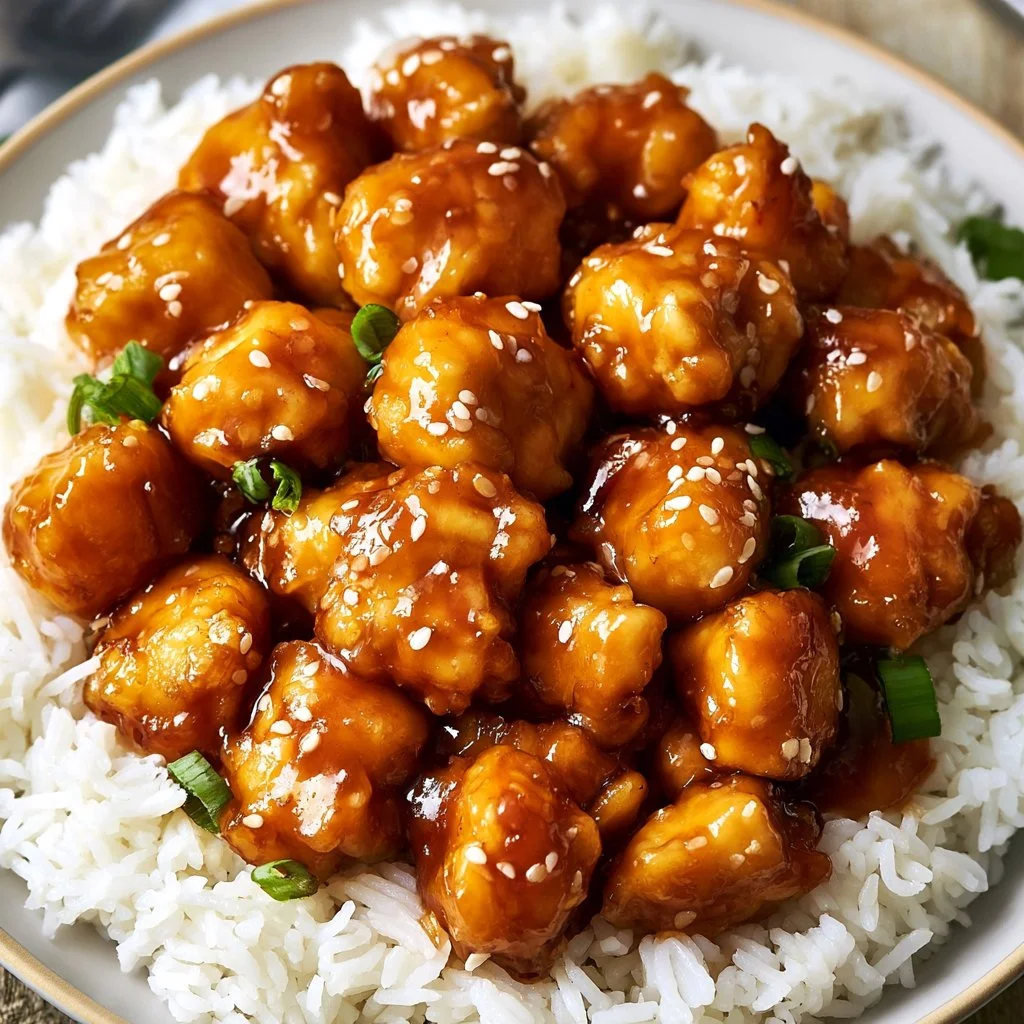
The final dish is a beautiful amalgamation of culinary sensations. The flavor profile ranges from the bright citrus notes of the orange juice to the savory depth of the soy sauce, creating a symphony of taste. The sweetness of the sugar complements the citrus tang, while garlic and ginger enhance the overall aroma, making it deeply fragrant.
Visually, the dish is striking with its glossy, vibrant orange hue, making it incredibly appealing to the eye. The crisp edges of the fried chicken contrast perfectly against the silky sauce, leaving you with a delightful crunch followed by rich, tangy flavors. Each piece of chicken retains its juiciness, making the eating experience pleasing.
The cooking method also contributes significantly to texture—a glossy coat of sauce envelops the crispy chicken without rendering it soggy. Tolerance for seasoning nuances plays a key role in the experience; balance is critical to ensure that one flavor doesn’t overpower the others.
Pro Tips
Even a few simple techniques can dramatically elevate your Orange Chicken experience. Mastering these small details can really improve the flavor and presentation of your dish.
| Tip | Description |
|---|---|
| Coat Chicken Thoroughly | Make sure each piece of chicken is evenly coated in cornstarch. This will help achieve maximum crispiness after frying, ensuring every bite is crunchy. |
| Use Fresh Juice | Whenever possible, opt for freshly squeezed orange juice. The vibrant flavor will make a significant difference compared to store-bought options. |
| Monitor Oil Temperature | Frying in oil that’s too hot can lead to burnt chicken, while too low a temperature will result in greasy, soggy breading. Maintain medium heat for even cooking. |
| Let Sauce Simmer | Allow the sauce to simmer for a few extra minutes to enhance flavor concentration. This helps the sauce thicken naturally, creating that coveted glossy finish. |
In addition to these tips, consider seasoning the chicken pieces with a little salt and pepper before coating them in cornstarch for an extra flavor kick. When plating, a sprinkle of sesame seeds or sliced green onions can add a finishing touch that elevates the dish.
Why You’ll Love This Recipe
This Orange Chicken recipe is not just about flavor; it’s also about the convenience of preparation. The simple ingredient list means you won’t need to search for rare elements when shopping, making this dish highly accessible for everyday cooking. The steps are straightforward, making it beginner-friendly while still allowing more experienced cooks to showcase their skills.
Furthermore, this dish offers flexibility. Whether you want to serve it for an easy weeknight dinner or as part of a larger meal for entertaining, it fits the occasion perfectly. Additionally, the balanced nature of the dish allows it to pair deliciously with a variety of sides, such as rice or fresh vegetables.
Cleanup is also quick since only one skillet is needed for frying and combining the sauce, leading to a stress-free cooking experience. Whether you’re looking to impress guests or just whipping up a family meal, this recipe is sure to be a hit, leaving everyone satisfied and asking for seconds.
How to Serve Orange Chicken
Serving Orange Chicken can be as simple or as elegant as you desire. For a cozy weeknight dinner setting, serve the chicken over a generous scoop of fluffy steamed white rice or jasmine rice, which beautifully absorbs the sauce and balances the flavors. Accompany it with sautéed or steamed green vegetables such as broccoli or snap peas to add color and nutrition to your plate.
For a more formal presentation, consider plating the chicken directly from the skillet onto a serving platter. Garnish with thinly sliced green onions and a sprinkle of sesame seeds to add visual appeal. You could also provide additional sides, such as lo mein or fried rice, for a delightful Asian-inspired feast.
Drinks can enhance the dining experience further. A refreshing iced tea or a citrusy lemonade can pair well with the dish’s flavors. If you wish to create a more immersive experience, consider a light white grape juice or a sparkling water with a splash of lime.
For guests, portioning the chicken into individual bowls can create a lovely serving style that feels intimate and personal. This format invites conversation and connection among diners, turning a meal into an experience.
How to Store Orange Chicken
To properly store leftovers after enjoying your Orange Chicken, allow the dish to cool to room temperature. Once cooled, transfer the chicken into an airtight container. Store it in the refrigerator for up to 3-4 days. The chicken can also be frozen for longer preservation; just ensure it is well-sealed to prevent freezer burn—ideally, it should be consumed within 2-3 months.
When reheating, note that the chicken’s texture may change slightly, especially if stored in sauce. For the best results, reheat it in a preheated oven or a skillet over medium heat. These methods help retain some of the crispiness from the frying process, which can be lost in the microwave. If using a microwave, do so in short intervals to prevent drying out.
Take care to avoid leaving the chicken at room temperature for extended periods, as this can raise food safety concerns. Always prioritize proper storage techniques to enjoy your lovely meal for days to come.
Tips to Make Orange Chicken
In preparing this dish, there are several practical cooking tips that can help you achieve the best results. Pay attention to the size of the chicken pieces; ensuring they are uniformly cut will help with even cooking. This small detail can affect the cooking time and the overall cooking experience.
During frying, avoid overcrowding the pan. Frying in batches allows each piece of chicken to cook properly and helps retain the crunchiness. If you’re serving a large group, it’s advisable to save frying in smaller amounts rather than trying to squeeze everything in at once.
When preparing the sauce, tasting it during cooking can help you adjust the sweetness or acidity to your preference, ensuring that the final dish aligns with your taste desires. This flexibility in seasoning can lead to a more personalized flavor profile, making the dish uniquely yours.
Finally, always allow the chicken to rest for a minute before serving. This brief period helps the juices redistribute within the meat, resulting in a juicier bite when you take your first forkful.
Variations and Substitutions
There are numerous ways to customize this Orange Chicken recipe, tailoring it to personal preferences or dietary requirements. For a vegetarian option, substitute the chicken for tofu or tempeh, cut into similar-sized cubes. Press the tofu beforehand to remove excess moisture, and coat it with cornstarch before frying to achieve the desired crispiness.
For a gluten-free version, you can use a gluten-free soy sauce alternative, such as tamari, as well as cornstarch. This adaptation allows the dish to retain its essence while being accessible to those with gluten sensitivity.
If you’re after a spicier kick, consider adding red pepper flakes or fresh chili to the sauce. This contrast brings an exhilarating flavor that can enhance the overall experience. Additionally, substituting coconut sugar for refined sugar can lend a different taste experience—while still providing that sweetness.
Every variation mentioned keeps the heart of the original recipe intact while encouraging creativity in the kitchen, allowing you to reshape this beloved dish in countless ways.
Storage and Reheating
Dividing any leftovers into individual portion sizes can make reheating easier. Store these portions in airtight containers and label them with the date to monitor freshness. When reheating, you can opt for the microwave for convenience, although for best results, using an oven or skillet is recommended.
In the oven, preheat to 350°F (175°C) and reheat the chicken in an oven-safe dish until warmed through, about 10-15 minutes. Stir it with the sauce occasionally to keep the moisture consistent. When using a skillet, a splash of water can help prevent the chicken from drying out, while stirring allows for even heating.
Be mindful of reheating too many times as this can further change the texture of the chicken. If caution is taken, reheating can breathe life back into any leftovers and maintain their delightful flavors.
Customization Ideas
When preparing your Orange Chicken, consider what additional flavors or toppings can enhance the dish! Ingredients such as sesame seeds, cashews, or almonds can add a delightful crunch. Sprinkle these over the top right before serving for an elevated presentation that enhances both texture and flavor.
If you enjoy experimenting with herbs, a touch of fresh cilantro or mint added to the garnishing can introduce another layer of flavor. Alternatively, a sprinkle of toasted sesame oil drizzled over the top before serving can add a distinct nuttiness.
For a more robust meal, consider adding vegetables to the stir-fry mix, such as bell peppers, broccoli, or snap peas. This preserves the flavor and introduces various nutrients, making your dish visually attractive and wholesome.
These customization ideas keep your Orange Chicken delightful while providing variation to your meals, ensuring that you never get bored with this delicious dish.
Common Mistakes to Avoid
-
Overcrowding the Skillet: Adding too much chicken at once can lower the oil temperature and lead to uneven cooking. To prevent this, fry the chicken in batches and monitor oil temperature closely.
-
Not Coating Properly: Failing to coat the chicken evenly in cornstarch can result in a lack of crispiness. Ensure even coverage before frying for the best texture.
-
Using Bottled Juice: Opting for bottled orange juice can lead to a lack of flavor. Freshly squeezed juice provides a vibrant taste that enhances the overall experience.
-
Skipping the Simmer: Not allowing the sauce to simmer can lead to underdeveloped flavors. Taking time for this step helps marry the ingredients properly.
-
Ignoring Doneness: Failing to check the chicken for doneness can result in serving undercooked poultry. Always cut into a piece or use a meat thermometer for the best results.
By being aware of these common pitfalls, you can enhance your culinary skills and ensure that your Orange Chicken turns out perfectly each time.
Serving Occasions
This recipe is versatile enough for various occasions. Its quick preparation makes it perfect for busy weeknights when time is of the essence, allowing families to sit down together for a homemade meal without extensive fuss.
For larger gatherings like potlucks or family reunions, Orange Chicken is an excellent crowd-pleaser that will impress guests. Its vibrant color and enticing aroma make it an attractive centerpiece on any buffet table, encouraging family and friends to try a portion.
Its casual yet delicious nature also makes it suitable for laid-back lunch dates or friendly gatherings. When served with refreshing drinks and simple sides, it creates a comforting atmosphere that fosters good conversations and enjoyment.
In essence, this recipe can seamlessly transition from weeknight dinners to celebratory meals with ease.
Why Make This Recipe?
Choosing to prepare Orange Chicken instead of similar dishes, like General Tso’s chicken or sweet and sour chicken, provides a unique taste experience. The combination of fresh orange juice and soy sauce sets it apart by creating a notably lighter and tangier culinary profile.
In addition, preparation does not require complicated techniques or a long list of ingredients, making it perfect for home cooks at any skill level. The ability to customize flavors means this recipe can cater to individual preferences, further solidifying its place as a standout dish in your repertoire.
By keeping things simple yet satisfying, you’ll find that this recipe not only enhances your meal options but invites you to explore creativity through adjustments and variations.
Make-Ahead Preparation
This Orange Chicken offers several make-ahead possibilities. You can cut the chicken pieces and coat them in cornstarch up to a few hours before cooking. Store them in the refrigerator to maintain freshness until you’re ready to fry.
The sauce can also be prepared ahead of time. Mix the orange juice, soy sauce, sugar, rice vinegar, garlic, and ginger, then refrigerate in an airtight container. This approach streamlines the cooking process and allows those flavors to intensify, making for an even more delicious result.
While the chicken and sauce can be prepped ahead, it’s best to fry the chicken just before serving to ensure maximum crispiness. Making the sauce ahead won’t compromise overall flavor, but holding onto it before heating can keep your dish warm and inviting.
Equipment and Kitchen Preparation
For this Orange Chicken recipe, a few key pieces of equipment will come in handy. A large skillet or wok is your best bet for frying, as this allows enough room for the chicken to achieve an even golden-brown color without overcrowding. Non-stick pans work well but ensure that they can withstand higher heat levels for frying.
You’ll also need cutting boards and sharp knives for cubing the chicken, as well as measuring cups for accuracy in your sauce. Prep bowls will help you keep the ingredients organized as you work, making the cooking process smoother. Having all your ingredients ready and at arm’s reach can enhance your efficiency in the kitchen and make cooking more enjoyable.
FAQs
1. Can I use frozen chicken?
Yes, you can use frozen chicken breast; however, make sure it’s completely defrosted before cutting and coating with cornstarch.
2. How can I make this dish gluten-free?
To make this dish gluten-free, simply replace soy sauce with a gluten-free soy sauce or tamari and ensure your cornstarch is certified gluten-free.
3. Can I prepare this dish in advance?
You can prep the chicken and sauce ahead of time, but it’s best to fry the chicken just before serving for optimal crispiness.
4. What can I substitute for orange juice?
If you’re out of orange juice, you might try using fresh lemon juice for a different citrus flair, but the flavor will change significantly.
5. How can I make the dish spicier?
For added spice, incorporate red pepper flakes or diced fresh chilies into the sauce during the simmering step.
6. Can I use other proteins besides chicken?
Yes, you can substitute chicken with tofu or shrimp, adjusting cooking times as necessary for each type of protein.
7. How do I prevent the chicken from getting soggy?
Fry the chicken in batches and avoid overcrowding the pan. Additionally, drain the cooked chicken on paper towels to remove excess oil.
8. How should I store leftovers?
Store any leftovers in an airtight container in the refrigerator for 3-4 days, or freeze for up to 2-3 months for later use.
Disclaimer
Nutritional information is approximate and may vary based on ingredient brands, substitutions, portion sizes, and preparation methods.
Print
Best Ever Orange Chicken
- Total Time: 35 minutes
- Yield: 4 servings 1x
- Diet: None
Description
A delightful blend of sweet and tangy flavors, this Orange Chicken features crispy chicken pieces coated in a rich orange sauce, perfect for any meal.
Ingredients
- 1 lb Chicken breast, cut into bite-sized pieces
- 1/2 cup Cornstarch
- 2 tbsp Vegetable oil
- 1/4 cup Orange juice
- 1/4 cup Soy sauce
- 1/4 cup Sugar
- 1 tbsp Rice vinegar
- 1 clove Garlic, minced
- 1 tsp Grated ginger
- 1 Green onion, chopped
- Salt and pepper, to taste
Instructions
- Coat the chicken pieces with cornstarch and set aside.
- Heat the vegetable oil in a large skillet over medium heat.
- Add the chicken in batches to the skillet and fry until golden brown and cooked through, about 5-7 minutes per batch.
- Remove the chicken from the skillet and drain on paper towels.
- Combine the orange juice, soy sauce, sugar, rice vinegar, garlic, and ginger in the same skillet and bring to a simmer.
- Add the fried chicken back into the skillet and toss to coat in the sauce.
- Cook for an additional 2-3 minutes until the sauce thickens slightly.
- Serve hot, garnished with chopped green onions.
Notes
Use fresh orange juice for the best flavor. Ensure chicken is evenly coated in cornstarch for maximum crunch.
- Prep Time: 15 minutes
- Cook Time: 20 minutes
- Category: Main Course
- Method: Frying
- Cuisine: Chinese-American
Nutrition
- Serving Size: 1 serving
- Calories: 400
- Sugar: 20g
- Sodium: 800mg
- Fat: 12g
- Saturated Fat: 2g
- Unsaturated Fat: 8g
- Trans Fat: 0g
- Carbohydrates: 50g
- Fiber: 2g
- Protein: 28g
- Cholesterol: 60mg