
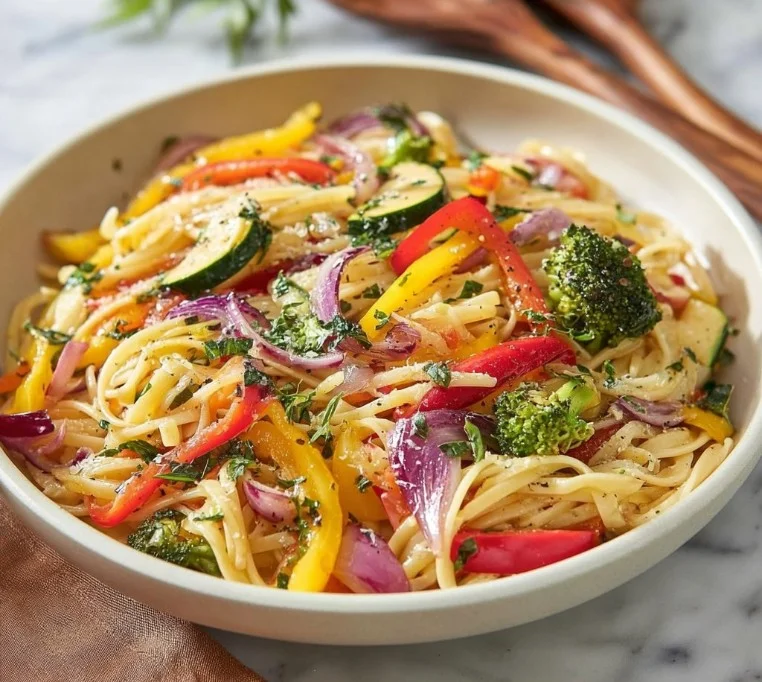
Pasta Primavera (Delicious Easy Recipe!)
Pasta Primavera is a colorful and vibrant dish that highlights the fresh flavors of seasonal vegetables combined with al dente pasta. This recipe is not only visually appealing but also packs a punch in the taste department with its blend of textures and flavors. A perfect medley of crisp vegetables coated lightly in olive oil or butter makes each bite delightful and refreshing.
Whether you’re celebrating a special occasion, hosting a family dinner, or simply looking for a quick and nourishing meal, Pasta Primavera fits the bill effortlessly. It can be served warm right out of the pot or enjoyed chilled as a pasta salad. The versatility and simplicity of this dish make it a staple in many households.
Prep Time: 10 min | Cook Time: 25 min | Total Time: 35 min
How to Make Pasta Primavera
Ingredients:
- 8 ounces of pasta (penne or fettuccine work well)
- 1 tablespoon of olive oil
- 1 cup of cherry tomatoes, halved
- 1 bell pepper, sliced (any color)
- 1 zucchini, sliced
- 1 cup of broccoli florets
- 2 cloves garlic, minced
- 1/2 teaspoon salt
- 1/4 teaspoon pepper
- 1/4 teaspoon red pepper flakes (optional)
- Grated Parmesan cheese for serving
- Fresh basil for garnish
Step-by-Step Instructions:
- Cook the Pasta: Begin by boiling a large pot of salted water. Add the pasta and cook according to the package instructions until al dente. Drain and set aside.
- Sauté the Vegetables: In a large skillet, heat the olive oil over medium heat. Add minced garlic and sauté for a minute until fragrant. Then, add the bell pepper, zucchini, cherry tomatoes, and broccoli. Season with salt, pepper, and red pepper flakes. Cook for about 5-7 minutes or until the vegetables are tender but still vibrant and crunchy.
- Combine and Serve: Add the drained pasta to the skillet and toss everything together until the pasta is well-coated with the oils and flavors. Adjust seasoning as needed. Remove from heat and serve immediately, topped with Parmesan cheese and fresh basil.
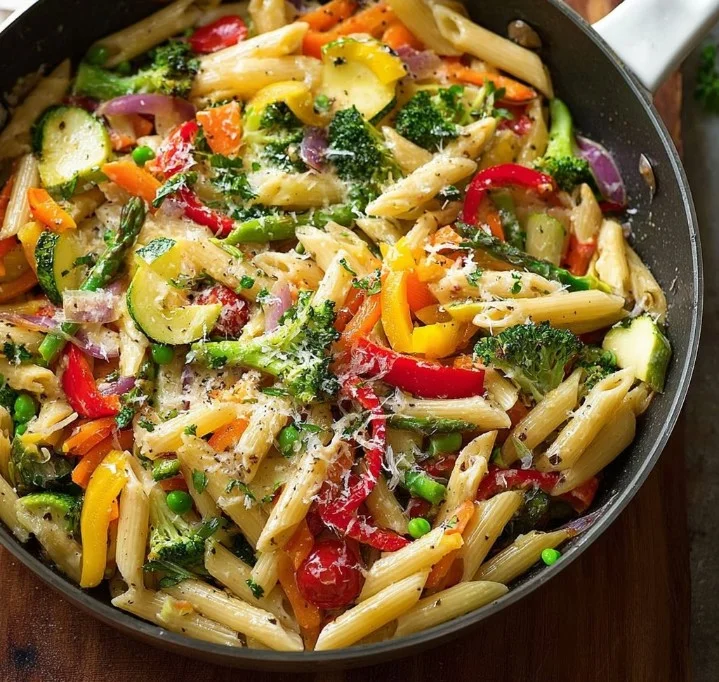
Pro Tips
- Choose Fresh Veggies: The freshness of your vegetables will significantly impact the dish’s flavor. Try to use seasonal and local produce for the best taste.
- Don’t Overcook the Pasta: Make sure to cook the pasta al dente, as it will continue to cook slightly when mixed with hot vegetables.
- Use Olive Oil Generously: A good amount of olive oil helps in coating the pasta and gives a rich flavor to the dish. Feel free to adjust based on your preference.
- Enhance With Herbs: Fresh herbs like thyme or oregano can add depth to the dish. Sprinkle them in during the cooking for a fragrant aromatic flavor.
- Veggie Variety: Feel free to mix and match vegetables according to your taste or what you have on hand. Asparagus, carrots, and peas also work great!
- Add Protein: If you’d like to turn this into a more filling meal, consider adding grilled chicken, shrimp, or chickpeas for added protein.
Why You’ll Love This Recipe
Pasta Primavera is loved for its unique flavor profile, combining the sweetness of sautéed vegetables with the heartiness of pasta. It’s a simple recipe that can be made in just 35 minutes, making it perfect for a weeknight dinner after a long day. The beauty of this dish lies in its flexibility; you can easily adjust the recipe based on what vegetables are in season or what’s in your fridge.
This dish is not only delicious but also caters to various diets. Whether you’re vegetarian, looking for a lighter meal, or trying to incorporate more vegetables into your diet, Pasta Primavera is a fantastic choice. It’s a colorful bowl of goodness that appeals to both kids and adults alike, making it a family favorite.
How to Serve Pasta Primavera
When serving Pasta Primavera, consider presentation for a beautiful plate. You can twirl the pasta artfully on a plate and garnish with freshly grated Parmesan cheese and a sprinkle of basil. Adding a drizzle of balsamic glaze can elevate the visual appeal and flavor.
Pair this dish with a crisp green salad and a light vinaigrette for a balanced meal. If you’re enjoying it for dinner, serve it alongside a glass of crisp white wine or sparkling water infused with lemon. For a cozy gathering, consider serving it family-style in a large bowl where everyone can help themselves.
How to Store Pasta Primavera
Pasta Primavera can be stored in an airtight container in the fridge for up to 3-4 days. To freeze, portion out the pasta into freezer-safe containers or bags, and it should last up to 3 months. Just make sure to cool it completely before storing to avoid excess moisture.
When reheating, leftovers can be warmed in the microwave or on a stovetop. Adding a splash of water or olive oil helps keep the pasta moist during reheating.
Tips to Make Pasta Primavera
Ensuring good flavor often comes down to seasoning. Taste your dish as you cook and adjust salt and pepper levels according to your preference. Another tip: try roasting your veggies instead of sautéing them for a different flavor profile. Roasted vegetables have a caramelized sweetness that works beautifully with pasta.
Ensure you have enough sauce to coat the pasta evenly. If necessary, reserve some pasta water before draining, as it can be used to loosen up the dish if it’s too dry.
Variation
For a lighter, gluten-free version, you can use zucchini noodles as a base. This low-carb option is just as colorful and flavorful. If you want to spice things up, add some jalapeños or chili flakes for heat.
Dairy-free? Simply omit the Parmesan or replace it with nutritional yeast. You can also experiment by adding different proteins. For a vegan twist, chickpeas or tofu can be great substitutes.
Nutrition Information
( Serving Size: 1 cup | Calories: 350 | Protein: 12g | Carbs: 45g | Fat: 15g | Fiber: 5g | Sugar: 5g )
Pasta Primavera is relatively low in calories while providing a good amount of fiber from vegetables, helping to keep you full. It’s rich in vitamins from the colorful produce, making it not only satisfying but nourishing.
Storage and Reheating
To reheat leftovers, here are a few methods:
- Microwave: Place your portion in a microwave-safe dish, cover, and heat in 1-minute intervals until warmed through.
- Oven: Preheat the oven to 350°F (175°C). Spread the pasta on a baking sheet, drizzle with a bit of olive oil, and cover with foil. Heat for 15-20 minutes.
- Skillet: Heat a skillet over medium heat with a touch of olive oil or water to prevent sticking. Add the pasta and stir for a few minutes until evenly heated.
Customization Ideas
Feel free to play around with flavors. For a creamier texture, a splash of heavy cream or a dollop of ricotta can be added. If you want to add a tangy twist, a squeeze of lemon juice just before serving can brighten the dish significantly.
Additionally, consider experimenting with different cheeses like feta or goat cheese for a unique flavor profile. Adjusting the spices and herbs can change the entire character of the dish, allowing for endless possibilities.
Common Mistakes to Avoid
- Overcooking the Vegetables: Keep an eye on the veggies; they should be tender yet crisp. Overcooking can make them mushy.
- Underseasoning: Often, dishes lack flavor due to insufficient seasoning. Taste and adjust as needed.
- Mismatched Pasta and Sauce: Not all pasta is made equal. Ensure you choose a pasta that complements the dish, like penne or linguine.
- Skipping the Starch Water: Don’t forget to reserve some pasta water before draining! It helps with consistency.
- Letting the Pasta Sit: After cooking, serving it immediately keeps the texture and flavor intact. Letting it sit too long can lead to a gloppy dish.
Serving Occasions
This Pasta Primavera recipe shines at family dinners, casual gatherings, or even festive events like brunches or summer picnics. Its vibrant colors and fresh flavors make it suitable for any occasion, brightening up your table and enticing guests. It also works well as a side dish alongside grilled meats or fish when hosting a barbecue.
Why Make This Recipe
Pasta Primavera stands out because of its emphasis on fresh, seasonal ingredients. Unlike heavier pasta dishes that might overwhelm, this recipe offers a light yet satisfying option, making good use of vegetables and herbs. It promotes a healthy lifestyle while being incredibly delicious and visually pleasing.
FAQs
-
Can I use frozen vegetables?
Absolutely! While fresh is best, frozen vegetables are convenient and can be used. Just be sure to thaw and drain excess water. -
What type of pasta should I use?
Fettuccine, penne, or farfalle all work great. Choose your favorite or whatever you have on hand! -
Can I make it ahead of time?
Yes! You can prepare it a few hours in advance. Just keep it in the fridge and reheat it when you’re ready to serve. -
Is this dish vegan-friendly?
Yes, just omit the cheese and use olive oil instead of butter for a delightful vegan dish. -
How do I add more protein?
Grilled chicken, shrimp, or chickpeas are fantastic options for adding protein to Pasta Primavera. Just toss them in when mixing everything together.
Disclaimer: The nutritional information provided is approximate and may vary based on specific ingredients and variations used.
Print
Pasta Primavera
- Total Time: 35 minutes
- Yield: 4 servings 1x
- Diet: Vegetarian
Description
A colorful and vibrant dish highlighting fresh seasonal vegetables combined with al dente pasta, perfect for any occasion.
Ingredients
- 8 ounces of pasta (penne or fettuccine)
- 1 tablespoon of olive oil
- 1 cup of cherry tomatoes, halved
- 1 bell pepper, sliced (any color)
- 1 zucchini, sliced
- 1 cup of broccoli florets
- 2 cloves garlic, minced
- 1/2 teaspoon salt
- 1/4 teaspoon pepper
- 1/4 teaspoon red pepper flakes (optional)
- Grated Parmesan cheese for serving
- Fresh basil for garnish
Instructions
- Cook the Pasta: Begin by boiling a large pot of salted water. Add the pasta and cook according to the package instructions until al dente. Drain and set aside.
- Sauté the Vegetables: In a large skillet, heat the olive oil over medium heat. Add minced garlic and sauté for a minute until fragrant. Then, add the bell pepper, zucchini, cherry tomatoes, and broccoli. Season with salt, pepper, and red pepper flakes. Cook for about 5-7 minutes or until the vegetables are tender but still vibrant and crunchy.
- Combine and Serve: Add the drained pasta to the skillet and toss everything together until the pasta is well-coated with the oils and flavors. Adjust seasoning as needed. Remove from heat and serve immediately, topped with Parmesan cheese and fresh basil.
Notes
For a lighter, gluten-free version, use zucchini noodles. To enhance flavors, add herbs like thyme or oregano. Leftovers can be stored in an airtight container for up to 3-4 days.
- Prep Time: 10 minutes
- Cook Time: 25 minutes
- Category: Main Course
- Method: Sautéing
- Cuisine: Italian
Nutrition
- Serving Size: 1 serving
- Calories: 350
- Sugar: 5g
- Sodium: 400mg
- Fat: 15g
- Saturated Fat: 3g
- Unsaturated Fat: 10g
- Trans Fat: 0g
- Carbohydrates: 45g
- Fiber: 5g
- Protein: 12g
- Cholesterol: 10mg