
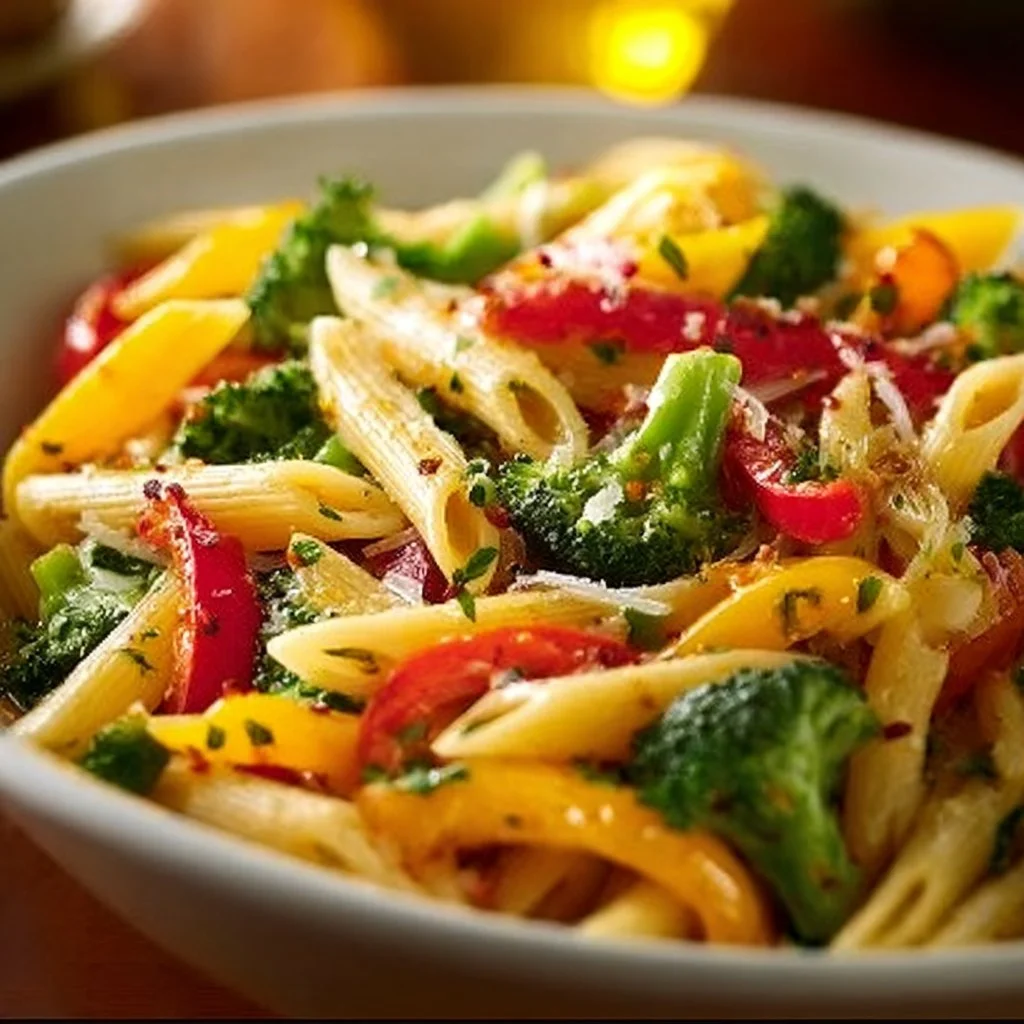
Pasta Primavera: Fresh Veggie Bliss for Every Season
Pasta Primavera is a delightful dish that brings a burst of colors and flavors to any table. The combination of tender pasta and a variety of fresh vegetables makes it a light yet satisfying meal. This recipe shines with its vibrant greens, reds, and yellows, combining textures from crunchy veggies and soft pasta that create a harmonious bite. It’s perfect for a cozy dinner at home, a potluck, or even as a colorful side for larger gatherings.
The beauty of Pasta Primavera lies in its versatility. You can whip it up in any season, changing the vegetables based on what’s fresh at your local market. It’s also a fantastic way to use up any leftover veggies in your fridge. Whether you’re a meat-lover looking for a lighter option or someone who prefers plant-based meals, Pasta Primavera has you covered with its rich flavors and wholesome ingredients.
Prep Time, Cook Time, Total Time:
Prep Time: 10 min | Cook Time: 25 min | Total Time: 35 min
How to Make Pasta Primavera
Ingredients:
- 8 oz Penne Pasta (can substitute with gluten-free or chickpea pasta)
- 1 medium Red Onion (or yellow onions/shallots)
- 1 medium Carrot (or parsnip)
- 2 cups Broccoli Florets (or asparagus/green beans)
- 1 medium Red Bell Pepper (or green/yellow/orange peppers)
- 1 medium Yellow Squash (or zucchini, can substitute with eggplant)
- 2 cloves Garlic (minced)
- 1 cup Grape Tomatoes (or cherry/sun-dried tomatoes)
- 1 tbsp Dried Italian Seasoning (can replace with fresh herbs)
- 2 tbsp Lemon Juice (or lime juice)
- 1/2 cup Parmesan Cheese (or nutritional yeast for dairy-free)
- 2 tbsp Fresh Parsley (for garnish)
- 2 tbsp Olive Oil (for sautéing)
- Salt (to taste)
- Red Pepper Flakes (optional, for serving)
Step-by-Step Instructions:
-
Cook the Pasta: Begin by boiling a large pot of salted water. Add the penne pasta and cook according to package instructions until al dente. Drain and set aside, reserving a bit of the cooking water.
-
Sauté the Vegetables: Heat olive oil in a large skillet over medium heat. Add the minced garlic and onion, sautéing until fragrant. Stir in the carrots, broccoli, bell pepper, and squash, cooking until they’re tender yet still crisp.
-
Combine and Season: Add the cooked pasta to the skillet with the sautéed veggies. Incorporate the grape tomatoes, Italian seasoning, lemon juice, and Parmesan cheese. If it seems dry, splash in some reserved pasta water. Toss well to combine everything and season with salt and optional red pepper flakes.
-
Garnish and Serve: Finish with fresh parsley before serving for a pop of color and freshness.
-
Enjoy: Serve hot and enjoy the delicious mix of flavors and textures!
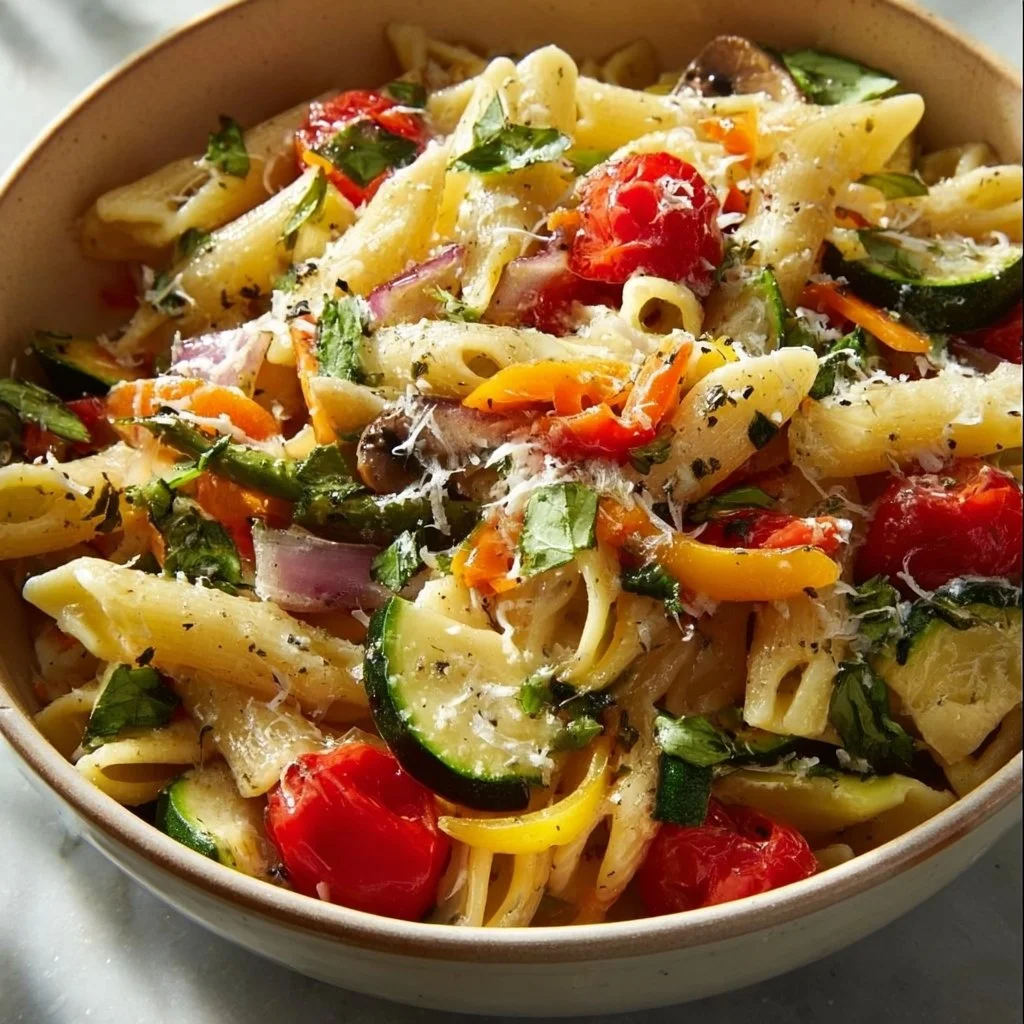
Pro Tips
- Use Seasonal Veggies: Fresh, in-season vegetables will always enhance the flavor of your dish. For example, cherry tomatoes burst with sweetness in summer, while squash is delightful in fall.
- Don’t Overcook the Pasta: Aim for al dente. This texture allows the pasta to hold up against the juiciness of the veggies and ensures a firm bite.
- Experiment with Cheese: While Parmesan is classic, trying out feta, goat cheese, or nutritional yeast can create different flavor profiles and cater to dietary needs.
- Spice Level: If you enjoy heat, don’t hesitate to add more red pepper flakes or try a splash of hot sauce. You can also add finely chopped peppers for an unexpected kick.
- Leftover Veggies: Don’t shy away from tossing in any leftover veggies you may have—zucchini, spinach, or even kale can all be fantastic additions that minimize waste and maximize flavor.
Why You’ll Love This Recipe
Pasta Primavera offers a wonderful balance of nutrition and flavor. It’s bursting with vitamins from the vegetables, while the pasta adds a fulfilling heartiness. The layers of flavor—from the zing of lemon juice to the aromatic garlic and herbs—create a dish that excites the palate without overwhelming it. Plus, it comes together quickly, making it a perfect mid-week dinner for families or an easy meal to whip up when entertaining friends.
This dish is also easily adaptable to various dietary preferences. Whether you’re looking to eat gluten-free, vegetarian, or vegan, this recipe can be modified to suit your needs. With a few simple swaps, you can enjoy the richness of Pasta Primavera no matter your dietary restrictions.
How to Serve Pasta Primavera
Presentation is key! Serve your Pasta Primavera in a large bowl, allowing the vibrant colors to shine. Consider topping it with additional Parmesan cheese and a sprinkle of fresh parsley right before serving. For side dishes, garlic bread or a crisp Caesar salad pairs nicely. To take it up a notch, serve it alongside a chilled glass of white wine, like Pinot Grigio, to complement the dish.
How to Store Pasta Primavera
For fridge storage, place leftovers in an airtight container and they can last for up to 3 days. If you’d like to keep it longer, freezing is feasible; just ensure it’s well-sealed. It can be frozen for up to 3 months. When reheating, avoid the microwave if possible, as it can make the pasta mushy; instead, try reheating in a skillet with a splash of water or olive oil over low heat.
Tips to Make Pasta Primavera
To enhance your dish, make sure to season as you go. You might be tempted to wait until the end, but adding a pinch of salt while sautéing the veggies can draw out their flavors more effectively. Additionally, consider incorporating fresh herbs like basil or thyme right before serving for a herbal note that uplifts the whole dish. Remember to also reserve some pasta water; this starchy liquid can work wonders in helping to create a silky sauce that envelops your pasta perfectly.
Variation
- Vegan Version: Swap out Parmesan for nutritional yeast and add extra olive oil.
- Gluten-free: Use chickpea or rice pasta to ensure everyone can enjoy this dish.
- Spicy Option: Add fresh chili peppers or more red pepper flakes for a fiery kick.
- Creamy Style: Stir in a bit of cream or a dairy-free alternative for a richer texture.
- Low-carb Option: Replace traditional pasta with spiralized zucchini or spaghetti squash.
Nutrition Information
(Serving Size: 1 cup | Calories: 320 | Protein: 12g | Carbs: 45g | Fat: 10g | Fiber: 5g | Sugar: 4g)
Pasta Primavera is a fantastic way to boost your vegetable intake, providing a robust source of dietary fiber along with essential vitamins and minerals.
Storage and Reheating
To reheat, use the oven for even heating—place it in a 350°F oven for 15-20 minutes, covered with foil to retain moisture. Alternatively, in a skillet, heat on medium-low, stirring occasionally, or in the microwave in 30-second intervals until warmed through.
Customization Ideas
Feel free to experiment with flavors! You can add lemon zest for extra brightness or drizzle with balsamic glaze for a sweet finish. Maybe try swapping the cheese—adding a tangy feta can change the dish entirely!
Common Mistakes to Avoid
- Overcooking the Veggies: This leads to mushy vegetables; aim for a tender-crisp texture.
- Under-Salting: Don’t be shy! Season through each step to enhance flavors.
- Skipping Fresh Herbs: They add a freshness that dried herbs simply can’t match.
- Not Prepping Ingredients: Have all your ingredients ready before you start, making the cooking process smoother.
- Ignoring Pasta Water: It’s a great tool for achieving the perfect sauce consistency.
Serving Occasions
Pasta Primavera is great for various occasions—it’s casual enough for a weeknight meal but elegant enough to feature at dinner parties or family gatherings. It’s also fabulous for entertaining during the warmer months, as it can be served warm or at room temperature, making it an ideal summer dish.
Why Make This Recipe
This dish stands out among similar pasta dishes due to its vibrant mix of fresh produce, making it not only delicious but also colorful and appealing. Unlike heavier pasta dishes, Pasta Primavera allows the natural flavors of the vegetables to shine, providing a more health-conscious option without sacrificing taste. It’s a dish that’s easy to love for its delightful combination of textures and ingredients that celebrate the best of every season.
FAQs
-
Can I use frozen vegetables?
Yes, frozen vegetables can work well. Just make sure to sauté them until heated through but not mushy. -
How can I make it creamier?
You can stir in a splash of cream or a dairy-free alternative like cashew cream or coconut milk. -
What other veggies can I use?
Feel free to mix in your favorites – spinach, artichokes, or snap peas all work beautifully in this dish. -
Is it possible to make this ahead of time?
You can prep the veggies and cook the pasta ahead; combine just before serving to ensure freshness. -
Can I make it spicy?
Absolutely! Add crushed red pepper flakes or diced jalapeños for an exciting kick!
Disclaimer:
Nutrition info is approximate, and ingredient availability may vary by season. Adjust toppings based on personal preferences or dietary restrictions.