
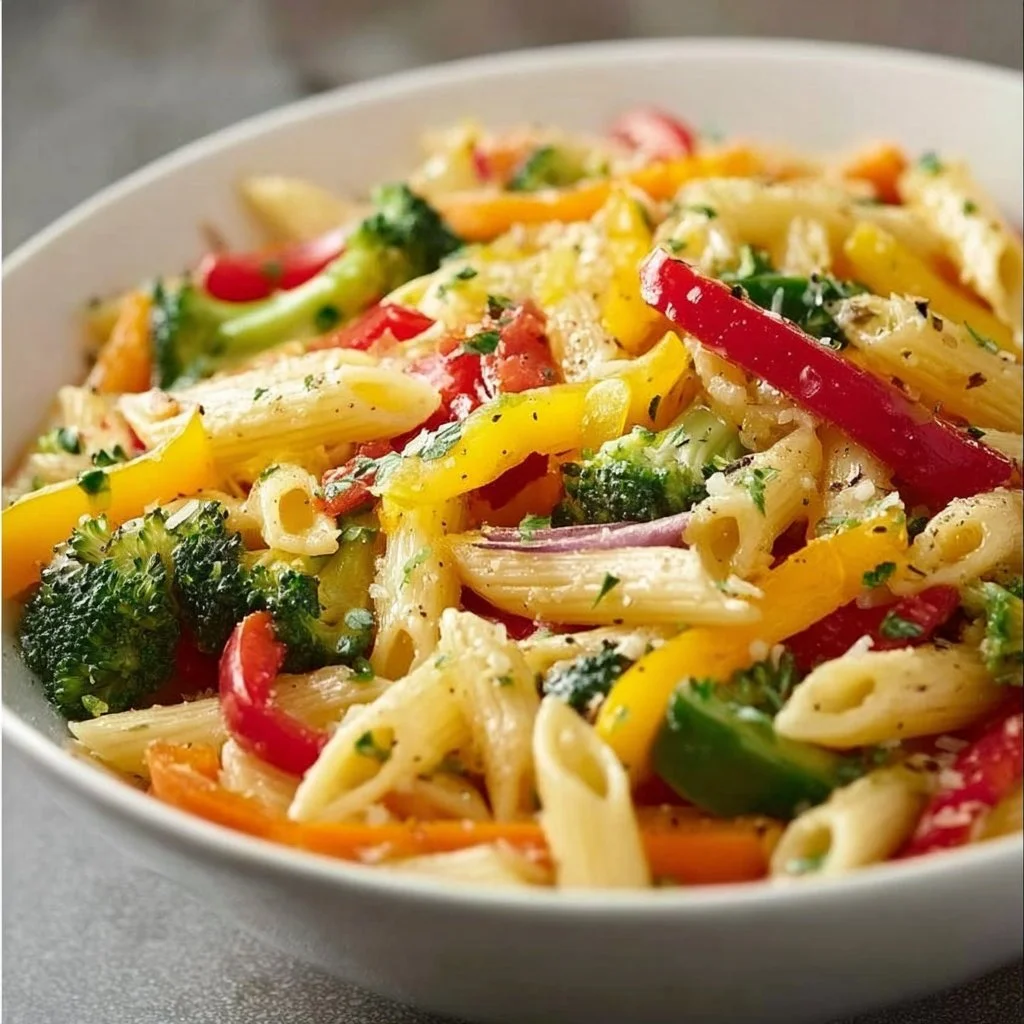
Pasta Primavera: Fresh Veggie Bliss for Every Season
Pasta Primavera is a delightful dish that brings the flavors of fresh vegetables to life, making it a favorite among pasta lovers. Its vibrant colors and playful textures give each bite a fresh taste that feels like spring on your plate. The combination of tender pasta with a medley of crisp veggies creates a dynamic dish that is satisfying yet light. Whether it’s a casual dinner, a cozy family meal, or a festive gathering, Pasta Primavera is versatile enough to please any crowd.
Typically served as a main course, it’s perfect for lunch or dinner any day of the week. With its remarkable flavor balance, this dish beautifully showcases seasonal vegetables, ensuring that every bite is an homage to the array of produce available throughout the year.
Prep Time: 10 min | Cook Time: 25 min | Total Time: 35 min
How to Make Pasta Primavera
Ingredients
- 8 oz Penne Pasta (can substitute with gluten-free or chickpea pasta)
- 1 medium Red Onion (or yellow onions/shallots)
- 1 medium Carrot (or parsnip)
- 2 cups Broccoli Florets (or asparagus/green beans)
- 1 medium Red Bell Pepper (or green/yellow/orange peppers)
- 1 medium Yellow Squash (or zucchini; can substitute with eggplant)
- 2 cloves Garlic (minced)
- 1 cup Grape Tomatoes (or cherry/sun-dried tomatoes)
- 1 tbsp Dried Italian Seasoning (can replace with fresh herbs)
- 2 tbsp Lemon Juice (or lime juice)
- 1/2 cup Parmesan Cheese (or nutritional yeast for dairy-free)
- 2 tbsp Fresh Parsley (for garnish)
- 2 tbsp Olive Oil (for sautéing)
- Salt (to taste)
- Red Pepper Flakes (optional, for serving)
Step-by-Step Instructions
- Cook the Pasta: Boil salted water in a large pot. Add penne pasta and cook according to package instructions until al dente. Drain and set aside, reserving a cup of pasta water for later.
- Sauté the Veggies: In a large skillet over medium heat, add olive oil. Once heated, add chopped red onion and carrot. Sauté for about 3-4 minutes until softened.
- Add Other Veggies: Stir in the broccoli, red bell pepper, and yellow squash. Cook for an additional 5-7 minutes, until the vegetables are tender but still vibrant in color.
- Mix with Pasta: Incorporate the minced garlic, grape tomatoes, and dried Italian seasoning into the skillet. After about a minute, combine in the drained pasta and toss everything together.
- Finish Off: Drizzle with lemon juice and sprinkle in the Parmesan cheese. Mix well, adding reserved pasta water if the dish seems dry. Season with salt and add red pepper flakes if desired.
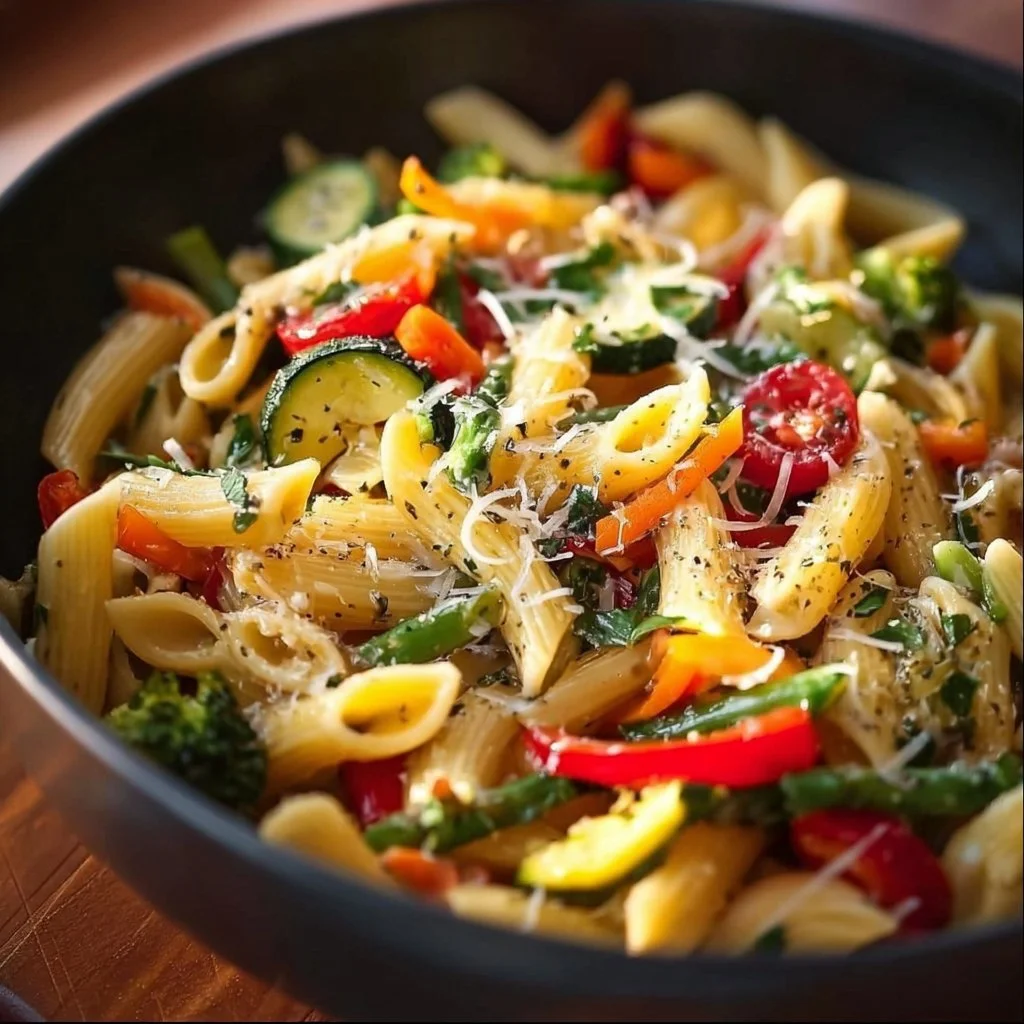
Pro Tips
- Cook the Vegetables Properly: Make sure not to overcook the veggies. They should be tender but still have a little crunch, giving great texture to the dish.
- Reserve Pasta Water: This starchy water is a great way to adjust the sauce’s consistency. Use it like a cooking “secret” to make your dish perfectly creamy.
- Season Well: Always taste and adjust your salt or seasonings at the end. The right balance will elevate the dish significantly.
- Mix Fresh and Dried Herbs: Fresh herbs can bring vibrant flavors, but dried herbs are potent—using a mixture can create a more layered taste.
- Customize the Cheese: If you’re looking for a dairy-free option, nutritional yeast can offer a cheesy flavor without the dairy. Don’t skimp on this for a rich taste!
Why You’ll Love This Recipe
Pasta Primavera is not only delicious but incredibly easy to make. The fun of this dish lies in its flexibility: you can use whatever vegetables are in season or in your fridge. The lightness of the dish makes it suitable for various occasions — think summer barbecues or a Family Sunday dinner.
The flavors of fresh vegetables pop against the backdrop of the pasta, complemented by cheese and a splash of citrus. This dish is highly adaptable, making it suitable for vegetarian, gluten-free, and even vegan diets with a few key substitutions.
How to Serve Pasta Primavera
To present Pasta Primavera beautifully, scoop a generous serving onto a vibrant plate and top it with freshly chopped parsley. A sprinkle of extra Parmesan or a squeeze of lemon can enhance visual appeal and flavor.
For sides, consider pairing this dish with a simple arugula salad drizzled with olive oil and balsamic vinegar. A chilled white wine or sparkling water with fresh herbs makes for a refreshing drink option.
How to Store Pasta Primavera
To keep your Pasta Primavera fresh, store leftovers in an airtight container in the fridge for up to 3 days. If you wish to freeze it, make sure the dish cools completely before portioning it into freezer-safe containers. Properly stored, it can last up to 2 months in the freezer.
When ready to eat, simply reheat in the microwave or place in a skillet over low heat, adding a splash of water or olive oil to keep it moist.
Tips to Make Pasta Primavera
- Don’t Overcrowd the Skillet: If you’re making a larger batch, consider cooking the vegetables in two batches to ensure they sauté evenly.
- Season Each Layer: As you cook, add a little bit of salt at each step – it helps to layer the flavors rather than just seasoning at the end.
- Timing Matters: Keep a close eye on the pasta as it cooks; overcooked pasta can ruin the texture and overall enjoyment of the dish.
- Experiment with Spices: If you want an extra kick, try adding Italian sausage or sautéing with chili oil instead of regular olive oil.
Variations
- Vegan: Use chickpea pasta and nutritional yeast instead of cheese for a hearty plant-based dish.
- Spicy: Add diced jalapeños or a pinch of cayenne pepper to bring some heat.
- Low-Carb: Substitute the pasta with spiralized zucchini or spaghetti squash for a healthier version.
- Sautéed Protein: Incorporate grilled chicken or shrimp for a protein boost without sacrificing the veggie goodness.
Nutrition Information
(Serving Size: 1 bowl | Calories: 350 | Protein: 12g | Carbs: 55g | Fat: 12g | Fiber: 6g | Sugar: 4g)
This dish is rich in fiber and essential vitamins from the vegetables, making it a nutritious option that can fill you up without weighing you down. The cheese provides a good source of calcium, while the olive oil introduces healthy fats into the mix.
Storage and Reheating
- In The Microwave: Place your serving in a microwave-safe dish and cover it with a lid or damp paper towel. Heat in 30-second intervals until warm.
- In the Oven: Preheat the oven to 350°F (175°C). Spread the pasta on a baking sheet, adding a dash of oil, and heat for about 10-15 minutes.
- On the Stovetop: Heat a skillet over low-medium heat. Add the pasta with a splash of water or olive oil, cover, and check for warmth every couple of minutes.
Customization Ideas
Want to personalize your Pasta Primavera? Add in your favorite seasonal vegetables or experiment with different cheeses for varied flavors. For a nutty crunch, toss in some pine nuts or slivered almonds right before serving. If you’re feeling adventurous, a splash of balsamic glaze can introduce a delightful contrast to the fresh veggies.
Common Mistakes to Avoid
- Using Dull Veggies: Fresh vegetables make a huge difference in flavor and texture. Always choose the best produce!
- Not Salting the Pasta Water: This is crucial for infusing the pasta with flavor from the start.
- Cooking Pasta Too Long: Al dente pasta retains a better texture and absorbs the sauce beautifully, so avoid overcooking.
- Forgetting About Seasoning: Each step needs a pinch of salt; don’t save it all for the end!
Serving Occasions
Pasta Primavera is incredibly versatile; it shines at family dinners and casual lunch gatherings. Serve it at your summer barbecue as a lighter alternative or bring it to potlucks and parties to impress your friends. It also makes for a quick weeknight meal that satisfies without being heavy.
Why Make This Recipe
This recipe stands out due to its bright, fresh flavors and flexibility. Unlike heavier pasta dishes, Pasta Primavera offers a chance to celebrate the goodness of vegetables, making it a healthier and nutritious option. Plus, it’s an easy way to incorporate more produce into your diet while still enjoying the comfort of pasta.
FAQs
-
Can I use different types of pasta?
Yes! Feel free to use any pasta shape you prefer, including gluten-free options. -
How can I make this dish spicier?
Consider adding red pepper flakes or sautéing some chili peppers with the other vegetables for added heat. -
Is it possible to make this dish ahead of time?
Absolutely! You can prepare the vegetables and pasta ahead and combine them just before serving for the best texture. -
Can I use frozen vegetables?
Yes, frozen veggies can work perfectly, but add them in the last few minutes of cooking to prevent overcooking. -
What can I serve with Pasta Primavera?
Serve it alongside crusty bread, a green salad, or even a light soup for a complete meal.
Disclaimer: Nutritional values are approximate and can vary based on ingredients and portion sizes.
Print
Pasta Primavera
- Total Time: 35 minutes
- Yield: 4 servings 1x
- Diet: Vegetarian
Description
A vibrant and fresh dish showcasing seasonal vegetables and pasta, perfect for any meal.
Ingredients
- 8 oz Penne Pasta (can substitute with gluten-free or chickpea pasta)
- 1 medium Red Onion (or yellow onions/shallots)
- 1 medium Carrot (or parsnip)
- 2 cups Broccoli Florets (or asparagus/green beans)
- 1 medium Red Bell Pepper (or green/yellow/orange peppers)
- 1 medium Yellow Squash (or zucchini; can substitute with eggplant)
- 2 cloves Garlic (minced)
- 1 cup Grape Tomatoes (or cherry/sun-dried tomatoes)
- 1 tbsp Dried Italian Seasoning (can replace with fresh herbs)
- 2 tbsp Lemon Juice (or lime juice)
- 1/2 cup Parmesan Cheese (or nutritional yeast for dairy-free)
- 2 tbsp Fresh Parsley (for garnish)
- 2 tbsp Olive Oil (for sautéing)
- Salt (to taste)
- Red Pepper Flakes (optional, for serving)
Instructions
- Cook the Pasta: Boil salted water in a large pot. Add penne pasta and cook according to package instructions until al dente. Drain and set aside, reserving a cup of pasta water for later.
- Sauté the Veggies: In a large skillet over medium heat, add olive oil. Once heated, add chopped red onion and carrot. Sauté for about 3-4 minutes until softened.
- Add Other Veggies: Stir in the broccoli, red bell pepper, and yellow squash. Cook for an additional 5-7 minutes, until the vegetables are tender but still vibrant in color.
- Mix with Pasta: Incorporate the minced garlic, grape tomatoes, and dried Italian seasoning into the skillet. After about a minute, combine in the drained pasta and toss everything together.
- Finish Off: Drizzle with lemon juice and sprinkle in the Parmesan cheese. Mix well, adding reserved pasta water if the dish seems dry. Season with salt and add red pepper flakes if desired.
Notes
For a vegan version, replace cheese with nutritional yeast. Adjust vegetable options based on seasonality.
- Prep Time: 10 minutes
- Cook Time: 25 minutes
- Category: Main Course
- Method: Sautéing
- Cuisine: Italian
Nutrition
- Serving Size: 1 serving
- Calories: 350
- Sugar: 5g
- Sodium: 400mg
- Fat: 12g
- Saturated Fat: 4g
- Unsaturated Fat: 6g
- Trans Fat: 0g
- Carbohydrates: 55g
- Fiber: 6g
- Protein: 12g
- Cholesterol: 30mg