
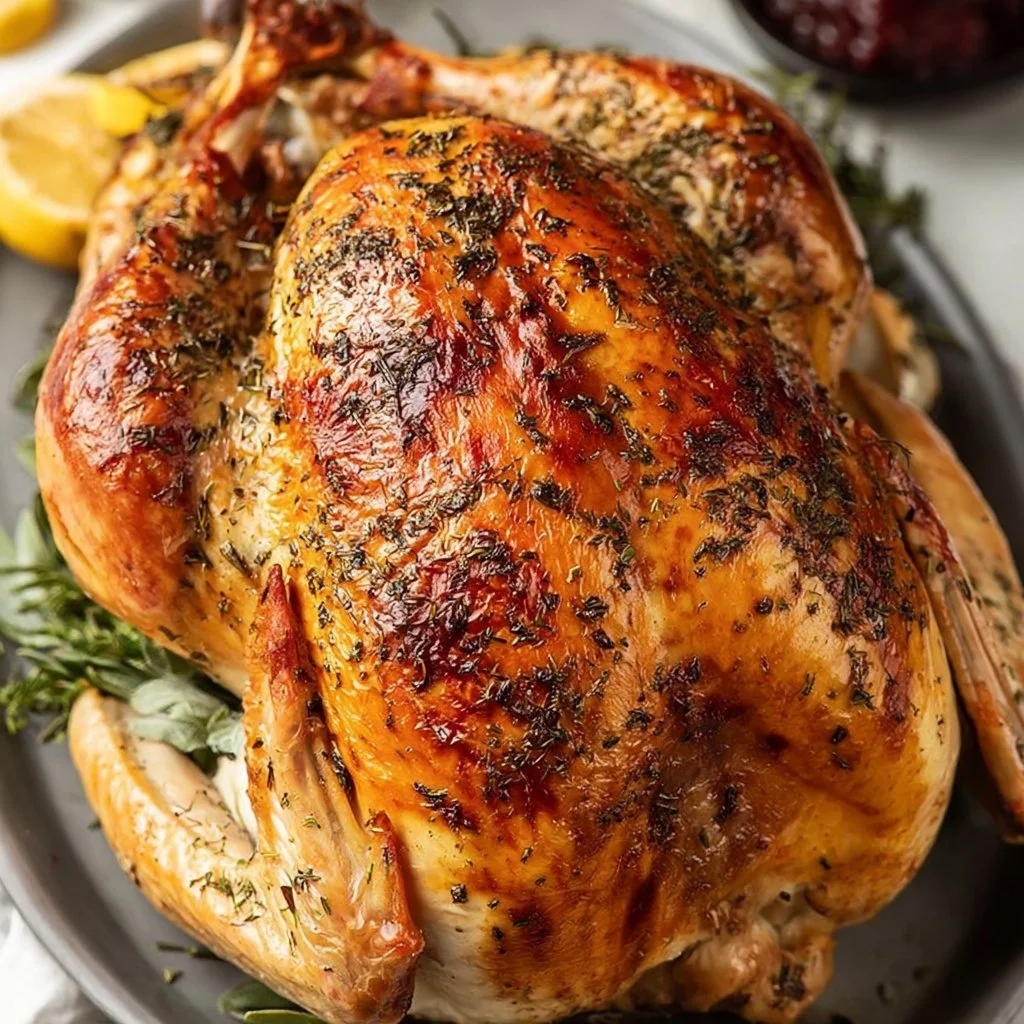
Best Roast Turkey
One of the most iconic dishes for special occasions and family gatherings is roast turkey. It brings warmth to the table, serves as a centerpiece, and provides a sense of tradition and comfort that few other dishes can replicate. When cooked to perfection, a roast turkey boasts a golden-brown crust that encases juicy, tender meat. The flavor of the turkey is further enhanced by the aromatic herbs and vegetables used in preparation, creating an unforgettable eating experience. Served alongside your favorite sides, it becomes a dish that not only fills the stomach but also warms the heart.
Roasting a turkey is not only about the taste; it’s about the experience. As the turkey slowly cooks in the oven, the delightful aroma wafts through your home, drawing family members into the kitchen in anticipation of the meal. It’s a moment of togetherness, where laughter and cheer sync with the popping sounds from the oven, making it perfect for holidays and festive spreads. Imagine sitting down with loved ones, sharing stories and making memories while enjoying slices of perfectly roasted turkey, complemented by savory gravies and flavorful sides.
Whether for Thanksgiving, Christmas, or a simple Sunday dinner, roast turkey is a versatile dish that fits many occasions. It pairs delightfully with cranberry sauce, stuffing, and even mashed potatoes. The leftover turkey can serve as the base for delicious sandwiches or shredded into salads, making it a dish that keeps on giving. A well-roasted turkey is more than just food; it represents shared moments, festive joy, and a chance to appreciate the flavors of home cooking.
In this article, you’ll learn how to achieve the best roast turkey, exploring every detail from preparation to serving. You’ll see how to perfectly season your bird for maximum flavor, ensure it remains moist, and expertly carve it for your guests. Let’s dive deeper into creating this culinary masterpiece, ensuring that your roast turkey becomes the star of the show at your next meal.
What Makes This Recipe Special
What sets this roast turkey apart from others is not only the combination of classic ingredients but also the cooking method. The utilization of unsalted butter under the turkey’s skin ensures that the meat remains tender while adding richness. Coupled with the fresh herbs and aromatics like garlic, onion, and lemon stuffed inside the cavity, your turkey will be enveloped in a symphony of flavors, enhancing its natural taste. These additives contribute to both the flavor profile and the beautiful aroma that fills your kitchen during roasting.
In comparison to other turkey recipes that might call for brining or deep-frying, this roast method celebrates the simplicity of a properly cooked turkey. This preparation allows the skin to achieve a perfectly golden color, offering that satisfying crispiness with each bite. The method also ensures that the meat is evenly cooked, resulting in a delicious contrast between the moist interior and the crunch of the exterior skin.
Home cooks will appreciate the straightforward approach of this recipe. It embraces the idea that delicious meals can be made without overly complicated techniques or hard-to-find ingredients. By focusing on quality ingredients and proper handling of the turkey, even novice cooks can have success. Whether it’s your first time roasting a turkey or your annual tradition, this recipe makes the process approachable and rewarding.
What truly makes this recipe remarkable is its flexibility. After mastering the basics, cooks can put their twist on the classic by varying the stuffing ingredients and adapting side dishes. Each roast turkey can become uniquely yours while maintaining the vital elements that make it appealing. Your creativity can shine through, transforming a basic recipe into a flavor explosion that reflects your personal style and family traditions.
Ingredient Overview and Helpful Notes
The cornerstone of a delicious roast turkey is to use quality ingredients that complement each other. At the forefront is, of course, the turkey itself, which should ideally weigh between 12 to 15 pounds. This size is perfect for serving a larger group and allows for ample leftovers. When selecting your turkey, look for one that has a firm texture and is free of blemishes. If possible, opt for a fresh turkey, which often provides superior flavor and moisture compared to frozen ones.
Another critical ingredient is unsalted butter, which plays a vital role in achieving a rich flavor. It should be softened adequately to ensure easy application. Applying butter under the skin of the turkey not only enhances flavor but also adds moisture, preventing the meat from drying out during the roasting process. Make sure your butter is at room temperature for maximum ease in application.
Herbs like rosemary, thyme, and sage are essential for delivering that aromatic presence. These fresh herbs impart a depth of flavor that infuses the meat during cooking. When selecting herbs, fresh is always preferable to dried, as they have a more robust aromatic quality. Furthermore, you’ll use garlic and onion inside the cavity, which will provide a savory character that elevates the turkey’s natural taste. A lemon, halved and added inside, adds brightness and balances the richness of the turkey and butter.
Lastly, using low-sodium chicken broth is a wise choice for adding moisture to the roasting pan. It prevents the turkey from drying while creating flavorful drippings that can be utilized for gravy. Avoid using high-sodium options as they can overly salt the finished dish, detracting from the natural flavors of the turkey. Overall, the ingredients you select and their quality will significantly impact the final outcome—choosing thoughtfully will lead to a remarkable dish.
Nutrition & Recipe Details
Nutritional values may vary depending on ingredients, brands, portion sizes, and preparation methods. Below is a general overview of what to expect.
| Item | Value |
|---|---|
| Prep time | 30 minutes |
| Cook time | 3 hours |
| Store time | 3-4 days in the fridge |
| Calories | 350 kcal (per serving) |
| Protein | 50 g |
| Carbohydrates | 0 g |
| Fat | 15 g |
How to Make Best Roast Turkey
Creating a mouth-watering roast turkey is an art, but with the right approach, it can be an enjoyable endeavor. Precision and patience are essential, particularly with the timing, to achieve the juiciest and most flavorful results. You’ll need to gather and organize your ingredients ahead of time, allowing for a smooth cooking process. Ensure your kitchen tools are ready, including a roasting pan, rack, thermometer, and baster for the best outcome.
Ingredients
| Ingredient | Quantity |
|---|---|
| Whole turkey | 1 (12-15 pounds) |
| Unsalted butter, softened | 1/2 cup |
| Low-sodium chicken broth | 2 cups |
| Salt | to taste |
| Pepper | to taste |
| Fresh herbs (rosemary, thyme, sage) | for stuffing |
| Garlic | to taste |
| Onion | to taste |
| Lemon | to taste |
Once you have everything together, it’s vital to prepare your ingredients correctly. Start by bringing the turkey out of the refrigerator about 30 minutes before cooking to allow it to reach room temperature, ensuring even cooking. While the turkey warms, chop your vegetables and herbs, and mix the softened butter with salt and pepper for easy application. Prepare your roasting pan by setting a rack in the bottom, which will help elevate the turkey and allow for even air circulation during cooking.
Step-by-Step Instructions
- Preheat your oven to 325°F (165°C). Preheating is crucial as it allows the turkey to cook evenly. An adequately heated oven also helps in achieving that beautiful golden-brown skin.
- Remove the turkey from the fridge and allow it to come to room temperature for about 30 minutes. This step is vital; it helps the turkey cook more uniformly.
- Pat the turkey dry with paper towels and season the inside cavity generously with salt and pepper. Drying the turkey will help achieve a crispy skin; seasoning the cavity ensures flavor penetrates the meat from within.
- Stuff the cavity with fresh herbs, garlic, onion, and lemon. This mixture will infuse the turkey with aromatic flavors as it roasts.
- Rub the softened butter all over the turkey, ensuring to cover the entire surface, then season with more salt and pepper. Taking the time to cover every area ensures the skin crisps up and the meat stays juicy.
- Place the turkey on a rack in a roasting pan and add chicken broth to the bottom of the pan. Adding the broth prevents the drippings from burning and provides a luscious base for gravy while keeping the turkey moist.
- Roast the turkey in the preheated oven for about 13-15 minutes per pound, or until the internal temperature reaches 165°F (75°C). This cooking range will give you a beautifully cooked turkey while ensuring food safety.
- Baste the turkey with the pan juices every 30 minutes. Basting helps maintain moisture and provides a deeper color and flavor to the skin.
- Once done, remove the turkey from the oven and let it rest for 20-30 minutes before carving. Resting is essential; it allows the juices to redistribute throughout the meat, making it more succulent.
- Serve and enjoy! Now that all the hard work has been done, gather your loved ones around the table to revel in the deliciousness of your roast turkey.
Understanding the Flavor and Texture
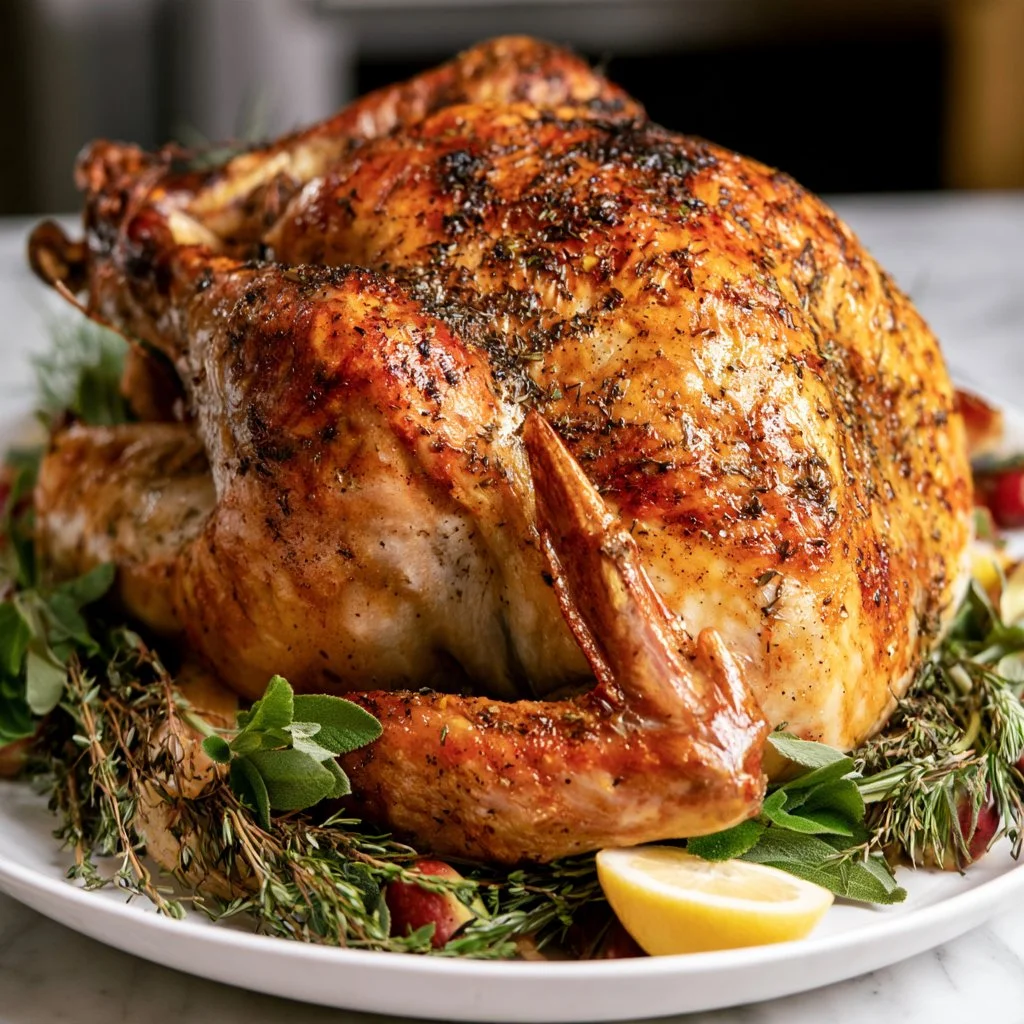
The fully roasted turkey captures a range of flavors and textures that are both inviting and comforting. At first glance, the golden-brown skin glistens, hinting at a crisp exterior that provides a satisfying crunch with each bite. Underneath lies the bounty of juicy, white meat, tender and flavorful, complemented perfectly by the aromatic essence of herbs. The juiciness of the turkey is a result of both the methodical basting and the butter rub, ensuring that moisture is retained during roasting.
The fresh herbs, combined with the savory garlic and onion, enhance the overall aroma, creating a fragrant backdrop typical of a festive gathering. These layers of flavor not only elevate the turkey itself but also complement traditional sides such as stuffing, mashed potatoes, and cranberry sauce. In each bite, you experience the harmony created by the balance of savory and herbal notes.
Crisp edges and moist, tender meat are the benchmarks of a successful roast turkey. Paying attention to the color and texture is key; the turkey should showcase a well-rendered skin that is golden and crisp yet not burnt. The internal meat should appear pale and juicy, signaling that it was cooked to just the right temperature while remaining flavorful and succulent. This harmony in texture and taste creates a roast turkey experience that is memorable and delightfully satisfying.
Pro Tips
The difference between a good roast turkey and an exceptional one often lies in a few well-considered techniques. Below are some tips to ensure your turkey is a standout.
| Tip | Description |
|---|---|
| Let it Rest | Allowing the turkey to rest after roasting ensures the juices redistribute evenly throughout the meat, making it tender and juicy when carved. |
| Use a Meat Thermometer | A meat thermometer ensures accuracy in cooking—removing the turkey at the right temperature prevents drying, leading to a moist and succulent result. |
| Baste Regularly | Basting the turkey every 30 minutes helps to maintain moisture on the skin, resulting in enhanced flavor and a golden appearance. |
| Choose Fresh Herbs | Using fresh herbs rather than dried ones ensures a vibrant flavor profile that is more aromatic and compelling within the turkey. |
Keep in mind that timing is also critical during cooking. It’s easy to overestimate how quickly a turkey will finish cooking, especially for those larger birds. Checking the temperature regularly will help ensure that yours is perfectly cooked and not overdone. Another useful tip is to keep the roasting pan covered for the first half of cooking to allow for steam, which helps moisture retention, before uncovering it to achieve that desired golden skin.
Why You’ll Love This Recipe
You’ll undoubtedly appreciate this roast turkey not just for its incredible flavor, but also for its ease of preparation. Unlike other complex cooking techniques, the steps provided allow for a straightforward and uncomplicated roast that still results in a stunning centerpiece. Beginners will find that the method outlined helps build their confidence, while experienced cooks will enjoy the simplicity of the recipe.
This turkey offers delicious leftovers that can be transformed in countless ways. Sliced turkey makes for excellent sandwiches or salads, or even mixed into pasta dishes. Such versatility ensures that this recipe remains relevant well beyond the initial meal, truly giving you more value from your cooking effort. The combination of natural flavors and the simple yet effective methods make this turkey perfect for any cook, regardless of their skill level.
Moreover, the ingredients are accessible and easy to manage, requiring nothing more than fresh herbs, garlic, and standard pantry staples. This means less fussing around for hard-to-find items, and more time focused on the cooking and sharing with family and friends. The creativity involved in creating sides complements this dish beautifully and allows for personalization based on preference. This recipe offers a familiar comfort while providing a chance to experiment with flavors, making it a joy to cook and serve.
How to Serve Best Roast Turkey
Serving a beautifully roasted turkey can be as enjoyable as making it. Presentation is key; create a stunning display on your dining table by placing the turkey on a large platter. Garnish it with additional fresh herbs or citrus slices for an appealing look. Make sure to use a sharp carving knife to achieve clean, even slices that enhance the aesthetic appeal. Serve the turkey accompanied by a variety of sides that complement its flavor, such as stuffing, cranberry sauce, and green beans.
Beverage pairings can also elevate your meal; consider serving this roast turkey with refreshing iced tea, apple cider, or non-alcoholic spritzers. Each of these complements the savory quality of the turkey nicely. When it comes to timing, gather everyone around the table once the turkey has rested; the moment of carving becomes a shared experience, bringing additional warmth and connection to the gathering.
For sides, think of traditional players like mashed potatoes with gravy, sweet potato casserole, or roasted seasonal vegetables. These sides not only complement the richness of the turkey but also provide a variety of textures and flavors. Feel free to get creative with side dishes that reflect personal traditions—after all, every family has its unique spin on holiday meals. The opportunity to share your traditions with loved ones is part of what makes a roast turkey special.
Don’t shy away from leftovers, either. Encourage guests to take home some turkey or use it in sandwiches for lunch the next day. Everyone appreciates the chance to relive the deliciousness from the previous evening while mixing in their own creative flair.
How to Store Best Roast Turkey
Properly storing your leftover roast turkey guarantees that its quality and taste will be maintained, preventing waste and allowing for delightful meals in the days to come. Cool the turkey completely before starting the storage process. Covering it while it’s still warm can trap steam, leading to soggy textures, which diminishes the quality of the meat.
Once cooled, carve the turkey into slices or separate it into portions. This will enable more manageable storage and make it easier to reheat later on. Use airtight containers or wrap the turkey tightly in foil to protect it from freezer burn if storing in the freezer. Properly stored turkey can last in the refrigerator for about 3 to 4 days or in the freezer for about 2 to 3 months.
Refrigeration is best for leftover turkey if you plan to consume it soon. For longer storage, freezing is a smart option, as it locks in the turkey’s moisture and flavor. Just be aware that while freezing brings convenience, it might slightly impact the texture of the meat. However, reheating gently will help restore some of that juiciness you initially achieved after roasting.
When you decide to reheat, make sure to do so slowly and evenly, using the appropriate methods to prevent dryness. Whether using the microwave, stovetop, or oven, aim to keep the meat moist and flavorful.
Tips to Make Best Roast Turkey
Cooking a roast turkey can appear daunting, but with careful attention to key details, you can significantly enhance your results. Begin with careful planning—setting aside enough time for both the cooking and resting phases ensures you’re not rushed, allowing for optimal flavor and moisture retention. If your turkey is frozen, always give yourself ample advance time for it to defrost in the refrigerator.
One area that deserves extra focus is seasoning. Ensure your turkey is generously salted inside and out before applying your butter rub—this forms the base for great flavor. Patting it dry before seasoning helps create that unbeatable crispy skin. Also, don’t hesitate to add flavor-layering techniques, such as zesting the lemon that you add to the cavity or using herb-infused butter to elevate the taste even further.
Be mindful of cooking time; using a meat thermometer will eliminate guesswork. Tracking the turkey’s internal temperature will guarantee it reaches that perfect doneness without overcooking.
Lastly, savor the moment as you carve and serve the turkey. Carving techniques can affect presentation—being cautious and methodical can also conserve juices within the meat.
Variations and Substitutions
The classic roast turkey can be a canvas for many culinary adaptations, catering to diverse dietary tastes and preferences. For those looking for a vegetarian version, consider roasting stuffed winter squash or portobello mushrooms similar in size to a small turkey. Both can be seasoned with similar flavor profiles of herbs and aromatics to satisfy a crowd craving the traditional flavors without meat.
If you want to introduce a bit of heat, consider adding a pinch of crushed red pepper flakes to the herb mixture or using a spicy lemon zest in the stuffing. This simple substitution will create a delightful kick that balances well with the savory meat. For a zestier twist, incorporating oranges alongside the lemon in the cavity can add a fresh flavor that pairs well with herbs and enhances the overall dish.
In a health-focused variation, explore the option of using olive oil instead of butter for a heart-healthy alternative. Brush the turkey with oil in the same method as the butter, adding herbs and spices to mimic the richness without the dairy. This variation maintains moistness and flavor while appealing to those avoiding saturated fats.
Lastly, gluten-free stuffing options such as quinoa or wild rice can replace traditional bread-based stuffings, enhancing the flavor and texture without compromising the dish’s charm. Each of these variations will retain the spirit of the roast turkey while allowing you to personalize your recipe to suit your gathering’s needs.
Storage and Reheating
Reheating leftovers can be as crucial as the initial cooking process. Properly reheating helps restore the delicious qualities you worked so hard to achieve during the initial roast. To prevent the turkey from drying out, portions should be reheated gradually in the oven preheated to 325°F (165°C). This allows for uniform heating and ensures the skin regains its crispy texture.
When using a microwave for convenience, cover the dish with a damp paper towel; this creates steam to keep the turkey moist during warming. Keep the power setting low to heat gradually, remembering that turkey breasts should be reheated until they reach 165°F (75°C) to ensure food safety without compromising the quality of the meat.
Another effective method is reheating in a skillet over low heat. Adding a splash of broth or water strategically can create steam, reducing moisture loss as it warms. This method is especially effective for smaller portions and lends a desirable crust on certain cuts.
Regardless of the method, always slice remaining turkey into smaller pieces before heating; this assists in faster and more even reheating and can help maintain the integrity of your creation.
Customization Ideas
When it comes to customizing your roast turkey, there are ample opportunities to adjust flavors and presentations according to personal preferences. Spice lovers can introduce flavor through herb blends, like mixing in spicy paprika or cumin with the butter for a lively twist. This can provide a unique flavor dimension and depth to the meat.
Adjustments in the stuffing can also reflect your taste; consider adding nuts, dried fruits, or grains, which can enrich the texture and offer versatile flavors. Experimenting with ingredients such as chopped apples or pears can add sweetness and moisture, enhancing the overall experience during the meal.
Presentation is another customizable avenue. Consider serving your turkey on a bed of roasted vegetables instead of just on a platter; it not only provides a visual feast but also hints at a delightful side option.
Lastly, don’t hesitate to think outside the box with sauces or garnishes. Traditional gravy can be swapped with a more unique cranberry-finish, or a citrus-based sauce that brightens the dish—you can truly elevate the overall experience by using your creativity.
Common Mistakes to Avoid
When roasting a turkey, certain pitfalls can diminish the quality of your meal. Here are some common mistakes to look out for:
- Starting with a Cold Turkey: Cooking a cold turkey straight from the fridge can lead to uneven cooking. Always allow your turkey to come to room temperature for about 30 minutes to ensure even cooking.
- Skipping the Basting Process: Neglecting to baste can lead to dryness. Baste every 30 minutes using the pan juices to lock in moisture and enhance flavor.
- Not Using a Meat Thermometer: A lack of temperature monitoring can lead to undercooking or overcooking. Invest in a quality meat thermometer to ensure accuracy.
- Not Letting it Rest After Cooking: Carving too soon will result in a loss of juices. Always let your turkey rest for 20-30 minutes to allow flavors to redistribute throughout the meat.
- Underseasoning: Being timid with salt can lead to bland taste. Ensure proper seasoning inside and out saves your turkey from being disappointing in flavor.
Avoiding these common mistakes will dramatically improve your roast turkey experience, leading to a successful dish that you, your family, and friends will enjoy for many gatherings to come.
Serving Occasions
The versatility of roast turkey makes it suitable for numerous occasions beyond just holidays. While Thanksgiving and Christmas are the traditional go-to events for serving turkey, it equally shines at family reunions, celebratory dinners, or even casual Sunday afternoon lunches. The act of coming together over a beautifully roasted turkey naturally fosters connections, making it a beloved dish for many gatherings.
Presentation and serving style can shift depending on the setting. For holidays, you might want a more formal setup with multiple dishes and elegant garnishes. However, for a laid-back gathering, a simple buffet-style setup alongside various sides can be both warm and friendly. This dish also lends itself beautifully to potlucks; carving it beforehand allows guests to easily take portions while ensuring a communal spirit.
During special occasions, consider personalizing your service style: perhaps label dishes or provide a small introduction to your special turkey creation. This not only adds a thoughtful touch but also creates opportunities to share the love and care you put into the cooking process with your guests. Additionally, the opportunities for leftovers provide an excellent reason to enjoy multiple slices of turkey over several days—a delicious delight providing joy long after the initial cooking.
Why Make This Recipe?
This recipe embodies the ultimate roast turkey experience and is worth preparing for many reasons. Beyond its straightforward instructions, the balance of flavors and textures creates a delightful outcome that appeals to a wide array of palates. It’s an approachable recipe suitable for both novice and accomplished cooks wishing to impress without excessive complication.
Additionally, the ability to utilize leftovers in creativity introduces an amusing aspect to subsequent meals. With minimal effort, the initial roast becomes the basis for endless recipes—think turkey pot pies, salads, or flavorful sandwiches—demonstrating the versatility and practicality of this dish.
The simplicity of using quality ingredients to create deliciousness is also appealing. Emphasizing fresh herbs, aromatic vegetables, and the natural flavor of the turkey means a healthier option for you and your loved ones, particularly compared to takeout options or overly processed meals.
Ultimately, the memories created around the table during meal times, centered around a beautifully roast turkey, make every effort invested in this dish worthwhile. It serves not just as a meal but as a bonding agent, fostering connections and joyful moments among friends and family alike.
Make-Ahead Preparation
Consider which components of the roast turkey recipe you can prep ahead of time to make your day run smoothly. The turkey can be seasoned the night before, allowing the flavors to develop overnight—this also aids moisture retention during cooking day. Simply cover and refrigerate it until you are ready to begin cooking.
The stuffing can also be prepared in advance, especially if it involves chopped vegetables or pre-cooked ingredients. Simply combine all the stuffing ingredients and store them until you’re ready to stuff the bird. Prepare the herbs by cleaning and chopping them, and store them in an airtight container in the fridge for a quick addition at cooking time.
Plan ahead to reduce kitchen stress; know your cooking times so that the turkey finishes cooking at the right moment. However, avoid stuffing right ahead of time, as food safety is paramount. Always stuff your turkey just before it goes in the oven to ensure that everything cooks evenly and safely.
Equipment and Kitchen Preparation
Setting yourself up for success in the kitchen requires some planning and preparation regarding the equipment you’ll need. Begin with a sturdy roasting pan fitted with a rack, which helps promote even cooking by allowing air circulation around the turkey. A well-fitting lid or foil can also help retain moisture during the early cooking stages if you choose to cover it.
Having a good quality meat thermometer on hand is crucial, as it will provide accurate readings of your turkey’s internal temperature. For carving, ensure you have a reliable knife that’s sharp enough to slice neatly through the meat. A cutting board with a groove can capture juices as you carve, preventing a mess.
Set up your workspace to maximize efficiency—gather your ingredients and utensils beforehand, and clear ample space for preparation and presentation later. Use a clean surface to prevent cross-contamination, and don’t hesitate to delegate tasks, whether it’s setting the table or preparing side dishes, which can help to streamline the effort.
By organizing your kitchen area effectively, you can enjoy the process more and minimize the potential for mistakes, allowing the focus to remain on creating a successful roast turkey.
FAQs
-
Can I roast a frozen turkey?
Yes, but it requires additional cooking time, and be sure to cook it from frozen using a low temperature. It’s easier and more effective to refrigerate until fully thawed for accurate cooking. -
What is the best way to tell if my turkey is done?
A meat thermometer is the best tool for this. The internal temperature should reach 165°F (75°C) in both the breast and thigh portions to ensure it’s fully cooked. -
Is it okay to prepare stuffing a day in advance?
You can prepare the ingredients a day ahead, but stuff the turkey just before it goes into the oven. If prepared ahead, ensure the stuffing is kept in the refrigerator and my reheated to 165°F before stuffing. -
What can I do with leftover turkey?
Leftover turkey is incredibly versatile. You can use it in sandwiches, salads, soups, or even casseroles! Get creative and experiment with different flavors. -
Can I use other herbs besides rosemary, thyme, and sage?
Yes, feel free to try different herb combinations! Fresh basil, parsley, or tarragon can introduce new flavors that are equally delicious. -
How do I keep my turkey moist during cooking?
Basting regularly with pan juices helps maintain moisture. Additionally, using a butter rub ensures that the skin is crispy while the meat remains juicy. -
How long should I let my turkey rest before carving?
Allow your turkey to rest for at least 20 to 30 minutes after removing it from the oven. This helps the juices redistribute, ensuring moist meat when carved. -
Is it necessary to wash the turkey before cooking?
It’s not necessary and can lead to cross-contamination. Simply pat the turkey dry with paper towels and proceed with seasoning.
Disclaimer
Nutritional information is approximate and may vary based on ingredient brands, substitutions, portion sizes, and preparation methods.