
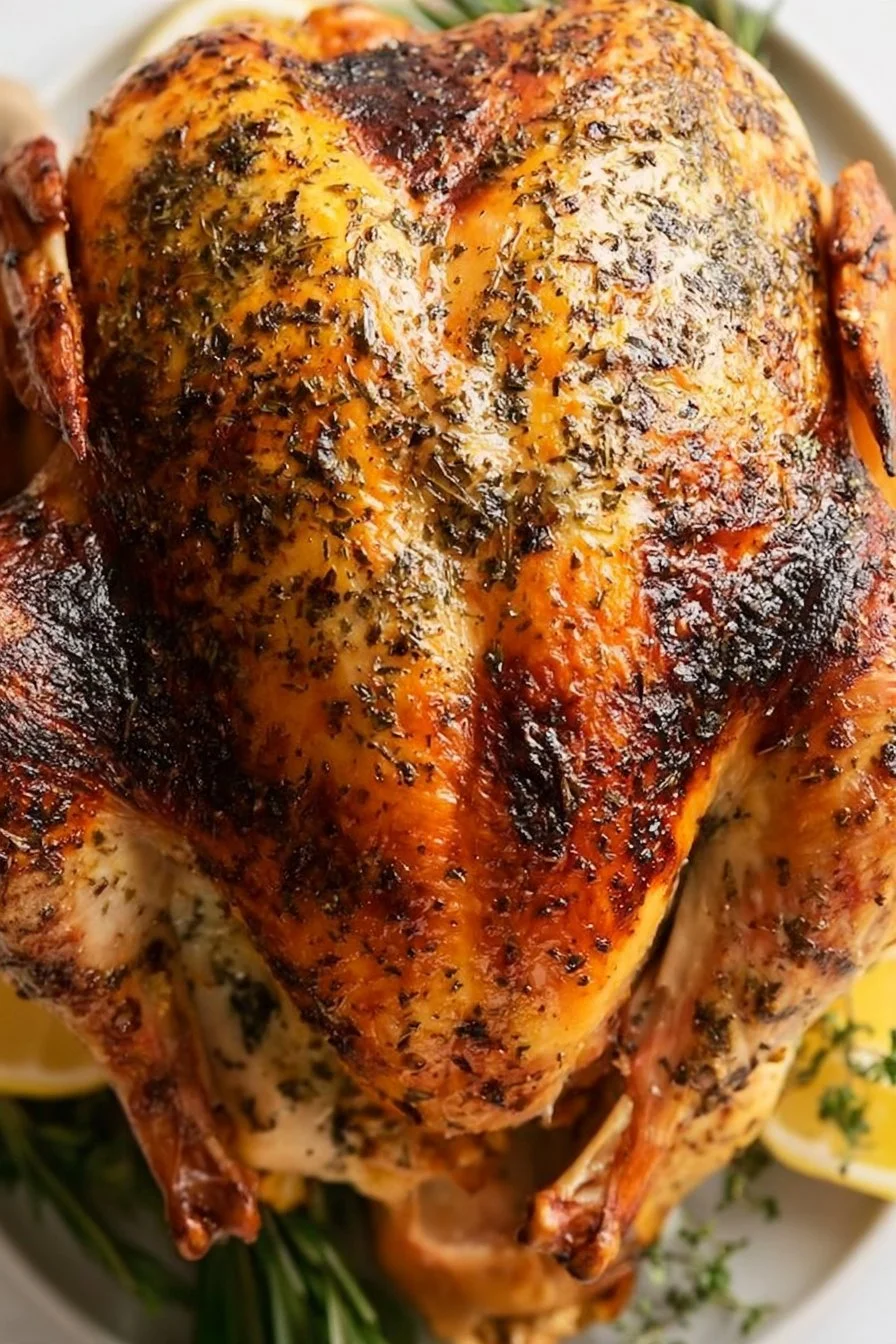
Juicy Roast Turkey Recipe for a Perfect Thanksgiving Dinner
When it comes to preparing for a Thanksgiving feast, few dishes hold as much significance and excitement as a perfectly roasted turkey. This centerpiece, often adorned with vibrant sides and decadent gravy, symbolizes celebration and togetherness in countless homes. A juicy roast turkey, with its tantalizing aroma and crispy golden skin, captures the spirit of the holiday season beautifully. The succulent meat, infused with flavors from fresh herbs and rich butter, promises a delightful eating experience that will linger in the memories of family and friends long after the leftovers are gone.
Imagine the anticipation as your guests gather around the table, eyes gleaming at the sight of a golden-brown turkey sitting majestically on a platter. As you carve into it, juices run free, revealing tender, moist flesh that practically melts in your mouth. With every bite, you’ll taste the depth of flavor achieved through careful seasoning and aromatic stuffing, bringing warmth and comfort in each morsel. The delightful balance between the crisp skin and juicy interior epitomizes what a great Thanksgiving turkey should deliver.
This recipe for juicy roast turkey is particularly tailored for family gatherings, festive celebrations, or holiday feasts. It represents a love for tradition, but it’s also versatile enough for casual dinners or any occasion that warrants an impressive dish. Whether you’re a seasoned chef or a newcomer to the kitchen, this turkey recipe offers wonderfully accessible steps to follow—all of which culminate in a show-stopping main course that brings loved ones together around the dining table.
From the meticulous preparation to the time spent ensuring the correct roasting temperature, each phase of making this turkey contributes significantly to achieving that juicy, flavorful result. It’s a demonstration that while the process may feel lengthy, the rewards of your labor make every moment worthwhile. With this recipe, you can be assured that your Thanksgiving turkey will not only satisfy appetites but also create delightful memories that will be cherished at your table for years to come.
What Makes This Recipe Special
This juicy roast turkey recipe stands out for its combination of flavors, technique, and ease of preparation. The use of unsalted butter, coupled with fresh herbs, adds richness and depth, ensuring that the meat retains considerable moisture throughout the cooking process. When rubbed under the skin, the butter introduces a delightful creaminess to the turkey, which contrasts perfectly with the crispy, golden skin. The addition of aromatics such as onion, carrots, and celery enhances the overall flavor profile, making every bite a seasoned delight that echoes quintessential holiday tastes.
Unlike some overly complicated recipes that require extensive marinating or exotic ingredients, this turkey recipe focuses on the importance of quality ingredients and simple methods. It avoids the pitfalls that can occur with fancy techniques, allowing even novice cooks to achieve delicious results. By utilizing a straightforward roasting method, this recipe ensures even cooking and promotes the natural flavors of the turkey. Furthermore, the option to baste with pan juices throughout the roasting process helps to amplify the overall succulence and visual appeal of the finished dish.
Readers will appreciate the simplicity of using readily available ingredients while still creating a show-stopping centerpiece. The ingredients offer a classic taste while allowing for flexibility—meaning cooks can adjust or expand based on personal preferences. For those who enjoy culinary experimentation, there are also countless variations to explore, enabling this recipe to evolve and adapt with each iteration.
In a world where classic recipes can often be overshadowed by novel ideas, this roast turkey remains a beloved dish that marries tradition with simplicity. It serves as a reminder that great cooking doesn’t have to be time-consuming or overly intricate; rather, it can be an enjoyable experience, bringing people together while delivering excellent flavor.
Ingredient Overview and Helpful Notes
To achieve the juicy and flavorful roast turkey that everyone dreams of for Thanksgiving, it’s essential to understand the role of each ingredient in this recipe. The star of the show, of course, is the turkey itself. When selecting a turkey, aim for one that weighs between 10 to 12 pounds. Look for a turkey that feels heavy for its size and has a firm texture. Fresh turkeys tend to be more tender and flavorful compared to frozen ones, but if you choose a frozen option, be sure to allow ample time for thawing in the refrigerator.
The unsalted butter is a pivotal ingredient that adds both moisture and richness to the turkey. Using unsalted butter gives you better control over the seasoning, allowing the natural flavors of the turkey to shine. Be sure to soften the butter adequately for easy spreading under the skin—a step that really helps to ensure a beautifully roasted bird.
Salt and pepper are crucial seasoning agents; not only do they enhance the flavor, but they also contribute to creating a crisp, flavorful exterior. Ideally, use coarse salt to rub the turkey evenly, ensuring that each bite has a satisfying burst of flavor. The fresh herbs—such as rosemary, thyme, and sage—infuse the meat with aromatic notes, making each slice a delightful experience that complements the season’s essence.
The aromatics, including the onion, carrots, and celery, serve a dual purpose in the recipe. Not only do they add flavor to the turkey, but they also provide a base for the drippings that will eventually become gravy. Additionally, the chicken broth adds moisture to the roasting pan, creating steam in the oven and helping to keep the turkey juicy throughout cooking.
For optimal results, consider the quality of each ingredient. Fresh, high-quality herbs and vegetables will significantly enhance the flavor of the final dish. Do not skip the step of bringing all ingredients to room temperature before preparing, as this contributes to even cooking results. While seasoned home cooks may instinctively know this, even less experienced cooks will benefit from the understanding that ingredient management before cooking can make a notable difference in the outcome.
Nutrition & Recipe Details
Nutritional values for this recipe can vary widely, depending on ingredient choices and cooking methods. Below is an estimation of the nutritional profile you might find with this turkey recipe, but adjustments may need to be made based on specific brands or preparation styles used:
| Item | Value |
|---|---|
| Prep time | 30 minutes |
| Cook time | 2.5 to 3 hours |
| Store time | 3 to 4 days in the refrigerator |
| Calories | 320 (per serving) |
| Protein | 25g |
| Carbohydrates | 3g |
| Fat | 24g |
It’s worth noting that while nutritional data provides useful information, it’s always wise to adjust based on personal dietary needs or restrictions, considering portions served and specific ingredients used. The calories and macronutrients can fluctuate depending on how much butter or seasoning is applied and the turkey’s size variations.
How to Make Juicy Roast Turkey
Making a juicy roast turkey may seem daunting at first, but with proper preparation and the right steps, it can be an enjoyable experience. Begin by gathering all your ingredients and tools needed for the recipe to ensure a smooth cooking process. It would be helpful to have a large roasting pan, a roasting rack to elevate the turkey, and a basting brush or spoon for easy basting.
Before diving into roasting, it’s essential to preheat your oven to 325°F (165°C) to ensure that the turkey is cooked thoroughly and evenly. While the oven is warming up, take the time to prepare the turkey. Upon removing your turkey from its packaging, make sure to check the cavity for any giblets; these might be used later for making gravy or can be discarded if not preferred. Once checked, pat the turkey dry with paper towels to remove any excess moisture, ensuring that the skin crisps up nicely while roasting.
Ingredients
| Ingredient | Quantity |
|---|---|
| Whole turkey | 1 (10-12 pounds) |
| Unsalted butter, softened | 1/2 cup |
| Salt and pepper | to taste |
| Chicken broth | 4 cups |
| Onion, quartered | 1 |
| Carrots, chopped | 2 |
| Celery stalks, chopped | 2 |
| Fresh herbs (rosemary, thyme, and sage) | to taste |
After gathering the ingredients, begin by softening the unsalted butter if it’s not already at room temperature. You can do this by leaving it out on the counter for about 30 minutes or placing it in the microwave for just a few seconds on a low power setting—monitoring closely to avoid melting. Next, measure all the other ingredients to have them accessible when it’s time to layer your flavors on the turkey. Prepping ingredients beforehand ensures that each component is ready to combine seamlessly when called for during cooking.
Step-by-Step Instructions
-
Preheat your oven to 325°F (165°C): Setting your oven to the right temperature is crucial for even cooking.
-
Remove the turkey giblets and pat the turkey dry with paper towels: This step prevents excess moisture from steam-cooking your turkey and instead promotes crispy skin.
-
Rub the softened butter all over the turkey, including under the skin: Using your fingers, gently separate the skin from the turkey meat and spread butter underneath. This technique allows the butter to baste the meat as it cooks, ensuring a juicy final product.
-
Season generously with salt and pepper: Make sure to rub the seasoning over all areas of the turkey, both inside and out, for maximum flavor.
-
Stuff the cavity with the onion, carrots, celery, and fresh herbs: The aromatics in the cavity will infuse flavors into the meat while roasting.
-
Place the turkey breast side up on a roasting rack in a large roasting pan: Elevating the turkey allows for better airflow, resulting in a more evenly cooked product.
-
Pour the chicken broth into the bottom of the pan: This creates steam during the cooking process, which helps keep the turkey moist.
-
Roast the turkey for approximately 13-15 minutes per pound, basting occasionally with pan juices: Using a baster or spoon, scoop up the liquid from the bottom of the pan and drizzle it over the turkey. This adds more flavor while preventing the skin from drying out.
-
The turkey is done when the internal temperature reaches 165°F (74°C): Use a meat thermometer to check if the thigh’s interior temperature reaches the correct heat.
-
Let the turkey rest for at least 20 minutes before carving: Allowing the turkey to rest lets the juices redistribute throughout the meat, leading to a more succulent slice.
Understanding the Flavor and Texture
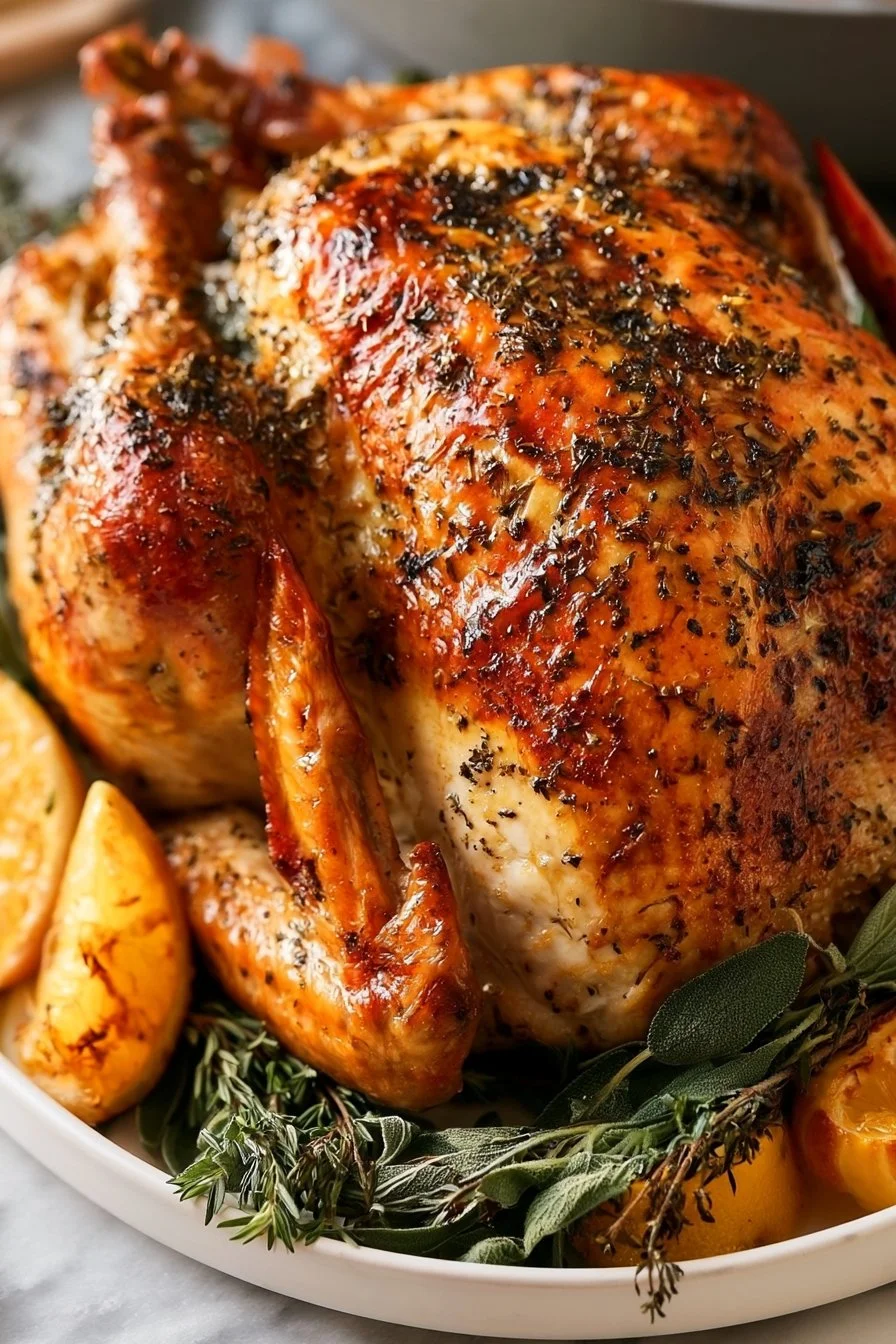
The final outcome of a well-prepared turkey is a savory experience that speaks to the senses. The crisp, golden skin has a slightly crunchy texture, perfectly juxtaposed against the tender, juicy meat. The aroma wafting through your kitchen, enriched by the flavorful herbs and butter, creates an inviting atmosphere that sets the stage for a celebratory meal.
Each slice showcases the moist and succulent meat, enhanced by the flavors of onion, garlic, and herbs that permeate the flesh. The internal juices create a delightful richness, while the salt and pepper seasoning offer a beautifully balanced taste. The basting process ensures the skin retains its crispiness, turning each cut into a gratifying adventure for the taste buds.
The juxtaposition of textures—crispy skin with succulent meat—enhances the overall experience, and the thoughtful preparation allows the flavors of the turkey and aromatics to come together wonderfully. The richness of the butter complimented by fresh herbs using this preparation method results in a comforting dish that signifies warmth and happiness to all who gather around the table.
Pro Tips
Using a few small techniques can significantly improve the results of your roast turkey. Simple adjustments can enhance flavor, moisture, and texture, allowing you to create an unforgettable holiday meal.
| Tip | Description |
|---|---|
| Butter under the skin | Ensure you spread the softened butter under the skin for wonderfully moist meat and a deliciously crispy exterior. This technique helps to baste the turkey as it cooks. |
| Baste periodically | During roasting, basting with the pan juices will keep the turkey moist and enhance the flavor of the skin. Basting every 30-45 minutes helps to maintain the perfect texture. |
| Check temperature accurately | Use a meat thermometer to ensure the turkey reaches an internal temperature of 165°F (74°C). Insert the thermometer into the thickest part of the thigh, avoiding bones, for the most accurate reading. |
| Let it rest | Allowing your turkey to rest for at least 20 minutes after removing it from the oven allows the juices to redistribute, leading to perfectly succulent meat when carved. |
Additionally, marinating or brining the turkey a day prior can also significantly enhance flavor. A simple brine with salt and sugar will allow the ingredients to penetrate the turkey, ensuring it stays moist during roasting. Another crucial detail is to keep the turkey uncovered in the fridge during the final hours leading up to roasting; this will help dry out the skin, promoting that perfect crispy texture in the oven.
Why You’ll Love This Recipe
This roast turkey recipe is a beloved choice for many reasons. It balances rich, buttery flavors with the fresh, earthy notes of herbs, creating a harmonious dish that everyone will rave about. The ease of preparation makes it accessible for both beginners and seasoned cooks, allowing for a stress-free cooking experience while still delivering a stunning result.
Accessibility to ingredients plays a vital role in why home cooks love this recipe. The realistic use of commonly found items means that you won’t have to make a special trip to a gourmet store to gather supplies. Instead, familiar ingredients work together to create an impressive centerpiece that can be replicated easily year after year.
The flexible cooking method allows you to attend to other holiday preparations while managing the turkey roast with minimal effort. The option to brine or marinade offers further customization based on personal preference, letting this dish adapt to various taste profiles while retaining the core flavor that makes roast turkey a cherished classic.
Overall, the combination of flavor, moisture, and ease of preparation makes this roast turkey recipe a standout choice for any occasion, especially when gathering with family or friends.
How to Serve Juicy Roast Turkey
Presentation is key when it comes to serving your turkey, particularly during festive occasions. When it is ready to carve, transfer the turkey from the roasting pan onto a large, decorative platter. Allow the skin to glide elegantly into a display that highlights the roasted, golden-brown surface while showcasing the herbs and vegetables used during cooking.
Pair your turkey with traditional accompaniments such as stuffing or mashed potatoes, alongside seasonal vegetables or bright salads. These deep flavors create a comforting balance to the meal. Make sure to set out gravy or a delicious pan sauce made from drippings to further elevate flavors; drenching the meat adds an extra layer of indulgence.
For familial gatherings, consider carving the turkey in the kitchen and serving the succulent meat in individual portions or serving it family-style at the table. Each guest can help themselves, allowing for a more interactive dining experience.
Drink pairings may include sparkling cider or organic juices, which complement the meal nicely while keeping it festive. If you prefer wine, a full-bodied white or light red variety serves perfectly alongside turkey, enhancing the flavors without overpowering the dish.
Consider enhancing the visual experience with seasonal garnishes such as herbs or fresh cranberries arranged around the turkey. This final touch not only adds warmth to the dish but also guarantees an impressive presentation that will capture everyone’s attention.
How to Store Juicy Roast Turkey
Storing leftover turkey safely is crucial, ensuring it remains delicious and safe to consume. Once you’ve enjoyed your meal, allow any leftover turkey to cool to room temperature before packaging for storage. Cool leftovers quickly by spreading them out in shallow containers that promote even cooling.
In the refrigerator, leftover turkey can last for 3 to 4 days. Store the turkey in airtight containers or wrap it tightly in foil to minimize moisture loss and prevent it from absorbing odors from the fridge.
For longer-term preservation, consider freezing portions of leftover turkey. When stored in a well-sealed freezer-safe container or vacuum sealed, turkey can maintain quality for up to 3 months. Make sure to label containers with dates to keep track of freshness.
As with most leftovers, the texture and flavor may change over time, especially if not stored properly. Reheating frozen turkey can produce a slightly drier texture, so it’s wise to add a splash of broth or water while reheating to help restore moisture. Proper and thoughtful storage will ensure that your delicious roast remains ready to enjoy well beyond the holiday.
Tips to Make Juicy Roast Turkey
Perfecting your turkey-making skills can take time, but a few insights will ensure your dish meets expectations. One of the most crucial elements is maintaining consistent exposure to heat. Avoid opening the oven door frequently, as this can hinder cooking time and allow heat to escape. Managing the cooking temperature is vital to prevent overshadows of dryness or uneven cooking.
Pay close attention to the cooking time: trusting visual cues such as a golden-brown color and the juices running clear can provide early signs of doneness. Charaer those flavors by not over-basting, as doing so can inadvertently delay even cooking. Basting every 30-45 minutes is sufficient to ensure the skin remains moist but not overly saturated.
Monitoring the internal temperature using a meat thermometer guarantees success. Checking various sections of the turkey for the ideal temperature of 165°F (74°C) will lead to a more evenly cooked turkey. If parts require a bit more cooking, relying on a thermometer allows you to remove the bird at the right moment.
Lastly, never underestimate the importance of seasoning. A well-seasoned turkey has better flavor throughout. Soak in those herbs, rub the spices generously, and take time to season the cavity thoroughly to enhance the overall result.
Variations and Substitutions
While this juicy roast turkey recipe holds its own as a traditional dish, there are numerous variations to explore based on dietary preferences and desired flavors. For a spicier twist, consider adding a pinch of cayenne pepper or red pepper flakes directly into the butter before rubbing it on the turkey. This will give a fun kick to your holiday meal that can be perfect for those who enjoy a bit more heat.
If you’re preparing a smaller gathering or accommodating dietary restrictions, consider using a turkey breast instead of the whole bird. A breast takes less time to cook and can still carry forward the same flavors by utilizing the same butter and herb rub.
For those following a gluten-free diet, ensuring that the broth used in this recipe is labeled gluten-free can keep your turkey and accompanying dishes suitable for all guests. Additionally, substituting traditional stuffing with gluten-free grains or bread options can provide similar textures.
While this recipe integrates classic flavors, experimenting with stuffing ingredients can lead to exciting results. Incorporate dried fruits, nuts, or alternative herbs depending on your preference for an innovative take on stuffing that complements the turkey beautifully.
Storage and Reheating
After enjoying your roast turkey, you may find yourself with plenty of leftovers, and it’s vital to know how to store and reheat these delicious morsels effectively. Begin by dividing the turkey into manageable portions before packaging. This makes both storage and reheating more efficient.
When storing, ensure leftover turkey is well-wrapped or covered in airtight containers to preserve moisture and flavor. Depending on your refrigerator’s temperature consistency, your turkey should remain good for approximately 3 to 4 days.
For reheating, preheat your oven to 325°F (165°C), then place the turkey in a baking dish, adding a bit of broth or water to keep it moist. Cover with foil to prevent it from drying out, and heat until warmed through. This method guarantees that your turkey retains its delicious flavor.
If using a microwave, cover the turkey on a microwave-safe plate and heat it on medium power in short intervals to prevent overheating and drying out. Be sure to check the temperature with a food thermometer, ensuring that it reaches at least 165°F (74°C) for food safety.
Customization Ideas
Adapting a recipe to your unique taste preferences is an enjoyable aspect of cooking. While the classic roast turkey is delectable on its own, there are ways to customize the flavors and presentation. When preparing the butter rub, consider incorporating citrus zest from oranges or lemons to add a bright note to the poultry.
Adding a range of fresh herbs, such as parsley or dill, can also enhance the aromatic flavor profile. Mixing herbs together can create complex depth while remaining anchored in that traditional taste. For an herby twist, feel free to sprinkle some Italian seasoning into the rub to offer a different flavor dimension.
If you’d like to take a more international approach, integrate spices like cumin or coriander into the butter rub for a unique taste that diverges from the conventional route. The introduction of these spices can lead to an interesting culinary fusion that still adheres to the spirit of Thanksgiving.
For serving, consider creatively garnishing the platter with pomegranate seeds or fresh herbs, presenting a festive flair to a classic dish while also adding a pop of color. The use of colorful garnishes creates an enticing display that captures the attention of guests and encourages hearty servings.
Common Mistakes to Avoid
When making a roast turkey, a few common pitfalls can affect the end result. Here are five mistakes to steer clear of:
-
Not thawing properly: If using a frozen turkey, rushing the thawing process can lead to uneven cooking. Always allow plenty of time for thawing in the refrigerator, which can take several days based on size.
-
Over-seasoning or under-seasoning: Balancing salt and pepper is crucial. Too much can overpower the turkey, while insufficient seasoning leaves it bland. Taste as you go for a pleasant balance.
-
Skipping temperature checks: Relying solely on cooking time without checking the internal temperature can be risky. Use a meat thermometer to ensure doneness for a perfectly cooked turkey.
-
Basting too frequently: Opening the oven door too often to baste can lead to temperature fluctuation. Stick to a schedule of basting every 30-45 minutes for optimal results.
-
Not letting the turkey rest: Failing to allow the turkey to rest after cooking can lead to dry meat. This important step ensures that the juices redistribute, promoting a more succulent and flavorful outcome.
By avoiding common errors and applying thoughtful approaches, your roast turkey experience will be elevated, promising a delicious dish that will impress family and friends alike.
Serving Occasions
The juicy roast turkey is a dish that shines during various occasions, most notably the grand Thanksgiving feast. However, its versatility allows it to thrive in numerous settings, such as holiday gatherings, potluck dinners, or family reunions. The communal nature of sharing a roast turkey aligns perfectly with the spirit of coming together—a feast that invites conversation and laughter.
Consider serving it during casual get-togethers as well; it’s a wonderful way to bring friends and family together for a shared meal. The act of carving the turkey itself can become a family bonding experience—encouraging stories and laughter over the bountiful feast before everyone.
It is also an excellent choice for meal prep, as leftovers can easily provide meals throughout the week, reducing the load of cooking from scratch. For those busy weekdays, reheated turkey can be paired with salads, soups, or sandwiches, showcasing its adaptability and leading to thoughtful meal planning.
Using your roasted turkey as a part of themed gatherings, such as Friendsgiving or holiday parties, further enhances the opportunity for creativity in how you serve and present this dish. Together, friendships thrive over shared meals and the memories made extend far beyond the table setting.
Why Make This Recipe?
There are numerous reasons to make this roast turkey recipe a staple in your cooking repertoire. From its comforting blend of flavors and textures to its crowd-pleasing qualities, this dish embodies everything there’s to love about gathering around the dinner table. The combination of easy preparation with accessible ingredients makes it achievable for everyone, regardless of skill level.
Unlike other dishes, a well-prepared turkey can serve as a canvas that allows for both traditional flavors and innovative spins, making each gathering a uniquely personal experience. The ability to customize and adapt the recipe to various cuisines or dietary preferences enhances its appeal, catering to different guests while retaining its core essence.
The communal aspect of a beautifully roasted turkey resonates deeply in family and friend gatherings. It fosters togetherness through shared meals, encouraging warm conversations and making it a dish celebrated beyond just flavor. By mastering this turkey recipe, you create an inviting tradition that can evoke cherished memories year after year.
Make-Ahead Preparation
Preparing in advance can ease the stress of holiday cooking while ensuring that you retain the wonderful flavors associated with a roast turkey. To streamline the process, consider softening the butter and mixing it with herbs up to a day ahead of time, storing the mixture in the refrigerator until ready to use.
In addition, prepping the aromatics such as the onion, carrots, and celery a day or two before will save time. Dicing and chopping can be done in advance, allowing them to stay fresh in the fridge until it’s time to stuff the turkey.
If you’re planning to brine the turkey, allow a full day for the turkey to soak, which not only enhances flavors but also increases tenderness. While this step needs consideration of timing upfront, it vastly improves the final dish’s quality.
Avoid preparing the turkey for roasting too far in advance, though—this could compromise the freshness of the meat. A general guideline is that the turkey should be seasoned and ready for roasting no more than two hours before it goes into the oven for best results.
Equipment and Kitchen Preparation
Have the proper equipment ready before diving into your turkey preparation to create an efficient cooking environment. A large roasting pan is essential; ideally, a heavy metal pan that can withstand high temperatures will do the job. A rack is critical for elevating the turkey, promoting even cooking and optimal airflow.
A sharp carving knife and a sturdy cutting board will also be invaluable when it comes time to present your succulent roasted turkey. Adequate kitchen towels and utensils like mixing bowls for holding ingredients will make the process much more manageable.
Setting aside space in your refrigerator for the turkey is critical, especially if you’re opting for a larger bird. Make sure to clear enough room for the turkey, along with any other prior-prepped ingredients or leftovers that may compete for space later.
Lastly, don’t forget to have an instant-read thermometer on hand to check for doneness. This vital tool will help you ensure that your turkey reaches the perfect temperature for a safe, gratifying meal.
FAQs
1. How long should I cook my turkey?
The turkey should be roasted for approximately 13-15 minutes per pound. For example, a 12-pound turkey will take around 2.5 to 3 hours. Check via a meat thermometer to ensure proper cooking.
2. Can I cook a frozen turkey?
While it’s possible, it’s ideal to fully thaw the turkey first. A frozen turkey will need a significant amount of extra cooking time, and it is harder to ensure even cooking.
3. Can I use other herbs instead of rosemary, thyme, or sage?
Certainly! Feel free to experiment with other herbs such as parsley or dill, depending on your flavor preferences and traditions.
4. Why is my turkey dry?
A dry turkey often results from either overcooking or not using enough moisture. Always ensure the internal temperature of the thickest part of the thigh reaches 165°F (74°C) and consider basting to maintain moisture.
5. How long should I let the turkey rest?
Let the turkey rest for a minimum of 20 minutes after roasting before carving. This resting period allows juices to redistribute, resulting in a moister slice of meat.
6. Can I make the turkey ahead of time?
While the turkey itself can’t be cooked fully in advance and reheated well, you can prepare seasonings and store prepared vegetables beforehand. A brine can be made well in advance as well.
7. How should leftovers be stored?
Allow the turkey to cool before wrapping in airtight containers. In the fridge, it will last 3 to 4 days; it can be frozen when properly packaged for up to 3 months.
8. What can I serve with turkey?
A classic pairing for turkey includes stuffing, gravy, mashed potatoes, and seasonal vegetables. Try adding salads for a fresh crunch or cranberry sauce for a sweet-and-sour zing.
Disclaimer
Nutritional information is approximate and may vary based on ingredient brands, substitutions, portion sizes, and preparation methods.