
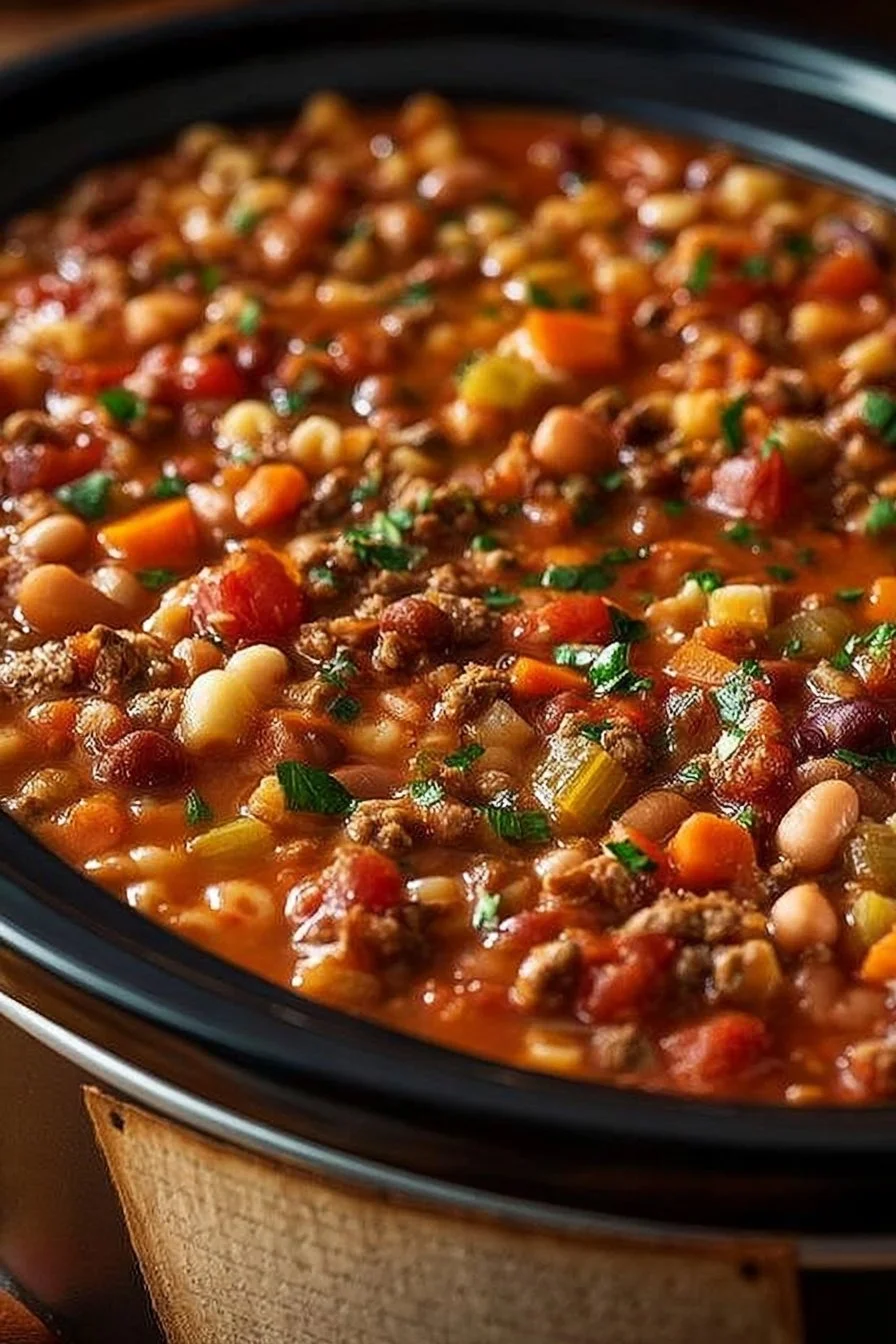
Crockpot olive garden soup with sausage and pasta | Slow cooker sausage fagioli with pasta, Homemade soup recipe, Delicious soup recipes
When the weather turns chilly, there’s nothing quite like a warm, comforting bowl of soup to lift the spirits. This delightful Crockpot olive garden soup with sausage and pasta stews together layers of flavors, creating a dish that’s both hearty and satisfying. Typically inspired by the rich traditions of Italian cuisine, this slow cooker version simplifies the process, allowing you to have a delicious meal ready with minimal effort. Just toss in the ingredients, let them meld throughout the day, and come home to a dish that feels like a warm hug.
At its core, this soup highlights a fantastic combination of tender pasta, savory meat, and an aromatic broth. Each spoonful reveals a rich tapestry of flavors, from the subtle spices of Italian seasoning to the vibrant freshness of vegetables. The inviting aroma that fills your kitchen as it cooks is already reason enough to put this on your weekly menu. The satisfying texture of the pasta mingling with the hearty soup creates a wonderful culinary experience that can turn an ordinary meal into a family favorite.
This soup is perfect for a variety of occasions. Whether you’re hosting friends for game night, needing a cozy family dinner, or preparing lunches for the week ahead, this versatile dish meets many needs. Its simplicity does not take away from its charm, making it enjoyable for both beginners and seasoned cooks. You can adjust the ingredients based on what’s available or your specific dietary preferences, making it a truly adaptable recipe for all occasions.
In the following sections, we will delve deeper into the ingredients, cooking methods, and tips to help you make the most out of this recipe. From understanding the flavors to exploring variations, you’ll find everything you need to enjoy this scrumptious soup.
What Makes This Recipe Special
This slow cooker soup isn’t just your average meat and pasta dish; it’s a warming, flavorful treasure that brings comfort to any table. The fusion of savory meat, tender pasta, and fresh vegetables creates a beautifully balanced meal that’s especially perfect for cold days. One of the remarkable aspects of this recipe is its use of a slow cooker, which allows the flavors to build over hours, resulting in an incredibly rich and hearty broth.
Unlike traditional preparations that rely on quick cooking methods, the slow cooker genuinely gets the most out of its ingredients. The heat takes its time to extract the flavors from the sausage, vegetables, and seasonings, providing a depth that is hard to replicate with faster techniques. The end result is a bowl of soup that is not only filling but also packed with layers of taste that delight the palate.
Compared to similar dishes, like minestrone or classic pasta e fagioli, this soup leans more heavily on the savory elements, elevating it beyond a simple vegetable soup. Many appreciate the addition of meat, which enriches the soup and adds protein to your meal. The creamy texture, enriched by the cooking process, also sets it apart, making it a comforting choice for everyone, from kids to adults.
Ingredient Overview and Helpful Notes
The ingredients in this soup not only contribute to its robust flavor but also influence the texture, aroma, and visual appeal of the final dish. At the heart of this recipe is the choice of meat—while most traditional recipes might use ground meat, the use of warm and spicy Italian-style meat brings a joyful zest to the table. The spices used play an essential role, imparting that signature Italian flavor that many love.
The vegetables in the soup not only add color but also enhance its nutritional profile. Onions and garlic are must-have essentials in most soup recipes, offering a depth of flavor and aroma. Carrots and celery serve as the classic “soup base,” providing sweetness and crunch that balance the richness from the meat. Leafy greens, like spinach or kale, are often added towards the end of cooking for a burst of fresh color and added nutrition.
Pasta is another crucial component. Using small pasta shapes like ditalini or shells allows the noodles to maintain their structure during the slow cooking process, avoiding mushiness while soaking up the flavors from the broth. Choosing high-quality, sturdy pasta can also make a big difference in the overall texture.
Another important aspect is the broth; using low-sodium options can help you control the salt levels and ensure every ingredient shines through. Additionally, having fresh herbs like basil or parsley on hand can enhance the final dish dramatically, bringing brightness to the rich stew.
Nutrition & Recipe Details
Nutritional values can vary significantly based on the choice of ingredients and portion sizes. The following table provides an overview of typical nutritional information for this soup.
| Item | Value |
|---|---|
| Prep time | 15 minutes |
| Cook time | 6 hours |
| Store time | 3-5 days |
| Calories | 350 |
| Protein | 18g |
| Carbohydrates | 45g |
| Fat | 10g |
These estimates provide a general idea of what to expect when you serve this comforting dish, allowing you to plan your meals accordingly. Exact values can change based on the specific ingredients you select and the portion sizes you decide to enjoy.
How to Make Crockpot Olive Garden Soup
Making this delicious soup is a straightforward process that any home cook can master. The great part of using a slow cooker is the minimal hands-on time required, making it ideal for busy days. Before you dive into cooking, make sure to gather all your ingredients and equipment. A sturdy chopping board, a good knife, and, of course, your slow cooker are essential tools for this recipe.
To begin your culinary adventure, start by prepping your ingredients. Take some time to chop your vegetables finely and measure your pasta, which will help streamline the cooking process. Once everything is laid out, you can combine the ingredients in the slow cooker and let it work its magic. Following this method means you can set it and forget it, with the assurance that you will return to a warm and comforting meal.
Ingredients
| Ingredient | Quantity |
|---|---|
| Italian-style meat | 1 pound |
| Onion | 1 large, diced |
| Garlic cloves | 4, minced |
| Carrots | 2, diced |
| Celery | 2 stalks, diced |
| Vegetable broth | 4 cups |
| Italian seasoning | 2 teaspoons |
| Spinach or kale | 2 cups, chopped |
| Small pasta | 1 cup |
| Salt and pepper | To taste |
| Olive oil | 1 tablespoon |
With all the ingredients assembled, take a moment to prepare them properly. Start by dicing the onion, carrots, and celery into even pieces to ensure they cook uniformly. Mince the garlic with care, as it adds a significant flavor profile to the soup. If you’re using fresh spinach or kale, wash and chop them before adding them later in the cooking process to preserve their texture and color.
Step-by-Step Instructions
To prepare this wonderful soup, follow these detailed steps for the best results:
-
Brown the Meat: Begin by turning your slow cooker to the ‘sauté’ setting if your model has one. Drizzle the olive oil into the pot and allow it to heat up. Add the Italian-style meat, breaking it into smaller pieces as it cooks. Cook for about 5-7 minutes until browned, stirring occasionally to ensure even cooking. Once done, switch off the sauté mode.
-
Add the Vegetables: Now, toss in the diced onions, carrots, and celery directly into the slow cooker. Follow with the minced garlic. Stir to combine everything, allowing the flavors to meld together beautifully.
-
Incorporate the Broth and Seasonings: Pour in the vegetable broth, then add the Italian seasoning. Mix everything well, ensuring the broth covers the vegetables and meat completely.
-
Cook on Low Heat: Cover the slow cooker and set it to cook for 6 to 8 hours on low heat. This slow cooking will allow all the flavors to intensify and blend together thoroughly. It’s important not to open the lid frequently, as this will let steam escape.
-
Finalize with Pasta and Greens: About 30 minutes before serving, lift the lid and stir in the small pasta of your choice. If you’re using a delicate green, like spinach, this is the time to add it too. Stir the pot, cover it, and allow the pasta to cook for the remaining time, soaking up the wonderful flavors.
-
Adjust and Serve: When the cooking time is complete, check the pasta for doneness and adjust seasoning with salt and pepper as desired. If you like, you can add fresh parsley for an aromatic finish before serving.
Understanding the Flavor and Texture
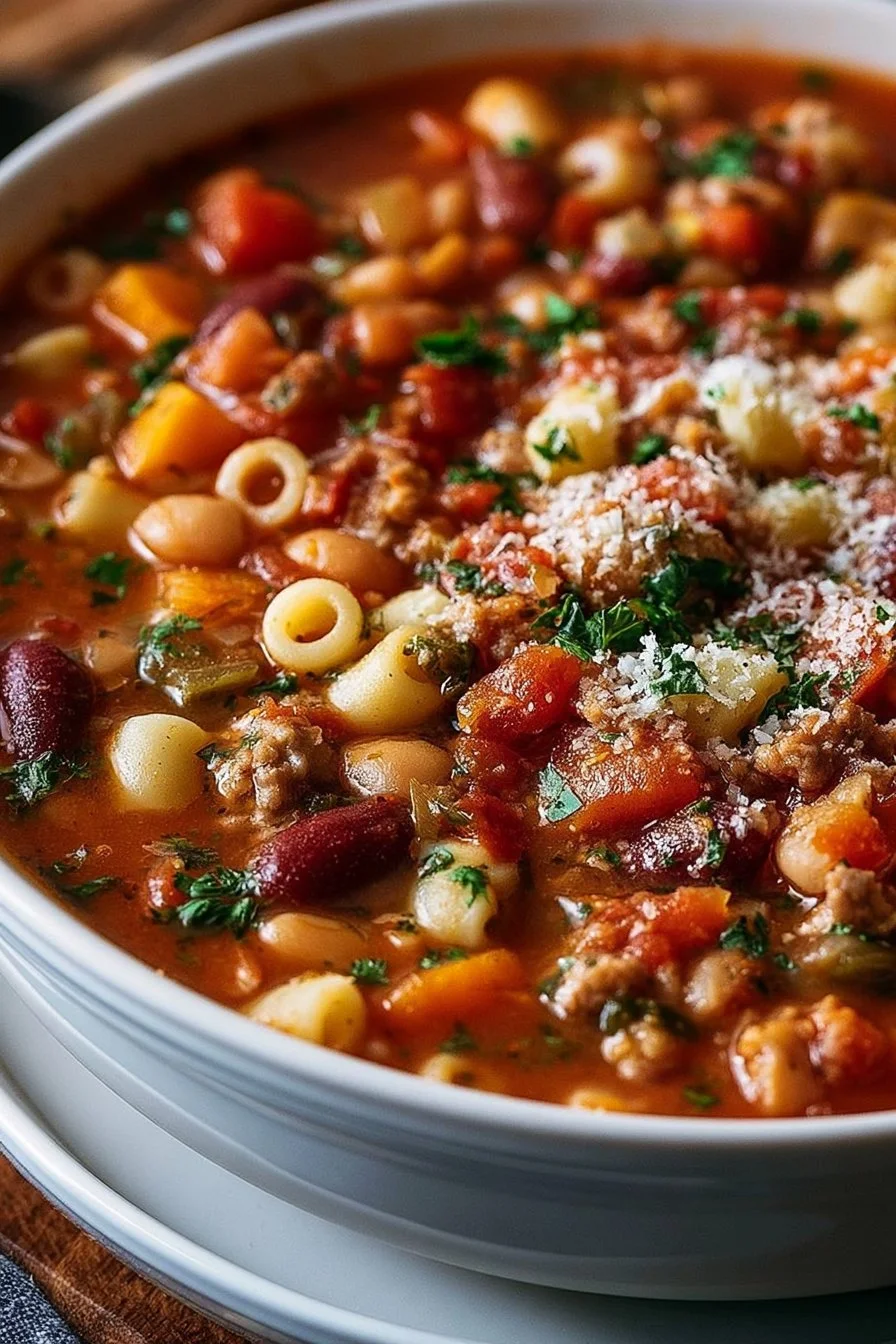
When you finally ladle out a serving of this slow-cooked masterpiece, you can expect a soup that warms both the body and soul. The aroma will greet you first, a fragrant blend of sautéed meat, herbs, and fresh vegetables, inviting you to dive right in. The soup should have a rich, inviting color, typically a warm reddish-brown from the meat and broth, flecked with vibrant greens from the spinach or kale.
Flavor-wise, the soup combines savory and slightly sweet notes. The earthy depth from the meat is balanced perfectly by the sweetness of the carrots and the aromatic qualities of garlic and onion. With each mouthful, you’ll appreciate the tender pasta that absorbs the flavorful broth, creating an enjoyable texture that isn’t overly starchy or mushy. The addition of greens not only enhances the taste but provides a fresh burst that brightens each bite.
Knowing how things should feel and taste can help guide your culinary success. Look for the meat to be thoroughly cooked and tender, while the vegetables maintain some structure—slightly softened but not fully mushy. The pasta will be al dente, providing just the right amount of bite to complement the rich soup base.
Pro Tips
A few small techniques can elevate your baking to professional levels. Here are some key tips to enhance your soup:
| Tip | Description |
|---|---|
| Use Fresh Herbs | Adding fresh herbs like parsley or basil at the end of cooking can brighten up the flavors remarkably, making the soup more vibrant. |
| Don’t Skip Browning | Taking the time to brown the meat enhances the flavor profile significantly through the Maillard reaction, which adds depth to your dish. |
| Add Acid Before Serving | A splash of lemon juice or a drizzle of balsamic vinegar can really brighten the overall flavor of the soup right before serving. |
| Choose High-Quality Broth | The quality of the broth greatly influences the final taste of the dish. Opt for low-sodium varieties to better control the salt level. |
These techniques can help improve the flavor and overall satisfaction with your dish. Each tip focuses on maximizing the natural flavors of the ingredients while ensuring a balanced, enjoyable meal.
Why You’ll Love This Recipe
This recipe stands out for its combination of ease and flavor, making it a perfect addition to your meal rotation. The simplicity of the ingredients means you likely have most of them already in your pantry or refrigerator. It’s ideal for meal planning, as it yields a generous portion that can feed a family or provide leftovers for the week.
Furthermore, this soup can easily adapt to different dietary preferences, allowing you to omit or substitute ingredients as desired. For instance, if you have vegetarians in the family, simply swap the meat with white beans and increase the veggie variety, maintaining full flavor without losing quality.
This recipe is also great for those busy weeknights when cooking feels daunting. With minimal prep time and the convenience of a slow cooker, you can set the dish in the morning and return to a nourishing meal ready to serve after a long day.
How to Serve Crockpot Olive Garden Soup
Presenting your soup can enhance its appeal at the dining table. Ladle the thick, hearty broth into deep bowls that allow guests to appreciate the vibrant colors of the ingredients. Consider garnishing with fresh herbs or a sprinkle of grated cheese for added flavor and visual allure. For an added touch, a drizzle of high-quality olive oil can also enhance both the taste and aesthetics.
Accompany your soup with crusty bread or savory rolls to soak up the delicious broth. A light salad could also round out the meal, providing a fresh contrast to the hearty soup. Think about serving a simple Caesar or mixed green salad tossed with a light vinaigrette. These refreshing sides keep the meal balanced and interesting.
For beverages, opt for light drinks that won’t overshadow the flavorful soup. A crisp sparkling water or a light-bodied white wine can be excellent choices. If you prefer non-alcoholic options, consider serving herbal iced tea or a fresh lemonade for a wonderful complement.
How to Store Crockpot Olive Garden Soup
To safely store your leftover soup, allow it to cool to room temperature before transferring it into airtight containers. Proper storage is essential for preserving flavor and ensuring food safety, as leaving the soup at room temperature can lead to bacterial growth.
In the refrigerator, this soup will keep well for approximately three to five days. If you want to extend its shelf life further, consider freezing portions in freezer-safe containers. The soup can typically last for up to three months in the freezer without significant loss of flavor or texture.
When reheating, keep in mind that some changes in texture may occur. The pasta may soak up some of the broth while in storage, so adding a splash of broth or water while reheating can help restore the intended consistency. Always ensure that you heat food thoroughly before consuming.
Tips to Make Crockpot Olive Garden Soup
Though this recipe is simple and straightforward, some helpful tips can contribute to a more successful outcome. Focus on proper seasoning, mindful preparation, and careful ingredient management for the best results.
-
Season in Layers: As you add ingredients, consider seasoning them at different stages. This enhances the overall depth of flavor in the finished dish, allowing salt and spices to blend more evenly.
-
Monitor Cooking Time: Cooking times may vary depending on the slow cooker model, so keep an eye on the soup as it cooks. Aim for tenderness in the vegetables and meat, without leaving them too long, or they may dissolve into the broth.
-
Avoid Overcooking the Pasta: To prevent soggy pasta, add it in the last half-hour of cooking. This ensures it remains firm and adds a nice body without breaking apart.
-
Taste as You Go: It’s essential to taste the dish at various stages, especially after cooking for several hours. This ensures flavors are balanced and allows you to adjust seasoning if necessary.
These tips can transform your cooking experience, helping to refine your dish and build confidence in the kitchen.
Variations and Substitutions
This soup is quite flexible, and numerous variations can enhance the dish, depending on your preferences or dietary needs. Here are a few ideas to mix things up:
-
Vegetarian Option: Substitute the meat with chickpeas or lentils for a protein-rich alternative. Increase the variety of vegetables by incorporating zucchini, bell peppers, or any seasonal veggies you like.
-
Gluten-Free Version: Using gluten-free pasta can accommodate those avoiding gluten, ensuring everyone at the table can enjoy this hearty meal. There are many available options with similar textures to wheat-based pasta.
-
Spicy Kick: For those who enjoy heat, consider adding diced green chilies or a splash of hot sauce during cooking. Adjusting the level of Italian seasoning can also add a delightful zing to your bowl.
-
Creamy Texture: For a richer soup, incorporate a splash of heavy cream or coconut milk near the end of cooking. This will transform the broth into a creamy delight that soothes the senses.
By exploring these variations, you can personalize the soup to suit your tastes or dietary requirements without straying too far from the original recipe.
Storage and Reheating
When storing your leftover soup, divide it into portions that suit your needs. Ensure you use airtight containers to keep the soup from absorbing other flavors in the refrigerator or freezer. Ideal storage will help maintain freshness and prevent spoilage.
For reheating, you have a few effective options. The microwave is convenient for single-serving portions and takes just a couple of minutes. Stir halfway through heating to ensure consistency. Alternatively, if you prefer stove-top reheating, pour the soup into a pot and warm over medium heat, stirring occasionally, until hot throughout.
When reheating, aim to heat just enough. You can add a splash of fresh broth or water if necessary, especially if the soup seems thicker than desired after storage. Remember to check the temperature to ensure it reaches a safe level before serving again.
Customization Ideas
Personalizing your soup can make the meal feel special. Here are some practical ways to adjust flavors or presentation based on your personal taste:
-
Different Herbs: Explore using fresh basil, or even a hint of thyme for a unique twist. Each herb brings its flavor profile and complexity.
-
Cheeses: Offering a variety of cheese toppings, such as grated Parmesan or crumbled feta, can add another dimension to your finished dish. Consider adding them either while the soup is cooking or as a topping right before serving.
-
Toppings: Enhance the experience by providing a selection of garnishes for your guests. Optional toppings could include chopped green onions, toast points, or a splash of balsamic vinegar.
-
Mild to Bold Flavors: Adjust the spice levels according to your preferences by adding more Italian seasoning or fresh red chili flakes. This allows guests to customize their bowls to their liking.
The ability to adapt and change this soup reflects the beauty of home cooking—creating a dish that feels custom-made just for you or your guests.
Common Mistakes to Avoid
Cooking can be tricky, and even experienced chefs can make occasional slip-ups. Here are some common mistakes and how to prevent them when making this soup:
-
Overcooking Meat: If the meat is cooked too long in the slow cooker, it can become dry and tough. To avoid this, ensure you’re using quality meat and follow the recommended cooking time closely.
-
Adding Pasta Too Early: Adding pasta at the beginning can make it mushy. Timing is everything—add it only in the last half hour of cooking for the perfect al dente texture.
-
Neglecting Flavor Adjustments: Failing to taste and adjust seasoning throughout the cooking process can lead to a bland dish. Make it a habit to sample the soup as it cooks.
-
Not Using Enough Liquid: A soupy dish requires sufficient liquid to maintain its consistency. Be mindful of broth levels and add more if needed, particularly after including ingredients with high moisture content, like fresh vegetables.
-
Not Allowing It to Rest: If you serve the soup immediately after cooking, the flavors might not yet be fully melded. Allow it to sit for a short period after cooking to enhance the taste.
By being aware of these potential pitfalls, you’re better prepared to avoid common mistakes and create an exceptional dish.
Serving Occasions
The versatility of this soup makes it suitable for a variety of occasions. It’s ideal for busy weeknights when preparing dinner feels overwhelming—set your slow cooker in the morning and return home to a satisfying meal that requires little clean-up.
Hosting a casual gathering? This soup is a crowd-pleaser that can easily be doubled to feed a larger group, providing a wonderful comfort dish. It also works beautifully for potlucks and holiday gatherings, where guests will appreciate a warm, hearty option that’s easy to share.
For a cozy weekend lunch with family, this makes an excellent meal paired with freshly baked bread or a side salad. Prepare it earlier in the day for a family outing, as it can cook away gently until dinnertime, allowing you to spend quality moments with loved ones.
Why Make This Recipe?
Choosing to prepare this recipe means opting for convenience and flavor. With minimal prep time, delicious ingredients, and the availability of a slow cooker, the process couldn’t be simpler or more accessible.
You’ll also find satisfaction in knowing exactly what goes into your food, as home-made meals mean you can avoid unnecessary preservatives or excess salt commonly found in store-bought alternatives.
Additionally, its comforting warmth makes it a timeless dish that can be appreciated year-round, continually enhanced with different seasonal ingredients or variations to keep things exciting. The ease and adaptability of this soup make it a worthy entry to your regular cooking repertoire.
Make-Ahead Preparation
If you want to streamline your cooking process, there are several steps that can be done ahead of time. You can chop the vegetables, measure out the pasta, and even prepare the meat the night before. Store them separately in the refrigerator to maintain freshness.
A day or two before cooking, you can combine dried herbs into a small jar so they’re ready to use without any additional measuring hassles. This preparation not only shortens your cooking time but also makes it far more efficient on meal day.
Just be cautious with any ingredients that might break down if left long in the fridge, such as diced tomatoes or other moisture-rich components, which are best prepared close to cooking time. These simple organization tactics can save valuable time and energy.
Equipment and Kitchen Preparation
Utilizing the right equipment can make cooking this dish much smoother. A dependable slow cooker is essential to achieve the rich, flavorful broth and tender ingredients. Look for one that has a good heat distribution—this helps avoid hot spots that can lead to uneven cooking.
You’ll also benefit from a quality cutting board and sharp knife for preparing vegetables efficiently. Use separate utensils for handling raw meat to avoid cross-contamination. Having a measuring cup readily available for broth and pasta ensures you get the proportions just right.
Ensure your kitchen workspace is clear and clutter-free before you begin, as this prevents accidents and promotes a more enjoyable cooking atmosphere. This preparation will improve your overall cooking experience immensely.
FAQs
-
Can I make this soup vegan?
Yes! Replace the meat with plant-based protein options like tempeh or lentils, and use vegetable broth for complete vegan-friendly soup. -
How long does it take to cook?
This soup usually takes 6-8 hours on low heat in the slow cooker. It’s perfect for cooking during the day while you’re busy. -
What kind of pasta should I use?
Use small pasta shapes like ditalini, shells, or orzo, as they fit well in the soup and absorb flavors nicely without becoming mushy. -
Can I use frozen vegetables?
Yes, frozen veggies can work in this recipe! Just remember they might cook faster, so adjust your cooking time accordingly. -
Is it possible to freeze leftovers?
Absolutely! Cool the leftovers quickly, then transfer to airtight containers for freezing. They can last up to three months. -
How do I adjust the seasoning?
Taste the soup towards the end of cooking, then gradually add salt, pepper, or Italian seasoning to reach your desired flavor. -
What’s the best way to reheat the soup?
The best method is to gently reheat it on the stove over medium heat, stirring occasionally. You can also use the microwave in single servings. -
How can I make it spicier?
If you enjoy a kick, add crushed red pepper flakes, fresh jalapeños, or a dash of hot sauce while cooking for the desired level of spice.
Disclaimer
Nutritional information is approximate and may vary based on ingredient brands, substitutions, portion sizes, and preparation methods.